
Review · AMSTERDAM
Amsterdam: National Holocaust Museum Entry Ticket
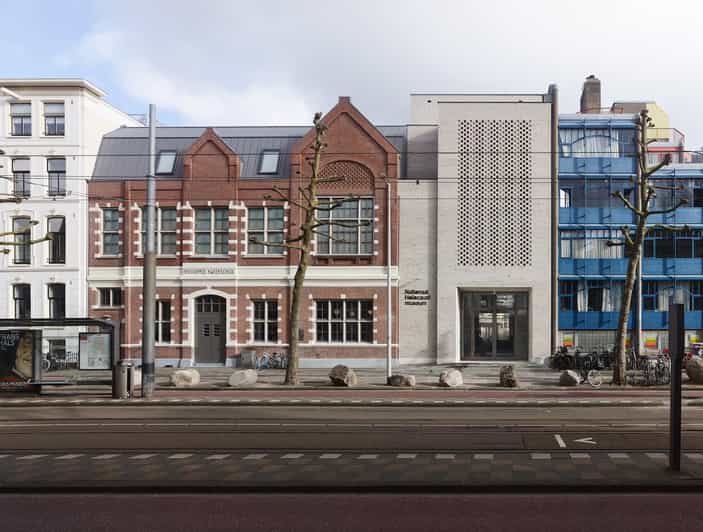
Amsterdam’s National Holocaust Museum does something important: it connects the Holocaust to ordinary Dutch life. Inside the former Hervormde Kweekschool, you see how Jewish families lived before the war, how Nazi persecution grew step by step, and how one nearby daycare became part of a desperate effort to save children. The museum gives this history recognizable faces, not just numbers.
I like the personal accounts and clear audio guide, which help you follow a difficult subject at your own pace. I also like that your $24 ticket includes the Hollandsche Schouwburg National Holocaust Memorial, giving you two related sites rather than one isolated museum visit. The main caution is time: many visitors need several hours, and poor signage or crowded, tightly arranged displays can slow you down.
Key points to know before you go
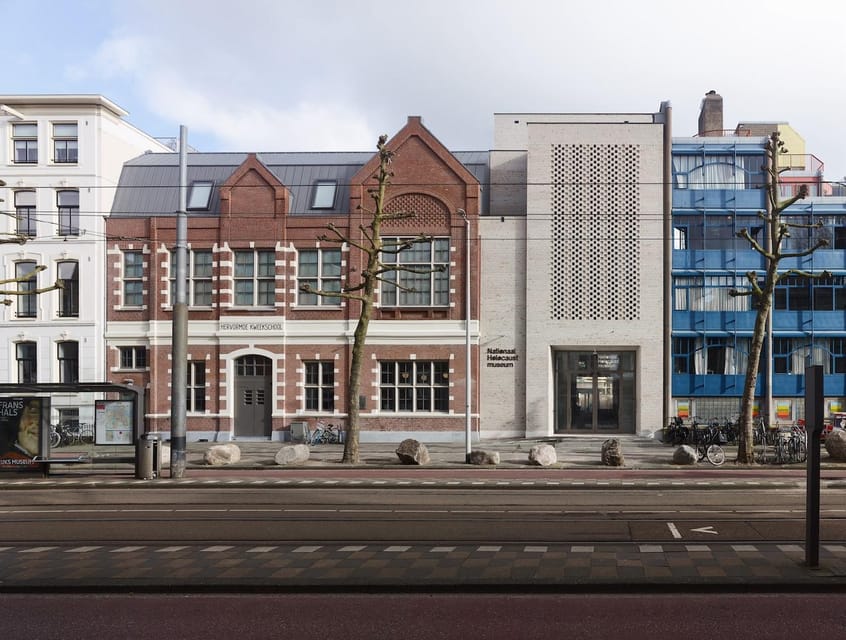
- The building carries the story: The former Hervormde Kweekschool was tied to the rescue of hundreds of Jewish children.
- You get two Amsterdam sites: Admission includes both the National Holocaust Museum and the Hollandsche Schouwburg memorial.
- The presentation is personal: Artifacts, portraits, written testimony, audio, and interactive holograms bring individual lives into view.
- Plan a half-day: The museum contains far more reading and listening than a quick one-hour stop allows.
- The experience is self-paced: You can pause with difficult material, use the audio guide, and move through the exhibits at your own speed.
- Expect a serious visit: This is a place for reflection, not a light sightseeing break between canals and cafés.
Why this museum belongs in an Amsterdam itinerary
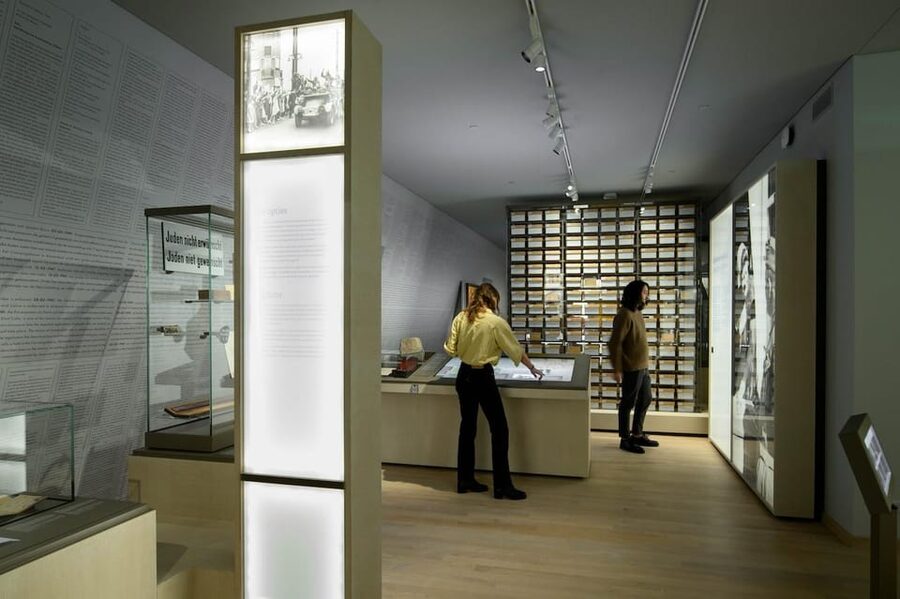
Amsterdam is often sold through canals, old houses, and art museums. The National Holocaust Museum asks you to look at another part of the city, one that shaped Dutch society and memory in lasting ways.
The museum explains that Jewish and non-Jewish people lived alongside each other before the Second World War, with the same rights. That opening matters. It gives you a picture of daily life before persecution changed everything, instead of presenting Jewish history only through the lens of death and destruction.
From there, the museum follows the Nazi takeover and the gradual removal of Jewish rights. The story shows how persecution did not arrive as one single event. Laws, restrictions, registration, separation, deportation, and murder formed a chain. Seeing that progression helps you understand how a modern society can be pushed toward cruelty in stages.
The scale is immense. The Nazis murdered approximately six million Jews across Europe, and about three-quarters of the Jewish population in the Netherlands was killed. The museum does not let those figures float by as distant statistics. It places them beside names, objects, photographs, and personal experiences.
That balance is one of the strongest reasons to visit. You learn about the national tragedy, but you also encounter the smaller details of people’s lives. A portrait or a personal account can make the history feel immediate in a way that a wall of numbers cannot.
More WWII and D-Day Tours in Amsterdam
- Amsterdam: Life of Anne Frank and World War II Walking Tour
★ 4.8 · 10,467 reviews - Amsterdam: Dutch WWII Resistance Museum Entry Ticket
★ 4.7 · 951 reviews - Anne Frank and the Jewish History of Amsterdam Private Tour
★ 5.0 · 307 reviews
Inside the former Hervormde Kweekschool
The museum’s setting is not a neutral container. The former Hervormde Kweekschool was connected to a nearby daycare used by the Nazis as a gathering and deportation point for Jewish children.
This is also where director Henriëtte Pimentel helped hundreds of children escape. Some were moved through the Kweekschool as part of rescue efforts. The building therefore holds two parts of the story at once: the machinery of deportation nearby and the dangerous acts of people trying to save children.
I find that context especially useful because it helps you read the rooms with greater care. You are not simply looking at an exhibition in a convenient modern hall. You are walking through a site tied to decisions, fear, courage, and loss.
The museum presents this past without trying to soften it. At the same time, the focus on individual people keeps the experience from becoming only an account of institutions and dates. The result is painful, but it is also easier to understand.
The visit, room by room in spirit
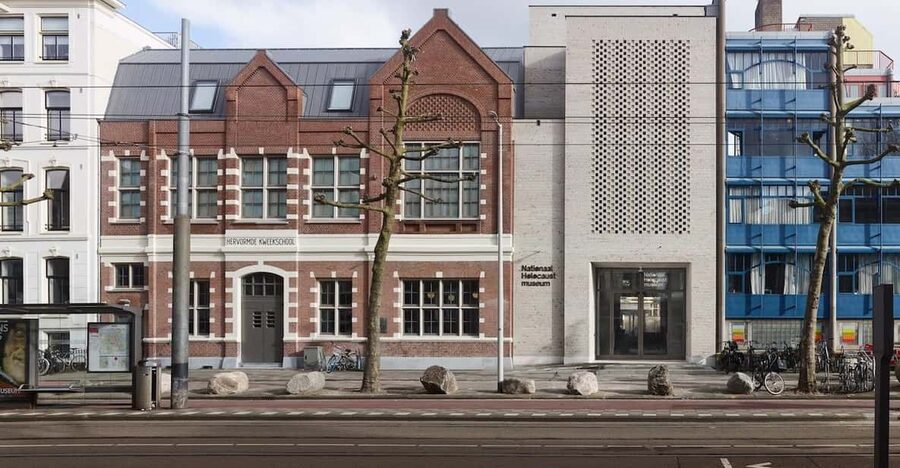
Your visit begins with Jewish life in the Netherlands before the war. This section gives needed background, showing communities as part of everyday Dutch society. You can better grasp what was taken away because you first see what existed.
The next sections explain the persecution during the occupation. Expect written information, photographs, artifacts, and personal accounts. The museum lays out the changes in a clear sequence, showing how Jewish people were increasingly isolated, controlled, and sent away.
The story then turns toward deportation and murder. This is the hardest part of the visit, and the museum handles it in a restrained way. There is no reason to rush. You can stop at a display, listen to an account, or step back when you need a pause.
The final themes include liberation and the way the Holocaust has been handled in Dutch national memory culture. This is an important choice. Liberation did not end the questions raised by the Holocaust, and remembrance is not simply a matter of placing a memorial plaque and moving on.
You are asked to consider how the Netherlands remembers the victims, how the country has dealt with responsibility and loss, and why public memory changes over time. That makes the museum useful for understanding modern Dutch society, not just the years of Nazi occupation.
Personal testimony, audio, and interactive displays
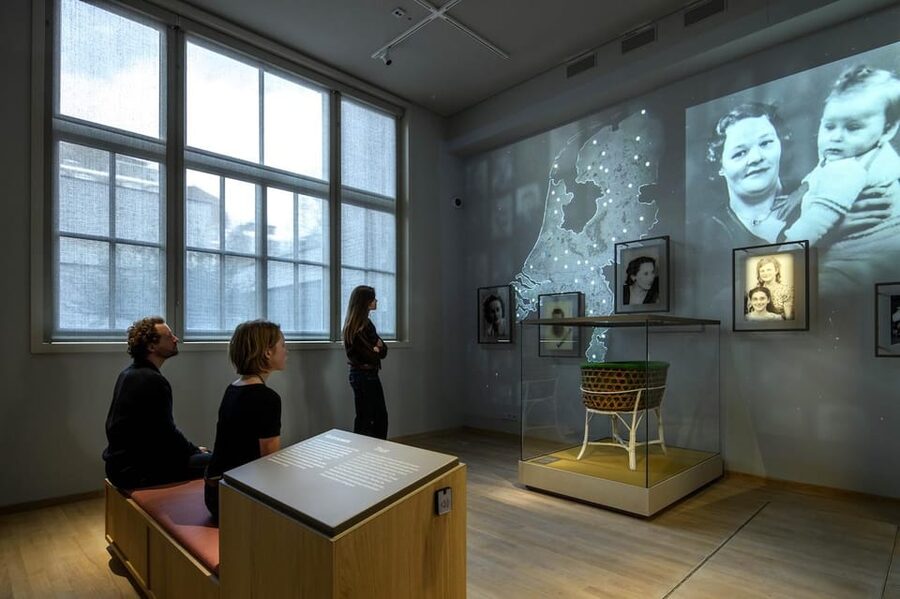
The museum works best when you give its personal material time. The audio guide adds explanations throughout the visit, and its accounts help connect objects to the people behind them.
Some visitors have found the audio guide especially informative and well organized. There has been one practical glitch: an English account occasionally switched to Dutch. If you use the guide, keep an ear out for the language and flag any problem with staff.
Interactive holograms are another memorable feature. They allow you to ask questions and receive answers from recorded figures. This method can make the history feel direct, particularly for visitors who find long blocks of text tiring.
The technology does not replace the artifacts. It works alongside portraits, suitcases, documents, and other objects. Together, these elements give you several ways to approach the material. You can read, listen, look closely, or use the interactive material to clarify a point.
The main tradeoff is information overload. There is a great deal to read and hear, and a single visit may leave you mentally full. That is not a flaw in the subject, but it does affect planning. If you try to absorb every label, audio segment, and personal account, you may need more time than expected.
More WWII and D-Day Tours in the Netherlands
- Anne Frank and Amsterdam Jewish History Walking Tour
★ 5.0 · 259 reviews - Small Group Tour to Nazi WWII concentration camp from Amsterdam
★ 5.0 · 112 reviews - Amsterdam: Anna Frank and World War II History Walking Tour
★ 4.8 · 86 reviews - Amsterdam: Anne Frank and World War II Walking Tour (TOP RATED)
★ 4.5 · 72 reviews
Why the Hollandsche Schouwburg matters
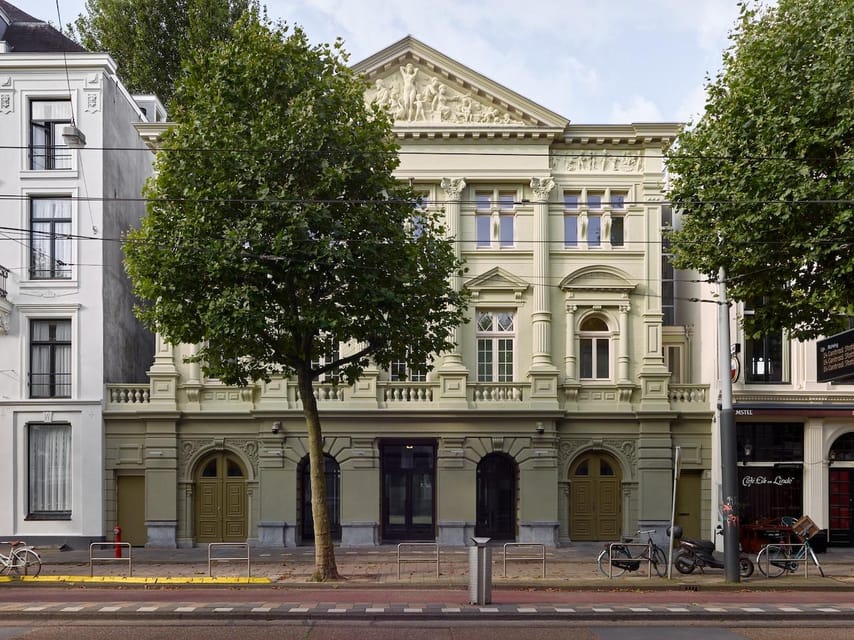
Your ticket also includes the Hollandsche Schouwburg National Holocaust Memorial. That second site adds an important physical point to the museum visit.
The Schouwburg was used during the persecution of Dutch Jews as a place connected with deportation. Visiting it after the National Holocaust Museum helps you connect the broader history to another location in Amsterdam.
I would not treat the second entry as a minor bonus. The two places serve different purposes within the same subject. The museum gives you background, chronology, personal lives, and national memory. The memorial helps place deportation within Amsterdam itself.
Since the ticket is valid for seven days from first activation, you do not have to force both locations into one exhausting session. You can use one day for the museum and return to the other site later within the validity period. The supplied information does not specify the exact opening hours or how long each stop takes, so check those details before setting your schedule.
How much time should you allow?
Do not plan this as a quick stop. Several people have needed hours to read and listen to the displays, and a half-day is a sensible target if you want to take the museum seriously.
The published duration of seven days refers to ticket validity after activation, not the length of one museum visit. You can use the ticket during that seven-day period, but the amount of time you spend inside on a given day depends on your pace and the museum’s closing time.
Arrive with enough time before closing. A few visitors have had to leave before finishing, including one person who was asked to exit right at closing time. Do not count on a last-minute buffer.
A timed entry does not necessarily mean you will have every room to yourself. During busy periods, a display designed for only two people may create a queue. The museum has also received criticism for signage that makes the route harder to follow than it should be.
My practical plan would be simple:
- Allow at least several hours for the main museum.
- Begin with the sections most important to you if your schedule is tight.
- Leave room for the audio guide and interactive material.
- Keep the Hollandsche Schouwburg for another day if you feel overloaded.
- Avoid arriving just before closing.
The presentation: strengths and small frustrations
The strongest feature is the museum’s clear, humane presentation. It explains the history directly and gives victims recognizable identities. The layout has been praised as orderly, and the labels and audio guide make the material easier to follow.
The staff are described as friendly, and the facilities include a museum café. That café can be useful after a heavy visit, especially if you need time to sit, process what you have seen, and avoid rushing straight into the next attraction.
There are also a few points to keep in mind. Some glass cases reflect a great deal of light, making certain objects and portraits difficult to see. That is particularly frustrating when the item is visually important, such as a suitcase or a portrait.
The route is not always obvious. You may need to pay close attention to signs and the order of rooms. Small displays can also create bottlenecks because only a couple of people can view them at once.
These are real annoyances, but they do not erase the museum’s value. They simply mean that you should allow patience, especially if the building is busy.
Is $24 good value?
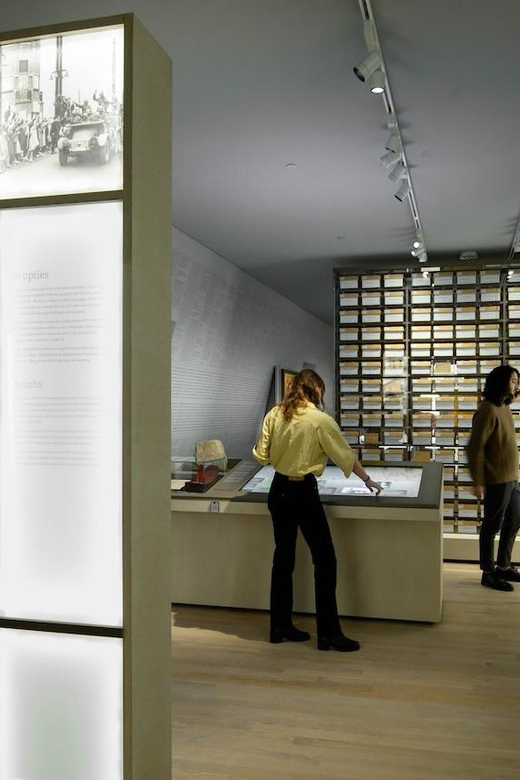
At $24 per person, the ticket is not the cheapest museum admission in Amsterdam. Its value depends on how much time you give it.
If you spend only an hour rushing through the main rooms, the price may feel high. If you use the audio guide, take time with the personal accounts, study the artifacts, and visit the Hollandsche Schouwburg within the seven-day validity period, the admission becomes more reasonable.
The included second site is important. You are not paying for a single short exhibition with a narrow focus. You receive access to two places connected to the persecution of Dutch Jews, with the museum providing the wider historical framework.
The reserve now and pay later option can help if your schedule is still moving. Free cancellation up to 24 hours before the visit also reduces the risk of booking too early. Those policies do not change the museum experience, but they make planning easier.
Who will get the most from this visit?
This museum suits you if you want more than a quick overview of the Second World War. It is especially valuable if you are interested in Dutch history, Jewish life in the Netherlands, memorial culture, or the way ordinary institutions became involved in persecution and rescue.
Families with older children and teenagers may find the personal stories and holograms more approachable than a purely text-based museum. The subject is serious, so parents should decide how much detail is suitable for their children.
It also works well for solo visitors because you can set your own pace. You do not need to keep up with a group or wait for a guide. If you are visiting with others, agree beforehand that people may want different amounts of quiet time.
The museum is wheelchair accessible. Photography is allowed, but you should use good judgment and show respect around sensitive displays and other people reflecting in the galleries.
Should you book the National Holocaust Museum?
I would book this experience if you want a thoughtful, historically grounded Amsterdam visit and can give it several hours. The combination of the former Kweekschool, the child rescue story connected to Henriëtte Pimentel, the personal accounts, and the included Hollandsche Schouwburg makes the $24 admission worthwhile for many visitors.
I would not book it as a filler activity between two tightly timed attractions. The material deserves attention, and the museum may leave you wanting a quiet break afterward.
Use the seven-day validity wisely. Visit the main museum when you have time to read and listen, then use the included memorial entry separately if that suits your schedule. If you accept that the experience will be sad and mentally demanding, you will come away with a clearer understanding of Jewish life in the Netherlands, Nazi persecution, and the continuing work of remembrance.
FAQ
How much does admission cost?
The ticket costs $24 per person.
What does the ticket include?
It includes entry to the National Holocaust Museum and the Hollandsche Schouwburg National Holocaust Memorial.
How long is the ticket valid?
The ticket is valid for seven days from first activation.
Is the seven-day period the length of the museum visit?
No. Seven days refers to the ticket’s validity period. Your visit inside the museum will be much shorter, but you should allow several hours to see and hear the exhibits properly.
Where do I enter?
The meeting point is the National Holocaust Museum.
Is the museum wheelchair accessible?
Yes, the activity is listed as wheelchair accessible.
Can I take photographs?
Yes, photography is allowed. You should be respectful around the exhibits and other people in the museum.
Is there an audio guide?
Yes, an audio guide is available and provides information throughout the museum. Some English audio accounts have occasionally switched to Dutch.
Can I cancel the booking?
Yes. You can cancel up to 24 hours in advance for a full refund. A reserve now and pay later option is also available.
Just added around Amsterdam
- Amsterdam Walking Tour: Urban Legends & History with local guide★ 5.0 · 39 reviews
- Amsterdam: Luxury Canal Cruise with Historic VR Experience★ 5.0 · 305 reviews
- Amsterdam: Anne Frank and World War II Walking Tour (TOP RATED)★ 4.5 · 72 reviews
- Small Group Tour to Nazi WWII concentration camp from Amsterdam★ 5.0 · 112 reviews
- Amsterdam 3 hrs Bike Tour – live guide En/Fr/De/Nl/Sp★ 4.5 · 138 reviews
- Guided Walking Tour Amsterdam – Legends, History & Ghost Stories★ 5.0 · 28 reviews
- LGBTQI+ History Tour of Amsterdam★ 5.0 · 123 reviews
- Amsterdam Haunted History and Ghost Walking Tour★ 5.0 · 47 reviews
Amsterdam History Tours, compared.

Amsterdam: Life of Anne Frank and World War II Walking Tour
Read our review →
Amsterdam: Dutch WWII Resistance Museum Entry Ticket
Read our review →
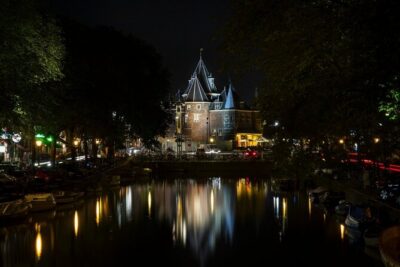
Amsterdam: Haunted History and Ghost Walking Tour
Read our review →
Amsterdam High-End Dutch Food & History Tour – Up to 8 guests
Read our review →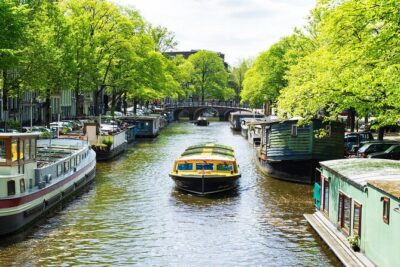
Amsterdam: Historic City Sightseeing Canal Cruise
Read our review →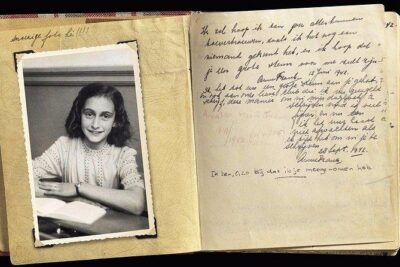
Anne Frank and the Jewish History of Amsterdam Private Tour
Read our review →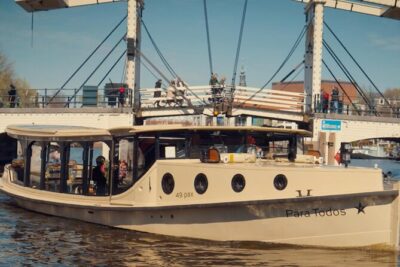
Amsterdam: Luxury Canal Cruise with Historic VR Experience
Read our review →Browse the lists this tour appears in