
Review · VIETNAM
Hue Imperial Ancient City Walking Tour
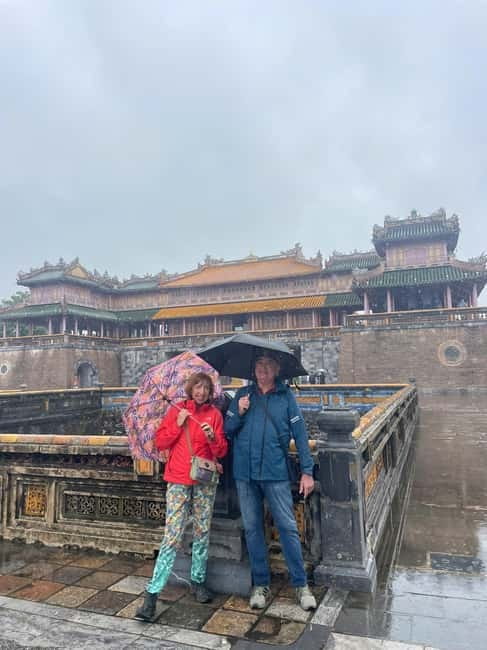
Hue’s Imperial City is far easier to understand with someone who can explain what you are looking at. The walls, gates, courtyards, and palace ruins cover a large area, and a guide gives the buildings a human story rather than leaving you to read scattered signs. Linh is the guide most often named, and he is praised for clear English, humor, old photographs, and detailed explanations.
I like the small groups, limited to 10 people, and the chance to pause for photos or explore some areas on your own. I also like the price: at $2 per person, this is exceptional value before you add the discretionary tip. The main consideration is that the $2 does not appear to cover the site admission, and the published timing is a little unclear, with 150 minutes listed alongside a longer itinerary description.
Key points to know before you book
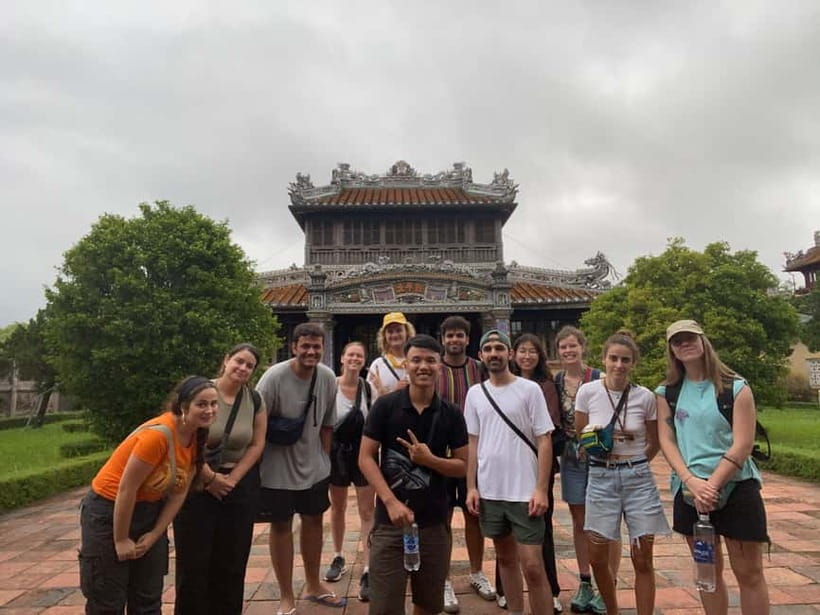
- Meridian Gate sets the scene: Begin at the grand entrance used for important imperial ceremonies and announcements.
- Linh brings visual history: He uses photographs to show how parts of the citadel looked in earlier periods.
- The tour connects palace life with national events: Expect discussion of the Nguyen emperors, French rule, war damage, and Vietnamese independence.
- Small groups keep the walk personal: The normal limit is 10 people, with no bookings accepted for groups larger than 6.
- You get time beyond the guide’s commentary: Short breaks let you rest, take pictures, or look around independently.
- Bring cash, water, and sun protection: The tip is optional, but the tour is described as tip-based, and entry tickets may be separate.
Why a guide helps inside Hue Imperial City
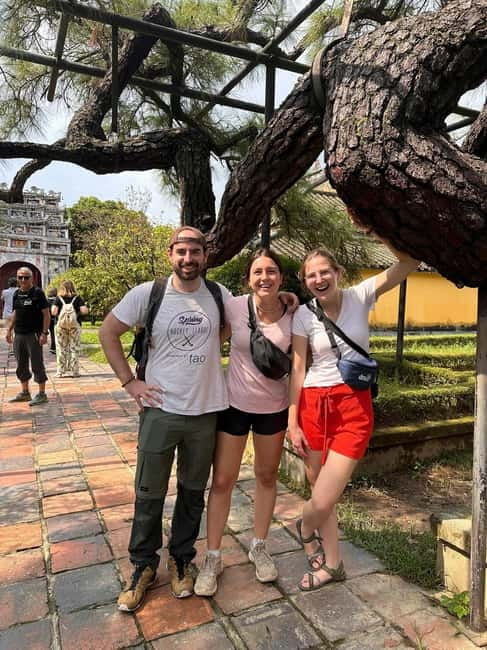
Hue Imperial City can look impressive even if you know nothing about it. Red and gold buildings, broad stone paths, ornamental gates, gardens, and weathered walls give you plenty to photograph. But without context, you can easily mistake a ceremonial hall for a residence or miss why one gate mattered more than another.
This walk is designed to explain the complex as a working royal center. You learn how the Nguyen Dynasty organized the citadel, where formal business took place, where the royal family lived, and which spaces were reserved for the emperor. That basic framework helps you read the site instead of simply passing through attractive buildings.
I especially like the way the tour links architecture with daily life. The guide discusses customs, family roles, royal routines, and the people of Hue, not only the names and dates of emperors. That gives the visit a more useful cultural balance.
The history also reaches beyond the dynasty itself. Several tours have included explanations of French Indochina, the struggle for independence, and the damage caused during wartime. You are not getting a palace tour cut off from modern Vietnam. You are being shown how the site fits into the country’s larger story.
More Ancient History Tours in Vietnam
- Hoi An: Ancient Town Guided Walking Tour
★ 4.9 · 766 reviews - Marble Mountains – Hoi An Ancient Town Sunset Daily Ingroup Tour
★ 5.0 · 690 reviews - Hoi An Ancient Town Walking Tour with a Local
★ 5.0 · 517 reviews
Starting at the Imperial City ticket office
The meeting point is in front of the Imperial City ticket booth. The available starting times are 9:00 AM and 3:00 PM, although you should confirm the assigned time after booking because the operator contacts you before the tour.
That location is practical, since you do not need to find a café or a hotel pickup point. Still, give yourself enough time to identify the correct ticket office and deal with admission before the walking group gathers. Clear WhatsApp communication has been particularly useful for confirming the meeting details, so provide a valid WhatsApp number or Vietnamese phone number.
The tour is offered in English. Guides named in the feedback include Linh and Thanh, with Linh appearing most often. You may receive a different guide, but the repeated strengths are good spoken English, personal interaction, and an ability to answer questions about both the citadel and Vietnam.
Meridian Gate and the first look at royal power
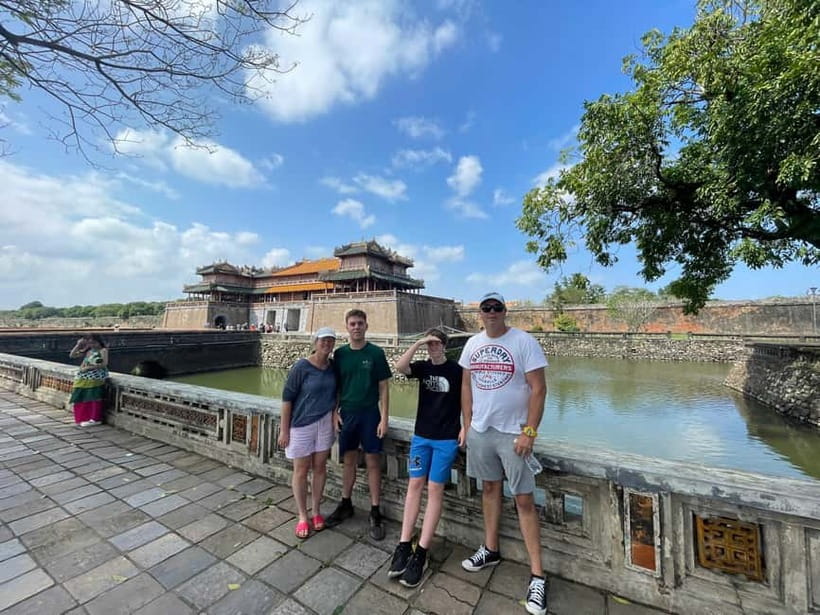
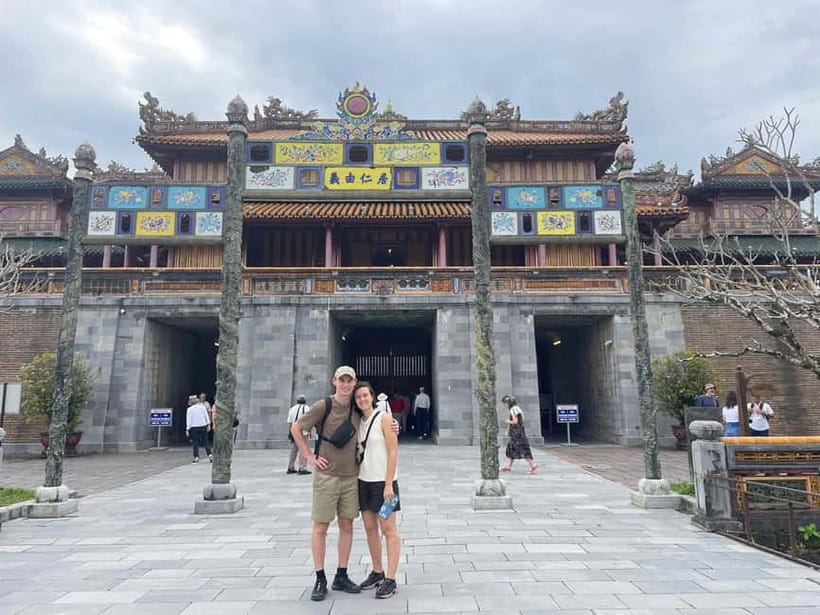
Meridian Gate, or Ngo Mon Gate, is the natural place to begin understanding the Imperial City. It is not simply an attractive entrance. Its scale and design show how the Nguyen court presented authority, controlled access, and created a formal approach to the royal center.
Expect the guide to explain the gate’s role and point out details that are easy to miss when you are focused on taking pictures. This first stop gives you a map in your head: outside spaces lead toward the ceremonial heart of the complex, while more private areas sit farther inside.
The gate can also be a busy place, depending on the time of day. A small group helps, but you will still need to stay close enough to hear. If you want people-free photographs, use the short independent breaks rather than expecting the guide to stop for a long photo session at every point.
Thai Hoa Palace and the ceremonial court
Thai Hoa Palace is the main ceremonial hall, and it shows the public side of imperial rule. This is where the court’s formality becomes easier to picture. The building is not presented as an ordinary residence, and the guide helps explain how ceremonies, rank, and royal display shaped the space.
I find this part valuable because palace architecture can otherwise blur together. The guide’s job is to explain why this hall mattered, who could enter, and how its function differed from the emperor’s private quarters. Discussions of the Nguyen emperors since 1802 help place the palace within the dynasty’s timeline.
Look closely at the decorative details, colors, layout, and surrounding open space. You will have more appreciation for them once you understand that the building was designed for ceremony and hierarchy, not just beauty.
More History Walking Tours in Vietnam
- Hoi An Ancient Town – Walking Tour with Local Guide
★ 4.9 · 385 reviews - Hanoi: Cho Gioi Vietnam War History Walking Tour
★ 5.0 · 102 reviews - Hanoi City Highlights Walking Tour – Landmarks & History
★ 5.0 · 34 reviews
Dien Tho Palace and the queen mother’s world
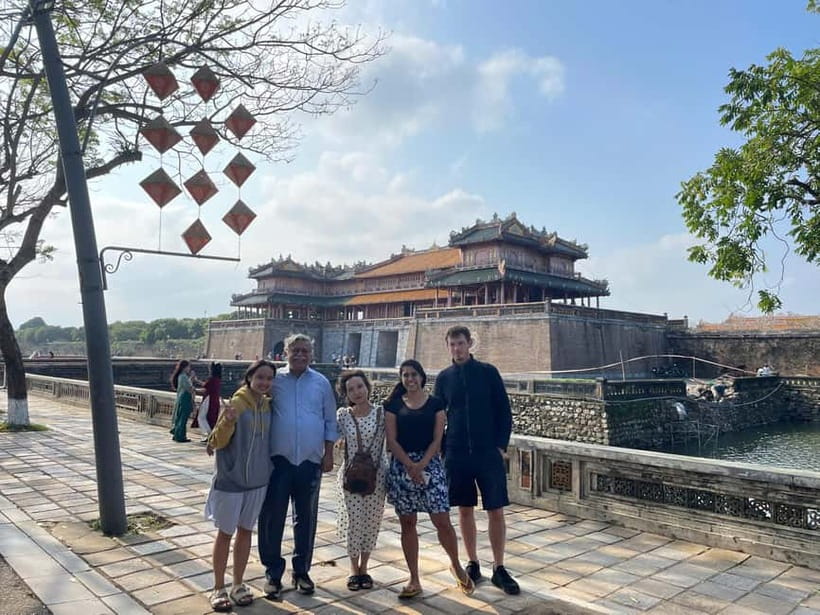
Dien Tho Palace adds a different angle. It was associated with the queen mother, so the focus shifts from the emperor’s public duties to the roles and living arrangements of senior women in the royal family.
This stop is useful if you want more than a succession of male rulers and military events. The tour includes discussion of royal customs, family pressures, and the way life inside the court was organized. One guide, Linh, has also connected imperial subjects with broader observations about Vietnamese family expectations and social life today.
The complex has suffered damage and change over time, so not every building will appear complete or untouched. That is part of what you are seeing. The walk helps you understand both the original purpose of the site and the way history has altered it.
The Forbidden City and the emperor’s private area
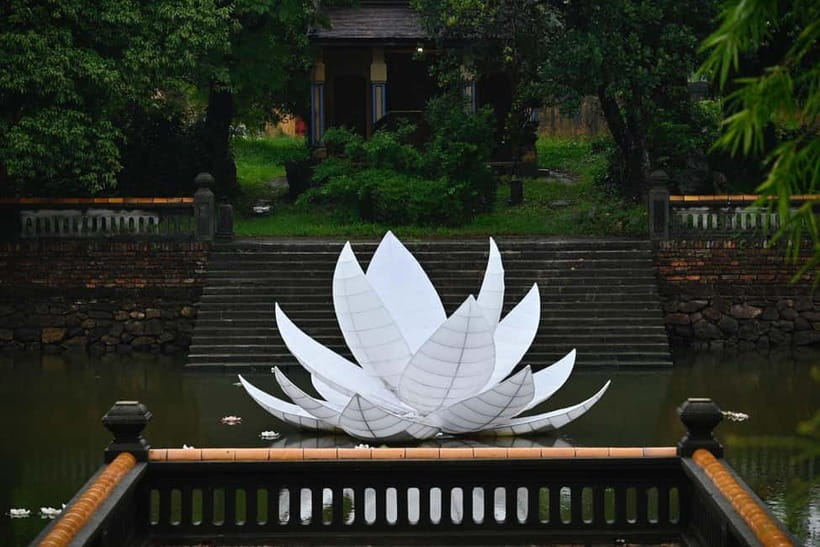
The Forbidden City was the most private section of the imperial complex, reserved for the emperor and those permitted to serve him. It is one of the most anticipated parts of the tour, but it is also where expectations need to be realistic.
You will see important remains, restored buildings, open courtyards, and areas shaped by loss and reconstruction. The guide explains how the private zone related to the ceremonial areas you have already visited. That contrast is one of the tour’s strongest teaching points: Thai Hoa Palace represented official power, while the Forbidden City reveals the protected inner world of the court.
This is also where the guide’s photographs can help. Historic images show how the complex looked during different periods, making it easier to imagine buildings that no longer survive in their original form. The site is more meaningful when you recognize that absence is part of the story.
Stories about emperors, war, and modern Hue
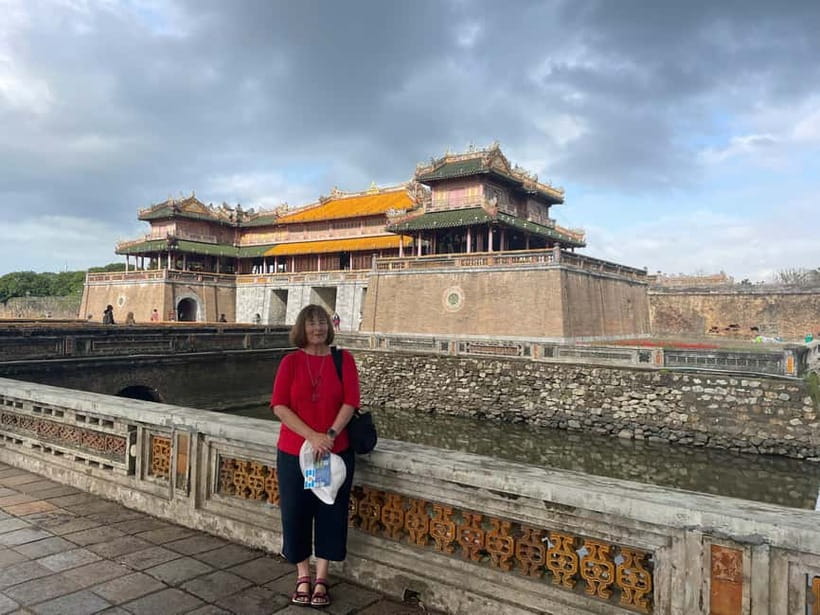
A good visit to Hue should not stop in the nineteenth century. The tour places the Nguyen Dynasty alongside French colonial rule and the struggle for Vietnamese independence. It also addresses the impact of the American War on the Imperial City.
That wider frame matters because the citadel is not an isolated museum piece. Its buildings reflect royal ambition, colonial pressure, conflict, preservation, and modern Vietnamese memory. You learn why some sections feel polished while others show age or damage.
The strongest guide-led moments come when the facts connect to people. Linh is frequently praised for making history relevant, adding humor, asking questions, and encouraging everyone in the group to join the conversation. That approach works well for visitors who may not have studied Vietnamese history before arriving.
The tour is not a substitute for a full history course, and the amount of detail can vary with the guide and the group. Still, the experience gives you a useful foundation for visiting the royal tombs or other Hue sites later.
Pace, breaks, and the walking conditions
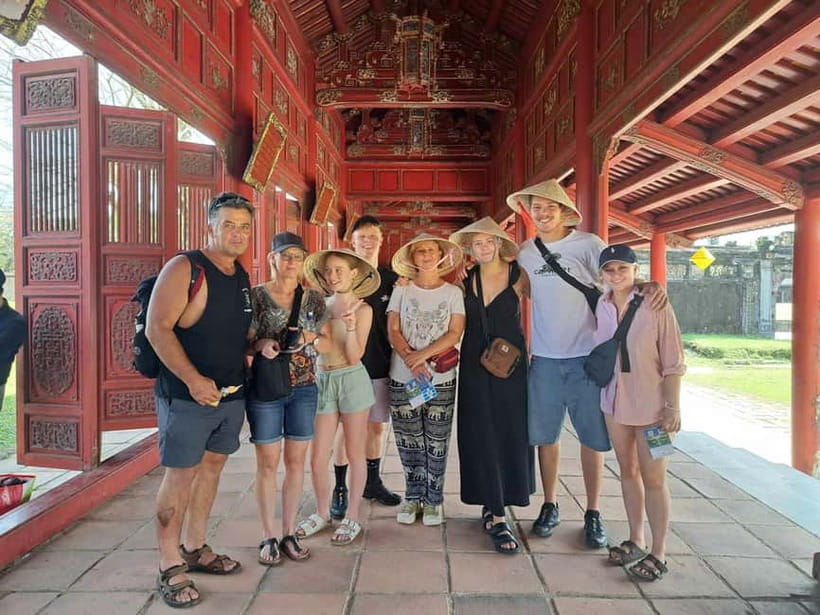
The experience is walking-focused, so comfortable shoes are essential. Bring water and sunscreen. Hue’s sun can make a slow palace walk feel much longer, particularly during the 9:00 AM or 3:00 PM start depending on the season.
The supplied details list a 150-minute duration. The itinerary also describes a guided visit lasting 3.25 hours, while individual descriptions refer to roughly two and a half to three hours. I would plan for at least the advertised two and a half hours and keep extra time available, especially if you want to remain inside the citadel after the guide finishes.
The pace appears to mix guided explanation with free time. You may have opportunities to sit, take photographs, use a comfort break, or explore selected areas independently. One practical weakness is that the exact boundaries of these free periods may not always be obvious, so ask the guide where to meet and what will be covered later before walking away.
Wheelchair access is listed, but the experience still takes place across a historic site with outdoor paths and older structures. If you use a wheelchair, confirm the route and any access limits before arrival.
What the $2 price really means
At $2 per person, the tour is remarkable value if you want a historical introduction rather than a private, custom-designed visit. You receive a local guide, an English walking tour, and access to explanations that can save you from wandering through a large complex without a clear plan.
The small-group limit improves that value. Ten people is still a group, but it is manageable, and the tour does not accept bookings for parties larger than six. Families, couples, solo visitors, and small groups are the intended audience.
You should also understand the tip arrangement. The price is described as tip-based in the practical information, and several visitors were told to bring cash for a tip. Tips are officially at your discretion, but you should budget for one if the guide gives you the time and service you hoped for.
Site admission seems to be separate. Some feedback specifically advises bringing cash for an entry ticket, so check the current entrance cost before you go. That small extra expense does not weaken the value of the guided walk, but it is better to know your total cost in advance.
Free cancellation up to 24 hours before the tour and reserve-now, pay-later booking add useful flexibility. The operator also asks for a working phone or WhatsApp contact to reduce missed meetings.
Who will enjoy this Hue walking tour
I would choose this tour if you are visiting Hue for the first time and want the Imperial City to make sense quickly. It suits solo visitors especially well because the small group creates an easy way to meet people while still receiving personal attention.
It is also a strong fit for couples and families with older children who can manage several hours of walking. The humor, photographs, and stories make the subject less dry than a sign-by-sign visit.
History fans will appreciate the attention to the emperors, palace functions, colonial rule, and wartime damage. Food-minded visitors may also benefit from the guide’s local suggestions, including recommendations for Hue specialties such as bun bo Hue.
You may prefer a private tour if you want complete control over the route, pace, and photo stops. You may also prefer to explore alone if you dislike group timing or long explanations. The tour is not ideal for anyone seeking a short look at only one building, since its value comes from connecting several parts of the complex.
My verdict on the Imperial City experience
Book this tour if you want context, conversation, and a clear route through Hue’s major royal sites at almost no upfront cost. The most praised qualities are the guides’ English, their command of Vietnamese history, their humor, and their use of old images to explain what time and war have changed.
Before booking, remember three things: bring water and sun protection, allow extra time because the duration details vary, and carry cash for possible admission and a discretionary tip. If you ask the guide to explain the free-time arrangements, you can avoid the one organizational issue noted in the feedback.
For a first visit to Hue, this is an efficient way to turn impressive ruins and palaces into a story about emperors, family, ceremony, conflict, and modern Vietnam.
FAQ
Where does the Hue Imperial Ancient City Walking Tour meet?
The meeting point is in front of the Hue Imperial City ticket booth or ticket office.
What time does the tour start?
The stated start times are 9:00 AM and 3:00 PM. The operator contacts you before the tour to confirm the designated time.
How long does the tour last?
The activity is listed as 150 minutes. The itinerary also mentions a 3.25-hour guided tour, so allow extra time and confirm the expected finish when you receive the meeting details.
Which places are included in the walk?
The highlighted sites are Meridian Gate, Thai Hoa Palace, Dien Tho Palace, the Forbidden City, and other areas of Hue Imperial City.
Is the tour conducted in English?
Yes. The activity includes a live English-speaking guide.
How many people can join the group?
The standard small group is limited to 10 participants. Bookings are not accepted for groups larger than 6 people, including children.
Is the Imperial City entrance ticket included?
The included items are the walking tour and local guide. The supplied information does not list an entrance ticket as included, and visitors are advised to bring cash for possible admission costs.
What should I bring?
Bring comfortable walking shoes, sunscreen, and water. Cash is also sensible for the discretionary tip and any separate entrance cost.
Can I cancel or pay later?
You can cancel up to 24 hours in advance for a full refund. The reserve-now, pay-later option lets you book without paying immediately.
Just added around Vietnam
- Hue: 3 Best Royal Tombs Tour and Ancient Pagoda★ 4.9 · 100 reviews
- Ho Chi Minh City Tour with Colonial Heritage and Chinatown★ 4.6 · 48 reviews
- Ho Chi Minh City: Half-day History And Culture Tour★ 4.5 · 33 reviews
- Hanoi City Highlights Walking Tour – Landmarks & History★ 5.0 · 34 reviews
- Hanoi: Historic Jeep Tour★ 4.9 · 30 reviews
- Hanoi: Cho Gioi Vietnam War History Walking Tour★ 5.0 · 102 reviews
- From Ho Chi Minh City: Heritage & Culture Half-Day Tour★ 4.7 · 37 reviews
- From Hanoi: Trang An eco-tourism – Hoa Lu ancient & Mua Cave★ 4.7 · 51 reviews
Vietnam History Tours, compared.
Ninh Binh Heritage Full Day Tour with Buffet Lunch and Limousine
Read our review →
Premium Cu Chi Tunnels Tour with Local Expert by SpeedBoat
Read our review →
Halong Heritage Luxury Day Cruise-Buffet lunch&Limousine transfer
Read our review →

Marble Mountains – Hoi An Ancient Town Sunset Daily Ingroup Tour
Read our review →

From Ho Chi Minh: Cu Chi Tunnels Half-Day History Tour with Guide
Read our review →Browse the lists this tour appears in