
Review · SPAIN
Valencia: Walking Tour of the Medieval City Center
Valencia’s old center packs more history into two hours than you might expect. You’ll move from the 13th-century cathedral to the grand Torres de Serranos, with stories about Roman Valencia, Moorish rule, medieval trade, and curious local legends along the way. The tour is designed to make dates and dynasties easier to remember, not turn you into a walking textbook.
I like the clear route through the city’s key monuments, and I like that the guide focuses on how Valencia changed over more than 2,000 years. Guides such as Jorge have been praised for bringing the city to life, while one German-language experience raised concerns about a quiet guide and too much talking while walking. Monument entry is not included, so treat this as a city orientation rather than a full indoor sightseeing pass.
Key points to know before you book
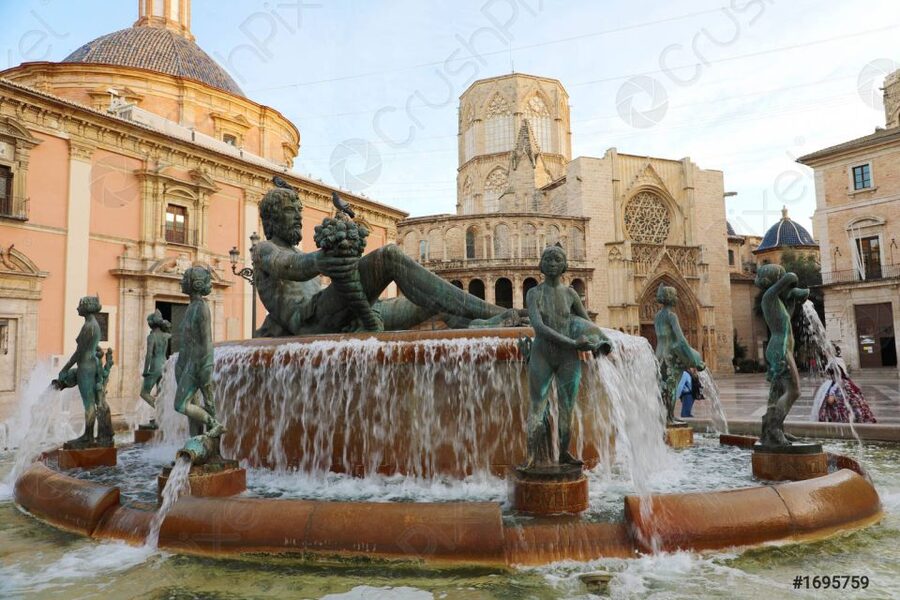
- Plaza de la Virgen gives you a strong starting point: This historic square brings together several of Valencia’s most important religious and civic sights.
- The cathedral shows many eras in one building: Romanesque, French Gothic, Renaissance, Baroque, and Neo-Classical details all appear here.
- The Torres de Serranos are a major medieval landmark: The 14th-century gate helps explain Valencia’s former defensive walls.
- The Silk Exchange links the city to medieval commerce: The 15th-century building is one of the tour’s most important stops.
- You pay $35 for two hours of guiding: That is fair if you want context and an efficient introduction, but entrance tickets cost extra.
- Check mobility needs carefully: The activity is described as wheelchair accessible, yet it is also marked unsuitable for people with mobility impairments.
A fast introduction to Valencia’s old center
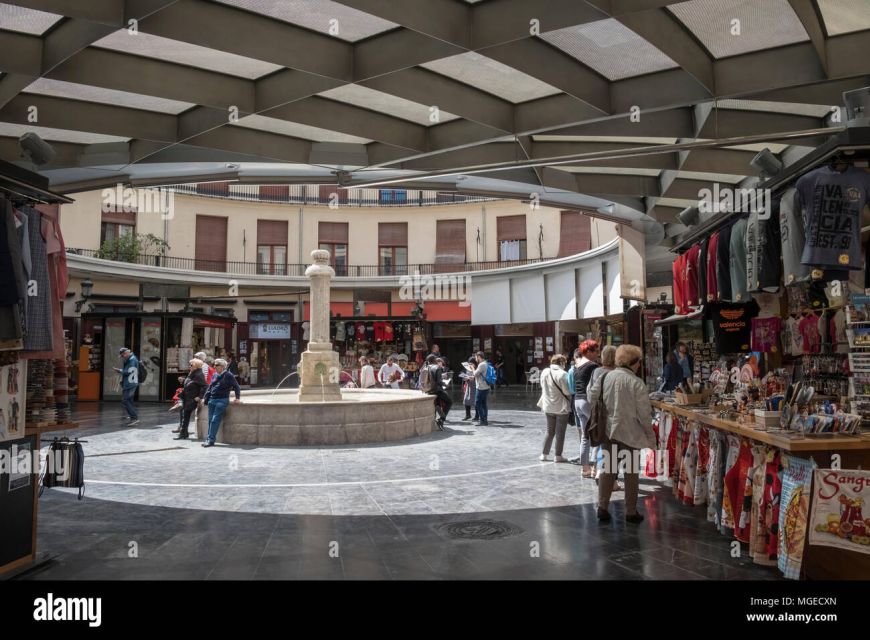
Valencia can feel hard to read at first. Roman foundations, Moorish influence, medieval churches, government buildings, and later artistic styles sit close together. A walking tour gives you a useful thread through it all, especially if you have just arrived and want to understand what you are seeing before exploring alone.
The route focuses on the historic center rather than the whole city. You meet at Calle Náquera, 6, then spend two hours moving between major sights. The precise order may vary, but the main stops include Plaza de la Virgen, the cathedral, Torres de Serranos, the Silk Exchange, and the Palacio de la Generalitat.
Your guide speaks Spanish or English. The tour is intended for adults and children, and the guide can adapt the presentation to suit the group. That makes it a sensible choice for families who want history explained in plain language instead of a long lecture.
One useful caution: the experience information gives two different mobility signals. It says the tour is wheelchair accessible, but it also says it is not suitable for people with mobility impairments. Since a two-hour old-center walk can involve uneven paving, standing, and repeated stops, contact the provider before booking if mobility is a concern.
More History Walking Tours in Spain
- Barcelona: Tapas Walking Tour with Food, Wine, and History
★ 4.8 · 4,261 reviews - Barcelona Tapas Walking Tour: Food, Wine & History
★ 4.5 · 1,928 reviews - Madrid Historical Walking Tour
★ 5.0 · 721 reviews
Plaza de la Virgen and the story of Valencia
Plaza de la Virgen is one of the best places to begin making sense of Valencia. It is a major public square in the old center, and it places several layers of the city’s past within a short walk. Your guide can use the square to explain Valencia’s religious importance, civic life, and long shift from Roman settlement to medieval Christian city.
This is also where the tour’s storytelling style matters. The stated aim is to explain curiosities and surprising legends, not only give a list of construction dates. That can be helpful in a city where similar-looking stone streets and ornate façades quickly blur together.
You should expect to spend time looking at buildings from the outside. The tour price covers the walking guide, not admission to monuments. If you want to enter the cathedral or another paid site, you will need to arrange and pay for that separately.
The square is a good early stop because it gives you a visual map of the historic center. You can ask questions about what you will see later, and you will have a better sense of how Valencia’s religious and political buildings relate to one another.
The cathedral’s six architectural chapters
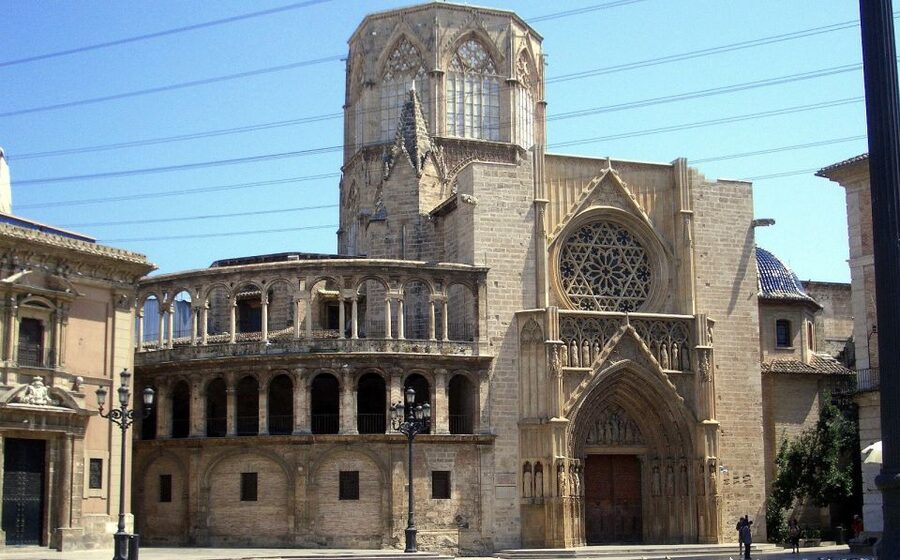
The Metropolitan Cathedral is the tour’s most layered sight. Construction began in the 13th century, but the building does not belong to one clean architectural period. You can see Romanesque, French Gothic, Renaissance, Baroque, and Neo-Classical elements, each reflecting a different stage in Valencia’s development.
That variety is valuable because it turns the cathedral into a timeline. Instead of seeing a single medieval church, you see how later generations altered, expanded, and restyled an important building. Your guide can point out the changes and explain why the cathedral looks less uniform than a purpose-built monument from one era.
The cathedral also connects to the period of Moorish rule. Before Christian rule returned, the building served as a mosque. That detail helps you understand Valencia as a city shaped by changing religions and governments, rather than a place with one unbroken cultural story.
A guide-led visit is especially useful here because architectural details can be easy to miss. Without explanation, a façade may simply look old and elaborate. With context, you can separate Gothic structure from later Baroque decoration and understand why several styles appear side by side.
Since entry tickets are not included, decide in advance if you want to go inside. The walk itself still gives you the outside setting and historical explanation, but anyone hoping for a full interior visit should budget for an additional ticket and allow time beyond the two-hour tour.
Torres de Serranos and Valencia’s medieval defenses
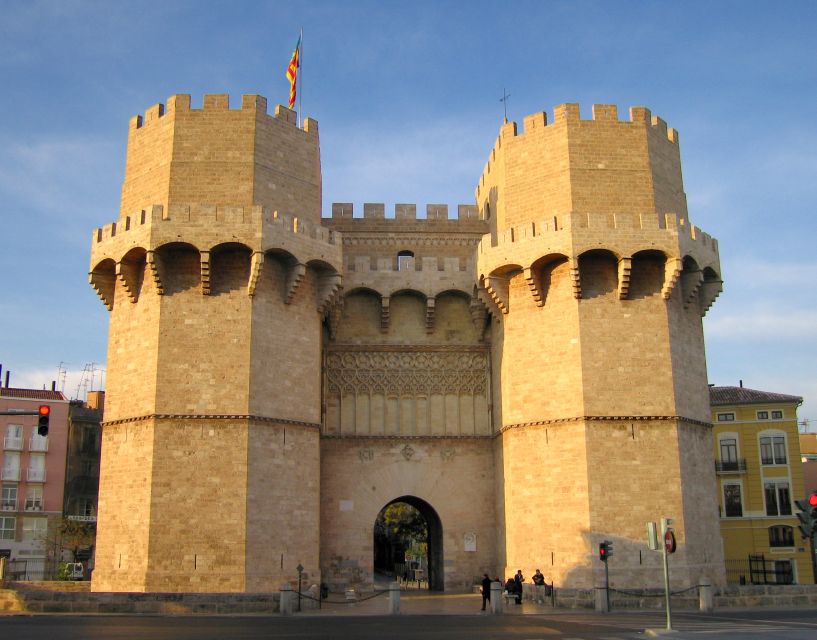
The Torres de Serranos are a pair of monumental city gates from the 14th century. They are among the clearest reminders that medieval Valencia was a walled city, where gateways controlled movement and helped defend the settlement.
The towers are not just a photogenic pause. They give your guide a chance to explain the practical side of medieval urban life. Walls, gates, trade routes, and civic authority all shaped how people entered and left the city. A gate like this also shows how defensive buildings could serve as public symbols of power.
You will see the towers as part of the walking route, but the supplied information does not include admission. Do not assume an interior visit is part of the $35 price. If you want to explore inside, ask the guide or provider about current access and ticket costs.
This stop also helps balance the cathedral section. The cathedral tells you about religious and artistic change, while the Torres de Serranos brings the city’s military and civic past into view. Together, they make the tour feel broader than a church walk.
More Medieval History Tours in Spain
- Montserrat with Black Madonna & Medieval Winery with Tapas/Lunch
★ 5.0 · 5,209 reviews - From Seville: Italica Roman City & Medieval Monastery Tour
★ 4.5 · 1,051 reviews - Medieval Three Villages Small Group Day Trip from Barcelona
★ 5.0 · 994 reviews - Tenerife: Castillo San Miguel Medieval Show and Banquet
954 reviews
The Silk Exchange and medieval trade
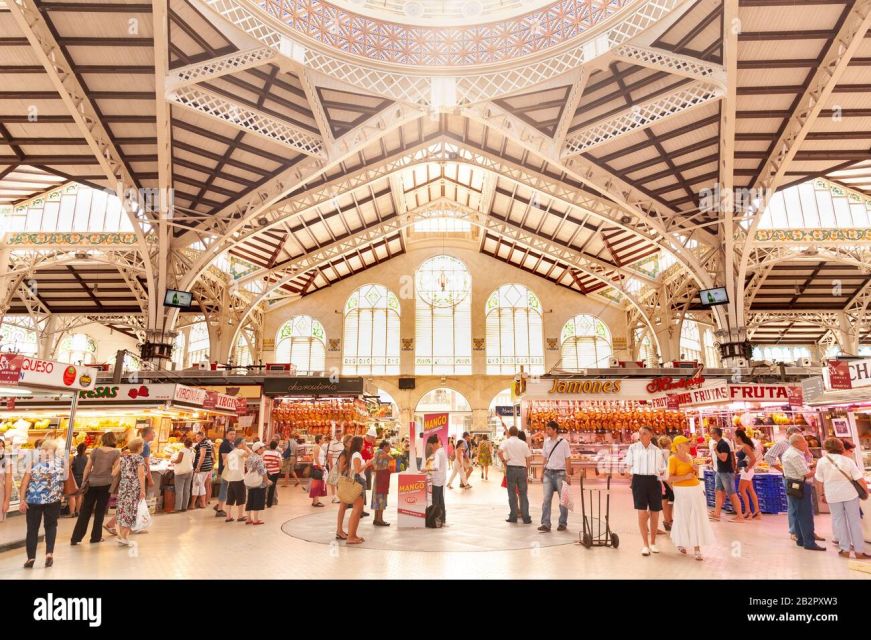
The historic Silk Exchange, known as the Lonja de la Seda, introduces the commercial side of Valencia. Its 15th-century date places it in a period when trade, banking, textiles, and civic wealth were central to the city’s growth.
The name alone can sound narrow, as if the building were only about one product. In practice, the Silk Exchange represents a larger trading system and the confidence of a prosperous medieval city. Your guide can help you connect the building’s purpose to Valencia’s role as a place of business and exchange.
This is one of the tour’s strongest stops for visitors who want more than church history. It shows how merchants and public institutions shaped the old center. The building also adds a different visual mood to the route, moving you from religious architecture to a space linked to contracts, commerce, and public order.
Again, admission is separate. The walking tour can explain why the building matters, but you should not count on an interior visit unless you have confirmed it and paid for it. If you plan to return later, the guide’s introduction will make a second visit more rewarding.
Palacio de la Generalitat and living civic history
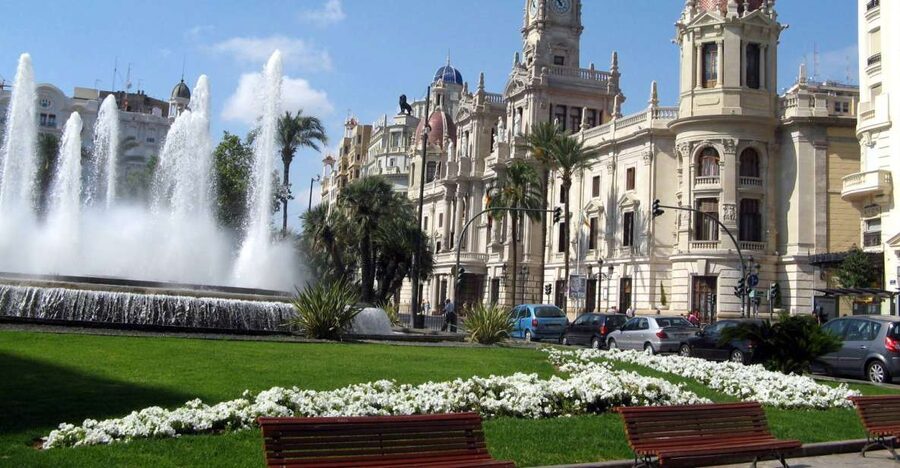
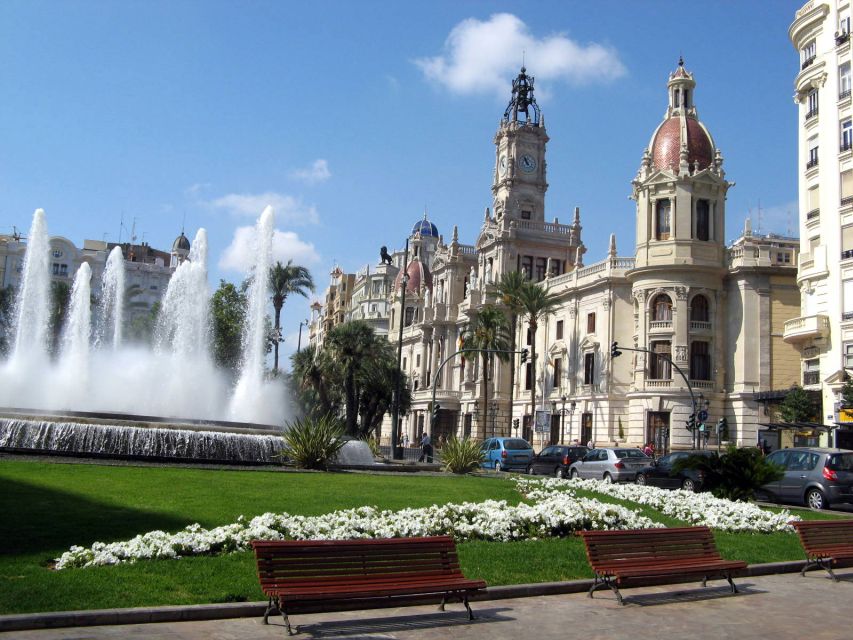
The Palacio de la Generalitat dates from the 15th century and remains connected to Valencia’s government. That gives the building unusual value: it is not only a relic of the past, but part of the city’s present civic life.
Your guide can use it to explain how medieval political structures developed and how Valencia’s institutions continue to matter today. It is a useful reminder that the old center is not a museum set apart from daily life. Historic buildings still help define how the city is governed and represented.
The palace also adds political context to a route otherwise centered on churches, gates, and trade. When you see it alongside the cathedral and Silk Exchange, you get a clearer picture of the major forces that shaped medieval Valencia: faith, commerce, defense, and government.
The supplied information does not promise entry to the palace, so expect an exterior explanation unless the guide confirms otherwise. That is typical for a short orientation walk and keeps the group moving through several important locations.
How the guiding style can shape the experience
The guide is the main variable here. The experience is offered in Spanish and English, and strong guides can turn a sequence of old buildings into a connected story. A guide named Jorge has been singled out for explaining Valencia’s history well and taking the group to the city’s beautiful historic buildings. Another guide was described as local to Valencia and entertaining.
That local connection can make a real difference. A person born and raised in Valencia may explain the city with more personal ease, though the booking information does not guarantee a particular guide. You should treat names such as Jorge as examples of guides who may lead the activity, not as a promise that he will be assigned to your group.
The quality can also vary. One experience involved a guide who spoke quietly, offered less solid historical detail, and talked to two people while walking instead of stopping often. The group also felt the tour ran too long. This is a useful warning for anyone who needs clear audio or prefers a firm, well-paced route.
If you have trouble hearing, stay close to the guide and ask for pauses at each landmark. The tour is meant to be adapted for adults and children, so it is reasonable to request a slower explanation or more frequent stops.
Is $35 a fair price for two hours?
At $35 per person, the tour is priced as a guided introduction to central Valencia. You are paying for the route, the guide’s explanations, and the time saved by going directly to the main historic sights. You are not paying for monument admissions.
I see good value here if you have only a short stay or want help getting your bearings. The tour covers several important buildings in two hours, and the historical links can help you decide which sites deserve a longer return visit.
The value is weaker if you expect a full sightseeing package with interior access. You may need to pay extra for cathedral or monument tickets, and the tour does not include transport, meals, or any other listed service. Those costs are easy to manage, but you should add them to your day’s budget.
The duration is another factor. Two hours is long enough to introduce the old center without taking up your whole day. It is also short enough to leave time for a separate cathedral visit, lunch, or an afternoon at another part of Valencia.
Who will get the most from this walk?
I would choose this tour if you want a clear first look at Valencia’s old center and enjoy stories about how a city changes over time. It suits first-time visitors, families, and anyone who prefers a guide to explain the connection between buildings.
It is also useful for people who like architecture but do not know how to read different styles. The cathedral’s mix of periods gives the guide plenty to explain, while the Silk Exchange and Torres de Serranos add commercial and defensive history.
You may want a different option if you need a very slow pace, have significant mobility limits, or want long indoor visits at each monument. The route is a walking tour, and the information does not specify group size or guarantee extensive time inside any building.
Cyclists should also check the exact product before booking. One highly rated experience connected with this provider became a bicycle tour that went beyond the historic center to the City of Arts and Sciences. That sounds like a pleasant surprise for some people, but it does not match the advertised two-hour medieval walking route. Confirm that you are reserving the walking tour you want.
Should you book the Valencia medieval center walk?
Book it if you want a short, story-focused introduction to Valencia’s historic core, especially if this is your first day in the city. The cathedral, Torres de Serranos, Silk Exchange, Plaza de la Virgen, and Generalitat Palace give you a strong spread of religious, military, commercial, and civic history.
Skip it if your priority is guaranteed monument entry, a completely quiet route, or a tour built around one site in great depth. Before paying, confirm the walking format, language, guide meeting details, and mobility arrangements. For $35, it is a sensible orientation tour, as long as you understand that admission tickets are extra and the guide’s style can shape the experience.
FAQ
How long does the Valencia medieval city center tour last?
The tour lasts two hours.
What is the price per person?
The listed price is $35 per person.
Where does the tour meet?
The meeting point is Calle Náquera, 6, in Valencia.
Which languages are available?
The live tour guide is available in Spanish and English.
Are monument entrance tickets included?
No. The walking tour is included, but entrance tickets to monuments are not included.
Can children join the tour?
Yes. The activity is suitable for adults and children, and it can be adapted to suit the participants.
Is the tour wheelchair accessible?
The activity information describes it as wheelchair accessible, but it also says it is not suitable for people with mobility impairments. If you have mobility needs, confirm the route and conditions with the provider before booking.
Just added around Spain
- Visita Guiada Por El Casco Histórico De Cuenca Y Su Catedral★ 5.0 · 45 reviews
- Night Walking Tour of Medieval Cuenca★ 5.0 · 64 reviews
- Mosque of Cordoba History Tour in English Tickets included★ 5.0 · 257 reviews
- 2 Hours Tour around Cádiz: History, anecdotes and curiosities★ 5.0 · 89 reviews
- Jerez de la Frontera History and Art Walking Tour★ 4.5 · 49 reviews
- Bilbao Historical Small Group Tour★ 4.5 · 159 reviews
- The Authentic Bilbao Pintxos, Food & Wine Tour with a Local★ 5.0 · 360 reviews
- Girona, Costa Brava and Medieval Village from Barcelona★ 5.0 · 149 reviews
Spain History Tours, compared.
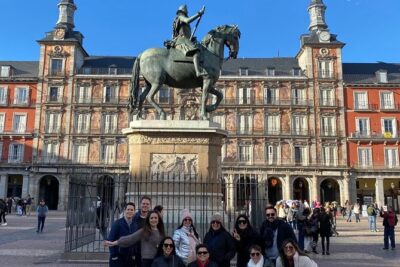
Madrid Essential: Historic Center, Plaza Mayor & Royal Palace
Read our review →
Montserrat with Black Madonna & Medieval Winery with Tapas/Lunch
Read our review →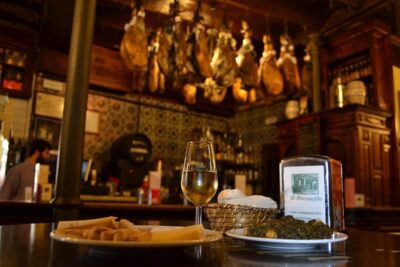
Sevilla Food Tour: Tapas, Wine, History & Traditions
Read our review →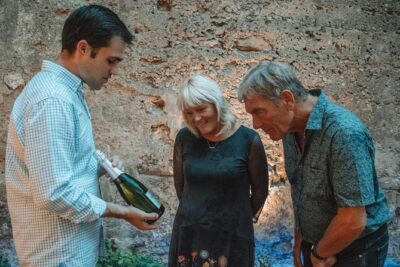
Valencia Old Town Tour with Wine & Tapas in 11th Century Historic Monument
Read our review →
Madrid Tapas & Taverns Small Group Food & History Tour
Read our review →
Barcelona Tapas Walking Tour: Food, Wine & History
Read our review →
Ultimate Seville Tapas, Wine & History Small Group Tour
Read our review →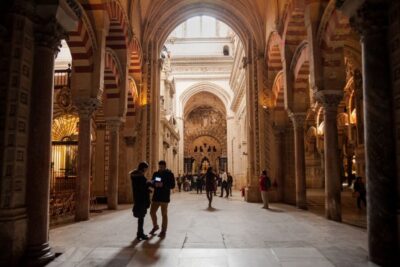
Córdoba: Skip-the-Line Great Mosque-Cathedral History Tour
Read our review →Browse the lists this tour appears in