
Review · CANADA
Quebec City: Old Quebec Historical Walking Tour
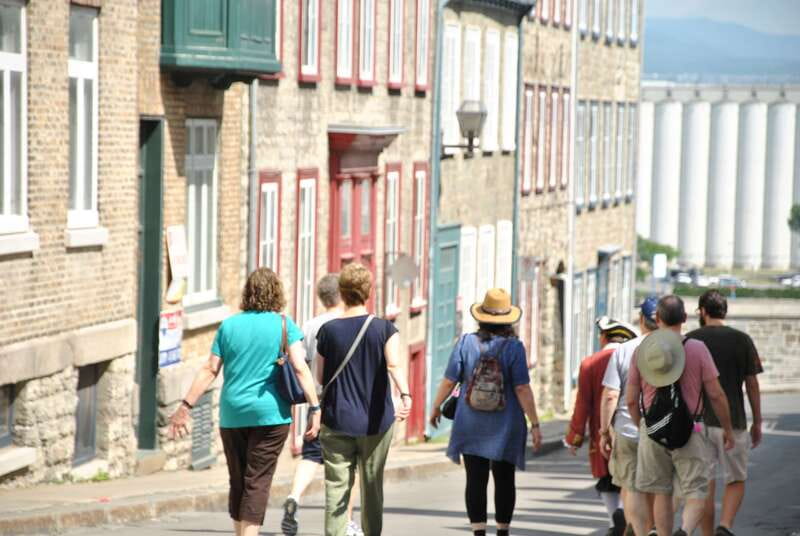
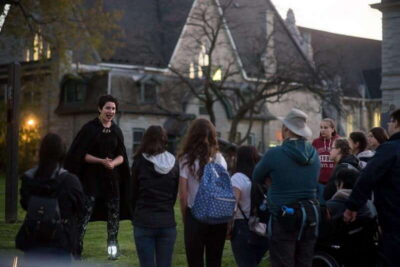
Old Quebec is easiest to understand on foot, and this tour gives the city a human voice. Your guide may appear as Pierre, Champlain, Louis Hébert, or another colonial character, turning a walk past stone walls and monuments into a story about settlement, faith, conflict, and daily life. I especially like the period costume and the way the guides connect old events to the modern city.
I also like the route’s mix of famous sights and less obvious corners. For $24, you get two hours with a licensed guide rather than simply wandering past handsome buildings without knowing why they matter. The main drawback is that two hours can feel short, and the hills and stairs may be tiring, especially near the end of the walk.
Key points at a glance
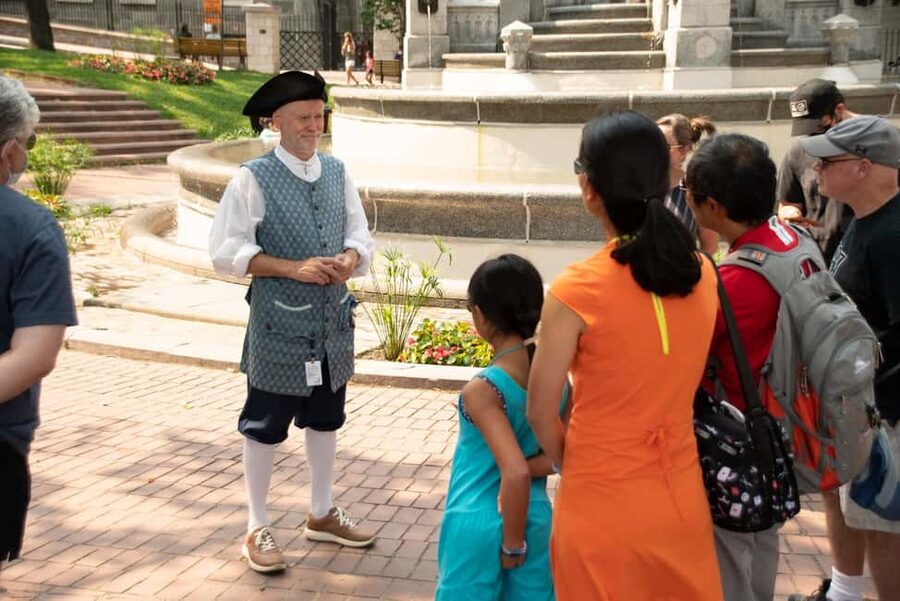
- A costumed guide brings the past into the present: Guides portray historical characters and use storytelling, humor, and anecdotes rather than giving a dry lecture.
- The route covers Old Quebec’s essential sights: Expect Place Royale, Dufferin Terrace, the Château Frontenac area, Notre-Dame de Québec Basilica, and other historic streets.
- Place Royale gives the tour its strongest historical anchor: This square is presented as the cradle of French civilization in North America.
- You see more than the standard postcard views: Guides may lead you along less familiar streets and explain how farmers, religious communities, political powers, and Indigenous perspectives shaped Quebec.
- The pace is manageable but not effortless: The walk lasts two hours and includes slopes and stairs. Comfortable shoes matter.
- English and French tours are available: Small-group options may be offered, but the exact meeting point depends on the option you book.
Why this walk works so well in Old Quebec
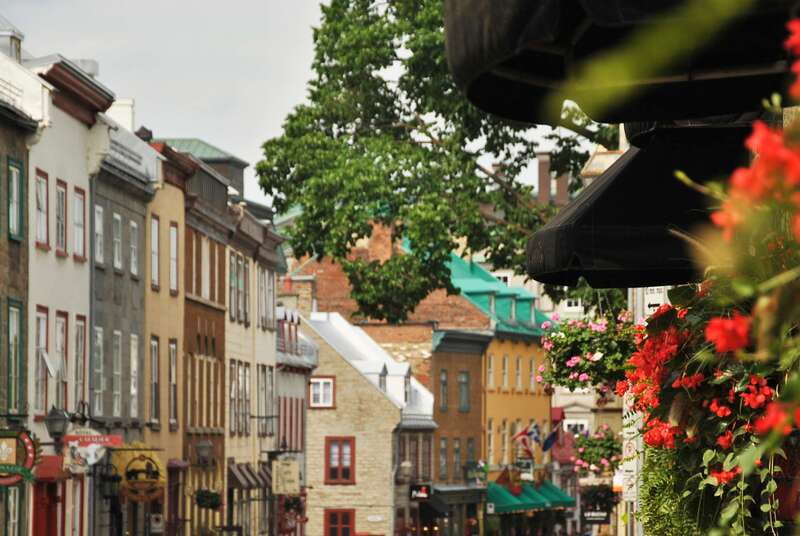
Old Quebec can look almost too polished at first. Stone façades, narrow streets, church towers, and the Château Frontenac make a fine picture, but a picture does not explain how the city grew or why this hilltop settlement mattered so much.
That is where a walking guide earns the $24 price. You move through the city in the same places where major events unfolded, while the guide connects the buildings to the people who used them. The tour covers roughly 400 years of Quebec City history, from French settlement through later political and social changes.
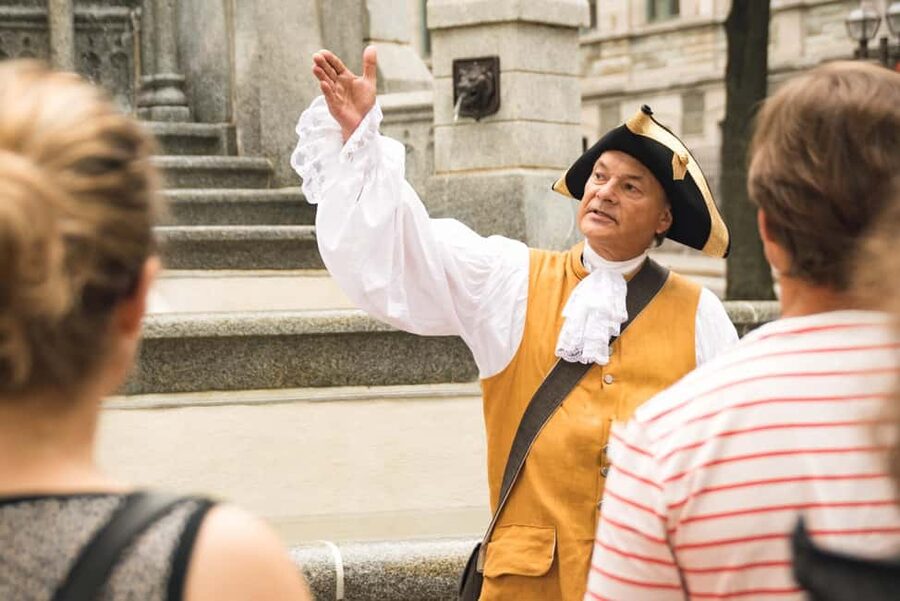
The best guides do not simply list dates. They tell the story in a clear sequence, often using humor and small anecdotes to make the information stick. Charles, for example, reportedly organized Quebec’s story into three broad phases early in the walk. Other guides have taken on figures such as Louis Hébert or Champlain, using the character to explain the settlement of the colony.
I would choose this tour early in your stay. It gives you a working map of Old Quebec and helps you decide which churches, museums, terraces, and streets deserve a closer look later.
More History Walking Tours in Canada
- Gastown Historic Walking Food Tour
★ 5.0 · 1,863 reviews - Vancouver: Gastown Historical Walking Food Tour
★ 4.8 · 539 reviews - Pete’s Historic Walking Tour
★ 5.0 · 321 reviews
Starting at the Cicerone information centre
The tour begins with check-in at the Cicerone information centre at 12 Sainte-Anne Street, postal code G1R 3X2. Check your booking carefully because the meeting point can change with the option selected. One past booking problem involved an incorrect starting address, so I would not rely only on an old printed ticket or reminder. Confirm the current location before setting out.
Once the group gathers, the costumed guide sets the tone. The historical character is not just a decoration for photographs. The format gives the guide a natural way to speak about colonial life, settlement, religion, and the people who shaped the city.
The guide assigned to you will vary. Names and characters used over time have included Pierre, Sylvain, Bernard, Alex as Louis Hébert, and Kevin as Champlain. Some guides are especially theatrical, while others use a quieter style with dry humor and careful answers. The strongest pattern is a combination of clear facts, good storytelling, and a willingness to handle questions.
You can take the tour in English or French. A small group may be available, which is worth considering if you prefer a more personal exchange and more room to ask questions.
Place Royale and the beginnings of French Quebec
Place Royale is one of the most important stops because it gives the tour a physical starting point for French settlement in North America. The square is described as the cradle of French civilization in North America, and the setting helps explain why.
Here, the city feels older and more intimate than it does around the grander hotel and terrace. The buildings frame a public space where trade, religion, politics, and everyday life met. Your guide can make sense of the architecture and explain how the settlement developed rather than leaving you with a pretty square and no context.
This is also where the tour’s off the beaten path promise matters most. You may visit corners that you would pass without noticing on a self-guided stroll. The point is not simply to collect more sights. It is to understand how the city’s lower sections relate to the upper town and how Quebec grew around its position on the river and its defensive advantages.
The walk between historic areas can include slopes. One guide adjusted the route to avoid many flights of stairs, using sloping roads to reach the lower part of town. That flexibility is useful, but it does not turn the tour into an accessible route for everyone.
Notre-Dame de Québec and the role of faith
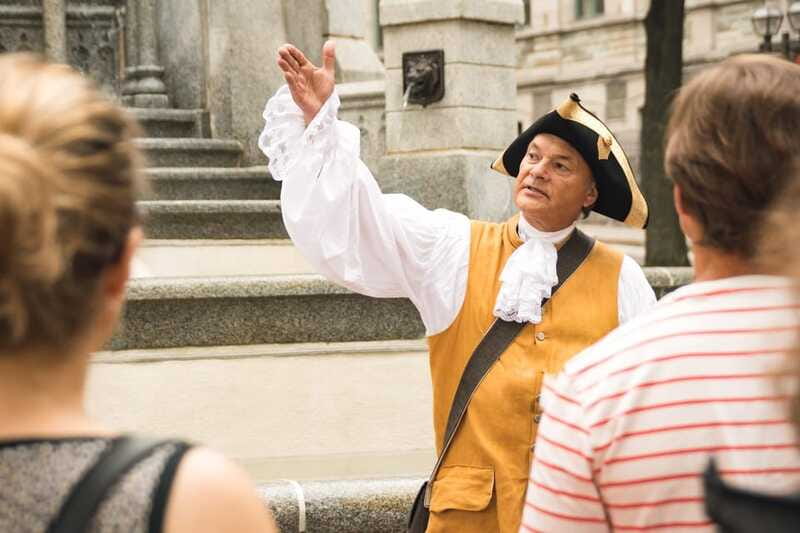
The Basilica of Notre-Dame de Québec adds another layer to the story. Its importance is not limited to its exterior or religious function. Churches in Old Quebec help explain how education, community life, politics, and daily routines developed around religious institutions.
The tour information specifically highlights the basilica as one of the picturesque places you will visit. You should expect the guide to discuss its place in the city’s story, but do not assume that the walking tour includes a long interior visit or time for private sightseeing. The experience is built around the streets and the guide’s presentation.
This part of the route is particularly useful if you are new to Quebec City. Without historical context, the church can seem like another handsome landmark among many. With an explanation of the religious perspective, it becomes part of a larger story about how French Canadian society took shape.
One appealing feature is the range of viewpoints. The walk can touch on religious history, Indigenous perspectives, political change, geography, and present-day Canada. That breadth keeps the tour from becoming a single-sided colonial tale.
Same city, a different century:
- Victoria Guided Food and History Tour
★ 5.0 · 2,015 reviews - Evening Gourmet Tour 5 Course Dinner – History and Food in Old Quebec City
★ 5.0 · 496 reviews - Combo Historical and Food Tour of Old Quebec
★ 5.0 · 360 reviews - Toronto: Dark History Nighttime Walking Tour
★ 4.7 · 273 reviews
Château Frontenac and Dufferin Terrace
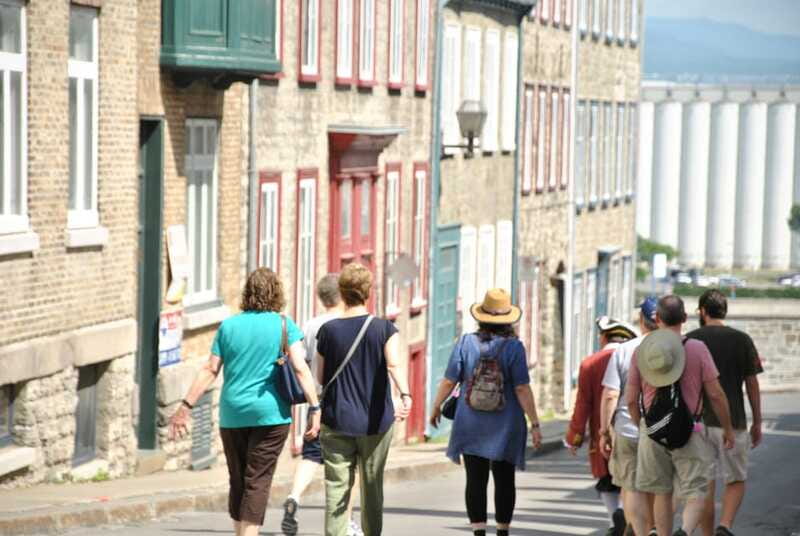
The Château Frontenac is the tour’s grand visual centerpiece. Its towers and steep rooflines dominate the upper town, and the building is one of the city’s most recognizable sights. The tour includes the hotel’s exterior architecture and the nearby Dufferin Terrace, where the views and open promenade provide a welcome change from narrow streets.
The guide helps you see the Château Frontenac as more than a photogenic hotel. Its position, size, and architectural style tell you something about the city’s later confidence and its role as a major destination. The surrounding terrace also helps you understand the upper town’s relationship to the river and the lower city.
There is a small expectation to manage here. The tour highlights access to exclusive areas of the Château Frontenac, but the detailed description mainly promises an exterior visit and time around the terrace. The exact access may depend on the option booked and the day’s arrangements. If seeing the inside of the hotel is your top priority, confirm what your selected option includes before paying.
The walk may not provide as much time on the boardwalk or around the Château Frontenac as you would like. One visitor specifically wanted more time in these areas. I understand the complaint: the hotel and terrace are places where you may want to pause, take photographs, and enjoy the view. The guide must also keep moving to cover the rest of Old Quebec within two hours.
The walled city on foot
Old Quebec is the only walled city in North America, and the fortifications give the tour a clear sense of place. You are not walking through an open modern downtown with scattered historic buildings. You are moving inside a defined historic district where the streets, walls, slopes, and gateways still shape the experience.
That physical setting is a major reason to choose a walking tour instead of a bus tour. You can look closely at doorways, façades, monuments, and street angles. You also feel the changes in elevation instead of hearing about them from a seat.
The walk covers a lot of ground without being described as punishing for most people. Several guides have kept an easy or relaxed pace, and the route can be adapted to the needs of the group. Still, do not treat this as a flat city stroll. There are hills and stairs, and one participant found the final portion difficult.
Wear comfortable shoes with good support. Comfortable clothing is also recommended. In poor weather, the experience becomes more demanding, since the tour continues outdoors and the historic streets may be slippery or tiring.
How the guides make the history memorable
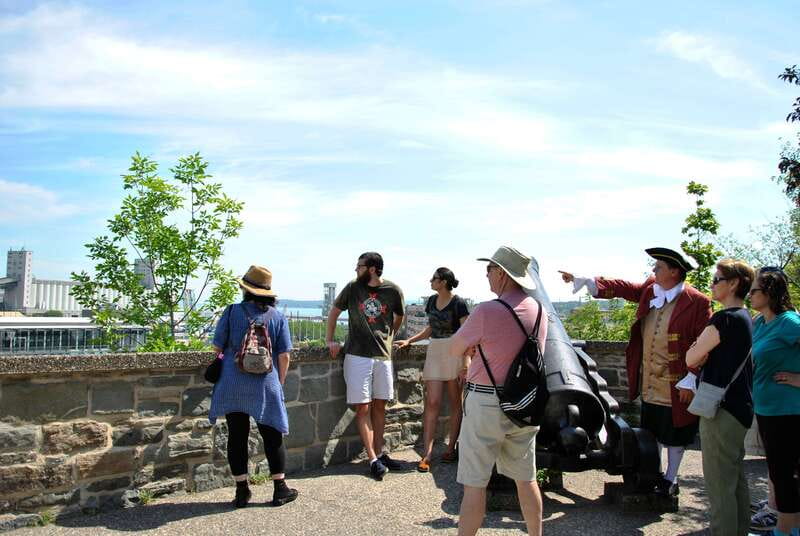
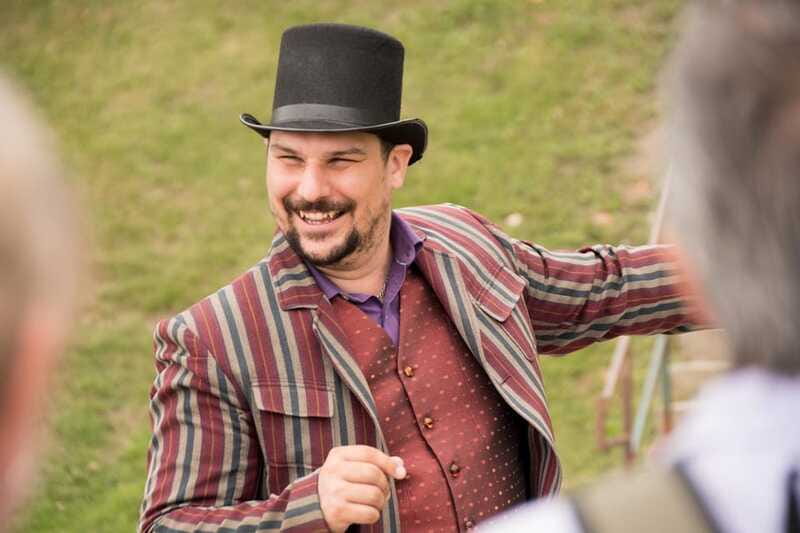
The most praised part of this experience is the guide’s delivery. The facts matter, but the tour works because the information is arranged as a story.
You may hear an account of farmers settling the colony, followed by an explanation of how the city’s political and religious institutions developed. A guide may answer a question about an old building, then connect it to a current issue in Canada. Another may add a personal anecdote or a bit of theatrical humor without turning the whole walk into a stage show.
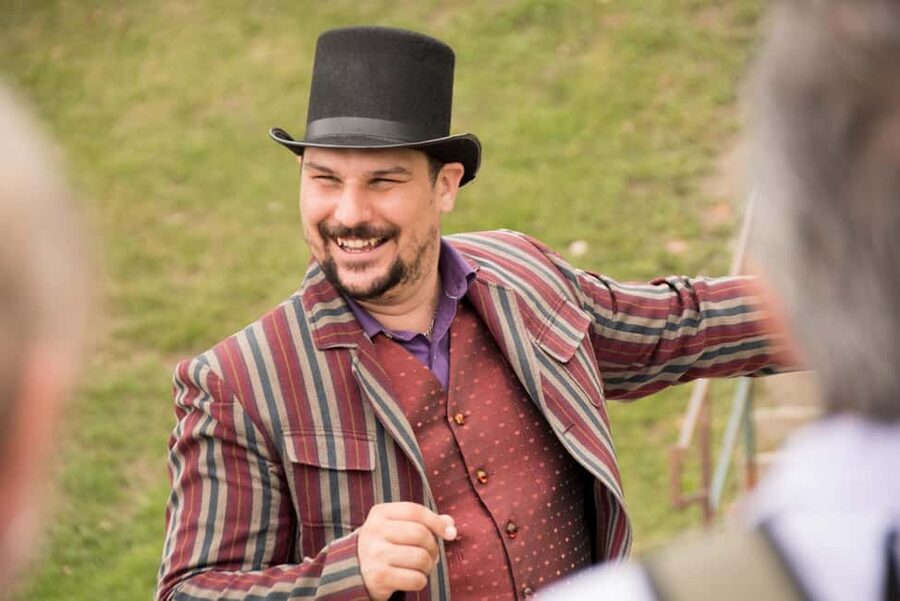
That balance is important. Some costumed tours lean so heavily into performance that the history gets lost. Here, the most successful guides seem to use the character as a frame for solid information. Jean-Claude, Pierre, Gary, Charles, Marie-Anne Barbel, Guillemette, and others have been praised for being easy to follow, entertaining, and open to questions.
The style can vary by guide. One may be energetic and theatrical. Another may be more measured and analytical. You should expect a live presentation rather than a fixed audio script, which means the group’s questions and pace can shape the experience.
What the $24 price buys you
At $24 per person, this is a strong-value introduction to Old Quebec. You receive two hours with a licensed guide in period costume, covering several major sights and the historical links between them. A self-guided walk costs less, but it also leaves you to research the meaning of each building and work out the best route yourself.
The price is especially fair for first-time visitors. A good guide can prevent you from spending your first day wandering without a clear sense of the upper and lower town. You also gain background that makes later visits to Place Royale, the basilica, or the Château Frontenac more rewarding.
This is not a full historical course, and two hours cannot cover every era or neighborhood. It is an overview with enough detail to point you toward subjects you may want to explore later. One participant wished the tour lasted much longer, which is a compliment to the content but also a reminder that the walk will leave you curious rather than fully informed.
Gratuity is not included. If your guide gives you a strong, well-organized experience, plan for a tip as an additional cost.
Who should book this tour
I would recommend it most strongly to first-time visitors who want their bearings quickly and enjoy learning through stories. It also suits anyone who likes architecture but wants to know what happened inside and around the buildings.
Families with older children may appreciate the characters and humor more than a formal lecture. The tour can also work well for repeat visitors who have seen the main sights but want a clearer explanation of how the city developed.
You should think carefully if mobility is limited. The tour is not suitable for wheelchair users, and the route includes hills and stairs. The guides may adjust the path and avoid some flights of stairs, but that cannot guarantee an easy route for every participant.
You might also prefer a longer experience if your main goal is extended time at the Château Frontenac or Dufferin Terrace. This tour moves through several parts of the city, so it favors range and context over long stops at one landmark.
Practical details before you go
The walk lasts two hours, with starting times available according to the date and option you choose. English and French are offered, and small-group availability may depend on the booking.
Bring comfortable shoes and clothing. Allow extra time to find the check-in point at 12 Sainte-Anne Street, especially if your booking confirmation lists a different location. The meeting point may vary, so check the current instructions before leaving your hotel.
You can cancel up to 24 hours before the tour for a full refund, and the reserve-now, pay-later option keeps your plans flexible. Those policies are useful if your Quebec City schedule depends on weather, cruise timing, or changing travel plans.
Should you book the Old Quebec Historical Walking Tour?
Book it if you want a lively introduction to Quebec City rather than a simple list of landmarks. The cost is modest, the route covers the essential historic sights, and the costumed format gives the history a memorable shape.
I would not book it expecting a long interior visit at the Château Frontenac, a completely flat route, or a detailed study of every period in Quebec history. For those needs, you may want a separate museum visit or more specialized walk.
For most first-time visitors, this is a sensible opening activity. You get the city’s basic story, a look at its most important streets and monuments, and a guide who can make four centuries feel connected rather than scattered. Just wear good shoes, confirm the meeting point, and leave room in your schedule to return to the places that catch your interest.
FAQ
How long does the Old Quebec Historical Walking Tour last?
The tour lasts two hours.
How much does the tour cost?
The listed price is $24 per person.
What sights are included?
The tour visits or passes picturesque historic places including the Château Frontenac, Dufferin Terrace, the Basilica of Notre-Dame de Québec, and Place Royale.
Is the Château Frontenac included?
The experience includes views of the Château Frontenac and highlights access to exclusive areas, but the exact access can depend on the option booked. The detailed description specifically emphasizes the hotel’s exterior architecture.
Where does the tour meet?
Check-in is at the Cicerone information centre at 12 Sainte-Anne Street, G1R 3X2. The meeting point may vary depending on the option selected.
What languages are available?
The tour is available in English and French.
Is this a private tour?
Small-group availability may be offered. The supplied information does not state that every departure is private.
Is the tour suitable for wheelchair users?
No. The experience is listed as unsuitable for wheelchair users.
What should I wear?
Wear comfortable shoes and comfortable clothing. The route includes walking through historic streets, with hills and some stairs.
Can I cancel for a refund?
Yes. You can cancel up to 24 hours in advance for a full refund.
Is gratuity included?
No. Gratuity for the guide is not included in the tour price.
Just added around Canada
- Historic Walking Tour of Charlottetown★ 5.0 · 211 reviews
- Horse Drawn Historical Guided Tour★ 5.0 · 24 reviews
- Heritage Park Admission★ 4.5 · 155 reviews
- Banff Day Trip: Johnston Canyon, Fairmont Banff Springs, Gondola★ 4.5 · 40 reviews
- Toronto: Dark History Nighttime Walking Tour★ 4.7 · 273 reviews
- Toronto: Niagara Falls & NOTL Heritage Town Guided Day Tour★ 4.8 · 28 reviews
- Toronto: Distillery District Historic Walking Tour★ 4.8 · 267 reviews
- Vancouver: Guided Food and City History Tour★ 4.5 · 53 reviews
Canada History Tours, compared.
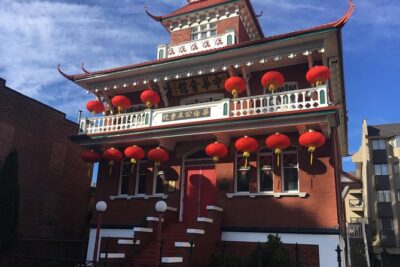


Vancouver: Gastown Historical Walking Food Tour
Read our review →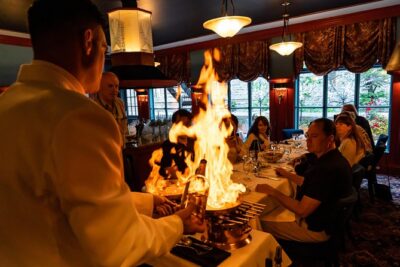
Evening Gourmet Tour 5 Course Dinner – History and Food in Old Quebec City
Read our review →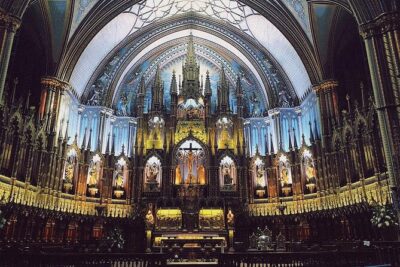

Toronto: Distillery District Historic Walking Tour
Read our review →Browse the lists this tour appears in