
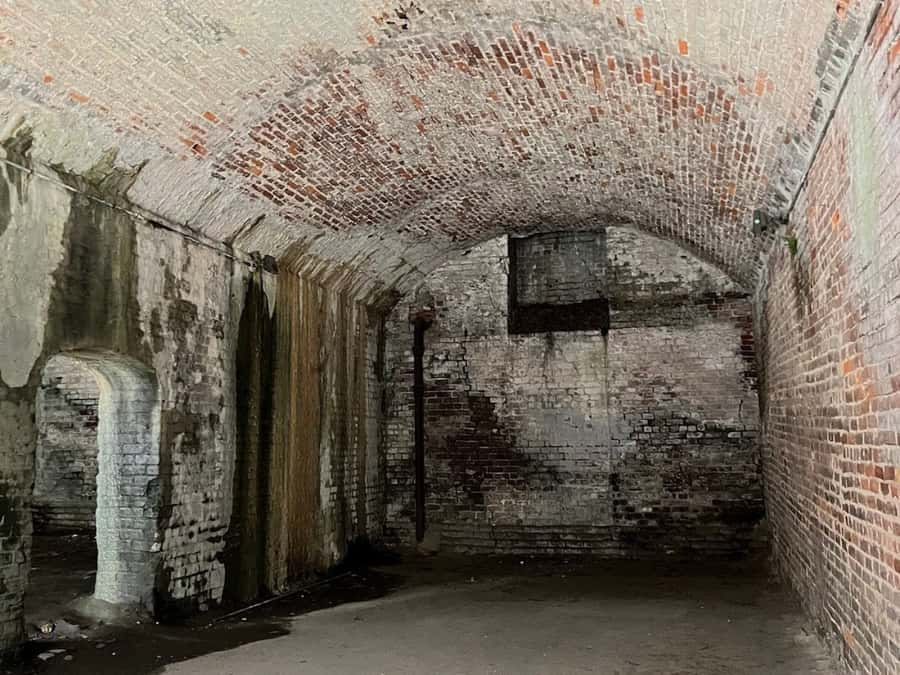
Review · SAVANNAH
Savannah: African American History Tour
Savannah’s polished squares and grand homes tell only part of the story. This three-hour African American history tour brings the city’s slavery-era past into view, tracing how West Africans were forced to Savannah, how their labor built the port, and how African Americans carried their communities from bondage toward freedom.
I like the clear focus and the way the tour links ordinary city landmarks to difficult truths. I also like the strong human voice of guides such as Sister Pat, whose storytelling includes music, images, costumes, and a short performance. The main drawback is the format: you cover only about half a mile on foot, but you may stand at a stop for as long as 40 minutes.
Key points
- River Street reveals the labor behind Savannah’s port: Learn how enslaved people built warehouses and handled cotton shipped to the United Kingdom.
- Johnson Square carries a grim story: The tour explains how enslaved people were auctioned in one of Savannah’s best-known public spaces.
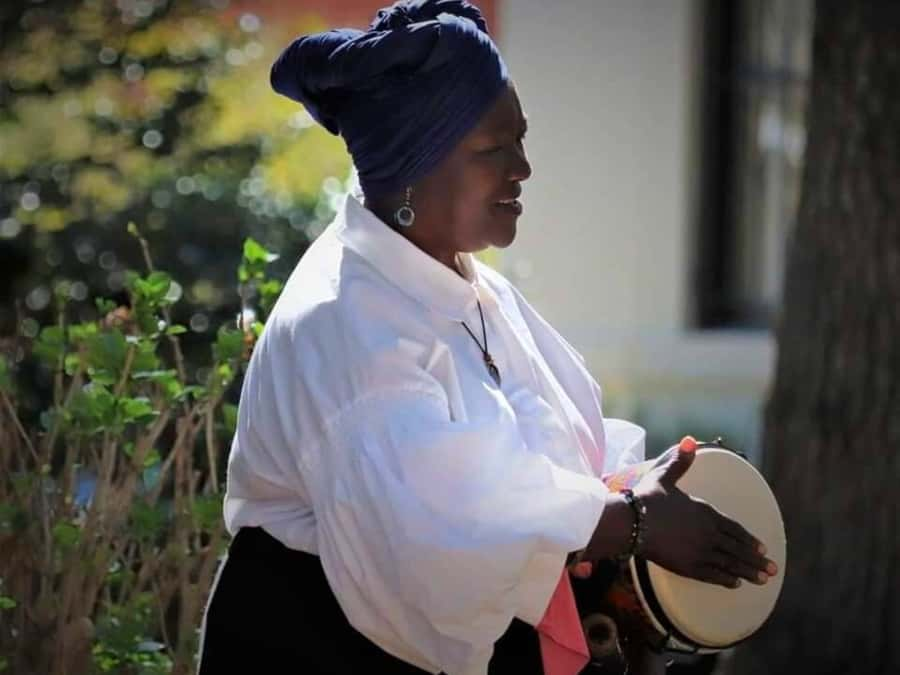
- Sister Pat gives the tour its strongest voice: Her presentation combines research, personal conviction, music, images, and performance.
- The route connects slavery with later African American life: Expect discussion of Gullah culture, churches, cemeteries, freedom, and the lasting effects of slavery.
- The bus keeps the route manageable: Short walks connect sites, but long periods of standing can be tiring.
- The $68 price buys context, not just transport: This is a serious history lesson for visitors who want more than Savannah’s usual architecture tour.
Seeing Savannah Through Its Missing Chapters
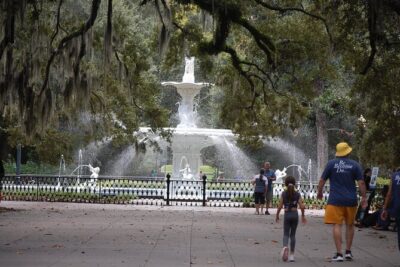
Savannah is easy to admire at street level. You see moss, iron balconies, brick walks, and carefully planned squares. This tour asks you to look again and ask who built the warehouses, homes, roads, and commercial wealth behind that picture.
The focus is the African American experience from the forced removal of West Africans through slavery, emancipation, and the lives of their descendants. That scope matters. You are not getting a single story about an auction block or a famous building. You are being shown how slavery shaped Savannah’s economy and how African American culture helped shape the city in return.
The tour is operated by Kelly Tours, Gray Line Savannah, and includes bus transportation, a live English-speaking guide, and narration. The vehicle helps connect the stops without asking you to walk long distances in Savannah’s heat. Still, this is not a ride where you remain seated the whole time. You stop at historic places, listen, and take in the meaning of each one.
I would set aside three hours and arrive ready for a serious subject. This is not a light sightseeing loop. The tone can be emotional, and the stories are meant to make you uncomfortable in useful ways.
More History Tours in Savannah:
- Savannah History and Haunts Candlelit Ghost Walking Tour
★ 5.0 · 3,235 reviews - Historic Savannah Guided Walking Tour
★ 5.0 · 2,918 reviews - Narrated Historic Savannah Sightseeing Trolley Tour
★ 4.5 · 2,375 reviews
River Street and the Work That Built the Port
River Street is one of the best places to begin because it looks so attractive today. Shops and restaurants now fill spaces connected to Savannah’s shipping trade. The tour shifts your attention from the storefronts to the labor system that made the port profitable.
You learn about West African people who were brought to Savannah and forced into slave labor. Their work helped build the warehouses along the river. Cotton moved through this port and was shipped to the United Kingdom, linking Savannah to an international system of forced labor, trade, finance, and profit.
The tour also points out storage areas that resemble old slaveholding bins. That detail may sound simple, but it gives you a physical way to connect the city’s surviving structures with the people who worked around them. You are not only hearing that cotton was important. You are being asked to think about the hands that loaded, stored, moved, and processed it.
This stop is especially useful if you have already taken a standard Savannah sightseeing tour. The buildings may be familiar, but the meaning changes when you learn how African American labor supported the port. I like that shift in perspective. It turns a pleasant waterfront walk into a place of work, coercion, and economic power.
Johnson Square and the Reality of Public Auctions
Johnson Square offers another sharp change in perspective. It is a handsome public space, but the tour recounts how enslaved people were auctioned there. That contrast is one of the most difficult parts of the route.
The point is not to treat the square as a theatrical backdrop. It is to understand how ordinary civic spaces could be part of an organized system that broke families apart and assigned human beings a monetary value. Sister Pat’s approach, according to the details of the experience, is direct and emotionally present. She connects the site to the suffering of people whose names and family ties were often erased from official accounts.
The discussion also reaches beyond public auctions. Enslaved people could be sent directly to plantations without appearing in a public sale, which meant they might not be counted in the same way. That detail helps explain why records can never tell the full story.
You should expect to stand while listening at stops like this. One detailed account described about 40 minutes at some points. If you have trouble standing for long stretches, keep that in mind before booking. Comfortable shoes help, but shoes alone will not solve the issue if you need regular chances to sit.
Taylor, Franklin, and Johnson Squares as Classrooms
The route includes Taylor Square, Franklin Square, and Johnson Square. These are not simply photo stops. Each gives the guide a chance to connect Savannah’s street plan with the people who lived, worked, worshipped, or were sold within it.
Taylor Square and Franklin Square help broaden the story beyond River Street and the auction site. You hear how enslaved Africans and their descendants contributed to Savannah’s development, while also learning about the systems that denied them freedom and wealth. The guide places local events within the larger African American journey from slavery to freedom.
The stop-by-stop format is useful because you see the places as you hear about them. I find that local history sticks better when it has a street corner attached to it. Later, as you walk around Savannah on your own, a square or building can call back the story you heard rather than remaining just another pretty view.
The drawback is that this is more of a listening experience than a walking tour. The route reportedly covers only about half a mile on foot. If you want a fast-moving tour with constant activity, you may find the pace slow. If you want time to think and ask questions, the longer stops work in its favor.
Same city, a different century:
- Southern Flavors Food, Pub Crawl, and History Walking Tour
★ 4.5 · 1,623 reviews - Genteel and Bard’s Savannah Dark History and Ghost Encounter Walking Tour
★ 5.0 · 1,546 reviews - 60-Minute Guided Segway History Tour of Savannah
★ 5.0 · 1,163 reviews - Savannah: Old Savannah Tours Historic Overview
★ 4.6 · 874 reviews
Green-Meldrim House and Second African Baptist Church
The Green-Meldrim House is included among the historic landmarks on the tour. Its presence helps show how Savannah’s grand residences fit into a city shaped by slavery and unequal wealth. You are encouraged to consider not only the house itself, but also the labor and money behind such buildings.
Second African Baptist Church brings the story toward Black community life and religious institutions. Churches were not just places of worship. They could also preserve memory, offer support, and give African Americans a place to organize and carry traditions forward.
The available details do not promise that every visit includes an interior tour of the church. One suggestion was to spend more time going into the churches, so I would treat the church as an important landmark and ask at booking or before departure what access is planned for your particular outing.
The tour also includes cemetery discussion or a cemetery stop according to the experience details. That part can be especially meaningful because burial grounds often preserve evidence of family, faith, naming traditions, and community identity that formal records ignored or damaged.
Gullah Culture, Symbols, and African Contributions
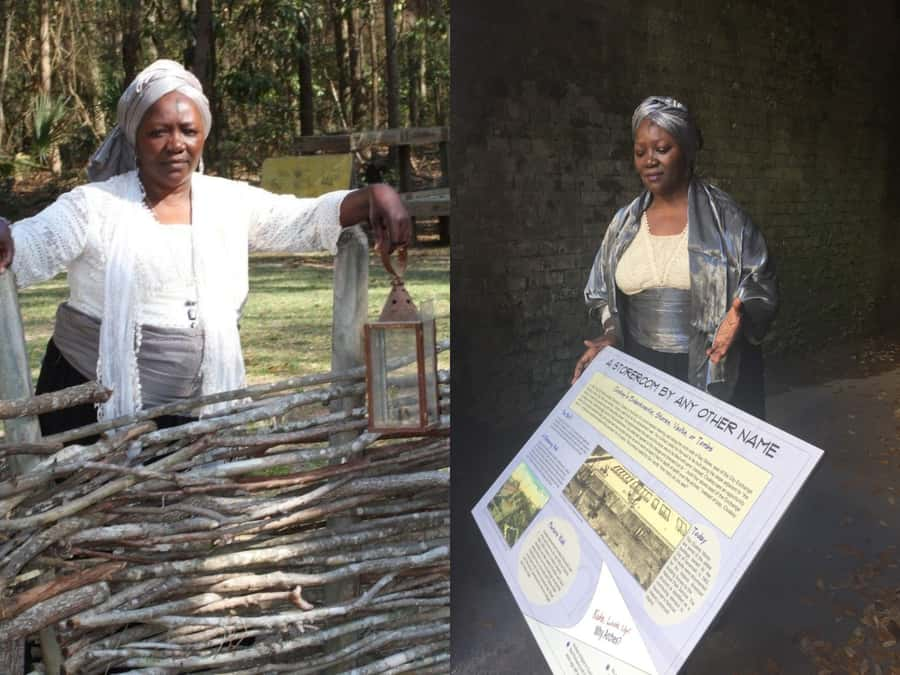
One of the more distinctive parts of this experience is the attention to African and Gullah influence. The guide explains how symbols in brickwork and ironwork can reflect Gullah culture. You may never look at Savannah’s decorative details in quite the same way after that.
The tour also addresses the history of West African tribes routed to Savannah and the cultural contributions of their descendants. This is important because African American history is not presented only as a record of suffering. The pain is central, but so are survival, creativity, belief, family, language, craftsmanship, and community.
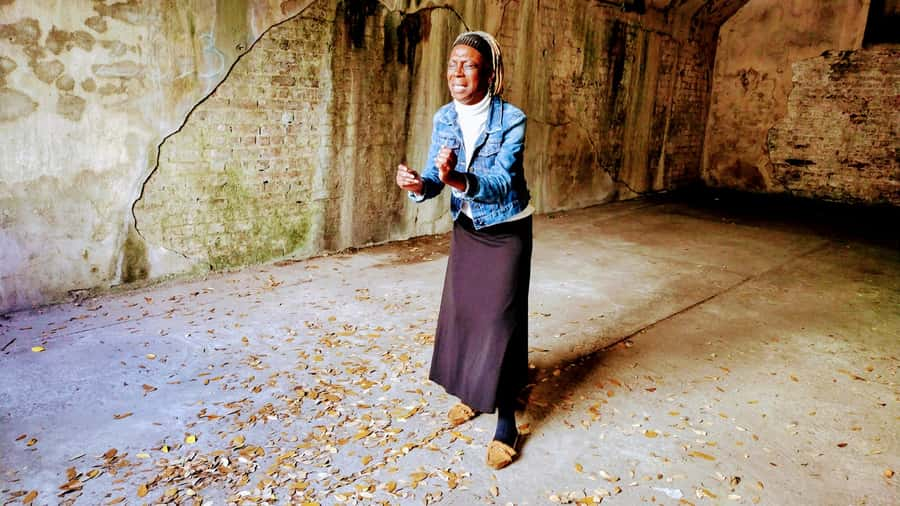
Music and pictures are used in the presentation, and there is a small performance. That gives the tour a different rhythm from a standard lecture. Sister Pat is described as using costumes, music, and vivid storytelling to make the subject easier to grasp without reducing it to a simple show.
The balance depends on what you want from the tour. If your main goal is a tightly dated account of slavery-era events, some of the present-day discussion may feel like it takes time away from the past. One visitor specifically wished for more historical stories and less attention to the descendants living today. I see that as a fair consideration, especially for visitors who have already studied African American history and want a strictly chronological tour.
From Enslavement to Freedom and Lasting Wealth
The tour does not stop at emancipation. It connects slavery with later systems of wealth, including insurance, banks, port authorities, and inherited economic advantage. That is one of its most useful ideas.
You hear how the wealth created through enslaved labor could continue through institutions and families long after slavery ended. At the same time, African Americans faced the loss of family, land, education, safety, and economic opportunity. The well-known promise of 40 acres and a mule also enters the discussion, helping you see how freedom did not automatically bring security.
This part gives the tour modern relevance without pretending that slavery is a distant subject with no effect today. It also explains why a city can celebrate its architecture and trade while still carrying unresolved questions about who profited and who was denied a fair share.
I appreciate that the experience connects local sites to national issues. You are not left with the idea that Savannah was somehow separate from the wider slave economy. The city was part of it, and its buildings and fortunes still reflect that past.
Why Sister Pat Matters to the Experience
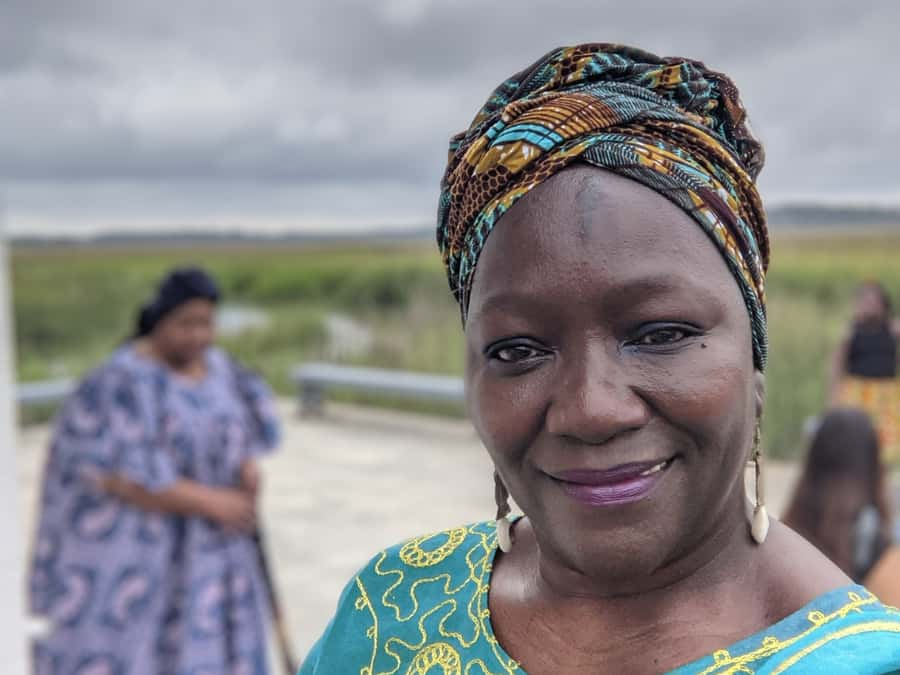
The guide can make or break a history tour, and Sister Pat is the central reason this one has earned such a high rating. She is described as clear, warm, passionate, and deeply committed to correcting omissions in the way Savannah’s past is taught.
Her style is not a neutral recitation of dates. She tells stories, invites the group to think about truth and reconciliation, and brings emotional force to the experience of families being separated. She also works to honor African American spaces and has spoken about placing historical markers and recognizing places along the river where her church once sang each month.
That personal commitment gives the tour a strong point of view. For many people, that is exactly what makes it powerful. You are likely to leave thinking about the material rather than simply checking off landmarks.
It also means the experience may not suit someone who wants a detached academic lecture. The presentation is personal and morally clear. I consider that a strength, but you should know the tone before booking.
Transportation is handled separately from the guide’s narration. The driver, including Albert on some departures, helps the route run smoothly. The bus is useful in hot or rainy weather, but you will still need weather-appropriate clothing, sunscreen, sunglasses, water, and comfortable shoes.
Is $68 a Fair Price?
At $68 per person, this is not the cheapest way to see Savannah’s squares. It can be good value if you want a focused lesson, transportation between sites, and a guide who puts the city’s African American past at the center.
You are paying for more than a bus loop. The value comes from the interpretation: the connection between River Street and cotton, Johnson Square and auctions, churches and community life, and local wealth and forced labor. A standard sightseeing ride may show you the same general area without explaining those links.
The price is less attractive if you want a highly active walking tour, a small private group, or extensive interior access to historic buildings. The walking distance is short, and much of the three hours is spent listening. You should also remember that the cancellation policy allows a full refund if you cancel at least 24 hours ahead, and you can reserve now and pay later, which helps if your plans are still shifting.
The overall rating is 4.9 from 72 reviews, and the strongest praise centers on Sister Pat’s storytelling, clarity, and command of the subject. The rating does not erase the practical concerns about standing or the occasional wish for more time inside churches, but it does show a very consistent response to the guide’s presentation.
Who Should Book This Savannah Tour?
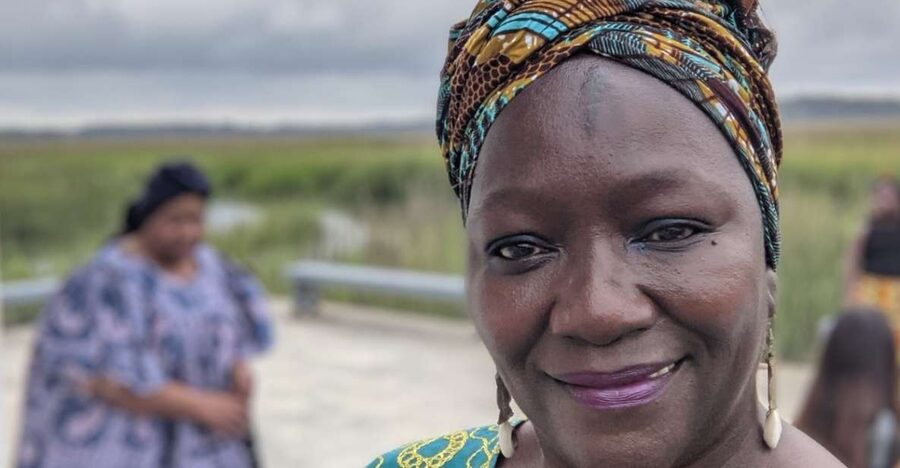
I would choose this tour if you want to understand Savannah beyond its pretty streets. It is a strong match for adults, families with older children, students, teachers, and anyone who feels that a city tour should explain who built the place and who paid the cost.
It is also useful early in your Savannah visit. Once you hear the stories, you can explore River Street, the squares, and nearby landmarks with a better sense of what you are seeing.
You may want another option if standing for long periods is difficult. The experience is not suitable for people with mobility impairments, and the schedule includes stops where you may remain in one place for a substantial time. It is also not the right pick if you want a light, purely architectural outing.
FAQ
How long does the African American History Tour last?
The tour lasts three hours.
How much does the tour cost?
The listed price is $68 per person.
What language is the tour conducted in?
The tour is conducted in English with live narration.
Is transportation included?
Yes. The experience includes a bus tour, a tour guide, and live narration.
Which Savannah landmarks are included?
The route includes River Street, Taylor Square, Franklin Square, Johnson Square, the Green-Meldrim House, and Second African Baptist Church.
How much walking is involved?
The walking portion is about half a mile according to the available tour details. You may still stand for long periods at individual stops.
What should I bring?
Bring comfortable shoes, water, sunglasses, sunscreen, comfortable clothing, and clothing suited to the weather.
Can I cancel for a refund?
Yes. You can cancel up to 24 hours in advance for a full refund. You can also reserve now and pay later.
Should You Book It?
Book this tour if you want the African American story to be the main subject of your Savannah visit, not a brief mention added to a general sightseeing route. Sister Pat’s powerful presentation, the river warehouses, Johnson Square, the churches, and the discussion of Gullah culture give the city a more honest shape.
Go in ready to listen, stand, and think. If you need frequent seating or want a faster walking itinerary, choose carefully. For everyone else, $68 is a reasonable price for a serious, highly focused introduction to the people and systems that shaped Savannah.
Just added around Savannah
- Savannah: Historic District Guided Bike Tour★ 4.8 · 47 reviews
- Savannah: Historical Pub Crawl Tour with Drinks Included★ 3.9 · 34 reviews
- Savannah: Historical Panoramic City Tour★ 4.8 · 72 reviews
- Savannah: History and Culture Walking Tour★ 4.6 · 149 reviews
- Savannah: History, Culture, & Scenic Views E-Bike Tour★ 5.0 · 69 reviews
- Savannah: Battles & Brews Civil War History Pub Crawl★ 4.4 · 36 reviews
- Savannah: Historical Bike Tour with Tour Guide★ 4.8 · 140 reviews
- Bonaventure Cemetery & Wormsloe State Historic Site Tour★ 4.8 · 268 reviews
Savannah History Tours, compared.
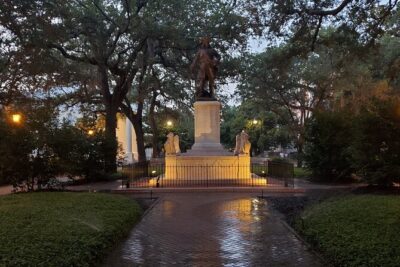
Savannah History and Haunts Candlelit Ghost Walking Tour
Read our review →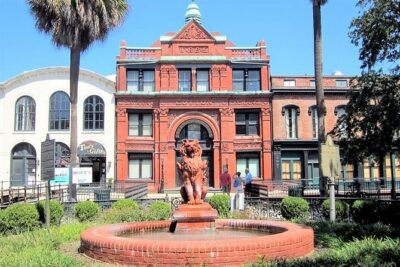
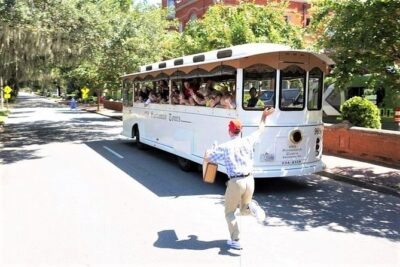
Narrated Historic Savannah Sightseeing Trolley Tour
Read our review →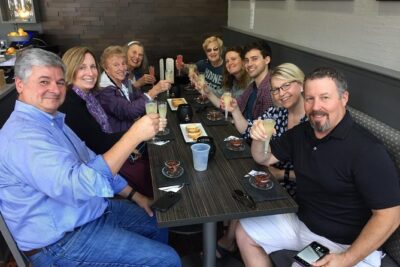
Southern Flavors Food, Pub Crawl, and History Walking Tour
Read our review →
Genteel and Bard’s Savannah Dark History and Ghost Encounter Walking Tour
Read our review →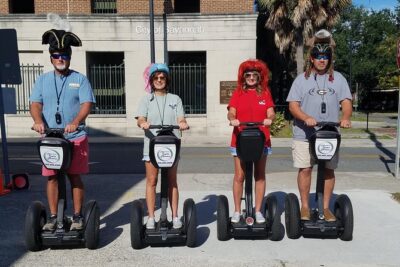
60-Minute Guided Segway History Tour of Savannah
Read our review →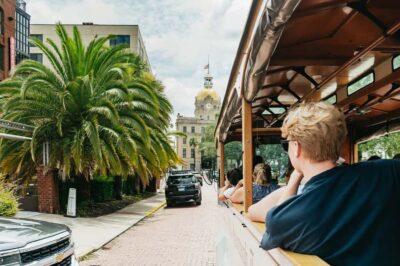
Browse the lists this tour appears in