
Review · AMSTERDAM
Amsterdam: Historic City Sightseeing Canal Cruise
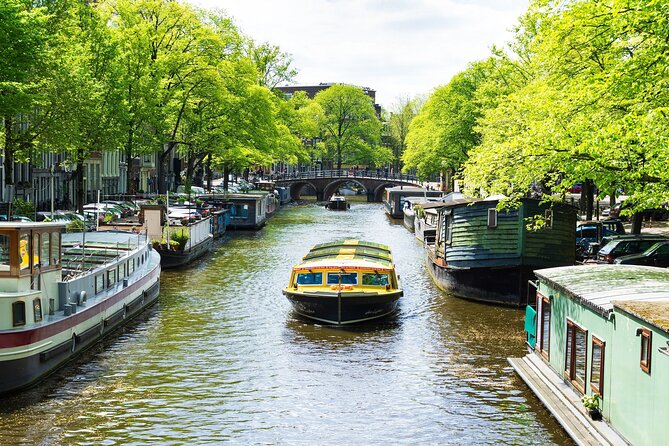
Amsterdam is best understood from the water, where narrow canal houses, low bridges, churches, and working waterways line up in one long moving picture. This roughly one-hour cruise gives you that view for $18.71, with a route that reaches far beyond the immediate Anne Frank House area.
I like the easy meeting point in front of the Anne Frank House, especially if you are already visiting the museum or exploring the Jordaan. I also like the chance to see both old Amsterdam and its newer waterfront, including Centraal Station and the IJ, without spending half a day on foot.
The main caution is the commentary. Some departures have a lively captain such as Robert or Rolif, while others rely heavily on recorded audio that can be hard to hear. Weather, canal traffic, changing departure times, and major events such as the Pride Parade can also affect the ride.
Key points to know before you book
- A central Anne Frank House departure: The meeting point is easy to find and works well with a visit to the Jordaan or Westerkerk.
- A quick view of major sights: In about an hour, you can see churches, canal houses, bridges, Centraal Station, the IJ, and the Amstel.
- Live guiding varies: Some captains add humor and useful local tips, while other boats depend on recordings.
- Good value at $18.71: The cruise costs less than many longer sightseeing options and helps you get your bearings early in a visit.
- Comfort depends on your seat: Glass windows and, on some boats, a glass roof offer good views, but rear seats may have weaker audio.
- Book with a little flexibility: A full departure or a canal closure can cause delays, and changes made within 24 hours are not accepted.
Why Amsterdam looks different from a canal boat
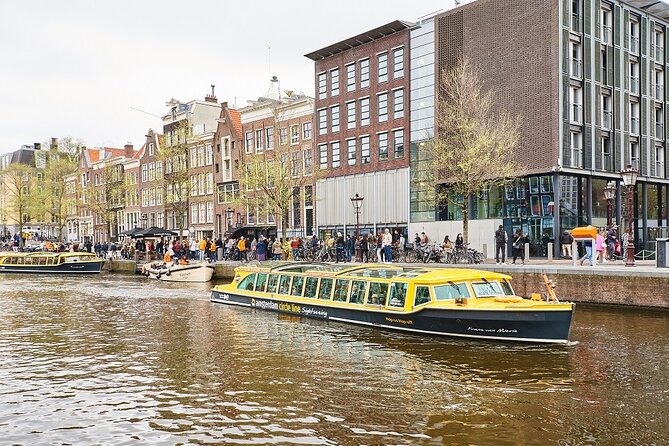
Amsterdam’s Canal Ring is not just pretty water running through the center. It is the structure that shaped the city’s trade, housing, religion, and daily life for more than 400 years.
From street level, you often see only the front of a canal house. From the boat, you notice how buildings lean, how their narrow facades hide surprisingly deep interiors, and how bridges frame one canal after another. The low viewpoint also brings you close to houseboats, mooring posts, and the water-level details that disappear when you are walking.
This cruise is short, so I would treat it as an orientation ride rather than a full history lesson. You get a broad look at Amsterdam’s center and waterfront, but you should not expect long stops or time to enter the museums and buildings along the route.
At $18.71 per person, the value is strongest at the beginning of your stay. You can see the city’s layout before choosing which neighborhoods deserve more of your walking time. It is also useful on a short visit when an extra museum or a long walking tour will not fit.
More History Tours in Amsterdam:
- Amsterdam: Life of Anne Frank and World War II Walking Tour
★ 4.8 · 10,467 reviews - Amsterdam Food and Cultural Tour with Tastings
★ 5.0 · 4,315 reviews - Amsterdam: Dutch WWII Resistance Museum Entry Ticket
★ 4.7 · 951 reviews
Starting near the Anne Frank House and Westerkerk
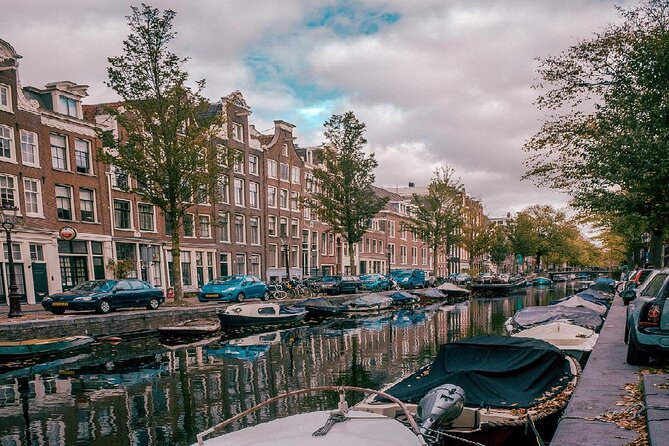
The departure point in front of the Anne Frank House is one of the practical strengths of this experience. It is central, recognizable, and close to the Jordaan, one of Amsterdam’s most appealing areas for wandering.
The Anne Frank House itself is on the Prinsengracht. The 17th-century canal building contains the Secret Annex, where Anne Frank and others hid during the Nazi occupation. The museum is a serious, emotionally demanding visit, and it requires its own ticket. The cruise does not replace that visit, but it can fit neatly before or after it.
A useful plan is to book the Anne Frank House for a separate timed entry, then use the cruise to see the surrounding canal district from the water. Do not assume a same-day museum ticket will be available. The cruise meeting point and museum entrance are close, but they are separate experiences.
Nearby Westerkerk gives the area one of its most recognizable sights. This Reformed church sits between the Prinsengracht and Keizersgracht, beside the Jordaan. From the boat, you mainly appreciate its position within the canal scene rather than inspect the interior.
The canal houses and smaller waterways
The route brings you past the Houseboat Museum, located inside the Hendrika Maria, a former cargo ship built in 1914. Its former cargo hold was converted into a compact home, complete with the comforts of ordinary domestic life.
You will not be stopping to tour the museum during the cruise, but seeing it from the water adds context to Amsterdam’s houseboat culture. The city’s canals are not only historic scenery. They are also part of the housing system, and the Houseboat Museum shows how a working vessel became a permanent home.
The boat may also pass Leidsegracht, a cross-canal linking several of the major waterways in the center. It connects the Herengracht, Keizersgracht, Prinsengracht, and Lijnbaansgracht before reaching the Singelgracht near Marnixstraat.
De Beulingsloot is a much smaller waterway, one of the oldest and shortest canals in the center. This is the kind of detail that can be easy to miss on a standard sightseeing route. If your captain points it out, you get a better sense of how dense and layered Amsterdam’s canal system really is.
At Herengracht 170 to 172, the Bartolotti House shows the wealth that once flowed through Amsterdam’s merchant economy. Built around 1617 for Willem van den Heuvel tot Beichlingen, it was connected to Giovanni Battista Bartolotti, a wealthy merchant from Bologna. Look for its elegant facade and unusual shape as the boat passes.
Bridges, breweries, and the edge of the Jordaan
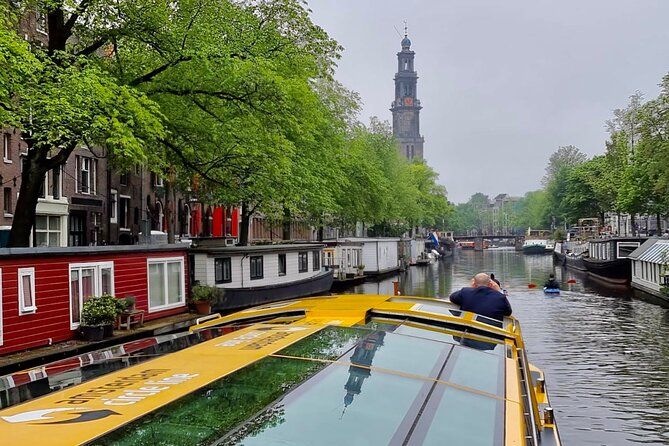
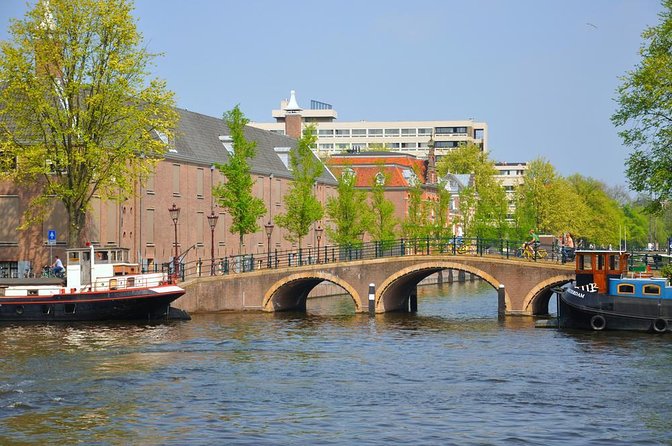
One of the route’s pleasant features is the steady parade of bridges. Melkmeisjesbrug is a fixed bridge in central Amsterdam with a long history. Its name recalls the milk market once held nearby, and later a local business used a milkmaid image as its sign.
The present bridge dates through several rebuilding stages. An earlier pedestrian drawbridge was replaced in 1883, then renewed in 1903, with another steel version appearing in 1966. You do not need to memorize those dates to enjoy it, but the story helps explain why some Amsterdam bridges look delicate while carrying modern traffic and pedestrians.
Brouwersgracht marks the northwestern edge of the Canal Ring and the northern edge of the Jordaan in this area. Its name refers to the brewers who once used the waterway, and it connects the Singel with the Singelgracht.
This is one of the most attractive stretches of the route. In 2007, readers of Het Parool chose Brouwersgracht as Amsterdam’s most beautiful street from 150 nominations. The canal houses, bridges, and water form exactly the sort of view that makes a boat ride worthwhile.
The itinerary also includes a church that was designed by Adriaan Dortsman and opened in 1671. It was rebuilt after severe damage in 1822 and later became a concert hall after the Lutheran congregation left. The building has had a complicated life, including a major fire in 1993 and another restoration.
The supplied information does not clearly identify the church by name in this stop description, so I would rely on the captain or audio guide to explain what you are seeing. This is a good example of why clear commentary matters. Without it, a striking building can pass by as just another attractive facade.
Same city, a different century:
- Amsterdam: Historic City Centre Canal Cruise
★ 4.3 · 659 reviews - Amsterdam: Haunted History and Ghost Walking Tour
★ 4.5 · 488 reviews - Amsterdam High-End Dutch Food & History Tour – Up to 8 guests
★ 5.0 · 482 reviews - Amsterdam: National Holocaust Museum Entry Ticket
★ 4.7 · 413 reviews
From Centraal Station to the open water of the IJ
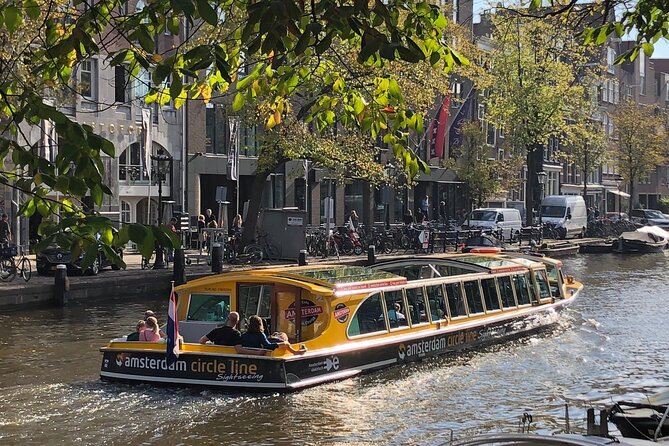
The cruise moves from old canal districts toward Amsterdam Centraal, the city’s grand railway station. Pierre Cuypers designed the building, and he is also associated with the Rijksmuseum. Cuypers is credited mainly with the decoration, while railway engineers handled much of the structural design.
From the water, Centraal Station makes a useful landmark. It explains why the area around the station feels like a gateway rather than a quiet canal neighborhood. You also see Amsterdam shifting from intimate historic waterways to a broader waterfront setting.
The IJ is Amsterdam’s waterfront body of water, once a bay connected to the wider Dutch water system. Reaching it gives the cruise a welcome change of scale. The canals feel enclosed and architectural. The IJ opens the view and shows Amsterdam as a port city.
Across or near this waterfront sits the EYE Filmmuseum, housed in a sharply modern building designed by Delugan Meissl Associated Architects. Its facilities include gallery spaces and several cinemas. The building’s angular form makes a strong contrast with the brick canal houses, and the contrast is part of the point: Amsterdam is not frozen in the seventeenth century.
This section makes the cruise more useful than a route that stays only within the central Canal Ring. You see old merchant streets, major transport links, and modern cultural buildings in one compact ride.
The Amstel and Amsterdam’s grander public buildings
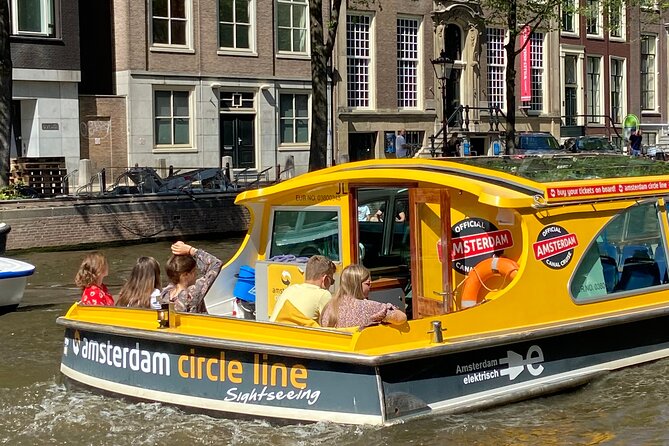
The route then reaches the Amstel, the river that gives Amsterdam its name. It flows north through the province of North Holland and reaches the IJ in the city.
The Amstel is tied to public events, including the Liberation Day concert, the Head of the River Amstel rowing race, and the annual Pride boat parade. Those events also explain why canal operations can change. A parade or water closure may prevent boats from using a scheduled departure point.
Along the river, look for the former Amstelhof, a classical building from 1681 that housed Hermitage Amsterdam. The museum was a branch of the Hermitage Museum in Saint Petersburg and used large exhibition halls and smaller galleries.
The supplied tour information describes Hermitage Amsterdam as part of the route, but museum operations and naming can change over time. I would enjoy the building from the boat rather than plan your day around entering it unless you confirm its current status separately.
The Stopera is another major riverside landmark. This building complex houses Amsterdam’s city hall and the Dutch National Opera and Ballet. Its name came from protests against the opera project, rather than from a simple combination of the Dutch words for city hall and opera.
That small naming detail captures something important about Amsterdam: its grand buildings often come with public debate, practical compromises, and strong local opinions. A good live guide can turn a quick view of the Stopera into a useful piece of civic history.
The Posthoornkerk and the city’s layered architecture
The Posthoornkerk was designed by P.J.H. Cuypers, who also designed Centraal Station. The church was built in stages between 1860 and 1889, with a high design shaped by the lack of room for a free-standing building.
Its exterior uses a neo-Gothic style, while the interior was modeled in part on the late Romanesque Munsterkerk in Roermond. Galleries above the side aisles helped make better use of the tight site.
From a boat, you get only a passing view, but the church helps widen your picture of Amsterdam. The canal belt is not only merchant houses from the Dutch Golden Age. It also includes later churches, public buildings, transport structures, museums, and modern architecture.
This variety is one of the cruise’s best features. You do not need to choose between a historic route and a modern route. The boat links them, though the brief duration means each sight gets only a moment.
Commentary, seating, weather, and comfort
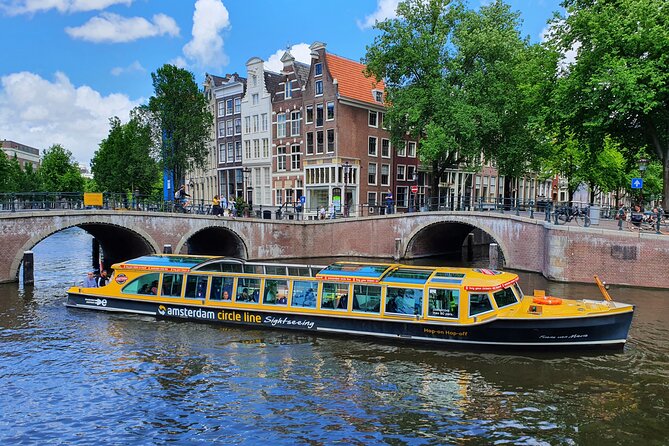
The boat experience is not identical on every departure. Some captains provide live narration, jokes, historical details, and suggestions for places to visit. Robert is praised for showing off the city with interesting commentary, while Captain Rolif is described as entertaining, multilingual, and good at mixing history with humor.
Other departures use recorded narration in several languages. That can work well when the volume is clear, but several practical issues matter. Audio may be difficult to hear near the back, and switching between languages can feel abrupt. One account also describes a recording that occasionally played only in Dutch.
If the commentary is important to you, ask staff where the clearest seats are before boarding. Rear seats may give you unrestricted views, but the audio can be weaker there. A seat near the main speaker or guide may be the better choice.
The boats are described as comfortable, with indoor seating, windows, and on some vessels a glass ceiling. You may also find an outdoor section. That flexibility helps in cold or windy weather, though rain can make the views and sound less pleasant.
Bring a layer even in mild weather. Amsterdam’s canals can feel cooler than the streets, especially when the boat is moving. Hot drinks are not guaranteed, and a request for them during cold weather is worth noting when planning your comfort.
Most people can take part, and service animals are allowed. The maximum group size is 68 people, though some departures may feel far less full. One solo passenger found plenty of room and unobstructed views on a quieter boat, while other rides can be more crowded.
Timing, reliability, and who gets the most from it
The advertised duration is about one hour. That makes the cruise easy to fit into a packed day, but it also means you should allow some flexibility around it. A delayed departure can disrupt museum reservations or train connections.
There have been cases of departure changes close to the scheduled time, including a change of about an hour. A separate departure was badly affected by a canal closure connected with the Pride Parade. These are not everyday problems, but they are real reasons not to schedule a tight connection immediately afterward.
The mobile ticket is convenient, and confirmation is provided at booking. The meeting point near the Anne Frank House is straightforward, and the area is close to public transportation.
You can cancel for a full refund if you do so at least 24 hours before the start time. Changes or cancellations inside that window are not accepted, so book only when your schedule is fairly settled.
This cruise suits:
- First-time visitors who want a quick overview
- People with only a day or two in Amsterdam
- Families who need a low-effort sightseeing break
- Solo visitors who want to see a lot without planning a walking route
- Anyone pairing the boat with the Anne Frank House or Jordaan
It is less suitable if you want a long, highly detailed history tour, guaranteed live guiding, or a fixed schedule with no chance of delay.
Should you book this Amsterdam canal cruise?
I would book it for the price, central departure, and broad route. At $18.71, it is a sensible way to see the Canal Ring, Jordaan, Centraal Station, the IJ, and the Amstel in one sitting.
Go in with the right expectations. This is a scenic city orientation, not an in-depth guided lecture. If you get a captain like Robert or Rolif, the live commentary may add real personality. If your departure relies on an audio recording, sit where you can hear clearly and treat the architecture as the main event.
For a first Amsterdam visit, I would take the cruise early, then return on foot to the areas that catch your eye. That is where the ride earns its keep: it helps you decide what deserves a closer look.
FAQ
Where does the Amsterdam canal cruise meet?
The meeting point is in front of the Anne Frank House on the Prinsengracht.
How long does the canal cruise last?
The advertised duration is approximately one hour.
How much does the cruise cost?
The listed price is $18.71 per person.
Is the ticket available on a phone?
Yes. The experience includes a mobile ticket.
Is the cruise offered in English?
Yes, English is listed as an available language. Some departures may also use multilingual recorded narration.
What sights can I see from the boat?
The route can include the Canal Ring, Anne Frank House, Westerkerk, the Houseboat Museum, Leidsegracht, De Beulingsloot, Bartolotti House, Melkmeisjesbrug, Brouwersgracht, Amsterdam Centraal, the IJ, EYE Filmmuseum, the Amstel, Hermitage Amsterdam, Stopera, and Posthoornkerk.
Is there a live guide on the boat?
Some departures have a live captain or guide, while others rely partly or mainly on recorded commentary. The quality and clarity of narration can vary by departure.
How many people can join the cruise?
The maximum group size is 68 travelers.
Can I cancel for a refund?
You can receive a full refund if you cancel at least 24 hours before the experience starts. Cancellations or changes made less than 24 hours before departure are not accepted.
Just added around Amsterdam
- Amsterdam Walking Tour: Urban Legends & History with local guide★ 5.0 · 39 reviews
- Amsterdam: Luxury Canal Cruise with Historic VR Experience★ 5.0 · 305 reviews
- Amsterdam: Anne Frank and World War II Walking Tour (TOP RATED)★ 4.5 · 72 reviews
- Small Group Tour to Nazi WWII concentration camp from Amsterdam★ 5.0 · 112 reviews
- Amsterdam 3 hrs Bike Tour – live guide En/Fr/De/Nl/Sp★ 4.5 · 138 reviews
- Amsterdam Haunted History and Ghost Walking Tour★ 5.0 · 47 reviews
- Guided Walking Tour Amsterdam – Legends, History & Ghost Stories★ 5.0 · 28 reviews
- LGBTQI+ History Tour of Amsterdam★ 5.0 · 123 reviews
Amsterdam History Tours, compared.

Amsterdam: Life of Anne Frank and World War II Walking Tour
Read our review →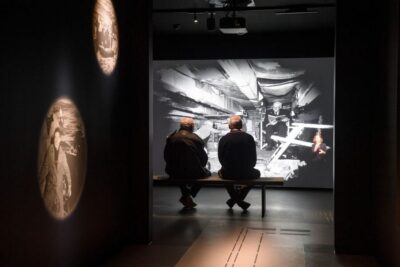
Amsterdam: Dutch WWII Resistance Museum Entry Ticket
Read our review →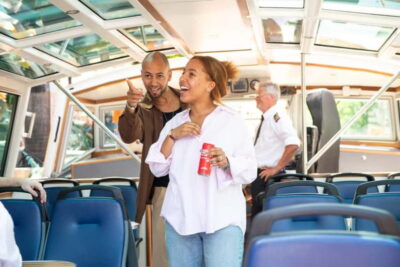
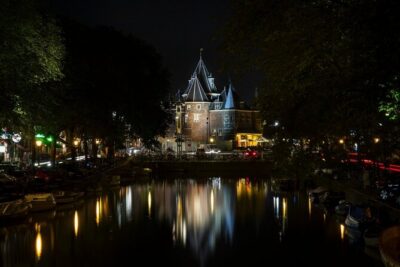
Amsterdam: Haunted History and Ghost Walking Tour
Read our review →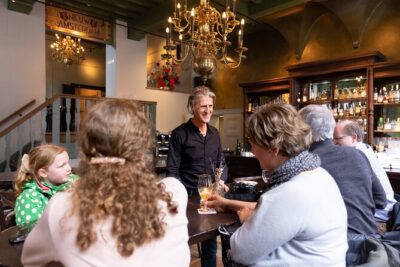
Amsterdam High-End Dutch Food & History Tour – Up to 8 guests
Read our review →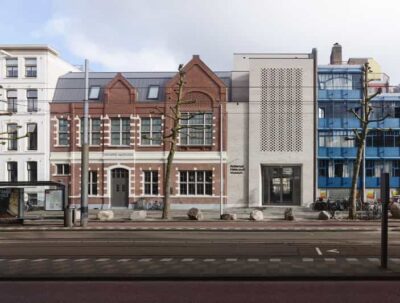
Amsterdam: National Holocaust Museum Entry Ticket
Read our review →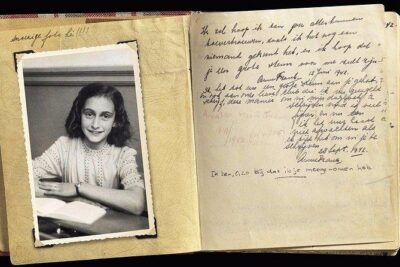
Anne Frank and the Jewish History of Amsterdam Private Tour
Read our review →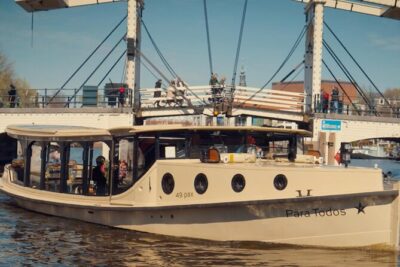
Amsterdam: Luxury Canal Cruise with Historic VR Experience
Read our review →Browse the lists this tour appears in