
Review · DUBAI
Dubai: Walking, Architecture and History Tour of Dubai Opera
Dubai Opera’s best surprise is not the performance hall itself, but what happens behind it. This one-hour walking tour takes you through backstage areas, dressing rooms, the trap room, and the seat storage area used when the auditorium changes from theater seating to a flat floor.
I like the way the tour explains architecture through real working parts, rather than asking you to admire a pretty building and move on. I also like the chance to see artworks made specifically for Dubai Opera, plus the practical machinery that lets one venue handle different kinds of events.
The main consideration is timing. Dubai Opera is a working building, so event schedules can close off some areas or change the route. You’ll also walk, stand, and use stairs, so this is not a sit-down sightseeing stop.
Key points at a glance
- See the working side of Dubai Opera: Visit backstage areas, dressing rooms, the trap room, and seat storage.
- Understand the flexible auditorium: Learn how the seating is removed when the hall becomes a flat floor.
- Look closely at the design: Hear the stories behind the architecture, sculptures, mirrors, and commissioned artworks.
- Meet at the Plaza Box Office: This is the stated meeting point, so arrive with enough time to find it.
- Expect a lively guide: Richard has been singled out for entertaining explanations and videos that show how things work.
- Plan for stairs and standing: Wheelchair access is available, but anyone with mobility restrictions should contact the operator first.
Why Dubai Opera is more than a performance hall
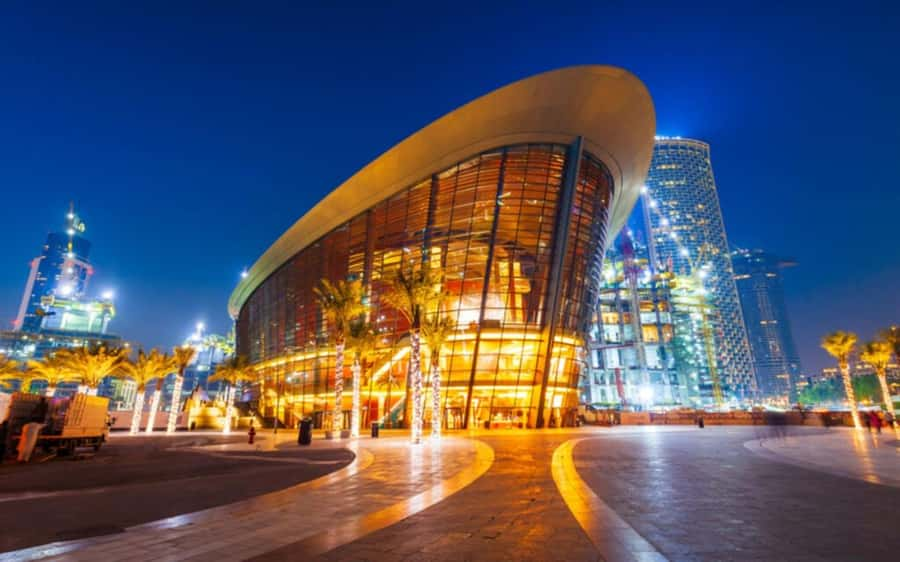
Dubai Opera opened in 2016 as the only opera house in the United Arab Emirates. It has since drawn hundreds of thousands of people, both for performances and for the building itself.
You do not need to attend a concert or opera to appreciate the place. The tour gives you a look at how the venue functions, which makes the architecture easier to understand. Instead of seeing only the public lobby and auditorium, you get a sense of the rooms, equipment, and design decisions that support a live show.
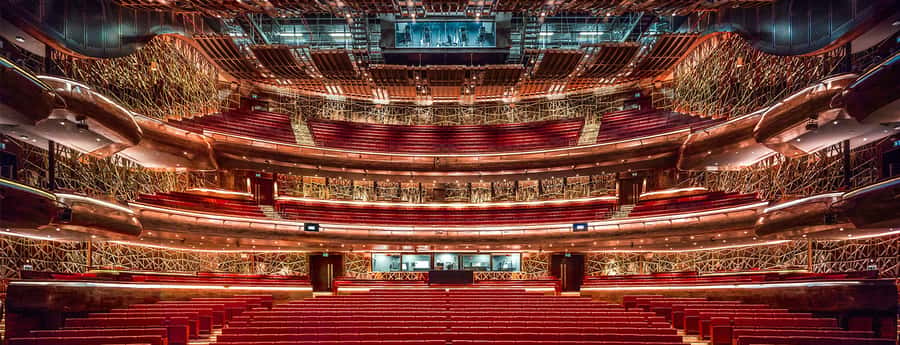
That matters because Dubai Opera is designed for more than opera. The building hosts music, theater, and other performing arts, and the auditorium can change its arrangement. A hall that works for a staged performance can be converted into a flat-floor space, a useful feature that becomes much clearer once you see where the seats are stored.
I like this practical angle. It turns a polished cultural attraction into a working building with a job to do.
More History Walking Tours in Dubai:
- Historic Forts, Boats and Pearls of Old Dubai Walking Tour
★ 5.0 · 31 reviews - History and Hauntings of Salem Guided Walking Tour
★ 5.0 · 14,564 reviews - Lisbon: History, Stories and Lifestyle Walking Tour
★ 4.8 · 10,902 reviews
Starting at the Plaza Box Office
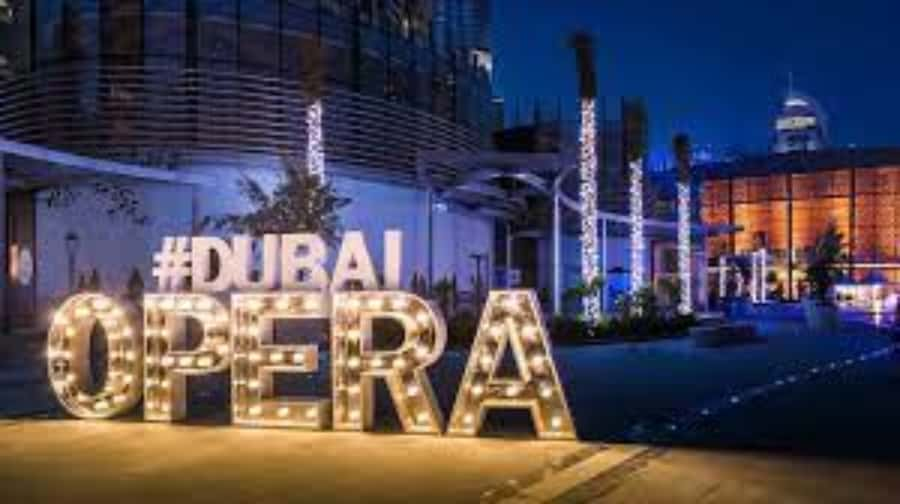
Your meeting point is the Plaza Box Office. From there, a live guide leads the group through the venue for about an hour.
This is a short tour, so the pace is likely to be steady. You will walk and stand rather than linger in one place for a long time. Wear comfortable shoes, and keep in mind that the route includes stairs.
The guide speaks English or Arabic. Richard is one guide associated with this tour, and his approach includes videos to explain processes that are easier to understand when you can see them. A booking with only two people also allowed him to give especially personal attention, though you should not assume every departure will be that small.
Arrive ready to listen and look closely. The best parts are not necessarily the grandest rooms. They are the details that explain how the building changes, stores equipment, and supports a performance.
Reading the architecture through its details
Dubai Opera’s design is a major part of the visit. You will hear about the building’s unusual form and the reasons behind its architectural details.
The tour does not simply point out attractive surfaces. It connects the design to the venue’s purpose. That gives you a better way to look at the building. A sculpture or decorative feature is not just something to photograph. It was created to help shape the identity of this cultural venue.
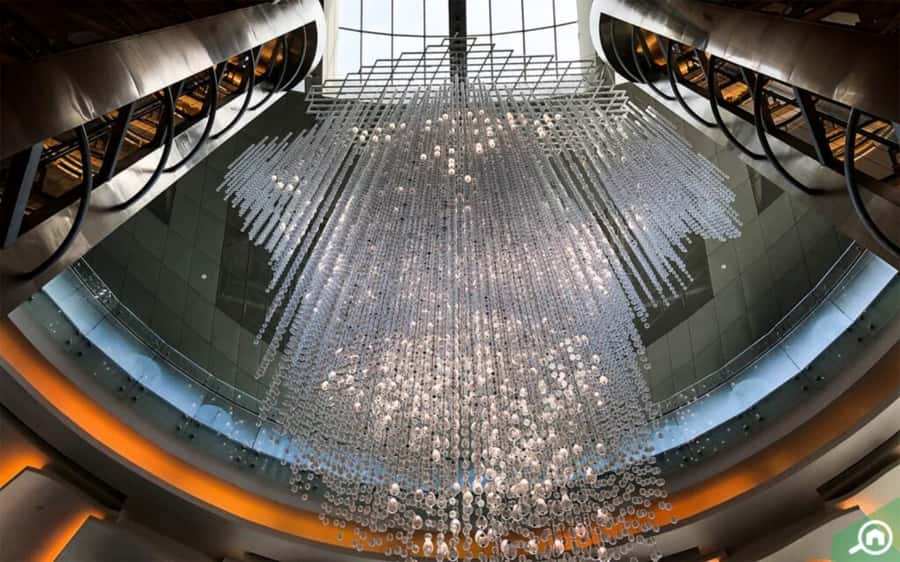
You’ll also see artworks and sculptures made specifically for Dubai Opera. This is useful for anyone who enjoys design, because the pieces belong to the building rather than feeling like unrelated decorations placed in an empty public space.
The guide shares stories about the venue’s background and construction, although the exact material can vary. Dubai Opera remains active, and parts of the route may be closed during events. If a particular room is unavailable, the tour may focus more on the architecture or another working area.
That flexibility is worth understanding before you book. You are paying for access to a working cultural venue, not a museum with a fixed route.
Behind the scenes in dressing rooms and backstage areas
The backstage section is likely to be the most rewarding part for many people. You get to leave the polished public areas and see spaces that performers and production teams use.
One detail specifically included on the route is the mirrors in the dressing rooms. These rooms offer a simple but useful reminder that a performance begins long before anyone walks onstage. The tour connects the room to the people who prepare there, without requiring you to attend a show.
Backstage access also changes how you see the auditorium. From the audience, a theater can look complete and static. Behind it, you begin to understand that scenery, performers, equipment, and staff all need space to move and work.
I would book this tour for that reason alone if I had already seen a performance at Dubai Opera. It fills in the parts the audience normally misses.
Access is not guaranteed to every backstage area on every departure. Events can restrict parts of the building, and the route can change. Still, the stated focus is clear: you are not just walking through the public entrance and taking a few photographs.
More History Tours in Dubai:
- Dubai Evening Heritage Safari by Vintage G Class Al Marmoom Oasis
★ 5.0 · 1,500 reviews - Dubai: Abu Dhabi Grand Mosque, Palace, and Heritage Village
★ 4.8 · 1,265 reviews - Dubai Camel Desert Safari, Traditional Meal & Heritage Activities
★ 5.0 · 937 reviews - Dubai: Heritage Safari in Vintage Land Rover with Dinner
★ 4.8 · 861 reviews
The trap room and the venue’s working mechanics
The trap room is one of the more unusual stops. It is a space many regular audience members never see, and it gives the tour a bit of stagecraft and mystery without turning the visit into a theatrical stunt.
The guide explains what the room is and why it matters to the building. This kind of detail is valuable because it shows how much of a theater lies below, behind, or outside the audience’s view.
You’ll also see the seat storage area. This is particularly interesting because Dubai Opera can change the auditorium into flat-floor mode. Seeing where the seats go makes that flexibility concrete. You are not just hearing that the room can change shape. You are seeing part of the system that makes the change possible.
For me, this is the strongest reason to choose the tour instead of simply walking around the building on your own. You would notice the grand design independently, but you would be unlikely to understand the less obvious spaces and the conversion process.
What the one-hour format gives you
One hour is enough to introduce the building without taking up half your day. That makes the tour easy to fit around a performance, a meal, or other Dubai plans.
The short format also keeps the visit focused. You will cover the main architecture, art, backstage spaces, trap room, and seat storage without being asked to commit to a long technical tour.
There is a tradeoff. You should not expect a slow, detailed study of every artwork or a long visit in each room. The content may also shift according to what is open. If you want an extended look at theater production, this is an introduction rather than a full backstage workshop.
I see the one-hour length as a good match for first-time visitors. It gives you useful context, then leaves you time to explore other parts of Dubai Opera or return for a performance.
The value of the $27 price
At $27 per person, the tour is reasonably priced if the route includes several backstage spaces. You are paying for a live guide, access to parts of a working venue, and explanations that you would not get from simply entering the building.
The value is strongest for people who care about architecture, theater, design, or the practical side of live events. If you only want a quick photograph of Dubai Opera, the price may feel less attractive. The building can be admired without a tour, but the backstage areas and technical explanations are the part you cannot easily reproduce on your own.
The guide also adds value when the tour includes videos. Those visual aids can explain how the building operates more clearly than a spoken description alone. Richard, in particular, has been noted for making the tour entertaining while showing how things are packed away and managed.
I would not compare the price with a full performance ticket. This is a short cultural visit, not a show. Compare it instead with the cost of a guided architectural walk, then ask whether access behind the scenes matters to you.
Who will get the most from this tour
I think the tour suits several kinds of visitors:
- Architecture fans will enjoy the building’s unusual form, details, sculptures, and artwork.
- Theater fans will appreciate the dressing rooms, backstage route, trap room, and auditorium mechanics.
- First-time Dubai visitors will get a clear introduction to one of the city’s major cultural venues.
- Families with older children can find the behind-the-scenes parts more engaging than a formal art visit. Anyone under 16 must be with an adult.
- Visitors with limited time can fit the one-hour tour into a busy day.
- People attending a performance can gain extra context before or after the show, though access can change when events are taking place.
Children under two are free. The tour is wheelchair accessible, but the route involves walking, standing, and stairs. If you use a wheelchair or have mobility restrictions, contact the activity provider before attending so the route and assistance can be discussed.
Practical limits to keep in mind
The biggest limitation is that Dubai Opera is not a closed museum. A performance, rehearsal, setup, or other event can affect access. Some areas may be closed or restricted, and the tour content can vary.
That is not necessarily a flaw. It is part of visiting a venue that is still doing its real work. But you should book with the right expectation. You are not guaranteed a completely fixed route or access to every room described.
The tour is offered in English and Arabic. If your English is not perfect, a smaller departure may make it easier to follow the guide, but group size is not specified and should not be assumed.
You can cancel up to three days in advance for a full refund. That policy is useful here because venue schedules can change, and your Dubai plans may shift.
Should you book Dubai Opera’s walking tour?
Book it if you want more than the usual exterior photograph. The trap room, dressing-room mirrors, seat storage, and backstage access give the visit a practical edge, while the architecture and commissioned artworks keep it visually interesting.
I would especially recommend it to anyone already planning to see a performance, anyone curious about how theaters work, and anyone who enjoys modern design. The one-hour length and $27 price make it an easy add-on.
Skip it if you want a long, technical production tour or if your schedule cannot handle stairs and standing. Also remember that a working building may restrict parts of the route.
For most visitors, the tour earns its place because it shows you how Dubai Opera functions, not just how it looks.
FAQ
How long does the Dubai Opera tour last?
The guided walking tour lasts one hour.
How much does the tour cost?
The listed price is $27 per person.
Where do I meet the guide?
Meet your guide at the Plaza Box Office.
Which languages are available?
The live tour guide is available in English and Arabic.
Is the tour wheelchair accessible?
Yes, the activity is listed as wheelchair accessible. The route also involves walking, standing, and stairs, so anyone with mobility restrictions or using a wheelchair should contact the activity provider before attending.
Can the tour route change?
Yes. Dubai Opera is a working building, so events may cause some areas to close or limit access. The tour content can vary as a result.
Just added around Dubai
- Old Dubai Historic Guided Tour: Creek, Street Food & Souks★ 4.9 · 156 reviews
- Old Dubai Heritage Tour: Souks, Mosques & more hidden gems!★ 4.3 · 72 reviews
- Historic Forts, Boats and Pearls of Old Dubai Walking Tour★ 5.0 · 31 reviews
- Dubai: Heritage Camel Desert Safari with Traditional Dinner★ 4.9 · 80 reviews
- Dubai: Desert Safari or Hatta Tour with Kayaking★ 3.4 · 213 reviews
- Dubai: Heritage Desert Safari wtih Overnight and Breakfast★ 4.9 · 35 reviews
- Dubai: Al Fahidi Historical District Heritage Tour★ 4.8 · 40 reviews
- Dubai: Heritage Safari, Camel Ride & Al Marmoom Oasis Dinner★ 4.8 · 431 reviews
Dubai History Tours, compared.

Dubai Evening Heritage Safari by Vintage G Class Al Marmoom Oasis
Read our review →
Dubai: Abu Dhabi Grand Mosque, Palace, and Heritage Village
Read our review →
Dubai Camel Desert Safari, Traditional Meal & Heritage Activities
Read our review →
Dubai: Heritage Safari in Vintage Land Rover with Dinner
Read our review →

Dubai: Abu Dhabi Trip with Lunch at Al Khayma Heritage Restaurant
Read our review →
Dubai: Heritage Safari, Camel Ride & Al Marmoom Oasis Dinner
Read our review →
Dubai: Desert Safari or Hatta Tour with Kayaking
Read our review →Browse the lists this tour appears in