
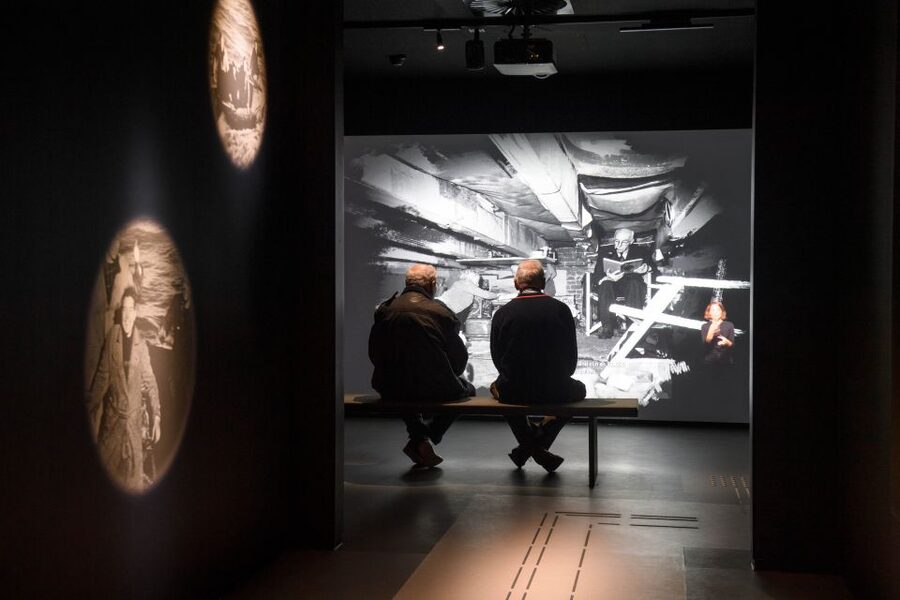
Review · AMSTERDAM
Amsterdam: Dutch WWII Resistance Museum Entry Ticket
Amsterdam’s Dutch Resistance Museum does more than list wartime events. It puts you among the choices made by ordinary people under Nazi occupation: strike, obey, hide, forge, inform, escape, or fight. Personal documents and everyday objects make the period feel close, while films and reconstructed street scenes show how fear entered daily life.
I like the museum’s clear audio system, which lets you scan selected exhibits rather than listen to every item. I also like its broad view of resistance, from underground newspapers and forged documents to armed action and help for people in hiding. The main drawback is simple: there is so much to read and hear that a quick one-hour visit will feel rushed.
Key points to know
- Plan two to three hours: The museum is compact from the outside but contains a large amount of material.
- Use the handheld audio guide: It is available in Dutch, English, French, German, Italian, Spanish, and Portuguese.
- Follow more than the famous stories: The displays focus on many ordinary people, not only well-known resistance figures.
- Expect difficult material: The museum covers Nazi persecution, Jewish deportation, collaboration, and life under occupation.
- Do not skip the Dutch East Indies section: It explains the wartime experience under Japanese rule in the former Dutch colonies.
- Good access for many visitors: The museum is wheelchair accessible, and the audio system can let you sit while listening.
Start with Amsterdam under occupation
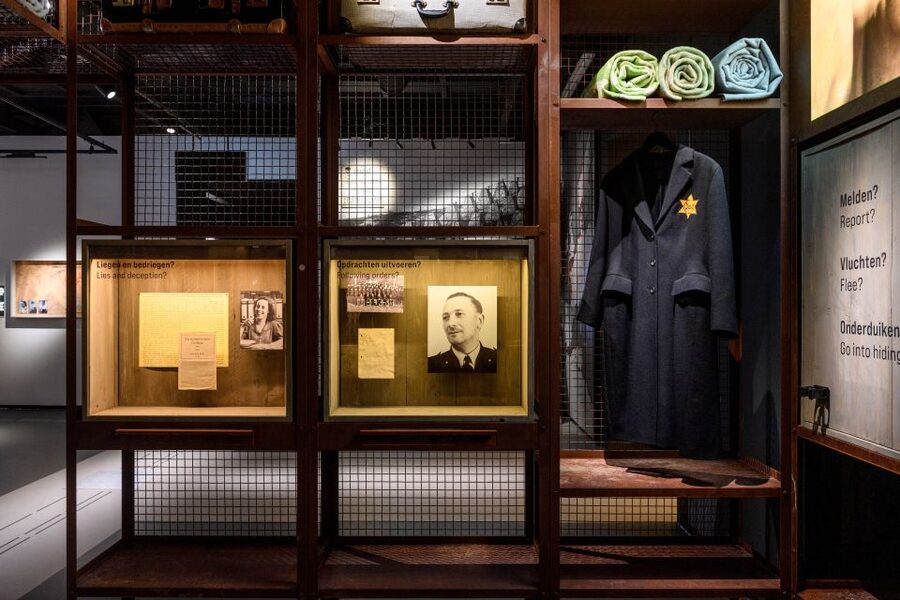
At the museum counter, you show your ticket and begin without a live guide. The visit is self-paced, which suits this subject. You can move slowly through the rooms, pause over a document, or skip a display that does not interest you.
The exhibition recreates the feel of the Netherlands in the 1940s with walls of photographs, objects, film clips, and personal accounts. You are not simply given a timeline of military events. Instead, you see how occupation affected work, family life, information, food, safety, and trust.
That approach matters. A war museum can become a list of dates and battles. This one keeps returning to the human question: what would you do when every choice carried a risk?
The displays explain the German invasion and occupation, then show how Dutch people responded in different ways. Some resisted openly. Others helped quietly. Some collaborated with the occupiers. Many had to make smaller, daily decisions with no safe answer.
More WWII and D-Day Tours in Amsterdam
- Amsterdam: Life of Anne Frank and World War II Walking Tour
★ 4.8 · 10,467 reviews - Amsterdam: National Holocaust Museum Entry Ticket
★ 4.7 · 413 reviews - Anne Frank and the Jewish History of Amsterdam Private Tour
★ 5.0 · 307 reviews
Resistance was more than armed fighting
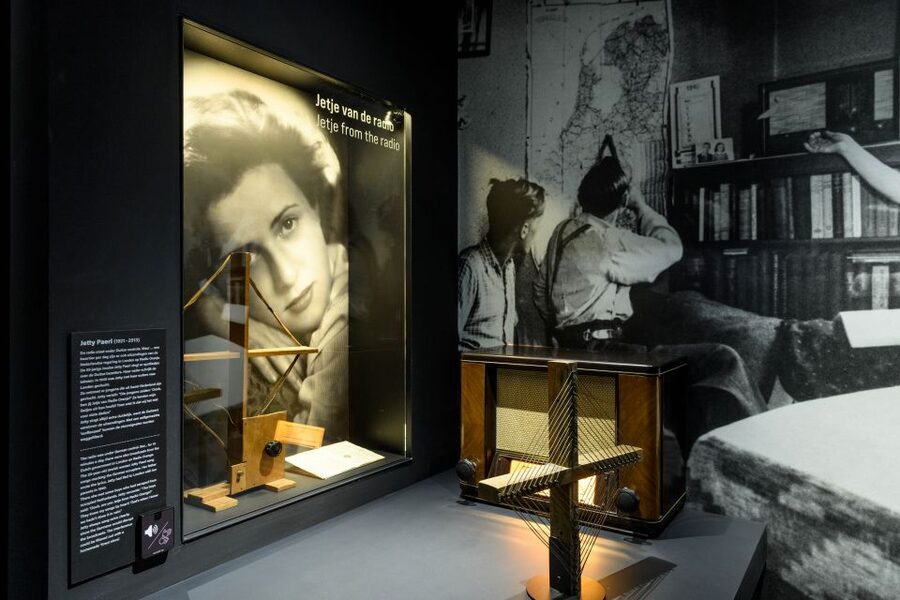
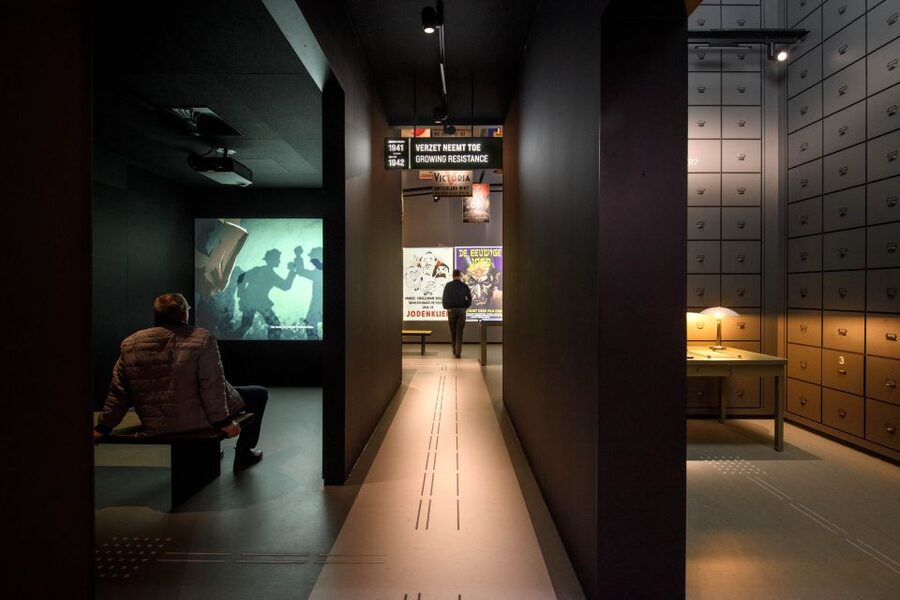
The museum gives space to the less dramatic forms of resistance, which are often the most revealing. You learn about strikes, forged identity papers, underground newspapers, escape routes, and efforts to hide people from Nazi authorities.
Forged documents were not just pieces of paper. They could change a person’s name, age, occupation, or official status. An underground newspaper was not simply a source of news. Producing and distributing one could bring arrest or worse.
Helping someone into hiding demanded more than courage. It required a spare room, food, secrecy, and the ability to keep a false story straight. The exhibition helps you see how resistance relied on networks of people who might never have called themselves heroes.
Armed resistance and espionage are included too, but they do not swallow the rest of the story. That balance is one of the museum’s strengths. You get the dramatic acts, but also the quiet work that made survival possible.
Follow the personal stories through documents and film
The most affecting material comes through individual stories. Personal papers, photographs, letters, and other objects show people caught between private morals and public danger.
The museum also uses short films and recorded accounts to give the history a human voice. The audio guide adds more detail at many stations. You use the supplied handheld unit to scan codes at exhibits, choosing what you want to hear.
That system is practical. You do not have to listen to every explanation, and you can stop for as long as you like. If you prefer an orderly visit, follow all the audio points. If your attention is limited, scan the displays that catch your eye and still get a useful account of the main story.
The audio is especially helpful if you want more than the text panels but do not want to read every word. It also helps visitors who need to sit from time to time. The museum provides access to the material in seven languages: Dutch, English, French, German, Italian, Spanish, and Portuguese.
One small point to keep in mind: the scanning system can be sensitive. If you accidentally scan the wrong code, the audio may restart. Take a moment to aim the device at the exhibit you want.
See the moral gray areas of occupation
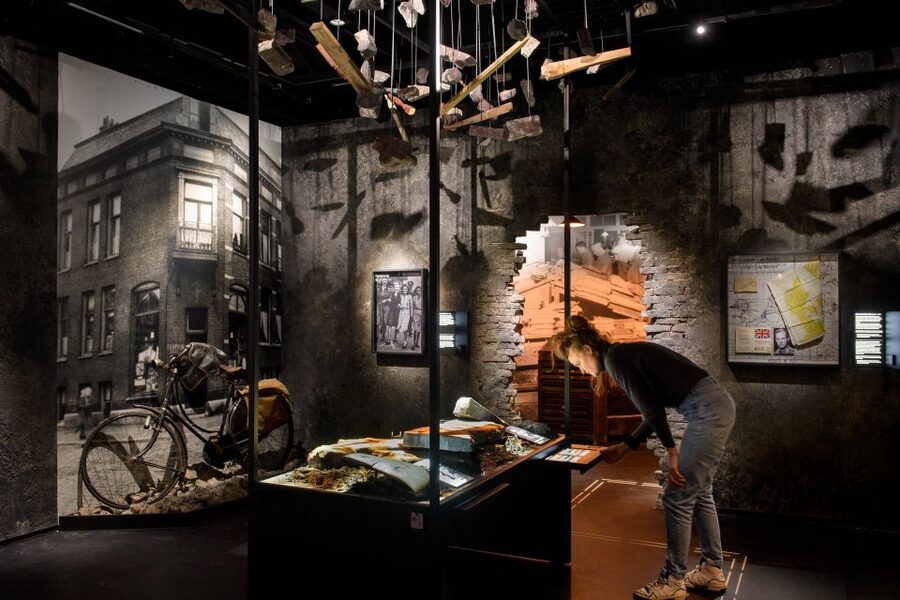
This is not a display of simple heroes and villains. The museum covers resistance groups, collaborators, bystanders, and people trying to protect their families. That makes the experience more honest, though also more unsettling.
You will see how occupation narrowed people’s choices. Refusing an order could endanger a household. Sharing information could save someone or expose them. Keeping quiet might be self-protection, or it might leave another person alone.
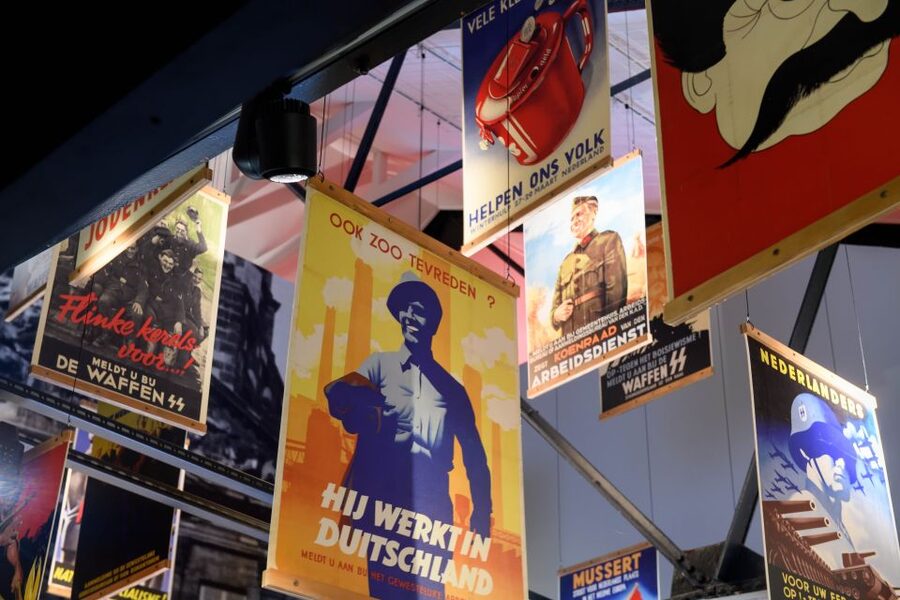
The interactive material helps make propaganda easier to understand. One display uses propaganda posters in a way that lets you consider how messages were designed to shape public behavior. It is a useful reminder that control worked through images and information as well as soldiers and police.
I appreciate that the museum does not turn resistance into a tidy story of universal courage. Dutch society contained brave helpers, organized resistance, fearful families, profiteers, and collaborators. The strength of the presentation lies in showing those different responses side by side.
More WWII and D-Day Tours in the Netherlands
- Anne Frank and Amsterdam Jewish History Walking Tour
★ 5.0 · 259 reviews - Small Group Tour to Nazi WWII concentration camp from Amsterdam
★ 5.0 · 112 reviews - Amsterdam: Anna Frank and World War II History Walking Tour
★ 4.8 · 86 reviews - Amsterdam: Anne Frank and World War II Walking Tour (TOP RATED)
★ 4.5 · 72 reviews
Give the Jewish Dutch experience proper time
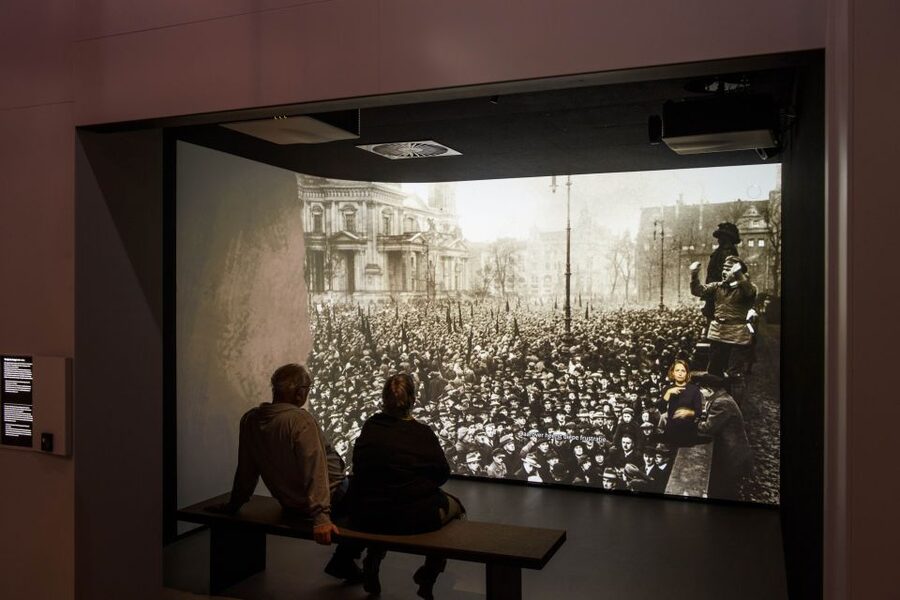
The occupation section also addresses what happened to Jewish people in the Netherlands. The museum shows the pressure, persecution, and deportation that shaped the lives of Jewish Dutch families.
This can be a painful part of the visit, and it should not be treated as a quick add-on to the resistance story. The displays connect large events with personal testimony and individual documents, helping you understand that persecution was experienced through homes, workplaces, families, and daily routines.
If you have already visited the Anne Frank House, this museum gives you a wider frame. Anne Frank’s story is one deeply familiar account, while this exhibition places it alongside many other people who resisted, hid, suffered, collaborated, or tried to survive.
A nearby memorial site, the Hollandische Schouwburg, is also associated with those awaiting deportation. It is not part of this admission, but it can be a meaningful place to consider separately if it fits your plans. The museum itself provides plenty to absorb without adding another stop.
Do not skip the Dutch East Indies rooms
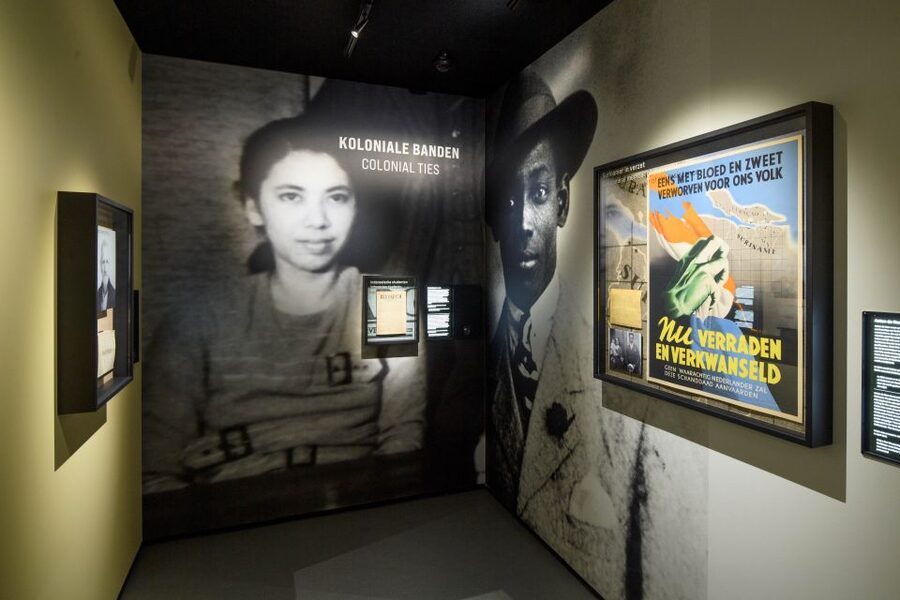
One of the museum’s most valuable features is its section on the former Dutch East Indies. The wartime story does not end with the German occupation of the Netherlands.
This section explains the experiences of people in the colonies under Japanese rule. The accounts describe terror, imprisonment, and the upheaval faced by Dutch and colonial communities in the region.
For many people, this will be less familiar than the European story. It broadens the visit and shows that the Dutch wartime experience was not limited to Amsterdam streets or the European front.
Plan extra time here if your family has ties to Indonesia or the former Dutch East Indies. The personal accounts can be particularly powerful for anyone trying to understand what relatives endured under Japanese occupation.
How long should you spend inside?
The ticket is valid for one day, but you do not need to reserve an entire day in practice. Most people should allow two to three hours for a thoughtful visit.
Two hours can work if you read the main panels, watch selected films, and use the audio guide at the exhibits that interest you most. Three hours is safer if you want to hear nearly everything and take time with the personal material.
A full day is possible for serious WWII history enthusiasts, especially if you read every panel and listen at each station. The museum contains enough detail to reward that pace, but many people will find their attention naturally runs out before the day does.
Do not schedule this immediately before another fixed activity unless you are comfortable leaving early. The experience is designed to make you stop and think, not race from room to room.
What the visit feels like for families and younger readers
The layout is designed to be easy to follow, and the information is presented through text, objects, photographs, audio, film, and interactive features. That mix can help younger visitors who find long museum labels tiring.
The subject matter is serious. Parents should expect material about Nazi persecution, deportation, imprisonment, violence, and wartime fear. The museum does not turn the period into entertainment, but its varied presentation gives you different ways to take in the information.
For a family group, the handheld guide can help each person choose a pace. One person can listen while another studies an object or photograph. You can also pause between sections instead of trying to keep everyone moving at once.
People with limited stamina may find the audio system useful because it allows you to sit occasionally and continue listening. The museum is wheelchair accessible, which removes one major practical concern, though you should still allow yourself plenty of time rather than treating access as a reason to hurry.
Is the $21 ticket good value?
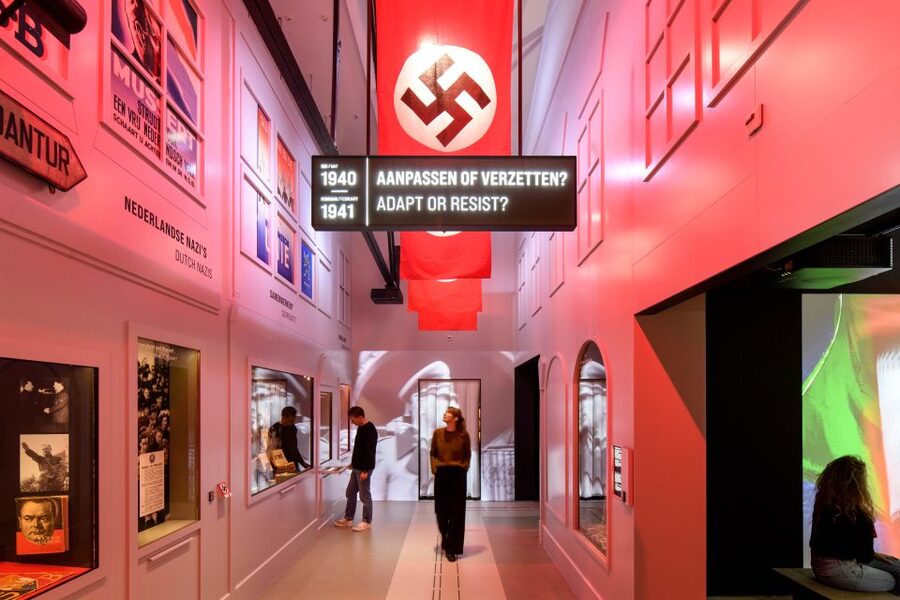
At about $21 per person, this is not the cheapest museum admission in Amsterdam. I still consider it good value if WWII history is important to you or if you want to understand Dutch life beyond the city’s usual canal-and-art attractions.
The price includes the entry ticket and audio guide, so you are not paying extra for the main tool that gives the displays their detail. A two-hour visit works out reasonably well, while a three-hour visit makes the value stronger.
The museum is also more than a collection of objects behind glass. You receive context for the artifacts and follow stories that connect them to real decisions. That is the kind of detail that makes an admission fee worthwhile.
It is less suitable if you want a light, fast stop between other activities. The material is serious, and the museum rewards attention. You may leave feeling thoughtful rather than cheerful, which is appropriate but worth knowing before you book.
Practical details before you go
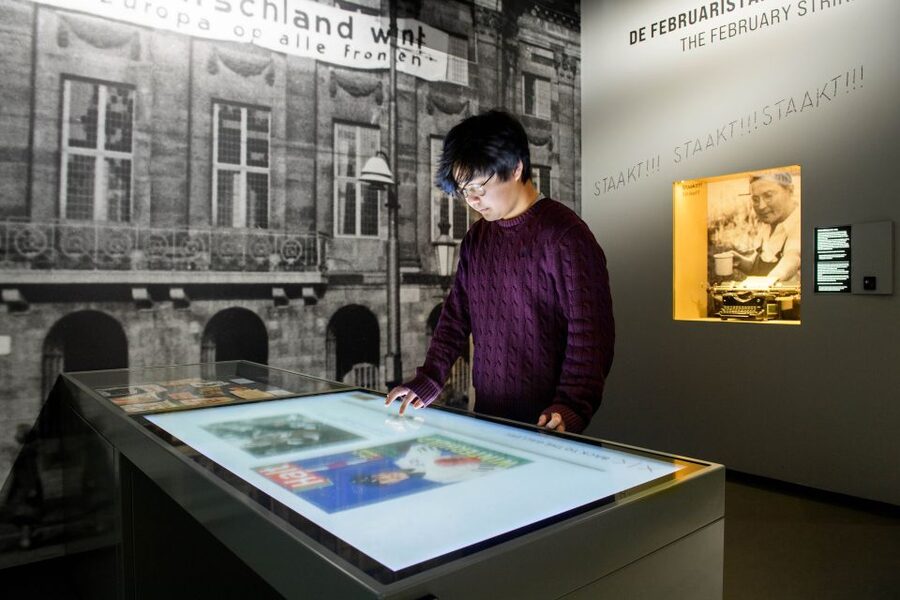
Show your ticket at the museum counter. There is no live guide included, so the handheld audio system is the main way to add spoken detail to the displays.
The audio guide is available in seven languages: Dutch, English, French, German, Italian, Spanish, and Portuguese. Check your preferred language before you begin so you can settle into the visit without interrupting your route.
Food and drinks are not included. A restaurant is attached to the museum, making it possible to eat after the visit, but the admission itself covers only the museum entry and audio guide.
The activity is wheelchair accessible. Free cancellation is available up to 24 hours in advance for a full refund, and a reserve-now, pay-later option can help if your schedule is still changing.
Who will appreciate this museum most?
I would choose this museum for anyone who wants the Dutch wartime story told through people rather than only military movements. It suits history enthusiasts, families with older children, and anyone who wants more context after visiting Anne Frank-related sites.
It is also a strong choice if you have Dutch or Indonesian family connections. The Dutch East Indies section adds a perspective that many visitors will not have encountered elsewhere in Amsterdam.
You should allow extra time if you enjoy documents, photographs, film, and audio testimony. If you prefer a very short visit with a few major objects, you may find the amount of material demanding.
Should you book the Dutch Resistance Museum?
Book it if you can spare at least two hours. The museum offers a clear, moving account of occupation, resistance, collaboration, Jewish persecution, and the Dutch East Indies under Japanese rule. Its best feature is the way it connects major events to ordinary people facing impossible choices.
The $21 price is fair because the audio guide is included and the exhibition has enough material for a substantial visit. Go in with patience, use the scanner selectively, and do not skip the colonial section. If your Amsterdam plans are already packed, this is one museum where rushing will reduce its value.
FAQ
How much does admission to the Dutch Resistance Museum cost?
The listed price is $21 per person.
How long is the museum ticket valid?
The ticket is valid for one day.
How long should I plan for the visit?
Plan on two to three hours for a full visit. You can spend longer if you want to listen to nearly every audio station and read all the displays.
Is an audio guide included?
Yes. An audio guide is included with admission.
Which languages are available for the audio guide?
The audio guide is available in Dutch, English, French, German, Italian, Spanish, and Portuguese.
Is there a live guide?
No live guide is included. The visit is self-guided with the supplied audio system.
What subjects does the museum cover?
It covers strikes, forged documents, help for people in hiding, underground newspapers, escape routes, armed resistance, espionage, collaboration, Jewish persecution, and daily life during occupation.
Does the museum cover the Dutch East Indies?
Yes. A dedicated section covers the wartime experiences of people in the former Dutch East Indies under Japanese rule.
Is the museum wheelchair accessible?
Yes. The museum is wheelchair accessible.
Can I cancel my booking?
You can cancel up to 24 hours in advance for a full refund. A reserve-now, pay-later option is also available.
Just added around Amsterdam
- Amsterdam Walking Tour: Urban Legends & History with local guide★ 5.0 · 39 reviews
- Amsterdam: Luxury Canal Cruise with Historic VR Experience★ 5.0 · 305 reviews
- Amsterdam: Anne Frank and World War II Walking Tour (TOP RATED)★ 4.5 · 72 reviews
- Small Group Tour to Nazi WWII concentration camp from Amsterdam★ 5.0 · 112 reviews
- Amsterdam 3 hrs Bike Tour – live guide En/Fr/De/Nl/Sp★ 4.5 · 138 reviews
- Guided Walking Tour Amsterdam – Legends, History & Ghost Stories★ 5.0 · 28 reviews
- LGBTQI+ History Tour of Amsterdam★ 5.0 · 123 reviews
- Amsterdam Haunted History and Ghost Walking Tour★ 5.0 · 47 reviews
Amsterdam History Tours, compared.

Amsterdam: Life of Anne Frank and World War II Walking Tour
Read our review →
Amsterdam: Haunted History and Ghost Walking Tour
Read our review →
Amsterdam High-End Dutch Food & History Tour – Up to 8 guests
Read our review →
Amsterdam: Historic City Sightseeing Canal Cruise
Read our review →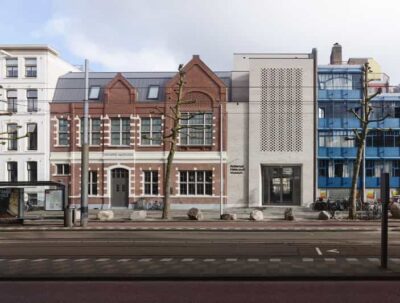
Amsterdam: National Holocaust Museum Entry Ticket
Read our review →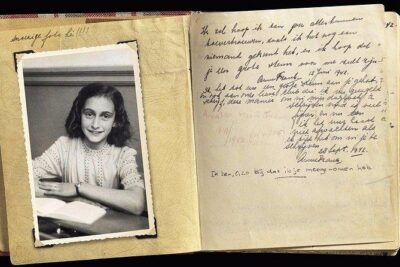
Anne Frank and the Jewish History of Amsterdam Private Tour
Read our review →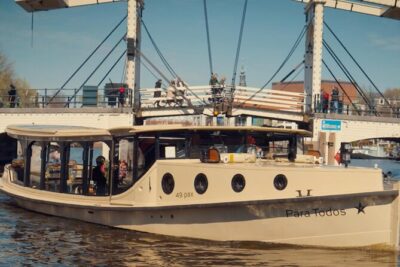
Amsterdam: Luxury Canal Cruise with Historic VR Experience
Read our review →Browse the lists this tour appears in