
Review · AMSTERDAM
Amsterdam: Jewish Quarter and History Guided Tour
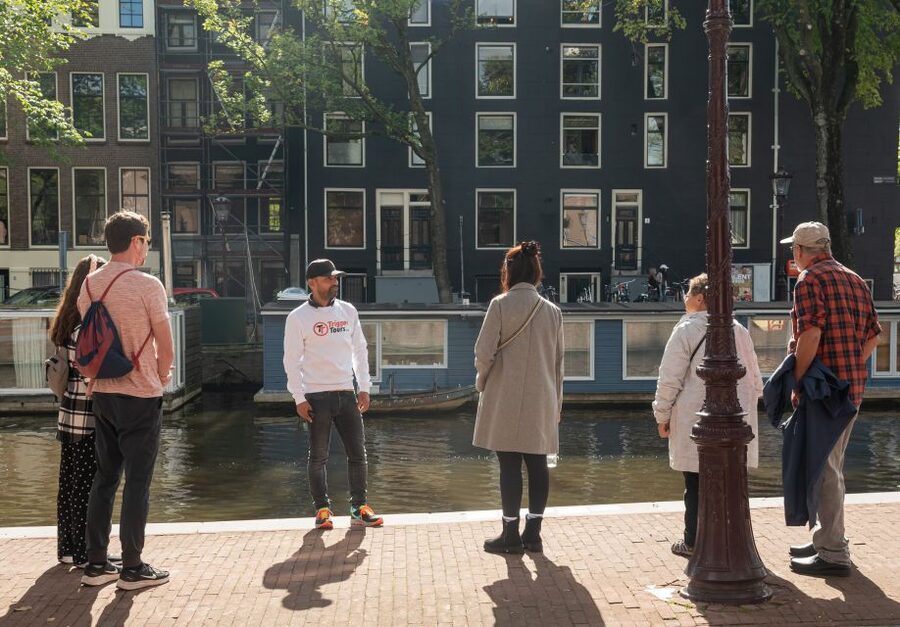
Amsterdam’s Jewish Quarter is not a museum behind glass. Its story is written across ordinary streets, former community buildings, memorials, and quiet corners that are easy to miss on your own. This two-hour walk connects those places to the lives of Jewish residents during the Nazi occupation of the Netherlands.
I like the way the tour links daily life before and during World War II, rather than treating the Holocaust as an isolated chapter. I also like the small-group and private options, since guides such as James, Aaron, Jyry, Masha, Marsha, Joshua, and Guido have been praised for answering difficult questions with care.
The main limitation is pace. Two hours covers a lot, and one participant felt there was not always enough time to study a monument or take a photograph before moving on. The advertised route finishes at the Anne Frank House area, but one booking ended at the Holocaust memorial, so confirm the final stop for your chosen departure.
Key points to know before booking
- A history walk, not an Anne Frank House visit: You pass the area around her house, but entry to the museum is not included.
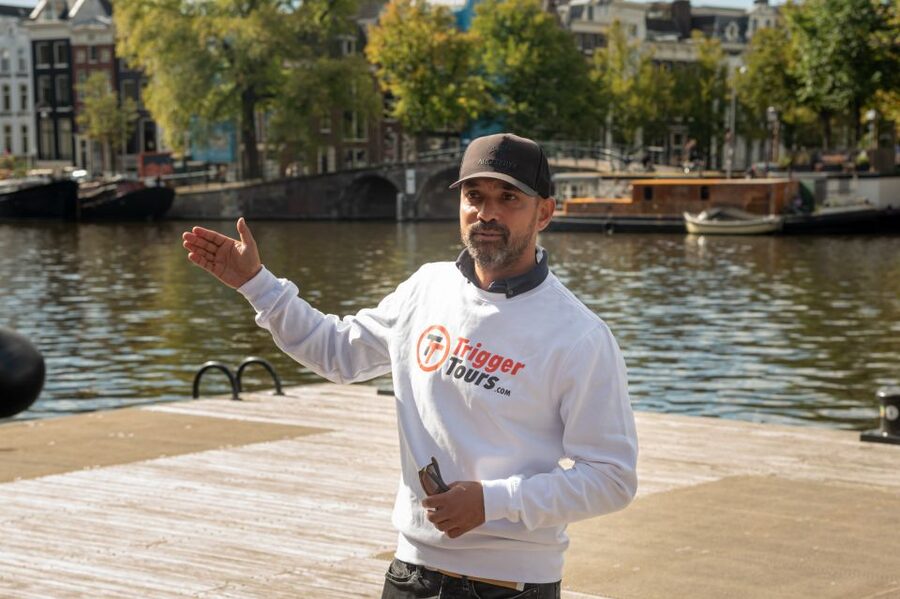
- The route begins near the Amstel River: Your guide sets the wartime story in the wider history of Jewish Amsterdam.
- Major memorials carry the emotional weight: The Dokwerker and Auschwitz Monument are explained in context, not treated as quick photo stops.
- Small groups make hard questions easier: Private bookings and limited-size groups allow more room for discussion.
- English and Spanish are offered: Check the language and exact meeting point when choosing your time.
- At $23, the tour offers strong value: The guide adds meaning to buildings and memorials that can look ordinary without explanation.
Why this part of Amsterdam needs a guide
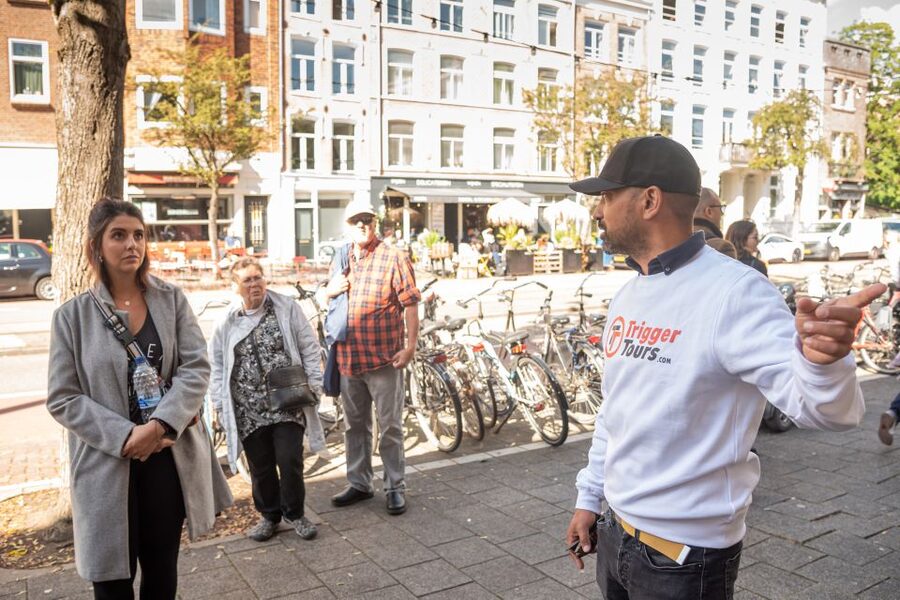
You can walk through Amsterdam’s former Jewish Quarter without realizing what you are seeing. The neighborhood has canals, brick façades, busy streets, and familiar city views, but many important stories are not obvious from the outside.
That is the real purpose of this tour. It gives you a framework for understanding the area, then uses the streets as evidence. Instead of presenting only dates and names, the guide explains how Nazi rule changed work, family life, movement, and safety for Jewish people in Amsterdam between 1940 and 1945.
I find this approach more useful than a simple list of wartime facts. You hear about the Jewish community before the occupation, the machinery of persecution, the choices faced by Dutch residents, and the human cost of those years. The result is a more complete picture of Amsterdam, one that includes both its thriving Jewish culture and the destruction caused by Nazi rule.
The tone matters here. This is painful material, and the strongest guides handle it with a calm, factual approach. James has been praised for connecting the subject to personal histories in a respectful way, while Aaron, Jyry, Masha, Marsha, Joshua, and Guido have also received strong praise for clear explanations and thoughtful answers.
More Jewish Heritage Tours in Amsterdam:
- Anne Frank and the Jewish History of Amsterdam Private Tour
★ 5.0 · 307 reviews - Anne Frank and Amsterdam Jewish History Walking Tour
★ 5.0 · 259 reviews - The Anne Frank Tour (Jewish Neighborhood & Amsterdam during WWII)
★ 4.5 · 56 reviews
Starting by the Amstel River
The walk begins by the Amstel River, with the exact meeting point depending on the option you book. Starting here gives the guide room to explain Amsterdam’s Jewish community before turning fully to the occupation years.
That opening context is important. If you begin with memorials alone, the neighborhood can feel defined only by tragedy. A good introduction instead helps you understand Jewish life, community institutions, religious traditions, and the place of Jewish residents in Amsterdam before the war.
The tour then moves into the story of the Netherlands under Nazi occupation from 1940 to 1945. You learn how policies introduced by the occupiers affected Amsterdam, and why the Jewish population faced restrictions, registration, deportation, and persecution.
You will be walking outdoors for the full two hours. There is no food or drink included, so plan accordingly before you meet the guide. The route is best suited to people who want a focused history walk rather than a casual sightseeing stroll.
The Portuguese Synagogue and Jewish community life
The Portuguese Synagogue is one of the route’s most useful stops because it points to the long presence of Jewish communities in Amsterdam. Your guide explains why this building matters and places it within the wider story of Jewish life in the city.
The value is not just architectural. A building like this helps you see that Jewish Amsterdam was not created during the twentieth century. It had established religious, cultural, and social institutions, along with generations of families and community connections.
The guide’s explanation turns a striking building into a doorway to that earlier story. You may also hear how Amsterdam’s Jewish institutions functioned during the occupation and how Nazi control affected the community’s ability to live, worship, work, and organize.
This is one reason I would not recommend simply walking the area alone and reading a few plaques. The physical setting remains, but the links between buildings, people, and events are not always clear. A guide supplies those links as you go.
The Jewish Historical Museum and the former Jewish Council
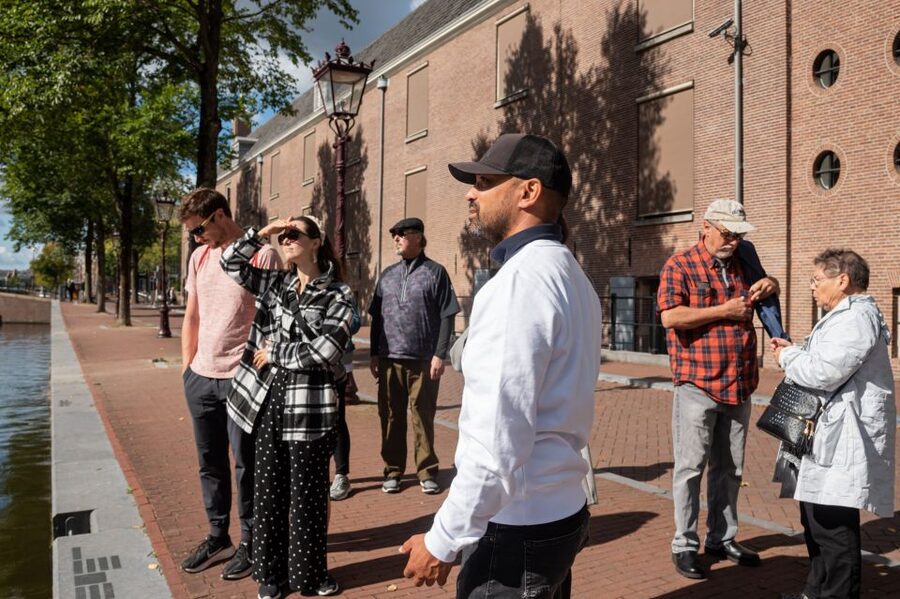
The route also passes the Jewish Historical Museum and the former headquarters of the Jewish Council. These places add structure to the discussion of how the Jewish community was administered and controlled during the occupation.
The Jewish Historical Museum helps connect the wartime story to a broader account of Jewish life in the Netherlands. It is not merely a stop for a photograph. It gives the guide a chance to explain community traditions, institutions, and the people who lived in this part of Amsterdam.
The Jewish Council headquarters brings the story closer to the difficult decisions and pressures created by Nazi policy. The guide can explain how Jewish authorities were drawn into the occupation system and how that affected ordinary people. This is a complicated subject, and a careful explanation is more useful than a quick judgment delivered without context.
This stop may be especially valuable if you are interested in how persecution worked in practice. The tour does not only focus on the final outcome. It looks at the steps that changed daily life and narrowed people’s choices.
More Guided Tours in Amsterdam:
- Amsterdam 3 hrs Bike Tour – live guide En/Fr/De/Nl/Sp
★ 4.5 · 138 reviews - Historic Amsterdam 2-Hour Private Tour with Local Guide
★ 4.9 · 53 reviews - Amsterdam Walking Tour: Urban Legends & History with local guide
★ 5.0 · 39 reviews - Guided Walking Tour Amsterdam – Legends, History & Ghost Stories
★ 5.0 · 28 reviews
The Dokwerker and the power of public memory
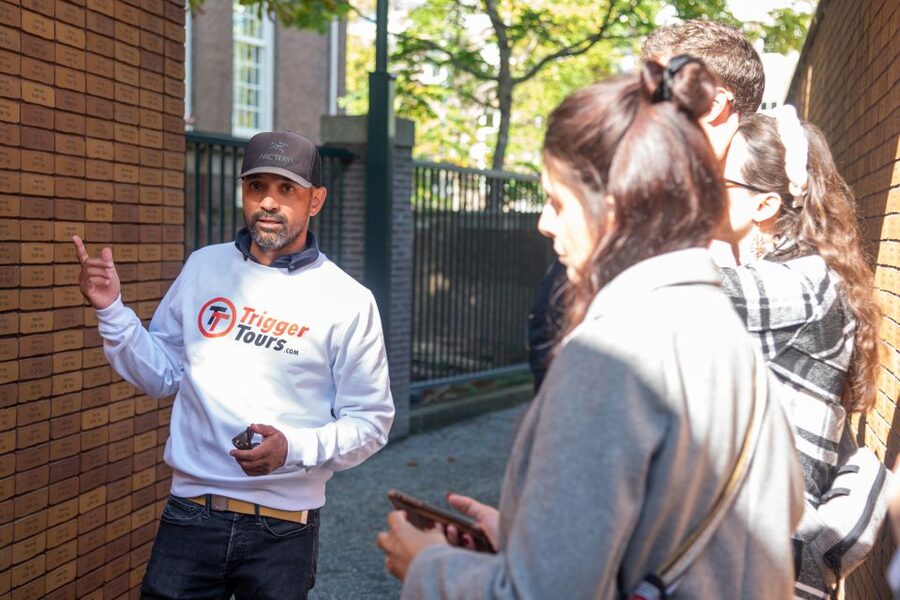
The Dokwerker is one of the tour’s key memorial stops. The monument represents resistance and remembrance, and your guide explains why it occupies such an important place in Amsterdam’s memory of the occupation.
A memorial can be powerful, but it can also be confusing if you do not know what it represents. Here, the guide gives you the background needed to read the monument as part of the city’s wartime story.
The stop also provides a chance to discuss Dutch responses to the persecution of Jewish people. The tour presents that subject in an impartial way, addressing both the behavior of Dutch residents and the wider forces of Nazi occupation. That balance matters. Amsterdam’s wartime history cannot be reduced to a simple tale of heroes and villains.
One practical point: this is a walking tour with a full route, not a series of long museum visits. If you want several quiet minutes at each memorial, a private booking may suit you better. In a shared group, the guide must keep the walk moving so the itinerary fits within two hours.
The Auschwitz Monument and the hardest part of the walk

The Auschwitz Monument gives the tour its most direct memorial focus. It connects Amsterdam to the people murdered at Auschwitz and to the wider scale of the Holocaust.
Expect this part of the walk to be solemn. The guide explains the meaning of the monument and places it within the story of Jewish residents who were removed from their homes, separated from their communities, and sent to concentration and extermination camps.
The best feature of this stop is the context. You are not simply told to pause and reflect. You learn how the memorial relates to Amsterdam, the occupation, and the destruction of Jewish life in the Netherlands.
This is also where the guide’s manner matters most. Several guides have been praised for handling sensitive questions patiently and respectfully. That makes a real difference if you are traveling with family members, have a personal connection to Holocaust history, or want to ask about difficult subjects without feeling rushed.
One booking ended at the Holocaust memorial rather than at the Anne Frank House area named in the general route description. That may reflect a particular guide, option, or route change. If the final stop matters to your plans, confirm it before booking and allow flexibility afterward.
Walking toward the Anne Frank House area
The tour is described as finishing in front of the Anne Frank House. You should understand what that means: this experience does not include admission to the Anne Frank House, and it is not a substitute for the museum visit.
The final section explains Anne Frank’s diary, how Otto Frank arranged its publication, and how the book reached an international audience. This gives you a useful closing connection between one family’s story and the wider history of Jewish persecution in Amsterdam.
The setting can be crowded and emotionally charged, so do not expect a quiet private visit to the house itself. The guide’s role is to explain the historical importance of Anne Frank and her family, then place their experience within the larger story you have been following across the Jewish Quarter.
I like ending near the Anne Frank House because it brings the broad history back to an individual voice. At the same time, you should not book this walk only because you want to visit Anne Frank’s House. If museum entry is your main goal, you need a separate ticket and plan.
What the $23 price really buys you
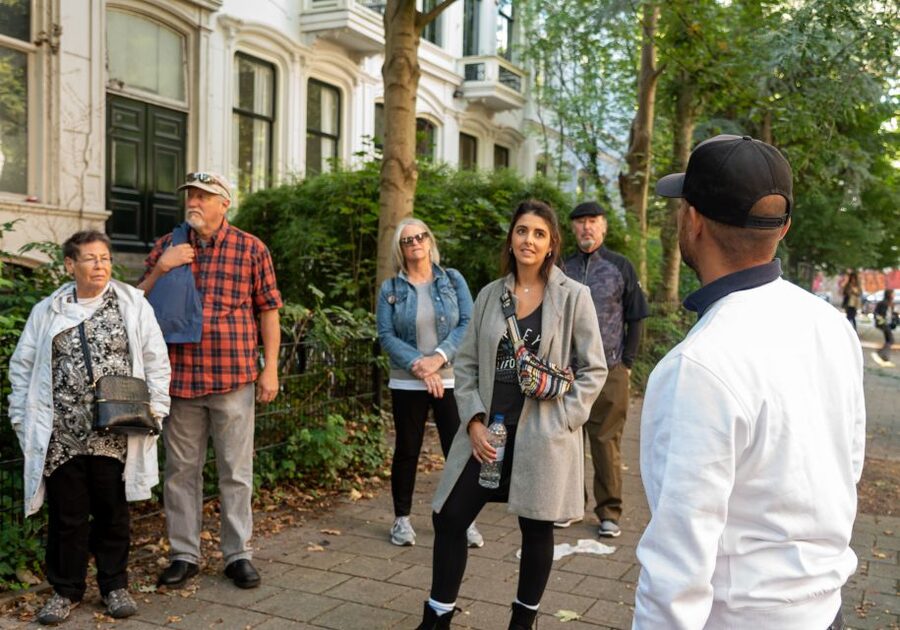
At $23 per person, this is a reasonable price for a two-hour guided walk, especially if you want historical context rather than just a route through the streets. You are paying for the guide’s interpretation, not admission to a museum, transport, food, or drinks.
The value is strongest if you are new to Amsterdam’s Jewish Quarter. Buildings that might otherwise look like blank façades become part of a connected story. One participant specifically found that the guide revealed details about buildings and events that would have been impossible to recognize alone.
A private option can offer more control and more time for questions, but the price and group conditions may vary by booking choice. A shared small group can be a good middle ground. You still hear a structured explanation, while the setting may feel more personal than a large city tour.
If your main interest is general Amsterdam sightseeing, you may find the subject matter too focused. If you want to understand Jewish Amsterdam and the Nazi occupation, the price is modest for the amount of context packed into two hours.
Choosing between a private and shared walk
The private option is best if your group has personal questions, family history, or a strong interest in wartime Europe. It also gives you a better chance to discuss a particular building or memorial instead of moving on quickly.
The shared option can work very well too. One small private booking became especially personal because the couple could ask many questions, while another participant appreciated being part of a group made up of people from several countries. That kind of mix can add useful perspective without changing the focus of the tour.
Group size matters because this is a serious subject. A small group is easier to hear, and it gives the guide room to respond to questions about personal and sensitive matters. The tour is advertised as private or small group, but check the exact option before paying.
Guide quality is another factor, although the individual assigned to your time can vary. James has been singled out for his clear, patient presentation and careful handling of personal stories. Aaron has been praised for being friendly and well prepared. Jyry has been noted for bringing strong historical background and personalizing the walk. Masha, Marsha, Joshua, and Guido have also been praised for clear and considerate tours.
Timing, pace, and practical planning
The walk lasts two hours, and you should expect steady movement between stops. Wear comfortable shoes and leave room in your schedule afterward, especially if you want to revisit a memorial or continue to the Anne Frank House area on your own.
Some people may find the amount of information demanding. One participant felt the tour could have been shorter, while another felt the guide moved too quickly to allow enough time at monuments. These comments point to the same practical issue: the route covers a lot in a fixed period.
If you want photographs, take them quickly and listen for the next explanation. You may need to choose between lingering at a site and staying with the group. A private tour gives you more room to adjust the pace, but even then, two hours is not a long time for this subject.
Tours are available in English and Spanish. Free cancellation is available up to 24 hours before the start for a full refund, and you can reserve now and pay later. The meeting point varies by the option you select, so check that detail carefully rather than assuming every departure begins in the same place.
Who should book this Amsterdam history walk?
I would choose this tour if you want a serious, well-organized introduction to Jewish Amsterdam and the occupation years. It suits history-focused visitors, families with older children, people visiting memorial sites, and anyone who wants to understand the city beyond canals and paintings.
It is also a good first step before visiting the National Holocaust Museum or other Jewish sites in Amsterdam. One participant followed the walk with a visit to the museum the next day, which is a sensible way to build a fuller picture.
I would think twice if you dislike walking, want a lighthearted city tour, or need long periods of quiet reflection at each stop. The subject is difficult, and the schedule is fairly full. You should also confirm the endpoint if you need to be near the Anne Frank House specifically.
Should you book the Jewish Quarter tour?
Yes, if you want the streets of Amsterdam to make historical sense. At $23, the tour offers solid value, and the strongest feature is the guide’s ability to connect ordinary buildings with Jewish life, Nazi occupation, resistance, persecution, and remembrance.
Choose a small group or private option if questions and personal discussion matter to you. Book it early in your Amsterdam schedule so you can return to the Jewish Historical Museum, Holocaust memorials, or Anne Frank House area afterward with a clearer understanding of what you have seen.
This is not an easy walk, but it is a useful one. The memorials are more meaningful when you know the stories behind them, and the neighborhood becomes far more than a collection of streets.
FAQ
How long does the Jewish Quarter tour last?
The walking tour lasts two hours.
What language is the tour offered in?
The tour is offered in English and Spanish.
Is the Anne Frank House included?
No. The tour finishes in front of or near the Anne Frank House area, but admission to Anne Frank’s House is not included.
What landmarks are visited?
The route includes or passes the Portuguese Synagogue, Jewish Historical Museum, former Jewish Council headquarters, Dokwerker, Auschwitz Monument, and the Anne Frank House area.
Is this a private tour or a group tour?
You can choose between a private experience and a shared small-group option, depending on the booking selected.
What does the $23 price include?
The price includes the walking tour and a live guide. Food and drinks are not included.
Just added around Amsterdam
- Amsterdam Walking Tour: Urban Legends & History with local guide★ 5.0 · 39 reviews
- Amsterdam: Luxury Canal Cruise with Historic VR Experience★ 5.0 · 305 reviews
- Amsterdam: Anne Frank and World War II Walking Tour (TOP RATED)★ 4.5 · 72 reviews
- Small Group Tour to Nazi WWII concentration camp from Amsterdam★ 5.0 · 112 reviews
- Amsterdam 3 hrs Bike Tour – live guide En/Fr/De/Nl/Sp★ 4.5 · 138 reviews
- Guided Walking Tour Amsterdam – Legends, History & Ghost Stories★ 5.0 · 28 reviews
- LGBTQI+ History Tour of Amsterdam★ 5.0 · 123 reviews
- Amsterdam Haunted History and Ghost Walking Tour★ 5.0 · 47 reviews
Amsterdam History Tours, compared.

Amsterdam: Life of Anne Frank and World War II Walking Tour
Read our review →
Amsterdam: Dutch WWII Resistance Museum Entry Ticket
Read our review →
Amsterdam: Haunted History and Ghost Walking Tour
Read our review →
Amsterdam High-End Dutch Food & History Tour – Up to 8 guests
Read our review →
Amsterdam: Historic City Sightseeing Canal Cruise
Read our review →
Amsterdam: National Holocaust Museum Entry Ticket
Read our review →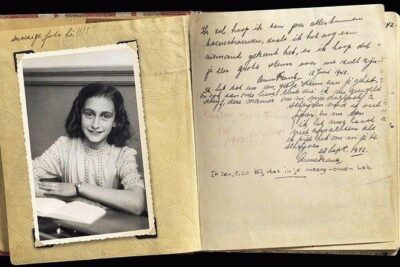
Anne Frank and the Jewish History of Amsterdam Private Tour
Read our review →Browse the lists this tour appears in