
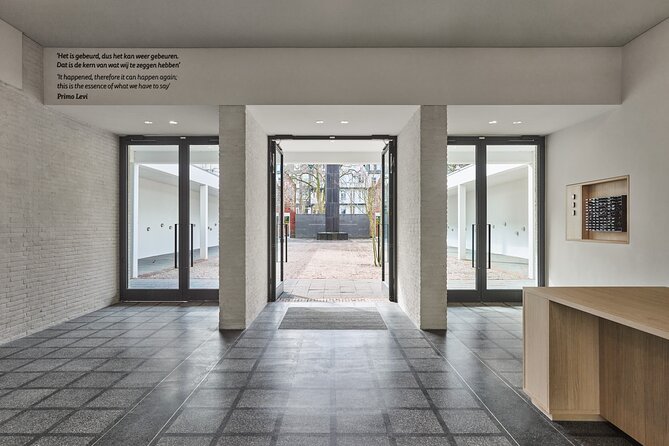
Review · AMSTERDAM
Amsterdam National Holocaust Museum and Memorial Entry Ticket
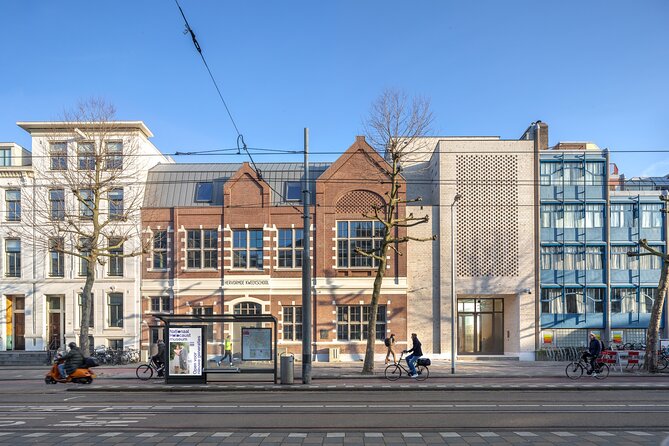
Amsterdam’s National Holocaust Museum tells the story of the Holocaust through a former teacher training school, personal accounts, art, letters, and changing exhibitions. Its setting matters: Jewish children were held in the crèche next door, and resistance workers helped smuggle hundreds of them to safer places. You are not simply walking into a display hall. You are entering a place tied to both persecution and rescue.
I like the prebooked time slot, which gives your day some shape, and I like the included audio guide, which adds context to the objects and stories. The nearby Hollandsche Schouwburg, with its memorial wall of names, gives the visit a quieter and more personal second chapter. The main consideration is that the audio guide is offered in English, so it may not work well for everyone in your party.
Key points to know before booking
- Two important sites in one visit: The ticket covers the National Holocaust Museum and the Hollandsche Schouwburg memorial.
- A former school with a rescue story: The museum occupies a building connected to the effort to save Jewish children during the Second World War.
- Expect about 1 hour 15 minutes to 1 hour 45 minutes: The museum takes about 1 hour 15 minutes, followed by roughly 30 minutes at the memorial.
- The audio guide shapes the visit: It uses personal accounts and station-by-station information to explain the exhibits.
- Small capacity, but not a guided tour: The activity has a maximum of 15 people, yet no live guide is included.
- The Jewish Museum and Portuguese Synagogue are separate: You need another ticket if you want to visit those sites.
A Holocaust museum in a place of rescue
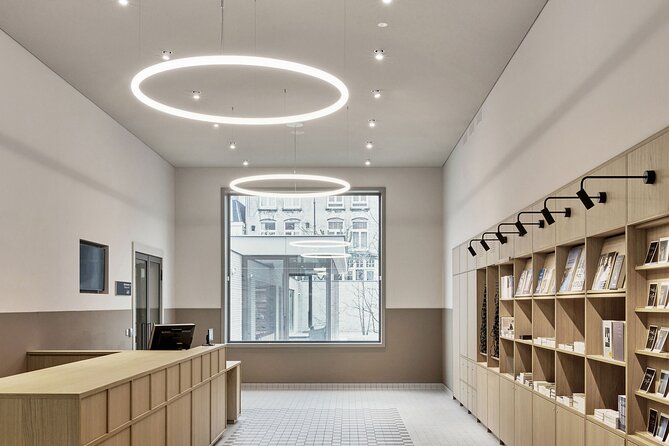
The National Holocaust Museum is housed in a former teacher training school. During the war, Jewish children were held in the crèche next door. Resistance workers helped move hundreds of them to relatively safe places, making this building part of a larger story about danger, courage, and difficult choices.
That setting gives the museum an unusual balance. You learn about Nazi persecution and the destruction of Jewish life, but you also encounter the actions of rescuers and collaborators. The focus is not only on photographs of atrocities. It follows the chronological progression of the Holocaust and uses personal accounts, letters, images, art, and other media to show how events unfolded.
I find that approach useful because it gives you a clearer sense of sequence. You can follow how ordinary life was restricted, how people were forced into assembly points and transit, and how deportation became mass murder. At the same time, the rescue story connected to the building reminds you that people made choices, sometimes brave ones and sometimes cruel ones.
The museum presents its subject with a serious tone. You should allow yourself time to stop and listen rather than rush from one object to the next. One part of the ground floor has many hanging signs and written explanations. If you try to read every word, the visit can take longer than the planned 75 minutes.
More WWII and D-Day Tours in Amsterdam
- Amsterdam: Life of Anne Frank and World War II Walking Tour
★ 4.8 · 10,467 reviews - Amsterdam: Dutch WWII Resistance Museum Entry Ticket
★ 4.7 · 951 reviews - Amsterdam: National Holocaust Museum Entry Ticket
★ 4.7 · 413 reviews
What you see inside the National Holocaust Museum
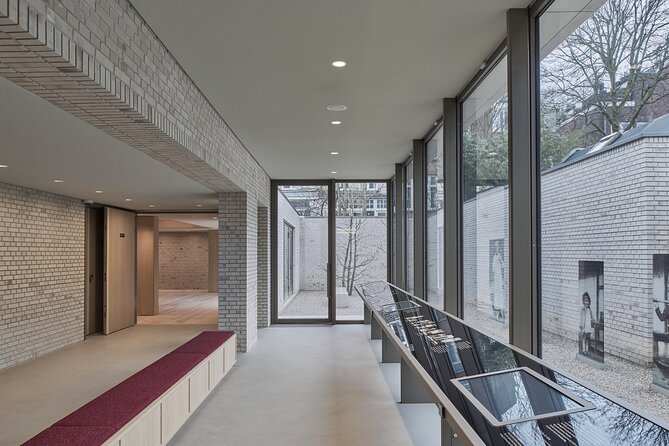
Your first stop takes about 1 hour 15 minutes, though your pace will determine the actual length. A prebooked entry time helps you arrive with a clear plan, especially if you are fitting the museum between other Amsterdam sights.
The exhibitions are arranged around personal stories and historical development. You might encounter photographs, letters, objects, artwork, and recorded information. The material is presented through changing exhibitions and events, so the exact displays can vary over time.
The audio guide is included with admission. It is designed to add background to the items and artwork in front of you. Several listening stations use small handheld recorders, giving the museum a personal voice instead of leaving you to read every label alone.
That audio element is especially helpful when the subject matter becomes complex. A short explanation can connect a name, photograph, or letter to the larger history. You can also move at your own speed, pausing when a story affects you or skipping a section that feels too difficult.
There is one practical weakness to keep in mind. The audio does not always connect perfectly with the object or location you are viewing, so you may occasionally need to check which station belongs to which part of the exhibition. The museum also does not include a live guide. If you prefer to ask questions as you go, you will need to rely on the audio material and staff assistance.
The staff are described as friendly and helpful, which matters in a place where visitors may need clear directions or a quiet moment. The museum is serious and generally silent, so it is not the kind of attraction you race through while chatting with your group.
From the crèche next door to the story of rescue
The connection between the museum and the former crèche is one of the most distinctive parts of the experience. Jewish children were held in the crèche next door while their families faced detention and deportation. Resistance workers helped smuggle hundreds of children to safer locations.
You may already know the broad story of the Holocaust from visits to other museums. This site adds a more local and specific frame: what happened in Amsterdam, how Jewish people were assembled and detained, and how some Dutch people helped while others collaborated.
The museum’s artistic presentation may appeal to you if you find a strictly document-based exhibition difficult to absorb. Personal accounts and visual material bring the history closer to individual lives. At the same time, the artistic approach may feel less direct if you want a room-by-room display of photographs and physical evidence.
I would plan this stop when you have enough mental space. The subject is upsetting, and the visit is intended to make you think. That is a strength, but it also means you should not treat it as a quick attraction to fill a spare half hour.
Walking to the Hollandsche Schouwburg memorial
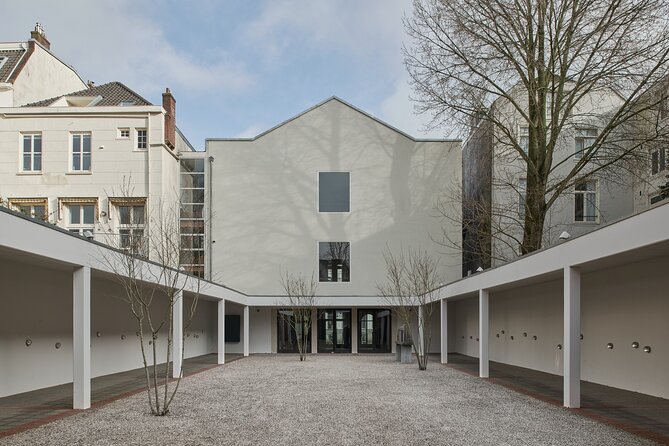
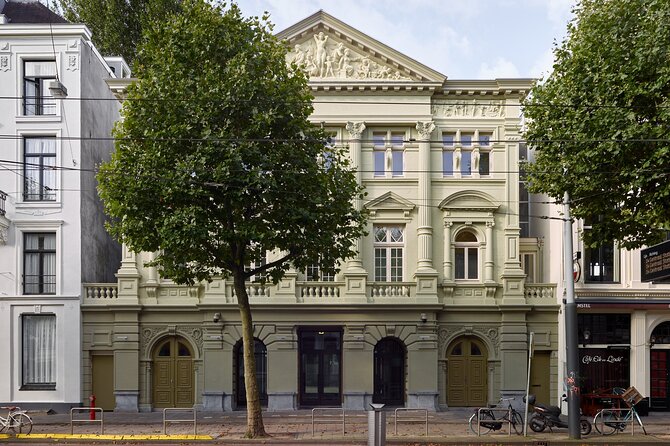
The second stop is the Hollandsche Schouwburg, a former theatre that occupying forces used as an assembly point for Jewish people during the war. Tens of thousands were held there before deportation to concentration and extermination camps.
The building now serves as a memorial. Its wall of names commemorates Jewish victims, and the site includes an exhibition about the Holocaust in the Netherlands. You have about 30 minutes here, which is enough for a focused visit but may feel short if you want to read every panel carefully.
This stop changes the emotional weight of the day. The museum explains the history through a sequence of events and individual accounts. The Schouwburg brings you to a place where people were gathered before being taken away. The wall of names turns a vast number into individual identities.
I would not skip this part. Even if you are tired after the museum, the memorial offers a quiet moment to pay respects. It also helps connect the wider history to Amsterdam itself, rather than leaving the Holocaust as an abstract European story.
The memorial is particularly meaningful if you plan to visit the Anne Frank House as well. The two sites address different parts of Amsterdam’s wartime experience, and seeing both can give you a broader understanding of what happened to Jewish families in the city. You will need to arrange the Anne Frank House separately.
More WWII and D-Day Tours in the Netherlands
- Anne Frank and the Jewish History of Amsterdam Private Tour
★ 5.0 · 307 reviews - Anne Frank and Amsterdam Jewish History Walking Tour
★ 5.0 · 259 reviews - Small Group Tour to Nazi WWII concentration camp from Amsterdam
★ 5.0 · 112 reviews - Amsterdam: Anna Frank and World War II History Walking Tour
★ 4.8 · 86 reviews
How the audio guide affects the visit
An audio guide can be a good middle ground between wandering alone and joining a fixed group tour. You receive added explanation without having to keep up with a live speaker or wait for other people.
The supplied information identifies English as the offered language. If someone in your party does not understand English, that person may miss much of the context provided by the guide. One visitor specifically found the lack of Spanish audio limiting, so check language needs before you book.
The guide also lets you choose your level of detail. You can listen to the main information, then spend extra time with a story that catches your attention. Because the museum deals with painful subjects, that control is useful.
Still, this is not a replacement for a live historian. You cannot ask the audio guide to explain a confusing timeline or answer a question about a particular object. If you want conversation and interpretation, this ticket may feel too self-directed.
Is the $24.03 price good value?
At $24.03 per person, the price is reasonable if you plan to visit both locations and use the audio guide. You are paying for access to the National Holocaust Museum, admission to the Hollandsche Schouwburg memorial, and the recorded interpretation. The total visit lasts roughly 1 hour 45 minutes when both stops are included.
The value depends on how you use the time. A rushed 45-minute visit would not give you much for the money, especially because the museum contains written material, personal accounts, and artwork that reward patience. Plan close to the full 1 hour 45 minutes and the ticket becomes easier to justify.
The ticket does not include a live guided tour. It also does not include admission to the Jewish Museum or the Portuguese Synagogue. If those sites are part of your plan, treat this as one separate experience within the Jewish Cultural Quarter, not as a pass covering every nearby attraction.
The timed entry is another part of the value. You can choose a slot that fits your schedule, and the experience is capped at 15 people. That does not turn it into a private tour, but it can make the visit feel more manageable than an untimed attraction during a busy day.
Practical planning for your Amsterdam day
The experience is near public transportation, so it can fit into a wider day of sightseeing. Confirmation arrives when you book, and the mobile ticket means you can keep the admission details on your phone.
Allow more time if you read slowly or want to listen to every audio stop. The museum alone is listed at 1 hour 15 minutes, while the memorial takes around 30 minutes. You may also want a quiet break afterward, since the subject is emotionally heavy.
Service animals are allowed, and most people can participate. The activity is not presented as a walking tour with a strenuous route or demanding physical activity. The main challenge is emotional rather than physical.
You can cancel for a full refund if you do so at least 24 hours before the start time. Cancellations or changes made less than 24 hours in advance are not accepted for a refund, and the cut-off follows local Amsterdam time.
Who will appreciate this experience most
This visit suits you if you want a serious, focused look at the Holocaust in the Netherlands, especially through personal stories and a chronological account. It is also a good choice if you appreciate museums that combine historical information with art, letters, and recorded testimony.
Families with older children and teenagers may find the subject valuable, but you should decide in advance how much detail is appropriate. The experience is not light entertainment, and the emotional material may be difficult for younger visitors.
It works well for visitors with Jewish family connections, too. The wall of names and personal accounts can be especially moving if your own family history is tied to the Holocaust. The site gives space to grief without reducing the story to numbers alone.
You may prefer another format if you want a live historian, more extensive photographic evidence, or an audio guide in a language other than English. The museum’s approach is thoughtful, but it will not match every learning style.
Should you book the National Holocaust Museum ticket?
I would book this experience if you want a respectful museum visit with a strong connection to Amsterdam and enough time to think about what you are seeing. The former school, the rescue story involving children, the chronological presentation, and the Hollandsche Schouwburg memorial make the two stops work well together.
Book it with realistic expectations. You are not getting a live guided tour, and the English audio guide may not suit every group. But for $24.03, the timed entry, two significant sites, and personal material offer solid value, especially if you give the visit the full 1 hour 45 minutes it deserves.
FAQ
What does the Amsterdam National Holocaust Museum ticket include?
It includes entry to the National Holocaust Museum, entry to the Hollandsche Schouwburg National Holocaust Memorial, and an audio tour.
How long does the experience take?
The National Holocaust Museum takes about 1 hour 15 minutes. The Hollandsche Schouwburg takes about 30 minutes, making the total visit roughly 1 hour 15 minutes to 1 hour 45 minutes.
Is a live guide included?
No. The ticket includes an audio tour, but it does not include a guided tour with a live guide.
What language is offered?
The experience is offered in English, and the included audio guide is identified as an English audio guide. The supplied information does not list other audio languages.
Does the ticket include the Jewish Museum and Portuguese Synagogue?
No. Access to the Jewish Museum and Portuguese Synagogue is not included.
How far in advance is this experience usually booked?
It is booked an average of 21 days in advance, so reserving ahead can help you get a time slot that fits your plans.
Can I cancel for a full refund?
Yes. You can cancel at least 24 hours before the experience start time for a full refund. Cancellations or changes made less than 24 hours before the start time are not accepted for a refund.
Is the experience suitable for most people?
Most people can participate, and service animals are allowed. The activity is near public transportation and has a maximum group size of 15 people.
Just added around Amsterdam
- Amsterdam Walking Tour: Urban Legends & History with local guide★ 5.0 · 39 reviews
- Amsterdam: Luxury Canal Cruise with Historic VR Experience★ 5.0 · 305 reviews
- Amsterdam: Anne Frank and World War II Walking Tour (TOP RATED)★ 4.5 · 72 reviews
- Small Group Tour to Nazi WWII concentration camp from Amsterdam★ 5.0 · 112 reviews
- Amsterdam 3 hrs Bike Tour – live guide En/Fr/De/Nl/Sp★ 4.5 · 138 reviews
- Guided Walking Tour Amsterdam – Legends, History & Ghost Stories★ 5.0 · 28 reviews
- LGBTQI+ History Tour of Amsterdam★ 5.0 · 123 reviews
- Amsterdam Haunted History and Ghost Walking Tour★ 5.0 · 47 reviews
Amsterdam History Tours, compared.

Amsterdam: Life of Anne Frank and World War II Walking Tour
Read our review →
Amsterdam: Dutch WWII Resistance Museum Entry Ticket
Read our review →
Amsterdam: Haunted History and Ghost Walking Tour
Read our review →
Amsterdam High-End Dutch Food & History Tour – Up to 8 guests
Read our review →
Amsterdam: Historic City Sightseeing Canal Cruise
Read our review →
Amsterdam: National Holocaust Museum Entry Ticket
Read our review →
Anne Frank and the Jewish History of Amsterdam Private Tour
Read our review →Browse the lists this tour appears in