
Review · BAYEUX
Normandy Battlefields Tour – American Sites (A3)
Normandy’s American-sector battlefields make the most sense when you see them as connected pieces of one enormous operation. This Bayeux day trip takes you from Sainte-Mère-Église and the Airborne Museum to Pointe du Hoc, Omaha Beach, Utah Beach, and two very different cemeteries, giving you both the military story and the human cost.
I like the small group of no more than eight and the round-trip minivan ride from Bayeux. I also like the guides who use maps, photographs, and battlefield diagrams to explain why one landing affected another. The tradeoff is simple: nine hours is a long day, and the schedule can feel packed, especially if you want extra time in the museum or a quiet walk through the American cemetery.
Key points to know before booking
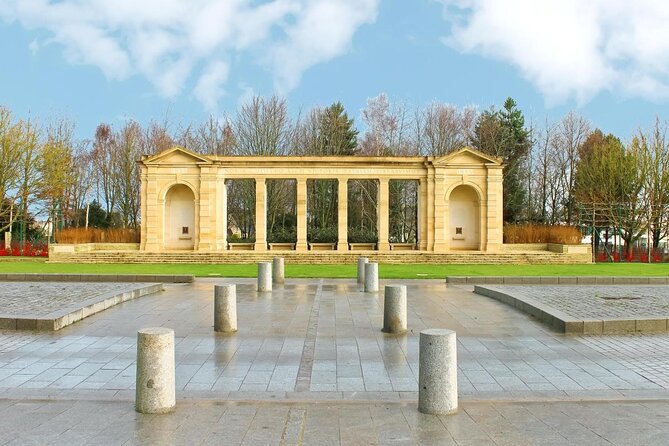
- Sainte-Mère-Église and the Airborne Museum open the day with the story of the American paratroopers.
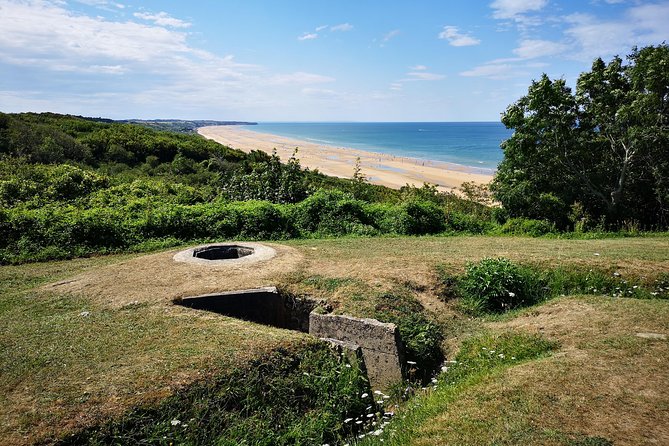
- Pointe du Hoc lets you walk through the German gun position attacked by US Rangers.
- Omaha Beach and the American cemetery provide the most powerful combination of battlefield and memorial.
- A maximum of eight people makes it easier to ask questions and keep up with the guide.
- Bayeux pickup and drop-off are included, with hotel pickup specified for the 8:30 am departure.
- Plan for a full day, food is not included, and the tour returns to Bayeux around 6 pm.
Why this American-sector route works so well
If you have only one day for Normandy, this route gives you a useful sweep of the American landings. You are not confined to one beach or one museum. Instead, you move between airborne operations, coastal assaults, German defenses, military cemeteries, and the larger story of how the invasion gained ground.
The order also helps. Sainte-Mère-Église puts you near the beginning of the airborne story. Pointe du Hoc shows the danger of attacking fortified German positions. Omaha Beach reveals how exposed the landing troops were, while the American cemetery gives the day a quiet and solemn ending.
I would not treat this as a casual sightseeing outing. You will hear about planning, deception, failed objectives, casualties, and the way units were forced to adapt when plans went wrong. A basic reading about D-Day before you go will make the stops easier to follow, but the guide’s explanations are meant to provide the full framework during the drive.
More WWII and D-Day Tours in France
- Normandy American D-Day Beaches Full Day Tour from Bayeux
★ 5.0 · 2,103 reviews - Normandy American D-Day Experience – Group tour from Bayeux
★ 5.0 · 1,566 reviews - Normandy Beaches Half-Day Afternoon Trip from Bayeux (A2)
★ 4.5 · 1,116 reviews
Sainte-Mère-Église and the Airborne Museum
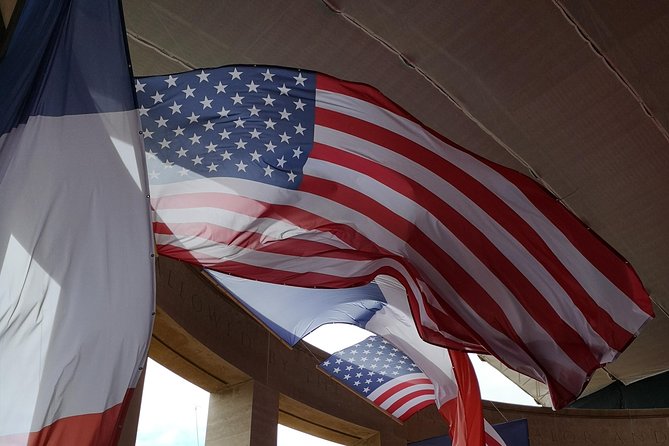
Sainte-Mère-Église is associated with the American paratroopers who landed behind the beaches during the early hours of D-Day. The church is the first stop, with about an hour to take in the setting and hear how the town became part of the airborne operation.
The nearby Airborne Museum receives another hour. This is one of the most useful indoor stops on a day that otherwise takes place outdoors. You can connect the equipment, planning, and personal stories of the airborne troops with the events described by your guide.
The timing is also practical. Starting indoors and in town gives you a clear introduction before you spend the rest of the day around bunkers, beaches, and cemeteries. If the museum captures your interest, an hour may feel short. One person who enjoyed the tour felt the museum and lunch deserved more time, so keep that in mind if you prefer museums to quick site visits.
La Cambe German War Cemetery
La Cambe changes the tone of the day. This is a German cemetery, not an American memorial, and it reminds you that Normandy was fought by young men on opposing sides. The stop gives your guide a chance to explain the German defensive position and the human cost beyond the Allied story.
You are scheduled for about an hour here. That is enough to walk through the grounds and consider the contrast with the American cemetery later in the day. It also prevents the tour from presenting the battle as a simple tale of good planning and victory.
You should expect a reflective stop rather than an attraction with lots to do. The value is in the comparison. Seeing both cemeteries in one day gives you a more honest view of the war and its aftermath.
Pointe du Hoc: craters, cliffs, and a difficult attack
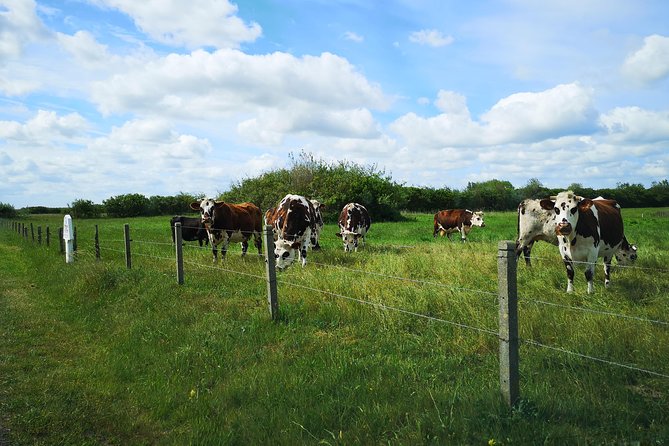
Pointe du Hoc is one of the day’s most striking battlefield locations. US Rangers attacked this German position because its guns threatened the landing beaches. The ground still carries the scars of the fighting, with bomb craters and defensive remains making the site easier to picture than a polished museum display.
Your guide should help you understand the problem faced by the Rangers: they had to reach the position, climb up under fire, and then deal with the fact that the operation did not unfold as planned. The stop lasts about an hour, giving you time to walk around and inspect the remains.
Wear shoes that can handle uneven ground. The tour involves walking, and the physical effort is part of understanding the location. You are not simply looking at a sign and taking a photograph. You are moving through the sort of terrain that made the assault so difficult.
One especially useful part of the explanation concerns the connection between Pointe du Hoc and Omaha Beach. When the attack at Pointe du Hoc did not go according to plan, Rangers were later used to reinforce the struggle at Omaha. That link turns two separate stops into one connected military story.
More WWII and D-Day Tours in Bayeux:
- Omaha Beach D-Day Experience – Afternoon group tour from Bayeux
★ 5.0 · 1,088 reviews - Private D-Day Experience from Bayeux
★ 5.0 · 573 reviews - From Bayeux: American D-Day Sites in Normandy Full-Day Tour
★ 4.9 · 503 reviews - Normandy U.S. D-Day Sites Half Day Tour From Bayeux
★ 5.0 · 325 reviews
Omaha Beach, where the plan nearly failed
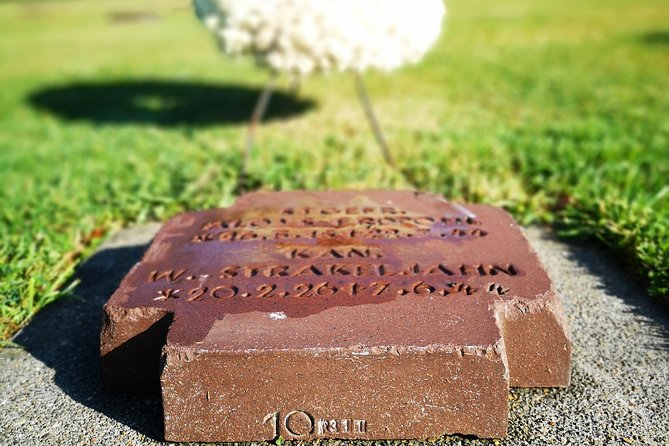
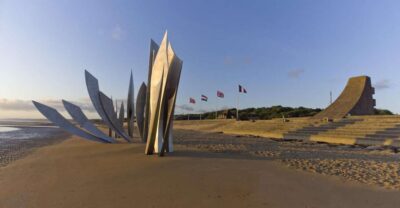
Omaha Beach is usually the emotional center of the American route. The broad shore looks calm now, which can make the scale of the landing hard to grasp. Your guide’s job here is to explain how exposed the troops were and why the landing came so close to failure.
The beach stop is not only about standing at the water. It is about looking inland, considering the German defenses, and understanding the obstacles facing the men coming ashore. A strong guide will use the physical setting to explain distances, movement, and the way the first assault unfolded.
The tour also uses Omaha to connect battlefield decisions. Reinforcements from the Pointe du Hoc operation helped the American forces at Omaha when the original plan changed. Details like this are why a guided visit is worth paying for. Without context, you may see a beach. With context, you can follow the chain of decisions that shaped the battle.
Expect about an hour here. You may want more, especially if the weather is good and you want time to sit quietly. Still, the schedule has several major stops, so the guide must keep the group moving.
The American cemetery at Colleville-sur-Mer
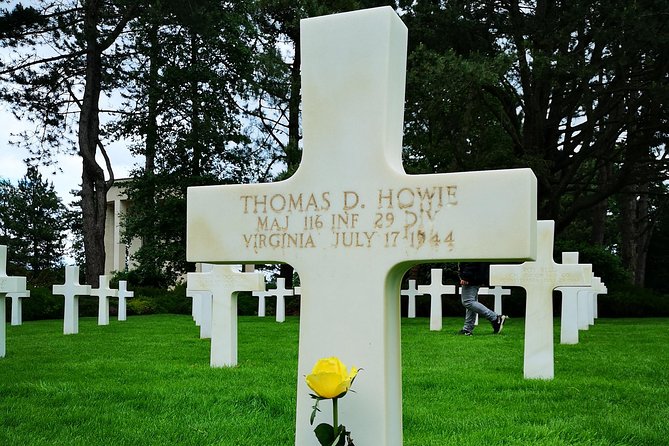
The American cemetery at Colleville-sur-Mer is the final major stop and one of the most affecting places in Normandy. The rows of graves create a strong visual impression, but the setting also gives you time to think about the names and ages behind the numbers.
You receive about an hour here. That allows for a walk through the grounds and personal time after the guide’s explanation. Some guides have also made space for the lowering of the flag and taps when the timing allows, though you should not assume that ceremony will form part of every departure.
This is where the day’s earlier details come together. You have seen where the troops landed, where the German defenses were positioned, and where the fighting turned deadly. At the cemetery, the cost is no longer an abstract figure.
Be respectful of the pace your group needs. Some people will want a detailed explanation, while others will want silence. The best guides, including guides such as Jack and Naomi, have been praised for allowing those extra moments when a site affects someone deeply.
Utah Beach and the wider American story
The tour description and many accounts of the day include Utah Beach among the American landing sites, even though the timed stop list emphasizes the six locations above. Utah gives you a useful contrast with Omaha because the two beaches saw different conditions and outcomes.
Ask your guide to explain how the landings differed and how the various American operations fit together. One strength of this kind of route is that you are not left with the false idea that D-Day was one single attack. It was a large operation with separate objectives, problems, and degrees of success.
Because the day is tightly arranged, confirm the exact stops and time available with your guide at the start. That is especially sensible if Utah Beach is a priority for you.
The guides make or break the experience
The vehicle and route matter, but the guide is the biggest variable. The strongest guides on this tour have included Jack, Sophie, David, Emma, Louie, Gaetan, Jeremiah, Bryce, Caroline, Wally, and Naomi. Their styles differ, but the best examples share a few traits: clear English, patience, battlefield detail, and a willingness to answer questions.
Naomi has used maps, diagrams, and photographs to make the operations easier to follow. Jeremiah has explained the planning before D-Day, the false information used to confuse German forces, and how the landings changed after early failures. Jack has been especially good at balancing a tight schedule with time to reflect.
You should also know that guide quality can vary. One poor experience involved a guide who gave brief explanations and left the group to explore alone. That is not a reason to reject the tour, especially with a 4.8 rating from 876 reviews and a 96 percent recommendation rate, but it is a fair reminder that a group tour depends heavily on the person leading it.
If hearing every word matters to you, ask about audio equipment. One participant wished the tour had headsets. In a small van, communication is usually easier than on a large coach, but outdoor wind and distance can still make a guide harder to hear.
Transport, pace, food, and practical details
The tour lasts about nine hours and returns to Bayeux around 6 pm. Pickup and drop-off are provided in Bayeux, and hotel pickup is specified for the 8:30 am option. This is not a Paris excursion. You need to be staying in Bayeux or arrange your own way to the departure point.
The minivan format is a real advantage. With no more than eight people, you can ask questions without addressing a crowd, and the guide can adjust explanations to the group. The vehicle also saves you from navigating rural roads and finding parking at each site.
The schedule is busy. You will walk at beaches, cemeteries, and battlefield remains, so comfortable shoes are important. Most people can participate, and service animals are allowed, but the tour is not designed for someone who needs a slow pace or long unscheduled breaks.
Bring food or plan carefully around the day. Food and drinks are not included. Some guides have recommended local restaurants, and there may be a chance to buy lunch, but you should not count on a long meal stop. A packed snack and water will help you avoid wasting sightseeing time.
The meeting point deserves attention. One person found the pickup area confusing even though the location was eventually correct. Confirm the place and vehicle details before departure, and be ready a few minutes early. Another mix-up involved two tour companies arriving at the same time, so verify your name with the guide before getting into a van.
Is the $161.25 price good value?
At $161.25 per person, this is not the cheapest way to see Normandy. It is also not simply a ride between beaches. The price includes a professional guide, transport from Bayeux, hotel drop-off, and admission to the listed stops, including the Airborne Museum.
For me, the value comes from the interpretation. You can rent a car and visit some of these places independently, but you would need to research the route, drive between sites, understand what you are seeing, and manage parking and timing. The guide turns separate locations into one connected story.
The small group improves the value again. You are paying more than you would for a large coach, but you get a better chance to ask about a particular unit, battlefield decision, or cemetery. If the guide is strong, the added context can change the entire day.
I would choose this tour if I had one day in Bayeux and wanted an efficient introduction to the American sites. I would look elsewhere if I wanted long, unhurried museum visits or a private guide focused only on my family’s questions.
Who should book this Normandy tour?
This tour suits you if you:
- Have one full day in Bayeux
- Want the main American D-Day sites in one route
- Prefer a guide to explain military movements and decisions
- Like small groups rather than large coaches
- Can manage a full day with regular walking
- Want both battlefields and cemeteries
It is less suitable if you want to set your own pace, spend half a day at one museum, or avoid a schedule that moves on after roughly an hour at each stop. A private tour would give you more control, but it would likely cost more.
Book early if your dates are fixed. The average booking time is 59 days ahead, and the minimum number of participants rule means a departure can be canceled if that requirement is not met. Cancellation terms are strict close to departure: full refunds require at least six full days, a 50 percent refund applies two to six days before, and cancellations within two days are not refunded.
Should you book it?
Yes, if you want a clear, moving introduction to Normandy’s American battlefields and you are comfortable with a long, tightly planned day. The route covers the places most people hope to see, and the eight-person format gives the guide room to explain rather than simply point.
Book it with realistic expectations. You are getting a broad and useful overview, not an exhaustive study of every beach and museum. Confirm the pickup details, bring water and food, wear good shoes, and ask at the start which stops are included that day, especially if Utah Beach is essential to your plans.
FAQ
Where does the Normandy American Sites tour start?
The tour departs from Bayeux, Normandy. Hotel pickup is available in Bayeux for the 8:30 am option, and hotel drop-off in Bayeux is included.
How long does the tour last?
The tour lasts about nine hours and returns to Bayeux around 6 pm.
What places does the tour visit?
The scheduled itinerary includes Sainte-Mère-Église Church, the Airborne Museum, La Cambe German War Cemetery, Pointe du Hoc, Omaha Beach, and the American cemetery at Colleville-sur-Mer. Utah Beach is also highlighted as part of the American-sites experience, so confirm the exact day’s route with your guide.
Is food included?
No. Food and drinks are not included unless specifically stated. You should plan to bring something or confirm the lunch arrangements before departure.
How many people are in the group?
The tour has a maximum of eight travelers and uses minivan transportation.
Can I cancel for a refund?
You can receive a full refund if you cancel at least six full days before the start time. A 50 percent refund applies when canceling two to six full days before departure. Cancellations less than two full days before the tour are not refunded.
More Battlefield and Military History Tours in Bayeux
- Normandy Battlefields D-Day Private Trip with VIP Services from Paris
★ 5.0 · 240 reviews - Full-Day Canadian Battlefields & sites Normandy Tour from Bayeux
★ 5.0 · 191 reviews - Private Day Tour including Normandy Landing Beaches & Battlefields from Bayeux
★ 5.0 · 172 reviews - Normandy Battlefields Half Day Tour – Canadian World War II Sites
★ 4.5 · 134 reviews
Just added around Bayeux
- WW2 Jeep or Dodge truck tour of the Omaha Beach site★ 5.0 · 51 reviews
- 2- to 6-hour sidecar excursion on the D-Day Landing Beaches★ 5.0 · 131 reviews
- Private Walking Guided Tour of Historic Bayeux English or French★ 5.0 · 36 reviews
- Normandy U.S. D-Day Sites Half Day Tour From Bayeux★ 5.0 · 325 reviews
- Normandy Battlefields D-Day Private Trip with VIP Services from Paris★ 5.0 · 240 reviews
- Private Full day American D-Day Guided Tour in Bayeux★ 5.0 · 133 reviews
- Private vintage sidecar tour of the D-Day Landing Beaches★ 5.0 · 130 reviews
- Private guided Allied D-Day Tour from Bayeux★ 5.0 · 45 reviews
Bayeux History Tours, compared.
Normandy American D-Day Beaches Full Day Tour from Bayeux
Read our review →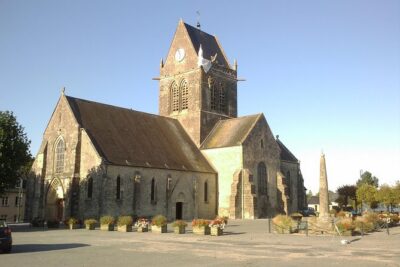
Normandy American D-Day Experience – Group tour from Bayeux
Read our review →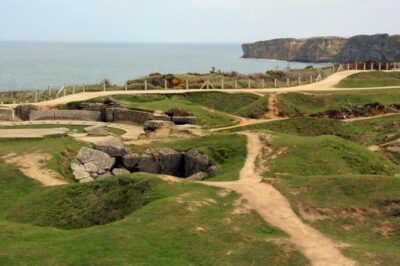
Normandy Beaches Half-Day Afternoon Trip from Bayeux (A2)
Read our review →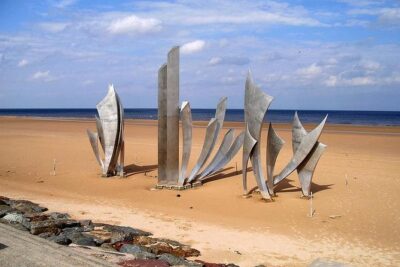
Omaha Beach D-Day Experience – Afternoon group tour from Bayeux
Read our review →
From Bayeux: American D-Day Sites in Normandy Full-Day Tour
Read our review →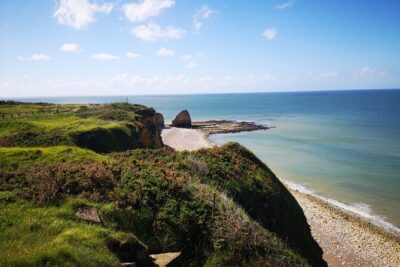
Normandy U.S. D-Day Sites Half Day Tour From Bayeux
Read our review →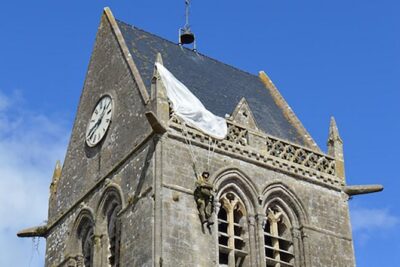
Browse the lists this tour appears in