
Review · PRAGUE
Prague: Communists and World War II Tour
Prague’s past turns sharply on ordinary streets. This two-hour walk connects the creation of Czechoslovakia, Nazi occupation, the Communist takeover, Soviet control, and the Velvet Revolution, using places such as Wenceslas Square and Národní as your outdoor classroom. I like the clear timeline and the chance to ask questions about how political events shaped daily life.
I also like the focus on people who resisted, including Jan Palach and Milada Horáková, rather than treating history as a list of dates. Guides such as Barbara, Martin, Otakar, and Inna have been praised for explaining difficult subjects clearly. The main drawback is that this is a talking tour, not a parade of major sights, and some stops offer more context than visible remains.
Key points to know before you book
- A two-hour walk through Prague’s modern political history: The route links Křižovnické náměstí, Národní, New Town, Wenceslas Square, and Republic Square.
- A useful World War I to Cold War timeline: You learn how the fall of empires and the creation of Czechoslovakia helped shape the crises that followed.
- Personal stories give the tour its force: Jan Palach, Milada Horáková, resistance figures, and ordinary people help put politics into human terms.
- The Stalin statue adds a striking visual chapter: You hear about the former 30-meter monument and the Communist system it represented.
- Good for questions and discussion: Several guides, including Martin and Otakar, are praised for handling detailed questions about life under Communism and modern Czech politics.
- Museum time is optional: Choose the Museum of Communism ticket if you want a longer indoor follow-up, or use the 10 percent discount coupon after the walk.
Why this walk matters in Prague
Many Prague tours concentrate on medieval buildings, royal stories, and pretty views. This one asks you to look at the city as a place where modern political choices left marks on public squares, streets, statues, and memory.
The period covered is demanding. You move from World War I and the creation of Czechoslovakia to World War II, Nazi control, the Communist Revolution, Soviet occupation, and the fall of Communism. A good guide needs to keep this sequence clear. The strongest guides on this experience do exactly that, using the city to explain how one crisis fed the next.
I especially like the way the tour connects national events with daily life. You do not only hear who held power. You also hear about black-listed books, censorship, public protest, student resistance, and what it meant to live under a Communist government. That makes the material useful even if you already know the broad outline of Czech history.
This is not a tour for quick photo stops. Some places look much as they do on any city walk. The value comes from hearing what happened there and why the location still matters.
More WWII and D-Day Tours in Prague
- Prague: WWII Guided Tour & The Crypt of Operation Anthropoid
★ 4.7 · 1,030 reviews - WWII in Prague Tour & The Crypt of Operation Anthropoid
★ 5.0 · 817 reviews - Terezin In-Depth Holocaust Tour From Prague’s Center (max 7 pax)
★ 5.0 · 170 reviews
Starting beside Charles Bridge at Křižovnické náměstí
The meeting point is in front of Charles Bridge at Křižovnické Square, beside the statue of Charles IV. Look for the guide holding an orange umbrella. Staroměstská is the closest tram or subway station.
Give yourself a few minutes to find the group. One practical issue is that several tour guides may use orange umbrellas at the same meeting area. Since the umbrella may not identify this particular walk, check with the guide before setting off.
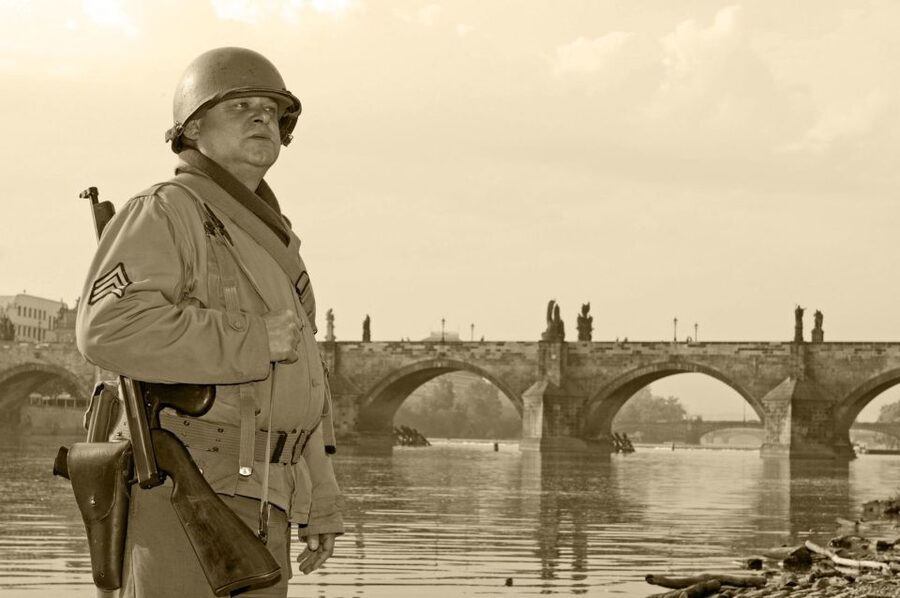
Starting beside Charles Bridge gives the tour an immediate contrast. You are surrounded by Prague’s most famous historic scenery, yet the subject is the difficult political story of the 20th century. The opening also helps place the modern Czech state within its older Central European setting.
The guide begins with the forces that led to World War I and the eventual creation of Czechoslovakia. This matters because the country did not appear in isolation. Its formation grew from the collapse of the Austro-Hungarian Empire and the political changes that followed the war.
Národní and the city’s changing public life
From the river area, the walk continues toward Národní. This part of central Prague is useful for showing how public streets can become political stages.
Here, your guide explains the pressures that shaped the new Czechoslovak state and the conflicts that later weakened it. The tour’s timeline reaches toward the Munich crisis, the Nazi occupation, and the years when the Gestapo controlled the city. The exact buildings and street views may not always announce their past, so listen closely.
That is one reason I would not choose this experience if you want constant visual drama. Its strongest moments come when the guide explains what happened in places that now appear ordinary. You need to be willing to pause, listen, and picture the city under a very different government.
The Nazi period is handled as part of a larger chain of events. You learn about the pre-war years, occupation, and the figures connected with the German administration in Prague, including Reinhard Heydrich, known as the butcher of Prague. The goal is not to turn the walk into a collection of grim anecdotes. It is to explain how occupation changed public life and why resistance carried such high risks.
New Town and the road to Communist rule
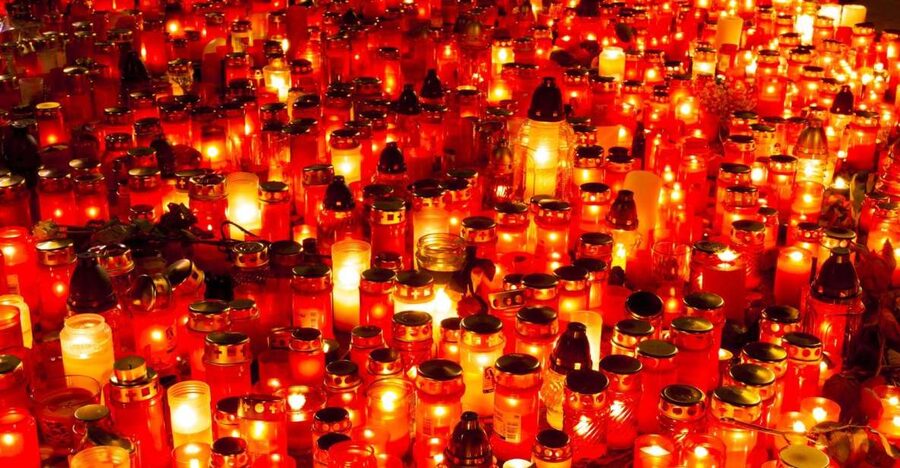
The route moves through New Town, where the guide continues the story from wartime occupation to the post-war political shift. World War II did not simply restore the old order. The balance of power changed, and Czechoslovakia entered a period that led to Communist rule.
This section helps explain why the Communist Revolution could take place after the war. You hear how the country moved from liberation and political uncertainty toward a government aligned with the Soviet Union. The tour also introduces the Iron Curtain and the limits it placed on travel, speech, publishing, and political choice.
I like this part because it avoids presenting Communism as a single event with a clean beginning and end. The guide can show how political control affected ordinary decisions, from what people could read to what they could say in public. Guides have also answered questions about life during Communist rule and the changes that came after 1989.
Ask questions here. The experience works best as a conversation, and guides such as Martin, Otakar, and Inna have been singled out for handling detailed discussion. You may get more from this walk if you arrive with one or two things you want explained rather than simply waiting for a lecture.
More WWII and D-Day Tours in the Czech Republic
- Prague: World War II and Communist History Tour
★ 4.7 · 130 reviews
Wenceslas Square and the human cost of protest
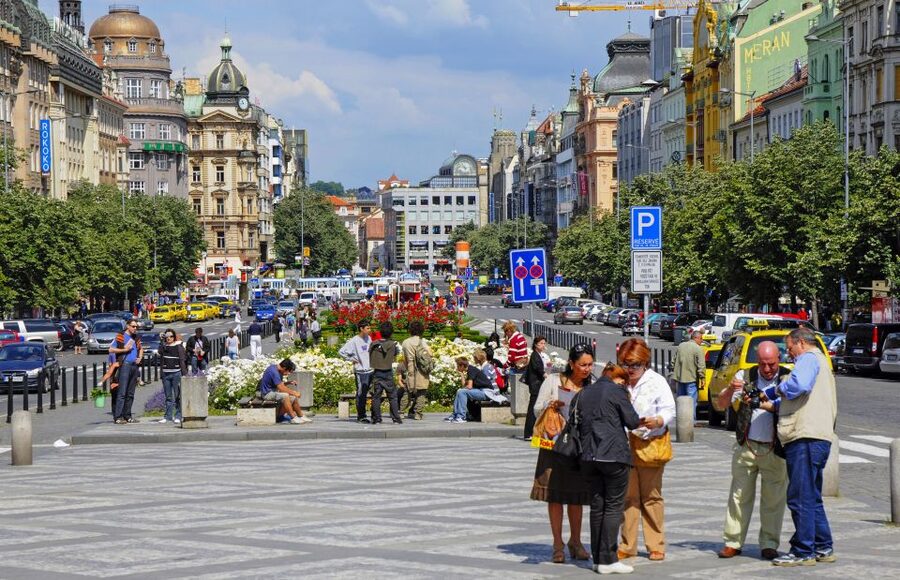
Wenceslas Square is one of the most important stops. It is a broad, central public space, and the tour uses it to explain several of the century’s major turning points.
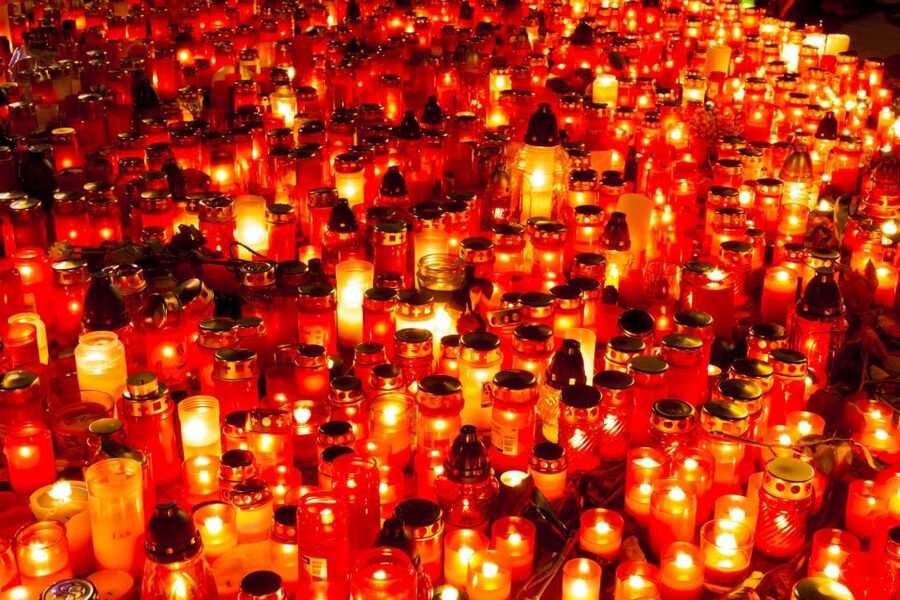
The guide discusses the Communist period, the Soviet occupation, and the protests that challenged the system. This is also where the story of Jan Palach becomes central. In 1969, the student set himself on fire in protest against the Soviet-led suppression of reform in Czechoslovakia. His act is painful to hear about, but it helps show the despair and courage present in the years after the invasion.
You also learn about the Velvet Revolution, the movement that brought Communist rule to an end. The square links private sacrifice with mass public action, making it easier to understand how political change gathered force.
Another important figure is Milada Horáková, who took an extraordinary stand against Communism and was executed after a political trial. Her story gives the tour a needed personal focus. Political systems can sound abstract until you hear what happened to someone who refused to submit.
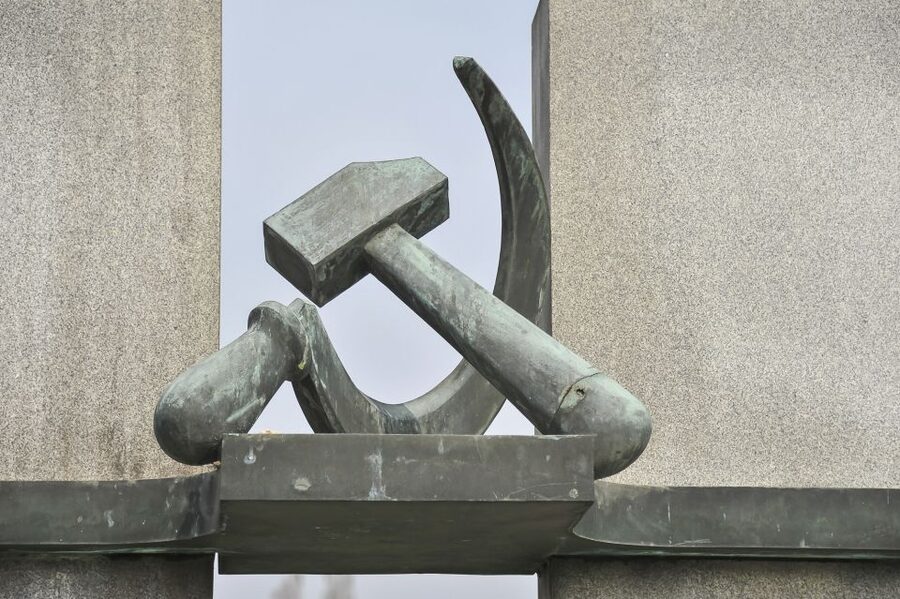
The guide also points out memorials and symbols that honor people who resisted. Prague’s public art often carries political meaning, and this tour helps you read those signs instead of walking past them.
The former Stalin monument and Communist symbolism
One of the tour’s more striking subjects is the 30-meter-high statue of Stalin. Even if the monument itself is no longer there, learning about its size and message gives you a strong sense of how Communist power used public space.
The statue represented more than one leader. It projected the authority of the Soviet system over Czechoslovakia and made political loyalty part of the city’s visual world. A discussion of the monument also explains why such grand statues could later become symbols of a system people wanted to reject.
This is a good example of the tour’s method. You are not simply shown an object and given a date. You are asked to consider what the object told people, who paid for it, and how its meaning changed when the political climate changed.
The route also reaches Republic Square, adding another central setting to the story. As with several other stops, the surroundings are more important as a frame for explanation than as a preserved wartime site. If you want original interiors, military collections, or extensive artifacts, add a museum visit.
The Museum of Communism option
You can select an option that includes entry to the Museum of Communism. If you do not choose the ticket, you receive a 10 percent discount coupon instead.
The museum can extend the walk’s themes with indoor displays and a more concentrated look at Communist-era life. It makes sense for anyone who wants photographs, objects, and additional background after hearing the street-level story.
There is one possible drawback. The museum film may feel repetitive after a clear, detailed explanation from the guide. I would choose the museum ticket if you prefer to spend more time with the period, especially if you want a quieter follow-up. If you have limited time or find repeated explanations tiring, the walking tour alone may be enough.
Because the main activity lasts two hours, the museum is best treated as an optional second stage rather than something you must force into the same tight schedule.
Guide quality and group experience
The guide matters more than usual here. Much of the experience depends on explanation, pacing, and the ability to answer questions about sensitive political subjects.
Named guides who have led this experience include Barbara, Martin, Otakar, Inna, Dana, and Ilene. Barbara has been praised for an engaging approach, while Otakar is noted for answering questions and covering a great deal in the available time. Martin has led discussions about life under Communism and the Czech Republic’s transition after 1989. Dana’s explanations were clear enough that the accompanying film felt unnecessary to one participant.
Group size can vary. One booking had only two people, which allowed plenty of room for questions, but you should not assume every departure will be that small. The format remains personal when the guide invites discussion, yet the amount of individual attention will depend on the group.
The tour is offered in English, German, and Russian. Wear comfortable shoes. You will walk through central Prague for two hours, and the subject is serious enough that you will want to concentrate rather than worry about sore feet.
Is $29 good value?
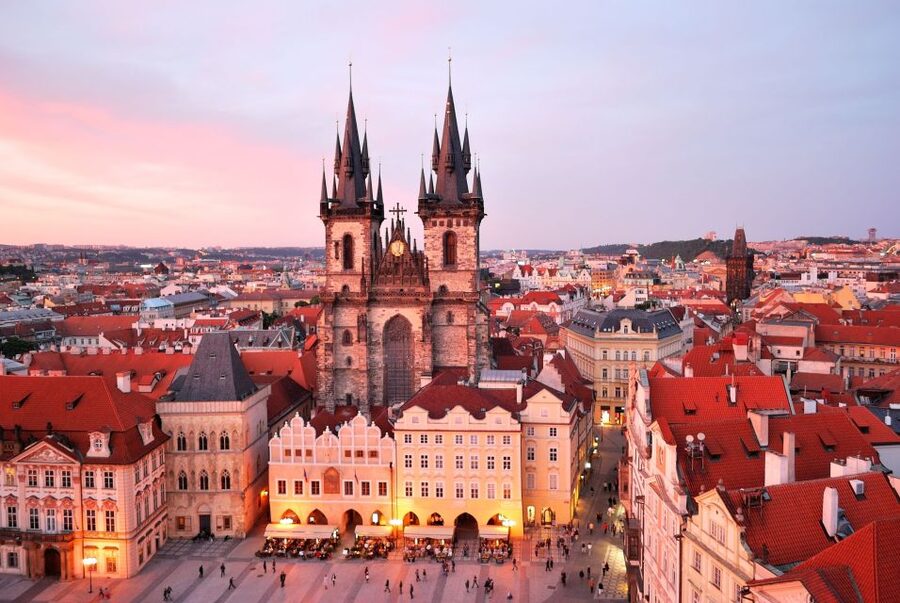
At $29 per person, this is a fair price for a two-hour guided walk if modern Czech history is a priority. You are paying for structure and interpretation, not admission to a long list of sights.
The value is strongest when you want help connecting events that are often taught separately: World War I, the formation of Czechoslovakia, Nazi occupation, Communist rule, Soviet control, Jan Palach, and the Velvet Revolution. A guide can make those links in a way that a quick visit to a museum or a guidebook may not.
The price is less compelling if you mainly want grand architecture or famous viewpoints. Many locations are public streets and squares, and the visual payoff is uneven. You should book it for the stories, questions, and political context.
Free cancellation up to 24 hours before the start and a reserve-now, pay-later option make it easier to fit the walk into a changing Prague schedule. Alcohol and drugs are not permitted, which is standard for a serious historical walking tour.
Who should book this Prague history tour?
I would recommend it to adults, students, and anyone who wants a clearer grasp of Prague after World War I. It suits people who enjoy asking questions and connecting politics with everyday life.
It is especially useful early in your stay. Once you understand the modern story, memorials, statues, public squares, and museum displays around Prague make more sense.
Families can book it, but keep the subject in mind. One booking deliberately left children behind because the walk was more about learning than sightseeing. Teenagers with an interest in history may find it worthwhile, while younger children may struggle with the amount of explanation and the serious material.
Should you book it?
Book this tour if you want Prague’s 20th-century story explained in a clear order, with time to ask about Communism, Nazi occupation, Jan Palach, Milada Horáková, and the Velvet Revolution. The strongest guides turn ordinary streets into meaningful places.
Skip it if you want a light introduction to Prague or a tour built around interiors and visual attractions. The sights are spread through the city, and some important locations survive mainly through memory and explanation.
For most history-minded visitors, the $29 price is justified. Wear comfortable shoes, arrive early at the Charles Bridge meeting point, and confirm the guide holding the orange umbrella. If the subject grabs you, add the Museum of Communism, but know that its film may repeat some of what you have already heard.
FAQ
Where does the tour begin?
It begins in front of Charles Bridge at Křižovnické Square, next to the statue of Charles IV. The closest tram or subway station is Staroměstská.
How long does the walking tour last?
The walking tour lasts two hours.
What languages are available?
The tour is offered in English, German, and Russian.
What places does the route include?
The route begins at Křižovnické Square and includes Národní, New Town, Wenceslas Square, and Republic Square. It finishes in Prague.
Is the Museum of Communism included?
Museum entry is included only if you select that option when booking. Otherwise, you receive a 10 percent discount coupon for the museum.
What should I bring?
Bring comfortable shoes for the two-hour walk. Alcohol and drugs are not allowed.
Just added around Prague
- Prague: Medieval Underground Guided Tour★ 4.5 · 209 reviews
- From Prague: Medieval Dinner, Show, Castle and Brewery★ 4.3 · 48 reviews
- Prague: 3–Hour Communism and World War 2 E-Bike Tour★ 4.9 · 56 reviews
- Terezin In-Depth Holocaust Tour From Prague’s Center (max 7 pax)★ 5.0 · 170 reviews
- Prague: World War II and Communist History Tour★ 4.7 · 130 reviews
- Prague: Immersive History Walking Tour and VR★ 4.8 · 73 reviews
- Prague: World War 2 and Operation Anthropoid Walking Tour★ 4.8 · 193 reviews
- Prague: Plague Doctor Old Town History Walking Tour★ 4.9 · 204 reviews
Prague History Tours, compared.
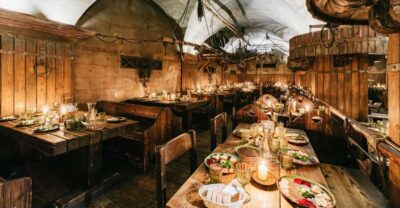
Prague: Medieval Dinner with Unlimited Drinks
Read our review →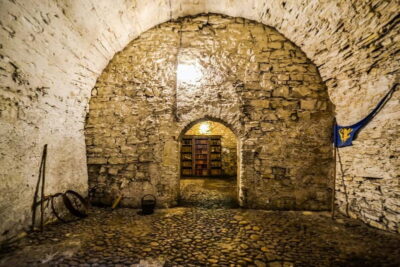
Prague: Oldtown, Medieval Underground & Dungeon History Tour
Read our review →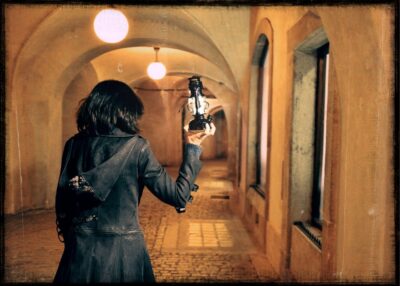
Prague: Ghosts, Legends, Medieval Underground & Dungeon Tour
Read our review →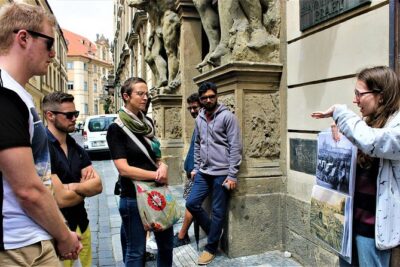
Prague Old Town, Medieval Underground and Dungeon Historical Tour
Read our review →
Prague 5 Courses Medieval Dinner and Live Performances
Read our review →
Prague: Communism History and Nuclear Bunker Guided Tour
Read our review →
Prague: Historic City Center Bus Tour with Top Sights
Read our review →
Prague Historic Pub Tour with Drinks Included
Read our review →Browse the lists this tour appears in