
Review · CANADA
Quebec City’s History in Virtual Reality
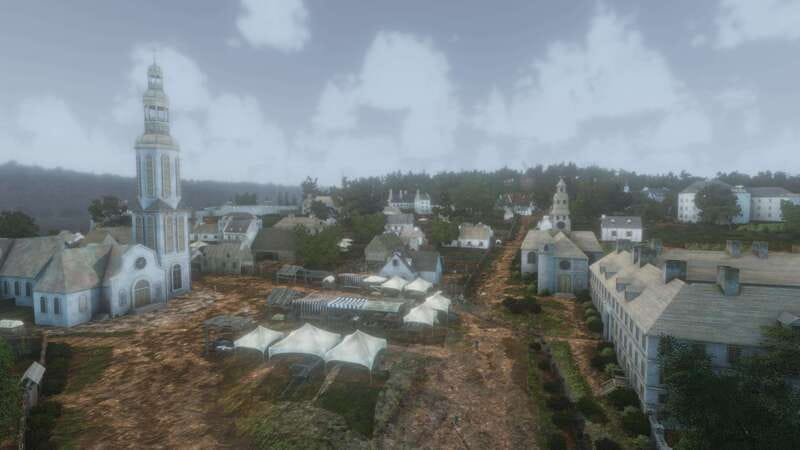
Quebec City’s past comes alive inside the old stone vaults of Maison Chevalier, where a seated virtual reality presentation moves through 10 key moments spanning more than 400 years. I like the small number of participants and the fact that you stay seated, making this an easy break from walking Old Quebec. I also like the setting: the building dates to 1752, so the room itself adds a little history before the headset even goes on.
The main caution is the technology. Some of the 3D images may look blurry or dated, and one visitor found the music too loud for the narration. At $19 for 40 minutes, this is a reasonably priced introduction to Quebec City, but you should book it for the story and unusual setting more than for cutting-edge graphics.
Key points to know before booking
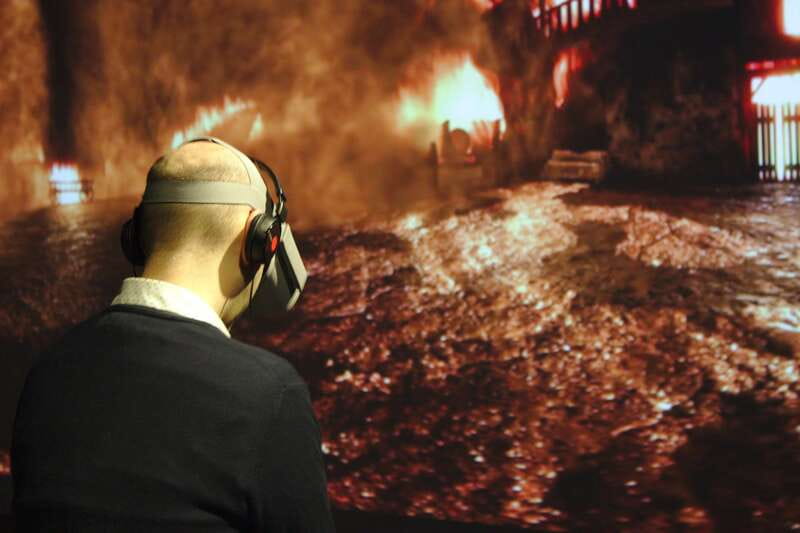
- 400 years in 10 chapters: The presentation focuses on the events that shaped Quebec City and made it important today.
- Seated from start to finish: You do not walk through a series of rooms or historic sites during the presentation.
- Battles are a major strength: Reenactments help you picture the conflicts that shaped control of the city.
- Inside Maison Chevalier’s 1752 vaults: The setting links the modern technology with Old Quebec’s built heritage.
- English and French presentation: An audio guide is also available in English, French, Spanish, and Chinese.
- Short and fairly priced: At $19 and 40 minutes, it fits neatly into a day of sightseeing.
Starting in the vaults of Maison Chevalier
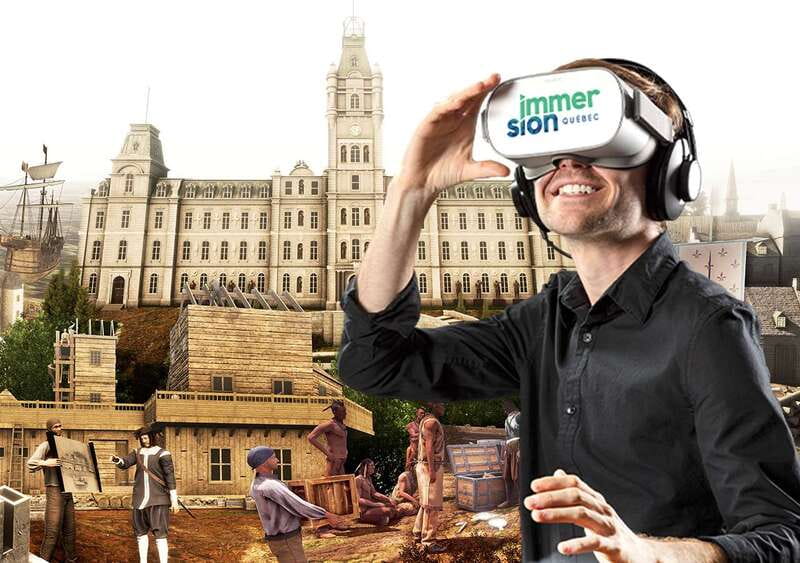
The experience takes place beneath Maison Chevalier, a historic building dating from 1752. You enter through the door on the left near the sidewalk. That detail matters because the entrance is easy to miss if you are looking for a large modern attraction rather than a doorway leading into old stone vaults.
This is a good location for a history presentation. You are not sitting in a generic theater on the edge of town. You are below one of Old Quebec’s older buildings, surrounded by the sort of masonry that gives the city its character.
The setting does not turn the activity into a walking tour. You do not explore Maison Chevalier room by room, and the presentation does not replace seeing Quebec City in person. Still, the vaults give the 40-minute program a useful sense of place.
The group is kept relatively small, which makes the activity feel more controlled than a large theater show. You arrive, receive the virtual reality headset, and remain seated for the full presentation.
That format is especially useful if your legs need a rest after walking the steep streets of Old Quebec. It also suits families, older visitors, and anyone who prefers not to move between exhibits. The tradeoff is that you get less physical contact with the city than you would on a walking tour.
More History Tours in Canada:
- Victoria Guided Food and History Tour
★ 5.0 · 2,015 reviews - Gastown Historic Walking Food Tour
★ 5.0 · 1,863 reviews - Vancouver: Gastown Historical Walking Food Tour
★ 4.8 · 539 reviews
Ten moments that explain Quebec City
The presentation divides more than 400 years of history into 10 key moments. The supplied information does not name each chapter, so you should not expect a stop-by-stop tour in the usual sense. Instead, the program gives you a broad historical line, showing how Quebec City developed and why it became well known.
That broad approach works best if you are new to the city. Quebec’s past can feel scattered when you encounter it one statue, wall, church, and battlefield at a time. A single presentation gives you a framework for understanding those pieces before or after you see them outdoors.
The emphasis is on major turning points rather than small personal stories. You get a fast account of the forces that shaped the city, presented through 3D animation, images, narration, and historical scenes.
I find that format useful at the beginning of a visit. Once you know the basic sequence of events, the old fortifications and historic buildings around town make more sense. You can look at a stone wall and connect it to the larger struggle for control of Quebec City rather than seeing it as just another old structure.
The pace is brisk. Ten moments in 40 minutes leaves little room for long explanations, so this is an introduction rather than a full history lesson. If you already know Quebec City’s past well, some sections may feel familiar.
Battles brought into view
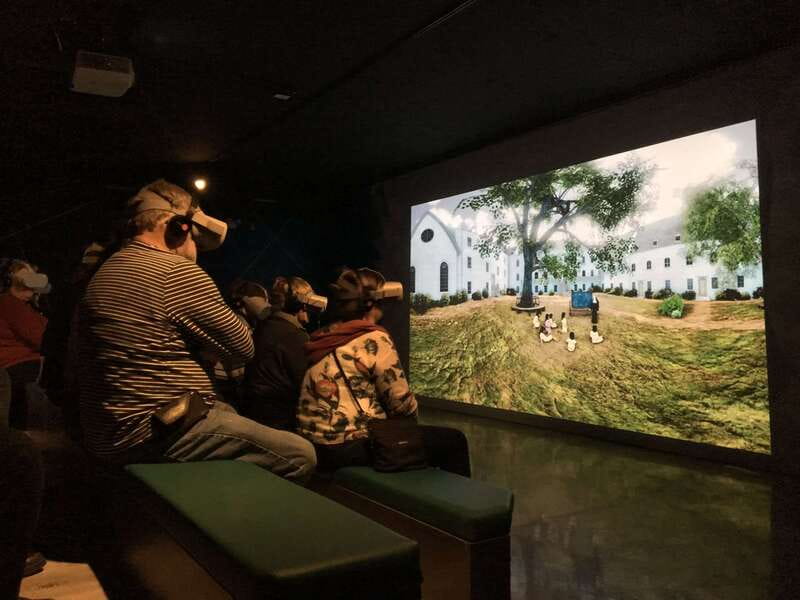
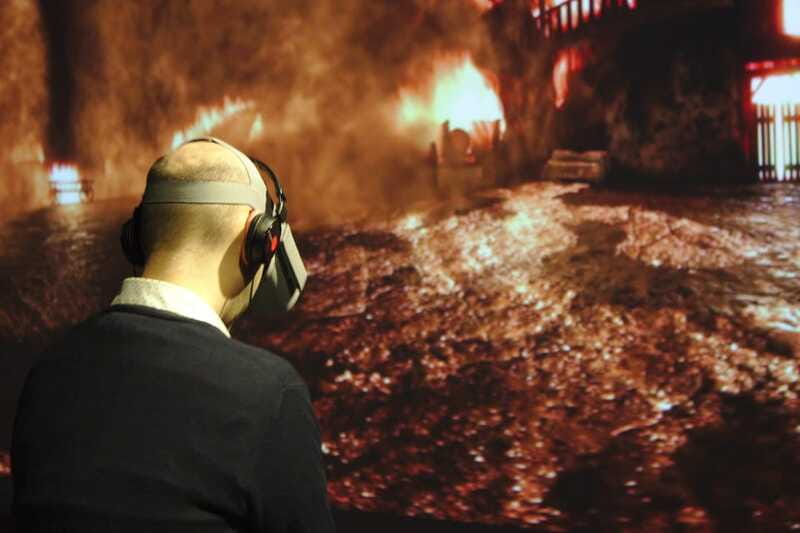
One of the presentation’s strongest features is its treatment of the battles that shaped the city. Historical conflicts can be hard to picture from a plaque or a few lines in a guidebook. The reenactments give you a clearer sense of movement, place, and scale.
The 3D scenes help turn abstract dates into events you can follow. You may see how opposing forces related to the city and its defenses, then connect those scenes with the places you visit above ground.
This is also where the presentation serves families particularly well. Younger children may not remember a list of dates, but a visual scene can make the basic story easier to grasp. The short running time helps keep the lesson from becoming tiring.
The battle sequences are not a substitute for a specialist history tour. The program has to move quickly through centuries, and its focus is on clear storytelling rather than detailed military analysis. Still, the visual reenactments provide a useful starting point.
If you plan to visit other historic sites in Quebec City, this section can give you helpful context. You will have a better idea why the city was contested and why its location mattered.
How the virtual reality format works
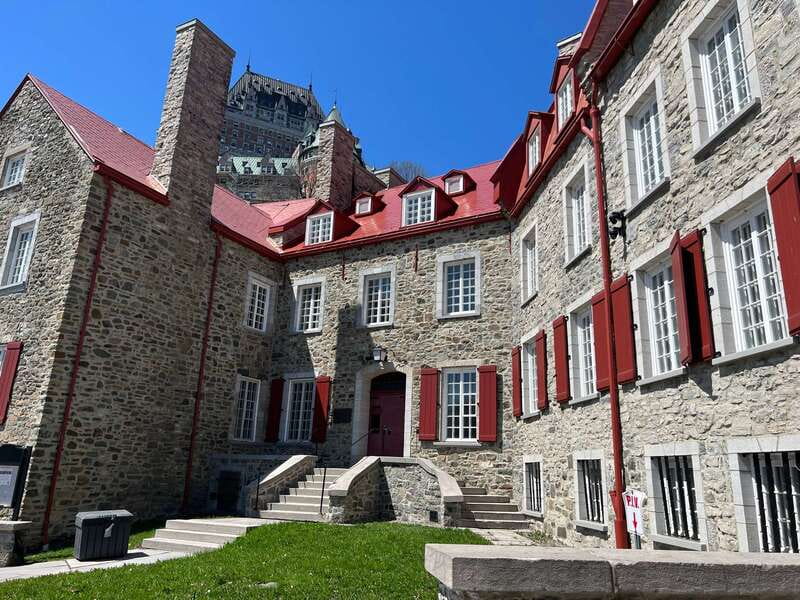
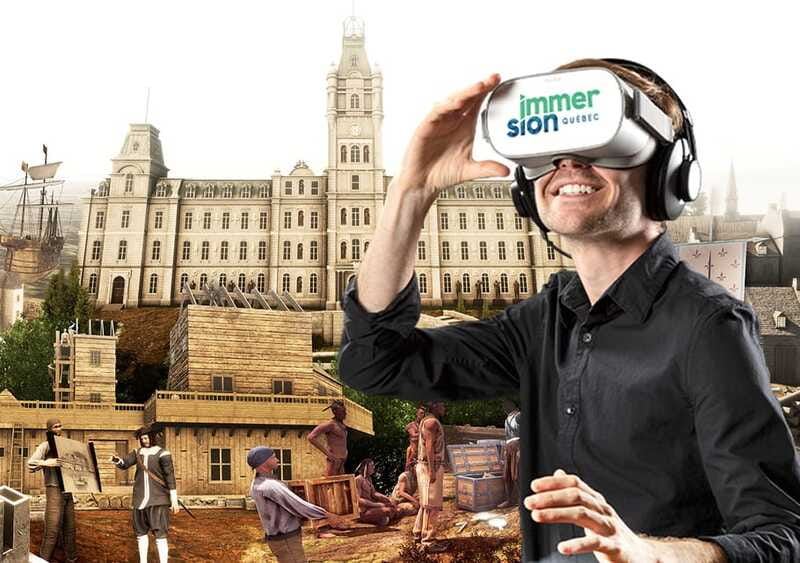
You use a projection headset while remaining seated. The main idea is to place historical images and 3D animation directly in front of you, rather than asking you to read panels or watch a standard film.
That makes the presentation more active than a conventional lecture. You are still sitting in one place, but the headset changes the way the scenes are presented. For a first introduction to Quebec City, that can make the material easier to follow.
The technology is not the newest part of the experience. One visitor described the images as somewhat blurry and suggested that more detailed 2D drawings or real photographs could improve the presentation. Another felt the visuals needed to be refreshed and brought up to date.
I would treat this as a warning about expectations, not a reason to dismiss the activity. The value lies in the combination of visual storytelling, historical context, and the old vault setting. If you are booking because you want the sharpest possible virtual reality graphics, you may be disappointed.
The audio matters just as much as the images. The narration carries the historical explanation, so loud background music can be a real problem. One visitor specifically found the music too loud and had trouble hearing the spoken material.
If you have hearing concerns, pay attention to the audio balance from the start and speak up if something is difficult to hear. The presentation is available in English and French, while the included audio guide offers Spanish and Chinese as well. That gives you more language choice than the basic instructor information suggests.
Same city, a different century:
- Evening Gourmet Tour 5 Course Dinner – History and Food in Old Quebec City
★ 5.0 · 496 reviews - Quebec City: Old Quebec Historical Walking Tour
★ 4.8 · 409 reviews - Combo Historical and Food Tour of Old Quebec
★ 5.0 · 360 reviews - Pete’s Historic Walking Tour
★ 5.0 · 321 reviews
A history lesson that stays seated
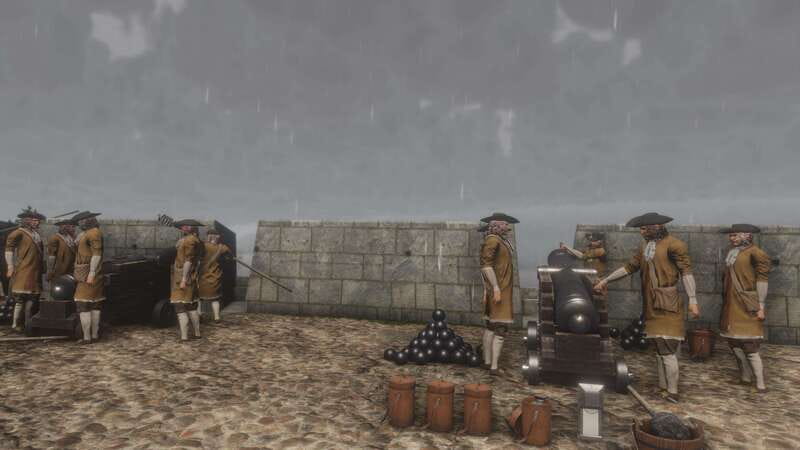
Many Quebec City activities involve hills, cobblestones, stairs, and a lot of standing. This one avoids all of that. You stay seated from beginning to end, which makes it a practical choice during a busy sightseeing day.
I like the contrast between the old room and the modern headset. You are sitting in an 18th-century vault while watching a digital account of centuries of change. That pairing helps the activity feel connected to Quebec City rather than like a detached screen presentation.
The seated format also makes the 40-minute length easy to manage. You do not need to plan a major block of your day, and you can fit the program between other Old Quebec stops.
The downside is that the activity remains passive in a physical sense. You will not walk through a fortification, inspect artifacts, or speak with a guide at each historical location. If you prefer hands-on museums or outdoor tours, this may feel limited.
Still, a short seated program can be exactly what you need after a morning of walking. It gives your feet a break without wasting sightseeing time.
What the price gives you at $19
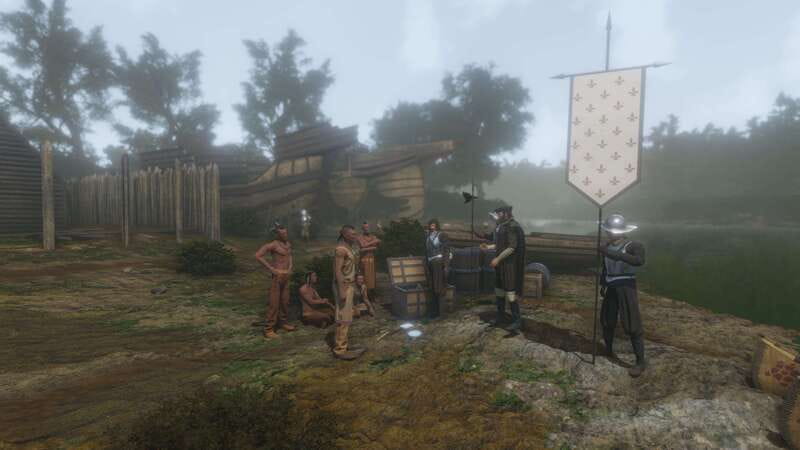
At $19 per person, the cost is modest compared with many guided activities in Quebec City. You receive the headset and a 40-minute presentation in a historic setting, with the added benefit of an audio guide in four languages.
The value depends on your purpose. For a first-time visitor who wants a quick introduction to the city, the price is fair. You get a broad story, an explanation of the major conflicts, and visual material that can help you understand the sites you see later.
For someone already familiar with Quebec City’s history, the value is less certain. The program covers a lot of time in a short period, and the older graphics may not offer enough new material for a specialist.
I would also compare the price with your other plans. If you have limited time, this is an efficient way to get historical context without spending half a day on a formal tour. If you have several days and enjoy museums, you may prefer to spend the same time visiting historic sites directly.
The free cancellation window extends to 24 hours before the activity, and you can reserve now while paying later. Those policies are useful if your schedule is still changing, especially in a city where weather can affect outdoor plans.
Language choices and narration
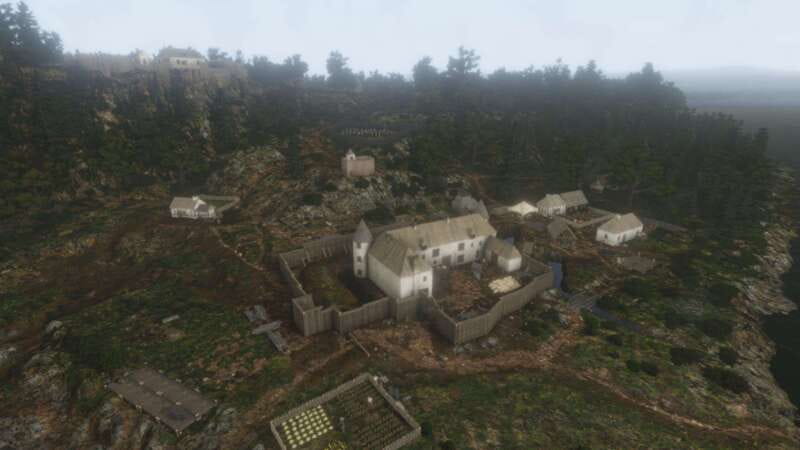
The activity is offered in English and French. The included audio guide also lists Spanish and Chinese, along with English and French.
That is important because the narration is central to the experience. The animation can show events, but the spoken explanation tells you what you are seeing and why it matters.
If English or French is not your preferred language, check the available language option when you book. The information distinguishes between the activity languages and the audio guide languages, so you should not assume every format is delivered in the same way.
The program is designed for a small number of people, but it is not described as a private experience. You should expect to share the room with other participants. The small scale should make the setting calmer than a large attraction, though the exact group size is not specified.
Who will get the most from this experience?
I would recommend this activity to first-time visitors who want a fast introduction to Quebec City. It gives you enough background to understand why the city is historically important without requiring a full day of study.
Families may also find it useful. The visual scenes and battle reenactments give children something to watch, while the 40-minute format keeps the lesson manageable.
It suits visitors who need a seated activity, too. You remain seated throughout, so it can be a sensible pause after exploring the hilly streets of Old Quebec.
The program is less suited to people seeking detailed scholarship, personal contact with a guide, or the latest virtual reality equipment. It also will not satisfy someone who wants a walking tour of the city’s actual fortifications and buildings.
I would pair it with outdoor sightseeing rather than use it as a replacement. See the city afterward, and the historical scenes have a better chance of sticking.
Practical details for your visit
Allow 40 minutes for the presentation itself. Check the available starting times when you book, since the activity runs at scheduled times rather than as an open-ended exhibit.
Find the historic Maison Chevalier and use the entrance door on the left near the sidewalk. The attraction is in the vaults, so do not expect a large street-facing theater entrance.
You receive a virtual reality headset as part of the activity. Since you remain seated, you do not need to prepare for walking during the presentation, though you will likely combine it with other sightseeing in Old Quebec.
The activity has skip-the-ticket-line access, which helps keep the arrival process simple. If you need to change plans, cancellation is free up to 24 hours ahead for a full refund.
The experience provider is Tours Voir Quebec. No individual guide names are provided, so book this for the presentation format and historical content rather than for a particular host.
Should you book Quebec City’s History in Virtual Reality?
Book it if you want a short, affordable history lesson in an unusual setting. The best reasons are the 1752 vaults, the clear 400-year scope, the battle reenactments, and the chance to rest while still learning about the city.
Skip it if polished technology is your main priority. The graphics may feel dated or blurry, and loud music could make the narration harder to follow. At $19, though, the risk is limited.
My practical advice is to place it early in your Quebec City visit if you want context for the rest of your sightseeing. If you already know the city well, schedule it only if the old vault setting and visual reenactments appeal to you.
FAQ
How long does Quebec City’s History in Virtual Reality last?
The experience lasts 40 minutes.
How much does the activity cost?
The listed price is $19 per person.
Do I have to stand or walk during the presentation?
No. You remain seated throughout the experience.
Where does the activity take place?
It takes place in the historic vaults of Maison Chevalier, a building dating to 1752. The entrance is the door on the left near the sidewalk.
What languages are available?
The activity is offered in English and French. An included audio guide is available in Spanish, Chinese, English, and French.
Can I cancel my booking?
Yes. You can cancel up to 24 hours in advance for a full refund. You can also reserve now and pay later.
Just added around Canada
- Historic Walking Tour of Charlottetown★ 5.0 · 211 reviews
- Horse Drawn Historical Guided Tour★ 5.0 · 24 reviews
- Heritage Park Admission★ 4.5 · 155 reviews
- Banff Day Trip: Johnston Canyon, Fairmont Banff Springs, Gondola★ 4.5 · 40 reviews
- Toronto: Dark History Nighttime Walking Tour★ 4.7 · 273 reviews
- Toronto: Distillery District Historic Walking Tour★ 4.8 · 267 reviews
- Toronto: Niagara Falls & NOTL Heritage Town Guided Day Tour★ 4.8 · 28 reviews
- Vancouver: Guided Food and City History Tour★ 4.5 · 53 reviews
Canada History Tours, compared.



Vancouver: Gastown Historical Walking Food Tour
Read our review →
Evening Gourmet Tour 5 Course Dinner – History and Food in Old Quebec City
Read our review →
Quebec City: Old Quebec Historical Walking Tour
Read our review →
Browse the lists this tour appears in