
Review · ISTANBUL
Turkish Delight Workshop History, Tasting, Making Experience
Turkish Delight is more than a sweet in Istanbul. It is a small piece of Ottoman food culture, and this workshop explains how lokum moved from palace kitchens to candy shops around the world. You taste three types, help with the making process, and finish with a 200g Hacı Bekir gift box, made by a company dating to 1777.
I like the small groups of up to 10, which leave room for questions and hands-on work. I also like the setting: a restored historic den near major sights such as the Blue Mosque, making this easy to fit into a sightseeing day. The main drawback is that the lokum you help prepare cannot be eaten or taken home, since it needs time to rest. The gift box is the take-home treat.
Key points
- A 250-year Istanbul story: Learn how lokum developed from an Ottoman sweet into a famous Turkish export.
- Three useful tastings: Compare classic, rose, and creamy Turkish Delight by flavor, texture, and ingredients.
- Real participation: Help with syrup preparation and starch blending rather than only watching a demonstration.
- Professional finishing: See how prepared lokum is cut into neat pieces and coated for serving.
- A historic take-home gift: Leave with 200g of classic Hacı Bekir Turkish Delight.
- A compact rainy-day activity: The 1.5-hour format works well between visits to Istanbul’s major sights.
What the 90-minute Turkish Delight workshop is really about
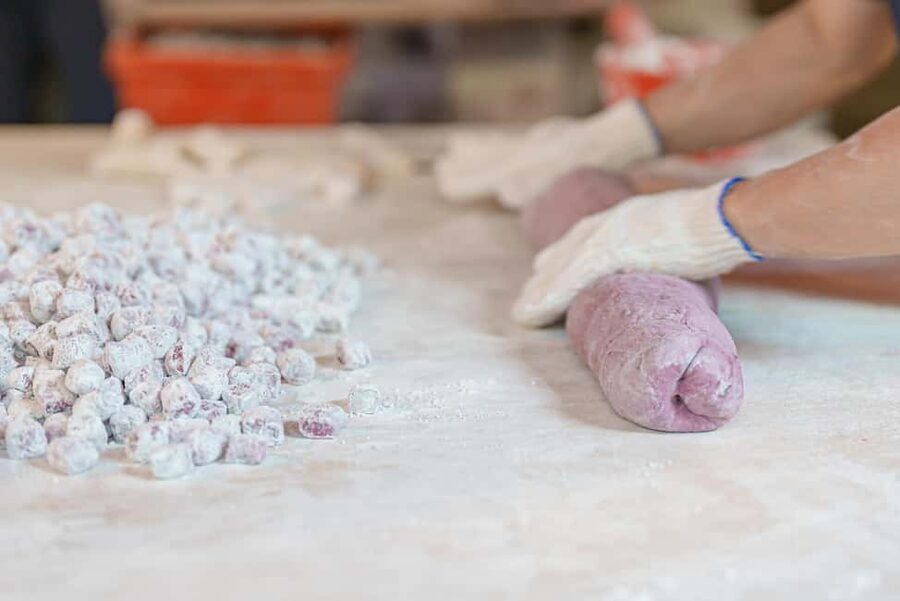
I would book this for the cultural lesson as much as the sugar. Turkish Delight, or lokum, looks simple on a plate, but its texture depends on a slow, careful process. The workshop gives you a better sense of why the candy is soft, springy, and slightly chewy instead of simply sweet and sticky.
The session is led in English or Turkish, with hosts including Lina and Jahan. Lina is described as warm, funny, patient, and clear in her teaching, while Jahan helps with the organization and presentation. Since the group is limited to 10 people, you should have a fair chance to ask questions and take part.
The activity is held in a restored historic den in Istanbul. That matters because the setting supports the subject. You are not just sitting in a modern classroom hearing a short food talk. You are placed in a small, traditional-feeling space where the story, ingredients, and handwork connect.
This is not a full pastry course. You will learn the method and take part in key stages, but you will not leave with a fresh batch made during the session. The prepared lokum needs a resting period before it can be cut and eaten.
More Food and Drink Trips in Istanbul:
- Istanbul Spice Market & Historic Centre Food Tour w/ 10 Tastings
★ 5.0 · 63 reviews - Amsterdam Food and Cultural Tour with Tastings
★ 5.0 · 4,315 reviews - Barcelona: Tapas Walking Tour with Food, Wine, and History
★ 4.8 · 4,261 reviews
The Ottoman-to-Istanbul story behind lokum
The workshop opens with a guided account of Turkish Delight’s 250-year history. You learn how lokum became linked with Istanbul, the Ottoman Palace, and later confectionery shops serving both local customers and international visitors.
The point of this section is not to bury you in dates. It gives you a reason to pay attention to the tasting and making stages that follow. Once you know that lokum has been shaped by palace food culture and Istanbul’s long confectionery tradition, its texture and presentation feel less ordinary.
You also learn how the name Turkish Delight became known outside Turkey. The sweet gained an international identity while keeping its Turkish name and basic character. That makes it a useful food souvenir: small, easy to carry, and tied to the city rather than simply stamped with a tourist logo.
I find this history especially helpful if you have already seen lokum in shops around Istanbul and are unsure how to judge it. The workshop gives you a basic vocabulary for noticing flavor, softness, coating, and the balance between sugar and aroma.
Tasting classic, rose, and creamy lokum
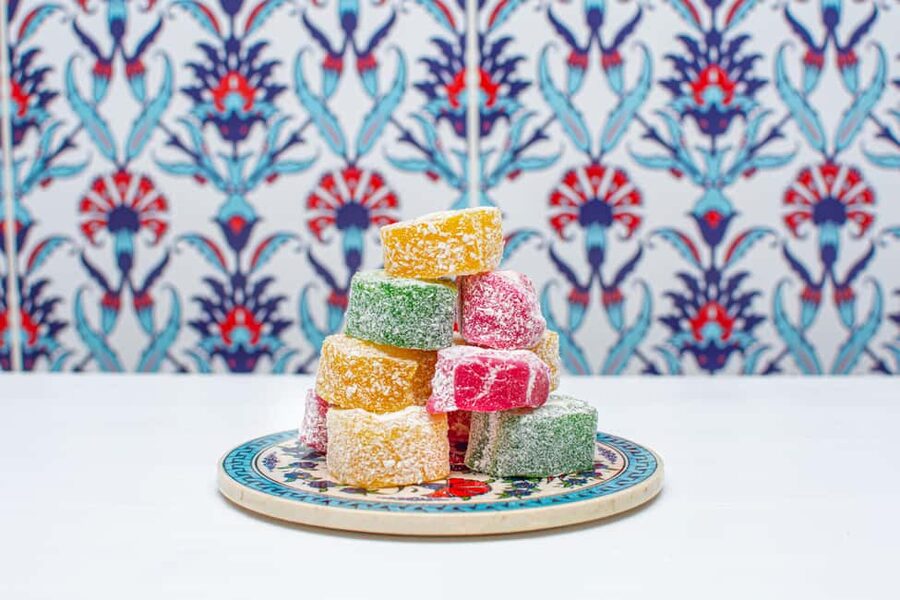
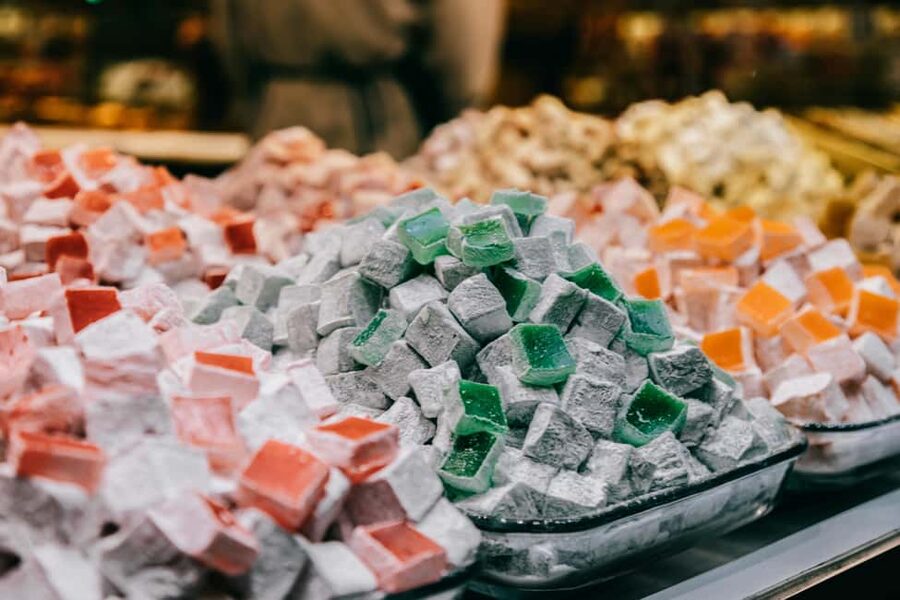
The tasting includes three varieties: classic, rose-flavored, and creamy Turkish Delight. The order and exact serving details are not specified, but each style is explained as you taste it.
Classic lokum gives you the plainest version of the sweet. It lets you focus on the basic texture and the light coating without a strong added flavor taking over. I would start here if you are new to lokum.
Rose lokum adds the floral note most often linked with traditional Turkish Delight. Rose flavor can be unfamiliar if you are used to chocolate or fruit candy, so this comparison helps you understand why it has such a long place in Turkish confectionery.
Creamy lokum offers a different mouthfeel and gives the tasting more range. Instead of treating all lokum as the same soft cube, you can compare how flavor and texture alter the experience.
This is a small tasting, not an unlimited candy stop. Three varieties are enough to show the differences without turning the workshop into a sugar marathon. If you have allergies or dietary restrictions, tell the host in advance. The activity includes food, and the available information does not list every ingredient in each variety.
Mixing syrup and starch by hand
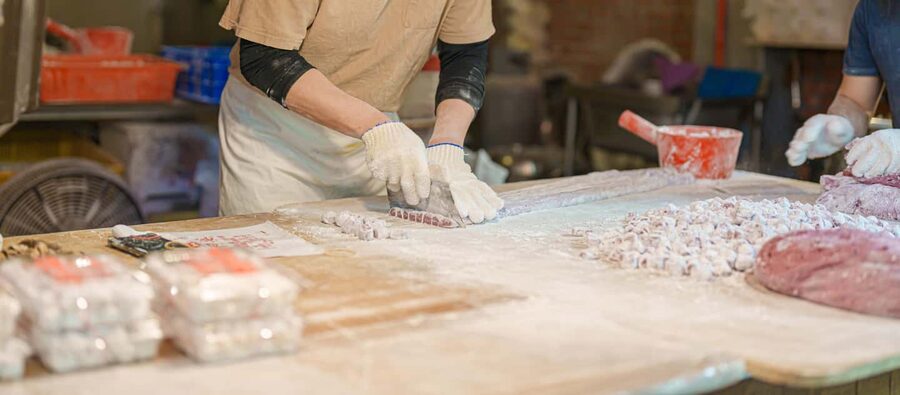
The hands-on portion covers traditional preparation, including syrup work and starch blending. This is where the workshop becomes more useful than a standard tasting.
You may expect a quick recipe demonstration, but the process calls for arm strength. One participant specifically noted that whisking takes effort. That is a practical detail worth knowing: you will not simply sprinkle ingredients into a bowl and call it cooking.
The instructor explains each stage as you participate. You get a feel for how the mixture changes and why the method requires attention. Beginners do not need prior cooking experience, so you can join in even if your kitchen skills are limited to making coffee and toast.
The activity is also social. A small group makes it easier to rotate through the work, compare impressions, and speak with the host. Families and couples can work together, though the official age rule says the experience is not suitable for children under 15.
There is one important limit. The lokum made during your class is not ready to eat at the end. It must rest for the required period, so you should not book this expecting to carry home the exact pieces you helped prepare.
More Workshops and Classes in Istanbul:
- Dubai Evening Heritage Safari by Vintage G Class Al Marmoom Oasis
★ 5.0 · 1,500 reviews - Undiscovered Charleston: Half Day Food, Wine & History Tour with Cooking Class
★ 5.0 · 948 reviews - Sip History in The Sun Cabana Covered Cocktail Class
★ 5.0 · 332 reviews - Amsterdam: 3-Course Meal in Historic 1st Class Waiting Rooms
★ 4.5 · 292 reviews
Cutting and coating the finished lokum
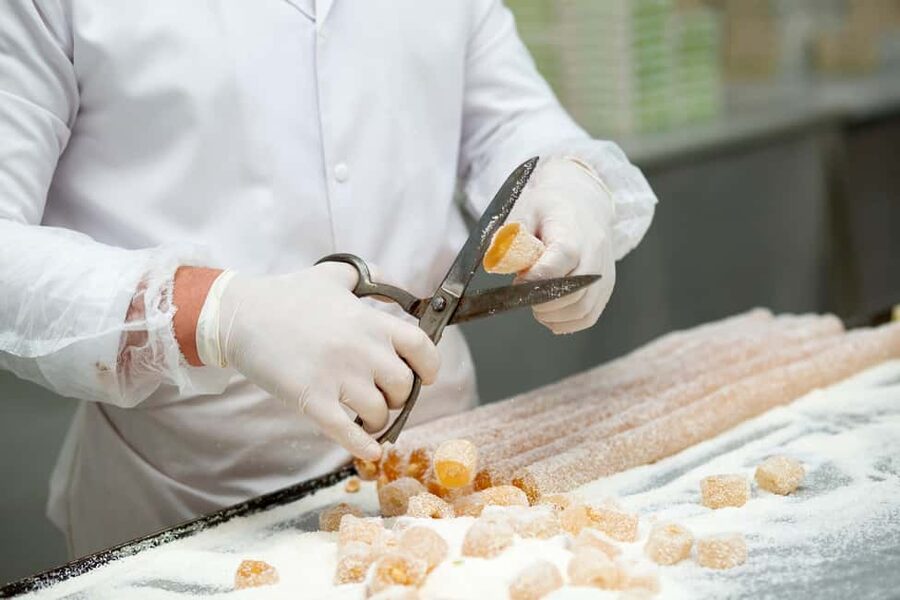
After the preparation stage, you watch and join the final cutting and coating work using professionally prepared lokum. This solves the resting problem while still letting you see the finished process.
Cutting matters more than it may seem. Lokum is soft, and clean pieces require control. The demonstration shows how the sweet is divided into even portions before coating.
The coating gives each piece its familiar finish and helps prevent the cubes from sticking together. Seeing this stage after handling the mixture makes the earlier work easier to understand. You see the difference between a mixture that is still being prepared and a sweet that is ready to serve.
For me, this is one of the best parts for anyone who enjoys food craft. You are shown the tidy final result, but you also see that the result depends on patient preparation, strength, and timing.
The Hacı Bekir gift and what it adds
Each participant receives a 200g box of classic Turkish Delight from Hacı Bekir, an Istanbul producer established in 1777. This is a more meaningful souvenir than an unmarked bag from a busy shop because the gift connects directly with the workshop’s history lesson.
The box contains classic lokum rather than the pieces prepared during class. That distinction is clear before you book, and it helps set fair expectations. You get both the learning experience and a ready-to-eat take-home portion.
At 200g, the gift is a modest size. It is enough to share or enjoy over several servings, and it should be easy to pack compared with fragile pastries or liquid food products. You can also use the tasting as a guide when deciding which other varieties to buy later in Istanbul.
Some sessions have also included Turkish coffee and, in individual cases, a small handmade coffee cup. These extras are not listed as guaranteed inclusions, so I would treat them as possible hospitality rather than part of the promised package.
Why the small group size matters
The group limit is 10 people. That is not an intimate private lesson by default, but it is small enough to keep the activity from feeling like a staged presentation.
You can ask about the history, ingredients, or technique without trying to get the instructor’s attention across a crowded room. The hands-on work also makes more sense in a small group because several people can participate without everyone standing far away from the table.
The host’s role is important here. Lina has been praised for making the activity fun and for explaining the method in a way that works for adults and older teenagers. Jahan has also been involved in organizing and explaining the session. The experience depends partly on the host’s style, but the format gives both instructors room to interact with you.
Solo visitors can fit in comfortably. Couples have a shared activity rather than a passive show. Families with teenagers can make it a low-pressure cultural outing, provided everyone meets the age requirement.
Fitting the workshop into your Istanbul day
The activity lasts 1.5 hours, making it easy to pair with sightseeing in the historic center. It is described as being near major attractions such as the Blue Mosque, so you can place it between visits rather than spend half a day crossing the city.
You should still check the exact starting time when booking. The available schedule can vary, and the activity does not include hotel pickup or drop-off. Plan your own way to the meeting point and allow extra time if you are coming from another part of Istanbul.
The short length is useful on a rainy afternoon. You get shelter, conversation, food, and a cultural lesson without committing to a long cooking course. It also works well when you need a break from mosques, museums, and crowded streets.
The price is $39 per person. I see that as fair if you value the guided history, tasting, participation, and branded gift together. It is not the best value if all you want is a box of lokum, since you could buy sweets for less. You are paying for the explanation and the chance to work through the process.
Free cancellation up to 24 hours before the activity and reserve-now, pay-later booking make it easier to place this into a changing Istanbul schedule.
Who will enjoy this experience most
I would recommend it to food lovers who want more context than a shop tasting provides. You get to compare three types, learn how they differ, and understand the work behind the final texture.
It also suits history-minded visitors. The Ottoman Palace connection and the 250-year Istanbul story give the activity a clear cultural frame. You do not need to be an expert in Turkish food to follow it.
Couples will find it easy to share the tasting and mixing work. Solo visitors can expect a social setting without needing to arrive with a group. Older teenagers can join if they meet the minimum age.
I would be cautious about booking it for very young children. The formal information says it is not suitable for children under 15, even though some family sessions have included younger children. If you are traveling with children, confirm the age rule before paying.
You should also mention allergies or dietary restrictions in advance. The activity includes several food samples, and the information provided does not promise substitutions.
Who may want a different Istanbul activity
This is not the right choice if you want to make a batch and take it home immediately. The lokum you prepare must rest, and only the separate 200g Hacı Bekir gift is guaranteed as a take-home item.
It may also disappoint visitors who dislike sweet foods or prefer a full cooking class with several dishes. The focus is narrow: lokum history, tasting, preparation, cutting, and coating.
Wheelchair users should choose another activity, since the experience is listed as unsuitable for wheelchair users. Alcohol and drugs are not allowed, though that is unlikely to affect most people booking a confectionery workshop.
Finally, the workshop is not a substitute for a guided tour of Istanbul. It gives you one focused look at Turkish food culture. You will need a separate plan for transportation, sightseeing, and other meals.
Is this Turkish Delight workshop worth booking?
I would book it if you want a compact, hands-on activity with a clear Istanbul connection. The combination of three tastings, practical preparation, a historic setting, and the Hacı Bekir gift gives you more than a simple candy demonstration.
The best reason to go is the balance between story and participation. Lina or Jahan can explain what you are tasting, then show you how syrup and starch become lokum. The 1.5-hour schedule also makes it easy to fit near the Blue Mosque and other central sights.
Skip it if you mainly want an inexpensive box of sweets, need wheelchair access, or expect to take home the batch you make. For everyone else, $39 is a reasonable price for a friendly small-group lesson and a useful edible souvenir.
FAQ
How long does the Turkish Delight workshop last?
The workshop lasts 1.5 hours.
How much does the experience cost?
The price is $39 per person.
Which Turkish Delight varieties are included in the tasting?
You taste three varieties: classic, rose-flavored, and creamy lokum.
Can I eat or take home the Turkish Delight I help make?
No. The lokum prepared during the workshop needs a resting period, so it is not eaten or taken home during the session.
What do I take home?
Each participant receives a 200g box of classic Turkish Delight from Hacı Bekir, a producer established in 1777.
Is prior cooking experience required?
No. The activity is suitable for beginners and does not require previous cooking experience.
What languages are spoken?
The workshop is offered in English and Turkish.
Is the activity suitable for children and wheelchair users?
The activity is listed as unsuitable for children under 15 and wheelchair users.
Just added around Istanbul
- Private Historic Istanbul Half-Day Sightseeing Tour★ 4.1 · 56 reviews
- Istanbul: Historic Sifa Turkish Bath in Sultanahmet Square★ 4.7 · 46 reviews
- Istanbul Archaeological Museums Entry Ticket & Audio Guide★ 4.0 · 81 reviews
- Istanbul: Archaeological Museums Fast-Track Entry Ticket★ 3.5 · 76 reviews
- Istanbul: Hagia Sophia History Museum Entry with Audio Guide★ 4.1 · 102 reviews
- Istanbul: Acemoglu Historical Hammam Entry Ticket★ 4.4 · 36 reviews
- Istanbul: Full-Day Heritage Tour★ 4.3 · 30 reviews
- Full-Day Private Guided Cultural Tour of Istanbul★ 5.0 · 279 reviews
Istanbul History Tours, compared.

Istanbul Gedikpasa Historical Turkish Bath with Privacy Option
Read our review →
Istanbul: Acemoglu Historical Turkish Bath w/Private Options
Read our review →
Istanbul: Gedikpasa Historical Hammam with Privacy Add-On
Read our review →
Istanbul Historical Tour with Guide, Lunch and Transfers
Read our review →
All in One Day Istanbul – Historical Tour of Istanbul with Bosphorus Cruise
Read our review →
WONDERS of ISTANBUL: PRIVATE Full-Day Guided City Tour
Read our review →
Browse the lists this tour appears in