Review · GETTYSBURG
Gettysburg: 1863 Historic Downtown Walking Tour
Gettysburg’s battle is usually told through troop movements and famous commanders. This tour shifts your attention to the town itself, where civilians faced soldiers, wounded men, fear, confusion, and sudden demands for food and shelter. Walking through the center of downtown, you hear how the battle affected people living in the same streets beneath your feet.
I like two things right away: the focus on local residents, and the leisurely pace that leaves room for questions. Guides such as Ken and Jeff have also used first-person historical portrayals, including a Civil War veteran and artilleryman, which can make the story easier to picture. The main consideration is that this is an outdoor walking tour, and some historic buildings are privately owned, so you should not expect a series of interior visits.
Key points to know before you go
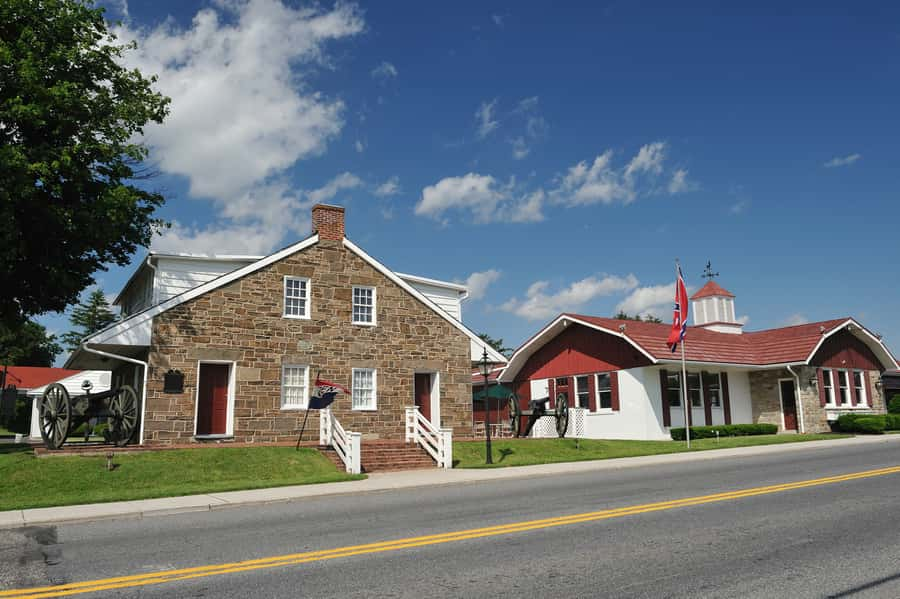
- A civilian view of Gettysburg: The tour explains what happened to families, children, shopkeepers, and residents caught in an urban battlefield.
- A two-hour downtown route: You walk through the center portion of town, with stops at existing structures and places tied to the events of July 1863.
- Strong guide-led storytelling: Ken, Jeff, Rich, Bruce, and other local guides have led tours, with history and conversation shaping the experience.
- Small groups can feel personal: Some departures have had only four people, making it easy to ask questions and interact with the guide.
- A useful companion to the battlefield: The tour helps you understand Gettysburg as a living community before you visit the larger battlefield area.
- Simple logistics: Meet at 11 Lincoln Square by the President Lincoln statue and benches, arrive 15 minutes early, and wear comfortable shoes.
Why downtown Gettysburg tells a different story
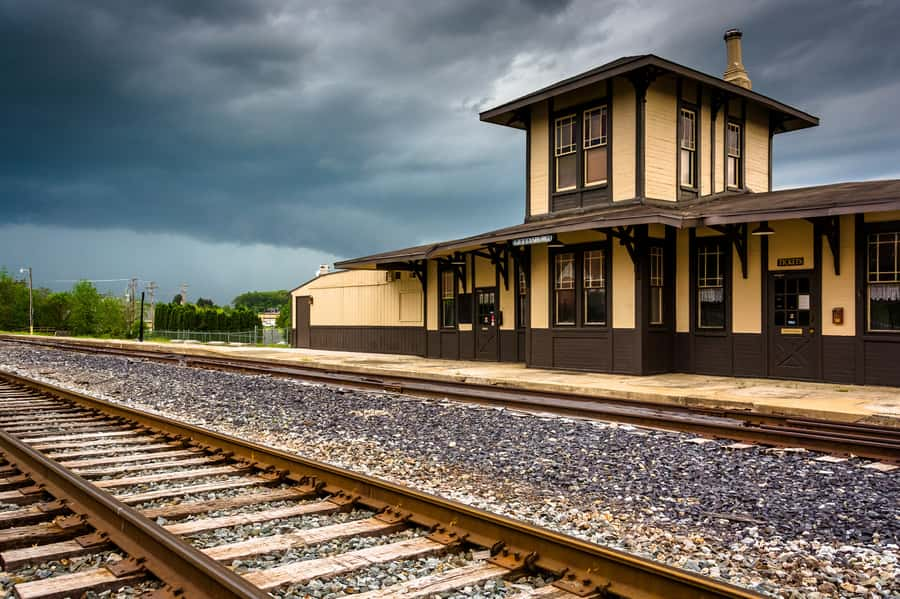
The battlefield is outside town, but the war came directly into Gettysburg’s streets. That is the central idea here. You are not simply hearing a shorter version of the three-day battle. You are learning how an ordinary town became part of the fighting and then had to cope with its aftermath.
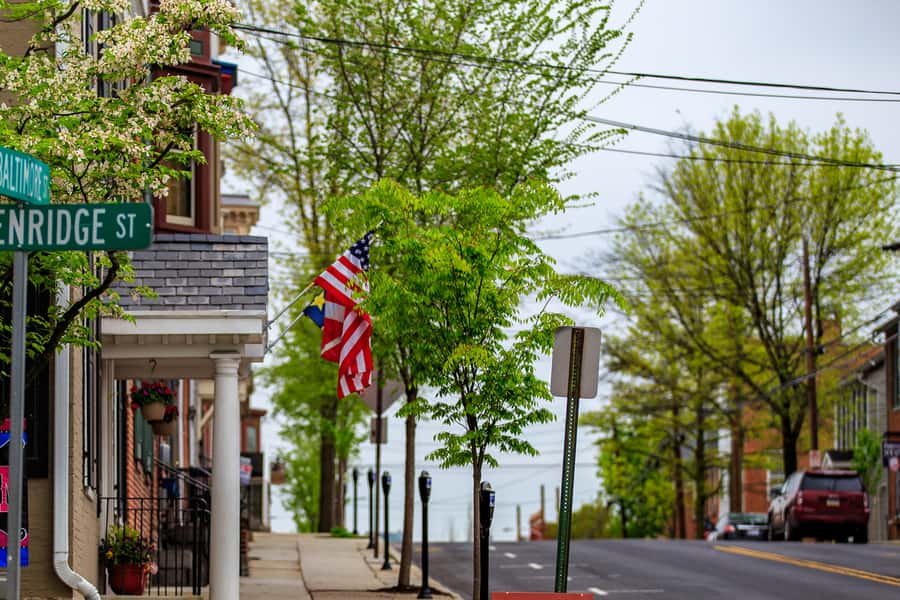
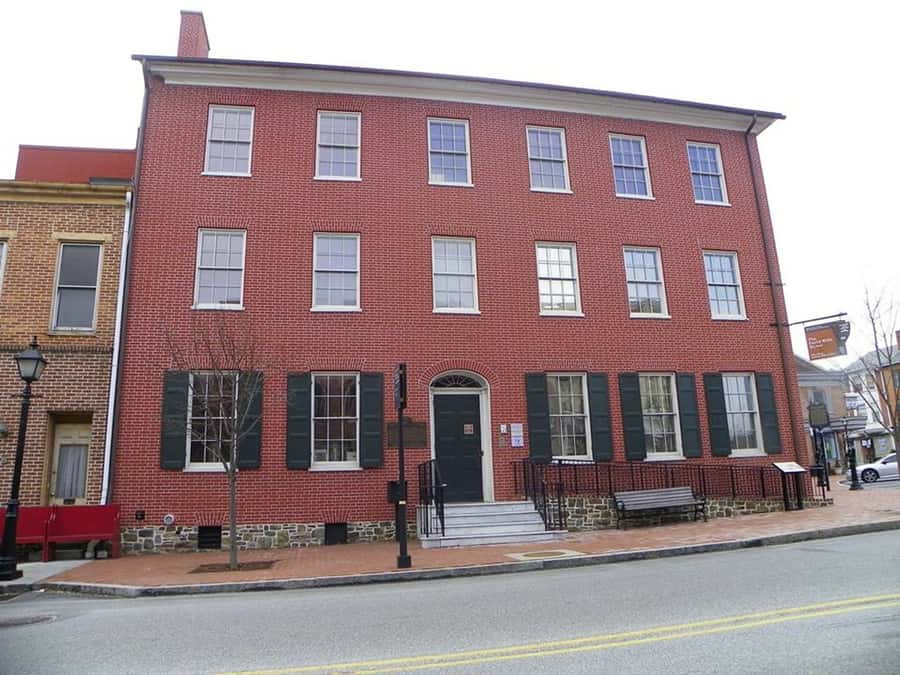
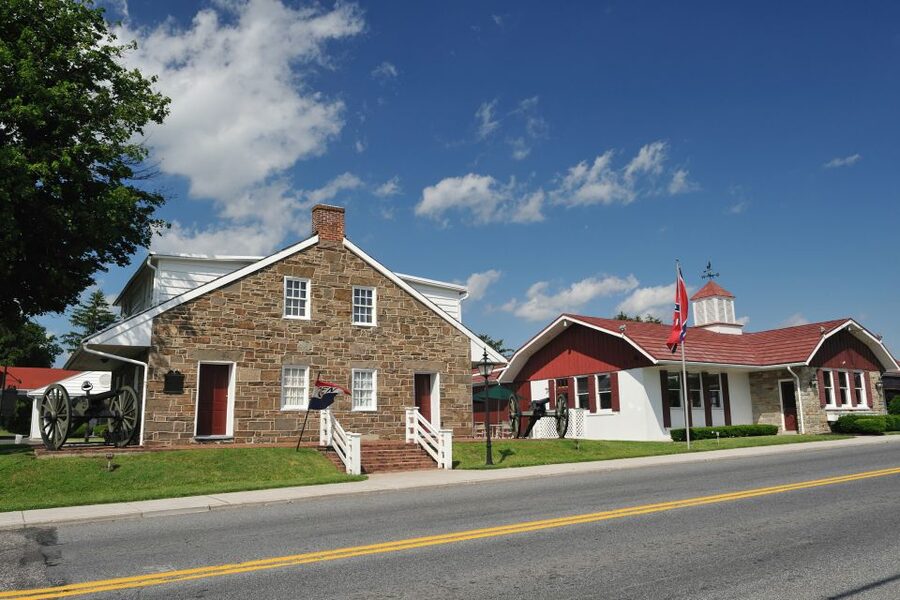
The route centers on the portion of downtown that formed the heartbeat of Gettysburg in 1863. Existing structures help you picture the town as it looked during the Civil War, even though modern life now fills the streets. A guide points out what was there, explains how the spaces were used, and ties the buildings to civilian accounts.
I find this approach useful because military history can become a blur of names, dates, and arrows on a map. A town-based tour gives those events a human scale. You begin to think about residents who did not choose the battle, did not leave before it arrived, and had to live through the noise, injuries, occupation, and disruption.
More History Walking Tours in the USA
- History and Hauntings of Salem Guided Walking Tour
★ 5.0 · 14,564 reviews - Boston: Freedom Trail History Small Group Walking Tour
★ 5.0 · 6,450 reviews - Historic Charleston Guided Sightseeing Walking Tour
★ 5.0 · 6,216 reviews
Meeting at Lincoln Square
The tour begins at 11 Lincoln Square, beside the statue of President Lincoln and the benches. This is a central location, so you should have little trouble finding the meeting point, but do not cut it close. The instructions ask you to arrive 15 minutes before departure.
That early arrival matters more on a walking tour than it might on a bus outing. You need time to locate the statue, gather your party, and meet the guide before the group begins moving. Since the route includes regular stops and spoken explanations, arriving late could mean missing the opening context.
The language is English, and the tour is listed as wheelchair accessible. You should still choose weather-appropriate clothing and comfortable shoes. The walk is described as leisurely and not especially long by walking-tour standards, but two hours on town streets is much more pleasant with supportive footwear.
Seeing the town through civilian eyes
The strongest part of the experience is its attention to residents who became reluctant witnesses to the battle. The stories cover how adults and children experienced the fighting, how families were affected, and how the town dealt with events that normally belonged far away on a battlefield.
This is not a sentimental detour from the military story. It adds information that military tours often leave out. Downtown became a place of confusion and suffering, and the tour explains how the conflict affected homes, streets, and daily routines.
You may hear about local families and the role of townspeople during and after the battle. The most useful detail is often not a grand event, but the way the guide links an individual account to the place where it happened. That connection gives you something solid to remember after the tour.
Several guides have been praised for answering questions without rushing the group. Ken is known for allowing conversation and adapting his explanations to the people in front of him. That helps if your group includes both serious Civil War students and people who know only the basic outline of Gettysburg.
How the two-hour route unfolds
The route stays in the center portion of downtown rather than attempting to cover the entire town or battlefield. You move from location to location on foot, stopping to examine existing structures and hear how the area functioned in 1863.
At each stop, the guide builds a picture of the town before, during, and after the battle. The before-and-after material matters. Gettysburg was not only a place where soldiers fought for several days. It was also a settled community with its own families, work, homes, and routines before the armies arrived, and a damaged community that had to recover afterward.
The tour is described as a nice walk with plenty of stops rather than a hard march. That makes it a practical choice for someone who wants substance without spending an entire day on foot. It also gives you time to look at the surroundings instead of staring at a guide’s back while trying to keep pace.
Do not expect every stop to include an interior visit. Some of the oldest buildings are privately owned, and access is limited. The value comes from hearing the stories in the actual streets and beside the structures, not from entering every historic property.
More Old Town and Historic Centre Walks in the USA
- Philadelphia Old City Historic Walking Tour with 10+ Top Sites
★ 5.0 · 2,020 reviews - Asheville Historic Downtown Guided Electric Bike Tour with Scenic Views
★ 5.0 · 1,234 reviews - Walking History Tour of St. Augustine’s Historic District
★ 5.0 · 1,152 reviews - Creepy Crawl Night-Time Haunted Pub Walking Tour of Savannah’s Historic District
★ 4.5 · 802 reviews
Guides who make the history personal
Guide quality is important on a history walk, and this experience has several strong names associated with it. Ken has been praised for his command of Gettysburg and Civil War subjects, his friendly manner, and his ability to answer detailed questions. He also connects local stories to the wider war, which helps put the town’s experience in context.
Jeff takes a more theatrical approach on some departures. He has portrayed Civil War veteran James Maclay and an artilleryman, using character work to make the past feel immediate. You should understand that the guide assignment may vary, so you cannot assume you will receive one particular person. Still, the different styles offer the same basic benefit: the material is presented as a story about people, not just a lecture.
Rich has also been praised for being warm and well prepared. Bruce is described as friendly and well informed. The common thread is an active guide who welcomes questions and treats the walk as a conversation rather than a fixed speech.
That flexibility is especially helpful for mixed groups. If you already know the battle, you can ask about civilians, buildings, and lesser-known events. If you are new to Gettysburg, you can ask for the basic sequence without feeling out of place.
What makes the civilian perspective valuable
The tour’s real strength is its choice of subject. A battlefield visit can show you where units moved and where major attacks happened. This downtown walk asks a different question: what did it mean to live in a town when the battle arrived at your door?
You hear about the effects on families and children, the disruption of ordinary life, and the chaos and carnage that reached downtown. Those details can be difficult, but they are necessary. War is not only a story of strategy and bravery. It is also a story of civilians losing control of their homes and streets.
This viewpoint can change the way you understand the battlefield afterward. Once you have seen Gettysburg as a community, the surrounding fields no longer feel like an isolated military stage. You carry the town’s residents with you as you consider what happened outside it.
I especially recommend this tour early in a Gettysburg visit if you want a basic sense of place first. One person found it useful to explore downtown before visiting the battlefield, while another used it after several other tours as a final piece that connected the information together. Both approaches make sense. Take it first for orientation, or later to add human detail to what you already know.
Group size, pace, and atmosphere
Group size can vary, but small departures are possible. A group of four, for example, allows easy conversation and makes it simpler to hear the guide in a town setting. A larger group may feel less personal, but the two-hour format and frequent stops should still keep the material manageable.
The pace is leisurely. This is not a race through Gettysburg, and it is not designed as a strenuous hike. You will spend much of the time standing while the guide explains a site, then walking to the next point.
Hot weather deserves attention. One guide contacted a participant ahead of time about shifting the start time because of high temperatures. That kind of flexibility may not be guaranteed, but it shows why you should check the forecast and wear suitable clothing. In warm conditions, a hat and water would be sensible additions, even though the official guidance specifically calls for comfortable shoes and weather-appropriate clothing.
The atmosphere depends on the guide. Ken tends toward discussion and detailed explanation. Jeff may use historical character work. If you prefer a strictly academic presentation, the theatrical approach may not be your favorite. If you like history brought to life through a person’s voice, it can be a memorable feature.
Is $25 a fair price?
At $25 per person, this is a reasonable spend for a two-hour guided experience in a place with as much historical material as Gettysburg. You are paying for a local guide, a structured route, and interpretation that you would have to assemble yourself from books, signs, and online research.
The value is strongest if you want more than dates and battlefield positions. The civilian accounts and downtown setting give you material that is easy to miss on a self-guided visit. The price also compares well for people who appreciate the chance to ask questions rather than simply follow a recorded narration.
The main limit is the scope. Two hours cannot explain every major battle event, every downtown building, and the full Civil War context. If your main goal is a detailed military study, you will need more time elsewhere. Think of this as a focused town walk, not a complete Gettysburg tour.
Free cancellation up to 24 hours before departure and the option to reserve now and pay later make planning easier. Those terms are useful if your schedule depends on weather or if you are building a trip around several Gettysburg activities.
Who should book this walk?
I would choose this tour for first-time visitors who want to understand Gettysburg as a town, not only as a battlefield. It also suits history fans who already know the famous generals and want lesser-heard accounts from residents.
Families can benefit from the human stories, though the subject includes war, injury, and death. Adults who prefer a slower pace and frequent stops should find the format comfortable. Wheelchair users can consider it because the activity is listed as wheelchair accessible, though the route remains an outdoor walk through downtown.
You may want to skip it if you dislike guided storytelling, need a private interior-tour experience, or want a full-day military analysis. You should also plan carefully if extreme heat or poor weather would make two hours outdoors unpleasant.
Final verdict
Book the Gettysburg: 1863 Historic Downtown Walking Tour if you want the town’s side of the story. The civilian focus, practical two-hour length, and chance to question a local guide make it a strong value at $25.
I would pair it with a battlefield visit rather than treat it as a replacement. Take it early if you want your bearings, or use it later to connect the battle’s military story with the people who had to live through it. If you enjoy history delivered with warmth, detail, and sometimes a touch of character acting, this is one of the better ways to make downtown Gettysburg meaningful.
FAQ
Where does the Gettysburg walking tour meet?
Meet at 11 Lincoln Square in Gettysburg, Pennsylvania, by the statue of President Lincoln and the benches.
How early should I arrive?
Arrive 15 minutes before the scheduled departure so you have time to find the meeting point and meet your guide.
How long is the tour?
The walking tour lasts two hours.
What language is the tour offered in?
The tour is conducted in English.
Is the tour wheelchair accessible?
Yes, the activity is listed as wheelchair accessible.
What should I bring?
Bring comfortable shoes and clothing suitable for the weather.
Does the tour enter historic buildings?
The walk examines existing structures, but some older buildings are privately owned. You should not expect interior access to every building.
Is the tour only about soldiers and battlefield tactics?
No. It focuses heavily on Gettysburg’s civilians, including how adults, children, families, and local residents experienced the battle and its aftermath.
Can I cancel for a full refund?
Yes. You can cancel up to 24 hours in advance for a full refund.
More Battlefield and Military History Tours in the USA
- 2-Hour Gettysburg Battlefield Guided History Bus Tour with a National Park Guide
★ 4.5 · 2,201 reviews - Gettysburg Battlefield Self-Guided Driving Audio Tour
★ 4.5 · 910 reviews - Gettysburg: Horse-Drawn Carriage Battlefield Tour
★ 4.8 · 896 reviews - Guided Savannah Civil War History Walking Tour
★ 5.0 · 492 reviews
Just added around the USA
- Red Rocks Amphitheatre Historical Walking Tour★ 5.0 · 74 reviews
- 1-Hour Segway Tour of Cheyenne Cañon Art, History and Nature★ 5.0 · 36 reviews
- Colorado Springs – Guided Walking Ghost / History Tour★ 5.0 · 168 reviews
- Ancient Landscapes Private Geology Hike at Garden of the Gods★ 5.0 · 31 reviews
- Village Food Tours Lunch & History Tour★ 5.0 · 80 reviews
- 2.5 Hour Kayaking with Manatee and History Tour in Tarpon Springs★ 5.0 · 24 reviews
- Safety Harbor Ghost Tour★ 5.0 · 60 reviews
- Historical Bicycle Tour of Dunedin★ 5.0 · 44 reviews
Gettysburg History Tours, compared.
2-Hour Gettysburg Battlefield Guided History Bus Tour with a National Park Guide
Read our review →

Gettysburg: Horse-Drawn Carriage Battlefield Tour
Read our review →
Ghost Tour: History and Haunts – Family Friendly – Best in Gettysburg
Read our review →
Gettysburg: “History and Haunts” Family Friendly Ghost Tour
Read our review →