
Review · SPAIN
Barcelona: Skip-the-Line to History Museum of Catalonia
Barcelona’s History Museum puts Catalonia’s story in one large, readable sweep, from early settlement to the political struggles of modern Spain. I like the permanent exhibition’s mix of objects, films, drawings, and interactive scenes, and I like that your $9 ticket includes the rooftop terrace with views toward the Port, Montjuïc, and the city. The main drawback is that this is a self-guided museum visit, with no guide or audio guide included.
I especially appreciate the temporary exhibition program. Through October 26, 2025, We Are: The Homosexual Movement during Spain’s Transition to Democracy, 1976-1979 adds a focused look at social change after dictatorship. Plan your timing carefully, though: the museum closes on Mondays and has shorter Sunday and holiday hours.
Key points to know before you go

- The permanent exhibition, The Memory of a Country, uses interactive displays to explain the people and periods that shaped Catalonia.
- The temporary exhibition through October 26, 2025, examines the homosexual movement during Spain’s transition to democracy from 1976 to 1979.
- The rooftop terrace gives you views of the Port, Montjuïc, and Barcelona, with a restaurant and bar on the fourth floor.
- The $9 price covers both permanent and temporary exhibitions, terrace access, and brochures, but not food, drinks, a guide, or an audio guide.
- Opening hours matter: Wednesday runs until 8 p.m., while Sundays and holidays end at 2:30 p.m.
- The museum is wheelchair accessible, but children must be accompanied by an adult and oversized luggage is not allowed.
Why Catalonia’s past matters here
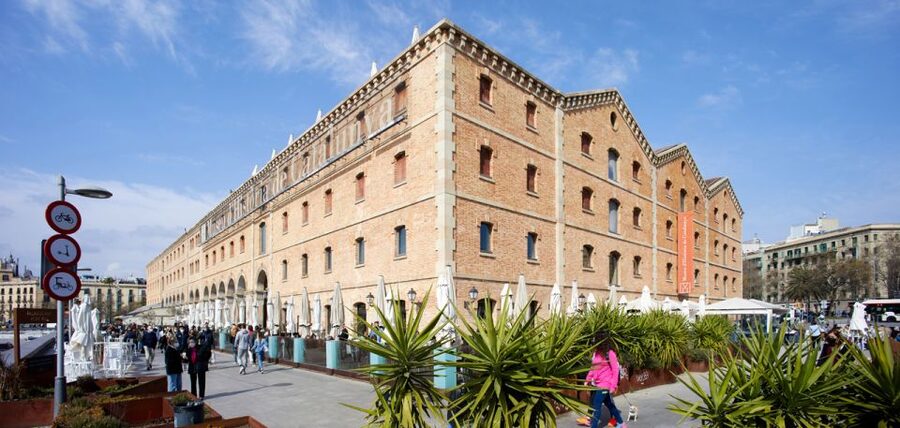
If you know Barcelona mainly for Gaudí, beaches, and tapas, this museum gives you another way to read the city. Catalonia has its own language, customs, political traditions, and sense of identity, and the museum explains how those developed over time.
That makes this a useful stop early in a Barcelona visit. You do not need a specialist’s background to follow the displays. The museum is designed to tell a broad story through objects and visual material, so you can build a basic timeline without spending hours reading dense academic panels.
The presentation also helps explain why Catalan identity remains such a strong subject. The museum’s account includes periods of outside pressure, political conflict, war, dictatorship, and renewed democratic life. That perspective is important, but you should remember that a museum devoted to Catalonia will naturally place Catalan experience at the center of its story.
I find that useful rather than a problem. A good museum does not need to pretend every viewpoint carries equal weight in every room. You simply need to pay attention to the point of view being presented.
More Skip-the-Line Tickets in Spain:
- Córdoba: Skip-the-Line Great Mosque-Cathedral History Tour
★ 4.7 · 1,690 reviews - Herculaneum: Skip-the-Line Guided Tour with Archaeologist
★ 4.8 · 3,439 reviews - Taormina: Ancient Theater Skip-the-Line Ticket & Audio Guide
★ 4.5 · 2,412 reviews
The Memory of a Country, the main exhibition
The permanent exhibition is called The Memory of a Country. It is the heart of the visit and the part that gives you the broadest sense of how Catalonia developed.
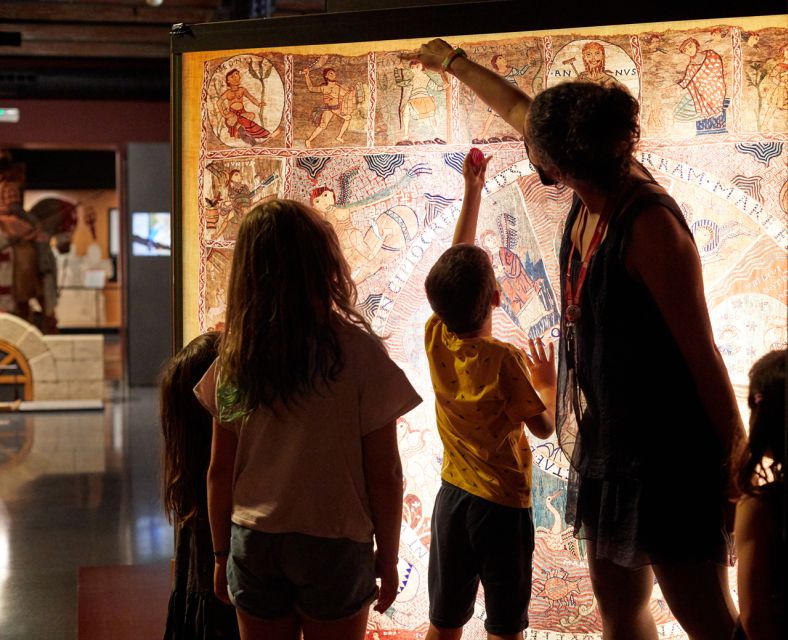
You move through periods and characters that shaped the territory. The displays use articles, stories, films, drawings, and interactive backgrounds rather than relying only on cases filled with objects. This variety matters because a long historical sequence can become tiring when every room asks you to read several paragraphs.
The interactive approach gives you different ways to take in the material. You might pause over an object, watch a film, or use a visual display to connect an event with daily life. The supplied information does not identify every section or object, so I would not arrive expecting a fixed list of famous masterpieces. This is a museum about the formation of a society, not simply a gallery of decorative treasures.
The most valuable result is context. Political events make more sense when you can place them beside cultural life, social changes, and the people affected by them. The exhibition aims to show how Catalonia changed over time, and its mix of media is meant to make that process understandable to children and adults alike.
Give yourself enough time to follow the sequence instead of racing straight to the terrace. The ticket is inexpensive, but the visit has more value when you treat it as an introduction to Catalan identity rather than a quick photo stop.
A Catalan view of conflict and political change
One important part of the story concerns the period after 1714. The museum explains how Madrid’s government sought to limit or erase Catalan political and cultural distinctiveness. It also addresses the Spanish Civil War from 1936 to 1939 and the pressure placed on Catalonia during that period.
The wording and emphasis present a clearly Catalan point of view. That is worth knowing before you enter, particularly if you are looking for a neutral political survey of Spain. You are seeing how Catalonia remembers its past, including the moments when its institutions, language, and public identity came under attack.
For me, that viewpoint is one of the museum’s reasons to visit. It helps explain why local history in Catalonia can feel closely tied to present-day questions of culture and government. You will not get the same reading of Spain’s past in every museum across the country.
The exhibition also makes space for later events and social movements. That wider reach keeps the visit from becoming only a story about medieval beginnings or old political disputes. Catalonia’s identity is shown as something that continued to change through war, dictatorship, democracy, and shifts in social life.
The temporary exhibition on LGBTQ history
Until October 26, 2025, you can also see We Are: The Homosexual Movement during Spain’s Transition to Democracy, 1976-1979. This display focuses on a short but important period after the end of dictatorship, when democratic change opened space for organized social movements.
Its subject adds a human and social layer to the larger political story. You are not simply looking at government institutions or famous leaders. You are also considering how people organized, claimed public space, and pressed for recognition during a difficult transition.
If this exhibition is a major reason for your visit, check the date before booking. The end date is specific, and the museum’s temporary program will change after it. The $9 admission includes temporary displays while they are on view, so the value depends partly on what is showing when you go.
I would pair this exhibition with the permanent galleries rather than treating it as a separate stop. The permanent exhibition gives you the larger Catalan setting. The temporary display then shows how one community experienced social and political change during a particular moment.
More History Tours in Spain:
- Madrid Essential: Historic Center, Plaza Mayor & Royal Palace
★ 5.0 · 6,416 reviews - Montserrat with Black Madonna & Medieval Winery with Tapas/Lunch
★ 5.0 · 5,209 reviews - Barcelona: Tapas Walking Tour with Food, Wine, and History
★ 4.8 · 4,261 reviews - Sevilla Food Tour: Tapas, Wine, History & Traditions
★ 5.0 · 3,468 reviews
The rooftop terrace and fourth-floor break
The terrace is one of the easiest parts of this visit to underestimate. After the galleries, head to the fourth floor for a drink, a meal, or simply the views.
From there, you can look toward the Port, Montjuïc Mountain, and Barcelona. The setting gives you a useful visual pause after the museum’s political and social material. You can connect the history inside with the city outside, especially if you take a moment to identify how the port and mountain shape Barcelona’s setting.
The rooftop restaurant serves Mediterranean cuisine, and there is also a bar. Food and drinks are not included in the ticket, so plan to pay separately. You do not need to make the restaurant the main purpose of the visit, but it is a sensible place to slow down instead of leaving immediately after the final gallery.
This is also a practical stop for people who prefer a museum visit with a built-in rest. The terrace breaks up the reading and screen time. Just keep the opening hours in mind, since a late arrival on Sunday or a holiday will not leave much time for the restaurant or rooftop.
How long to spend inside
The admission is valid for one day, but no fixed visit length is provided. I would allow at least enough time for the permanent exhibition, the temporary display, and the terrace. The right amount depends on how closely you read the panels and how much time you spend with the interactive material.
A quick visit can give you the basic story and the views. A slower visit is better if you want to understand the sequence of events or watch the films and examine the drawings. The museum is not just a single room with a few highlights, so rushing through it would reduce its value.
The absence of a guide means you control the pace. That suits you if you like to stop when something catches your attention or skip material that feels less relevant. It is less ideal if you want someone to explain the political background as you go.
Brochures are included, which gives you some help with orientation. An audio guide is not included, and no live guide is provided. If you prefer spoken explanation, you may want to read a little about Catalan history before arriving so the displays have a clearer framework.
Choosing the best time to visit
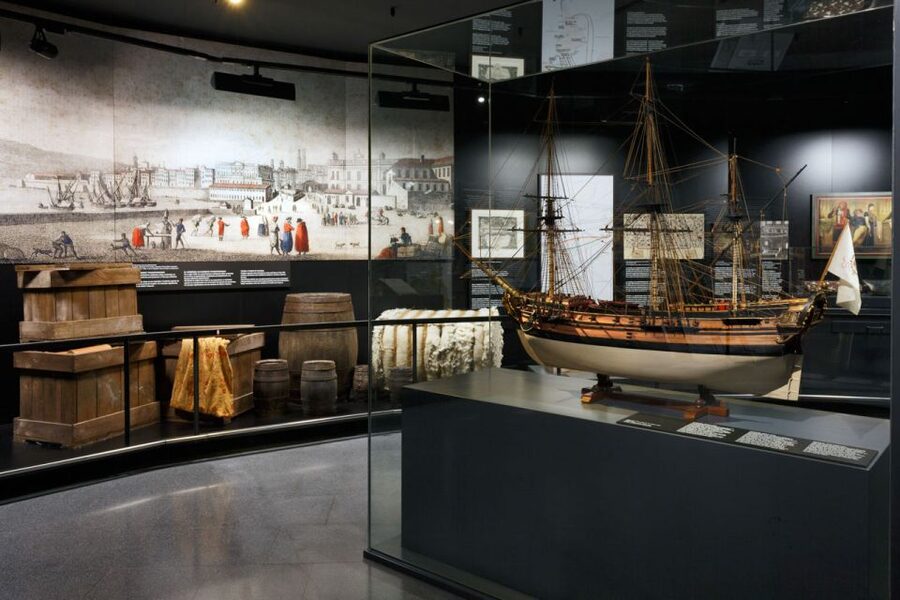
The museum is closed Monday. From Tuesday to Saturday, it opens at 10 a.m. and closes at 7 p.m., except Wednesday, when it remains open until 8 p.m. On Sundays and holidays, it closes at 2:30 p.m.
Wednesday is the most flexible day for a later visit. The extra hour can work well if you want to see the permanent exhibition first and then spend time at the temporary display. Sunday and holiday hours call for a morning start, especially if the terrace is part of your plan.
The activity listing says to check availability for starting times, even though the museum visit itself is valid for one day. I would check the selected date and entry details before setting out. Bring your passport or ID card, as identification is listed among the things to bring.
The meeting point is Plaça Pau Vila, 3, 08039 Barcelona. Use that full address when planning your route. The ticket is a skip-the-ticket-line admission, which should save you from waiting at the ticket purchase point, but it does not turn the visit into a guided tour.
Who gets the most from this museum
I would recommend this museum to anyone who wants more context for Catalonia’s strong regional identity. It is especially useful if you have already seen Barcelona’s major art and architecture sights and want to understand the political and social story behind the city.
Families can also find it approachable because the museum uses films, drawings, and interactive displays rather than text alone. Children must be accompanied by an adult, and the subject matter includes war, political repression, and discrimination, so parents should decide how much context younger children need.
The museum suits independent visitors. You can read at your own speed, spend longer with the subjects that interest you, and take a break on the terrace. It is less suitable if your ideal museum visit means a named expert leading a group and answering questions throughout.
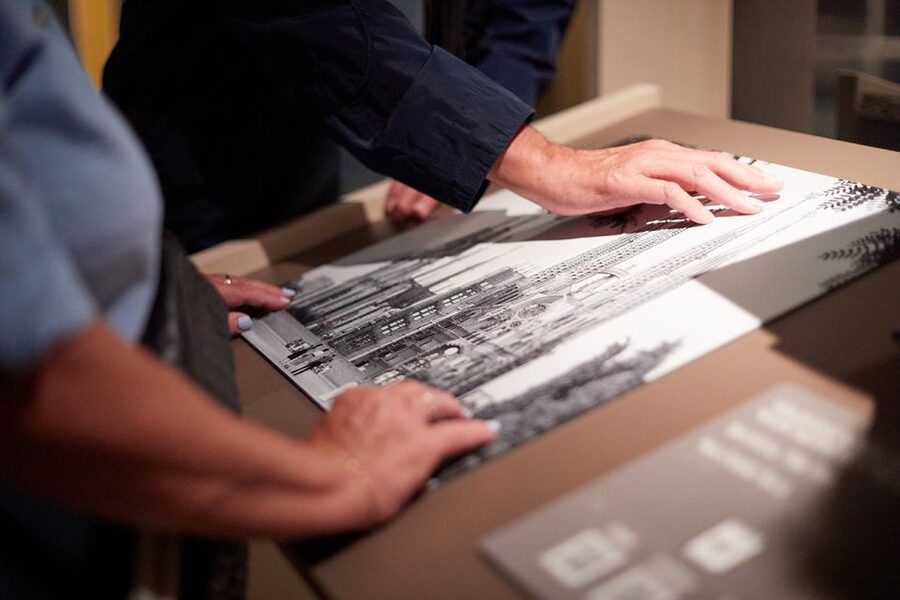
The accessible design is another practical advantage. The museum is wheelchair accessible. Oversized luggage is not allowed, so do not plan to arrive with large bags or suitcases.
Is the $9 ticket good value?
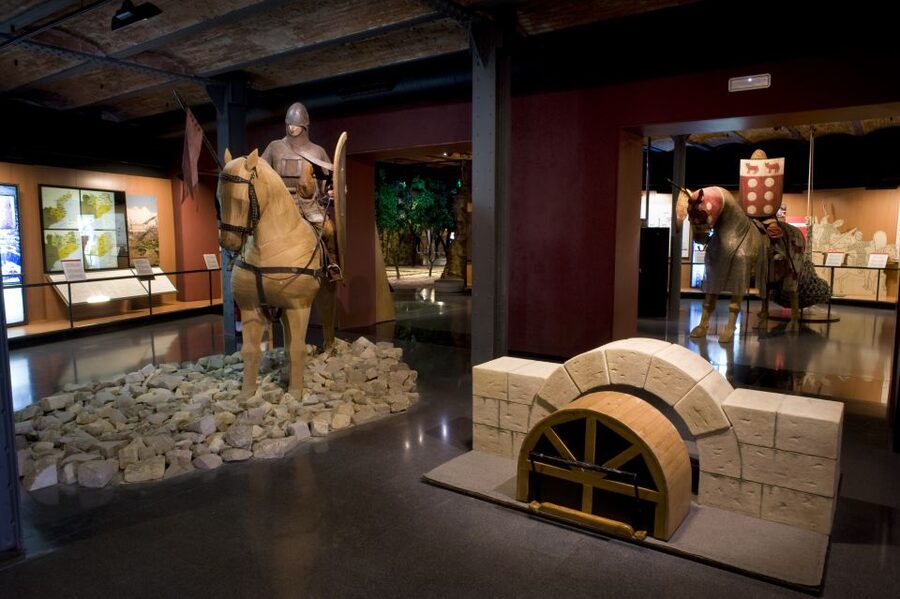
At $9, this is an easy museum to justify, particularly because admission covers the permanent exhibition, the temporary exhibition when available, brochures, and terrace access. You are paying for more than a single small display.
The value is strongest when you care about local context. If you only want a quick panoramic view, you might prefer another viewpoint in Barcelona. The terrace is a pleasant extra, but the museum is the reason to buy the ticket.
I also like the flexibility of free cancellation up to 24 hours before the visit and the option to reserve now and pay later. Those terms are useful when your Barcelona schedule is still shifting. They do not change the museum itself, but they reduce the risk of fixing your plans too early.
The overall rating is 4.5 from 110 reviews, and the strongest praise focuses on the museum’s quality and its explanation of Catalan heritage. One especially enthusiastic assessment argues that every Barcelona visitor should make the effort to see it. I would soften that slightly: it is not essential for someone with only a few hours in the city, but it is a strong choice when you want historical context.
Should you book the History Museum of Catalonia?
Book it if you want to understand Catalonia on its own terms, enjoy self-guided museums, and value a terrace with Port and Montjuïc views. The $9 admission is modest, and the combination of a broad permanent exhibition with a focused temporary display gives you a worthwhile half-day option, even though the ticket remains valid for one day.
Skip it if you want a live guide, a supplied audio tour, or a museum centered on famous art rather than politics, society, and identity. Also check the date of the temporary exhibition, opening hours, and your luggage situation before you go. For most independent visitors interested in Barcelona beyond its postcard sights, this is a practical and thoughtful addition to the itinerary.
FAQ
Where is the History Museum of Catalonia?
The museum is at Plaça Pau Vila, 3, 08039 Barcelona, in Catalonia, Spain.
How much does admission cost?
The listed price is $9 per person.
What does the ticket include?
The ticket includes the permanent and temporary exhibitions, access to the terrace for panoramic views, skip-the-ticket-line entry, and brochures.
Is an audio guide included?
No. An audio guide is not included, and a live guide is not included either.
What are the museum’s opening hours?
The museum is open Tuesday to Saturday from 10:00 a.m. to 7:00 p.m. Wednesday hours extend to 8:00 p.m. Sunday and holiday hours are 10:00 a.m. to 2:30 p.m. The museum is closed Monday.
How long is the ticket valid?
The ticket is valid for one day. Check availability for the available starting times.
What temporary exhibition is currently listed?
Through October 26, 2025, the museum lists We Are: The Homosexual Movement during Spain’s Transition to Democracy, 1976-1979.
Is the museum wheelchair accessible?
Yes. The activity is listed as wheelchair accessible.
Can children visit alone, and can I bring oversized luggage?
Children must be accompanied by an adult, and unaccompanied minors are not allowed. Oversized luggage is also not allowed.
Just added around Spain
- Visita Guiada Por El Casco Histórico De Cuenca Y Su Catedral★ 5.0 · 45 reviews
- Night Walking Tour of Medieval Cuenca★ 5.0 · 64 reviews
- Mosque of Cordoba History Tour in English Tickets included★ 5.0 · 257 reviews
- 2 Hours Tour around Cádiz: History, anecdotes and curiosities★ 5.0 · 89 reviews
- Jerez de la Frontera History and Art Walking Tour★ 4.5 · 49 reviews
- Bilbao Historical Small Group Tour★ 4.5 · 159 reviews
- The Authentic Bilbao Pintxos, Food & Wine Tour with a Local★ 5.0 · 360 reviews
- Girona, Costa Brava and Medieval Village from Barcelona★ 5.0 · 149 reviews
Spain History Tours, compared.
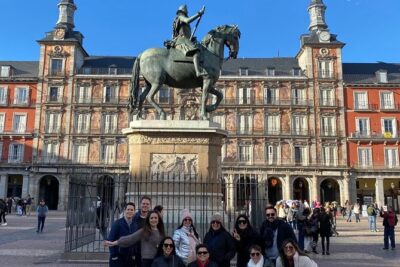
Madrid Essential: Historic Center, Plaza Mayor & Royal Palace
Read our review →
Montserrat with Black Madonna & Medieval Winery with Tapas/Lunch
Read our review →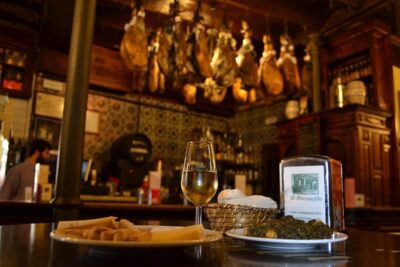
Sevilla Food Tour: Tapas, Wine, History & Traditions
Read our review →
Valencia Old Town Tour with Wine & Tapas in 11th Century Historic Monument
Read our review →
Madrid Tapas & Taverns Small Group Food & History Tour
Read our review →
Barcelona Tapas Walking Tour: Food, Wine & History
Read our review →
Ultimate Seville Tapas, Wine & History Small Group Tour
Read our review →
Córdoba: Skip-the-Line Great Mosque-Cathedral History Tour
Read our review →Browse the lists this tour appears in