
Review · USA
Los Angeles: Downtown History & Architecture Walking Tour
Los Angeles has more architectural personality than its spread-out image suggests. This 150-minute DTLA walk brings you from the Central Library and Bunker Hill to old movie palaces, Angels Flight, the Bradbury Building, and the Last Bookstore, with film history threaded through nearly every block. I like the Belgian guide’s outside-insider view, and I like that the conversation covers city planning and politics, not just dates and façades. The main drawback is pace: two and a half hours on foot, often in the sun, can feel demanding if you have mobility limits.
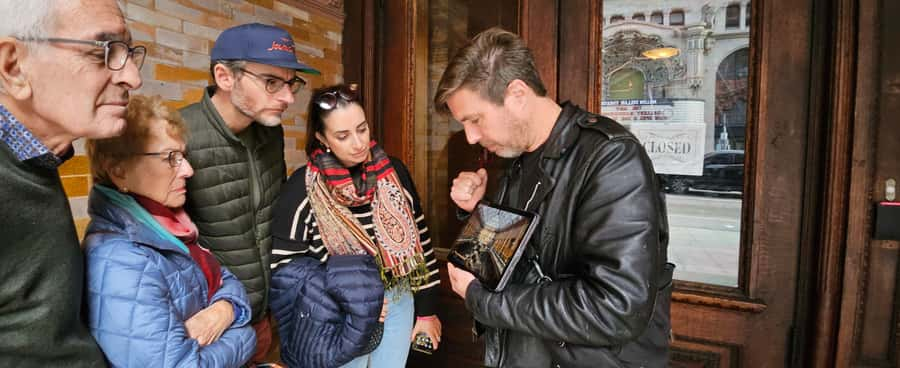
I also like the flexible, question-led format. Guide Mark, a longtime Downtown Los Angeles resident and podcast host, adjusts the discussion to your interests, which has worked well for architecture fans and even Los Angeles natives. Just note that meeting points vary by booking, and the tour is not suitable for children under six, wheelchair users, or people with mobility impairments.
Key points at a glance
- Movie palaces on Broadway: Walk through the district with the world’s highest concentration of movie theaters, where old Hollywood glamour meets present-day Downtown Los Angeles.
- A Belgian guide’s two-country viewpoint: Mark connects local events with wider ideas about city design, public space, culture, and politics.
- Bradbury Building and Last Bookstore: Allow time for photographs and the distinctive interiors of two of DTLA’s most recognizable places.
- A walk through changing Bunker Hill: See how an old residential district became part of a modern business and cultural center.
- Interactive rather than scripted: Your questions help shape the route and the level of detail.
- Good transit access: The tour begins near the 7th Street Metro station, with starting options near the Central Library or Grand Central Market Parking Garage.
Why this DTLA walk is more than a building tour
The best reason to book this experience is the way it links architecture to daily life. You are not simply told that a building is Art Deco or Beaux-Arts. You discuss why that style appeared, what it said about the city at the time, and how the building fits into Los Angeles now.
That approach gives the walk some depth without turning it into a lecture. Mark brings a European perspective to a city that often feels hard to read at first. Los Angeles can seem like a collection of separate districts, but Downtown offers a clear way to understand its older commercial center, film culture, public spaces, and current redevelopment.
I would choose this tour early in a Los Angeles visit if you want a better sense of place. It gives you names, buildings, and stories that make later visits to Broadway, Grand Central Market, or the Bradbury Building more meaningful.
The tone is conversational. You can ask about architecture, urban policy, old Hollywood, or the way Downtown is changing. That makes the experience especially useful if you prefer an exchange with your guide instead of a fixed speech.
More History Walking Tours in the USA
- History and Hauntings of Salem Guided Walking Tour
★ 5.0 · 14,564 reviews - Boston: Freedom Trail History Small Group Walking Tour
★ 5.0 · 6,450 reviews - Historic Charleston Guided Sightseeing Walking Tour
★ 5.0 · 6,216 reviews
Starting near the Central Library or Grand Central Market
You have two possible starting locations: the Los Angeles Central Library or the Grand Central Market Parking Garage. The exact meeting point depends on the option you book, so check your confirmation before setting out.
The Central Library is a practical starting area, close to the 7th Street Metro station. That makes the tour easier to reach without a car, an important advantage in Los Angeles. If you are driving, the Grand Central Market Parking Garage gives you another reference point, though parking costs and conditions are not included in the tour price.
Wear shoes you can walk in for at least two and a half hours. Add sunscreen, a hat, water, and clothing that suits the forecast. Bring a camera, since the Bradbury Building and the Last Bookstore offer some of the most photogenic settings on the route.
The itinerary includes several ten-minute walking sections between stops. This is not a bus tour with long breaks. You will move through public streets, pause for explanations, and sometimes spend more time at a building if the group has questions.
Bunker Hill, Angels Flight, and the city’s changing center
Bunker Hill gives the tour its first useful lesson in how Los Angeles changes. The area was once an affluent residential district. Today, it forms part of a much more modern Downtown, with older landmarks sharing space with newer buildings and altered public areas.
The value here is not just the view of a particular building. You begin to see how decisions about transport, redevelopment, public space, and business reshaped the center of Los Angeles. Mark uses these changes to open discussions about who cities are built for and how older neighborhoods are treated.
Angels Flight Railway adds a compact but memorable piece of local character. Its presence helps explain the steep relationship between Bunker Hill and the streets below. The stop is also a reminder that Los Angeles history is not only about grand buildings. Small transport links can reveal how people once moved through the city.
The tour includes guided sightseeing around Angels Flight, but the supplied information does not promise a ride on the railway. Treat it as a viewing and storytelling stop unless your guide confirms otherwise.
Grand Central Market and everyday Los Angeles
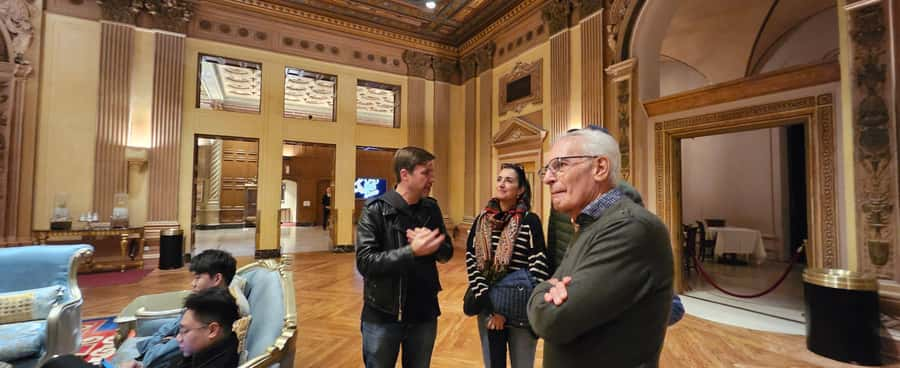
Grand Central Market brings a different mood from the formal façades and theaters. The itinerary includes about ten minutes here, with guided walking and discussion. That short stop lets you connect Downtown’s architectural story with the people who use the area today.
I would not book this tour expecting an extended food visit. The market is part of the walking route, not a dedicated tasting experience. Still, it helps break up the building-focused sections and gives you a sense of Downtown as a lived-in place rather than an outdoor museum.
This is also a convenient spot for orientation. If you return later, you will already know where the market sits in relation to Angels Flight, the Central Library, and the Broadway district. Mark’s wider discussions about city life fit naturally here, since markets and public gathering spaces say a great deal about how a neighborhood functions.
Same city, a different century:
- Charleston’s Old South Carriage Historic Horse & Carriage Tour
★ 5.0 · 10,023 reviews - Beneath The Streets Underground History Tour
★ 4.5 · 8,006 reviews - Big Island in a Day: Volcanoes Waterfalls Sightseeing and History
★ 5.0 · 6,569 reviews - Charleston Horse-Drawn Carriage Tour: Explore Historic Charleston
★ 5.0 · 3,561 reviews
Broadway’s movie palaces and old Hollywood stories
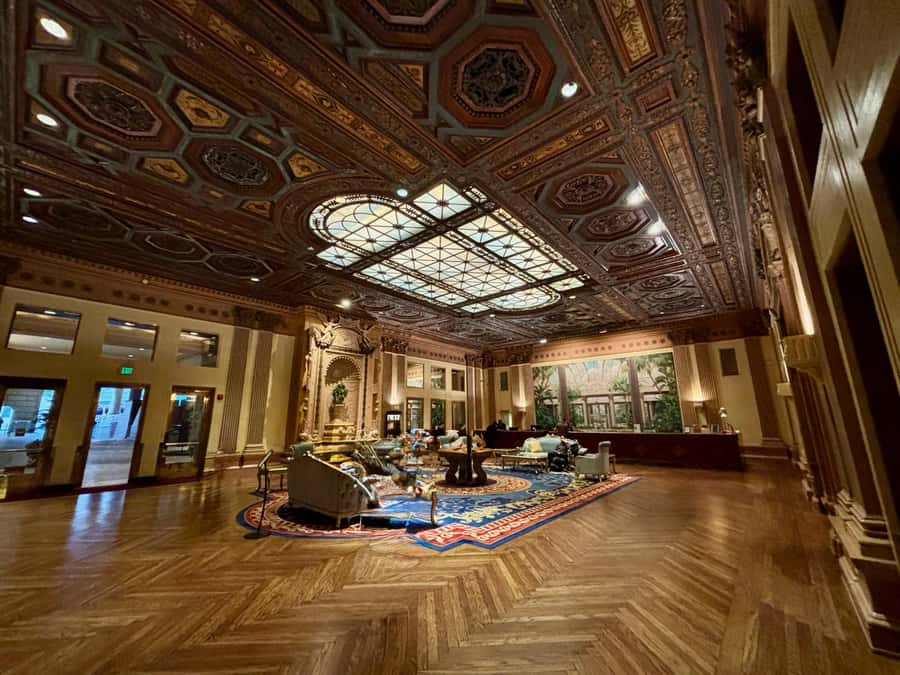
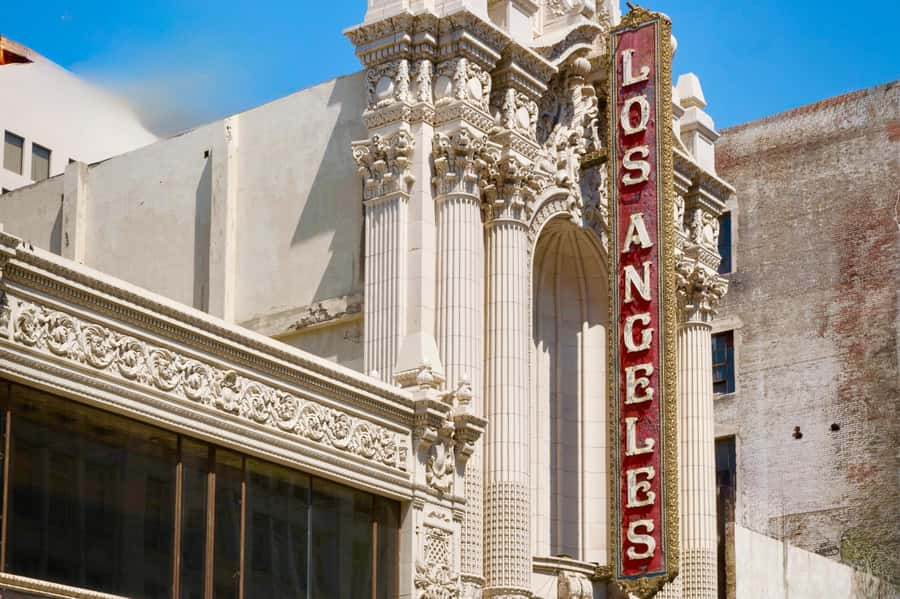
The Theater District is one of the strongest sections for anyone interested in film. Broadway contains the world’s highest concentration of movie palaces, and the tour uses these buildings to explain Los Angeles during the golden age of cinema.
Expect stories about the theaters, their façades, and the people connected with the city’s screen culture. The walk also follows the footsteps of figures such as Charlie Chaplin, John F. Kennedy, Michael Jackson, Taylor Swift, and Jisoo. These references give the route a modern pop-culture hook, but the larger point is how Downtown has repeatedly served as a stage for public life and entertainment.
The theater section is not limited to celebrity trivia. You look at the commercial role Broadway once played, including its grand storefronts and business buildings. The street’s design reflects the ambition of early twentieth-century Los Angeles, when Downtown was the city’s main commercial center.
You may also hear about the contrast between past glamour and present-day change. That balance matters. The district is not presented as a perfectly preserved movie set. Its appeal comes from seeing old architecture still surrounded by ordinary city life, new businesses, and ongoing change.
Art Deco, Beaux-Arts, and Modernist details
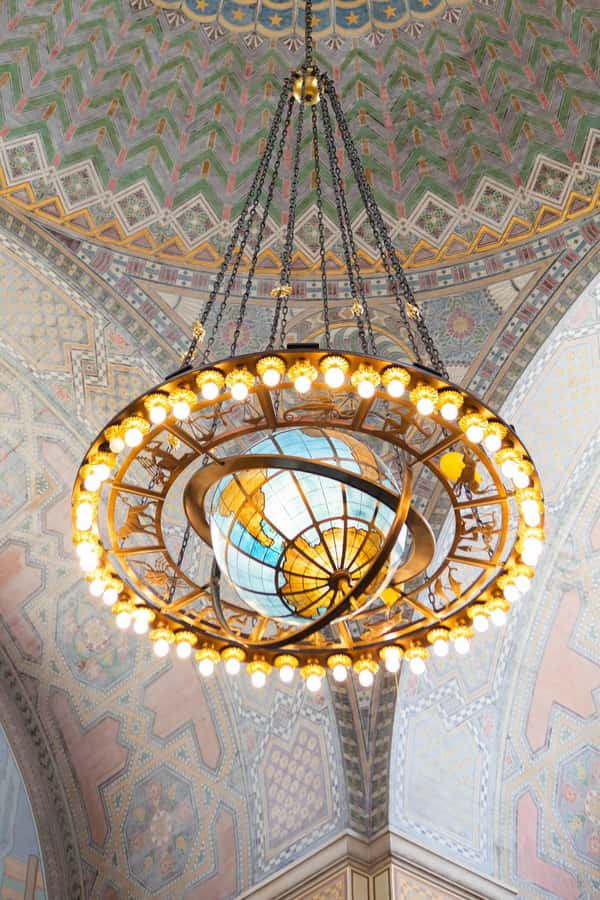
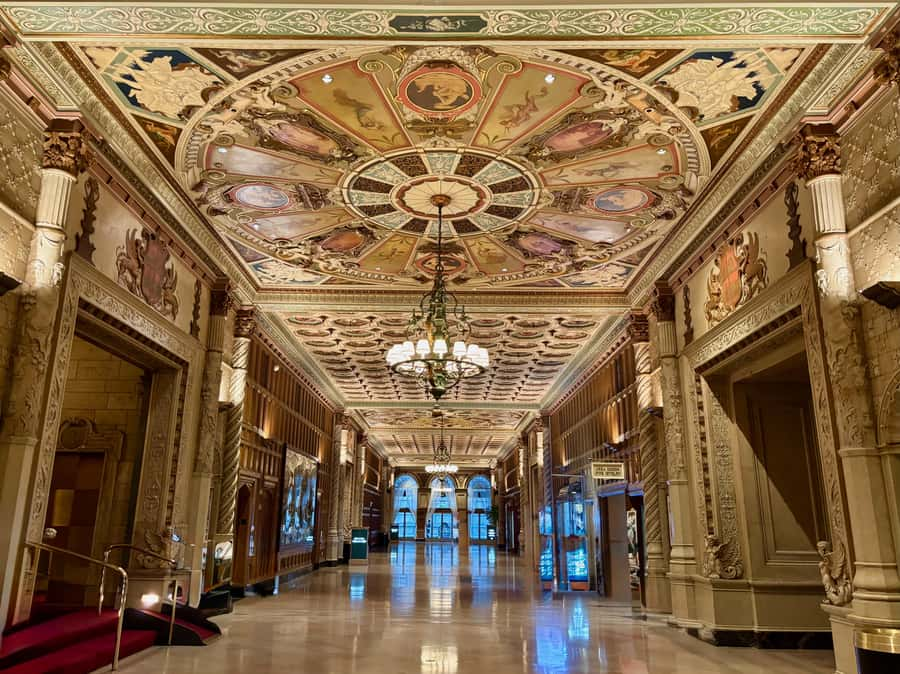
This tour suits you if you enjoy being shown how to look at a building. The guide points out Art Deco decoration, Beaux-Arts formality, and Modernist ideas across Downtown. You do not need an architecture degree. A curious eye is enough.
The Central Library helps set up the discussion. From there, the route shows how different design periods express different ideas about wealth, technology, civic pride, and commercial power. Instead of treating style names as labels to memorize, Mark connects them with the social forces behind the buildings.
That is one reason the experience has particular value for architecture students, design professionals, and anyone interested in cities. The conversation can move from columns and ornament to housing, public space, politics, and future plans for Los Angeles.
There is a practical limit. You will see many buildings from the street, but the tour does not promise entry to every landmark. Some interior access may depend on opening conditions or the specific stop. The Bradbury Building and Last Bookstore are the clearest places for a planned visit inside.
The Bradbury Building in about 20 minutes
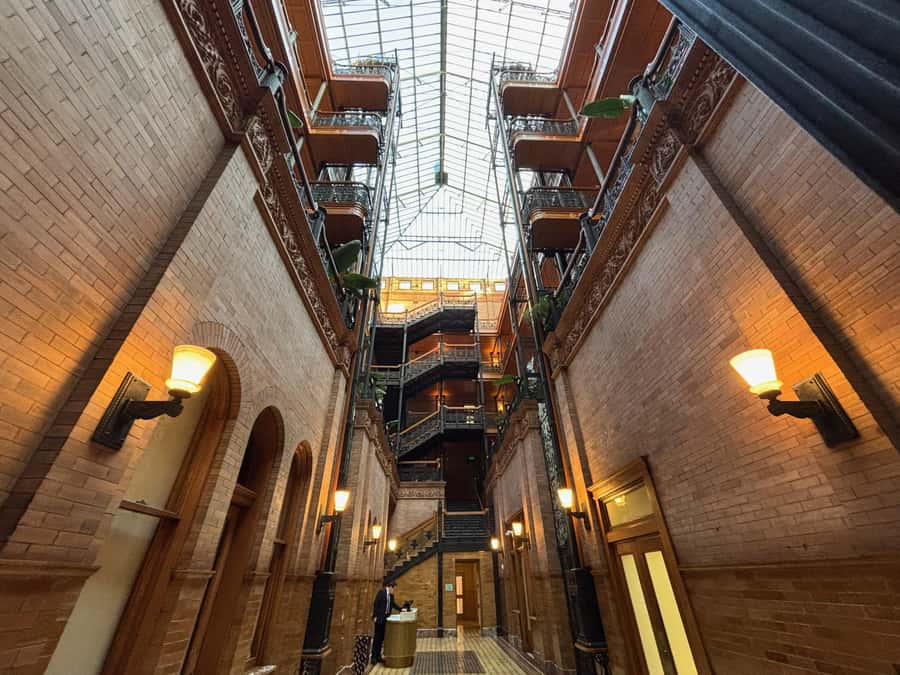
The Bradbury Building is a major stop, with roughly twenty minutes set aside for a guided visit. Its ornate interior is one of the clearest visual rewards on the route, so keep your camera ready.
The building also connects naturally with Los Angeles film history. Its distinctive appearance has made it recognizable to audiences far beyond the city, and the guide uses that connection to show how architecture becomes part of popular storytelling.
I would pay close attention to the details rather than rushing for a single photograph. Look upward, notice the ironwork and light, and listen for the explanation of how the building fits into Downtown’s larger story. The stop is short enough to keep the tour moving, but long enough to appreciate the interior.
Because this is a walking experience, you should not assume unlimited time for independent photography. If taking pictures matters to you, tell Mark early in the tour. A private group may offer more flexibility, though the exact format depends on the booking.
The Last Bookstore and Downtown’s creative side
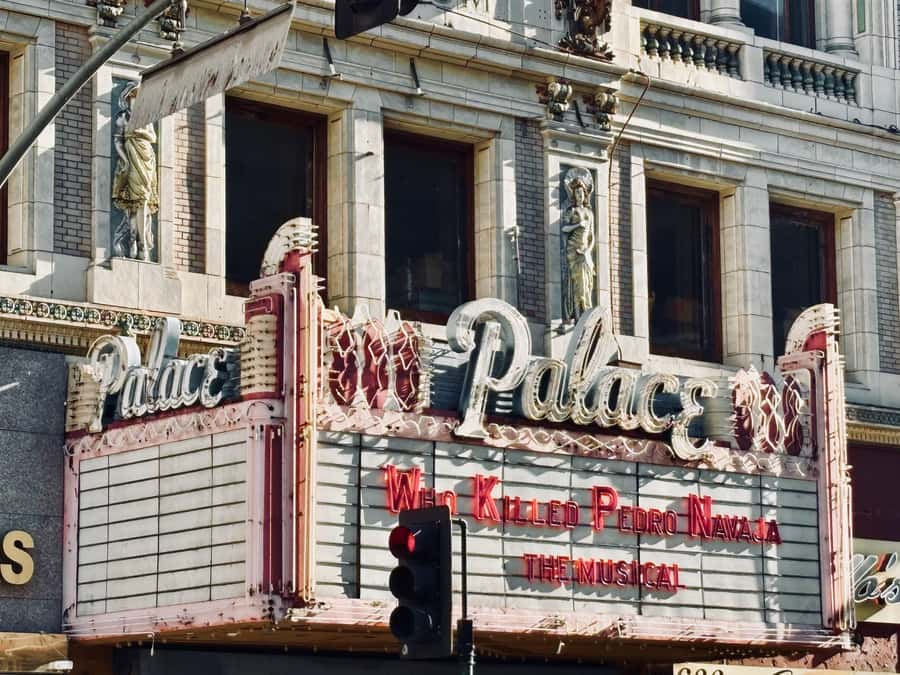
The Last Bookstore receives another roughly twenty-minute stop. Its unusual interior offers a strong contrast to the formal architecture elsewhere on the route. The visit is not just a chance to browse books. It shows how an old commercial district can support newer cultural uses.
This is one of the tour’s most enjoyable changes of pace. After theaters, offices, public buildings, and transport history, the bookstore brings the focus back to creativity and present-day city life. Its distinctive design also makes it one of the better photo stops.
The guide places the bookstore within the story of the Revitalized Historic Core, where older structures now hold contemporary shops, cultural spaces, and creative businesses. That idea is more useful than a simple before-and-after story. Downtown is not frozen in one period, and its appeal comes from the overlap of several periods at once.
The stop is still guided, so you will have limited time compared with visiting on your own. If you want to shop or browse at length, return later.
A private, question-led experience
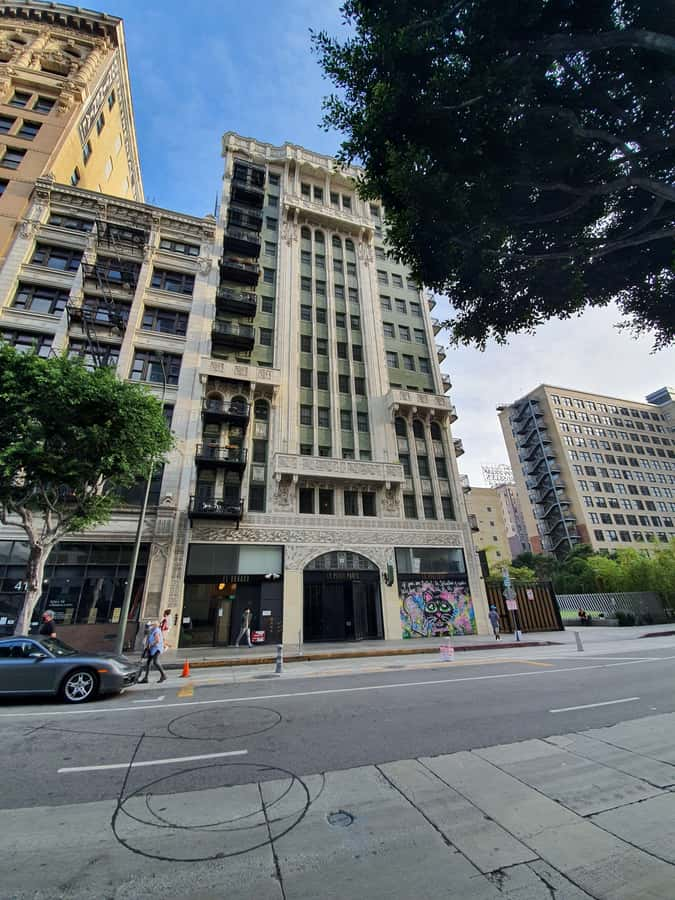
The tour is available as a private group, and the interactive format is one of its biggest strengths. Mark can tailor the discussion to your interests, as shown by the way the experience has worked for architecture specialists, Los Angeles residents, and first-time visitors alike.
If you are fascinated by building design, you can focus on form, materials, and urban planning. If you care more about movies, the route offers plenty of connections to theaters, celebrities, and filming locations. If you want a broad introduction, the guide can tie together Downtown’s commercial, cultural, and political story.
This flexibility also means the exact rhythm may vary. One group may spend longer discussing a building, while another may move faster through a section. A past participant found the tour ran longer than the advertised time. That could be welcome if you enjoy conversation, but it is worth remembering if you have a fixed dinner, show, or transport connection afterward.
The guide speaks English and French. The international angle is not a gimmick. It gives you a useful comparison between American and European approaches to buildings, public spaces, and city life.
Is $30 a good price for 150 minutes?
At $30 per person, the tour offers solid value if you want interpretation rather than a simple route between sights. You are paying for two and a half hours of guiding, historical context, architecture talk, movie connections, and local orientation.
The price is particularly fair for visitors who would otherwise pass these buildings without understanding them. It also works well for Los Angeles residents who know the streets but have never put the pieces together.
The value is lower if you want shopping time, food tastings, or a fast list of photo locations. Grand Central Market and the Last Bookstore are included as stops, but this is not a market tour or retail visit. It is a guided city walk with those places used as evidence in a bigger story.
Free cancellation up to 24 hours ahead and the option to reserve now and pay later make planning less risky. The tour lasts 150 minutes, but allow extra time if you enjoy questions or if Mark expands the walk.
Who should book this Downtown Los Angeles tour?
I would recommend it to:
- First-time visitors who want to understand DTLA beyond its famous names.
- Architecture fans who enjoy Art Deco, Beaux-Arts, Modernist, and urban design discussions.
- Movie lovers who want theaters and film history tied to real streets.
- Los Angeles residents looking for a fresh view of their own city.
- Couples or small groups who prefer conversation to a large scripted tour.
- Visitors arriving by Metro, thanks to the location near 7th Street station.
I would hesitate if you dislike extended walking, need step-free access, or want a child-focused activity. Children under six are not suitable for the tour, and wheelchair users and people with mobility impairments should choose another way to see Downtown.
Should you book it?
Book this tour if you want Downtown Los Angeles explained through its buildings, movie history, public spaces, and changing identity. The strongest features are Mark’s enthusiasm, his Belgian and local perspective, and the freedom to ask real questions instead of listening to a fixed speech.
Choose it early in your stay so you can return to the Bradbury Building, Grand Central Market, Broadway, or the Last Bookstore with better context. Skip it if your priority is food, shopping, or a short sightseeing loop. For curious walkers who want to understand why DTLA looks and feels the way it does, $30 is a sensible investment.
FAQ
How long does the Downtown Los Angeles walking tour last?
The scheduled duration is 150 minutes, or two and a half hours. The walk may run longer if the group spends extra time on discussion.
Where does the tour begin?
There are two possible starting locations: the Los Angeles Central Library and the Grand Central Market Parking Garage. The exact meeting point varies by the option booked.
Which languages are available?
The live guide is available in English and French.
Is this a private tour?
A private group option is available. Check the booking choice for the group format you want.
What should I bring?
Bring comfortable shoes, a hat, sunscreen, water, and a camera. Check the weather forecast and dress accordingly.
Is the tour suitable for children or wheelchair users?
The tour is not suitable for children under six, wheelchair users, or people with mobility impairments.
Just added around the USA
- Red Rocks Amphitheatre Historical Walking Tour★ 5.0 · 74 reviews
- 1-Hour Segway Tour of Cheyenne Cañon Art, History and Nature★ 5.0 · 36 reviews
- Colorado Springs – Guided Walking Ghost / History Tour★ 5.0 · 168 reviews
- Ancient Landscapes Private Geology Hike at Garden of the Gods★ 5.0 · 31 reviews
- Village Food Tours Lunch & History Tour★ 5.0 · 80 reviews
- 2.5 Hour Kayaking with Manatee and History Tour in Tarpon Springs★ 5.0 · 24 reviews
- Safety Harbor Ghost Tour★ 5.0 · 60 reviews
- Historical Bicycle Tour of Dunedin★ 5.0 · 44 reviews
USA History Tours, compared.
History and Hauntings of Salem Guided Walking Tour
Read our review →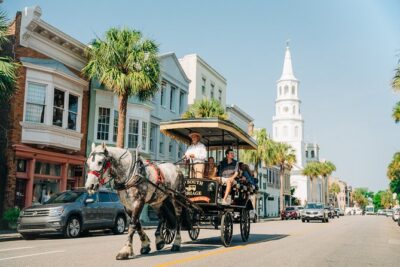
Charleston’s Old South Carriage Historic Horse & Carriage Tour
Read our review →
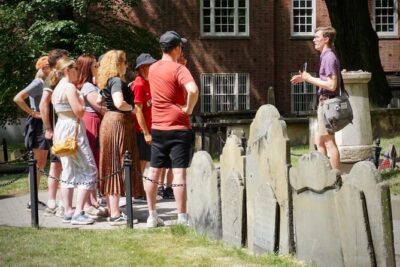
Boston: Freedom Trail History Small Group Walking Tour
Read our review →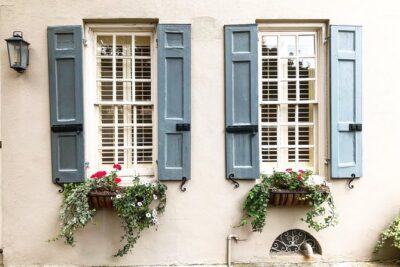
Historic Charleston Guided Sightseeing Walking Tour
Read our review →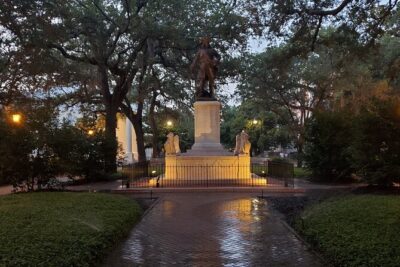
Savannah History and Haunts Candlelit Ghost Walking Tour
Read our review →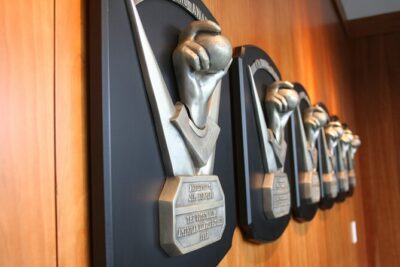
Tour of Historic Fenway Park, America’s Most Beloved Ballpark
Read our review →
Oahu: Mauka Warriors Luau Honoring Polynesia’s Forgotten History
Read our review →Browse the lists this tour appears in