Review · USA
Beneath The Streets Underground History Tour
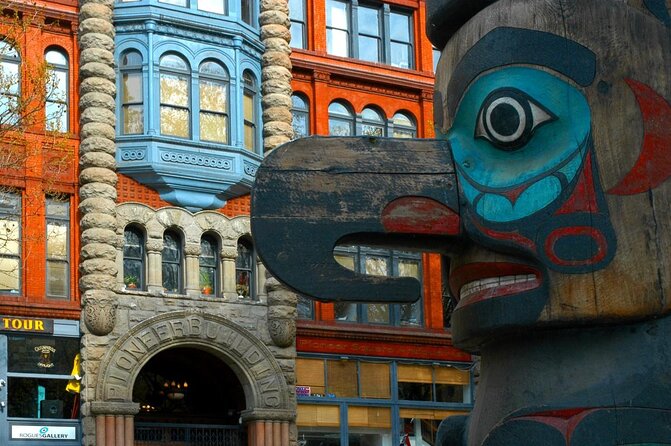
Seattle’s most intriguing streets are the ones you cannot see at first glance. Beneath The Streets takes you under Pioneer Square, where old sidewalks, storefronts, and passageways reveal how Seattle changed after the 1890s. You’ll hear about the Great Fire, the Klondike Gold Rush, Skid Row, and the Coast Salish people connected to this place.
I like the small maximum group of 20, which makes it easier to hear a guide such as David, Patti, Sarah, or Imogen. I also like the mix of history and humor. The main thing to understand is that this is not one long underground tunnel walk. The old spaces are separate, so you spend part of the hour above ground moving between them.
Key points to know before you book
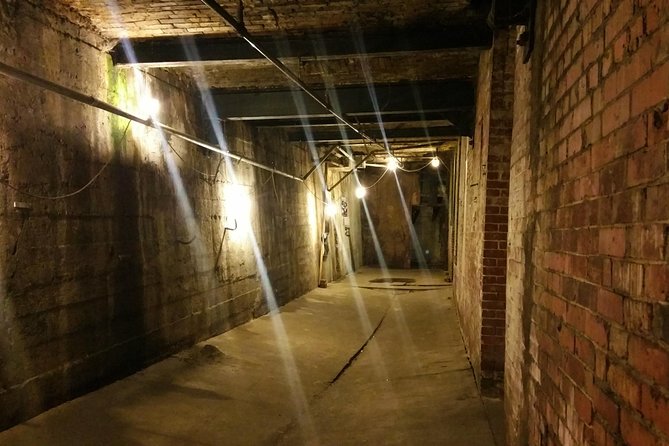
- Three historic underground passageways: See portions of the 1890s spaces beneath Pioneer Square rather than a single connected underground city.
- A story-led tour: Guides explain Seattle’s birth, the Great Fire, Skid Row, the Coast Salish peoples, and the Klondike Gold Rush.
- Only about half a mile of walking: The pace is relaxed, but you’ll climb three flights of stairs up and down.
- A compact one-hour activity: It fits neatly into a morning or afternoon, especially if you have limited time in Seattle.
- A good family option: Children, including a seven-year-old, have enjoyed the mix of stories, unusual spaces, and humor.
- Plan for changing conditions: The tour runs in rain, and the underground floors may be uneven. Wear comfortable shoes and dress for Seattle weather.
Why Seattle has streets beneath its streets
Pioneer Square is Seattle’s original neighborhood, and the underground exists because the city had to rebuild and reshape itself. The tour places you in the 1890s, when Seattle was still developing from a small settlement into a major American city.
The old underground levels are not a secret subway system. They are former sidewalks, shop fronts, and passageways left below the raised streets. That distinction matters. If you expect a long, connected maze, you may feel shortchanged. If you want to understand how the city changed physically, the spaces make much more sense.
I like that the tour connects what you see below with the modern streets above. You are not simply led into a dark room and handed a few old stories. The guide explains how the old and new levels relate, then uses Pioneer Square itself as part of the lesson.
The tour also gives attention to the Coast Salish peoples associated with the area before Seattle developed as a city. This adds needed context. Seattle’s story did not begin with 1890s buildings or the arrival of American businesses, and the guides receive ongoing instruction from historians and Native tribal members.
More History Tours in the USA:
- History and Hauntings of Salem Guided Walking Tour
★ 5.0 · 14,564 reviews - Charleston’s Old South Carriage Historic Horse & Carriage Tour
★ 5.0 · 10,023 reviews - Big Island in a Day: Volcanoes Waterfalls Sightseeing and History
★ 5.0 · 6,569 reviews
Starting at 102 Cherry Street
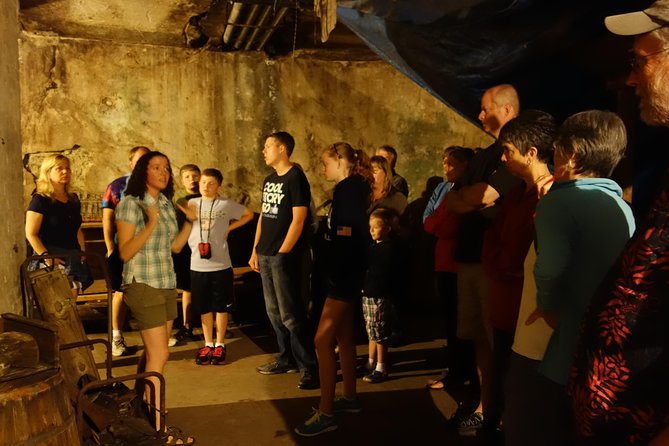
The meeting point is at 102 Cherry Street, near Pioneer Square. Arrive ready to walk, since the first part of the experience sets up the neighborhood before you go below street level.
The guide introduces the city’s early development and the architecture of the 1890s. This is where the tour begins to explain why Pioneer Square looks and feels different from newer parts of downtown Seattle. Brick buildings, old street patterns, and the district’s present-day life all become part of the story.
Guides are not locked into one rigid script. That can be a plus if you like a tour that feels conversational. Guides including David, Patti, Sarah, Imogen, Jim, and Daniel have been praised for bringing humor and personal energy to the subject. Your guide may have a different style, but the common thread is a focus on Seattle’s past and the physical remains beneath the square.
The flexible approach also means the exact emphasis can vary. One guide may spend more time on the Klondike Gold Rush, while another may explain the old buildings or the neighborhood’s social history in greater detail. If you enjoy a highly uniform presentation, this may feel less predictable. I prefer the human touch, especially on a short walking tour.
Three underground spaces, not one continuous tunnel
The central part of the tour takes you through three underground passageways spread across roughly four city blocks. They were built in the 1890s and now sit below the modern sidewalks and streets.
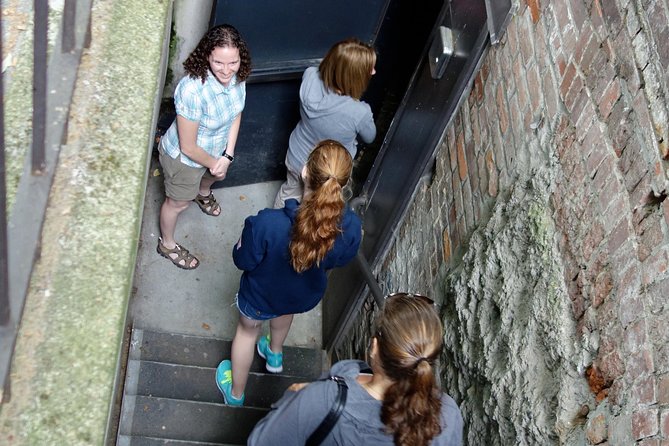
You’ll use stairs to reach the underground sections. There are three flights of stairs, with each flight traveled both up and down during the hour. The surfaces can be uneven, so sturdy, comfortable shoes are a smart choice even though the total distance is only about half a mile, or 0.8 kilometers.
The underground areas are historically interesting because they show the city at a different level, quite literally. You can compare the original street grade with the raised streets above. The experience is less about grand underground architecture and more about seeing the leftover spaces that once served ordinary businesses and pedestrians.
This is also where expectations matter most. A significant part of the tour takes place above ground as the group moves between the three separate spaces. One passage does not lead into the next, and the guide explains the connection from street level. If the idea of Seattle’s underground has captured your imagination, keep the scale in mind: you see selected historic sections, not an entire subterranean district.
The spaces are cleaner and less unpleasant than some people expect. You do not need to picture a wet, foul-smelling tunnel from another century. Still, this is an old urban site, not a polished museum gallery. Uneven flooring and stairs are part of the setting.
The Great Fire and Seattle’s second beginning
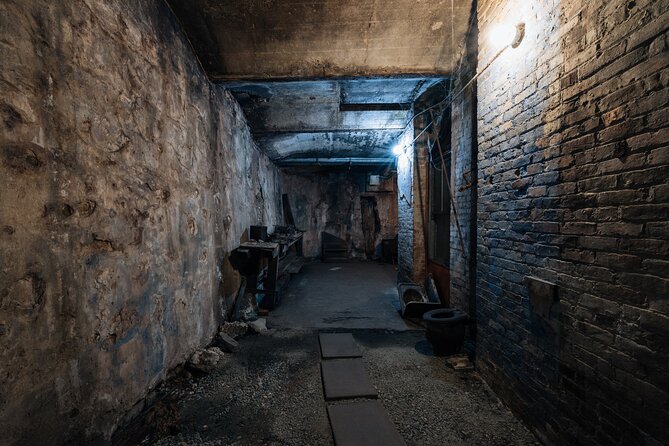
The Great Fire is one of the key turning points in the story. The tour explains how the disaster helped shape the Seattle you see today, including the changed street levels and the surviving pieces beneath them.
This part gives the underground its meaning. Without the story of rebuilding, the passageways could seem like odd leftovers. With that context, they become evidence of a city making practical, sometimes dramatic changes to its streets and buildings.
You’ll also hear about 1890s construction and the choices that affected Pioneer Square. The guide’s job is to help you picture the old city while standing in the modern one. The best moments come when an ordinary street corner suddenly makes more sense because you understand what used to be below your feet.
The tour does not require you to be a serious student of architecture. The information is presented in an accessible way, with humor and stories mixed into the facts. That balance helps keep the hour moving, especially for children and teenagers who may not normally choose an urban history program.
Same city, a different century:
- Boston: Freedom Trail History Small Group Walking Tour
★ 5.0 · 6,450 reviews - Historic Charleston Guided Sightseeing Walking Tour
★ 5.0 · 6,216 reviews - Charleston Horse-Drawn Carriage Tour: Explore Historic Charleston
★ 5.0 · 3,561 reviews - Savannah History and Haunts Candlelit Ghost Walking Tour
★ 5.0 · 3,235 reviews
Seattle and the Klondike Gold Rush
Seattle’s role in the Yukon gold rush is another major subject. The city became an important jumping-off point for people heading north toward the gold fields, and the resulting rush changed Seattle’s business life and public image.
This story helps explain why Seattle grew so quickly. The tour connects the city’s location, its port activity, and the flood of hopeful prospectors with the wider development of Pioneer Square.
If you plan to visit the Klondike Gold Rush National Historical Park nearby, use this tour as a useful companion. One guide has pointed visitors toward the free museum, including its theater presentation. The two experiences serve different purposes: Beneath The Streets puts the gold rush into the physical setting of Pioneer Square, while the museum can give you a more focused look at the journeys north.
I like this pairing because it lets you spend roughly an hour walking, then continue learning without booking another paid activity. It also gives more weight to a subject that can otherwise feel like a quick paragraph in a guidebook.
Skid Row, working streets, and the people of Seattle
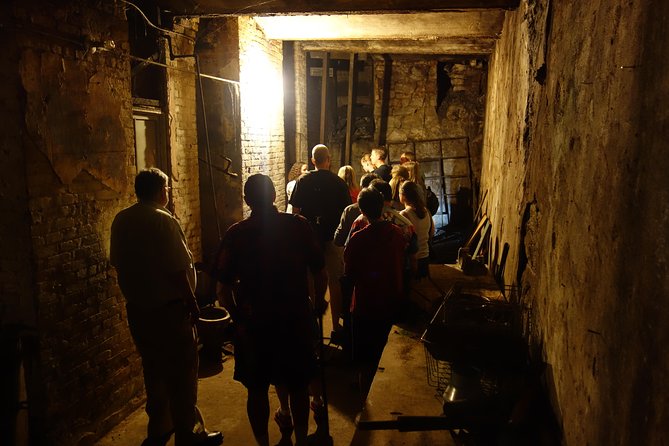
The tour also covers Skid Row, the rough urban district that once functioned as a main street in Pioneer Square. This part adds social history to the buildings and gold rush stories.
You’ll hear how the neighborhood changed over time and how its reputation developed. The discussion helps you see Pioneer Square as a working district with real people and hard conditions, not just a collection of old facades.
The treatment of Coast Salish history is important, too. The tour acknowledges the Indigenous peoples connected by language and culture who lived here before Seattle became the city described by the rest of the tour. Guides take part in workshops on cultural traditions and history, with Native tribal members and outside historians contributing to their training.
That preparation does not turn the tour into an academic seminar. It does mean the story reaches beyond settler buildings and business milestones. For me, that makes the hour more useful and more honest.
How the guides shape the experience
The guide can make a noticeable difference on this tour. The format is not heavily scripted, so your guide’s delivery matters.
David has been praised for combining humor with detailed explanations above and below the streets. Patti brings energy and a strong feel for the underground’s history. Sarah has a long background with the tour and enjoys sharing that experience. Imogen uses a theatrical style that helps turn old events into scenes you can picture.
Jim, Daniel, and other guides bring their own approach. You may get a lively storyteller, a careful history buff, or a guide who spends extra time answering questions. The tour company encourages guides to discuss Seattle history as they see fit, so expect a shared structure but not identical wording every time.
That freedom can be a strength. The best guides make the hour feel personal rather than rehearsed. It can also be a weakness if you prefer a tightly timed program with the same facts in the same order. The overall rating is high, but the occasional lack of personality shows why the guide matters.
Who will enjoy this one-hour walk
This tour suits first-time visitors who want a quick introduction to Seattle’s beginnings. It also works well for locals, since the underground spaces reveal a part of Pioneer Square that is easy to miss during an ordinary walk.
Families can make good use of it. The hour is short, the pace is relaxed, and the mix of odd old spaces and funny stories can hold a child’s attention better than a standard museum visit. Teenagers have also enjoyed it.
History fans will get the most from the links between the Great Fire, 1890s construction, the Klondike Gold Rush, Skid Row, and the Coast Salish peoples. You do not need prior knowledge, but you should enjoy listening. This is a guided interpretation, not a self-paced photo stop.
The tour is less suitable if you have trouble with stairs or uneven surfaces. There are three flights of stairs, and each is used in both directions. Most people can participate, and service animals are allowed, but anyone with mobility concerns should consider those stairs before booking.
Claustrophobic visitors may find the experience manageable because the tour moves through open historic spaces and includes time above ground. Still, the company does not promise that the underground setting will suit every person, so use your own judgment.
Is $29.03 a fair price?
At $29.03 per person, this is a reasonable price for a professional, one-hour walking tour in central Seattle. You are paying for a guide who explains the city, not just access to an old basement.
The value depends on what you want. If your priority is seeing as much underground space as possible, the price may feel high because part of the hour is spent above ground between locations. If you want a lively introduction to Pioneer Square with access to three separate historic spaces, the cost is easier to justify.
The small group limit of 20 helps. You are less likely to be lost in a large crowd, and it should be easier to hear the guide’s stories and ask questions. The tour also fits well into a day when you have other plans, since it lasts about an hour and ends near Occidental Square and the Union Trust Building at 119 South Main Street.
Book at least a little ahead if your schedule is fixed. The tour is often reserved around 12 days in advance, and the range of available times makes it easier to place into a Seattle itinerary.
Practical advice for the stairs and Seattle weather
Wear shoes that handle stairs and uneven surfaces. Comfortable walking shoes are more useful than dress shoes, even though the total distance is modest.
Dress for rain and changing conditions. The tour operates in wet weather, and you may spend time outdoors while moving between underground areas. Bring a rain layer rather than assuming the underground sections will keep you dry for the full hour.
The tour requires at least two people to operate. If only one person has booked, a full refund is provided. You can cancel for a full refund up to 24 hours before the start time. Cancellations or changes inside that window are not refunded, and weather-related cancellations offer either another date or a full refund.
Should you book Beneath The Streets?
Book it if you want a compact, story-driven introduction to Pioneer Square and enjoy seeing how Seattle’s old street level relates to the modern city. It is especially useful early in your visit, before exploring the nearby Klondike museum or walking the district on your own.
Skip it if you expect a long, continuous underground maze or want an activity with almost no stairs. The tour spends meaningful time above ground, and the historic spaces are separate.
For most visitors, the best reason to go is the combination of place and personality. A good guide can make the old sidewalks, gold rush crowds, fire, and changing neighborhood feel close at hand. At one hour and $29.03, it is a sensible choice when you want Seattle’s backstory without giving up half a day.
FAQ
Where does the tour start?
The tour starts at 102 Cherry Street in Seattle, near Pioneer Square.
Where does the tour end?
The listed end point is the Union Trust Building at 119 South Main Street. The tour also describes its finish as being at or near Occidental Square.
How long does the tour last?
The tour lasts about one hour.
How far do you walk?
You walk about four city blocks, roughly half a mile or 0.8 kilometers, at a relaxed pace.
How many underground areas will I see?
The tour visits three separate underground passageways originally constructed in the 1890s.
Are there stairs?
Yes. You use three flights of stairs during the tour, traveling up and down each flight.
Can children participate?
Yes. Most people can participate, and the tour has been enjoyed by families with children, including a seven-year-old.
What happens if I need to cancel?
You receive a full refund if you cancel at least 24 hours before the start time. Cancellations or changes made less than 24 hours before the tour are not refunded.
Just added around the USA
- Red Rocks Amphitheatre Historical Walking Tour★ 5.0 · 74 reviews
- 1-Hour Segway Tour of Cheyenne Cañon Art, History and Nature★ 5.0 · 36 reviews
- Colorado Springs – Guided Walking Ghost / History Tour★ 5.0 · 168 reviews
- Ancient Landscapes Private Geology Hike at Garden of the Gods★ 5.0 · 31 reviews
- Village Food Tours Lunch & History Tour★ 5.0 · 80 reviews
- 2.5 Hour Kayaking with Manatee and History Tour in Tarpon Springs★ 5.0 · 24 reviews
- Safety Harbor Ghost Tour★ 5.0 · 60 reviews
- Historical Bicycle Tour of Dunedin★ 5.0 · 44 reviews
USA History Tours, compared.
History and Hauntings of Salem Guided Walking Tour
Read our review →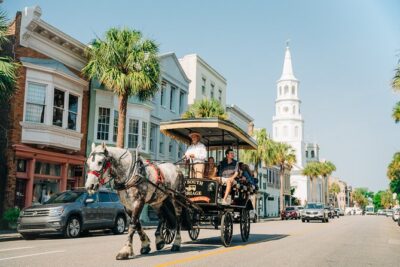
Charleston’s Old South Carriage Historic Horse & Carriage Tour
Read our review →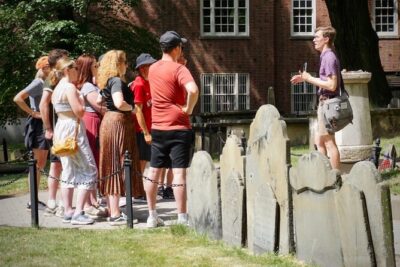
Boston: Freedom Trail History Small Group Walking Tour
Read our review →
Historic Charleston Guided Sightseeing Walking Tour
Read our review →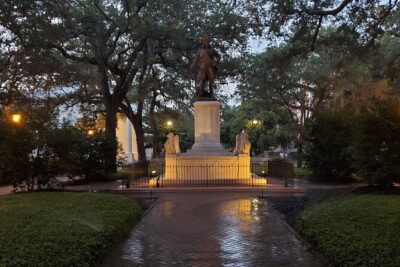
Savannah History and Haunts Candlelit Ghost Walking Tour
Read our review →
Tour of Historic Fenway Park, America’s Most Beloved Ballpark
Read our review →
Oahu: Mauka Warriors Luau Honoring Polynesia’s Forgotten History
Read our review →