
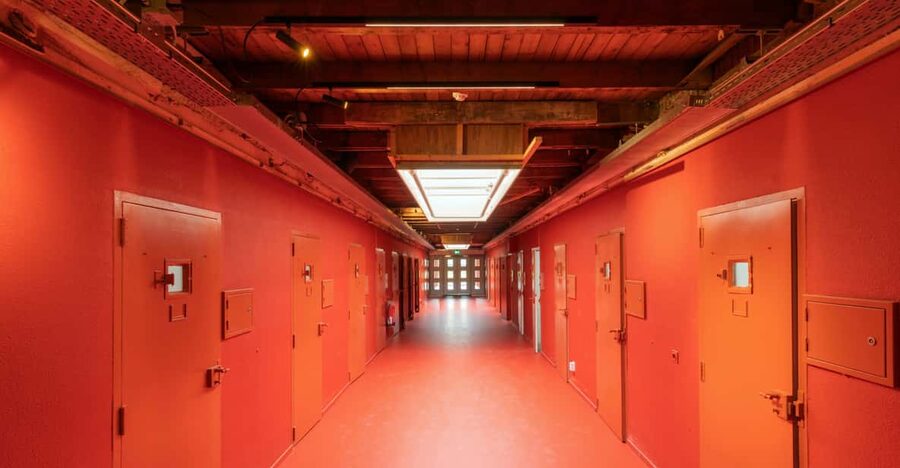
Review · NETHERLANDS
Oranjehotel World War II Prison Entrance Ticket
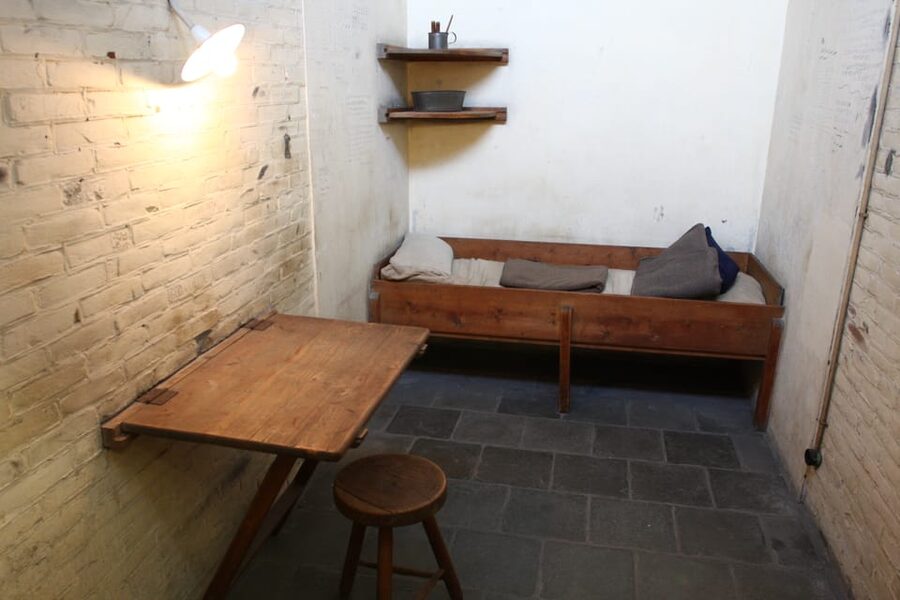
The Oranjehotel was the Nazi prison where more than 250 people met their final fate, sentenced to death and executed by firing squad. The most haunting stop is Cell 601, the preserved death cell, where the building’s history becomes painfully personal.
I like the audio guide, which pairs documents, photographs, interviews, and recorded voices with the rooms. I also like the calm, respectful layout, giving you time to stop, read, and think rather than pushing you through in a group.
The main drawback is size. There is only one unchanged cell, and some visitors find there is not a great deal to see physically. This is a serious memorial built around stories, not a large museum packed with objects.
Key points to know before you go
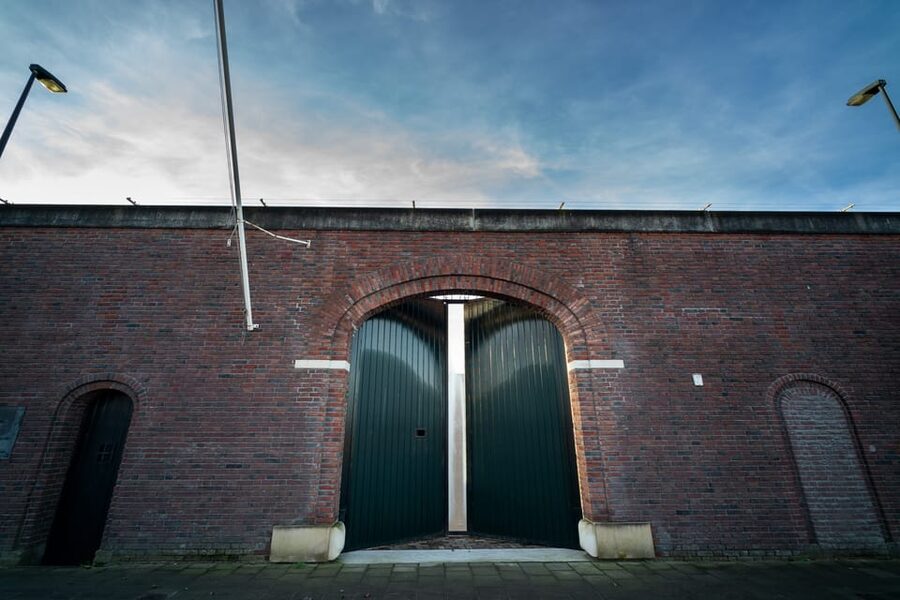
- Cell 601 is the emotional center: See the notorious death cell and consider the fate of prisoners who were executed from the prison.
- The audio guide does the storytelling: Choose English, Dutch, German, or French, then follow the numbered route at your own pace.
- The exhibits focus on people: Letters, photographs, documents, interviews, and audio fragments show the effects of prison on detainees and their families.
- The story goes beyond the prison walls: You learn about the Nazi occupation, the growth of resistance, prisoner transfers, and life after the war.
- It suits older children and teenagers: Families with children from about 8 to 19 have found material that encouraged serious questions and discussion.
- The ticket costs $15: That is fair if you value carefully presented history and personal testimony, but less so if you expect a large collection or a long day out.
Entering The Hague’s Oranjehotel
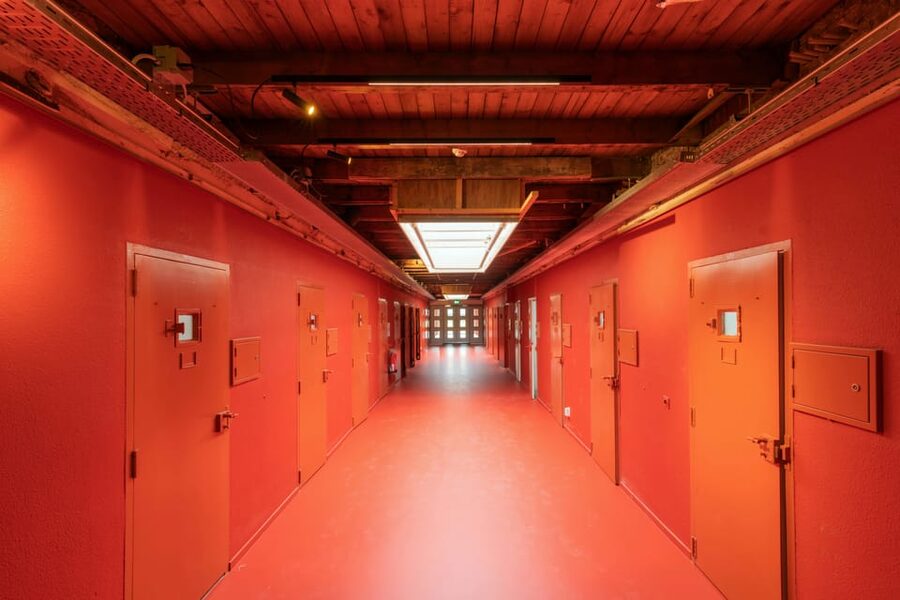
The Nationaal Monument Oranjehotel is at Van Alkemadelaan 1258 in The Hague, in South Holland. This was not a camp built somewhere far from ordinary life. It was a prison used during the German occupation of the Netherlands, holding people caught up in resistance, political conflict, and the machinery of Nazi rule.
That setting gives the visit its force. You are not simply reading a general account of World War II. You are following what happened inside one specific prison, to identifiable men, women, and children. The exhibition also explains how imprisonment affected families outside the walls and what happened after liberation.
At the entrance, staff provide the information you need to begin. There is no conventional guided tour with a person leading a group. Instead, you receive an audio guide and move through the museum by following numbered points.
I prefer this arrangement for a memorial like this. You can pause when a letter or photograph needs more time, and you do not have to hurry because a group is moving ahead. The trade-off is that you need to pay attention to the route and manage your own pace.
More WWII and D-Day Tours in the Netherlands
- Amsterdam: Life of Anne Frank and World War II Walking Tour
★ 4.8 · 10,467 reviews - Amsterdam: Dutch WWII Resistance Museum Entry Ticket
★ 4.7 · 951 reviews - Amsterdam: National Holocaust Museum Entry Ticket
★ 4.7 · 413 reviews
A self-guided route through occupation and resistance
The visit begins with the history of the building and the way it became part of the German prison system during World War II. From there, the presentation explains the occupation of the Netherlands and the rise of resistance.
The focus is not only on major military events. You are shown how occupation disrupted ordinary lives, how suspicion and fear shaped daily decisions, and how resistance brought people into danger. That local focus makes the subject easier to grasp than a broad timeline of the entire war.
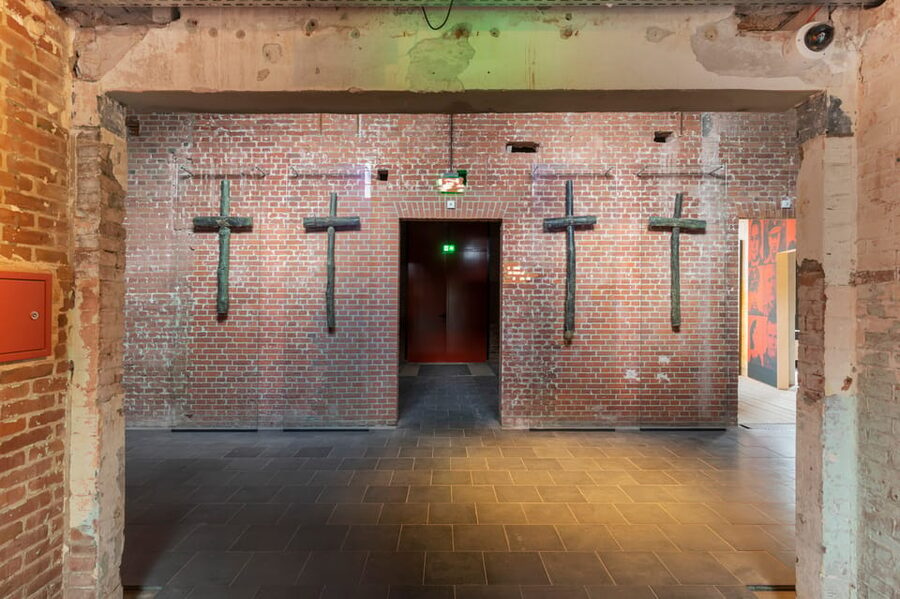
The audio guide adds voices and personal detail. Alongside written material, you hear interviews and audio fragments, while photographs and official documents help place each story in context. The combination keeps the visit from becoming a silent walk past labels.
You should allow yourself time with the written information. The experience is available in English, Dutch, German, and French, but some visitors may still want to read more slowly than the audio track allows. The museum works best when you use the recording as a guide, then stop to study the displays that catch your attention.
Cell 601 and the reality of a death sentence
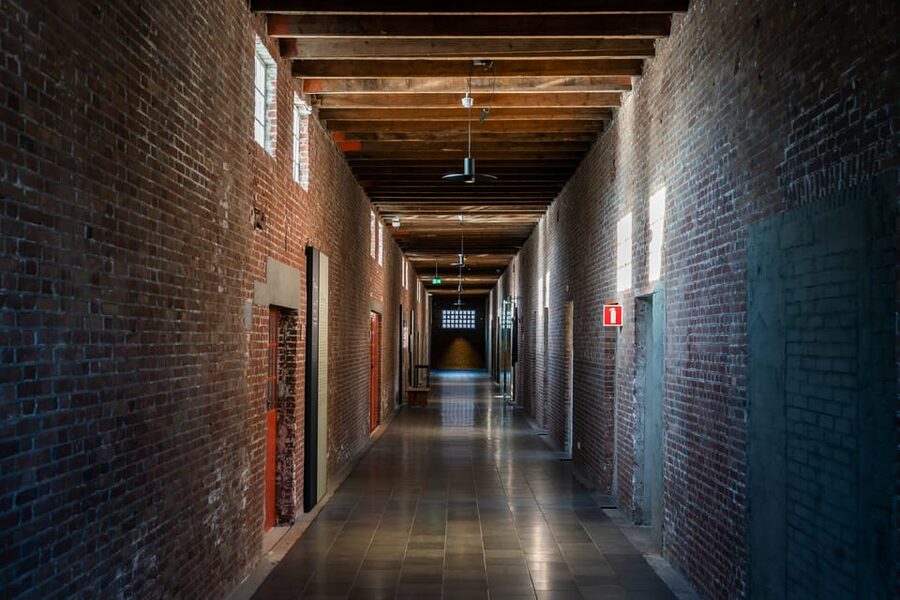
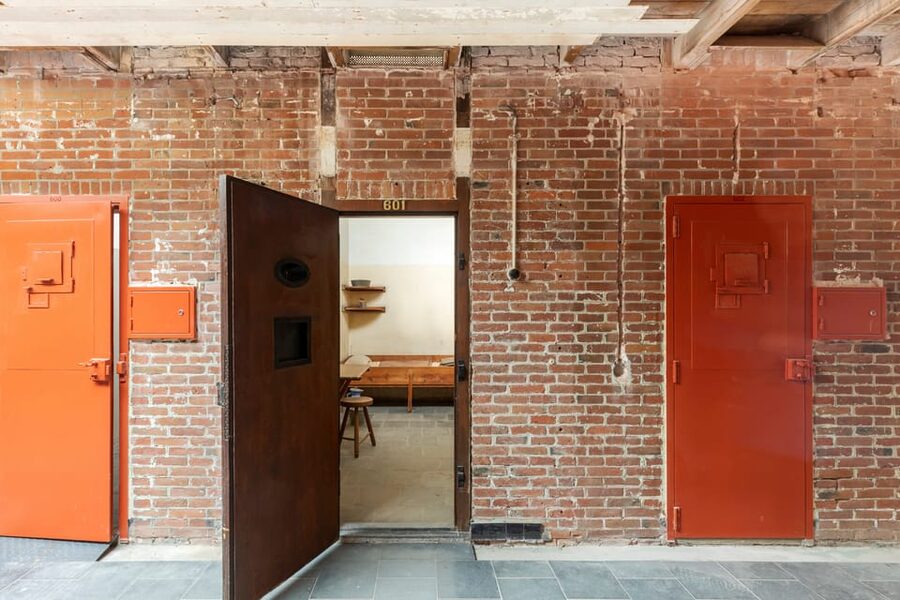
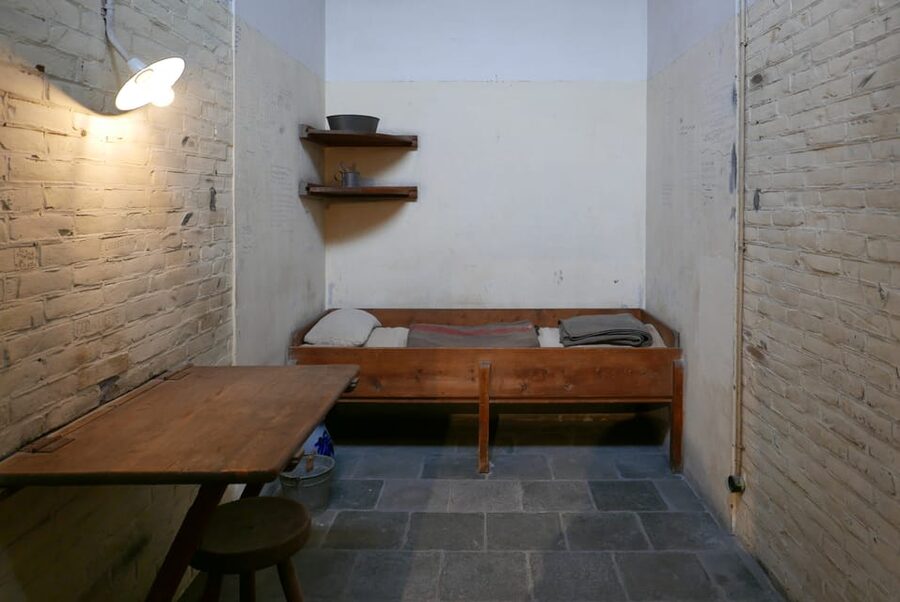
Cell 601 is the place most people come to see, and it deserves a quiet pause. This was the notorious death cell, used for prisoners sentenced to execution. More than 250 people held at the Oranjehotel were ultimately killed by firing squad.
The room itself is not large or theatrical. That is part of its power. You are facing a physical space tied to fear, waiting, and the final hours of prisoners. The museum does not need dramatic effects to make the point.
One useful detail is the contrast between what you see and what you hear. The cell is a fixed, concrete reminder of imprisonment, while the audio guide restores individual lives to the story. Instead of treating the victims as a number, the material points you toward their names, circumstances, and relationships.
This is also where the visit can feel emotionally heavy. The subjects include hunger, uncertainty, injustice, executions, and family separation. If you are visiting with children, prepare them in simple terms before entering. Older children and teenagers can engage with the material, but this is not a light family attraction.
Prisoners’ stories told through documents and voices
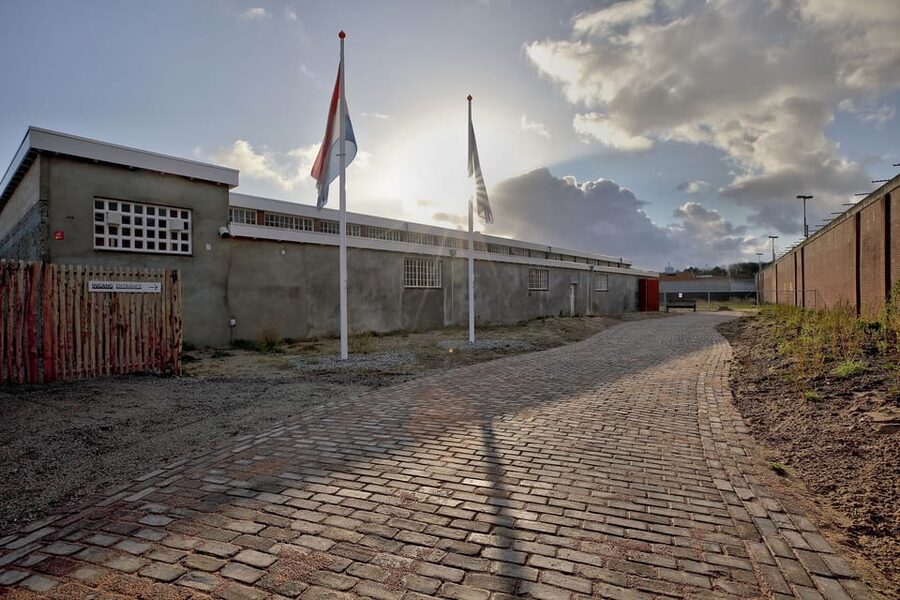
The exhibition’s strongest feature is its attention to personal testimony. You encounter photographs, letters, official papers, interviews, and recorded fragments that show what imprisonment meant beyond locked doors.
The stories cover fear and insecurity, but they also include hope, solidarity, and faith in freedom. That balance matters. A museum about Nazi imprisonment can easily become a catalogue of cruelty. Here, the human response to cruelty receives equal attention.
Letters are especially important because they connect the prison to people outside it. A detainee was not isolated from the world in an emotional sense. Families waited, worried, searched for information, and dealt with consequences that could continue long after the war ended.
The exhibition also makes room for the aftermath. You learn that liberation did not instantly repair every life affected by imprisonment, betrayal, loss, or trauma. That wider view gives the visit more meaning than a simple account of who was detained and when.
I found this personal scale more useful than a display built around military hardware. You will not come away with a long list of weapons or battle dates. You will come away with a better sense of how occupation entered homes, families, and private choices.
Same city, a different century:
- Amsterdam Food and Cultural Tour with Tastings
★ 5.0 · 4,315 reviews - Rotterdam: Kinderdijk UNESCO World Heritage Entry Ticket
★ 4.6 · 1,477 reviews - The Hague: Hop-on Hop-off Heritage Tram Tour
★ 4.5 · 1,311 reviews - Rotterdam: Harbor Cruise on a Historic Ship
★ 4.2 · 812 reviews
From the Oranjehotel to the wider Nazi prison system
The prison was part of a larger system. The material includes information about prisoners who were later sent to Sachsenhausen, allowing you to understand how detention in the Netherlands could lead to deportation and further imprisonment.
If you have already visited Sachsenhausen, this section may help connect the two places. One location shows a concentration camp system on a much larger scale, while the Oranjehotel explains an earlier stage in the experience of some Dutch prisoners.
You do not need prior knowledge of World War II to follow the exhibition. The background about occupation, resistance, and prison life is explained as you go. Still, the experience becomes more powerful if you take time to read the links between local events and the wider Nazi system.
This is also a good place to remember that the Oranjehotel was not a normal jail visit. It was a site of political imprisonment under occupation, and for some detainees, the route ended in execution. The museum presents that reality directly without turning the visit into spectacle.
Why the audio guide matters
The audio guide is included in the $15 ticket, and it is central to the experience rather than a minor extra. You listen to the stories in English, Dutch, German, or French while moving through the numbered exhibits.
I like this format because the subject requires context. A photograph of a prisoner or a document from the occupation can be interesting, but the accompanying explanation shows why it matters and how it fits into the story.
The recorded voices and interview material also change the mood of the rooms. The building can feel quiet and spare, but the audio brings in testimony, memory, and human presence. Use headphones or the supplied device carefully, since missing part of a recording may mean missing the meaning of a display.
There is no named personal guide included, and no live guide is promised. That means the experience depends on your willingness to listen and read. If you want to ask questions as you go, the friendly staff can help you get started, but the main interpretation comes through the audio guide and exhibits.
How much time should you allow?
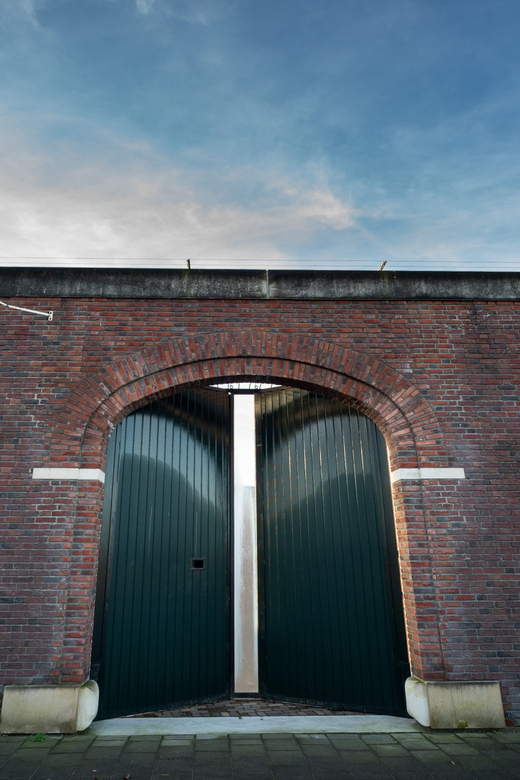
The ticket is valid for one day, but the information provided does not set a fixed visit length. You can move through at your own pace, so the right amount of time depends on how closely you listen and read.
A quick visit will give you the basic story and Cell 601. A slower visit is better if you want to hear the full audio material, examine the documents, and think about the family stories and postwar consequences.
Do not plan this as a rushed stop between unrelated attractions. The subject needs quiet attention. Families have found that children as young as eight can engage with the displays, but younger visitors may need help with difficult terms and events.
The museum is wheelchair accessible. Food and drinks are not included, so plan those separately. Some families have followed the visit with tea and cake, then continued by bicycle into The Hague, making it possible to balance a serious morning or afternoon with a less demanding part of the city.
Is $15 good value?
At $15 per person, the ticket is reasonably priced for a focused memorial museum with an audio guide in four languages. You are paying for access to a carefully presented historical site, personal testimony, and supporting photographs and documents, not just entry into an old building.
The value depends on what you want from a museum. If you judge a ticket by the number of rooms, original objects, or preserved cells, you may find the visit limited. Only one cell remains unchanged, and there is not a large collection to explore.
If you value context and personal stories, the price makes more sense. The audio guide helps you understand the building, the prisoners, the resistance, and the effects on families. It also saves you from relying only on brief wall labels.
The ticket includes free cancellation up to 24 hours before the visit and a reserve-now, pay-later option. Those terms are useful if your Hague plans may change, though they do not alter the character of the experience itself.
Who should visit the Oranjehotel?
I recommend this for anyone interested in Dutch history, World War II, resistance movements, or memorial museums. It is especially useful if you want to understand how the occupation affected people in the Netherlands rather than only studying the war through major battles.
It also works for families with mature children. The material has encouraged children around eight, ten, twelve, and older teenagers to ask questions and continue talking about the war afterward. You know your own family best, but the emotional content should be explained honestly.
This may not suit you if you want entertainment, a lively group tour, or a large museum with many preserved rooms. It is quiet, serious, and built around listening. You should expect to leave thoughtful rather than cheerful.
Staff friendliness is another small but important strength. A welcoming introduction helps when the subject is difficult, and you are given the information needed to begin without confusion.
Should you book this experience?
Book the Oranjehotel if you want a personal, carefully paced account of Nazi occupation in the Netherlands. Cell 601, the prisoner stories, and the audio testimonies give the visit a clear emotional center, while the information about resistance and family consequences adds needed context.
Skip it if you have only a few minutes or are looking for a large collection of wartime objects. The museum is compact, and one unchanged cell cannot carry the whole visit on its own.
For most visitors with time in The Hague, I think the $15 ticket is worthwhile. Go slowly, listen to the full audio guide, and leave space afterward to process what you have seen. This is not a place to claim you had a lovely time. It is a place to remember what happened, and why freedom must never be treated casually.
FAQ
Where is the Oranjehotel located?
The Nationaal Monument Oranjehotel is at Van Alkemadelaan 1258, 2597 BP Den Haag, Netherlands.
What does the ticket include?
The ticket includes admission to the Oranjehotel and an audio guide.
Is Cell 601 included in the visit?
Yes. The visit includes access to Cell 601, the notorious death cell.
Which languages are available for the audio guide?
The audio guide is available in English, Dutch, German, and French.
Is the Oranjehotel wheelchair accessible?
Yes, the experience is wheelchair accessible.
Can I cancel my booking?
You can cancel up to 24 hours in advance for a full refund. A reserve-now, pay-later option is also available.
Just added around the Netherlands
- Amsterdam Walking Tour: Urban Legends & History with local guide★ 5.0 · 39 reviews
- Amsterdam: Luxury Canal Cruise with Historic VR Experience★ 5.0 · 305 reviews
- Amsterdam: Anne Frank and World War II Walking Tour (TOP RATED)★ 4.5 · 72 reviews
- Small Group Tour to Nazi WWII concentration camp from Amsterdam★ 5.0 · 112 reviews
- Amsterdam 3 hrs Bike Tour – live guide En/Fr/De/Nl/Sp★ 4.5 · 138 reviews
- Amsterdam Haunted History and Ghost Walking Tour★ 5.0 · 47 reviews
- Guided Walking Tour Amsterdam – Legends, History & Ghost Stories★ 5.0 · 28 reviews
- LGBTQI+ History Tour of Amsterdam★ 5.0 · 123 reviews
Netherlands History Tours, compared.

Amsterdam: Life of Anne Frank and World War II Walking Tour
Read our review →
Rotterdam: Kinderdijk UNESCO World Heritage Entry Ticket
Read our review →
Amsterdam: Dutch WWII Resistance Museum Entry Ticket
Read our review →

Amsterdam: Haunted History and Ghost Walking Tour
Read our review →
Amsterdam High-End Dutch Food & History Tour – Up to 8 guests
Read our review →Browse the lists this tour appears in