
Review · NETHERLANDS
Rotterdam: Kinderdijk UNESCO World Heritage Entry Ticket
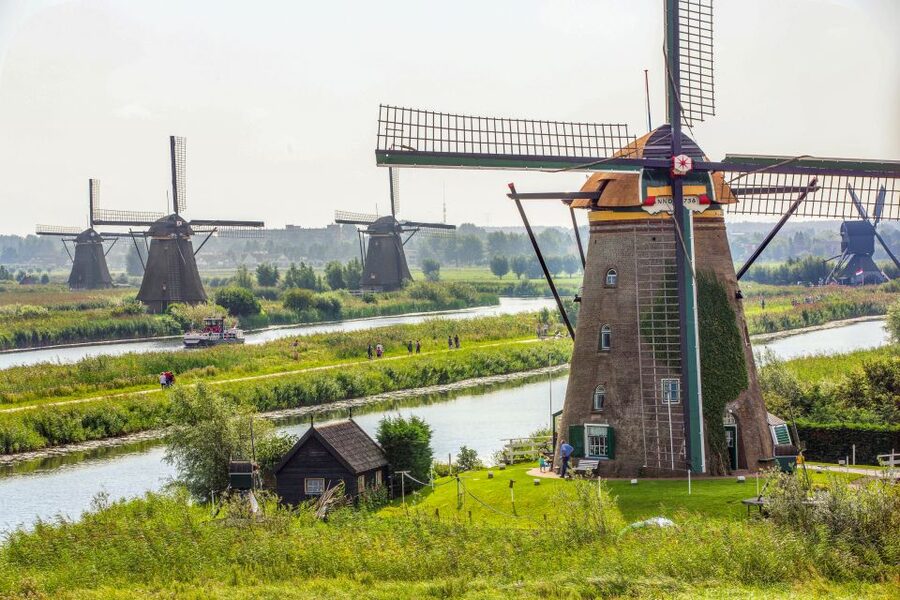
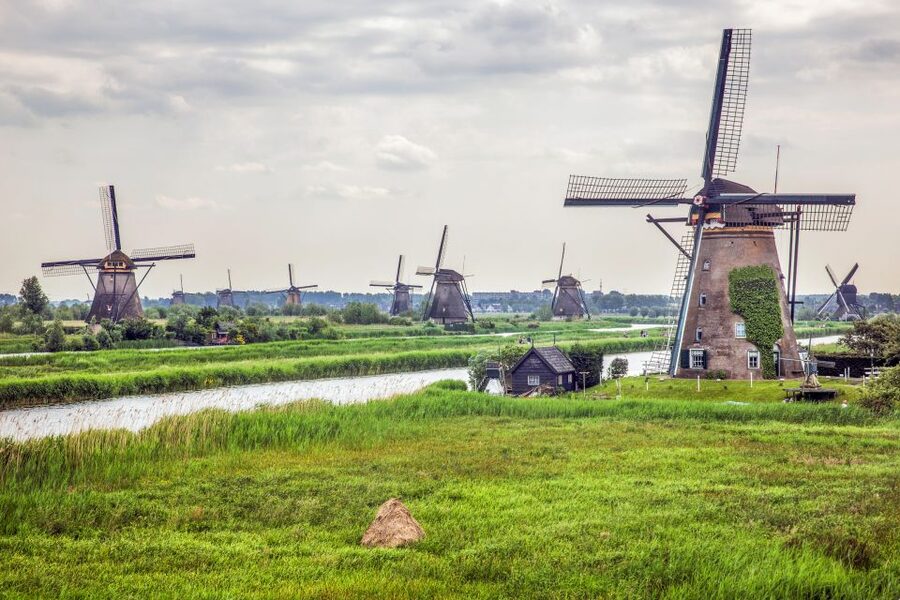
Kinderdijk is where Dutch water engineering becomes easy to see. Nineteen windmills line the polders, their sails turning above canals and low dikes. The $25 ticket lets you go inside two working museum mills, visit a pumping station engine room, watch an informative film, and take the included boat through the World Heritage Site. This is a self-guided visit, not a group tour with a guide leading you from stop to stop.
I like the freedom to set your own pace, and I like that the ticket adds real context to the pretty views. Seeing how millers lived and worked makes the windmills more than photo props. The main drawback is simple: you need to arrange your own transport from Rotterdam, and the site involves plenty of walking with limited shade. The boats can also stop running in bad weather, so do not make the cruise the only reason you come.
Key points before you go
- Nineteen windmills in one historic water system: Kinderdijk shows how Dutch communities pumped water from polders and kept land usable.
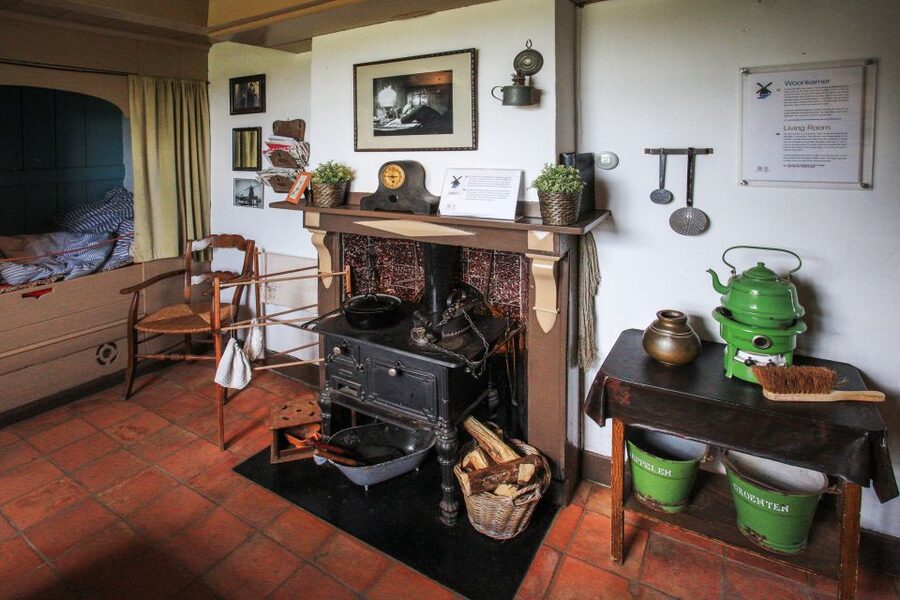
- Two museum mills you can enter: Blokweer and Nederwaard offer a close look at millers’ homes, machinery, and daily work.
- Boat access is included: Use the boat to glide along the canals and save some walking between the main sights.
- A pumping station adds the modern chapter: The engine room explains how mechanical pumping joined the older windmill system.
- The visit is flexible and self-paced: Allow two to three hours for a brisk visit, or half a day to a full day if you walk, cycle, picnic, and take your time.
- The ticket is about access and understanding: Much of the outdoor route can be seen without paying, but the ticket covers the interiors, boat, film, exhibition, and pumping station.
Why Kinderdijk is more than a row of windmills
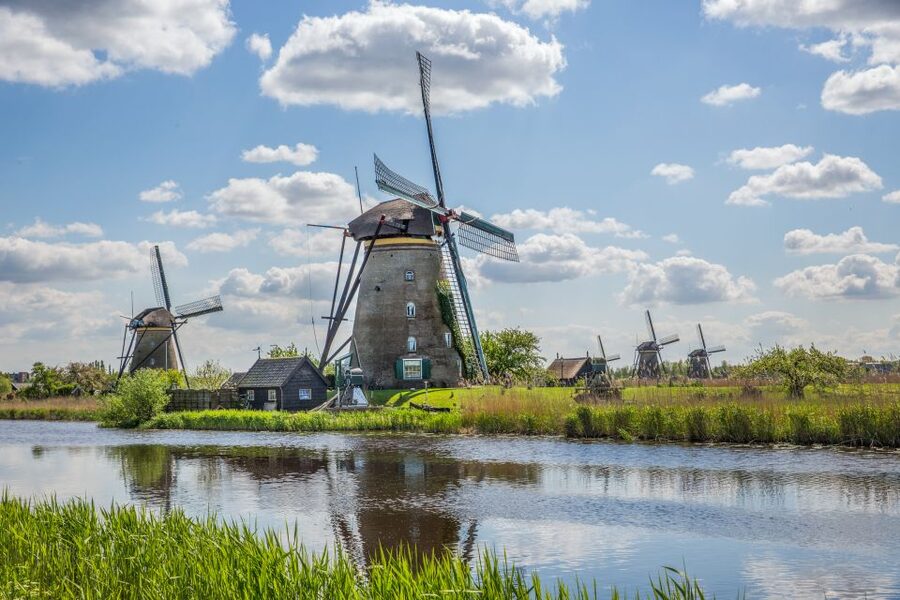
The familiar picture of Kinderdijk is accurate, but incomplete. You do not come only to count windmills or take the same photograph from several angles. You come to see a working answer to a basic Dutch problem: how do you keep water out of land that sits below or near water level?
The windmills form part of a wider system of canals, dikes, sluices, and pumping stations. The polders are not a decorative backdrop. They are the reason the village exists in this form. As you walk, you can see the water channels beside the paths and understand why moving water was once a constant job rather than a one-time engineering project.
That is why I think the museum interiors matter. From a distance, the mills can look alike. Inside, you see machinery, tight domestic spaces, and the practical life of the people who kept the system moving. The visit becomes a lesson in work, weather, land, and survival, not just a scenic outing.
Kinderdijk was recognized as a UNESCO World Heritage Site because of this complete water-management setting. The value lies in the relationship between the windmills, the waterways, the buildings, and the low-lying farmland around them.
More UNESCO World Heritage Tours in the Netherlands:
- World Heritage Shirakawa-go and Experience Tours from Kanazawa
★ 5.0 · 4,049 reviews - From Tirana: Berat UNESCO Heritage & Belshi Lake Tour
★ 4.9 · 3,863 reviews - Bali: Tanah Lot UNESCO World Heritage Sites Full-Day Tour
★ 4.7 · 1,947 reviews
What your $25 ticket includes
The ticket costs $25 per person and is valid for one day. For a site of this size, that is a fair price if you plan to use the paid facilities. It includes entry to the Blokweer Museum Mill, the Nederwaard Museum Mill, the pumping station engine room, the film and exhibition, the online audio guide, and the tour boat.
That list matters because the outdoor approach is only part of the experience. You can enjoy much of the main path without buying the full ticket, but the paid areas explain what you are looking at. If you only want a quick photograph of windmills, the ticket may feel unnecessary. If you want to go inside the mills and understand the water system, it earns its keep.
The boat also adds value. You can walk between the sights, but the route is longer than it first appears, and a boat gives you a different view of the mills. The water-level perspective makes the narrow waterways and line of sails feel more connected.
The ticket is not a guided tour in the usual sense. You choose your order, spend as long as you like at each stop, and use the online guide on your own phone. A short film, reported by visitors as around nine minutes, is an efficient introduction before you start walking.
Begin with the film and exhibition
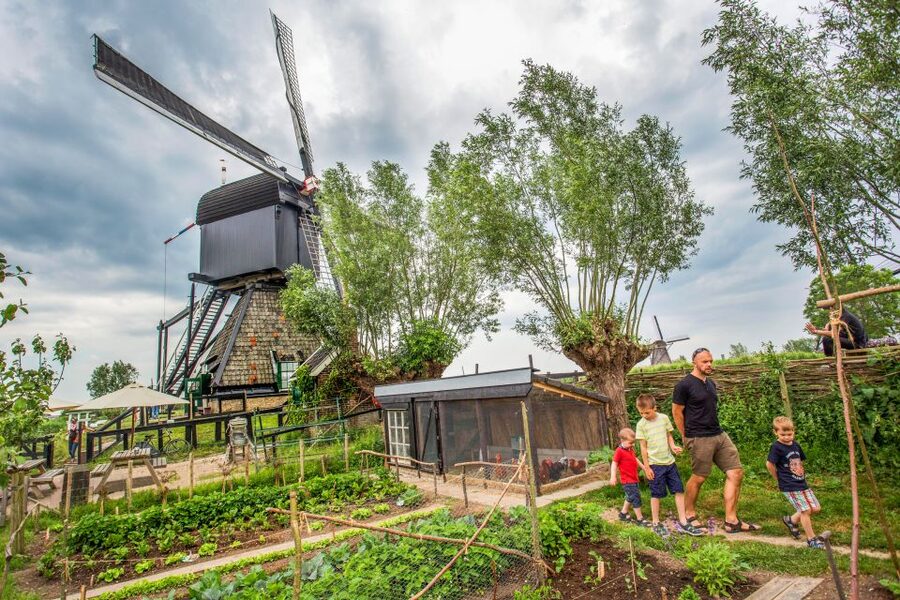
The entrance facilities provide a useful first stop. Start with the film and exhibition if you want the basic story before seeing the mills. This helps you recognize the role of the canals, pumping equipment, and wind-driven machinery as you move through the site.
The online audio guide is available in English, Dutch, French, Spanish, Italian, Chinese, and German. The host or greeter service is listed in Dutch and English. Bring enough battery power for your phone, since the audio guide is an important part of a self-guided visit.
One practical tip is to ask the information desk for the audio tour code. It may not be handed to you automatically. This small step can make the difference between simply strolling past the mills and getting a clearer explanation of what you are seeing.
Inside Blokweer Museum Mill
Blokweer Museum Mill gives you the chance to enter a preserved mill and see the setting from the inside. The point is not only the machinery. The mill shows how domestic life and work were packed into the same building.
You can look at the living arrangements, the working spaces, and the structure needed to control water. The cramped, practical feel helps you picture the miller’s routine in a way that an audio panel alone cannot.
The interiors may feel tight when several people gather in one area. Move slowly and give yourself time to look upward and around corners. You are not walking through a modern museum with wide galleries. These are working historic buildings with limited room.
More Tickets in the Netherlands:
- Amsterdam: Dutch WWII Resistance Museum Entry Ticket
★ 4.7 · 951 reviews - Oranjehotel World War II Prison Entrance Ticket
★ 4.6 · 708 reviews - Amsterdam: National Holocaust Museum Entry Ticket
★ 4.7 · 413 reviews - Rotterdam: Maritime Museum and historic museum harbor ticket
★ 3.9 · 92 reviews
See daily life at Nederwaard Museum Mill
Nederwaard Museum Mill offers another view of miller life and the machinery that made the water system function. Visiting both museum mills is worthwhile because they complement one another. One visit can leave you with a general impression. Two visits show that these buildings were homes, workplaces, and machines at the same time.
Look for the human side of the story. The preserved rooms help explain what it meant to live at the edge of the polder, with the water system requiring constant attention. The machinery is impressive, but the domestic details make the experience easier to relate to.
Some people move quickly through the first mill and then spend more time in the second. I would reverse that instinct and allow enough time for both. The ticket includes them, and these interiors are the part you cannot recreate from an outdoor walk.
Walk the dikes and read the setting
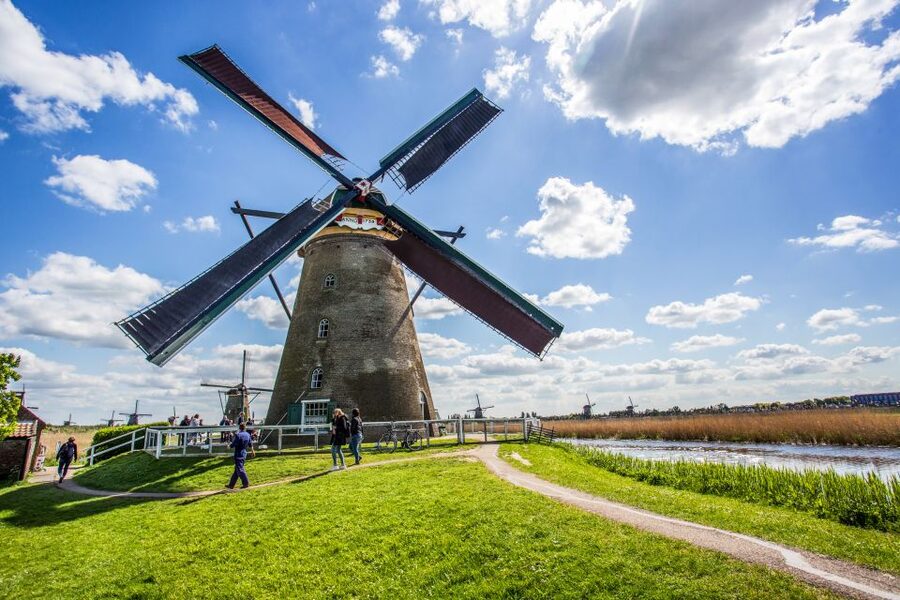
Kinderdijk is best seen on foot, but the walking can be more demanding than the postcard suggests. The paths run beside canals and across the dikes, with some distance between the museum areas. You may need to walk farther than expected to reach a crossing or the next main stop.
There is limited shade along the longer stretches. On a sunny day, bring water, wear a hat, and plan your pace. The open setting is part of the appeal, but it also leaves you exposed to sun and wind.
Bicycles can help you cover more ground, and a number of visitors choose to rent one. Take care around other cyclists, since the paths can mix bikes and pedestrians. A bicycle is useful for a full-day visit, though you should still slow down near museum entrances and narrow sections.
The quieter stretches are worth keeping. Do not rush from one marked attraction to the next. Stop beside the water and watch the changing angles of the mills. The outdoor route gives you the broad view that the museum interiors cannot.
Take the included boat through the polders
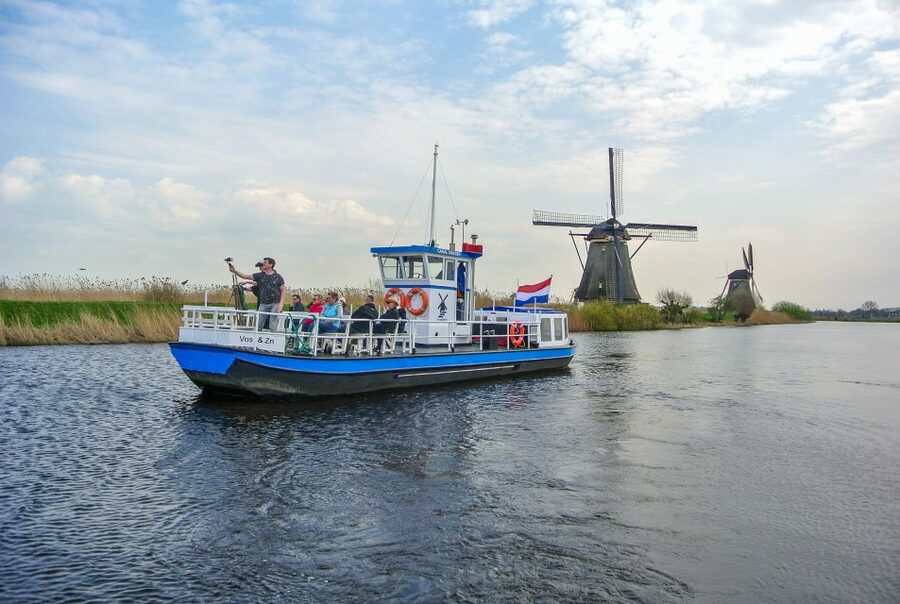
The tour boat is one of the best reasons to buy the full ticket. It carries you along the waterways, offering a low and open view of the mills. You see the line of buildings from the same channels they were built to serve.
The boat can save your legs, especially if you have already walked from the entrance or plan to visit both mills. Some boats make it possible to reach stop-off points near the museum areas, while another route gives you a broader cruise through the site.
Check the boat pattern when you arrive. Seating is limited, and a crowded departure may mean waiting for the next boat. The last boat leaves 30 minutes before closing, so do not leave the cruise until the final few minutes of your visit.
Weather matters. The boats may not sail in poor conditions. If wind or rain is forecast, treat the cruise as a useful extra rather than the foundation of your entire day. You can still walk the site and visit the interiors if the boat is cancelled.
Finish at the pumping station engine room
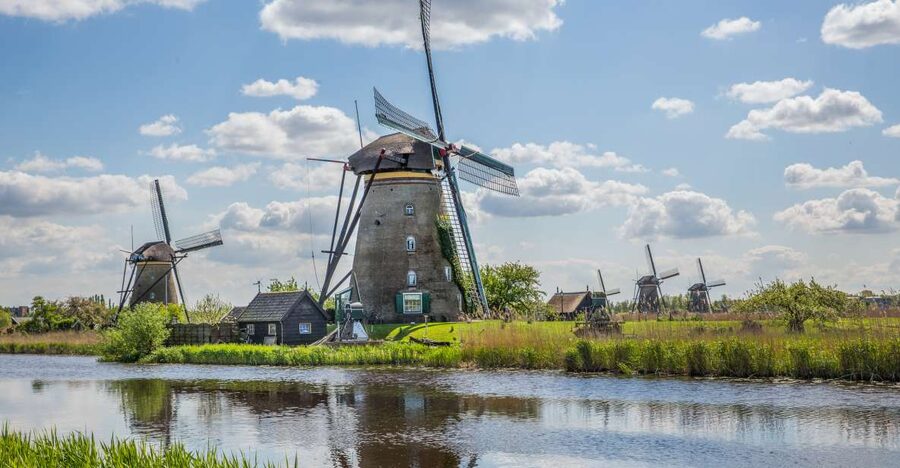
The pumping station adds an important link between old and newer methods of water control. After seeing windmills move water through wind power, you can look at the engine room and understand how mechanical pumping became part of the same long effort.
This stop is especially useful if you are interested in engineering. The mills are visually memorable, but the pumping station explains that Dutch water management did not freeze in the seventeenth or eighteenth century. The system changed as new equipment became available.
It also makes the ticket feel more complete. You are not paying only to enter two historic homes. You are following the development of a water-control system through buildings, machines, canals, and present-day interpretation.
How much time should you allow?
A quick visit can take two to three hours. That gives you time for the main path, the two museum mills, the pumping station, and some time on the boat if departures line up well.
For a calmer visit, allow half a day. This is the best balance for many people. You can watch the film, use the audio guide, enter both mills, take the boat, and walk the main stretches without treating every stop like a race.
A full day makes sense if you bring or rent a bicycle, want a picnic, or prefer to linger beside the canals. The ticket is valid for one day, so you do not need to rush out after completing the marked attractions.
Opening hours change by season. Until March 5, the site is open from 10:30 a.m. to 4 p.m. From March 6 through November 1, it is open daily from 9 a.m. to 5:30 p.m. From November 2 through December 31, hours return to 10:30 a.m. to 4 p.m. Kinderdijk is closed on Christmas Day.
Getting there from Rotterdam
Transport is not included, so plan this part before booking. The site can be reached by waterbus, and the Waterbus 21 connection to Kinderdijk is a popular choice. One route described by visitors takes about 35 minutes from Rotterdam, with a connection at Alblasserkade also possible.
Check the timetable carefully. This matters more than it might at a city museum, since a missed boat can affect your entire visit. If you are coming from a cruise ship, allow time to reach the waterbus departure point and confirm the return schedule.
Cycling is another option. You can make the journey part of the day by cycling from Rotterdam, then walking or cycling through Kinderdijk. Parking can be difficult, so driving is not automatically the easiest choice.
If you use a water taxi or waterbus, check the access conditions if mobility is a concern. The Kinderdijk site itself is described as wheelchair accessible and mobility-scooter friendly, but one report found access from a water taxi less convenient for disabled visitors. That distinction is useful: the destination can be manageable, while the transport leg may require more care.
Who will enjoy this visit?
I would recommend Kinderdijk to first-time visitors to the Netherlands who want more than city streets and museums. It is also a strong choice for families, since the interactive scavenger hunt gives children something to do while adults follow the historical material.
It suits people who like engineering, working machinery, photography, Dutch culture, and self-guided sightseeing. You can keep moving if you are short on time, or turn it into a slow day beside the canals.
It is less suitable if you want a tightly organized guided tour with a fixed story and no planning. You must arrange transport, watch the boat schedule, and decide how much walking works for you. The site is also exposed, and wet or windy weather can change the experience.
Final verdict: should you book the ticket?
Book it if you want to enter the mills, take the boat, and understand how the Dutch managed water over generations. The $25 price is good value when you use the museums, pumping station, film, audio guide, and cruise.
Skip the paid ticket if your only goal is to see the outdoor row of windmills. Much of the main walk can be enjoyed without the added admissions. You can still return another time for the interiors.
My practical choice would be to book the ticket, arrive early, see the film, take the boat before the last departure, and then walk to both museum mills at your own pace. Bring water, check the transport timetable, and consider a bicycle or picnic if you have a full day. Kinderdijk rewards curiosity, not speed.
FAQ
What does the Kinderdijk ticket include?
It includes entry to the Blokweer Museum Mill, the Nederwaard Museum Mill, the pumping station engine room, the informative film and exhibition, the online audio guide, and the boat trip through the World Heritage Site.
How much does the experience cost?
The listed price is $25 per person.
How long is the ticket valid?
The ticket is valid for one day.
Is transport from Rotterdam included?
No. You must arrange and pay for transport to Kinderdijk separately.
Is the boat trip included?
Yes. The ticket includes the tour boat through the Kinderdijk waterways.
Can the boat stop running?
Yes. The boats may not sail in bad weather. The last boat departs 30 minutes before closing time.
What languages are available for the audio guide?
The online audio guide is available in English, Dutch, French, Spanish, Italian, Chinese, and German.
Is Kinderdijk wheelchair accessible?
The site is listed as wheelchair accessible. Access from a water taxi may be less convenient, while the venue itself is described as suitable for mobility scooters.
What are the opening hours?
Until March 5, the hours are 10:30 a.m. to 4 p.m. From March 6 through November 1, it is open daily from 9 a.m. to 5:30 p.m. From November 2 through December 31, it is open from 10:30 a.m. to 4 p.m. It is closed on Christmas Day.
Can I cancel the booking?
Yes. You can cancel up to 24 hours in advance for a full refund. The reserve-now, pay-later option is also available.
Just added around the Netherlands
- Amsterdam: Luxury Canal Cruise with Historic VR Experience★ 5.0 · 305 reviews
- Amsterdam Walking Tour: Urban Legends & History with local guide★ 5.0 · 39 reviews
- Amsterdam: Anne Frank and World War II Walking Tour (TOP RATED)★ 4.5 · 72 reviews
- Small Group Tour to Nazi WWII concentration camp from Amsterdam★ 5.0 · 112 reviews
- Amsterdam 3 hrs Bike Tour – live guide En/Fr/De/Nl/Sp★ 4.5 · 138 reviews
- Guided Walking Tour Amsterdam – Legends, History & Ghost Stories★ 5.0 · 28 reviews
- LGBTQI+ History Tour of Amsterdam★ 5.0 · 123 reviews
- Amsterdam Haunted History and Ghost Walking Tour★ 5.0 · 47 reviews
Netherlands History Tours, compared.

Amsterdam: Life of Anne Frank and World War II Walking Tour
Read our review →
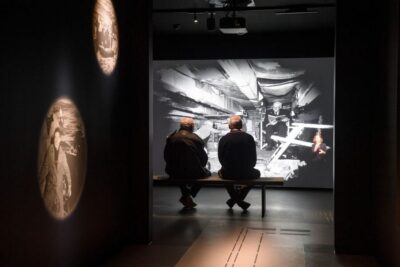
Amsterdam: Dutch WWII Resistance Museum Entry Ticket
Read our review →
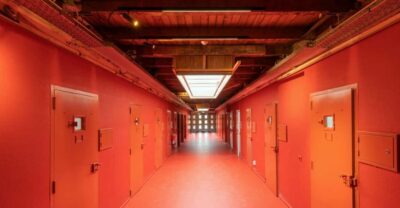
Oranjehotel World War II Prison Entrance Ticket
Read our review →
Amsterdam: Haunted History and Ghost Walking Tour
Read our review →
Amsterdam High-End Dutch Food & History Tour – Up to 8 guests
Read our review →Browse the lists this tour appears in