

Review · CANADA
Toronto: Distillery District Historic Walking Tour
Toronto’s Distillery District is more than a pretty row of brick buildings and cobblestones. This one-hour walk explains how a young Toronto grew around Gooderham and Worts, a company that became one of the world’s largest distilleries. You’ll hear about business feuds, changing shorelines, women’s jobs, anti-freeze production, and the city’s early drinking habits.
I like the short, focused format and the chance to see parts of buildings that are not always open to the public. I also like the guides’ story-first approach. Eric, Erik, Nicole, Devin, Tom, Sarah, and others are repeatedly praised for making the past easy to follow rather than turning the hour into a dry lecture.
The main limitation is simple: this is a history walk, not a regular alcohol tasting. If you want spirits at the end, book the separate Prohibition and Spirits Walking Tour. The district is also compact, so the tour’s value comes from interpretation and access, not from covering a large area.
Key points at a glance
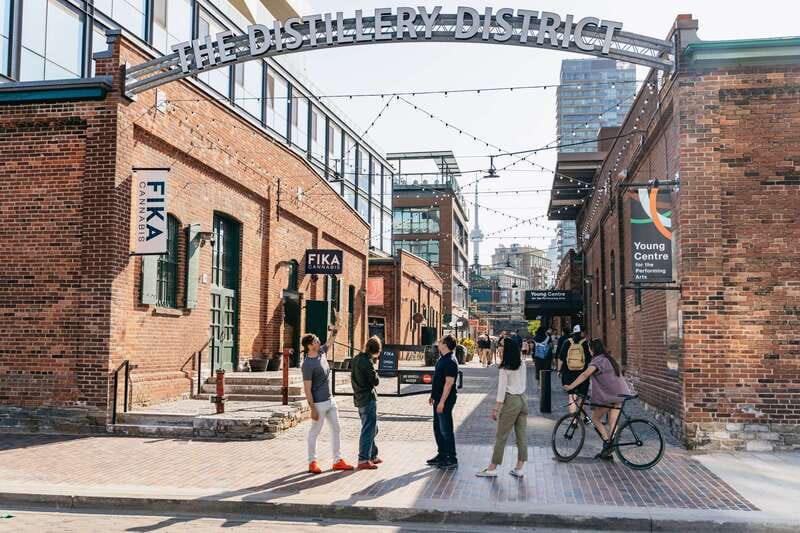
- Toronto’s old distillery story: Follow Gooderham and Worts from a small operation to an international producer, then through its eventual decline.
- Historic interiors: The guide may take you inside buildings or areas that casual visitors cannot see.
- Easy one-hour walk: The route is manageable for most people and is listed as wheelchair accessible.
- More than whisky: Learn about anti-freeze production, women’s employment, industrial work, and Toronto’s changing waterfront.
- Strong guide-led experience: Guides such as Eric, Erik, Nicole, Devin, and Tom are noted for humor, energy, clear explanations, and willingness to answer questions.
- Good value at $20: You pay for local context and access, then remain in the district to eat, shop, or visit galleries afterward.
Why the Distillery District needs a guided walk
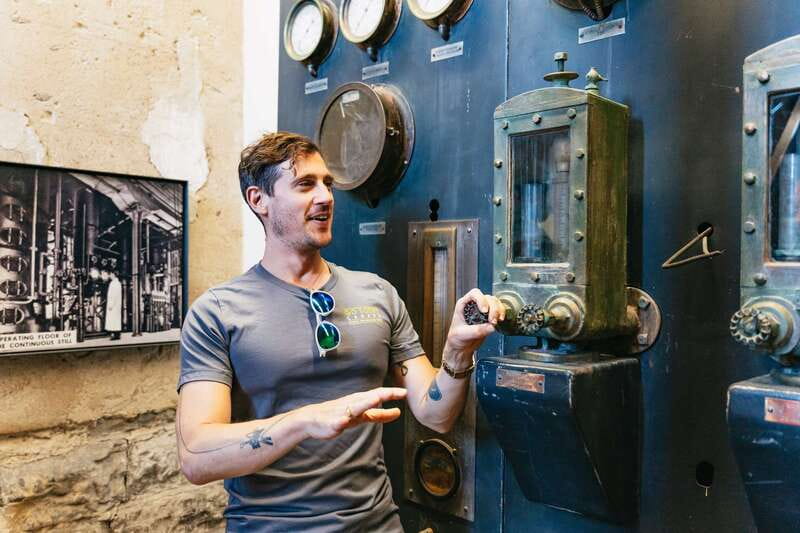
At first glance, the Distillery District can feel like a polished entertainment quarter. Its old industrial buildings now house restaurants, bars, boutiques, galleries, outdoor sculptures, and theaters. The cobbled lanes are photogenic, and it is easy to spend an afternoon here without thinking too hard about what came before.
That is exactly why a guide helps. Without context, the district can look like a collection of handsome brick façades preserved for atmosphere. The tour connects those buildings to the growth of Toronto, the waterfront, industrial work, trade, and alcohol regulation.
You will spend the hour in and around the former Gooderham and Worts complex, described as the largest and best-preserved collection of Victorian industrial architecture in North America. The buildings are not just old decoration. Their size, materials, layout, and surviving details show the scale of the business that once operated here.
The guide also places the distillery in the setting of a young, hard-drinking city. That gives the tour a wider focus. You are not only learning how whisky was produced. You are learning why the business mattered to Toronto and how one company could shape jobs, commerce, families, and the city’s reputation.
More History Walking Tours in Canada
- Gastown Historic Walking Food Tour
★ 5.0 · 1,863 reviews - Vancouver: Gastown Historical Walking Food Tour
★ 4.8 · 539 reviews - Quebec City: Old Quebec Historical Walking Tour
★ 4.8 · 409 reviews
Meeting at 11 Gristmill Lane
The tour begins with Go Tours Canada inside the Distillery District. Check in at 11 Gristmill Lane, near the red heart at Parliament Street and Mill Street.
This is a useful arrangement because you start in the area you are visiting rather than spending part of your hour getting there. If you arrive early, you can look around the lanes, study the brickwork, or get a first look at the shops and cafés before the walk begins.
Bring comfortable shoes. The walking level is easy, but the district uses cobblestones, so firm footwear is more practical than thin-soled dress shoes. A camera is worth packing too. The combination of brick walls, old industrial details, narrow lanes, and newer public art gives you plenty to photograph.
The tour is conducted in English, with a live guide. It is generally recommended for ages 10 and above, making it a sensible choice for older children who can follow a history-based walk. The route is listed as wheelchair accessible, though cobbled surfaces can still affect how comfortable the walk feels for each person.
Gooderham and Worts, from success to decline
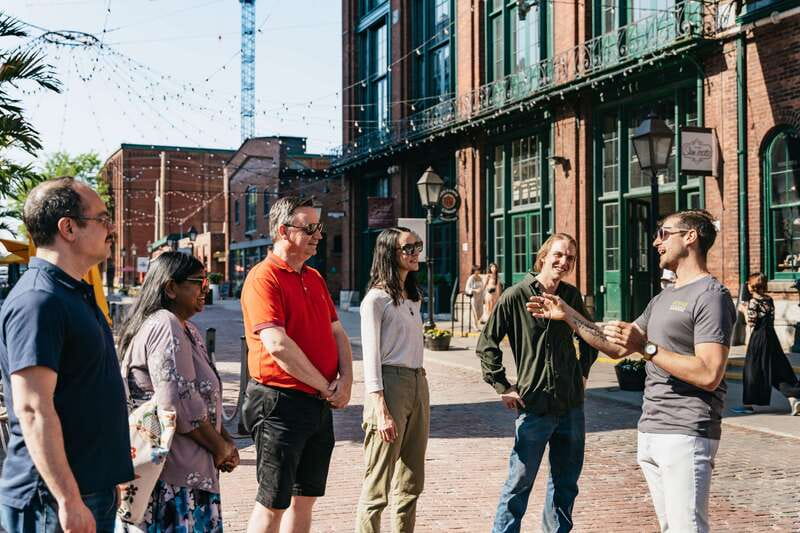
The central story is the rise and fall of Gooderham and Worts. The company grew alongside Toronto and eventually became the world’s largest distillery. That fact alone changes how you see the district. These are not merely handsome old warehouses. They belonged to a major industrial operation with international reach.
The guide explains the company’s families, business dealings, and place in Toronto’s early years. You will hear about a city where alcohol was woven into daily life, trade, work, and politics. The tone is not simply celebratory. The story includes ambition, commercial intrigue, social consequences, and the ways the business eventually lost its place.
One especially useful detail is the changing position of the waterfront. The original property was much closer to Lake Ontario than it is today. Learning how the shoreline moved helps you picture the district as it once was, rather than treating the modern waterfront as a fixed reference point.
The distillery’s story also continued into the twentieth century. The company did not stop distilling until 1990, a detail that gives the district’s old buildings a more recent connection to working industry than you might expect.
Inside the Victorian industrial buildings
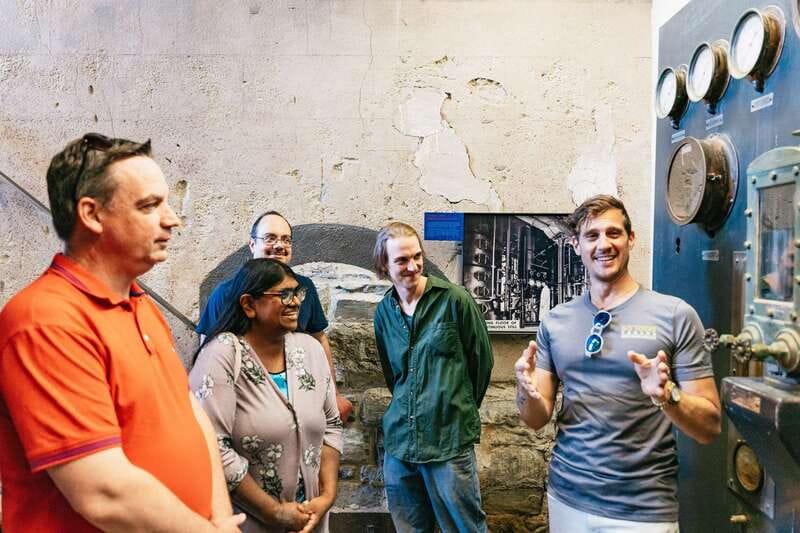
Architecture is one of the best reasons to take the tour. You will see the district from the outside, but the guide may also lead you into spaces that are not normally available to the general public. That access can be the difference between admiring a façade and understanding how the complex functioned.
One building noted during the walk has walls about a metre thick. Details like that make the place easier to read. Thick masonry was not added for style. It reflected the demands of industrial construction, storage, security, and the working conditions of the period.
The guide helps you notice features you might otherwise pass without a second thought. The brick buildings, industrial scale, enclosed spaces, and arrangement of lanes all become evidence of a large production site. You are encouraged to look up, look behind the polished shopfronts, and consider what each structure was built to do.
Do not expect a museum-style display in every room. This is a walking tour through a functioning district with modern businesses. The historic material is delivered through explanation, observation, and occasional access rather than through a long line of labelled exhibits.
Same city, a different century:
- Victoria Guided Food and History Tour
★ 5.0 · 2,015 reviews - Evening Gourmet Tour 5 Course Dinner – History and Food in Old Quebec City
★ 5.0 · 496 reviews - Combo Historical and Food Tour of Old Quebec
★ 5.0 · 360 reviews - Pete’s Historic Walking Tour
★ 5.0 · 321 reviews
Stories beyond whisky
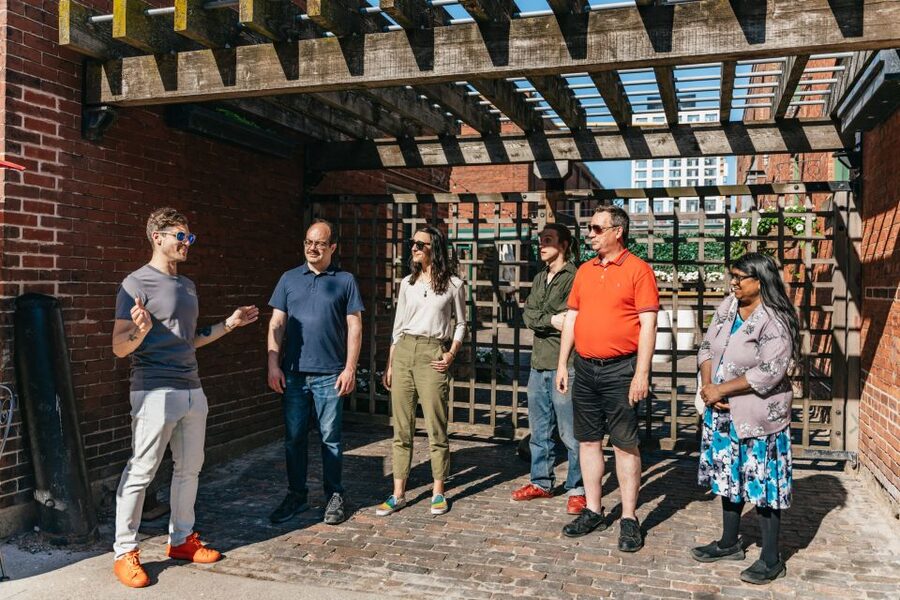
The best parts of the tour widen the subject beyond distilling. One story concerns anti-freeze production, showing how the company and its workers were involved in more than making liquor. That detail adds industrial depth and keeps the hour from becoming a single-track account of whisky.
You will also hear about jobs created for women and the related social effects. This is valuable because industrial history can otherwise focus too heavily on owners, buildings, and production figures. The work supported families and altered who could earn money in the city.
The guide also brings in Toronto’s wild early years. That phrase points to a city still forming its character, with drinking, business, migration, and commerce all shaping urban life. The history is presented through specific stories and a bit of humor, which makes the material easier to remember.
This approach suits people who enjoy local history but do not want a formal academic lecture. The guides are encouraged to answer questions, and several named guides, including Eric, Erik, Nicole, Devin, and Tom, have been praised for keeping the conversation lively and personal. Small groups can be especially pleasant. One-person and very small tours have still gone ahead, with the guide giving the participant time to ask questions and see the full route.
What the one-hour itinerary feels like
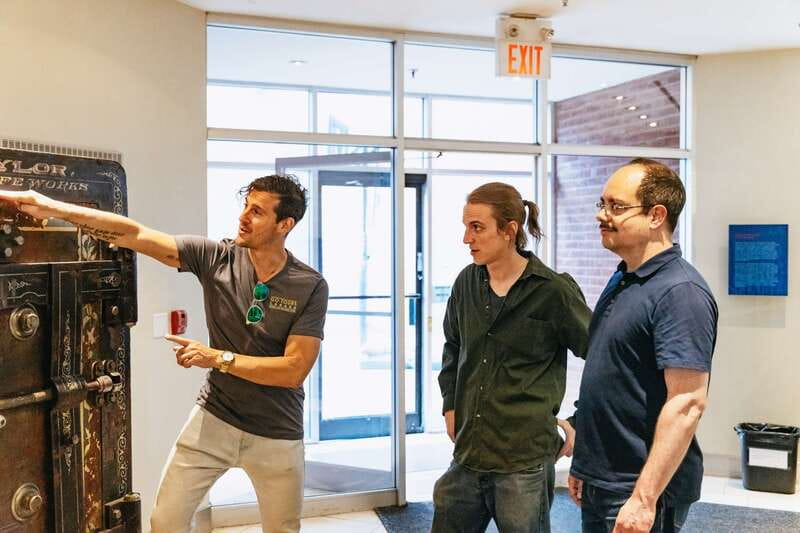
The route starts and ends at Go Tours Canada, with the Distillery District as the main subject. In practical terms, that means you are not being rushed between distant sites. The hour is spent examining the immediate area and building a story from one stop to the next.
At the beginning, the guide sets up the district’s role in Toronto. You get the broad picture first: the old industrial complex, the company behind it, and the modern district that grew from those preserved buildings.
The middle of the walk focuses on the architecture and the Gooderham and Worts story. This is where you will likely spend the most time looking at specific buildings and hearing how the company operated. The guide may point out interior spaces, unusual construction, and details connected to the old production site.
The final part ties the district to the wider city. The waterfront’s former position, women’s employment, anti-freeze, Toronto’s early social life, and the company’s later decline help turn a local walk into a city-history lesson.
Because the tour lasts only an hour, the guide has to keep moving. You will not get a long, leisurely stop at every building. That is a fair trade for a compact experience that fits neatly into a busy day.
What the $20 price buys you

At $20 per person, this is a reasonable add-on to a day in the Distillery District. You are not paying for a meal, a drink, or an attraction ticket. You are paying for a professional English-speaking guide, a structured route, access to historical context, and sales tax.
The value is strongest if you would otherwise wander around taking photos without knowing what you are seeing. The district is free to enter, so the tour has to offer more than entry. The inside access and the guide’s stories provide that extra value.
I would also judge the price by what you do afterward. The walk ends back at Go Tours Canada, leaving you in the middle of restaurants, bars, boutiques, galleries, sculptures, and theaters. You can use the tour as an introduction, then spend more time in the places that interest you.
Do not book this particular tour expecting a tasting. Some earlier versions or related experiences have included chocolate or beer samples, but the current description does not promise them. For a flight of spirits, choose the separate Prohibition and Spirits Walking Tour instead.
Who will enjoy this most
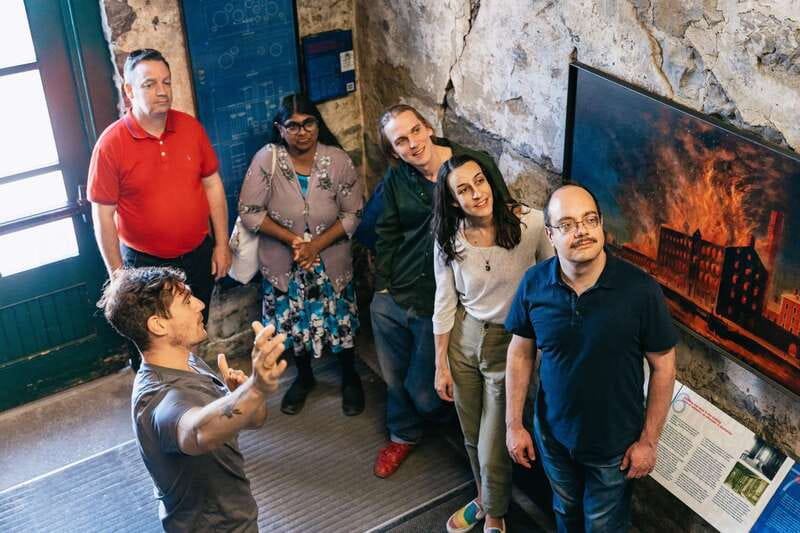
I would recommend this tour to first-time visitors who want a quick introduction to one of Toronto’s most distinctive areas. It is also a good choice for locals playing tourist in their own city. Familiarity with the district does not guarantee that you know its industrial story, original shoreline, or connection to the city’s growth.
It suits:
- Adults who enjoy architecture, business stories, and city history
- Families with children around age 10 and older
- Visitors who want an easy activity before lunch or dinner
- People who prefer a short guided walk to a large museum
- Anyone interested in Toronto’s alcohol industry but not necessarily in tasting spirits
- Repeat visitors who have already seen the shops and want more context
It may be less suitable if you want a long architecture tour, a production demonstration, or a guaranteed drink. The walk is also not the best use of your money if you only want photographs and do not care about the history behind them.
Practical advice before you go
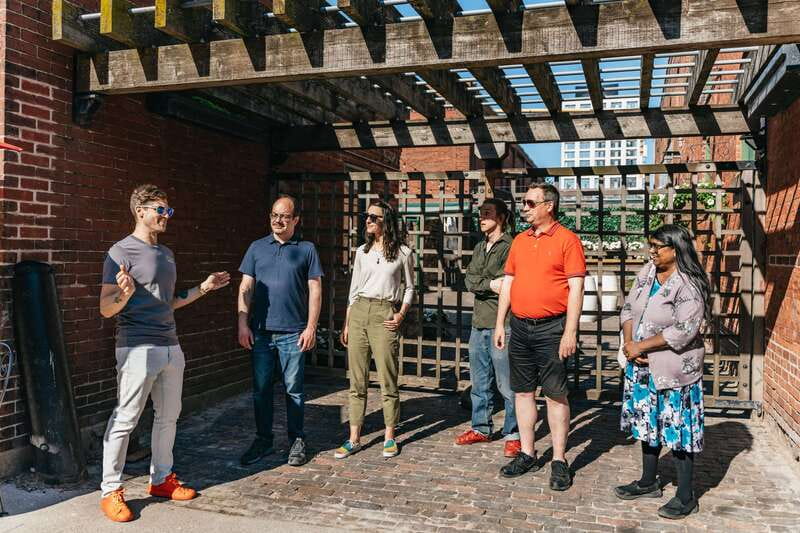
Choose comfortable shoes and bring a camera. Dress for the weather, since the experience includes walking outdoors, though guides may use indoor spaces when conditions are poor. One past rainy-day walk was adjusted to keep more of the discussion inside, but you should still prepare for outdoor conditions.
Allow extra time after the tour. The one-hour route gives you an orientation, not a full day in the district. You might want to browse the galleries, find a meal, visit a bar, or return to a building that caught your attention.
If you care about group size, understand that it can vary. The tour has worked well with very small groups, and guides have continued with only one participant. That can mean a more personal conversation, though people who prefer a large, energetic group should not assume that is what they will get.
The cancellation policy is forgiving: cancel at least 24 hours before the start for a full refund. You can also reserve now and pay later, which helps if your Toronto plans are still shifting.
My take: book it if you want the story behind the streets
Book this tour if you want to understand why the Distillery District matters, not just see where to take a good photo. The strongest features are the compact length, the easy walk, the possibility of seeing restricted interior spaces, and guides who make business and industrial history entertaining.
I would skip it only if you are specifically looking for alcohol tasting or a longer technical tour of whisky production. In that case, choose the Prohibition and Spirits Walking Tour. For everyone else, $20 buys a useful hour that gives the district a clearer shape, then leaves you free to enjoy its restaurants, shops, galleries, and theaters on your own.
FAQ
Where does the Distillery District walking tour meet?
Meet at the Go Tours Canada office at 11 Gristmill Lane, Toronto, near the red heart at Parliament Street and Mill Street.
How long does the tour last?
The guided walking tour lasts one hour.
What language is the tour conducted in?
The live tour is conducted in English.
Is the walk difficult?
The walking level is easy. Comfortable shoes are recommended because the route includes cobblestone streets.
Is the tour wheelchair accessible?
Yes, the activity is listed as wheelchair accessible.
Is alcohol tasting included?
No alcohol tasting is listed for this tour. If you want a flight of spirits, book the separate Prohibition and Spirits Walking Tour.
What age is the tour recommended for?
The tour is generally recommended for people aged 10 and above.
Can I cancel for a refund?
Yes. You can cancel up to 24 hours in advance for a full refund. You can also reserve your place and pay later.
Just added around Canada
- Historic Walking Tour of Charlottetown★ 5.0 · 211 reviews
- Horse Drawn Historical Guided Tour★ 5.0 · 24 reviews
- Heritage Park Admission★ 4.5 · 155 reviews
- Banff Day Trip: Johnston Canyon, Fairmont Banff Springs, Gondola★ 4.5 · 40 reviews
- Toronto: Dark History Nighttime Walking Tour★ 4.7 · 273 reviews
- Toronto: Niagara Falls & NOTL Heritage Town Guided Day Tour★ 4.8 · 28 reviews
- Vancouver: Guided Food and City History Tour★ 4.5 · 53 reviews
- Quebec City’s History in Virtual Reality★ 4.5 · 141 reviews
Canada History Tours, compared.

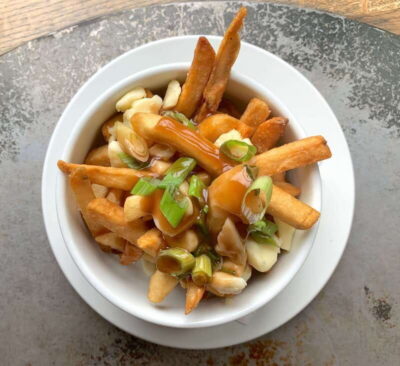
Vancouver: Gastown Historical Walking Food Tour
Read our review →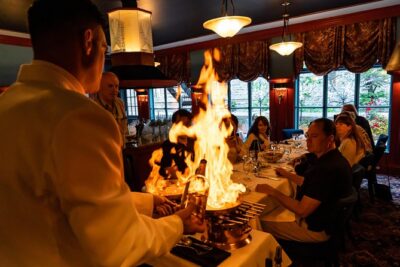
Evening Gourmet Tour 5 Course Dinner – History and Food in Old Quebec City
Read our review →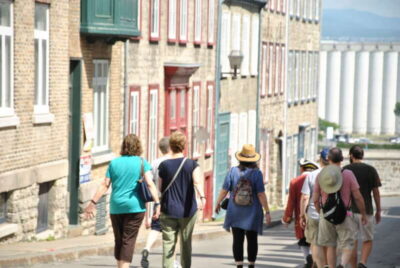
Quebec City: Old Quebec Historical Walking Tour
Read our review →
Browse the lists this tour appears in