
Review · BAYEUX
Normandy American D-Day Beaches Full Day Tour from Bayeux
The most powerful part of this day is the change in scale. You begin on broad, quiet beaches and then hear what happened there on June 6, 1944, when thousands of American troops came ashore under fire. By afternoon, the bunkers, bomb craters, cemetery, and small villages have turned a page of history into something you can picture clearly.
I like the small maximum of eight people, which gives your guide room to answer questions and use maps or photographs. I also like the route itself: it connects Omaha, Pointe du Hoc, Utah, the American Cemetery, and Sainte-Mère-Église, giving you a useful view of the American operations in one long day.
The trade-off is pace. You cover a lot of ground in about nine hours, so this is an excellent first visit but not a slow, detailed study of every site. You will also need to buy your own lunch, and the minivan can feel snug, especially when seats are rearranged at stops.
Key points to know before booking
- Small-group format: The minivan holds no more than eight people, a good size for questions and personal attention.
- Five major stops: You visit Omaha Beach, Pointe du Hoc, the American Cemetery, Utah Beach Museum, and Sainte-Mère-Église.
- Strong guide reputation: Eric, Alex, Igor, Julie, Kate, David, and other guides are praised for clear storytelling, humor, and serious knowledge of the battlefield.
- Museum entry included: Admission to the Utah Beach Landing Museum is part of the price, while lunch is not.
- Long but efficient day: The tour lasts about nine hours and begins at 8:30 a.m. in Bayeux.
- Dress for the coast: Good walking shoes, warm layers, and protection from wind and rain matter, even outside winter.
Why this Bayeux D-Day tour works so well
At $169.30 per person, this is not the cheapest way to see Normandy. It is a reasonable price if you value a full day of transport, an English-speaking guide, and a route that would be difficult to manage efficiently by public transportation.
You are not simply being driven from one monument to the next. The guide links the beaches to the units that fought there, the villages to the airborne landings, and the cemetery to the human cost of the campaign. That connection is the main reason to pay for a guided tour.
The 4.9 rating from 2,103 reviews and 98 percent recommendation rate point to a very consistent experience. The strongest praise goes to the guides. Eric is repeatedly described as friendly, professional, and extremely well prepared. Alex gets credit for combining history with humor, while Igor is praised for taking time to explain details and for handling cold weather with good spirit. Julie, Kate, David, Eliza, and Amandine are also singled out for making the day both serious and enjoyable.
Guide assignments can change, of course. Still, the pattern is clear: the human side of this tour matters as much as the vehicle or route.
More WWII and D-Day Tours in France
- Normandy American D-Day Experience – Group tour from Bayeux
★ 5.0 · 1,566 reviews - Normandy Beaches Half-Day Afternoon Trip from Bayeux (A2)
★ 4.5 · 1,116 reviews - Omaha Beach D-Day Experience – Afternoon group tour from Bayeux
★ 5.0 · 1,088 reviews
Omaha Beach: beginning with the hardest story
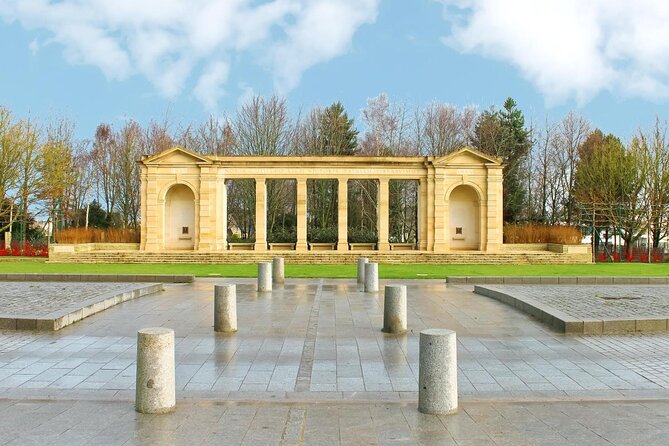
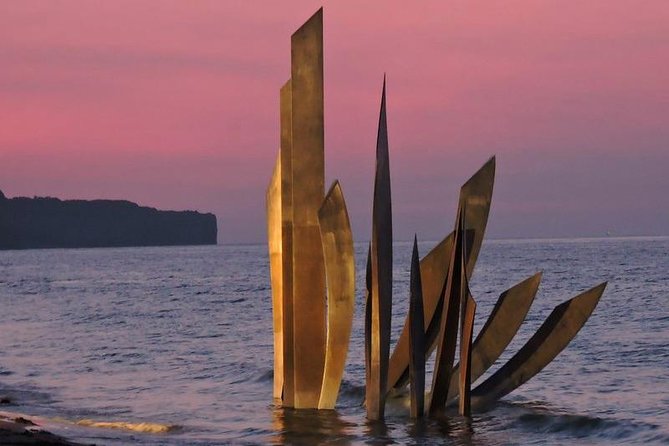
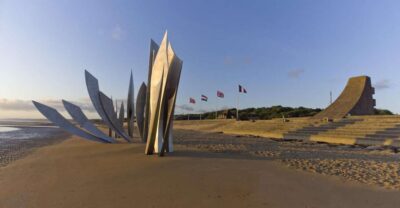
Your first major stop is Omaha Beach, where more than 34,000 American soldiers fought to establish a beachhead. It is a good place to begin because the scale of the shore is immediately apparent. The beach is open and exposed, and the sea, cliffs, and distance all help you understand why the landing was such a brutal military problem.
You have about an hour here. That gives you time to walk, listen, and look out across the water rather than simply take a quick photograph from the van. Your guide explains the fighting and the early successes and failures that shaped the battle.
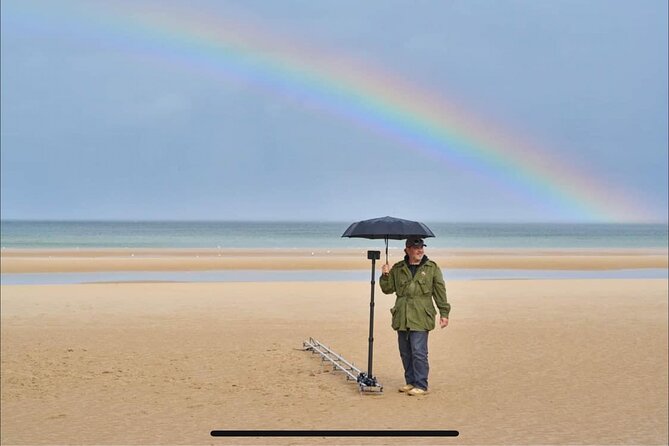
The emotional force of Omaha comes from the contrast between the peaceful setting today and the violence of the landing. You may find the stop more moving than visually dramatic. Much of the value comes from the explanation, so stay close to the guide and ask questions while the setting is fresh.
The shore can be cold and windy, including in December. Bring a coat even if Bayeux feels mild when you leave.
Pointe du Hoc: craters, bunkers, and a hard climb
Pointe du Hoc gives the day its clearest sense of battlefield terrain. The U.S. 2nd Ranger Battalion scaled cliffs about 90 feet, or 27 meters, high to seize a German position considered important to the invasion.
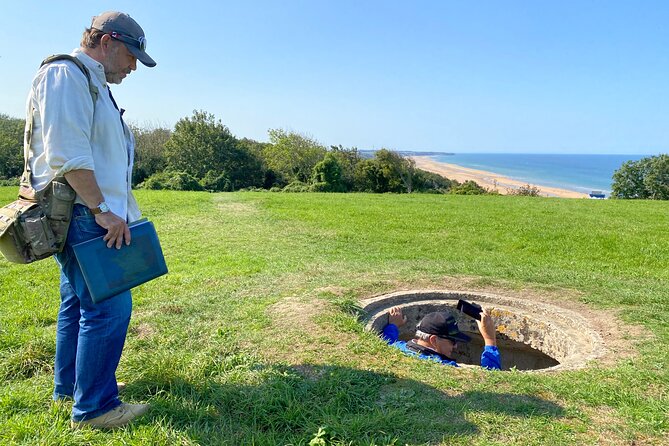
You can see bomb craters and damaged bunkers, which make this stop more physical than a standard museum visit. The ground itself carries much of the story. You are looking at the same defensive position that had to be taken under extraordinary conditions.
About an hour is allowed here. Wear firm walking shoes, since the site is uneven and the weather can make the ground unpleasant. One guide may offer more tactical detail, another may focus on individual soldiers and decisions. Either approach can work well, but this is a stop where your own attention matters. Walk slowly, look into the bunkers, and give yourself time to understand the terrain.
The site is open and exposed. If the day is wet or cold, your comfort will affect how much time you want to spend outside.
Colleville-sur-Mer: a quiet hour at the American Cemetery
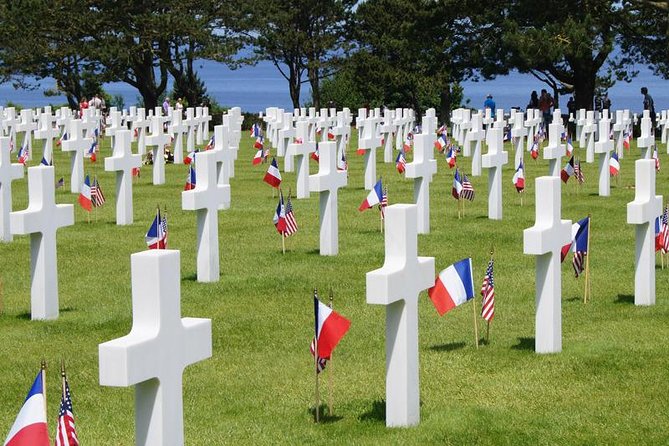
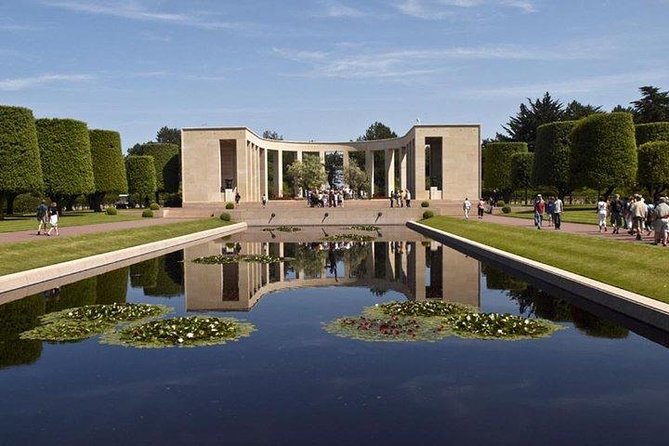
The Normandy American Cemetery at Colleville-sur-Mer contains more than 9,300 American graves. After the noise of the beaches and the rough ground at Pointe du Hoc, the ordered rows of crosses and Stars of David create a sharp change in mood.
You have about an hour here. That is enough to walk among the graves and take in the setting above Omaha Beach. It is also a place where a good guide knows when to stop talking. Several guides are praised for making the cemetery meaningful without turning it into a long lecture.
One especially memorable detail mentioned by a guest is hearing Taps at the cemetery. The tour information does not promise a scheduled performance, so do not book the day expecting it. But the cemetery itself is always one of the most important stops on the route.
I would not rush this visit. Even if you have read a great deal about D-Day, the names and dates on the markers can change your understanding of the cost. Keep your voice low, follow the site’s respectful atmosphere, and allow the hour to do its work.
More WWII and D-Day Tours in Bayeux:
- Normandy Battlefields Tour – American Sites (A3)
★ 5.0 · 876 reviews - Private D-Day Experience from Bayeux
★ 5.0 · 573 reviews - From Bayeux: American D-Day Sites in Normandy Full-Day Tour
★ 4.9 · 503 reviews - Normandy U.S. D-Day Sites Half Day Tour From Bayeux
★ 5.0 · 325 reviews
Utah Beach Museum: a useful change from open-air sites
At Utah Beach, you visit the Utah Beach Landing Museum, with admission included. The museum is noted for its collection of artifacts and a B-26 Marauder aircraft, giving you a chance to move indoors and see objects connected to the campaign.
This stop adds context that beaches and bunkers cannot provide. After hearing about the landing sites, you can examine the equipment and displays that explain how the operation was planned and supported. For many people, the museum is also a welcome break from the wind.
You have about an hour here. That is enough for a solid visit, though not an exhaustive study of every display. If you have a strong interest in military hardware or already know the broad outline of D-Day, you may want to use your time for the exhibits that add something new rather than trying to read every panel.
Lunch is not included. The driver or guide organizes a break at a place where you can buy food, and one account describes stopping at a bakery and eating outside the museum. That sounds practical, but keep your lunch plans flexible. You are buying the meal yourself, and the day’s timing needs to accommodate the other stops.
Sainte-Mère-Église and the airborne story
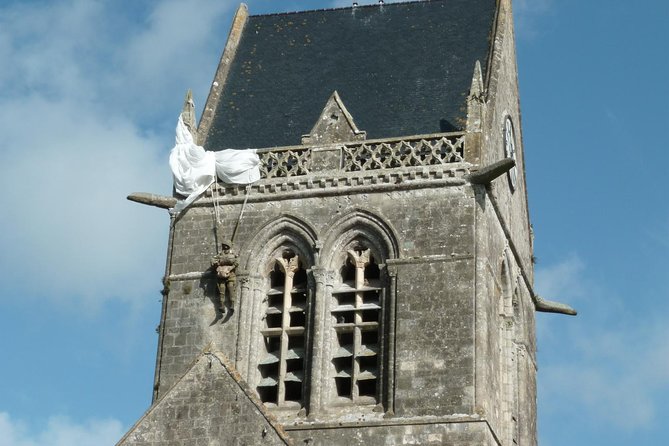
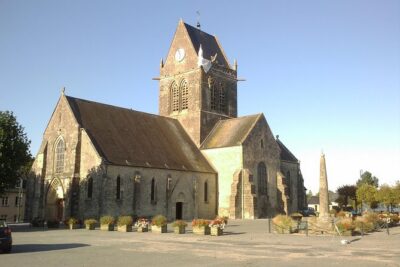
The final listed stop is Sainte-Mère-Église, a town linked to the 82nd Airborne Division’s operations in the early hours of June 6, 1944. It gives the day a useful change of focus. Until this point, much of the route has centered on beach landings and coastal defenses. Here, you hear more about airborne troops and the fight for inland positions.
The town is described as feeling frozen in time because of its connection to the assault. You have about an hour to take in the setting and hear the story from your guide.
This stop may feel less visually dramatic than Pointe du Hoc or the cemetery. Its value is in completing the American story. D-Day was not only a landing on the shore. It also involved troops moving through villages, securing roads, and trying to hold ground after the initial assault.
Because this is the last stop, it can also be a useful moment to gather the day’s events. By now, you have seen both beaches, a major defensive position, a museum, a cemetery, and an inland town. The route gives you a broad outline of the campaign rather than one narrow military episode.
What the small minivan changes
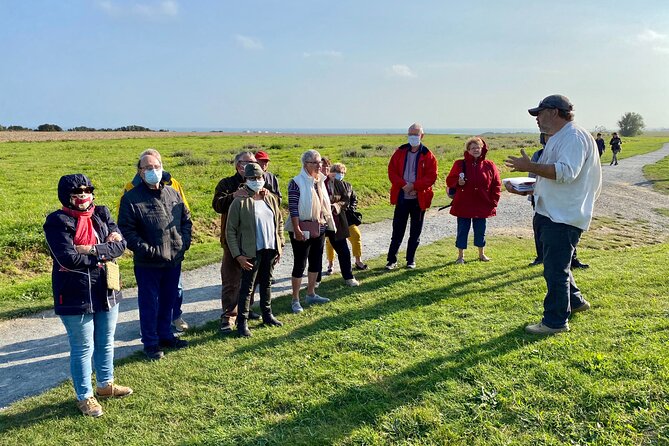
A maximum of eight people is one of the tour’s best features. You are more likely to hear the guide clearly, ask a follow-up question, and get a direct answer than you would in a large coach group. The small format also makes the day feel less anonymous.
There is a practical downside. One person noted that the group played musical chairs at stops, moving around the eight-passenger vehicle. That may happen because seating arrangements change as people enter and leave, or because some passengers want particular seats. It is not a major problem, but it is worth knowing if you dislike close quarters.
The vehicle is air-conditioned, and transport is provided throughout the day. Pickup and drop-off are arranged in Bayeux. The listed meeting point is Place du Québec, with an 8:30 a.m. start, so confirm the precise pickup instructions when you book, especially if you are staying outside the town center.
Several people report returning at about 5 p.m. The formal duration is approximately nine hours. Do not plan a tight evening connection immediately afterward, since road conditions, weather, and the lunch stop can affect the schedule.
Who will get the most from this day
This tour is a strong fit for a first visit to the American D-Day sites. You will see the major places without renting a car, working out parking, or trying to connect scattered museums and villages on your own.
It also suits families and mixed-interest groups. The guide’s stories provide structure for people who know little about World War II, while the battle terrain and museum give more serious students something concrete to examine. Several guides are described as funny and personable, which helps during a long day of difficult subject matter.
You may want something else if you have already spent several days in Normandy and want a slow study of one beach, one regiment, or one museum. This route covers a lot. Its strength is range, not long, specialized visits.
The day is also best for people comfortable with walking outdoors. The tour does not list a strenuous fitness requirement, and most people can participate, but beaches, cliffs, bunkers, and cemetery paths are easier with good shoes.
Weather, clothing, and timing
Normandy weather can change quickly. The Channel wind is a recurring concern in the colder months, and one December visit was described as chilly. Rain did not ruin another full-day visit, but it did make the experience less comfortable.
I would bring:
- Waterproof shoes or sturdy walking shoes
- A warm outer layer
- Rain protection
- Water and a small snack
- A phone or camera, used respectfully at the cemetery
The tour requires good weather and may be canceled if conditions are poor. In that case, you are offered another date or a full refund. If you cancel, you need to do so at least 24 hours before the start time for a full refund. A minimum number of participants is also required.
Is $169.30 a fair price?
I think the price is fair for the right kind of visitor. You are paying for about nine hours of transport, a guide, a small group, and an efficient route through sites spread across the Normandy coast and countryside. The Utah Beach Museum admission is included.
Lunch is extra, and the tour does not include every possible museum or attraction in the area. If you compare the cost with hiring a private car and guide, the small-group rate is more approachable. If you are traveling as a large family or group, a different arrangement might offer more control over the pace.
The real value is avoiding a fragmented day. Driving between Omaha, Pointe du Hoc, Colleville-sur-Mer, Utah, and Sainte-Mère-Église requires planning. Here, the guide supplies the historical thread as you move between places.
Should you book the Normandy American D-Day Beaches tour?
Book it if you want a well-organized first look at the American D-Day story from Bayeux. You will see the main beaches, a striking battlefield site, the cemetery, a museum, and an airborne town in one day. The guide quality appears to be the main strength, with Eric, Alex, Igor, Julie, Kate, David, and others praised for clear explanations and a warm manner.
Skip it if you want long, unhurried time at each location or a tour focused on a single regiment. Also think twice if you dislike minivan travel or need a guaranteed spacious seat.
For most visitors with only one day for the American beaches, I would book this tour, wear proper shoes, bring layers, and leave room in your evening schedule. The result is not a complete study of Normandy, but it is a thoughtful and moving introduction to ground where history was made.
FAQ
Where does the tour begin?
The listed meeting point is Place du Québec in Bayeux, France. The start time is 8:30 a.m. Pickup from a Bayeux hotel is also provided, so confirm the exact arrangement when booking.
How long does the tour last?
The tour lasts approximately nine hours. It begins at 8:30 a.m. and ends back at the meeting point in Bayeux.
What places does the tour visit?
The route includes Omaha Beach, Pointe du Hoc, the Normandy American Cemetery at Colleville-sur-Mer, the Utah Beach Landing Museum, and Sainte-Mère-Église.
Is lunch included?
No. A lunch break is arranged at a place where you can buy food. The meal is not included in the tour price.
How many people can join the tour?
The tour has a maximum of eight participants and uses an air-conditioned minivan.
What happens if the tour is canceled because of weather?
If poor weather causes the cancellation, you are offered a different date or a full refund. You can also receive a full refund if you cancel at least 24 hours before the experience begins.
More Full-Day Trips in Bayeux
- Full-Day Canadian Battlefields & sites Normandy Tour from Bayeux
★ 5.0 · 191 reviews - Bayeux: Normandy D-Day Landing Beaches Full-Day Guided Tour
★ 4.8 · 158 reviews - Private Full day American D-Day Guided Tour in Bayeux
★ 5.0 · 133 reviews - Normandy – Utah, Omaha & U.S. D-Day Sites Full Day Tour From Bayeux
★ 4.5 · 81 reviews
Just added around Bayeux
- WW2 Jeep or Dodge truck tour of the Omaha Beach site★ 5.0 · 51 reviews
- 2- to 6-hour sidecar excursion on the D-Day Landing Beaches★ 5.0 · 131 reviews
- Private Walking Guided Tour of Historic Bayeux English or French★ 5.0 · 36 reviews
- Normandy U.S. D-Day Sites Half Day Tour From Bayeux★ 5.0 · 325 reviews
- Normandy Battlefields D-Day Private Trip with VIP Services from Paris★ 5.0 · 240 reviews
- Private guided Allied D-Day Tour from Bayeux★ 5.0 · 45 reviews
- Private Full day American D-Day Guided Tour in Bayeux★ 5.0 · 133 reviews
- Private vintage sidecar tour of the D-Day Landing Beaches★ 5.0 · 130 reviews
Bayeux History Tours, compared.
Normandy American D-Day Experience – Group tour from Bayeux
Read our review →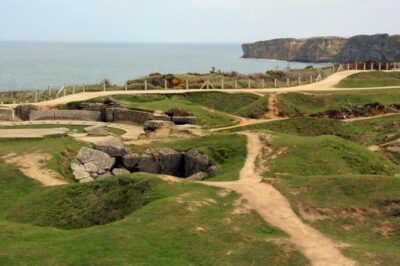
Normandy Beaches Half-Day Afternoon Trip from Bayeux (A2)
Read our review →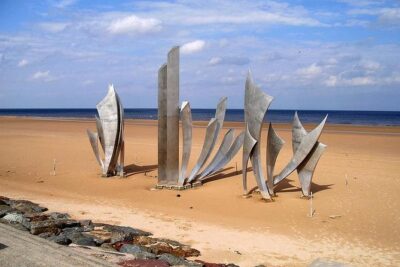
Omaha Beach D-Day Experience – Afternoon group tour from Bayeux
Read our review →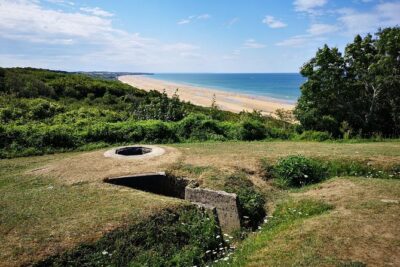
Normandy Battlefields Tour – American Sites (A3)
Read our review →
From Bayeux: American D-Day Sites in Normandy Full-Day Tour
Read our review →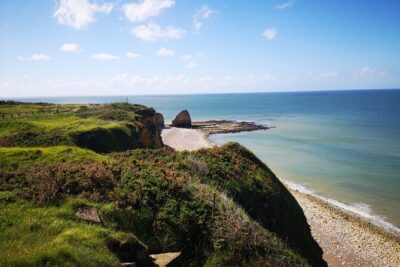
Normandy U.S. D-Day Sites Half Day Tour From Bayeux
Read our review →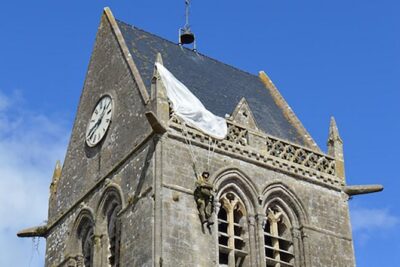
Browse the lists this tour appears in