
Review · BOSTON
Beacon Hill Boston History + Photo Walking Tour (SMALL Group)
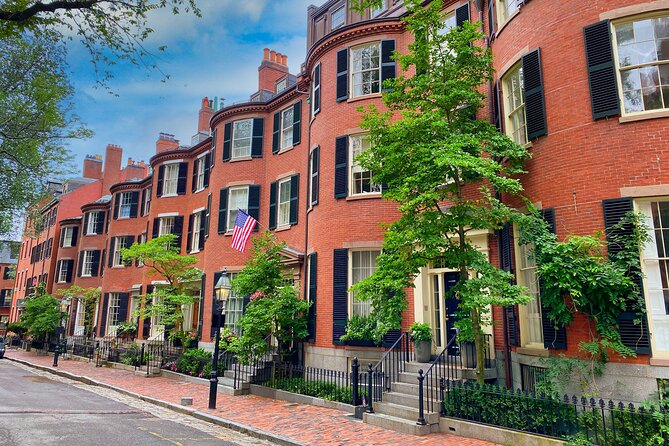
Beacon Hill looks almost too polished to be real: brick sidewalks, gas lamps, flower boxes, handsome townhouses, and streets that seem made for postcards. This 90-minute walking tour with Saba Alhadi adds the stories behind that pretty surface, along with simple advice for taking better pictures with your phone or camera.
I like two things here. First, Saba points out details you might walk past, from unusual door knockers to the changing fortunes of Acorn Street. Second, the small-group format, capped at 15 people, gives you time to ask questions and stop for photographs without holding up a large crowd.
The main thing to understand is the photography angle. This is not a technical photography workshop. You’ll get help with framing, angles, positioning, and making more interesting compositions, but not an advanced lesson in camera settings. There are also no restroom stops, and hot weather can make the brick streets feel tiring.
Key points before you book
- A local guide with two decades of experience: Saba Alhadi leads the walk and shares stories about past and present residents, architecture, and neighborhood changes.
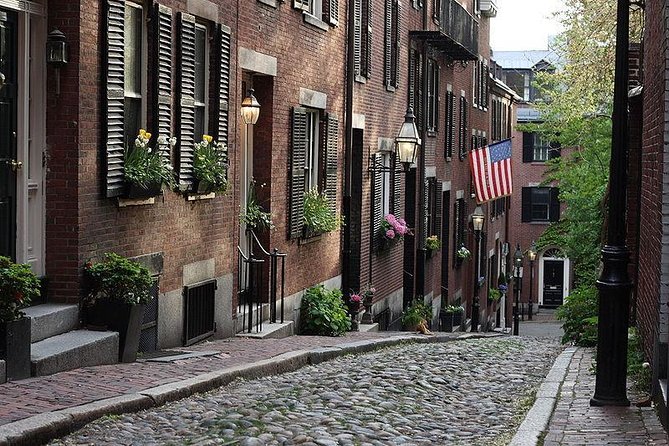
- Acorn Street is only part of the picture: You’ll see Boston’s famous narrow lane, but the tour also looks at less obvious streets, doors, homes, and architectural details.
- Photo advice works best for casual shooters: Expect tips on composition and viewpoint for a phone or camera, not a formal photography class.
- The group stays small: With a maximum of 15 people, you have a better chance to hear the commentary and get answers to your questions.
- The walk covers historic landmarks: Stops include Louisburg Square, the Massachusetts State House, Boston’s oldest public park, and the first public botanical garden in America.
- Plan for brick and uneven spots: The route is a real neighborhood walk. Wear steady shoes, watch your footing, and arrive 10 minutes early.
Why Beacon Hill makes such a good photo walk
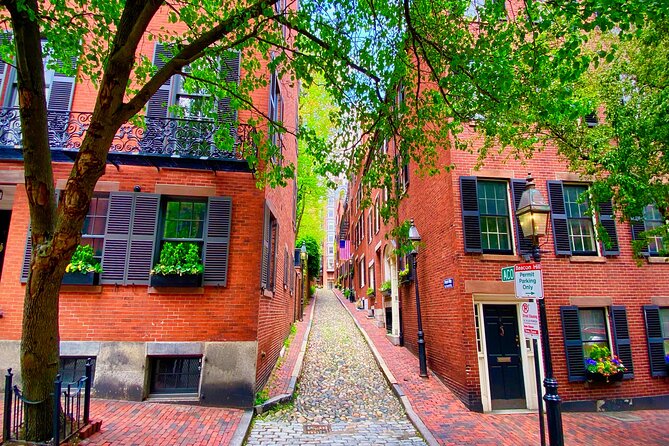
Beacon Hill is one of Boston’s most rewarding areas for a slow walk. The neighborhood has a strong visual identity, but its appeal is not limited to one famous street. Narrow lanes, red brick homes, iron railings, old lamps, bright flowers, and distinctive entrances create many small scenes.
That is where the tour earns its keep. Instead of walking straight to Acorn Street, you spend time noticing the pieces that make the neighborhood work as a whole. Saba draws attention to doors, door knockers, window boxes, building details, and places that are easy to pass without a second look.
I especially like this approach for first-time visitors. You can certainly wander Beacon Hill on your own, but you may not know why a certain home matters or how the neighborhood changed over time. A guide gives the streets a sense of place instead of leaving you with a collection of pretty photographs.
The history is also broader than old houses and famous names. The walk can include stories about Beacon Hill changing from pastureland into an exclusive residential district, the neighborhood’s first resident, and the oldest house in the area. It also covers the first kindergarten in America and the first racially integrated elementary school in the country.
That wider view matters. Beacon Hill is not just a wealthy enclave of elegant homes. Its story includes Black residents, working-class families, people who fled slavery, and the preservation battles that helped keep its brick sidewalks and historic character.
More History Walking Tours in Boston
- Boston: Freedom Trail History Small Group Walking Tour
★ 5.0 · 6,450 reviews - Boston: Freedom Trail History Small Group Walking Tour
★ 4.9 · 1,590 reviews - Boston Pizza Lovers Food and History Walking Food Tour
★ 4.5 · 1,082 reviews
Starting at 34 Beacon Street
The tour begins at 34 Beacon Street. You should arrive 10 minutes before your scheduled time, since a short walking tour loses useful time when people arrive late.
The walk is conducted in English and uses a mobile ticket. It is close to public transportation, which makes it easy to fit into a day of sightseeing around central Boston. The end point is on Charles Street, giving you a convenient place to continue exploring after the tour.
From the start, expect a relaxed pace rather than a brisk march. Several descriptions of the experience point to time for photographs, questions, and conversation. That makes it a good fit if you want to look closely rather than simply collect landmarks.
You will be walking for about an hour and a half, with the main Beacon Hill portion taking most of the time. There are no restroom stops, so plan ahead before meeting the group.
Reading the streets of Beacon Hill
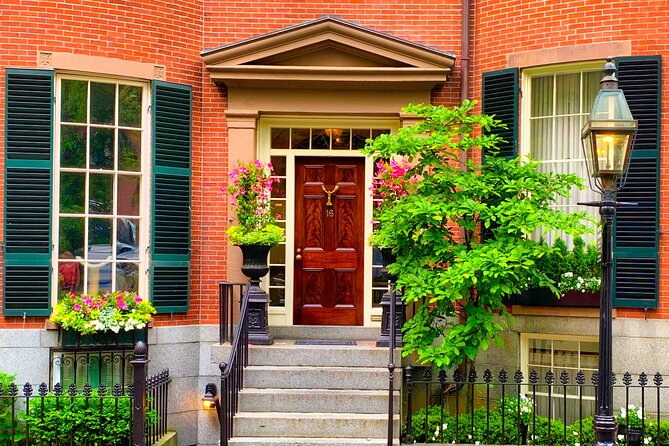
The main portion of the tour explores Beacon Hill’s brick sidewalks and narrow residential streets. Saba combines historical commentary with photo suggestions, often encouraging you to stop, look, and change your position before taking a picture.
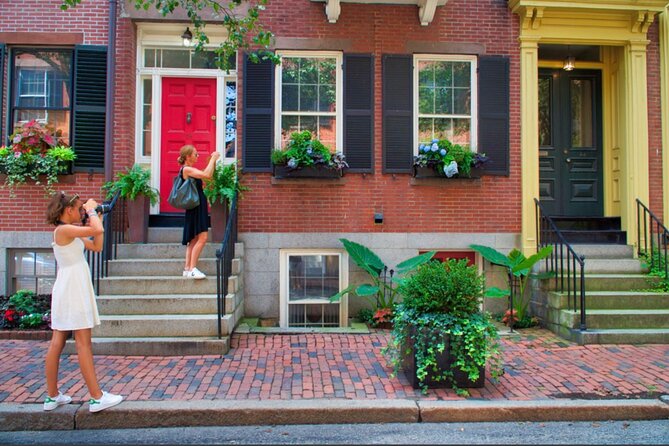
Her advice is practical rather than technical. You might work on choosing a better angle, placing a doorway or lamp in the frame, or finding a viewpoint that shows the rhythm of the buildings. These ideas are useful even if you use a basic phone camera.
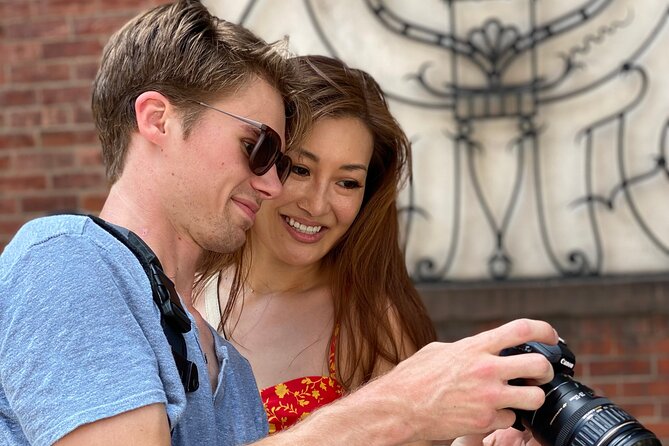
You can also expect Saba to take photographs of you or your group using your phone. That is a helpful extra for couples and families who want a picture together rather than another solo portrait.
The style is casual and personal. The walk has received praise for its easy pace and for the way Saba shares photographs of homes to help explain what the buildings looked like in earlier periods. Those visual comparisons can make the neighborhood’s changes easier to understand.
One caution: the amount of photography instruction may vary with your expectations. If you want detailed lessons on exposure, lenses, manual settings, or post-processing, this tour may feel too basic. If you want to make better travel photographs while learning about the place, it is a better match.
Acorn Street, Boston’s famous narrow lane
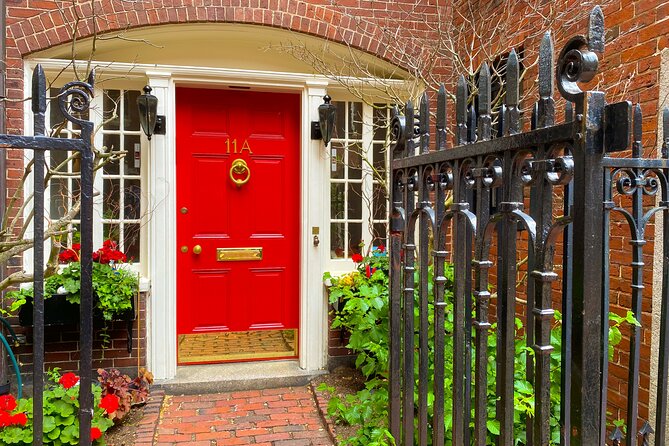
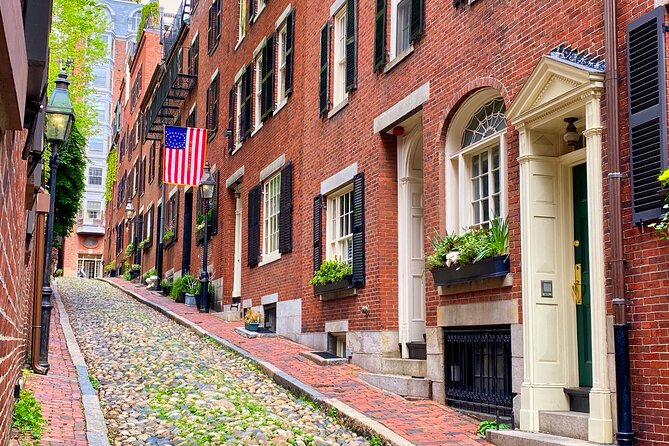
Acorn Street is the obvious photographic prize. Its narrow cobblestone surface, gas-lit lanterns, flower boxes, and preserved 19th-century row houses make it one of Boston’s most photographed spots.
The stop itself is listed as about five minutes, so do not expect a long formal lesson in the lane. The value comes from reaching it with context. You learn how Acorn Street developed, how it changed from working-class housing into one of the city’s most sought-after residential streets, and what it looked like in 1890.
That historical contrast helps you see more than a charming backdrop. The street is not simply old-looking. It reflects the way Beacon Hill shifted socially and economically over time.
Acorn Street can also be busy with people taking pictures, so the small-group format helps. You will still need patience and courtesy, especially around private homes. This is a residential neighborhood, not a stage set, and the best photographs come from respecting the people who live there.
More History Walking Tours in the USA
- Boston History Tour: Scenic Walk Through Time & Landmarks
★ 5.0 · 627 reviews - Boston’s North End Food and History Walking Tour
★ 5.0 · 459 reviews - Walk the Historic Freedom Trail with Costumed Guide
★ 4.5 · 329 reviews - Boston Seafood Lovers Food and History Walking Tour
★ 5.0 · 208 reviews
Louisburg Square and the grander side of Beacon Hill
Louisburg Square shows a more formal side of the neighborhood. Its elegant townhouses feature brick fronts, decorative ironwork, and grand entrances, with Federal and Greek Revival influences.
The stop is brief, listed at about five minutes, but it adds variety to the walk. Acorn Street feels intimate and tucked away. Louisburg Square feels planned, polished, and imposing.
This is also where the conversation may turn to current property values and the status of Beacon Hill as an expensive address. That context helps explain why preservation and real estate are such visible parts of the neighborhood’s story, though some people may find repeated attention to housing costs less interesting than stories about former residents.
If you prefer architecture, doors, and streetscapes, Louisburg Square should be one of the strongest stops. If you mainly want biographies of famous writers and politicians, make your preference clear and ask questions along the way.
The Massachusetts State House and Boston’s civic story
The Massachusetts State House was built in 1795 on land once owned by John Hancock. The building adds an important public landmark to a walk otherwise centered on residential streets.
The stop is brief, around five minutes, so this is not an interior tour of the State House. Think of it as a chance to place Beacon Hill within Massachusetts political history and to connect the neighborhood’s private homes with the city’s public life.
John Hancock is also part of the broader local story. Saba has used photographs of his home and brings visual material to help explain buildings that you pass. That approach is useful because many Beacon Hill homes look similar at first glance. A picture, a former resident, or a story gives one building a reason to remember it.
Boston’s oldest public park and America’s first botanical garden
The route also includes Boston’s oldest public park, founded in 1630, and the first public botanical garden in America, founded in 1837. These green public spaces provide a change from brick facades and narrow streets.
The supplied itinerary does not give formal stop times for both locations, so you should think of them as part of the wider walk rather than assume a long visit in each. Their inclusion adds useful context: Beacon Hill is not only a residential district but also part of Boston’s long public and civic tradition.
The botanical garden is especially useful for photographers because plants, paths, and open space offer a different kind of subject from doorways and townhouses. Still, the tour remains a neighborhood history and photo walk, not a garden tour.
The stories behind the handsome facades
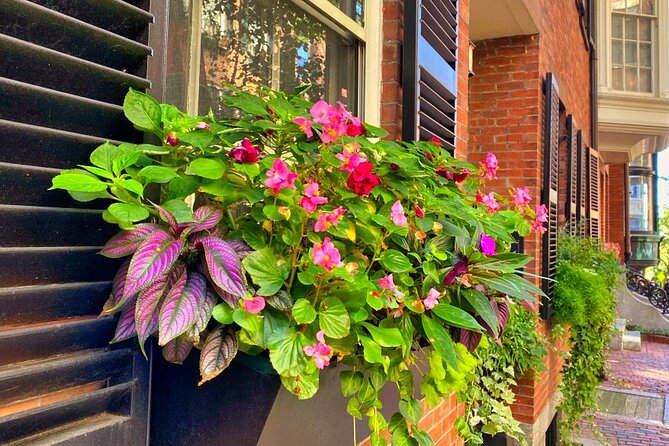
One of the strongest parts of this experience is the effort to connect architecture with people. The walk can include former residences associated with Louisa May Alcott and Nathaniel Hawthorne, along with stories about John Hancock and other public figures.
It also gives attention to people who are often left out of polished neighborhood histories. Stories include a couple who escaped slavery in disguise and the Black men who built the first home on Beacon Hill. These details give the district a more honest and human shape.
Saba may also share photographs of interiors and earlier versions of buildings. In one especially unusual moment described by the tour provider, a homeowner welcomed the group inside a residence that had once been a horse stable. You should not expect this to happen on every outing, but it shows the kind of unexpected local detail that can make a small walking tour memorable.
The preservation story is another useful thread. The tour explains who fought to protect the brick sidewalks and includes a photograph connected to a 1947 protest. That helps you understand that Beacon Hill’s appearance did not survive by accident.
What the $45 price really buys you
At $45 per person, this is not the cheapest way to walk through Beacon Hill. You can visit Acorn Street, Louisburg Square, and the public spaces without paying an admission fee.
The value lies in the interpretation. You are paying for Saba’s local knowledge, a planned route, historical photographs, photo suggestions, and the chance to ask questions in a small group. If you would otherwise wander for 90 minutes and take similar pictures without knowing the stories behind them, the cost is reasonable.
The price is strongest for couples, solo visitors, and families who want a focused introduction to Beacon Hill. It is also appealing to anyone who likes photography but does not want to carry a large camera kit or attend a formal class.
The value drops if you already know Beacon Hill well, want a long lecture on Boston history, or expect advanced camera coaching. One experienced local photographer found new places to photograph and enjoyed the history, but other people wanted more technical instruction or more discussion of famous residents.
Weather, walking comfort, and group size
This experience requires good weather. If poor conditions cancel the tour, you are offered another date or a full refund. That policy is useful, but Boston weather can still affect your comfort even when the tour operates.
A hot, humid day can be difficult. Beacon Hill has brick, concrete, and limited shade in places, and one outing ended early during 90-degree weather with high humidity. On a cooler or cloudy day, the same route may feel much easier.
Wear comfortable shoes and pay attention on uneven sections. The sidewalks are mainly brick rather than cobblestone, though some surfaces can still require care. Service animals are allowed, and children must be accompanied by an adult.
The maximum group size is 15. Some departures may be smaller, and a very small group gives you more room for questions and more control over the pace. Even at the maximum, it is far more personal than a large city sightseeing tour.
Who should book this Beacon Hill walk?
I would choose this tour if you want three things at once: a scenic neighborhood walk, local stories, and simple help with your photographs.
It is a particularly good choice for:
- First-time Boston visitors who want more than a quick look at Acorn Street
- Couples who want someone to take a few pictures of them together
- Families with older children or teenagers interested in history and architecture
- Casual phone photographers who want better framing ideas
- Solo visitors who prefer a planned route and conversation
- Returning visitors who want lesser-known streets and building details
I would think twice if you have limited mobility, dislike uneven walking surfaces, or need regular restroom access. I would also skip it if your main goal is advanced photography instruction or a detailed academic lecture on Boston’s famous residents.
Free cancellation is available until 24 hours before the start time. Changes or cancellations inside that window are not accepted, so check your schedule before booking. You also need to reconfirm at least 48 hours before the tour by email or text, a step worth putting on your calendar.
Should you book it?
Book this Beacon Hill tour if you want to slow down and notice the neighborhood properly. Saba Alhadi’s strongest contribution is the combination of local stories, visual details, and easy photo advice. The walk can turn a pretty street into a place with layers of class, race, preservation, and personal history.
Go in expecting a history walk with photography added on, not a camera course. Choose a comfortable-weather day, bring the phone or camera you actually use, plan for no restroom stop, and arrive early at 34 Beacon Street. At $45, it is a fair buy for a thoughtful introduction to Beacon Hill, especially if Acorn Street is only your starting point rather than your whole reason for coming.
FAQ
How long does the Beacon Hill photo walking tour last?
The tour lasts approximately 1 hour and 30 minutes.
What is the price?
The price is $45 per person.
Where does the tour begin?
The tour begins at 34 Beacon Street, Boston, Massachusetts 02108.
Where does the tour end?
The tour ends on Charles Street in Boston.
What language is the tour offered in?
The tour is offered in English.
How large is the group?
The tour has a maximum of 15 people.
Is this an advanced photography workshop?
No. The tour combines neighborhood history with casual photography advice, including tips on angles, positioning, framing, and using a phone or camera. It is not designed as an advanced technical photography class.
Are there restroom stops?
No. There are no restroom stops during the tour.
What happens if the weather is poor?
The tour requires good weather. If it is canceled because of poor conditions, you will be offered a different date or a full refund. You can cancel for a full refund up to 24 hours before the start time.
More Small-Group History Tours in Boston
- Boston Freedom Trail History Pub Crawl Small-Group Tour
★ 5.0 · 996 reviews - Freedom Trail Guided Walking Tour (SMALL GROUP)
★ 4.5 · 98 reviews - Boston’s Architecture, History + Photo Walking Tour (SMALL Group)
★ 5.0 · 91 reviews - Beacon Hill + Back Bay History + Photo Walking Tour(SMALL Group)
★ 5.0 · 60 reviews
Just added around Boston
- Boston’s North End History + Photo Walking Tour (SMALL Group)★ 5.0 · 27 reviews
- Boston’s Architecture, History + Photo Walking Tour (SMALL Group)★ 5.0 · 91 reviews
- Freedom Trail Guided Walking Tour (SMALL GROUP)★ 4.5 · 98 reviews
- Haunted Boston’s Historic Streets Walking Guided Tour★ 4.5 · 184 reviews
- Boston: Underground Railroad History Tour of Beacon Hill★ 5.0 · 141 reviews
- A Taste of the Freedom Trail: Boston’s Iconic Food & History Tour★ 5.0 · 32 reviews
- Boston: Food and History of The Freedom Trail Private Tour★ 5.0 · 159 reviews
- Beacon Hill + Back Bay History + Photo Walking Tour(SMALL Group)★ 5.0 · 60 reviews
Boston History Tours, compared.
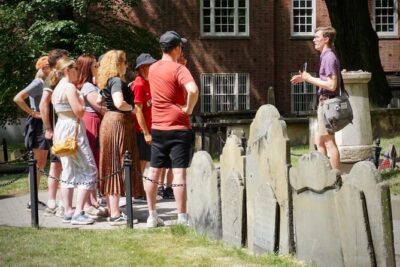
Boston: Freedom Trail History Small Group Walking Tour
Read our review →
Tour of Historic Fenway Park, America’s Most Beloved Ballpark
Read our review →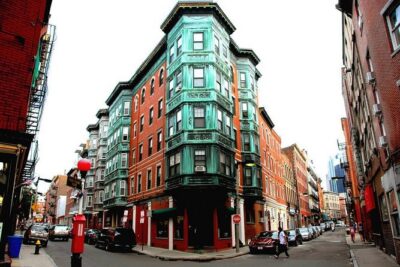
Boston Food & History: Pizza, North End & Freedom Trail
Read our review →Boston: Freedom Trail History Small Group Walking Tour
Read our review →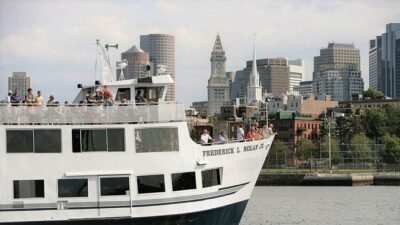
City Cruises Boston Historic Sightseeing Harbor Cruise
Read our review →
Boston Pizza Lovers Food and History Walking Food Tour
Read our review →
Boston Freedom Trail History Pub Crawl Small-Group Tour
Read our review →
Boston City View Bicycle Tour: History and Landmarks
Read our review →Browse the lists this tour appears in