
Review · BOSTON
Boston: Freedom Trail History Small Group Walking Tour
Boston’s Freedom Trail is more than a red line through downtown. It is a walk through the arguments, protests, graves, and street fights that pushed a British colony toward rebellion. This 2.5-hour tour connects the landmarks into one clear story, from Boston Common to Copp’s Hill Terrace.
I like the small group of 15 or fewer, which makes it easier to hear a guide on crowded sidewalks. I also like the way the tour includes all 16 official Freedom Trail landmarks, plus a useful mid-walk break near Quincy Market. The main drawback is the pace: two miles of city walking, much of it outdoors, can feel long in freezing weather, rain, or heavy summer heat.
Key points to know before you book
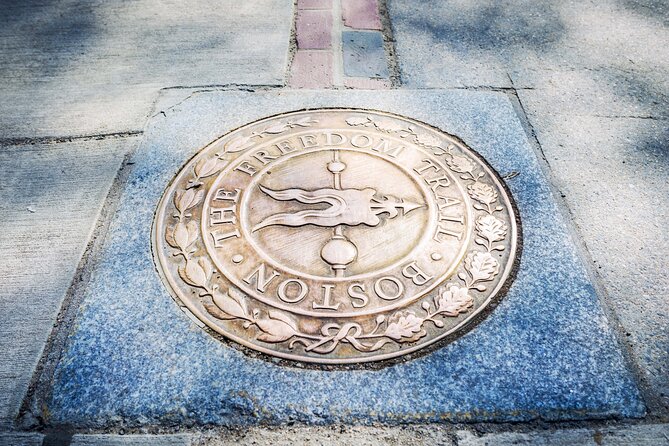
- The story covers the 15 years before the American Revolution, not just a parade of famous buildings.
- You see all 16 official Freedom Trail landmarks, though admission inside museums and historic buildings is not included.
- Groups are capped at 15 people, a real advantage on busy Boston sidewalks.
- The route covers about 2 miles and may last up to 3 hours, so wear proper walking shoes.
- The finish in the North End is well chosen, with Old North Church nearby, Italian restaurants close at hand, and views toward the USS Constitution and Bunker Hill.
- Guides such as Maura, Nick, Cyrus, Alejandro, Zoe, and Jon are praised for lively storytelling, clear explanations, and putting famous events into context.
Boston Common sets the stage
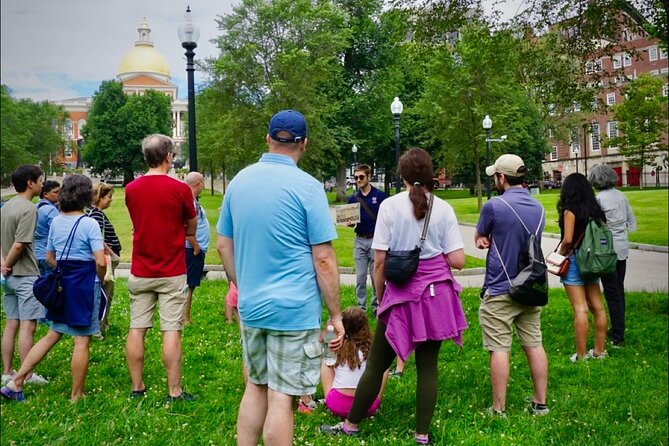
Meet inside Boston Common at the Boston Foundation Monument, near the park’s northern edge and opposite 50 Beacon Street. Look for the granite memorial with its bronze relief of two men shaking hands, connected to the arrival of the Puritans in 1630.
This is a sensible starting point. Boston Common is where the Freedom Trail begins, and the open park gives your guide room to gather the group before you enter the tighter streets of downtown.
The first stop is a short look at Boston Common itself. You’ll hear about its early public use and its place in the city’s development before moving toward the Massachusetts State House, Park Street Church, and the old burial grounds.
The State House is one of those places you mainly appreciate from the outside on this tour. It helps you understand the changing shape of Boston’s political center, while Park Street Church adds another layer to the city’s religious and civic life.
The guide’s skill matters here. The tour is built around a 15-year buildup to revolution, so the best guides do more than attach a date to each building. Maura, Cyrus, Nick, Alejandro, Zoe, Jon, and others have been praised for keeping the material clear, lively, and human.
More History Walking Tours in Boston
- Boston: Freedom Trail History Small Group Walking Tour
★ 5.0 · 6,450 reviews - Boston Pizza Lovers Food and History Walking Food Tour
★ 4.5 · 1,082 reviews - Boston History Tour: Scenic Walk Through Time & Landmarks
★ 5.0 · 627 reviews
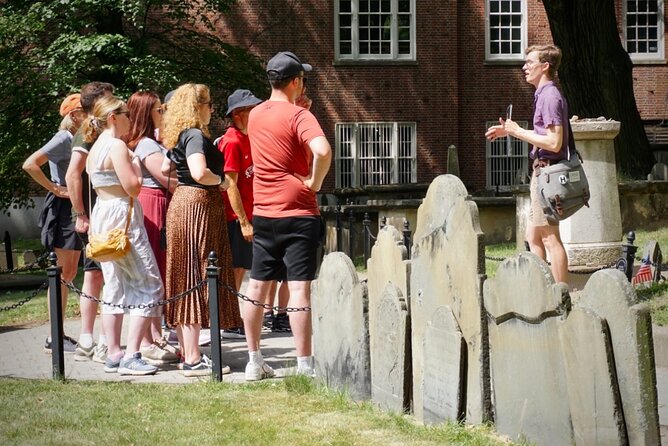
Granary Burying Ground brings famous names down to earth
The longest stop early in the walk is Granary Burying Ground, where you have about 25 minutes to look at one of Boston’s most important historic cemeteries.
This is where the tour becomes personal. The final resting places of Paul Revere, Samuel Adams, and other major figures give a physical sense of the people behind the political slogans. You are not simply hearing about the Revolution as a distant national event. You are standing among the people who argued, organized, fought, and died during the period.
The graveyard can also be a useful pause in the city walk. You get time to look around while the guide explains who is buried there and why the site matters. Bring comfortable shoes, but do not expect a quiet stroll. The rest of the city is still close by, and the tour keeps moving after this stop.
From King’s Chapel to Benjamin Franklin’s boyhood city
The route continues past King’s Chapel and several smaller but worthwhile markers of early Boston.
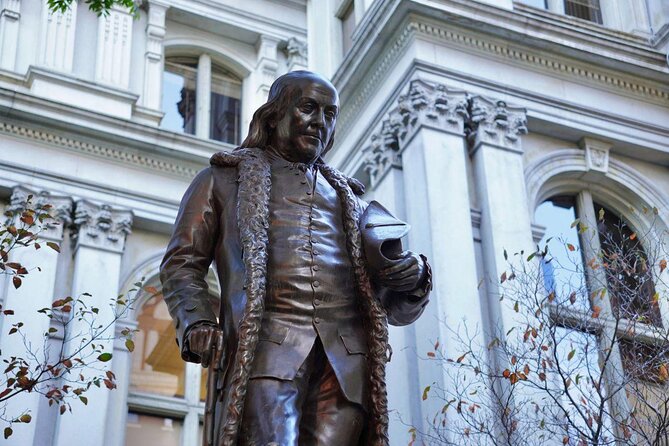
At the Boston Latin School site, you’ll see the Benjamin Franklin statue. Franklin was born in Boston and attended the school, making this a good place to consider the city’s role in shaping people who later became national figures.
Old City Hall and the Old Corner Book Store help broaden the story beyond battles and speeches. The Freedom Trail includes surviving buildings, former sites, street corners, and memorial markers. Some stops are grand. Others require your guide to point out why an ordinary-looking location matters.
That mix is part of the appeal, but it also means you should listen closely. One visitor specifically wished for a way to keep track of the landmarks because so much happens in a short period. I recommend using the official Freedom Trail map or your phone’s notes app to mark each stop as you go. The tour covers a lot.
Old South Meeting House and the road to protest
Old South Meeting House is one of the tour’s most important stops, even if you do not go inside. The building is tied to the meeting that preceded the Boston Tea Party, when colonists gathered to debate what to do with the tea ships in the harbor.
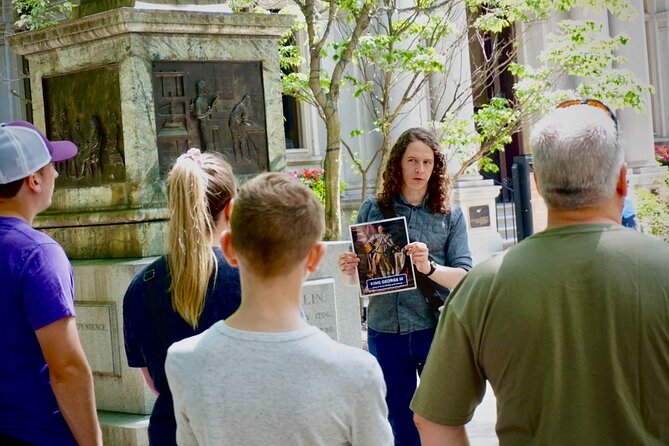
This is where the guide can explain the difference between a simplified schoolbook story and the more tangled reality. The tour focuses on the choices facing Colonial Bostonians, including the question of loyalty to the Crown or support for rebellion.
The strongest guides handle this part with balance. Nick was praised for presenting competing viewpoints rather than repeating easy patriotic slogans. That approach is useful because the period was full of political spin, fear, economic pressure, and competing ideas about law.
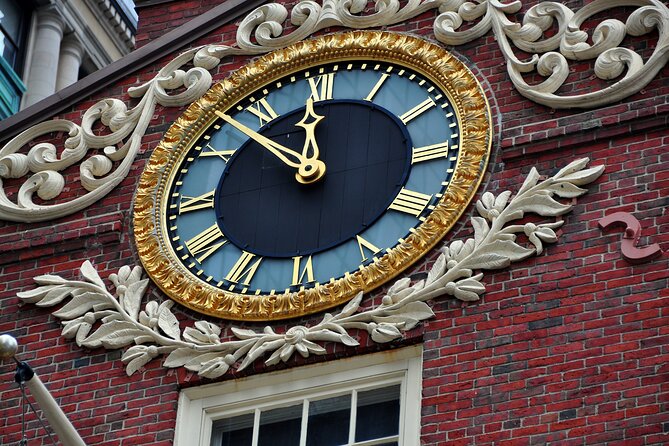
The tour then moves to the Old State House and the Boston Massacre Site. The Old State House is one of the most striking buildings along the route, squeezed into the modern downtown around it. The Boston Massacre Site is marked in the street nearby, so you need to look down and pay attention.
The site is a good example of how the tour deals with disputed memory. The event became powerful propaganda for the patriot cause, while the actual confrontation was more complicated. A strong guide can explain both the event and the way it was used.
You’ll spend about 15 minutes around this portion of the route. It is one of the most worthwhile sections for anyone interested in how public opinion can shift before open conflict begins.
More History Walking Tours in the USA
- Boston’s North End Food and History Walking Tour
★ 5.0 · 459 reviews - Walk the Historic Freedom Trail with Costumed Guide
★ 4.5 · 329 reviews - Boston Seafood Lovers Food and History Walking Tour
★ 5.0 · 208 reviews - Downtown Freedom Trail Walking Tour – History & Architecture
★ 4.5 · 194 reviews
Faneuil Hall and Quincy Market provide a practical pause
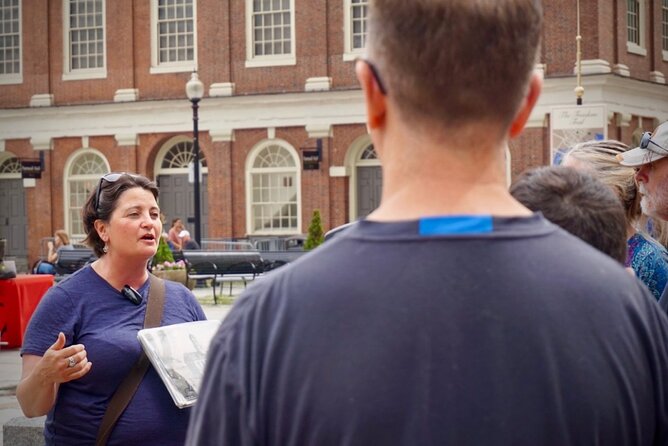
Faneuil Hall is next, with a short guided stop. The building has a long connection to public debate and civic life, and it remains one of the city’s best-known historic gathering places.
You then reach Quincy Market, where the schedule allows about 10 minutes for a break. This is a small detail, but it matters. A bathroom stop and a chance to buy a drink can make the second half of a walking tour much more comfortable.
Do not treat this as a full meal break. Ten minutes is enough for a quick pause, not a leisurely lunch. If you are visiting the North End later, save your appetite for that neighborhood, which is close to the final stops and packed with Italian restaurants.
Paul Revere’s house makes the Revolution feel local
The walk into the North End shifts the mood. The streets become narrower, and the story moves from public meetings and political argument to individual action.
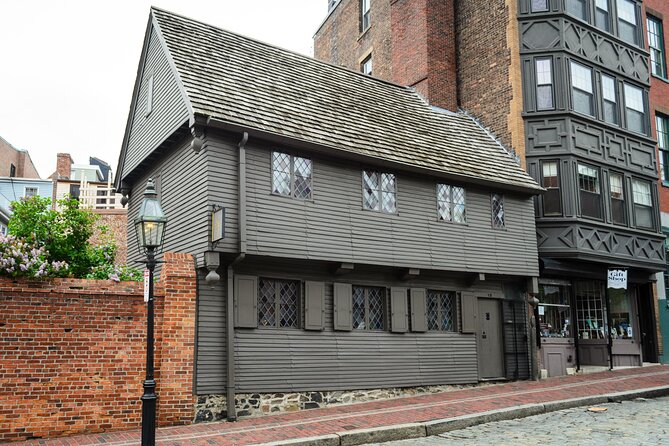
Paul Revere House is the oldest building on the Freedom Trail. The tour explains its place in Revere’s life and the larger story around his famous ride. You will also hear an important correction to the popular version: Revere did not complete the entire midnight ride by himself.
That detail is typical of the tour at its best. It gives you familiar names, then adds the part that is often left out. The revolution was not carried by one heroic figure moving through the night. It depended on networks of riders, messengers, local knowledge, and people willing to act.
The route continues along Hanover Street, the North End’s main commercial road, before reaching the Paul Revere Statue. This gives you a chance to see how the historic district functions as a living neighborhood rather than a museum set.
The tour does not include admission inside the Paul Revere House or other museums. You see and discuss the landmarks from the route, but you’ll need to pay separately if you want to enter.
Old North Church and the final view from Copp’s Hill
Old North Church is one of the most recognizable Freedom Trail landmarks. The church is linked to the signal lanterns that warned Paul Revere and others about British troop movements. Your guide will explain the event and its place in the opening phase of the Revolution.
The nearby Copp’s Hill Burying Ground adds another cemetery to the route. Its position in the North End gives the stop a different feel from Granary Burying Ground. You are closer to the waterfront and across from Charlestown, with the city’s modern life continuing around the old graves.
As you walk toward Copp’s Hill Terrace, you get scenic views toward the USS Constitution and the Bunker Hill Monument. The tour does not continue into the Charlestown neighborhood, but the guide points out both landmarks from across the water.
The tour ends at Copp’s Hill Terrace after roughly 150 minutes, though the total time can stretch to three hours. This is a useful finish because you are close to Old North Church, Hanover Street, and North End restaurants. You can continue sightseeing, stop for a meal, or make your way back downtown.
Why the small group makes a real difference
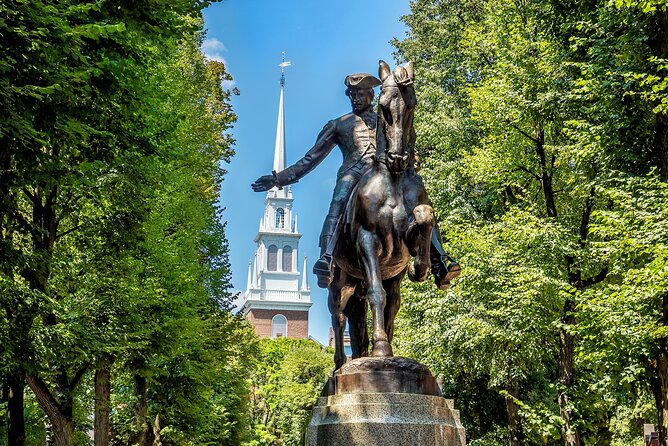
Boston’s Freedom Trail is easy to follow on your own, but the experience can be less rewarding if you only walk from marker to marker. The small group changes the feel of the tour.
With no more than 15 people, you have a better chance of hearing the guide near traffic and busy sidewalks. You can ask questions without shouting across a crowd, and the guide can keep the group together more easily.
This matters most at the Old State House, the Boston Massacre Site, Faneuil Hall, and the North End, where foot traffic can be heavy. Large groups are common along the Freedom Trail. A small party will not remove the crowds, but it helps you avoid becoming part of a slow-moving tour parade.
The guide is the heart of the experience. The strongest feedback centers on enthusiasm, humor, clear explanations, and personal knowledge of Boston. Guides named in the feedback include Maura, Nick, Cyrus, Alejandro, Zoe, Jon, Matt, Sara, Maz, Mikayla, Eric, Toby, and others.
You should not expect identical personalities or exactly the same storytelling from every guide. You can expect an English-language tour built around the same landmarks and broad story. The guide’s style may be energetic, humorous, or more measured.
Price, pace, and practical comfort
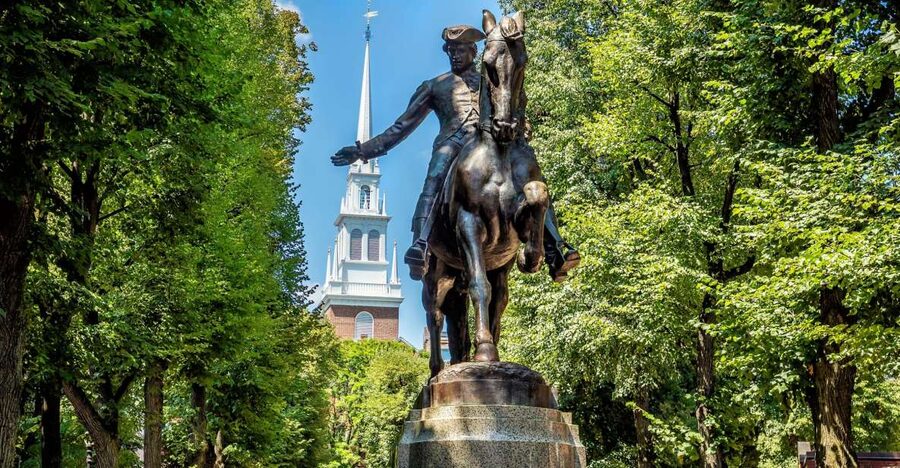
At $35 per person, the tour is fairly priced if you want a guide to connect the sites into one story. You are paying for about 2.5 hours of live narration, a small group, and a route that covers all 16 official Freedom Trail landmarks.
It is less useful as a bargain if you only want to see the red line or take photographs. You can walk much of the route independently. The value comes from the context, corrections to familiar myths, and the chance to ask questions.
The accessible route covers about 2 miles, or 3.2 kilometers. The tour is described as wheelchair accessible, but the activity is not suitable for people with mobility impairments or a low level of fitness. That sounds contradictory at first, so read it practically: the route may accommodate a wheelchair, but it still involves a long outdoor walk over city streets, with limited chances to sit.
Children under six are not permitted. Older children may enjoy the stories, especially if they already have some interest in the American Revolution, but two and a half hours is a long time for anyone who dislikes walking or extended listening.
Wear shoes you can walk in for several hours. Boston weather can change quickly, and the tour continues in rain or cold unless conditions force a change. Winter reviews describe freezing temperatures and heavy snow, while another tour continued during a downpour. That speaks well of guide commitment, but it also tells you to dress seriously.
Bring only what you need. Large bags and luggage are not allowed, and video recording is not permitted. A small day bag, water, weather gear, and a phone for notes are the sensible choices.
Free cancellation is available up to 24 hours before the start time, and you can reserve now and pay later. A tip for the guide is optional and not included.
Who should book this Freedom Trail walk?
I would choose this tour for a first visit to Boston, especially if you want a clear introduction before exploring the city on your own. It is also a good fit for people from outside the United States who know the Revolution only in broad outline. The guides explain the setting without assuming you already know every name and date.
History teachers, serious history readers, and repeat visitors can enjoy it too, since the best guides add nuance around events such as the Boston Massacre, the Tea Party, and Paul Revere’s ride.
I would hesitate if you want to spend time inside every historic building. Admission is not included, and the tour focuses on exterior views, street locations, cemeteries, and guided explanations. You may want to return later to the Old South Meeting House, Old State House, Paul Revere House, or other sites that interest you.
I would also avoid booking it on a day when you are carrying luggage or planning a full day of strenuous walking. The route is not extreme, but the length, weather exposure, and steady pace are real considerations.
Should you book it?
Book this tour if you want the Freedom Trail to make sense as one connected story rather than a string of old buildings. The combination of a 15-person limit, strong guide-led storytelling, all 16 official landmarks, and a North End finish gives you good value at $35.
Choose a dry, mild day if you can, wear comfortable shoes, and keep the rest of your schedule flexible. If Maura, Nick, Cyrus, Alejandro, Zoe, or another guide with the same gift for clear storytelling leads your group, you are likely to leave with more than a list of dates. You will understand how Boston’s arguments, burial grounds, meeting halls, and street corners helped push a colony toward revolution.
FAQ
How long does the Freedom Trail walking tour last?
The tour is scheduled for 150 minutes, or about 2.5 hours. The total duration can vary but will not be more than 3 hours.
How far does the tour walk?
The accessible route covers approximately 2 miles, or 3.2 kilometers.
How many people are in each group?
Groups are limited to a maximum of 15 people.
Does the tour include all 16 Freedom Trail landmarks?
Yes. The route covers all 16 official Freedom Trail landmarks, including Boston Common, Granary Burying Ground, Old South Meeting House, the Old State House, Paul Revere House, Old North Church, and Copp’s Hill Burying Ground.
Are admission fees to the historic buildings included?
No. Admission inside museums and historic buildings is not included in the tour price.
Where does the tour finish?
The tour finishes at Copp’s Hill Terrace in Boston’s North End, near Old North Church, North End restaurants, and views of the USS Constitution and Bunker Hill Monument.
More Small-Group History Tours in Boston
- Boston Freedom Trail History Pub Crawl Small-Group Tour
★ 5.0 · 996 reviews - Beacon Hill Boston History + Photo Walking Tour (SMALL Group)
★ 5.0 · 163 reviews - Freedom Trail Guided Walking Tour (SMALL GROUP)
★ 4.5 · 98 reviews - Boston’s Architecture, History + Photo Walking Tour (SMALL Group)
★ 5.0 · 91 reviews
Just added around Boston
- Boston’s North End History + Photo Walking Tour (SMALL Group)★ 5.0 · 27 reviews
- Boston’s Architecture, History + Photo Walking Tour (SMALL Group)★ 5.0 · 91 reviews
- Freedom Trail Guided Walking Tour (SMALL GROUP)★ 4.5 · 98 reviews
- Haunted Boston’s Historic Streets Walking Guided Tour★ 4.5 · 184 reviews
- Boston: Underground Railroad History Tour of Beacon Hill★ 5.0 · 141 reviews
- Beacon Hill Boston History + Photo Walking Tour (SMALL Group)★ 5.0 · 163 reviews
- A Taste of the Freedom Trail: Boston’s Iconic Food & History Tour★ 5.0 · 32 reviews
- Boston: Food and History of The Freedom Trail Private Tour★ 5.0 · 159 reviews
Boston History Tours, compared.
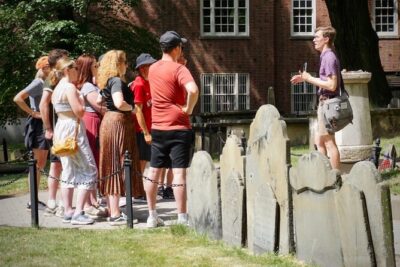
Boston: Freedom Trail History Small Group Walking Tour
Read our review →
Tour of Historic Fenway Park, America’s Most Beloved Ballpark
Read our review →
Boston Food & History: Pizza, North End & Freedom Trail
Read our review →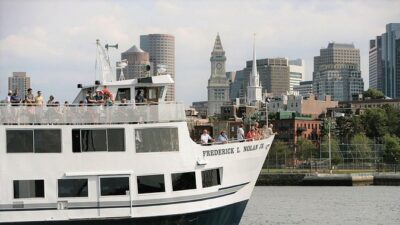
City Cruises Boston Historic Sightseeing Harbor Cruise
Read our review →
Boston Pizza Lovers Food and History Walking Food Tour
Read our review →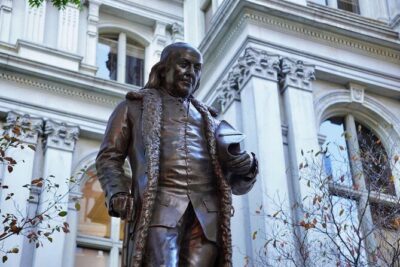
Boston Freedom Trail History Pub Crawl Small-Group Tour
Read our review →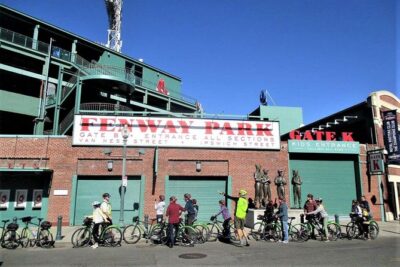
Boston City View Bicycle Tour: History and Landmarks
Read our review →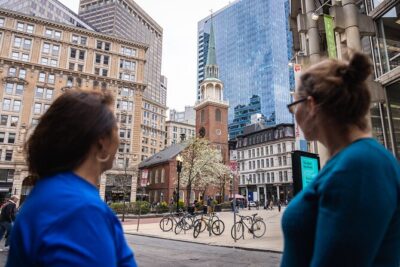
Boston History Tour: Scenic Walk Through Time & Landmarks
Read our review →Browse the lists this tour appears in