
Review · BELGIUM
Brussels: Museum Art & History Entry Ticket
The most striking part of this museum is its range. In one building, you can move from the model of ancient Rome to Egyptian mummies, medieval objects, Asian Buddhas, Belgian archaeology, and Art Nouveau design. It is less a quick hit of famous masterpieces than a long walk through human history.
I like the museum’s one-day validity, which lets you set your own pace, and I like its setting in the grand Parc du Cinquantenaire. The main drawback is its size: without a plan, the sheer number of rooms and objects can leave you tired or unsure what deserves your best attention.
Key points to know
- Ancient Rome: See a large model of Roma and explore the museum’s ancient Greek and Roman collections.
- Egyptian mummies: The Egyptian section adds a memorable look at burial customs and ancient belief.
- Four broad collections: Move through ancient history, Belgian archaeology, European decorative arts, and non-European civilisations.
- A full day of access: The ticket is valid for one day, making a slow visit possible.
- Cinquantenaire setting: Pair the museum with a walk or picnic in the surrounding park.
- Practical entry: The entrance is on the opposite side of the building from Autoworld, and the museum is wheelchair accessible.
A museum that crosses continents and centuries
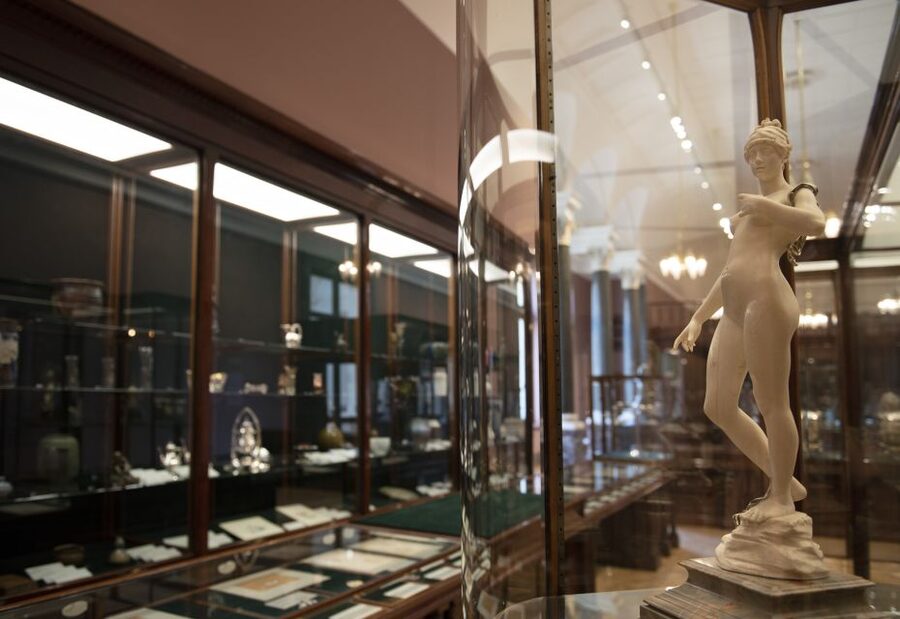
The Royal Museum of Art and History is one of Belgium’s largest museums. Its home is a grand classic building at the Parc du Cinquantenaire, where the architecture gives your visit a fitting sense of occasion before you even reach the displays.
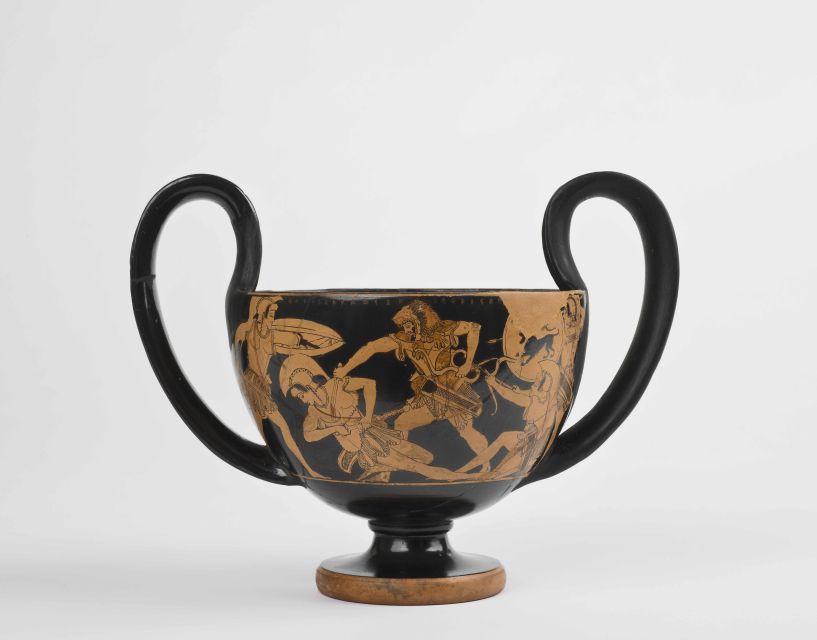
This is not a small specialist museum that you can finish in an hour. Its collections begin with the birth of mankind and continue through ancient Egypt, Greece, and Rome, the Middle Ages, the 16th to 18th centuries, and the Art Nouveau and Art Deco periods of the early 20th century.
The museum also reaches far beyond Belgium and Europe. You can find objects connected with Asia, the Islamic world, India, China, and the civilisations of the Americas. That broad scope is the main reason to choose this ticket over a more narrowly focused attraction.
You should think of the visit as a self-guided museum day. No guide is included, so you decide where to linger and where to move on. That freedom works well if you enjoy setting your own route, but it also means you should not expect a guided story linking every room.
More Tickets in Belgium:
- Bruges: Historium Bruges Medieval Experience Ticket
★ 4.3 · 220 reviews - Brussels: BELvue Belgium History Museum Entry Ticket
★ 4.6 · 27 reviews - Pompeii: Entry Ticket and Guided Tour with an Archaeologist
★ 4.8 · 19,459 reviews
Start with the model of ancient Rome
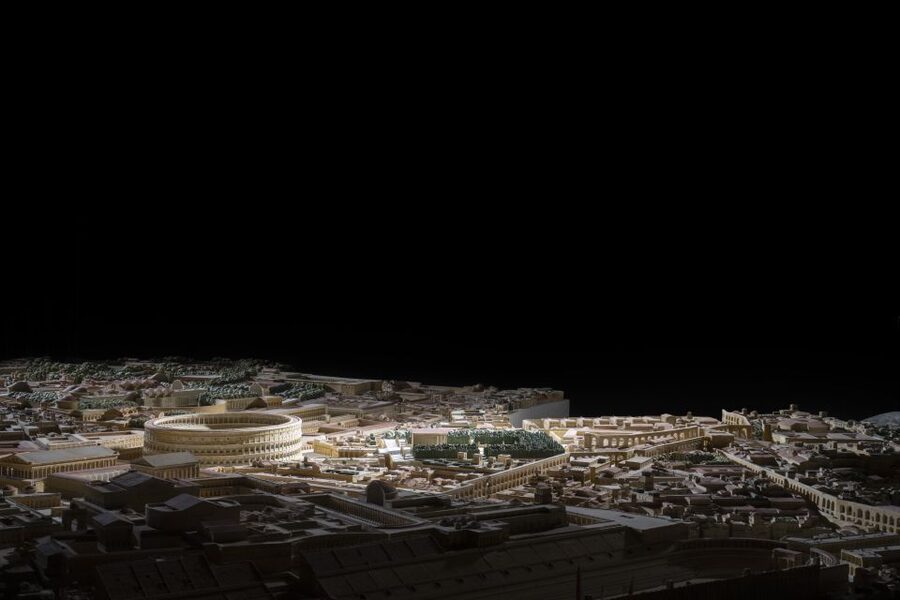
The model of Roma is one of the museum’s most useful visual anchors. Instead of seeing ancient Rome as a list of emperors, dates, and ruins, you can look at the city as a whole. The model helps you picture how a major ancient capital was arranged and why Rome still shapes European culture.
I would make this an early stop, especially if ancient history interests you. It gives context to the Roman objects around it and makes the later displays easier to place. Even children can get something from a large city model because it turns an abstract historical subject into something they can inspect from several angles.
The ancient history section also includes Greek material. Together, the Greek and Roman collections show how ideas, art, religion, and political power developed around the Mediterranean. The available information does not give a complete list of individual objects, so I would come with broad interests rather than a fixed checklist of famous pieces.
Face Egypt’s mummies and ancient beliefs
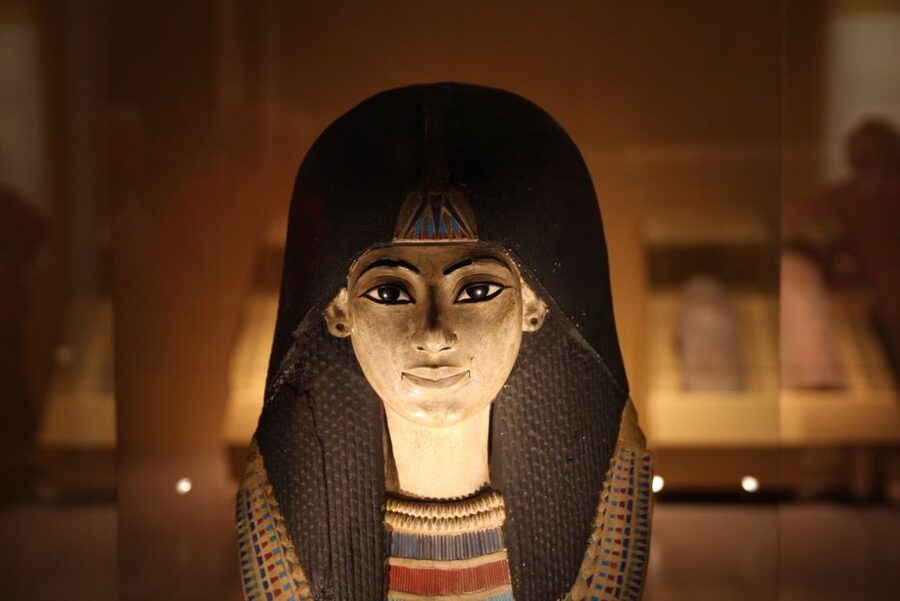
The Egyptian section is likely to be one of the most memorable parts of the museum. Mummies bring the subject close to home in a way that painted panels and broken statues often cannot. They make you think about death, preservation, family, and the beliefs that shaped everyday life in ancient Egypt.
The phrase curse of the Egyptian mummies adds a touch of old-fashioned museum drama, but the real value is more serious. The displays connect ancient objects with the people and customs behind them. You can take your time and consider not only what has survived, but why it was made and how it was used.
If you are visiting with children, this section may be a strong hook. It has an immediate sense of mystery, though younger children may find some displays unsettling. I would allow extra time here instead of treating Egypt as a quick passage to the Roman rooms.
Follow Belgium’s story through archaeology

The national archaeology collection covers prehistory as well as later Belgian culture. This gives you a chance to see Belgium as more than its medieval city centers, chocolates, and grand squares. The country’s story reaches much further back.
Prehistoric objects can be quiet compared with mummies or monumental art. Their importance comes from what they reveal about early human life, tools, craft, and settlement. If you enjoy seeing how societies developed over time, this section creates a useful bridge between the beginnings of human culture and the more familiar periods that follow.
I like this part because it gives the museum a local purpose. The international collections are a major draw, but the Belgian material grounds the visit in the place you are actually visiting. It also gives you a better sense of how national archaeology fits into the wider story of Europe.
More History Tours in Belgium:
- Ghent: 50-Minute Medieval Center Guided Boat Trip
★ 4.5 · 5,637 reviews - Historical Walking Tour: Legends of Bruges
★ 5.0 · 2,541 reviews - Historical Walking Tour: Legends of Antwerp
★ 5.0 · 1,837 reviews - Historical Walking Tour: Legends of Gent
★ 5.0 · 1,761 reviews
See European decorative arts from the 10th to 20th centuries
The European decorative arts collection covers a long period, from the 10th century through the 20th century. This is where you can watch styles change across centuries, from medieval work to the refined forms of the 16th, 17th, and 18th centuries, then onward to Art Nouveau and Art Deco.
Decorative arts are especially useful for understanding daily life. Paintings often show what people wanted remembered, while furniture, objects, and crafted items can tell you how people lived, entertained, worked, and displayed status. The collection lets you read history through design as well as through major political events.
The early 20th-century Art Nouveau and Art Deco material offers a satisfying finish to the chronological journey. These styles feel closer to the modern world, yet they still show how quickly artistic taste can change. If you are short on time, this section may be easier to appreciate after the ancient collections, since you can see the long shift from early craft to modern design.
Cross into Asia, India, China, and the Islamic world

The non-European collections widen the museum’s story. You can pass Asian Buddhas and continue into material connected with India, China, and the Islamic world. These rooms prevent the visit from becoming a purely European history lesson.
The Asian displays are a good reason to slow down. Religious art can be visually powerful, but its meaning may not be obvious at first glance. You do not need to know every tradition before entering. Instead, look at posture, gesture, materials, and repeated symbols, then use any available labels to build a basic understanding.
The Islamic world, India, and China are grouped within the museum’s non-European civilisations section. That broad grouping is useful for a first visit, though it also means you should not expect each culture to receive the same depth as a dedicated national museum. The strength here is comparison: you can see different artistic traditions within one visit.
Make the most of the one-day ticket
At $11 per person, this is a low-cost ticket for a museum that can occupy much of a day. The value is strongest if you enjoy museums and plan to spend several hours inside. You are paying for access to a very broad collection rather than a short, tightly edited attraction.
The ticket is valid for one day, so you do not have to race from room to room. That matters here. You can take a break, leave the building, and continue your day in the Cinquantenaire area without trying to finish everything in one exhausting push.
The ticket also includes skip-the-ticket-line access. That can save time at busy periods, though it does not make the museum itself small or quick. You still need to walk through a large building and choose what to see.
One useful money check: if you already have a museum pass, confirm the admission terms before paying separately. A museum-pass holder could find that an extra ticket is unnecessary.
Find the correct entrance at Cinquantenaire
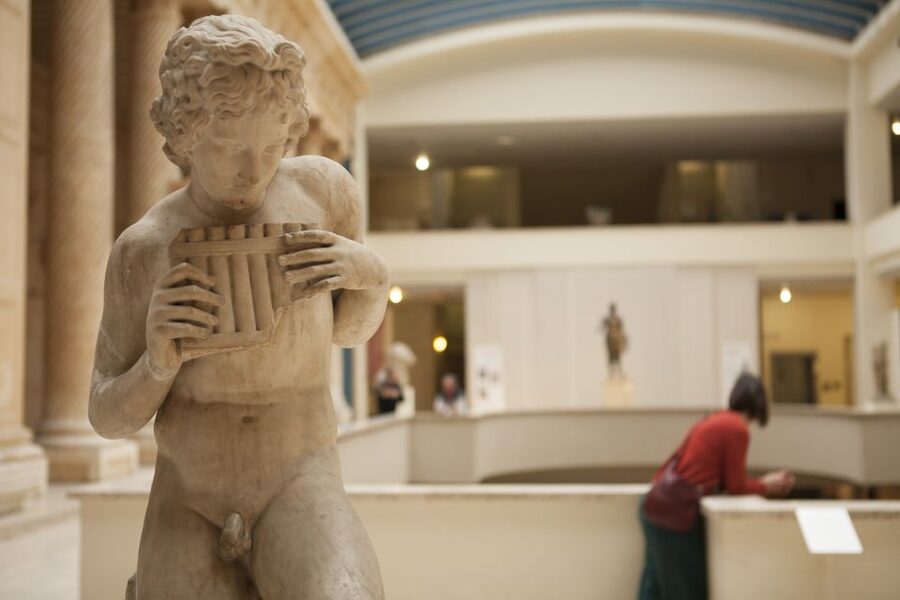
The entrance is not beside Autoworld. It is on the other side of the building, so walk around the corner and follow the signs. This is the sort of small detail that can save you an unnecessary lap of the block, particularly if you arrive with limited time.
You can reach the museum by several public transport routes. Merode and Schuman are the nearest train stations within walking distance, while Brussels Central connects by metro to the Art and History Museum. The nearest metro station is Schuman.
Buses 22, 27, and 80 stop at Galliërs. Bus 61 stops at Merode. Trams 81 and 82 also stop at Merode. These choices make the museum easy to combine with other stops in Brussels, though you should allow time to walk from the station or stop and locate the correct side of the building.
The museum is wheelchair accessible. Flash photography is not allowed, so keep your camera settings respectful of the objects and the people around you.
Finish with a picnic in the park
The Parc du Cinquantenaire is part of the appeal. After several hours indoors, an impromptu picnic gives you a simple way to rest and think through what you saw. You can treat the park as a pause between museum sections or as the natural end to the visit.
This works particularly well because the museum covers such a large span. A break outdoors helps prevent the last rooms from turning into a blur of objects. If you are visiting with family, the park also gives children room to reset after time spent indoors.
You do not need to make the museum a solemn, all-day assignment. See the sections that matter most to you, take a break, and continue only if you still have energy. The one-day validity gives you room to make that choice.
Who will enjoy this museum most
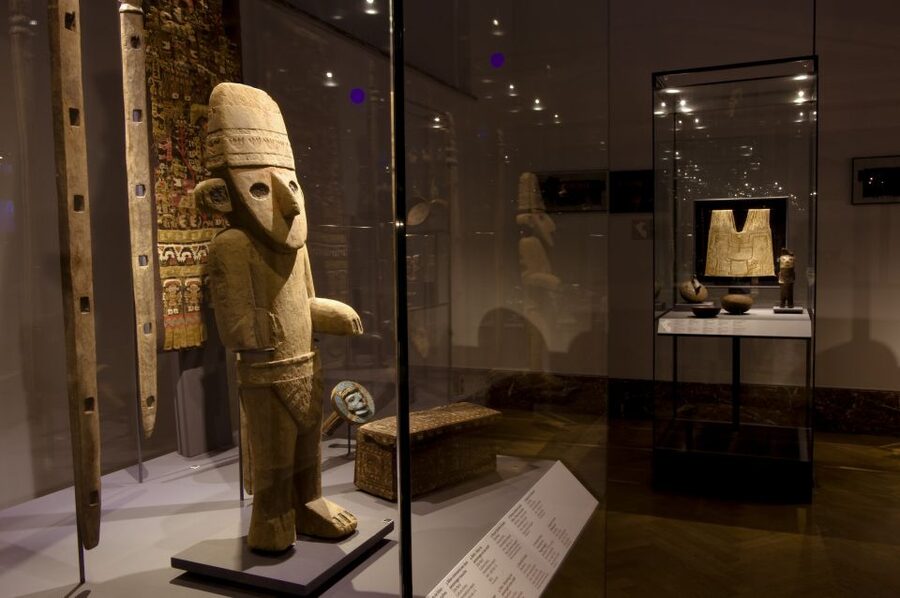
I would recommend this experience to anyone who likes having many subjects under one roof. It suits first-time visitors who want an introduction to Belgium’s cultural past, families looking for varied displays, and museum fans who prefer to set their own route.
It is also a good choice for rainy weather. You can move between ancient history, archaeology, decorative arts, and Asian collections without committing to only one theme.
You may want a different attraction if you prefer a small museum with a single clear focus or a guided tour with a planned narrative. There is no named guide or guided commentary included here. The freedom is useful, but you need to supply your own priorities.
The museum’s overall score is 4.5 from 58 ratings, and one recent Spanish-language assessment described it as impressive for both adults and children. That matches the basic strength of the collection: the range gives different age groups and interests something to hold onto. At the same time, a Belgian booking note raised the possibility that an existing museum pass could make separate payment unnecessary, so check before buying if you already have one.
Should you book the Art and History Museum ticket?
Book it if you want a broad, self-guided museum visit for about $11, especially if you are interested in ancient Rome, Egyptian mummies, Belgian archaeology, or Asian art. The Cinquantenaire location and one-day validity make it easy to pair with a park break.
Skip it if you want a short, guided experience or if you already have admission through a museum pass. For everyone else, this is a practical way to connect Belgium with the wider story of Europe, Asia, and the ancient world without spending a large admission fee.
FAQ
Where is the Royal Museum of Art and History?
The museum is at the Parc du Cinquantenaire in the Brussels Capital Region, Belgium.
Is the entrance beside Autoworld?
No. The entrance is on the other side of the building from Autoworld. Walk around the corner and follow the signs.
How much does the ticket cost?
The listed price is $11 per person.
How long is the ticket valid?
The ticket is valid for one day.
Is the ticket for a guided tour?
No guide is included in the provided activity details. The ticket gives you entry to explore the museum on your own.
What collections can I see?
The museum includes ancient history from Egypt, Greece, and Rome; Belgian national archaeology including prehistory; European decorative arts from the 10th to 20th centuries; and non-European civilisations including the Islamic world, India, and China.
Can I see Egyptian mummies?
Yes. Egyptian mummies are one of the highlighted parts of the museum visit.
Is the museum wheelchair accessible?
Yes, the museum is wheelchair accessible.
Can I take flash photographs?
No. Flash photography is not allowed.
Just added around Belgium
- Historic Battle of the Bulge Sites Tour from Brussels★ 5.0 · 31 reviews
- Historical Walking Tour: The Story of Brussels – by Legends★ 5.0 · 164 reviews
- Bruges Bites & Sights – Belgian Food, Beer & A Little Bit Of History★ 5.0 · 94 reviews
- Medieval Tour in Bruges with Chocolate Tasting★ 5.0 · 71 reviews
- 2-Hour Historical Walking Tour in Bruges with Praline Included★ 5.0 · 291 reviews
- Bruges at Night: Murder, Mystery & Dark Stories Small Group Walk★ 5.0 · 137 reviews
- Best of Bruges: History, Chocolate & Beer Tour★ 5.0 · 256 reviews
- Food tasting & Historical walk★ 4.5 · 47 reviews
Belgium History Tours, compared.
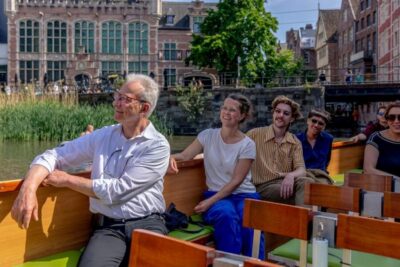
Ghent: 50-Minute Medieval Center Guided Boat Trip
Read our review →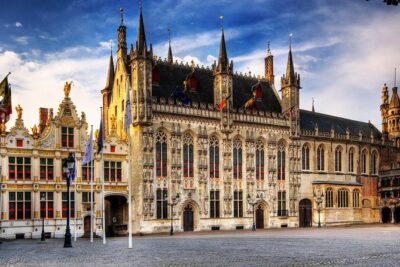


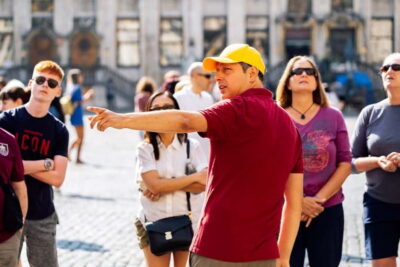
Brussels: Historical Tour with Chocolate & Waffle Tasting
Read our review →
Brussels: Historical Walking Tour with Chocolate & Waffle Tasting
Read our review →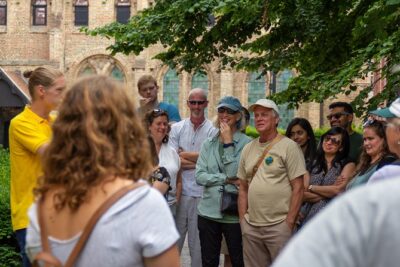
THE Storytelling Tour of Bruges | First Day Must | History & Tips
Read our review →
Ghent: 40 Minute Medieval Center Guided Boat Tour
Read our review →Browse the lists this tour appears in