

Review · USA
Historic Memphis Guided Walking Tour: Memphis Beyond Beale
Memphis saves one of its best small spectacles for late morning: the Peabody Ducks marching through the grand hotel lobby. This tour times its downtown walk to reach that tradition, while filling in the larger story of Memphis, from yellow fever and cotton to Civil War battles, radio, blues, and Prohibition.
I like the route’s strong historical thread, and I like that it uses real downtown places rather than treating Memphis as only a music destination. Guides such as Charlie, Kate, and Mary are praised for making room for questions and telling stories in a lively way. The main drawback is that this is an outdoor walk, so cold, rain, or heat can affect your enjoyment, and some tours finish in about 90 minutes rather than taking the full three hours.
Key points to know before you book
- The Peabody Ducks are the tour’s memorable finish: The famous duck march usually gives the walk a playful ending.
- You see more than Beale Street: Court Square, Fourth Bluff Park, the riverfront, Cotton Row, Howard’s Row, and Civil War sites all fit into the route.
- Yellow fever is a major part of Memphis’s story: Barboro Alley helps explain why the city’s fortunes changed so sharply in the 1870s.
- The walk stays focused on downtown: Start and finish at the Peabody Memphis, with no hotel pickup or drop-off.
- The Orpheum is an optional upgrade: A guided theater visit is available Monday through Wednesday only, subject to availability.
- Small groups help with questions: The maximum group size is 20, though the actual pace and duration can vary.
Why this Memphis walk is more than a Beale Street stroll
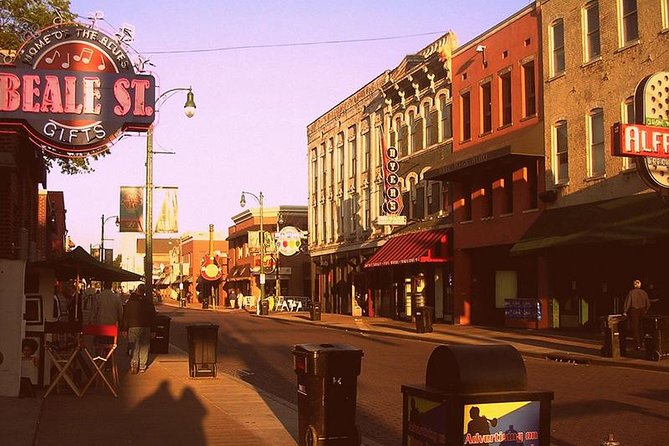
Memphis is easy to reduce to a few familiar names: Beale Street, barbecue, Elvis, and the Mississippi River. Those are important, but they explain only part of the city. This walk gives you a useful downtown framework before you spend the rest of your visit chasing music landmarks.
The tour starts at the Peabody Memphis at 9:30 a.m. That is a practical meeting point in the center of downtown, close to public transportation and within a few blocks of several parking garages and open-air lots. You return to the same general starting point, so you do not have to arrange a second ride across town.
The advertised length is two to three hours, but the actual walk may be shorter. Several descriptions put the walking portion around 90 minutes to nearly two hours. Add the optional Orpheum tour and you reach the longer schedule. Plan for a morning activity, not an all-day outing.
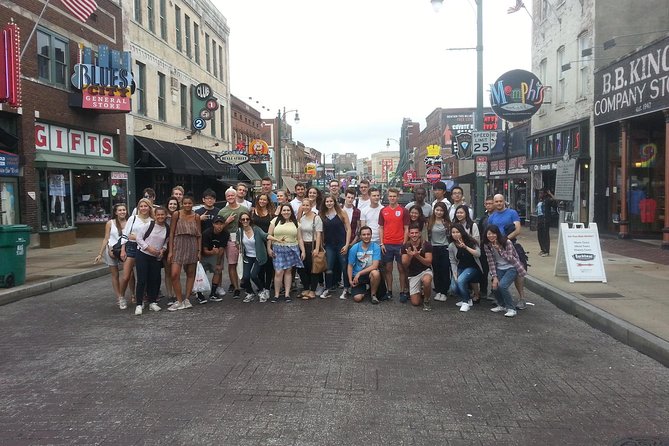
The group limit of 20 is a plus. You are not dealing with a giant crowd spread across several blocks, and you should have a fair chance to hear the guide and ask a question. Guides Charlie, Kate, and Mary have each been singled out for clear storytelling, friendly conversation, and a good grasp of Memphis history.
More History Walking Tours in the USA
- History and Hauntings of Salem Guided Walking Tour
★ 5.0 · 14,564 reviews - Boston: Freedom Trail History Small Group Walking Tour
★ 5.0 · 6,450 reviews - Historic Charleston Guided Sightseeing Walking Tour
★ 5.0 · 6,216 reviews
Barboro Alley and the yellow fever years
The first stop, Barboro Alley, introduces one of the hardest chapters in Memphis’s past: the yellow fever outbreaks of the 1870s. You spend about 10 minutes here, which is enough to establish the basic story without turning the tour into a medical lecture.
This stop matters because it helps explain Memphis’s boom-and-bust pattern. The disease damaged the city’s population, economy, and reputation. It also shaped how downtown developed and how people later understood Beale Street and the riverfront.
I appreciate this opening because it begins with a subject many people will not know to seek out. If you arrive expecting only music history, you quickly learn that Memphis was also shaped by disease, trade, migration, and public crisis.
The stop is outdoors and brief. You will get context rather than a long visit inside a museum, so anyone wanting a detailed account of yellow fever should treat this as an introduction and explore further on their own.
WDIA and the sound of a changing city
The route then reaches the WDIA-WHRK Radio Building, where the guide explains WDIA’s role as the Goodwill Station. The stop takes about 10 minutes and gives the tour a needed bridge from older Memphis to the city’s modern cultural influence.
Radio helped carry Memphis voices well beyond downtown. This part of the walk connects the city’s African American culture, music, and public life to a specific place instead of presenting blues and soul as vague background color.
That connection is valuable if Beale Street is on your must-see list. You begin to understand that music did not appear in isolation. It grew from communities, businesses, media, and streets that shaped one another over time.
The building itself is a short stop, not a studio visit or a concert. Expect explanation from your guide, not a performance or an indoor broadcast exhibit.
Court Square’s fountain and early downtown Memphis
Court Square receives about 20 minutes, making it one of the longer stops on the main walking route. It is one of Memphis’s oldest and most attractive parks, with the Court Square Fountain as a central point of interest.
This is a good place to slow down. The tour is not just a march from one famous address to the next. Court Square gives you a sense of Memphis as a working downtown, where public space, commerce, transportation, and civic life have overlapped for generations.
Your guide may use the square to explain the people who passed through Memphis in earlier eras: frontiersmen such as Davy Crockett and Sam Houston, steamboat passengers, gamblers, speculators, and business operators. The stories help turn a pretty park into a place with human scale.
You will want comfortable shoes here and throughout the tour. The route is described as an easy walk, but you are still on your feet outside for much of the morning.
Same city, a different century:
- Charleston’s Old South Carriage Historic Horse & Carriage Tour
★ 5.0 · 10,023 reviews - Beneath The Streets Underground History Tour
★ 4.5 · 8,006 reviews - Big Island in a Day: Volcanoes Waterfalls Sightseeing and History
★ 5.0 · 6,569 reviews - Charleston Horse-Drawn Carriage Tour: Explore Historic Charleston
★ 5.0 · 3,561 reviews
Fourth Bluff Park and the Battle of Memphis

Next comes Confederate Park, now renamed Fourth Bluff Park in 2016. The site marks the Battle of Memphis, fought in June 1862, and the guide also covers other Civil War connections, including Forrest’s Raid on Memphis.
This is one of the tour’s strongest history stops because the location and the subject match. You are not hearing a detached war summary. You are standing in a part of the city tied to the conflict and considering how the river and downtown made Memphis strategically important.
The tour also touches on Confederate soldiers and Civil War spies. That range gives you a wider view of wartime Memphis, beyond generals and battlefield dates. You hear about the people and risks that made the city a contested place.
The park has changed names, and that is worth noting. A guide can explain the site without pretending the past is simple or settled. Still, this remains an outdoor stop, so your experience depends on the weather and on how much time the group spends listening.
The Mississippi River and Memphis’s trade routes
The Mississippi River stop takes about 15 minutes. It is a short visit, but the river is central to nearly every part of the city’s story: cotton, steamboats, commercial growth, war, migration, and the movement of people and goods.
I like having this stop in the middle of the route because it gives the earlier stories a physical anchor. Cotton did not simply appear in a downtown museum. It moved through a river city with a busy trading economy, and Memphis grew through that connection.
The guide also uses the river to explain why people arrived by steamboat and train and why Memphis attracted both legitimate merchants and less respectable operators. The city’s character came from that mix of opportunity, risk, and movement.
Do not expect a long river cruise or a dedicated scenic excursion. This is a history stop with river views, not a separate waterfront attraction. If you want extended time beside the Mississippi, plan to return later.
Cotton Exchange, Cotton Row, and the price of prosperity
At the Cotton Museum at the Memphis Cotton Exchange, the tour discusses the exchange and historic Cotton Row. The stop itself lasts about 10 minutes, and admission is listed as included with the walking experience.
Cotton explains much about Memphis’s wealth and its social order. It also requires a clear look at the labor and power behind that wealth. A good guide can connect the trading floor and warehouses to the larger story of slavery, the Civil War, postwar commerce, and the city’s continuing effort to understand its past.
This is one place where the tour’s short format is both useful and limited. You get an introduction to Cotton Row and the exchange, but you will not have time for a detailed museum visit during the main walk. If cotton history interests you, consider returning separately when you can explore at your own pace.
The stop adds depth to the riverfront portion of the walk. Without it, Memphis can look like a music town with a famous river. With it, you see the commercial engine that helped build downtown.
Howard’s Row and Memphis’s older buildings
The Memphis Tourism stop focuses on the area once known as Howard’s Row. It is described as the oldest collection of original buildings in downtown Memphis and lasts about 10 minutes.
This part of the route is useful for travelers who notice architecture but may not know how to read it. The buildings show how downtown changed over time while retaining pieces of its earlier commercial character.
The guide also places the city’s social worlds side by side. Memphis drew merchants, gamblers, speculators, and entertainers, then later attracted gangsters and machine bosses during Prohibition. Those stories give the streets a rougher, more complicated personality than a simple heritage walk would provide.
Because the stop is brief, look closely as you walk. You may find the best details in the building fronts, narrow passages, and street layout rather than in a single major monument. The guide’s narration is what makes this stop useful.
The Peabody Ducks at the right time
The Peabody Hotel is the emotional high point for many people on this tour. The walk is timed to catch the March of the Ducks, a long-running Memphis tradition in the lobby of the South’s Grand Hotel.
You should expect about 20 minutes here. The duck march is short, lighthearted, and very different from the serious Civil War and yellow fever material earlier in the morning. That contrast is part of the appeal. Memphis has always mixed ceremony, humor, music, commerce, and spectacle.
This is also the tour’s most schedule-sensitive moment. The group needs to reach the hotel at the proper time, so the guide controls the pace carefully. If weather slows the walk or the group spends longer at earlier stops, timing may become a concern.
Afterward, you can continue enjoying the hotel on your own. One practical tip from the supplied advice is to consider ordering a Rubber Ducky cocktail at the bar if you want to extend the theme. Food and drinks are not included, so this is an optional personal expense.
Beale Street and the walk’s wider context
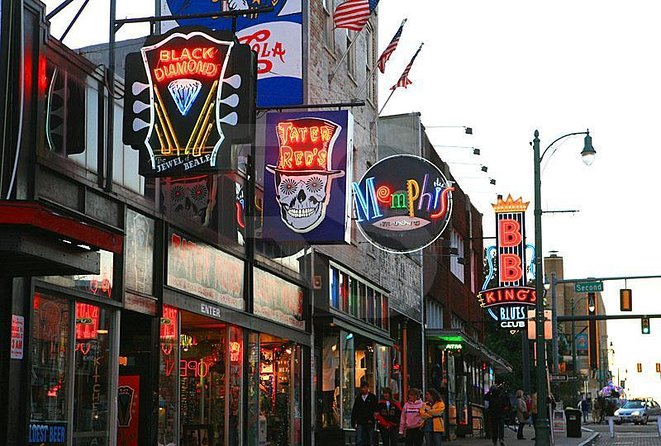
Beale Street is one of the places highlighted on the route, and it gives you the familiar Memphis image of clubs, music, and nightlife. The useful part is that the tour does not treat Beale as the entire city.
By the time you reach it, you have already heard about radio, cotton, disease, war, the river, and downtown commerce. That background changes how you see the street. You can connect its musical reputation to the people and institutions that made Memphis a major cultural center.
The tour is not a complete Beale Street nightlife experience. It does not include food, drinks, or live music, and the focus remains historical. If you want to spend time inside clubs or return after dark, use this walk as an orientation rather than a replacement.
General Washburn’s Escape Alley and Memphis tales
General Washburn’s Escape Alley adds another small but memorable piece of the city’s Civil War story. Narrow alleys and side passages often carry more character than broad civic landmarks, especially when a guide can explain the event tied to the place.
This is where the tour’s storytelling style matters. The route includes soldiers, spies, frontiersmen, gamblers, business operators, and Prohibition-era bosses. You get a chain of human stories rather than a list of dates.
Guides Charlie, Kate, and Mary are repeatedly praised for keeping the group involved and answering questions. That is important on a walking tour with many short stops. The information needs to feel connected, or the morning can become a blur of names and buildings.
Adding the Orpheum Theater tour
The optional Orpheum Theater guided tour changes the shape of the experience. The theater has served as a premier Memphis entertainment venue since 1928, and the add-on provides a more focused look inside the building.
The Orpheum visit is available Monday through Wednesday only and depends on availability. If you select it, you arrive for the noon tour, and the walking guide departs at that point. The theater is only two blocks from the tour’s starting location, so the ending is still easy to manage.
This option is especially useful if you care about Memphis performance history and want more than exterior views. It also makes the day longer, so check your plans before adding it. If your schedule includes lunch, a museum, or another timed booking, allow room for the noon theater visit.
Price, pace, weather, and practical value
At $32.92 per person, the main walk is fairly priced for a guided downtown introduction. You are paying for a professional guide, local taxes, route planning, and access to a morning that combines several distinct subjects. The value is strongest if this is your first Memphis visit or if you want context before exploring alone.
The price is less compelling if you prefer to wander without a schedule or already know downtown Memphis well. Several stops are short, and the outdoor format means you are paying mainly for interpretation rather than admission to multiple attractions.
Wear comfortable shoes and check the forecast. The experience requires good weather, and poor conditions can lead to a different date or a full refund. Free cancellation is available up to 24 hours before the start time, but changes or cancellations inside that window are not refunded.
Parking is available nearby. Four garages and several open-air lots sit within a few blocks, with the closest noted garage two blocks away at 149 Peabody Place. Metered street parking may also be available on nearby streets, though you should allow time to find a space before the 9:30 start.
Most people can take part, service animals are allowed, and public transportation is nearby. The information provided does not promise a fully step-free route, so if mobility is a concern, contact the operator before booking and ask about the current path.
Who should book this Memphis experience?
I would choose this tour for a first morning in Memphis, especially if you want the city’s story before tackling museums, music venues, or the wider region. It suits history fans, curious first-time visitors, and anyone who enjoys learning through a guide rather than reading plaques alone.
It also works well for families and mixed-age groups because the subjects change often. Yellow fever, Civil War stories, cotton, radio, Beale Street, and the duck march keep the morning from feeling like one long lecture.
You may want a different activity if your priority is Elvis, a food crawl, live blues, or a long riverfront outing. This walk gives you an overview, not a deep visit to one attraction. The Orpheum add-on helps if theater matters to you, but it is not part of every departure.
Should you book the Memphis Beyond Beale walk?
Yes, if you want a compact and well-organized introduction to downtown Memphis. The best reasons are the broad mix of subjects, the small-group format, the river and Civil War context, and the timed finish at the Peabody Ducks.
Book with realistic expectations. The walk may last closer to 90 minutes than three hours, the weather can shape the experience, and the short stops offer introductions rather than full museum visits. Add the Orpheum tour if you are visiting Monday through Wednesday and want a longer cultural morning.
For $32.92, I think the tour earns its place early in a Memphis itinerary. It helps you see Beale Street, the river, Cotton Row, and downtown streets as parts of one complicated city story, not as disconnected sights.
FAQ
Where does the Memphis Beyond Beale tour begin?
The tour begins at the Peabody Memphis, located at 149 Union Avenue in Memphis. The start time is 9:30 a.m.
How long does the walking tour last?
The experience is advertised at approximately two to three hours, though the walking portion may finish in about 90 minutes to nearly two hours. The optional Orpheum Theater tour extends the schedule to a noon theater visit.
What attractions are included on the route?
The route includes Barboro Alley, the WDIA-WHRK Radio Building, Court Square, Fourth Bluff Park, the Mississippi River, the Cotton Museum at the Memphis Cotton Exchange, Howard’s Row, the Peabody Ducks, Beale Street, and General Washburn’s Escape Alley.
Is the Orpheum Theater tour included?
The Orpheum Theater guided tour is included only when you select the add-on option. It is available Monday through Wednesday and depends on availability.
Does the tour include food, drinks, or hotel pickup?
No. Food and drinks are not included, and hotel pickup and drop-off are not provided. You can arrange your own parking or use nearby public transportation.
How large is the tour group?
The maximum group size is 20 people.
What happens if the weather is poor?
The experience requires good weather. If it is canceled because of poor conditions, you will be offered another date or a full refund. You can cancel for a full refund up to 24 hours before the start time.
Just added around the USA
- Red Rocks Amphitheatre Historical Walking Tour★ 5.0 · 74 reviews
- 1-Hour Segway Tour of Cheyenne Cañon Art, History and Nature★ 5.0 · 36 reviews
- Colorado Springs – Guided Walking Ghost / History Tour★ 5.0 · 168 reviews
- Ancient Landscapes Private Geology Hike at Garden of the Gods★ 5.0 · 31 reviews
- Village Food Tours Lunch & History Tour★ 5.0 · 80 reviews
- 2.5 Hour Kayaking with Manatee and History Tour in Tarpon Springs★ 5.0 · 24 reviews
- Safety Harbor Ghost Tour★ 5.0 · 60 reviews
- Historical Bicycle Tour of Dunedin★ 5.0 · 44 reviews
USA History Tours, compared.

History and Hauntings of Salem Guided Walking Tour
Read our review →
Charleston’s Old South Carriage Historic Horse & Carriage Tour
Read our review →
Boston: Freedom Trail History Small Group Walking Tour
Read our review →
Historic Charleston Guided Sightseeing Walking Tour
Read our review →
Savannah History and Haunts Candlelit Ghost Walking Tour
Read our review →
Tour of Historic Fenway Park, America’s Most Beloved Ballpark
Read our review →
Oahu: Mauka Warriors Luau Honoring Polynesia’s Forgotten History
Read our review →Browse the lists this tour appears in