
Review · USA
Colonial Williamsburg: Colonial History Guided Walking Tour
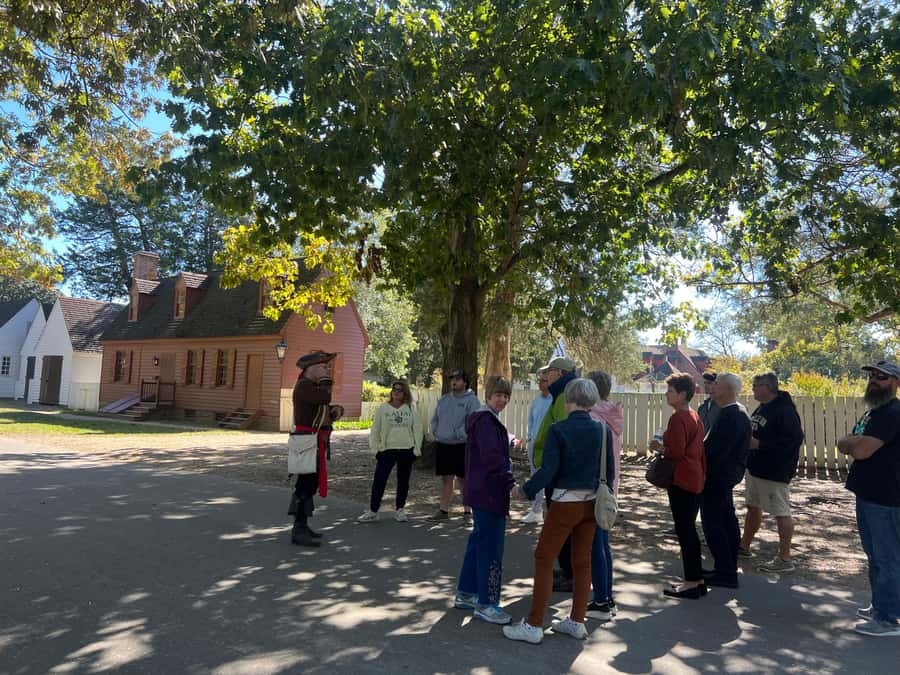
Colonial Williamsburg becomes far more interesting when you stop treating it as a collection of old buildings and start listening to the people who once argued, traded, worshiped, and governed here. This 105-minute walking tour brings British redcoats, American revolutionaries, tavern keepers, merchants, and lesser-known colonial figures into the story.
I like the way the guide connects familiar names such as George Washington and Thomas Jefferson with people you are less likely to meet in a schoolbook. I also like the period clothing and the route through places such as Raleigh Tavern, the Capitol, and the Governor’s Palace area. The main drawback is simple: you spend most of the time outdoors, and the lack of shade can be hard on a hot, sunny day.
Key points at a glance
- Hear the political shift from royal government to elected rule around the Governor’s Palace.
- Begin and end at the Capitol Building, with a clear route along historic East Duke of Gloucester Street.
- See Raleigh Tavern and other colonial sites, including the Tarpley and Thompson store area.
- Meet the past through period clothing, redcoats, revolutionaries, and costumed interpreters.
- Expect a lively, story-led walk, with guides such as Elizabeth, Tom Williams, or Lexi bringing lesser-known figures into focus.
- Allow for outdoor walking in sun or rain, and wear comfortable shoes with sunscreen.
Why this Colonial Williamsburg walk works
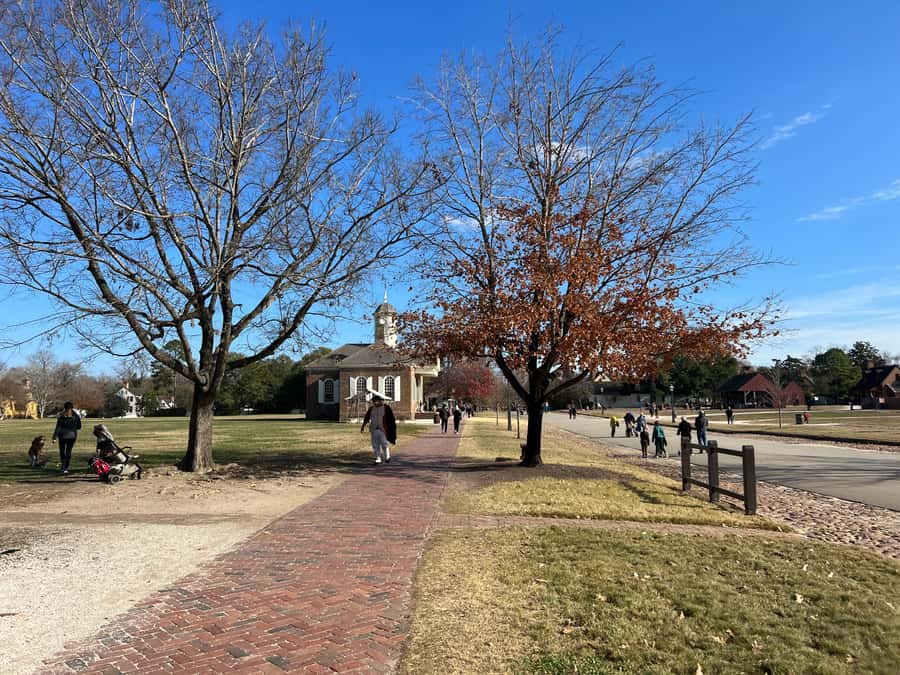
Colonial Williamsburg can feel confusing on a first visit. The streets are open, the buildings are spread out, and it is not always clear which person, argument, or event made each place important. A guide gives the setting a narrative spine.
This tour is not just a march from one building to another. It explains how Williamsburg functioned in the eighteenth century, when Virginia was governed in the name of the British Crown and political power was beginning to shift toward elected officials. That change gives the walk a clear purpose, rather than leaving you with a loose collection of dates.
You will hear about the founding generation, but the focus is broader. The guide brings in people who rarely get top billing, along with stories about colonial customs, public life, and the transition toward independence. That wider view is useful because the American Revolution was not only the work of famous statesmen. It was also shaped by merchants, clergy, officials, laborers, and residents caught between old loyalties and new ideas.
Guides have included Elizabeth, Tom Williams, and Lexi. Elizabeth is especially associated with an energetic, participatory style. She has answered questions at length, adjusted the pace for people who needed more rest, and kept children involved with stories and questions. Tom Williams has also led thoughtful walks, with a close command of the grounds and their history. Your guide may vary, but the experience depends heavily on that person’s ability to turn buildings into human stories.
More History Walking Tours in the USA
- History and Hauntings of Salem Guided Walking Tour
★ 5.0 · 14,564 reviews - Boston: Freedom Trail History Small Group Walking Tour
★ 5.0 · 6,450 reviews - Historic Charleston Guided Sightseeing Walking Tour
★ 5.0 · 6,216 reviews
Starting at the Capitol Building
Meet in front of the Capitol Building on East Duke of Gloucester Street. This detail matters. The meeting point can be easy to miss, especially because map directions may send you toward the courthouse instead.
The supplied directions point to 430 E Duke of Gloucester Street for walking guidance to the Palmer House, then tell you to continue to the end of the blacktop circle. Your guide should be standing on the road in front of the Capitol. If you park at 460 Francis Street East, allow a few minutes to get oriented rather than arriving at the last second.
The Capitol is a fitting starting point because the tour deals with government from the beginning. You are not merely looking at an attractive colonial building. You are standing near the place where Virginia’s political life moved through royal authority, debate, and eventually the language of independence.
The route returns here at the end, which is convenient if you want to continue exploring afterward. It also gives the walk a tidy shape: government at the opening, colonial society along the way, and the independence story before the return.
Walking East Duke of Gloucester Street
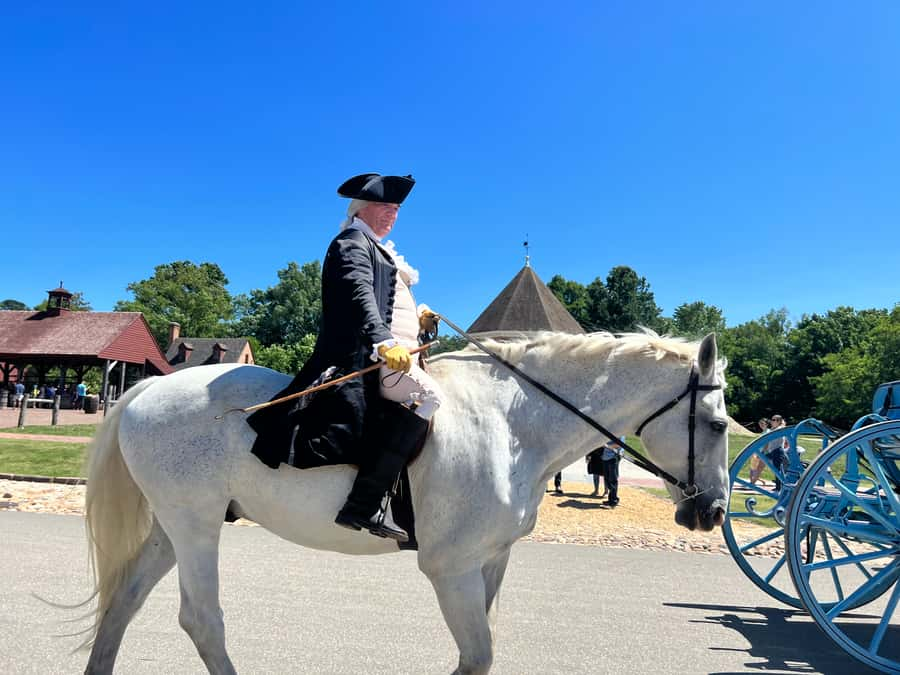
The central streets of Colonial Williamsburg provide the setting, but the guide’s commentary is what gives them meaning. You will walk past recreated and preserved buildings while hearing how colonial life operated around taverns, shops, churches, public offices, and homes.
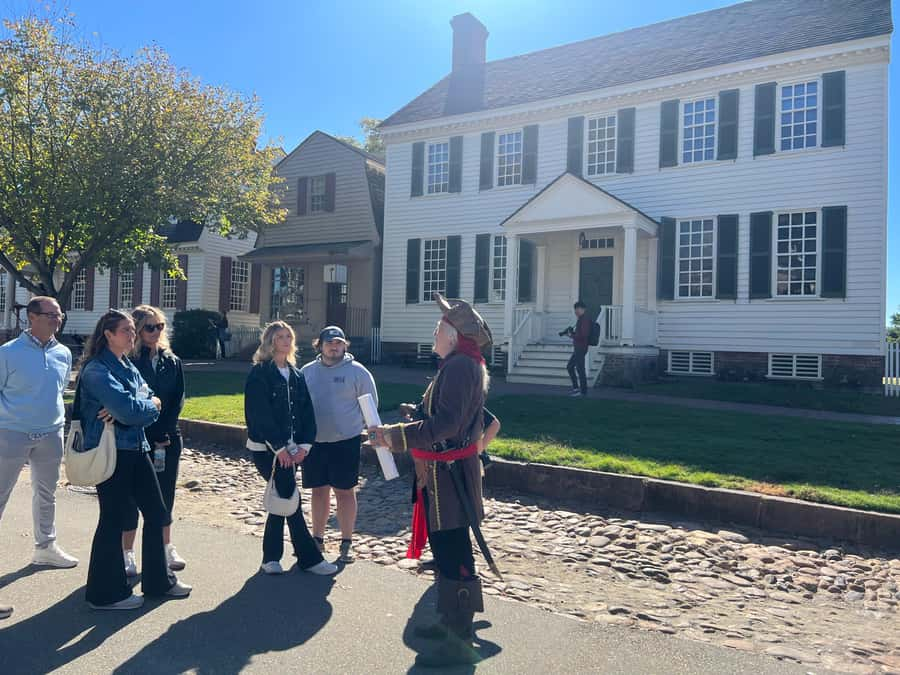
The period costumes help. Redcoats and American revolutionaries walking the streets make the political conflict easier to picture, even though the real value lies in the explanation behind the clothing. The costumes are described as period-specific, and they add a useful visual layer to stories about royal authority, protest, and everyday life.
This is a walking tour, not a standard indoor house tour. You should not assume that you will enter every building or shop along the route. One experienced participant specifically noted that most houses and shops were viewed from outside, while still finding the historical context especially worthwhile. That is an important distinction if your main goal is to inspect interiors.
The walk also gives you scenic views along the way, but history is the priority. If you want a slow architectural study of every façade, you may need more time on your own after the tour. If you want someone to explain why the street mattered and connect its buildings to larger events, the format works well.
Raleigh Tavern and the social side of politics
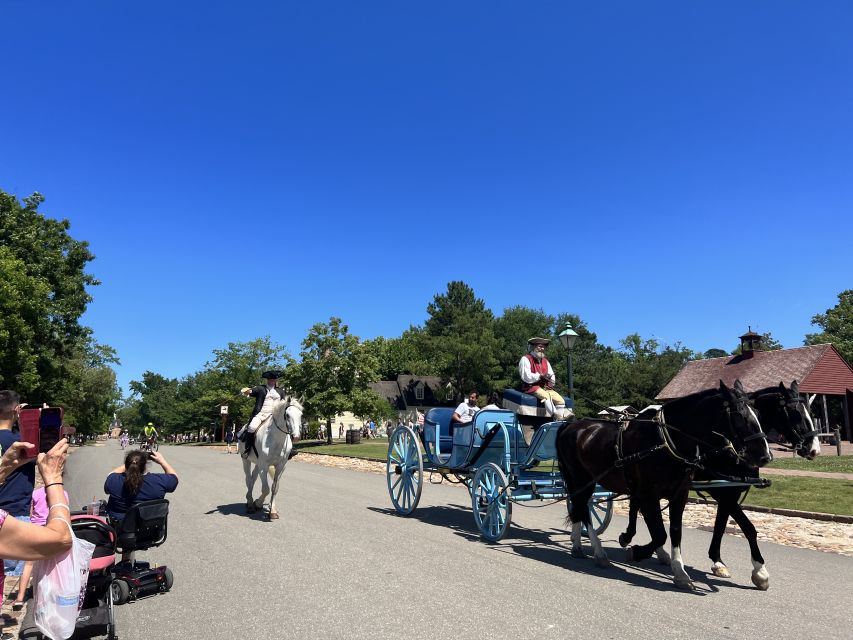
Raleigh Tavern is one of the route’s strongest stops. In colonial Virginia, a tavern was not simply a place to eat or sleep. It could be a meeting place, a source of news, and a setting for political discussion.
Here, the guide helps you picture how public life happened before modern media and formal campaign spaces. Information moved through conversation, printed material, business dealings, and personal alliances. A tavern could bring together officials, merchants, visitors, and local residents who did not necessarily share the same loyalties.
The tour’s attention to sayings and everyday language adds another layer. Guides have explained the origins of several American expressions, showing how ordinary speech can carry traces of older customs. These details are small, but they often help children and adults connect with the period better than a list of dates.
Raleigh Tavern is also a good example of the tour’s balance. You hear about famous figures who passed through Williamsburg, but the setting remains grounded in regular social life. That keeps the story from becoming a parade of founding fathers.
More Colonial History Tours in the USA:
- Colonial History Tour in Williamsburg Virginia
★ 5.0 · 97 reviews - Newport: Colonial History Walking Tour
★ 4.5 · 24 reviews - Vung Tau Essential: Beach, Christ Statue & Colonial Heritage
★ 5.0 · 284 reviews - Full-Day Ho Chi Minh City Tour with Colonial Heritage & Chinatown
★ 5.0 · 246 reviews
Shops, trades, and the Tarpley and Thompson store
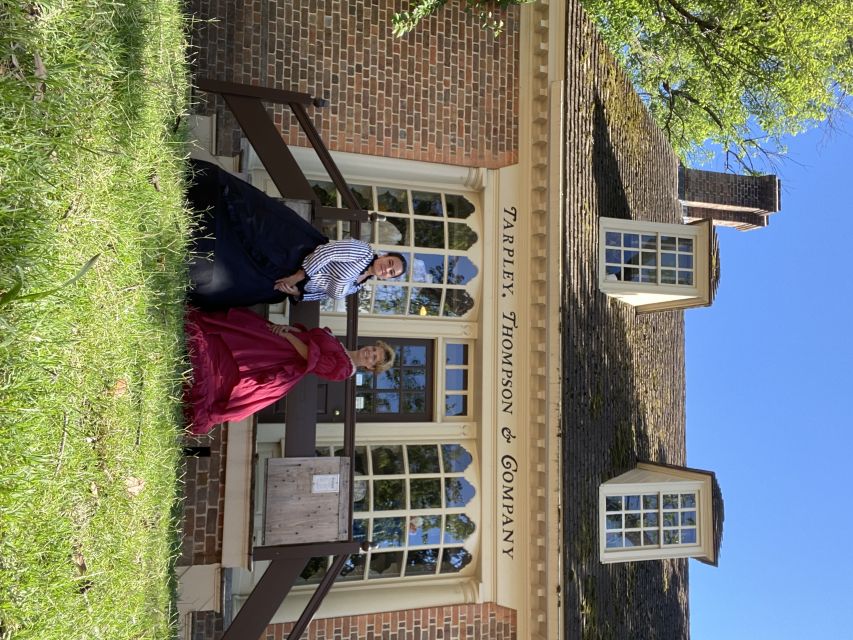
The Tarpley and Thompson store is another historic site connected with the commercial side of Williamsburg. A stop here helps explain how people bought goods, conducted business, and depended on trade in an era before modern retail.
The guide uses sites like this to widen the story beyond government buildings. Politics shaped the colony, but so did prices, imported goods, local trades, and relationships between buyers and sellers. These are the practical details that make eighteenth-century life easier to understand.
Again, plan to hear more than you physically enter. The supplied experience emphasizes a guided walk through historic sites, not access to every interior. That makes the tour a useful introduction, especially if you plan to purchase regular Colonial Williamsburg admission or visit additional buildings separately.
I would use this stop to ask questions. The guides have made room for group questions, and the best value comes when you connect the building to something you want to understand, such as work, trade, class, or daily routines.
Around the Governor’s Palace: from royal rule to elected officials
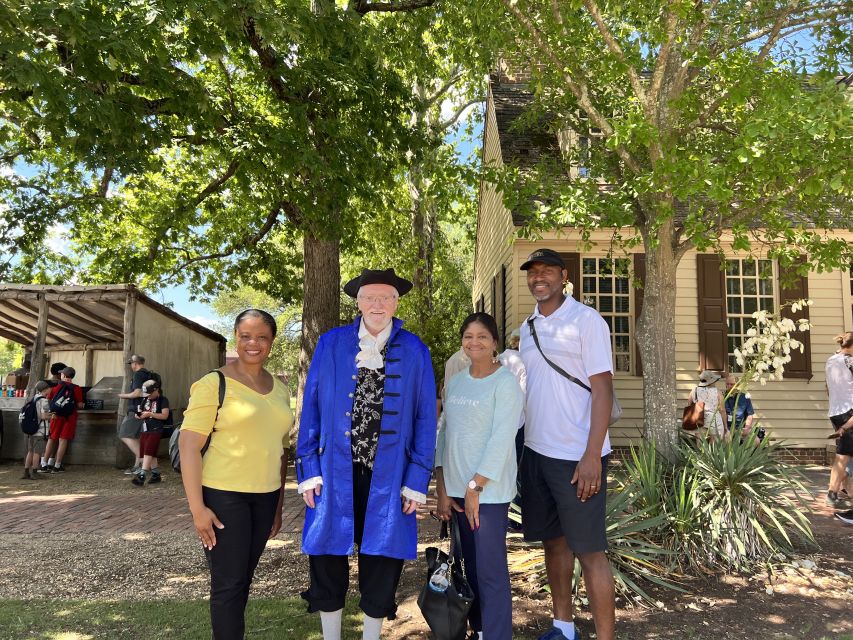
The area around the Governor’s Palace provides the tour’s main political turning point. Here, the guide explains the royal government and the change toward elected officials.
That shift can sound abstract in a textbook. It becomes easier to grasp when you are standing in the colonial capital and hearing how authority was organized. Virginia did not wake up one morning with a fully settled democratic system. The move away from royal government involved debate, uncertainty, competing loyalties, and a changing view of who had the right to make decisions.
This part of the tour is especially useful if you know the names Washington and Jefferson but want a clearer sense of the political world around them. You hear about the institutions they used, the people they dealt with, and the tensions that shaped their choices.
The tour does not reduce the independence story to a simple march toward freedom. It also addresses the people and structures that came before independence, which gives the final section more weight.
Independence, public buildings, and overlooked people
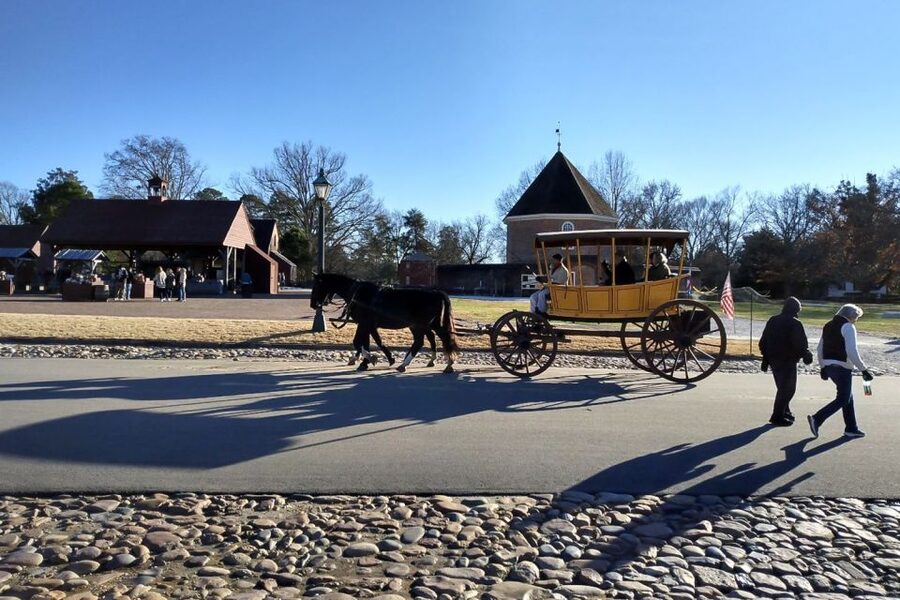
As the walk moves toward the story of America declaring independence, the guide connects the political changes to real people in Williamsburg. The aim is not just to repeat familiar lines from the Revolution. It is to show how those ideas affected a working colonial town.
One of the strongest features is the attention to figures who are rarely mentioned. You may hear about residents and public personalities whose choices reveal the uncertainty of the period. These stories help you see that independence was not only a heroic national event. It was also a local crisis, with people deciding where they stood and what the change might cost.
A past route has also included the Gaol and Bruton Parish, though the exact stops can depend on the guide and route. Both are the kind of places that add social and religious context to the political story. The Gaol suggests the justice system and public order. Bruton Parish points to the role of church life in the community.
The guide’s storytelling style matters here. Elizabeth, in particular, has been praised for mixing humor, questions, and clear explanations. That approach helps keep the heavier subjects moving, especially for families.
Pace, heat, rain, and accessibility
The advertised duration is 105 minutes, so plan on a substantial outdoor walk rather than a quick orientation. Comfortable shoes are essential. Sunscreen is also a sensible choice, since shade is not guaranteed at every stop.
Heat is the clearest practical concern. A sunny day can make the route tiring, and the tour may not always pause in shade. Bring water and consider choosing a cooler part of the day if starting times allow. The experience can still work in warm weather, but you will enjoy it more if you treat sun protection as part of the plan.
Rain is possible as well. One guide, Lexi, has led the tour in wet conditions, so the walk can continue in poor weather, but you should dress for the forecast. The tour provider also asks you to remain aware of your surroundings during the walk.
The experience is wheelchair accessible. A guide has also adjusted the pace and provided sitting breaks for people who had trouble walking. That is encouraging, though you should still mention mobility needs when booking so the guide can plan sensibly.
The $25 price and what you receive
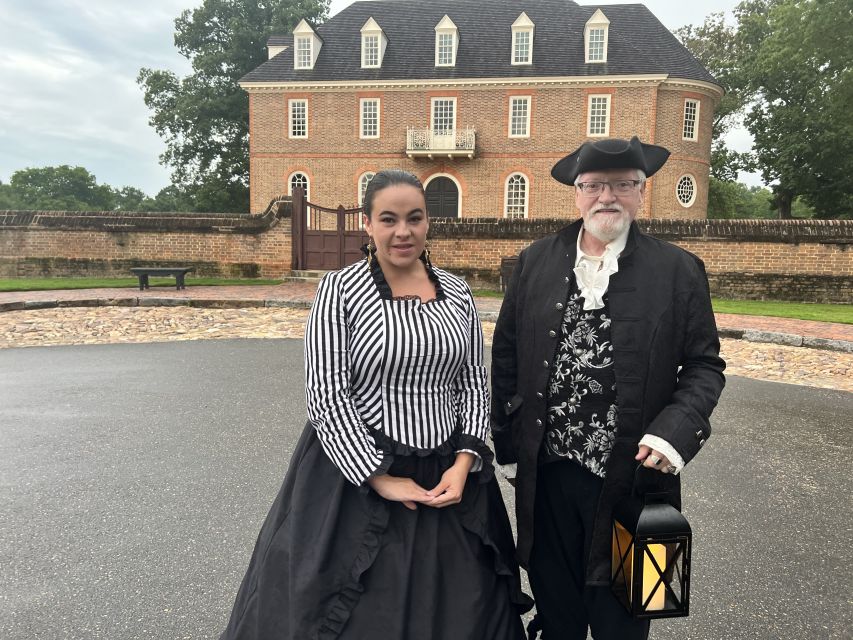
At $25 per person, the tour is priced as a focused introduction rather than a full Colonial Williamsburg admission package. You are paying for a personal English-speaking guide and a structured 105-minute route. The value comes from interpretation, not from access to every building.
I think the price works best for a first visit. You get a framework for the town, a political timeline, and a list of places worth returning to. Without that framework, you might spend your time admiring façades without understanding their role.
The tour can also complement a separate Colonial Williamsburg ticket. One participant specifically found it worthwhile even after doing the regular building visits, because the guide supplied extra context and connections between sites. If you already know Williamsburg well, the value depends on whether you want fresh stories and a guide-led route.
Parking near the meeting point costs $5 if you arrive before 5:00 PM. That is a small added expense, but the lack of clear signs around the parking and Capitol area can cause stress. Arrive early enough to find the lot and confirm the exact meeting spot.
Free cancellation is available up to 24 hours before the tour, and you can reserve now and pay later. Those terms are useful if your Williamsburg schedule is still changing.
Who should book this walk?
I would recommend it to first-time visitors, families, history fans, and anyone who wants more than a self-guided look at the buildings. It is also a good choice if Washington and Jefferson are the only names you know, since the guide supplies the broader political and social setting.
Families may appreciate the questions, humor, costumed figures, and stories about daily life. The walk has also held the attention of children, which is not a small achievement in an open-air historic town.
You should think twice if you want extensive interior access, a completely shaded route, or a quiet architectural tour with little commentary. This experience is active, conversational, and dependent on the weather and guide.
Should you book the Colonial Williamsburg walking tour?
Book it if you want the town to make sense quickly. The strongest reasons are the lively guides, the clear explanation of royal government and independence, and the attention to people beyond the usual founding fathers.
I would especially choose it near the start of a Williamsburg visit, then return later to the buildings that caught your interest. Wear good shoes, protect yourself from the sun, and follow the meeting directions rather than relying on Google Maps. At $25, it is a sensible way to add human context to Colonial Williamsburg without committing to a full day of guided touring.
FAQ
How long is the Colonial Williamsburg guided walking tour?
The tour lasts 105 minutes.
Where does the tour meet?
Meet your guide in front of the Capitol Building on East Duke of Gloucester Street. The directions advise going to the end of the blacktop circle and looking for the guide on the road in front of the Capitol.
Can I use Google Maps to find the meeting point?
The directions warn that Google Maps may lead you to the courthouse instead. Use the Capitol Building meeting instructions carefully.
Is parking available near the meeting point?
Parking is available at 460 Francis Street East. Parking costs $5 if you arrive before 5:00 PM.
What language is the tour offered in?
The live tour guide speaks English.
Is the tour wheelchair accessible?
Yes, the activity is listed as wheelchair accessible. Guides have also provided sitting breaks and adjusted the pace for people with walking difficulties.
What should I bring?
Bring comfortable shoes and sunscreen. Since the tour takes place outdoors, you should also prepare for the day’s weather.
Does the tour enter every historic house and shop?
No. The walk focuses on viewing historic sites and hearing the guide’s explanations, and you should not expect to enter most houses or shops along the route.
Can I cancel or pay later?
You can cancel up to 24 hours in advance for a full refund. You can also reserve the tour and pay later.
Just added around the USA
- Red Rocks Amphitheatre Historical Walking Tour★ 5.0 · 74 reviews
- 1-Hour Segway Tour of Cheyenne Cañon Art, History and Nature★ 5.0 · 36 reviews
- Colorado Springs – Guided Walking Ghost / History Tour★ 5.0 · 168 reviews
- Ancient Landscapes Private Geology Hike at Garden of the Gods★ 5.0 · 31 reviews
- Village Food Tours Lunch & History Tour★ 5.0 · 80 reviews
- 2.5 Hour Kayaking with Manatee and History Tour in Tarpon Springs★ 5.0 · 24 reviews
- Safety Harbor Ghost Tour★ 5.0 · 60 reviews
- Historical Bicycle Tour of Dunedin★ 5.0 · 44 reviews
USA History Tours, compared.
History and Hauntings of Salem Guided Walking Tour
Read our review →
Charleston’s Old South Carriage Historic Horse & Carriage Tour
Read our review →
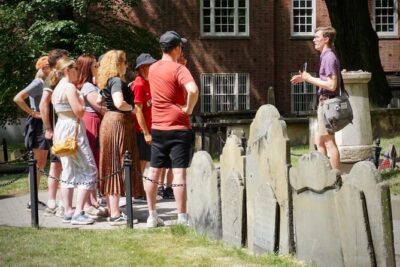
Boston: Freedom Trail History Small Group Walking Tour
Read our review →
Historic Charleston Guided Sightseeing Walking Tour
Read our review →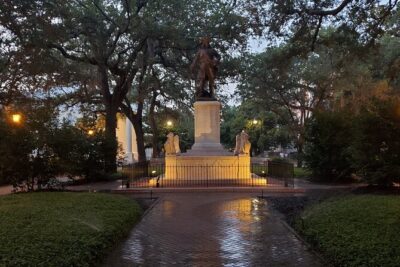
Savannah History and Haunts Candlelit Ghost Walking Tour
Read our review →
Tour of Historic Fenway Park, America’s Most Beloved Ballpark
Read our review →
Oahu: Mauka Warriors Luau Honoring Polynesia’s Forgotten History
Read our review →Browse the lists this tour appears in