
Review · PRAGUE
Prague: Communism History and Nuclear Bunker Guided Tour
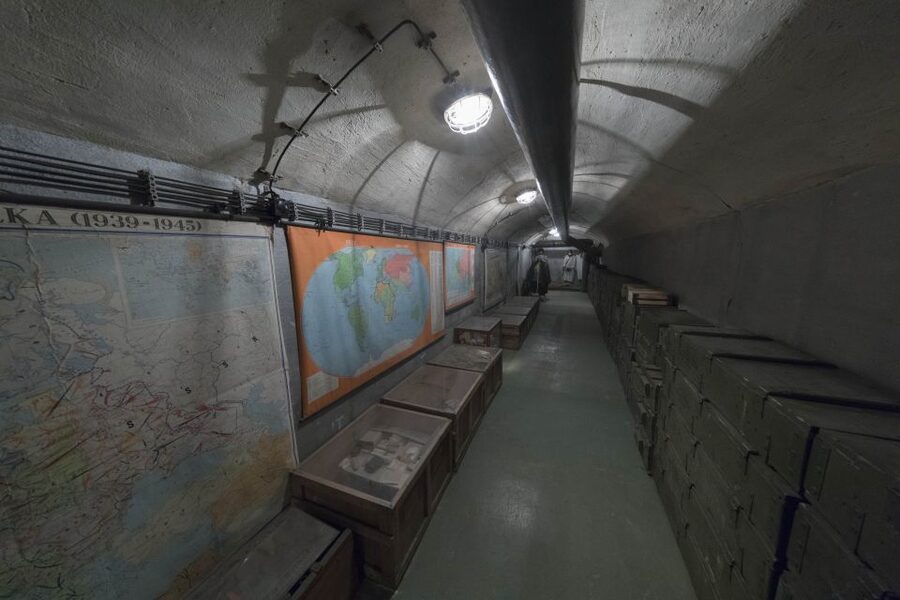
The most striking part of this tour comes underground: a real 1950s nuclear bunker, built to hold as many as 5,000 people. At 50 feet below Prague, its concrete corridors and Cold War equipment turn an abstract threat into something you can feel in your legs and lungs.
I like the personal stories. Guides such as Stan, Pavel, and Ladislav bring memories of growing up under communism, while other guides explain the lives of spies, prisoners, refugees, and dissidents. I also like the short tram ride, which takes you beyond the postcard center and helps connect Prague’s public spaces with the ordinary city around them.
The main drawback is physical: this is a walking tour with stairs, public transport, and an underground visit. The bunker has no toilets, access is not suitable for wheelchairs or strollers, and anyone with claustrophobia or mobility problems should think carefully before booking.
Key points to know before you book
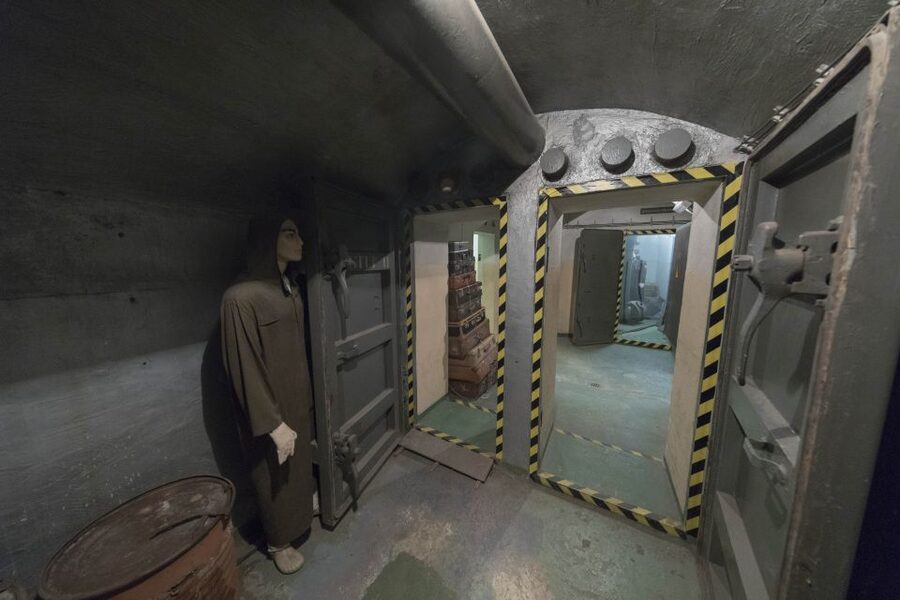
- A genuine 1950s nuclear bunker: Descend about 50 feet to a former shelter designed for up to 5,000 people.
- History told through human stories: Hear about daily life, fear, surveillance, political prisoners, spies, refugees, and dissidents.
- Personal guide style: Guides including Stan, Pavel, Ladislav, and L are praised for clear explanations, humor, and firsthand memories.
- A mix of walking and tram travel: The route begins in central Prague, then uses public transportation to reach the bunker.
- Cold War exhibits and a gasmask workshop: The museum includes photographs, equipment, artifacts, and a hands-on activity.
- Not an easy-access tour: Expect stairs, walking, and no toilet at the meeting point or inside the bunker.
Why the bunker gives this Prague tour its edge
Prague has several museums about communism, but a bunker gives the subject a different weight. You are not only looking at photographs of civil defense. You are walking through the kind of place where officials imagined thousands of people waiting out a nuclear attack.
The shelter was built in the 1950s and designed for up to 5,000 people. That scale matters. A few pieces of equipment in a glass case can seem distant. A long underground passage, heavy doors, and practical survival gear make the Cold War feel less like a chapter in a textbook and more like a daily worry built into the city.
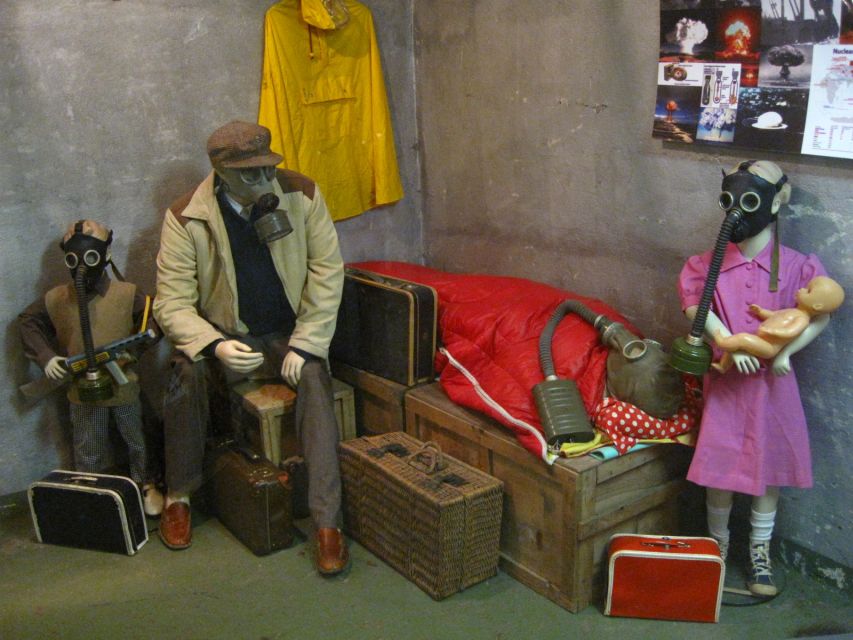
The bunker museum contains Cold War displays, genuine equipment, photographs, and other objects linked to the period. The exhibits are not presented as a polished modern attraction. One useful expectation to set is that some displays may look worn or need maintenance. That slightly rough quality can suit the subject, but visitors looking for a sleek, interactive museum may find it basic.
The gasmask workshop adds a practical touch. Instead of only listening to a guide, you get a chance to engage with an item closely tied to Cold War drills and civil defense. A photo opportunity involving historic weapons is also part of the experience, according to the tour details and participant feedback. The activity is supervised within the tour setting, and photography is allowed, but video recording requires extra permission.
More Cold War and Communism Tours in Prague:
- Prague Communism History and Nuclear Bunker Tour
★ 5.0 · 1,742 reviews - Communism & Nuclear Bunker Tour + 70s Canteen Lunch (own expense)
★ 5.0 · 1,036 reviews - Prague: World War II and Communist History Tour
★ 4.7 · 130 reviews
The opening walk through Prague’s communist past
The tour begins at one of two possible starting points, depending on the option you book. Check the exact meeting place carefully because it can vary.
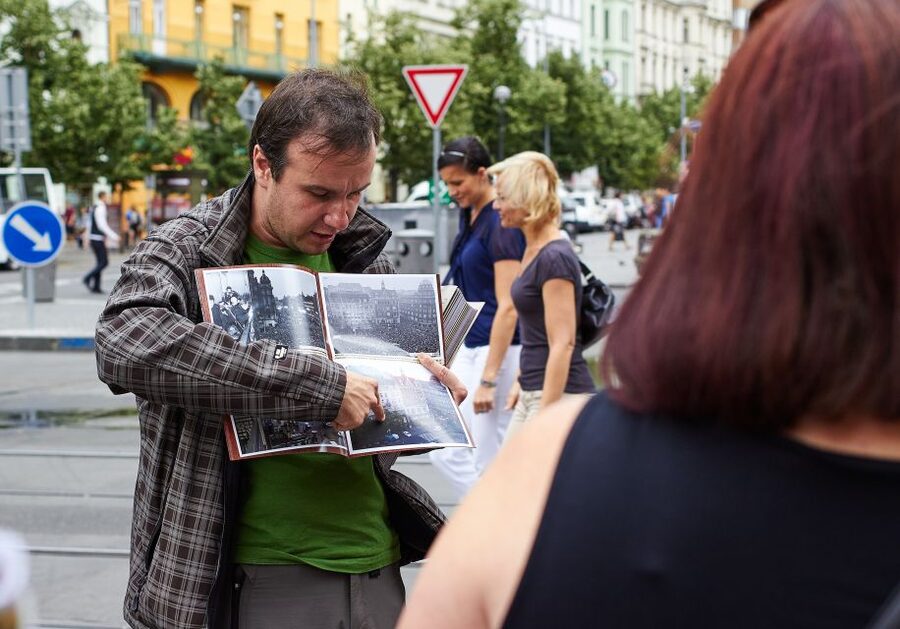
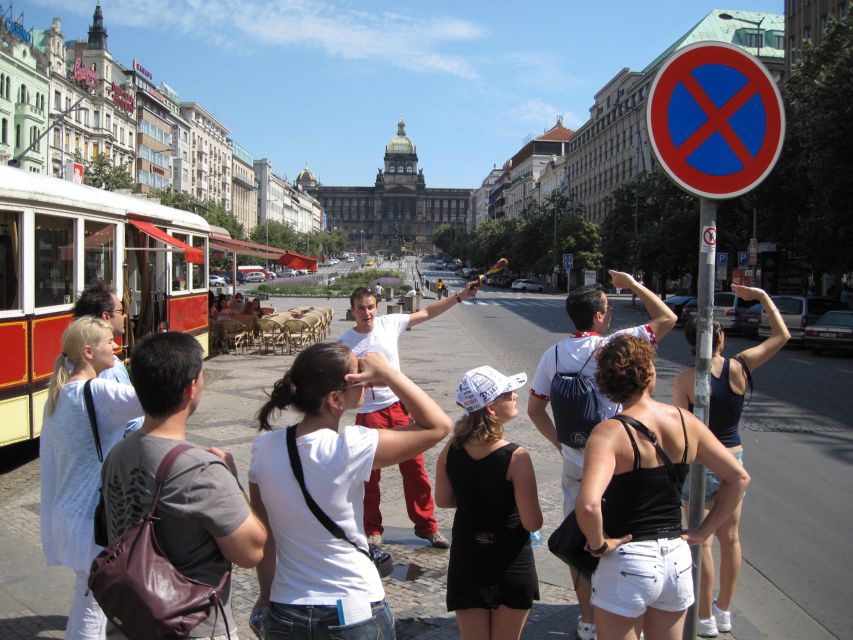
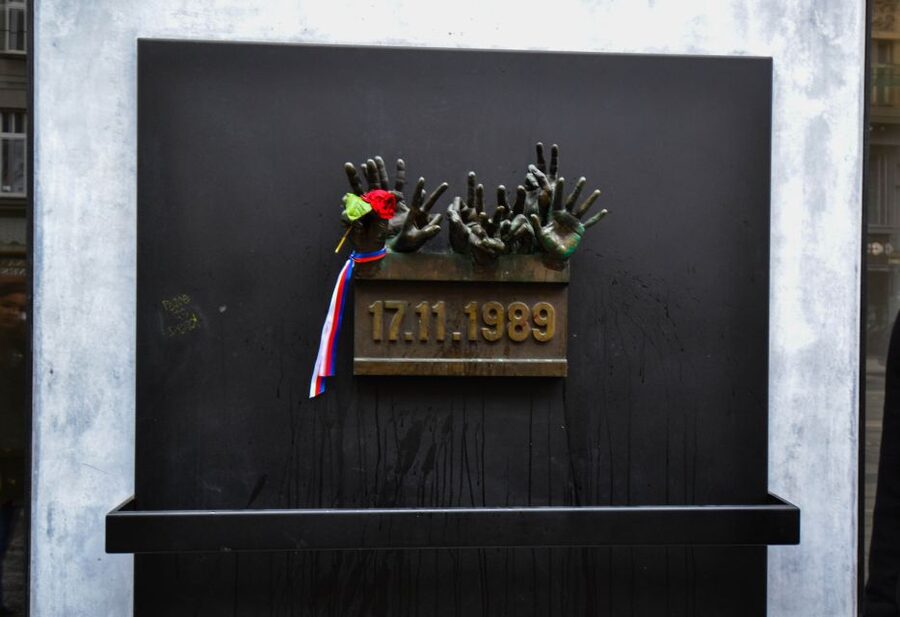
The first part is a compact walking tour through central Prague. You visit the Velvet Revolution Memorial, a place connected with the 1989 protests that helped bring communist rule to an end in Czechoslovakia. This gives the tour a clear human focus from the start. The subject is not only what happened inside government offices. It is also about how people gathered, resisted, and changed their country.
The route continues near Národní, including Národní 110 00, and then to Wenceslas Square. These central locations help set the political scene. Wenceslas Square, in particular, has been tied to major public events and demonstrations, so it makes sense as a place to discuss the fall of communist rule.
Your guide also explains the former headquarters of the communist secret police and points out places connected with the period. You hear about surveillance, censorship, fear, and the pressure placed on ordinary people. The stories may include spies, dissidents, political prisoners, and people who tried to leave the country during the Cold War.
This is where the guide makes a large difference. Stan is praised for combining humor with personal memories of Prague during communism. Pavel has been described as especially good at managing a group while keeping the history moving. Ladislav’s firsthand experience of the communist period gives his explanations a direct, personal quality. Other guides, including L, Katerina, Maki, and Susanna, are noted for clear storytelling and a warm approach.
Guide assignments can change, so do not book solely on the hope of getting one particular person. The consistent strength is the format: a live guide who can answer questions and explain how political events affected ordinary lives.
Stalin, secrecy, and the Velvet Revolution
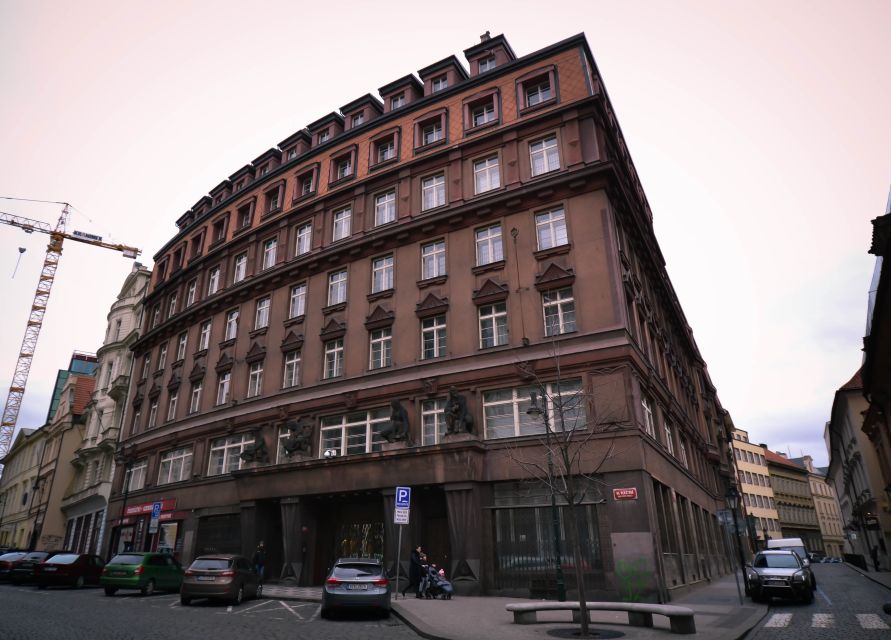
The central walk also covers the former site of Prague’s huge Stalin statue. The statue itself is gone, but its story helps explain the public face of the communist state and the way power was displayed in the city.
The guide connects these large symbols with smaller, more private fears. You may hear how people handled surveillance, what could happen to a family member who spoke too openly, and how travel restrictions shaped everyday choices. The most useful part of this approach is the scale. You are not left with only dates and party leaders. You get a sense of how an entire system could reach into work, school, travel, and family life.
The tour also discusses the period before and after the Second World War, the Soviet influence in Czechoslovakia, and the events that led to the fall of communist rule. It is a lot to cover in 150 minutes, so the guide must keep the pace brisk. The walk is reported as fast-moving but not rushed, with about ten minutes at several central stops and a longer visit inside the bunker.
I would not choose this tour if you want a narrow study of bunker engineering. The bunker is the main physical attraction, but the first half is a broader social and political history lesson. That wider context is important because it explains why the shelter was built and what kind of fear it was meant to answer.
The tram ride beyond the historic center
After the opening walk, the group takes public transportation to the bunker. The transfer is short, listed at about ten minutes, but it changes the feel of the experience.
Prague’s old center can make the city seem like a continuous collection of Gothic towers, Baroque streets, and grand squares. Riding out to a less tourist-focused part of town helps you see Prague as a living city rather than a museum set. The movement also reflects the tour’s central idea: communist history was not confined to famous monuments.
You need to stay alert during this section. The guide helps the group board and leave the tram, but you still need to keep track of the meeting instructions and stay close. One guide was specifically praised for keeping everyone together during the ride and through the bunker entrance.
The public transport is included in the tour price. That saves you from figuring out the route yourself, but the journey is not private or door-to-door. You should expect ordinary city travel, standing or walking as needed, and a group moving through public spaces.
More Guided Tours in Prague:
- Prague: WWII Guided Tour & The Crypt of Operation Anthropoid
★ 4.7 · 1,030 reviews - Prague: Medieval Underground Guided Tour
★ 4.5 · 209 reviews - Pompeii: Entry Ticket and Guided Tour with an Archaeologist
★ 4.8 · 19,459 reviews - History and Hauntings of Salem Guided Walking Tour
★ 5.0 · 14,564 reviews
What the 70-minute bunker visit is really like
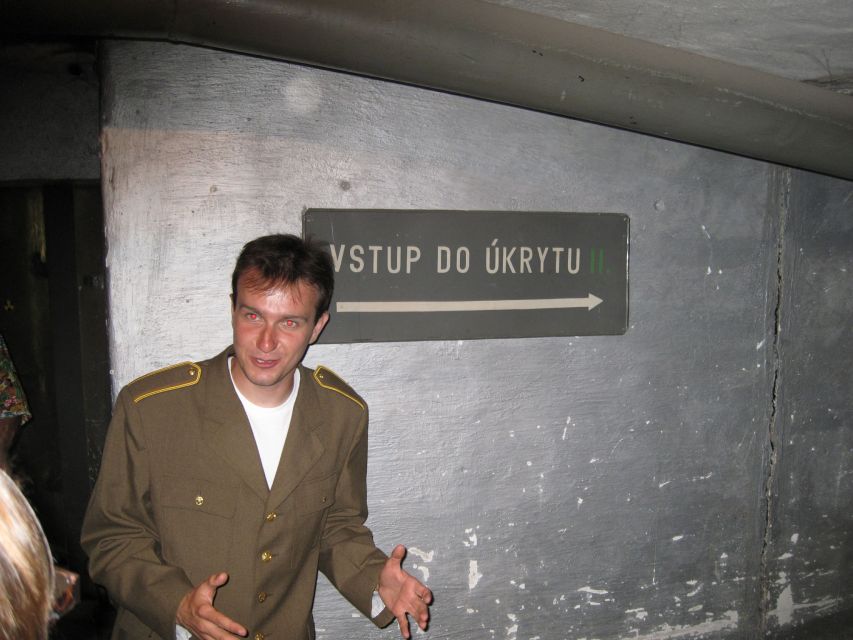
The bunker visit takes about 70 minutes, making it the longest part of the tour. You descend underground and move through the museum with the guide.
The structure was built in the 1950s as protection for civilians in a nuclear emergency. Its planned capacity of 5,000 people gives you a sense of the scale, but the experience is still made up of corridors, rooms, displays, and concrete spaces rather than a single vast hall.
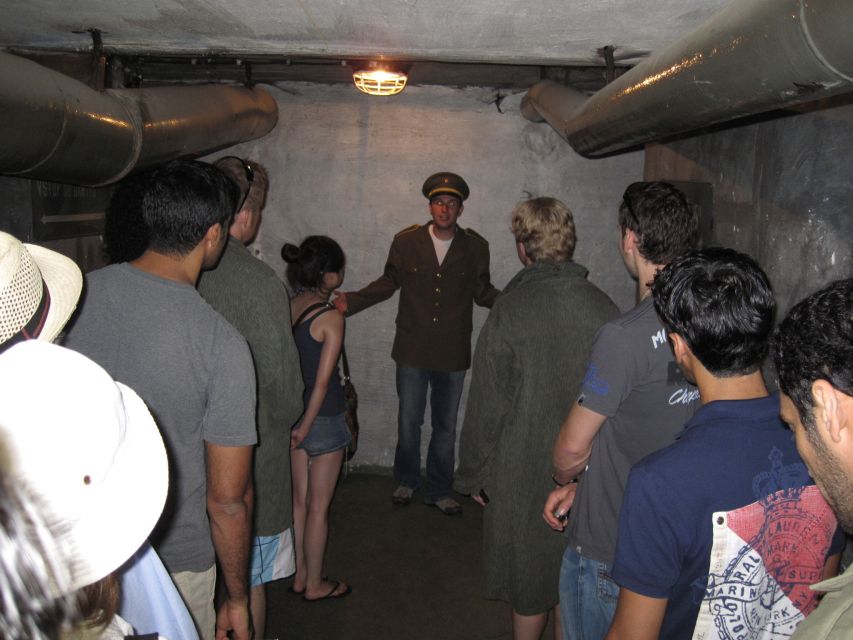
You will see Cold War equipment, photographs, and other objects connected with life during the period. The collection is described as particularly useful for showing events and daily conditions that are not always covered in Prague’s larger central museums. The bunker can feel dusty in places, which is worth noting if you have respiratory allergies. A face covering may make the visit more comfortable.
The guide’s commentary remains central. A bunker without explanation is just an old underground structure. With stories about drills, the nuclear threat, political tension, and ordinary routines, the rooms become evidence of a society preparing for disaster while trying to carry on with normal life.
There are stairs and enclosed passages. The bunker is not suitable for wheelchairs or baby strollers, and it is not recommended for anyone with a walking disability, serious mobility issue, claustrophobia, or certain heart conditions. Babies under one year and very young children below school age are not suitable for the tour. These are not minor notes. The underground setting and steady walking shape the whole experience.
The gasmask workshop and museum details
The gasmask workshop is one of the tour’s more distinctive features. It gives you a concrete look at how civil defense was presented during the Cold War. The subject can otherwise remain abstract, especially for anyone born after the period ended.
The museum also includes photographs and artifacts from the communist era. Some visitors find these displays more revealing than a conventional museum because the objects are placed inside an actual protective structure. You see the equipment in the setting where it was meant to be used.
The exhibitions are not perfect. Some displays may look tired, and the bunker has an unpolished quality. I see that as a tradeoff rather than a fatal flaw. The strength is authenticity and atmosphere, not high-tech presentation.
Photography is permitted, so bring a camera or phone if you want to record the rooms and objects. Video is not allowed without special permission. Alcohol, smoking, pets, costumes, and disruptive behavior are prohibited, which is reasonable given the serious subject and the confined setting.
How much time and money should you allow?
The advertised duration is 150 minutes, with the actual length able to vary by roughly ten to fifteen minutes depending on group size. That is enough time for a meaningful introduction, central Prague stops, the tram ride, and a substantial bunker visit.
At $44 per person, the value depends on what you want from a history tour. The price includes the live guide, public transportation to and from the bunker, entry to the bunker museum, the exhibitions, and the gasmask workshop. You are paying for interpretation as much as admission.
I consider the price reasonable if you want a guided experience rather than a quick museum visit. A good guide can connect Prague’s streets, the Velvet Revolution, secret-police history, and Cold War civil defense into one story. The value is less clear if you prefer to explore at your own pace or spend most of your time reading displays.
Food and drinks are not included, and there is no hotel pickup or drop-off. Plan to eat before or after the tour. There are no toilets at the starting point, and the bunker itself should not be treated as a place to take a comfort break.
Free cancellation is available up to 24 hours before the start time, and you can reserve now and pay later. Online tickets are available up to 30 minutes before departure, but arriving late is risky because the group may leave and joining after departure is not guaranteed.
Who will enjoy this tour most?
I would recommend it to you if you enjoy social history, Cold War politics, local stories, and places that are still a little rough around the edges. It is especially useful if you know the broad outlines of communism but want to understand how the system affected ordinary people in Prague.
The tour also suits anyone who wants more than the Old Town and Charles Bridge. The tram ride and bunker visit take you beyond the standard center-city route. You see a different side of Prague and spend time in a place most independent sightseeing routes would miss.
You should think twice if you dislike enclosed spaces, stairs, public transportation, or serious historical subjects. The guide may use humor to keep the pace human, but the subject includes fear, violence, surveillance, imprisonment, and political oppression.
The tour is offered in English and German. You must be able to speak the selected language, and translation into other languages during the tour is not allowed. That rule helps the guide maintain a clear pace, but it means this is not a good choice if you need interpretation.
Should you book the Prague bunker tour?
Book it if you want a personal, place-based look at Prague under communism. The best parts are the firsthand memories from guides such as Stan and Ladislav, the clear storytelling associated with Pavel and L, and the chance to connect central landmarks with a real underground shelter.
Do not book it expecting a polished, accessible museum or a relaxed sightseeing stroll. You will walk, climb stairs, ride public transport, and spend time underground. For the right visitor, the $44 price buys a strong combination of context, local perspective, and an unusual physical setting. I would make it a good choice for adults and older children who can handle the pace and want to understand the city beyond its pretty center.
FAQ
Where does the tour begin?
There are two possible starting-location options, and the meeting point depends on the option you book. Check your confirmation carefully before setting out.
How long does the tour last?
The scheduled duration is 150 minutes. The actual timing can vary by about 10 to 15 minutes depending on the group size.
Is transportation to the bunker included?
Yes. Public transportation to and from the nuclear bunker is included in the tour price.
How far underground is the bunker?
The nuclear bunker is about 50 feet underground.
How many people was the bunker designed to hold?
The bunker was designed to accommodate up to 5,000 people.
Is the tour offered in English?
Yes. The tour is available in English and German. You must speak the language selected for your booking.
Is the tour suitable for wheelchair users?
No. The walking route and stairs make it unsuitable for wheelchair users, baby strollers, and people with mobility impairments.
Is the tour suitable for someone with claustrophobia?
No. The tour is not suitable for people with claustrophobia, and the bunker includes enclosed underground spaces.
Are food and drinks included?
No. Food and drinks are not included.
Can I take photographs inside the bunker?
Yes, photography is allowed. Video recording requires extra permission.
Just added around Prague
- Prague: Medieval Underground Guided Tour★ 4.5 · 209 reviews
- Prague: Communists and World War II Tour★ 4.7 · 88 reviews
- From Prague: Medieval Dinner, Show, Castle and Brewery★ 4.3 · 48 reviews
- Prague: 3–Hour Communism and World War 2 E-Bike Tour★ 4.9 · 56 reviews
- Prague: World War II and Communist History Tour★ 4.7 · 130 reviews
- Terezin In-Depth Holocaust Tour From Prague’s Center (max 7 pax)★ 5.0 · 170 reviews
- Prague: World War 2 and Operation Anthropoid Walking Tour★ 4.8 · 193 reviews
- Prague: Plague Doctor Old Town History Walking Tour★ 4.9 · 204 reviews
Prague History Tours, compared.
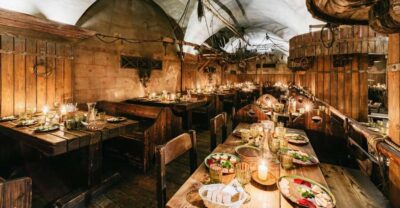
Prague: Medieval Dinner with Unlimited Drinks
Read our review →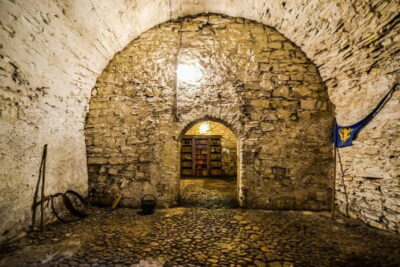
Prague: Oldtown, Medieval Underground & Dungeon History Tour
Read our review →
Prague: Ghosts, Legends, Medieval Underground & Dungeon Tour
Read our review →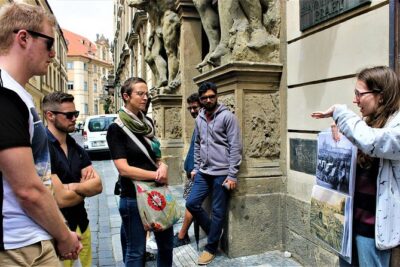
Prague Old Town, Medieval Underground and Dungeon Historical Tour
Read our review →
Prague 5 Courses Medieval Dinner and Live Performances
Read our review →
Prague: Historic City Center Bus Tour with Top Sights
Read our review →
Prague Historic Pub Tour with Drinks Included
Read our review →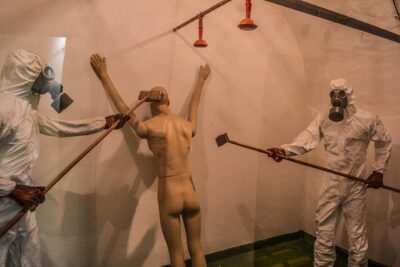
Prague Communism History and Nuclear Bunker Tour
Read our review →Browse the lists this tour appears in