
Review · SAVANNAH
Guided Savannah Civil War History Walking Tour
Savannah’s Civil War story is not confined to a battlefield. It unfolded in drawing rooms, government offices, churches, squares, and streets that you can still walk today. This two-hour tour connects those places with the larger questions of secession, Sherman’s March to the Sea, Special Order No. 15, and what followed the war.
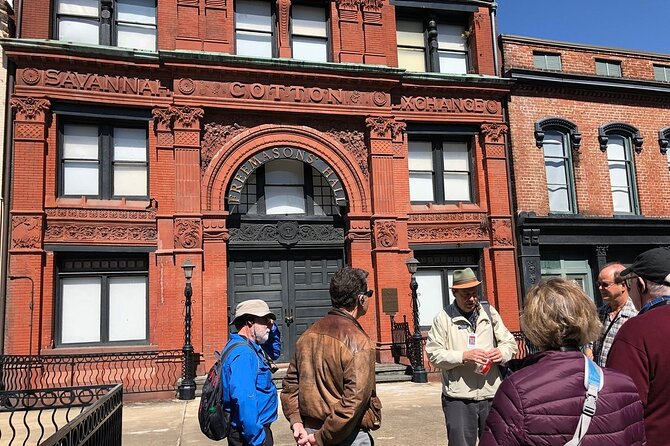
I like the small group limit of 15, which gives you a better chance to ask questions. I also like the easy route through Savannah’s beautiful squares, with time to see Sherman’s headquarters and locations tied to Robert E. Lee’s visits.
The main consideration is the weather. You will be outdoors for about two hours, and the tour may be canceled in poor conditions. Wear comfortable shoes, bring water, and choose a cooler departure time when possible.
Key points at a glance
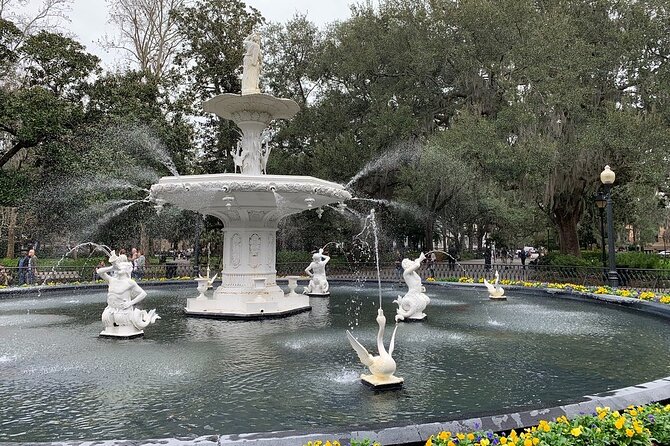
- A two-hour walk through Savannah’s Antebellum district: The route begins at Reynolds Square and ends near Oglethorpe Square.
- Civil War history with political context: You learn about Savannah’s cultural leanings, the causes of secession, and the hard choices facing the city.
- Sherman, Howard, Geary, and Lee: The tour links major military figures to Savannah streets and buildings.
- Special Order No. 15 and Reconstruction: The discussion continues beyond the war itself and asks what came next.
- A practical pace for most people: The walk is less than two miles, with stops to rest and an earphone system used on some tours.
- Experienced guides with different strengths: Champ, Kelce, Pierce, Rodney, and Robert have all led memorable versions of the walk.
Why Savannah’s Civil War story works best on foot
Savannah can make history feel unusually close. Its planned streets and public squares let you move from one chapter to the next without spending much time in transit. That matters here, since the tour uses the city itself as its teaching tool rather than treating the war as a distant subject.
You meet your guide at Reynolds Square, at 32 Abercorn Street. From there, the walk moves through the Antebellum section of the historic district, covering more than 150 years of political, military, and social history. The route finishes at Oglethorpe Square near 127 Abercorn Street.
I appreciate that the subject is wider than troop movements. You hear about the cultural and political leanings of Savannah, the reasons behind secession, the arrival of Union forces, and the decisions that shaped the postwar South. That gives the military events a setting and a human dimension.
The tour is especially useful if you know the broad Civil War story but want to understand Savannah’s place in it. It can also work for someone with little background. One guide, Champ, was praised for explaining the subject clearly enough for a young teenager and for a person new to Civil War history to follow along.
More History Walking Tours in Savannah
- Savannah History and Haunts Candlelit Ghost Walking Tour
★ 5.0 · 3,235 reviews - Historic Savannah Guided Walking Tour
★ 5.0 · 2,918 reviews - Southern Flavors Food, Pub Crawl, and History Walking Tour
★ 4.5 · 1,623 reviews
Reynolds Square sets the scene
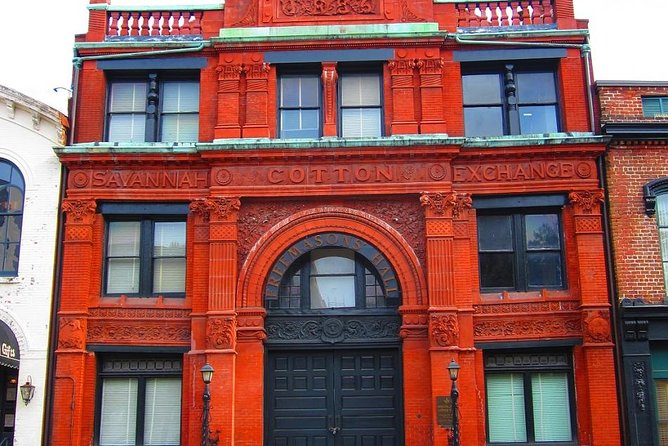
Reynolds Square is more than a meeting point. It places you inside Savannah’s historic street plan before the tour begins, with the old district providing the backdrop for the opening discussion.
Your guide introduces the city before and during the war, including the local attitudes and political pressures that helped shape Savannah’s path toward secession. This opening matters because the tour does not present the war as a simple clash between two armies. It examines the causes behind the conflict and the competing interests at work.
The best guides also separate established fact from local legend. Robert, who teaches history at the University of South Carolina, was singled out for taking that approach. That is a useful habit in a city where attractive stories can sometimes travel farther than the evidence behind them.
You should expect a spoken tour rather than a museum-style display. Some guides use visual aids, which can help when discussing people, events, and places that are no longer obvious from the street. An earphone system may also be used, making it easier to hear while looking around rather than standing shoulder to shoulder with the guide.
Following Sherman’s March to the Sea
Sherman’s March to the Sea is one of the tour’s central subjects. Savannah was the campaign’s destination, so walking its streets gives the story a clear endpoint and a physical sense of place.
The guide explains how Sherman’s army reached the city and what Savannah meant within the wider Union campaign. You also visit or view the area connected with Sherman’s headquarters. That stop adds a useful layer because it shifts the story from movement across the South to the decisions made after the army reached Savannah.
The value here is the connection between military history and civic history. Instead of hearing only where units traveled, you consider what the occupation meant for the city and how the Union victory changed the political situation.
The tour also covers General Oliver Howard and General John Geary. Their roles help you see that Sherman’s campaign involved more than one famous commander. If you already know the major names of the war, these sections add detail. If you do not, the guide provides enough explanation to place them within the larger story.
Special Order No. 15 and the difficult postwar question
The discussion does not stop when the fighting ends. Special Order No. 15 becomes a key point in the walk, followed by the question of Reconstruction or Retribution.
That shift is one of the strongest reasons to choose this tour over a basic sightseeing walk with a few Civil War facts added on. You are asked to consider the consequences of military victory, the hopes and fears of formerly enslaved people, and the choices made during the uncertain years that followed.
The experience is not presented as a dramatic reenactment. Several guides are praised for sticking to facts rather than adding theatrical flourishes or a political agenda. That does not mean the subject is dry. The most effective sections use individual people and stories to make the issues easier to grasp.
I would give this part your full attention. It is where the tour moves beyond famous generals and dates and shows why the Civil War still shapes how Savannah and the United States understand the nineteenth century.
More History Walking Tours in the USA
- Genteel and Bard’s Savannah Dark History and Ghost Encounter Walking Tour
★ 5.0 · 1,546 reviews - Heart of Savannah History Walking Tour – 2hr
★ 5.0 · 857 reviews - Creepy Crawl Night-Time Haunted Pub Walking Tour of Savannah’s Historic District
★ 4.5 · 802 reviews - Genteel and Bard’s Savannah History Walking Tour
★ 5.0 · 684 reviews
Robert E. Lee, city squares, and history in plain view
Robert E. Lee’s visits to Savannah are another thread in the route. The guide points out streets and places connected with his trips, giving you a chance to match a familiar name with the physical city.
This is one of the pleasures of a walking tour in Savannah. The stop may not look like a conventional museum exhibit. Instead, the setting is the evidence. You hear what happened in or near a place, then look at the buildings, squares, and street pattern around you.
The route also includes several of Savannah’s notable squares. They give you regular visual changes and occasional opportunities to pause. The walk is described as less than two miles, and the pace is generally measured rather than hurried. One guide was praised for a slow enough rhythm that everyone could keep up, while another used stops where people could sit and rest.
That said, you should still treat this as an outdoor walking activity. Savannah’s heat can make two hours feel longer, especially in the warmer months. Comfortable shoes are essential. A guide has even handed out spare fans when conditions became hot, but you should still plan for sun and humidity on your own.
The guides make a real difference
The tour uses professional guides, and the names that come up most often include Champ, Kelce, Pierce, Rodney, and Robert. Each appears to bring a slightly different style.
Champ is a good fit if you like extra detail and questions. He has used visual aids, added information about local plants and trees, and explained the Civil War alongside other facts about Savannah’s buildings and streets.
Kelce is noted for energy, preparation, and a clear speaking style. If you want a guide who keeps the walk moving while adding lesser-known details, Kelce may suit you well.
Pierce is described as careful about safety, pace, and the overall experience. That can matter if your group includes older adults or anyone who prefers an easy stroll. Rodney’s strength is keeping the material engaging without turning it into a performance.
Robert brings an academic background and a particular interest in separating fact from fiction. His style may appeal to you if you want a more careful treatment of evidence and a fuller explanation of Savannah before, during, and after the war.
You cannot always choose a specific guide, so it is best to judge the tour as a whole rather than book solely in hopes of getting one person. The consistently strong guide feedback does suggest that the operator has several capable historians on its roster.
Pace, group size, and what the two hours feel like
The tour is limited to 15 people. That is small enough for a more personal feel, though the actual group can be much smaller. One morning tour had only two participants, creating an almost private experience.
A small group also helps with questions. You can ask about a particular general, building, or point of controversy without holding up a large crowd. The tradeoff is that the experience depends on the guide’s style and on the interests of the people sharing the walk.
The pace is usually easy. The full route covers less than two miles, and the walk includes stops rather than continuous movement. Earphones may be provided, which help you hear the guide while taking in the surroundings.
Multiple departure times make it easier to fit the tour around meals, museums, and other Savannah plans. I would choose a morning slot in hot weather if one suits your schedule. In cooler conditions, an afternoon departure can work well after you have spent time exploring the historic district on your own.
Is $40 a fair price?
At $40 per person, this is not the cheapest way to walk around Savannah, but the price is reasonable if you want focused Civil War interpretation rather than general sightseeing.
You are paying for about two hours with a professional guide, a small group cap, a planned route, and historical explanation at the places where the story happened. The value increases if you are interested in the causes of the war, Sherman’s campaign, and Reconstruction. It is less compelling if you mainly want architecture, food, ghost stories, or a quick orientation to the city.
The tour also saves you from trying to connect scattered facts on your own. Savannah offers plenty of historic sights, but without context, it can be hard to understand which places matter to the Civil War story and why. Here, the route does that work for you.
Taxes, fees, and handling charges are included in the listed price. You receive a mobile ticket, and the tour is offered in English.
Who should book this walk?
I would recommend it first to Civil War enthusiasts, history students, and anyone who wants more than the standard Savannah sightseeing circuit. It also suits couples, families, and solo visitors who enjoy learning while walking.
You do not need to be an expert. The guides explain the material for different levels of background, and the best ones make room for questions. Families should know that the subject includes war, slavery, secession, and Reconstruction, so it is serious material, though the presentation is described as clear and approachable.
The tour is also a good choice early in your stay. Afterward, you will have a better sense of how the squares, buildings, and streets fit into the city’s past. You may also get useful suggestions for restaurants and other things to do from the guide.
The main mismatch would be for someone who dislikes outdoor walking or wants a light, purely entertaining activity. This is an information-heavy tour. You will spend much of the two hours listening, thinking, and walking at a steady pace.
Practical details before you go
Meet at Reynolds Square, 32 Abercorn Street, at the departure time you select. The tour ends at Oglethorpe Square, near 127 Abercorn Street, so you will not return to the starting point.
Most people can take part, and service animals are allowed. The tour is near public transportation, but no transport is included. Plan your return route after the walk if you need to meet a timed reservation elsewhere.
Confirmation arrives when you book. Free cancellation is available up to 24 hours before the start time for a full refund. Changes or cancellations within 24 hours are not accepted for a refund. The tour requires good weather and a minimum number of participants, so a weather or minimum-size cancellation may result in another date, another experience, or a full refund.
Bring comfortable shoes and water. An umbrella or sun protection may be useful depending on the forecast. The guides work to keep the pace manageable, but you should still be ready to walk outdoors for roughly two hours.
Should you book the Savannah Civil War History Walking Tour?
Book it if you want Savannah’s Civil War story explained on the streets where it unfolded. The route covers Sherman’s March, Special Order No. 15, Lee’s visits, the roles of Howard and Geary, and the unsettled years of Reconstruction. That is a lot of ground for $40, especially with a group capped at 15.
I would be more cautious if your main goal is a general introduction to Savannah or a relaxed architectural stroll. For everyone else, this is a focused, fairly priced history walk with a good chance of getting a guide who can handle both facts and questions. Choose a cool time of day, wear good shoes, and leave room in your schedule after Oglethorpe Square.
FAQ
Where does the Savannah Civil War History Walking Tour begin?
The tour begins at Reynolds Square, at 32 Abercorn Street in Savannah.
Where does the walking tour end?
The tour ends at Oglethorpe Square, near 127 Abercorn Street on Abercorn Street.
How long is the tour?
The tour lasts approximately two hours and covers less than two miles on foot.
What does the tour cover?
It covers Savannah’s political and cultural position before the war, the causes of secession, Sherman’s March to the Sea, Special Order No. 15, Reconstruction, General John Geary, General Oliver Howard, Robert E. Lee’s visits, and Sherman’s headquarters.
How many people can join the tour?
The maximum group size is 15 people.
What happens if the tour is canceled because of weather?
If poor weather causes a cancellation, you will be offered a different date or a full refund.
More Battlefield and Military History Tours in Savannah
- Savannah: Battles & Brews Civil War History Pub Crawl
★ 4.4 · 36 reviews - 2-Hour Gettysburg Battlefield Guided History Bus Tour with a National Park Guide
★ 4.5 · 2,201 reviews - Prague Communism History and Nuclear Bunker Tour
★ 5.0 · 1,742 reviews - Communism & Nuclear Bunker Tour + 70s Canteen Lunch (own expense)
★ 5.0 · 1,036 reviews
Just added around Savannah
- Savannah: Historic District Guided Bike Tour★ 4.8 · 47 reviews
- Savannah: Historical Pub Crawl Tour with Drinks Included★ 3.9 · 34 reviews
- Savannah: Historical Panoramic City Tour★ 4.8 · 72 reviews
- Savannah: History and Culture Walking Tour★ 4.6 · 149 reviews
- Savannah: African American History Tour★ 4.9 · 72 reviews
- Savannah: History, Culture, & Scenic Views E-Bike Tour★ 5.0 · 69 reviews
- Savannah: Battles & Brews Civil War History Pub Crawl★ 4.4 · 36 reviews
- Savannah: Historical Bike Tour with Tour Guide★ 4.8 · 140 reviews
Savannah History Tours, compared.
Savannah History and Haunts Candlelit Ghost Walking Tour
Read our review →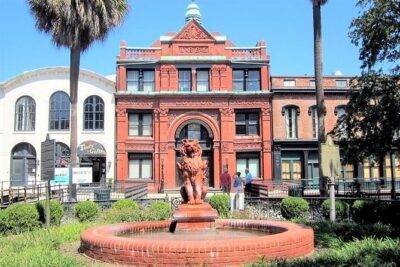

Narrated Historic Savannah Sightseeing Trolley Tour
Read our review →
Southern Flavors Food, Pub Crawl, and History Walking Tour
Read our review →
Genteel and Bard’s Savannah Dark History and Ghost Encounter Walking Tour
Read our review →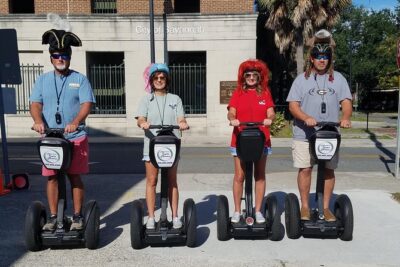
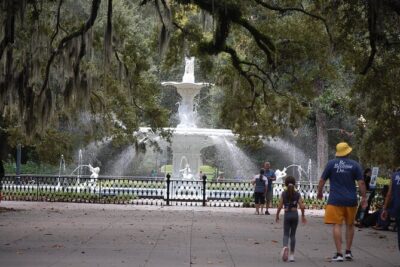
60-Minute Guided Segway History Tour of Savannah
Read our review →
Browse the lists this tour appears in