

Review · USA
Denver: History and Architecture Walking Tours
Denver’s story is written in brick, stone, and grand Victorian façades. On this 90-minute walk, you can follow the city from a cluster of tents to a railroad hub, or trace the fortunes of the families who built Capitol Hill and Quality Hill. The tour turns familiar streets into a readable history lesson.
I like the choice of four focused routes, since you can match the walk to your interests. I also like the small group limit of 10, which gives you a better chance to ask questions. The main consideration is that the experience is entirely outdoors and runs in rain or shine, so good shoes, water, sunscreen, and suitable clothing matter.
Key points to know before booking

- Four different stories: Pick LoDo, Capitol Hill, Quality Hill, or Larimer Square rather than taking a one-size-fits-all city walk.
- A short, useful format: The 90-minute length fits neatly into a morning, afternoon, or evening in Denver.
- Strong historical detail: Guides explain buildings, families, dates, and the city changes surrounding them.
- Small-group setting: Groups are limited to 10 people, making questions and conversation easier.
- A practical meeting detail: The guide wears a maroon Historic Denver polo shirt and meets you at the Union Station flagpole unless your selected route specifies another starting point.
- Bring weather gear: Tours operate rain or shine, with no food or drinks included.
Why Denver’s buildings tell the real story
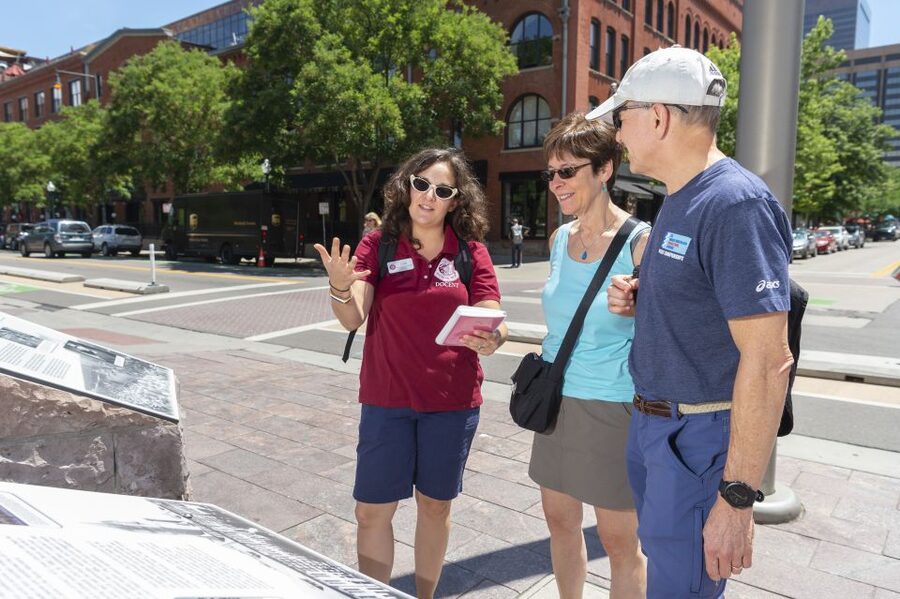
Denver can seem young at first glance. Its downtown streets have modern towers, busy roads, and plenty of recent development. Look closer, though, and you find a city shaped by mining money, railroads, ambitious families, civic pride, decline, and restoration.
That is the central appeal of these walks. You are not simply shown an old building and given a construction date. The guide connects the building to the person who paid for it, the period in which it was built, and the later changes that affected the surrounding neighborhood.
The strongest guide experiences add context beyond architecture. Lois, for example, is especially good at explaining not only the buildings but also the era and the events taking place around them. Another guide, Jessie, received a poor assessment for reading too much from a notebook, so your experience may depend partly on the individual guide and the route assigned that day.
That is worth keeping in mind. The best version of this tour is lively and conversational, with room for questions. The less effective version may feel like a prepared lecture. The small group size helps, but it cannot guarantee the same guide style every time.
More History Walking Tours in the USA
- History and Hauntings of Salem Guided Walking Tour
★ 5.0 · 14,564 reviews - Boston: Freedom Trail History Small Group Walking Tour
★ 5.0 · 6,450 reviews - Historic Charleston Guided Sightseeing Walking Tour
★ 5.0 · 6,216 reviews
Choosing between LoDo, Capitol Hill, Quality Hill, and Larimer Square
The four walks are not interchangeable. Each focuses on a different slice of Denver, and your choice should depend on the kind of history you want.
LoDo: from tents to rail hub to urban district
The Lower Downtown walk begins at Union Station, one of the most useful starting points in the city. From there, the tour looks at the architecture of LoDo and follows its dramatic changes over time.
The story moves from Denver’s early days as a small grouping of tents to its growth as a major railroad hub. Later came decline and skid row, followed by the district’s return as an urban hot spot.
That sequence gives the walk a clear shape. You are not just looking at old warehouses and station architecture. You are seeing how transportation and commerce changed the city, and how an area can lose its purpose before gaining a new one.
I would choose LoDo if this is your first time in Denver and you want a broad introduction to the city’s development. Union Station also makes the route convenient if you are already downtown or arriving by train.
The drawback is that the route covers a district shaped by many different eras, so you may get less attention on grand private homes than you would on the Capitol Hill or Quality Hill walks.
Capitol Hill: mansions and the people behind them
The Capitol Hill walk begins outside the Molly Brown House Museum. It explores the historic mansions of the neighborhood and the families who lived in them near the end of the 19th century.
This route is a good fit if you enjoy architecture with a personal story attached. Large houses can blur together when you only see façades. The guide gives you a reason to pause at each one by explaining the people and social period connected to the homes.
The setting is described as charming and historic, with stately residences that show how prosperous Denver families wanted to present themselves. The important point is not just that the homes were expensive. Their size, style, and location reflect the ambitions of the families who helped shape the city.
Starting at the Molly Brown House Museum gives the walk an immediate historical anchor. You should not assume the museum visit is part of the 90-minute tour, since the activity is described as a guided outdoor walk. Still, its location helps set the tone for the neighborhood.
Choose Capitol Hill if you prefer domestic architecture, family stories, and a more residential feel. You may want the LoDo walk instead if railroads, commerce, and changing downtown districts interest you more.
Same city, a different century:
- Charleston’s Old South Carriage Historic Horse & Carriage Tour
★ 5.0 · 10,023 reviews - Beneath The Streets Underground History Tour
★ 4.5 · 8,006 reviews - Big Island in a Day: Volcanoes Waterfalls Sightseeing and History
★ 5.0 · 6,569 reviews - Charleston Horse-Drawn Carriage Tour: Explore Historic Charleston
★ 5.0 · 3,561 reviews
Quality Hill: Denver’s grandest addresses
The Mansion of Quality Hill walk focuses on large homes and the people behind them. Its notable buildings include the Governor’s Mansion, Malo Mansion, and Zang Mansion.
This is the route for anyone who wants to examine Denver’s upper-class architecture and the legacy of prominent residents. The emphasis is on individuals, their homes, and what they left behind in the city.
The Governor’s Mansion gives the route a clear civic dimension. Malo Mansion and Zang Mansion add private wealth and family ambition to the picture. Together, these stops should help you compare different kinds of status and influence without reducing the walk to a parade of fancy houses.
I like this option for repeat visitors who have already seen the major downtown sights. It offers a narrower subject, but that focus is useful. You can spend more time thinking about how powerful people lived and how their names remain attached to Denver’s built environment.
The limitation is simple: if you want a broad overview of Denver, Quality Hill may feel specialized. It is best for people who enjoy architecture, prominent families, and the social history attached to large homes.
Larimer Square: saving Denver’s oldest block
The Larimer Square tour explores Denver’s oldest block and the local effort to save it from ruin and dilapidation. The key story is preservation: citizens helped protect the block and created the city’s first historic district.
This is a particularly useful route if you want to understand why old buildings remain in a rapidly changing city. The walk is not only about what was built in the past. It is also about the choices people made later, when demolition or neglect threatened the area.
Larimer Square offers a clear lesson in preservation. Historic districts do not simply happen because old buildings are attractive. They depend on people deciding that a place has enough value to protect and reuse.
I would pick this walk if you care about urban change and conservation. It is also a sensible choice if you want a concentrated story in one important downtown area.
What the guides add to the walk
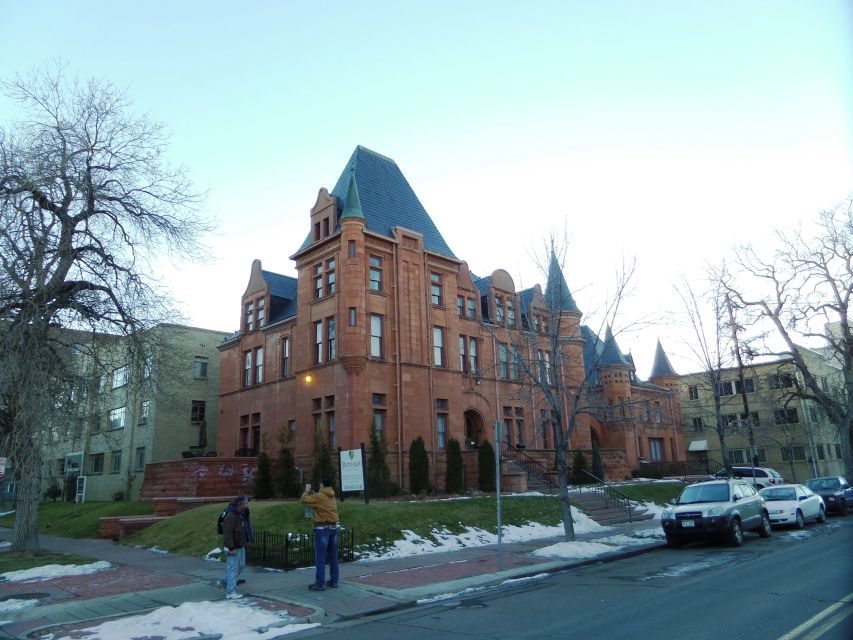
A good architecture walk depends on the guide’s ability to make buildings readable. Here, the strongest feedback centers on clear explanations, visual material, and answers to questions.
One highly praised guide made the early history of Denver easier to understand by using explanations and pictures. That is useful because architecture can be hard to interpret from the sidewalk. A photograph, comparison, or simple timeline can show you what has changed in a way that a list of dates cannot.
Another guide, Lois, received special praise for adding details about the time period and the events surrounding each building. That kind of context is what turns a façade into a place with meaning.
The experience appears strongest when the guide relates the material to ordinary human choices: why a family built a certain home, how a district changed, or why citizens fought to save a block. It is less successful if the guide simply reads prepared notes. One poor assessment specifically criticized that approach.
You should arrive ready to participate. Ask about the people behind the buildings, changes to the neighborhood, and why a structure survived. The tour is short, so your questions can help steer the conversation toward the subjects you care about most.
Is 90 minutes enough?
For a walking tour, 90 minutes is a smart length. You get a meaningful introduction without giving up half a day of sightseeing.
The time is long enough to move beyond quick photo stops and explain the setting around the buildings. It is also short enough to combine with a museum visit, lunch, a business appointment, or another downtown activity.
The tradeoff is that each route must stay focused. You should not expect every building in LoDo, Capitol Hill, Quality Hill, or Larimer Square to receive a long explanation. The tour gives you a framework, not an exhaustive architectural survey.
That is a good thing for most visitors. You leave with a clearer sense of the city and a list of places you can revisit on your own. If you want detailed architectural analysis of every façade, the 90-minute format may feel limited.
What the $20 price gets you
At $20 per person, this is a reasonably priced way to add local context to a Denver stay. You are paying for a live guide, a focused route, and the interpretation that makes the buildings meaningful.
The value is highest if you are curious about Denver’s past but do not want to spend hours reading plaques or doing independent research. A strong guide can connect several buildings into one story and answer questions on the spot.
The price does not include food or drinks, but that is not a serious problem for a 90-minute walk. Bring water, especially on a sunny day, and plan a café or meal before or after the tour.
The tour also has a flexible booking policy. You can cancel up to 24 hours ahead for a full refund, and you can reserve now and pay later. That is helpful when your Denver plans depend on weather or changing schedules.
Small group size, meeting point, and weather
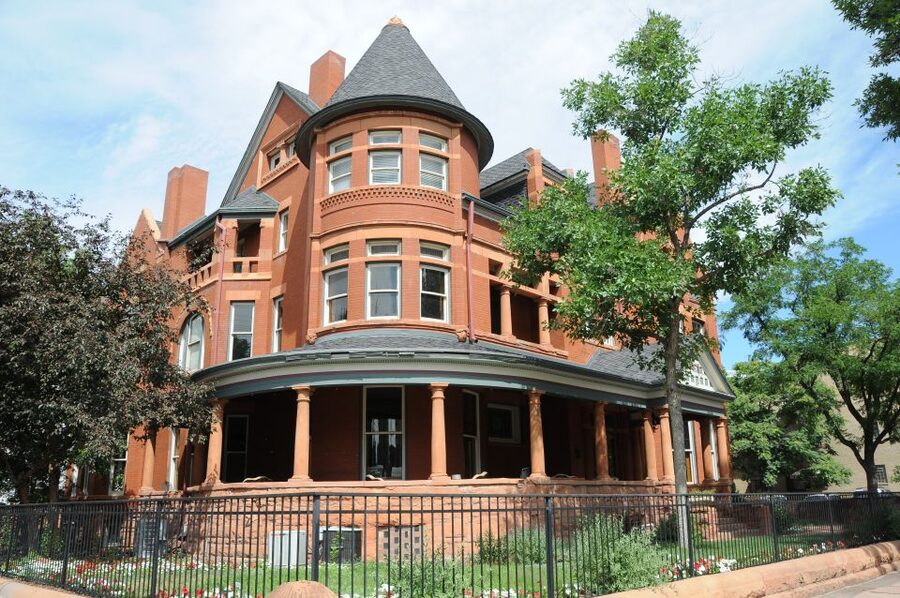
The group is limited to 10 people. That is small enough to hear the guide more easily and ask questions without stopping a large crowd. It also suits travelers who prefer a personal feel rather than a mass sightseeing group.
The listed meeting point is the flagpole in front of Union Station. Look for a guide wearing a maroon polo shirt marked Historic Denver, and arrive 10 minutes early.
There is one detail to check carefully. The individual route descriptions give different starting points: LoDo begins at Union Station, Capitol Hill begins outside the Molly Brown House Museum, and the other routes have their own neighborhood focus. Confirm the meeting instructions for the specific walk you select so you do not wait at the wrong place.
All tours run in rain or shine. Wear comfortable shoes, bring water and sunscreen, and dress for the forecast. Denver weather can make an outdoor walk feel very different from one day to the next.
The information lists the activity as wheelchair accessible, but it also says it is not suitable for people with mobility impairments. That is an important inconsistency. If you use a wheelchair or have difficulty walking, contact Historic Denver before booking and ask about the exact route, surfaces, and rest opportunities.
Who should take this Denver history walk?
I would recommend it to first-time visitors who want more than a quick look at downtown buildings. It also suits repeat visitors, architecture fans, history students, and anyone who enjoys learning how neighborhoods changed.
Capitol Hill and Quality Hill are especially good for people drawn to houses, families, and social history. LoDo works well for a wider city story. Larimer Square is the pick for preservation and urban change.
This may not be the right choice if you dislike walking, want an indoor activity, or prefer a self-guided schedule with no fixed start time. It is also not ideal for someone looking for food tastings or entertainment, since the focus is entirely on buildings and local history.
Should you book it?
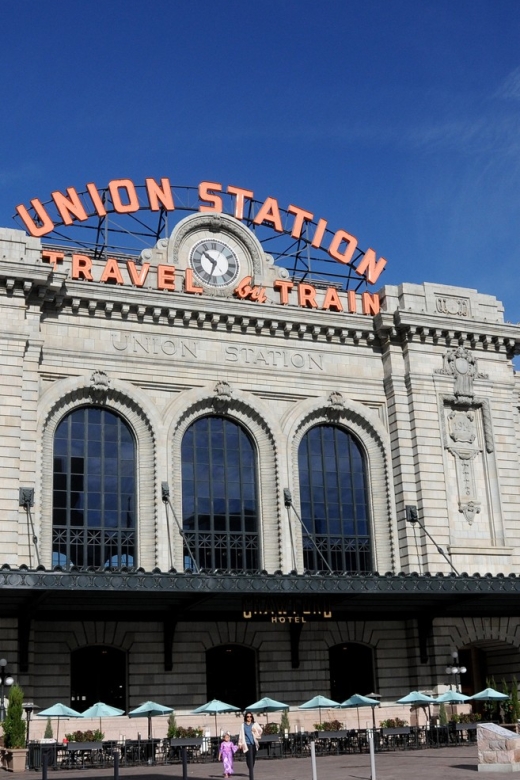
Book this tour if you want Denver’s old buildings to make sense rather than simply appear attractive. The four routes give you a useful choice, the 90-minute format is easy to fit into a busy itinerary, and the $20 cost is fair for a live, small-group history lesson.
Choose your route with care. LoDo gives you the broadest story, Capitol Hill focuses on mansion life, Quality Hill centers on prominent homes and residents, and Larimer Square explains preservation. Arrive early, prepare for the weather, and confirm the meeting point for your chosen walk.
If you prefer a guide who adds context, answers questions, and connects buildings to real people, this can be a rewarding part of your Denver visit. Just keep in mind that guide quality may vary, and the outdoor format requires comfortable mobility.
FAQ

How long is the Denver history and architecture tour?
The tour lasts 90 minutes.
How much does the tour cost?
The price is $20 per person.
Which walking tours can I choose from?
You can choose the Lower Downtown Walking Tour in LoDo, the Capitol Hill Walking Tour, the Mansion of Quality Hill Tour, or the Larimer Square Tour.
Where does the tour meet?
The listed meeting point is the flagpole in front of Union Station. The route descriptions identify other starting locations for some tours, so confirm the meeting point for your selected route.
How do I recognize the guide?
Guides wear maroon polo shirts with Historic Denver printed on them.
What language is the tour offered in?
The tour is conducted in English with a live English-speaking guide.
What should I bring?
Bring comfortable shoes, sunscreen, water, and clothing suitable for the weather.
What happens if it rains?
The tours operate in rain or shine, so prepare for outdoor conditions.
Can I cancel my booking?
You can cancel up to 24 hours in advance for a full refund. You can also reserve now and pay later.
Just added around the USA
- Red Rocks Amphitheatre Historical Walking Tour★ 5.0 · 74 reviews
- 1-Hour Segway Tour of Cheyenne Cañon Art, History and Nature★ 5.0 · 36 reviews
- Colorado Springs – Guided Walking Ghost / History Tour★ 5.0 · 168 reviews
- Ancient Landscapes Private Geology Hike at Garden of the Gods★ 5.0 · 31 reviews
- Village Food Tours Lunch & History Tour★ 5.0 · 80 reviews
- 2.5 Hour Kayaking with Manatee and History Tour in Tarpon Springs★ 5.0 · 24 reviews
- Safety Harbor Ghost Tour★ 5.0 · 60 reviews
- Historical Bicycle Tour of Dunedin★ 5.0 · 44 reviews
USA History Tours, compared.

History and Hauntings of Salem Guided Walking Tour
Read our review →
Charleston’s Old South Carriage Historic Horse & Carriage Tour
Read our review →
Boston: Freedom Trail History Small Group Walking Tour
Read our review →
Historic Charleston Guided Sightseeing Walking Tour
Read our review →
Savannah History and Haunts Candlelit Ghost Walking Tour
Read our review →
Tour of Historic Fenway Park, America’s Most Beloved Ballpark
Read our review →
Oahu: Mauka Warriors Luau Honoring Polynesia’s Forgotten History
Read our review →Browse the lists this tour appears in