
Review · ST AUGUSTINE
Walking History Tour of St. Augustine’s Historic District
St. Augustine’s story is much bigger than Spanish forts and colonial streets. This nearly two-mile walk links an old cemetery, Flagler-era churches, the former Ponce de Leon Hotel, the city plaza, and Castillo de San Marcos, giving you a useful timeline from the city’s beginnings through the early 1900s. Guide Kevin Rose is known for lively delivery, local insight, and a willingness to follow good questions.
I like the way this tour covers both colonial St. Augustine and the Gilded Age, rather than stopping with the Spanish period. I also like the small group limit of 15, which makes it easier to hear and ask questions. The main caution is time: although scheduled for 90 minutes, the walk often runs two hours or more, so do not place a tight reservation right afterward.
Key things to know before you book
- You cover nearly two miles on foot, with several stops and plenty of standing.
- Kevin Rose leads many departures, bringing humor, local knowledge, and a flexible approach to questions.
- The story moves beyond the Spanish era, covering Henry Flagler’s changes to the city and the early 1900s.
- The route includes major landmarks, from Tolomato Cemetery and Flagler College to the old city gates and Castillo de San Marcos.
- The group is capped at 15 people, a useful size for a history walk.
- The $25 price is strong value if you want context before exploring the attractions on your own.
A two-mile introduction to St. Augustine
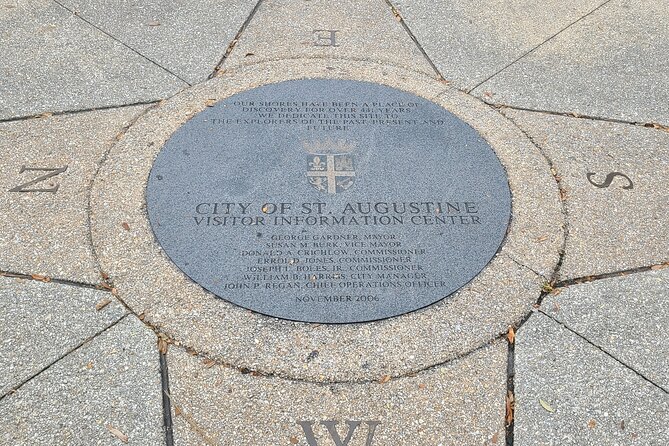
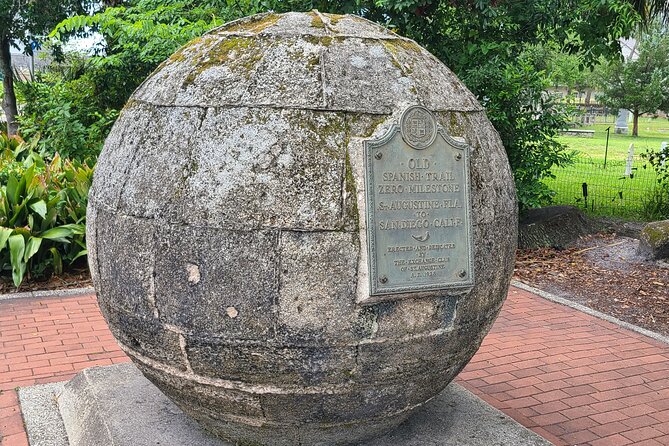
This is a walking tour for people who want the city to make sense, not just a string of pretty buildings. You begin at the St. Augustine and St. Johns County Visitor Information Center at 10 S Castillo Drive, then follow a route through the historic district before returning to the same meeting point.
The distance is listed at about 1.7 to two miles, depending on the exact route and how long the group spends talking. It is not a hard hike, but you will walk on city streets and stand at several outdoor stops. Comfortable shoes and bottled water are sensible, especially in warm weather.
The tour’s strongest feature is its broad time span. You hear about St. Augustine’s early foundations, the city’s Spanish periods, the people and institutions that shaped the town, and Henry Flagler’s late 19th-century transformation of it into a fashionable resort destination.
That balance matters. Many short city tours lean heavily on colonial military history or ghost stories. This one gives attention to the late 1800s, when grand hotels, churches, and new civic ambitions changed the look and purpose of St. Augustine.
More History Walking Tours in the USA
- History and Hauntings of Salem Guided Walking Tour
★ 5.0 · 14,564 reviews - Boston: Freedom Trail History Small Group Walking Tour
★ 5.0 · 6,450 reviews - Historic Charleston Guided Sightseeing Walking Tour
★ 5.0 · 6,216 reviews
Tolomato Cemetery and the city’s oldest stories
The first stop is Tolomato Cemetery, described on the tour as the city’s oldest cemetery and a site that predates the arrival of the Spanish in 1562. You spend about five minutes here, enough to establish the age of the place and introduce the people who came before the polished streets and grand hotels.
The stop also includes the Love Tree, a local curiosity approached at your own risk. That detail gives the opening a lighter note, but the cemetery itself sets the tone for the tour: St. Augustine is not only a collection of monuments. It is also a place shaped by ordinary lives, deaths, faith, conflict, and changing populations.
Admission to the cemetery is not included. The route focuses on the exterior and the story connected with the site, so you should not book this walk expecting a long cemetery visit.
Grace United Methodist Church and the Flagler era

Next comes Grace United Methodist Church, one of the churches connected with St. Augustine’s Flagler era. You spend about five minutes here while the guide explains how Henry Flagler’s plans affected the city in the late 1800s.
This is an important change of pace from fort walls and colonial landmarks. Flagler did not simply add a hotel or two. His projects helped reshape St. Augustine’s public image, architecture, religious life, and place within Florida’s growing tourist economy.
The church stop is brief, but it helps you read the city’s buildings as part of a larger period of change. I find that useful because the grand architecture can otherwise seem disconnected from the older Spanish streets around it.
Admission is not included, and the experience is primarily a guided exterior visit.
Memorial Presbyterian Church and a difficult story
The tour then pauses at Memorial Presbyterian Church for roughly ten minutes. The building is presented as one of the city’s most beautiful, but the stop is not only about decoration. You also hear the painful story behind its creation.
That combination makes this one of the more worthwhile pauses. St. Augustine’s ornate churches and hotels can look almost too perfect, especially when seen quickly. A personal tragedy connected with the church gives the architecture a human cost and helps explain why it was built.
The tour does not promise interior access here, and admission is not included. Still, the exterior discussion gives you a reason to look closely at the building rather than simply photograph it and move on.
More Old Town and Historic Centre Walks in the USA
- Philadelphia Old City Historic Walking Tour with 10+ Top Sites
★ 5.0 · 2,020 reviews - Asheville Historic Downtown Guided Electric Bike Tour with Scenic Views
★ 5.0 · 1,234 reviews - Creepy Crawl Night-Time Haunted Pub Walking Tour of Savannah’s Historic District
★ 4.5 · 802 reviews - Savannah: Historic District Foodie Walking Tour
★ 4.8 · 613 reviews
Flagler College and the Ponce de Leon Hotel
Flagler College was once the Ponce de Leon Hotel, one of the great statements of Gilded Age luxury in St. Augustine. The stop lasts about five minutes, with the guide explaining how this former hotel helped set a new standard for opulence in the city.
For many people, this will be the most visually striking part of the walk. The building represents a very different St. Augustine from the cemetery and fort. Instead of defensive walls and colonial hardship, you see the wealth, ambition, and showmanship of the late 19th century.
The short stop gives you historical context, but it is not a full college tour. Admission is not included. If you want to see the interiors, you will need to arrange that separately, and you should allow extra time beyond this walking experience.
I like having Flagler College included because it prevents the tour from treating St. Augustine as a city frozen in the Spanish period. The building shows how the town reinvented itself, and why the Gilded Age is essential to understanding its modern character.
Plaza de la Constitución and the seat of power
The Plaza de la Constitución receives about ten minutes of attention. The plaza was founded in 1599 by royal decree and became the center of government in Florida for nearly 250 years.
Here, the guide explains the role of Government House, the officials who lived and worked around the square, and what became of the governors connected with the site. You also hear how the plaza was recreated in 1933 through a Works Progress Administration project.
This is the kind of stop that rewards a good guide. A public square can seem like an open patch of paving until you understand how many decisions, ceremonies, and political struggles took place around it. The tour turns the plaza into a timeline of changing power.
Admission to the plaza is free. Since it is an open public space, this is also one of the easiest stops for a quick look if you later return on your own.
Castillo de San Marcos from the outside
The longest formal stop is at Castillo de San Marcos National Monument, with about 15 minutes devoted to the exterior. A licensed fort guide explains the history of St. Augustine’s forts, the construction of the current structure, and its importance to the city and the nation.
This is not a full admission tour of the fort. The ticket is not included, and the listed experience focuses on the outside. That distinction matters if you want to walk through the rooms, climb inside the walls, or spend time with the exhibits.
Still, an exterior explanation can be a smart first look. You learn why the fort was built, how it fits into the city’s defense, and what to notice before you return for a longer visit. I would use this walking tour as an introduction, then explore the national monument separately if military history interests you.
The fort section can also be the point where a 90-minute schedule becomes unrealistic. The guide’s style appears to favor questions and extra stories, so you may spend more time here than the formal stop length suggests.
The Old City Gate and the route home
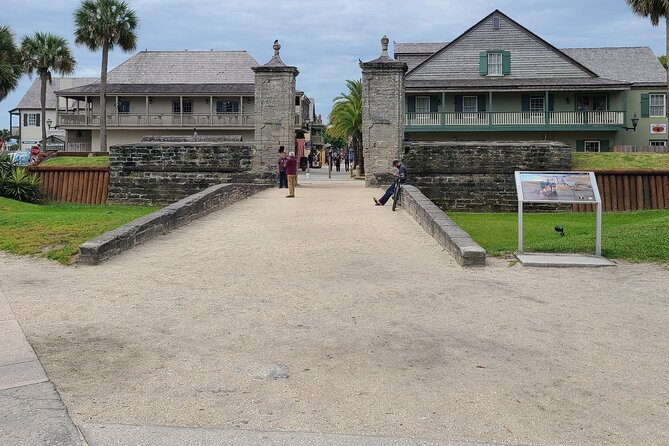
The final listed stop is the traditional entrance to St. Augustine, now associated with City Gate Spirits. Since 1762, this area has marked the way into the city. The guide explains how the gates were built and the effort made to save them from demolition.
The gates are a small but useful closing detail. They show how the city’s identity was shaped not only by grand buildings, but also by practical boundaries and the preservation decisions that followed.
Admission is free, and the walk then returns to the visitor information center where it began. Because the route ends at the starting point, you can plan your day around a nearby meal or another downtown activity without arranging a second pickup.
Kevin Rose’s guiding style
The guide can make or break a history walk, and Kevin Rose is the central personality of this one. His approach is conversational, humorous, and open to questions rather than locked into a rigid script.
You should expect stories and explanations, not just dates. Kevin often connects the city’s buildings with the people who used them, and he brings in details about Florida and St. Augustine that may send you looking up related topics later.
His local pride comes through, but the experience is not presented as a sales pitch. The best evidence of the tour’s appeal is its rating of 5 out of 5 from 1,152 reviews, with 100 percent of respondents recommending it. That is an unusually strong record, though the practical issue of the long running time deserves equal attention.
Kevin may also offer suggestions for restaurants and other places to visit. That is useful early in a stay, since you can use the walk to shape the rest of your time in St. Augustine.
How long the tour really takes
Officially, the tour lasts about 90 minutes. In practice, you should plan for two hours, and possibly a little more if the group asks questions or the guide gets into a particularly good story.
That extra time is usually an advantage if you want a relaxed, detailed introduction. It becomes a drawback if you have a timed fort entry, restaurant booking, or another tour immediately afterward.
I would schedule this early in your visit, with nothing urgent after it. You will have a better experience if you can listen without checking the clock, and the guide’s recommendations may help you plan the rest of your stay.
Price, group size, and practical value
At $25 per person, this is a reasonable buy for a small-group history walk covering nearly two miles and several major landmarks. You are paying for a guide who connects the sites into one story, not for admission to the cemetery, churches, college, or fort.
That distinction keeps the price attractive, but you should budget separately if you want to enter the paid attractions. The walk works best as a framework for the city, followed by self-guided visits to the places that catch your interest.
The maximum group size is 15 people. That is small enough for a more personal feel and makes it easier to hear the guide than on a large trolley or bus tour. Mobile tickets are accepted, and the tour is offered in English.
A moderate level of physical fitness is expected. Service animals are allowed, and the starting point is near public transportation. Bring water, wear shoes you can walk in for two hours, and check the weather before you go.
Weather and cancellation details
This is an outdoor walking experience, so weather matters. If poor weather forces a cancellation, you are offered another date or a full refund. The experience also requires a minimum number of participants, with the same choice of a new date, another experience, or a full refund if it cannot run.
For your own cancellation, you can receive a full refund if you cancel at least 24 hours before the start time. Cancellations or changes made inside that 24-hour window are not refunded or accepted.
Since weather notices may be sent by email, check the address and phone number on your booking. That small step can help you avoid a wasted trip on a rainy day.
Who will enjoy this walk most
I would recommend this tour to first-time visitors who want a clear introduction before exploring St. Augustine on their own. It also suits history fans who want more than the usual Spanish fort narrative, since the route gives real attention to Flagler and the Gilded Age.
Families can do well here if children are comfortable walking and listening for an extended period. The guide’s humor and stories help, but this is still a history lesson on foot, not a short entertainment ride.
Couples and friends who enjoy asking questions will likely get the most from it. The small group and flexible discussion style reward curiosity.
You may want to skip it if you dislike walking, need a tightly fixed schedule, or want guaranteed interior access to Flagler College and Castillo de San Marcos. In that case, separate attraction visits may suit you better.
Should you book it?
Book this walking tour if you want St. Augustine’s major eras tied together by a personable guide. The strongest reasons are the broad historical range, the manageable group size, the $25 price, and Kevin Rose’s engaging approach.
Just plan for more than 90 minutes. Give yourself comfortable shoes, water, open space in your schedule, and a separate budget for attractions where admission is not included. With those expectations in place, this is a practical first look at St. Augustine that gives you far more than a quick stroll past old buildings.
FAQ
Where does the walking tour begin?
It begins at the St. Augustine and St. Johns County Visitor Information Center, 10 S Castillo Drive, St. Augustine, Florida 32084.
Where does the tour end?
The tour ends back at the meeting point at the visitor information center.
How long is the tour?
The scheduled duration is about one hour and 30 minutes. The walk often runs longer, sometimes more than two hours, depending on questions and discussion.
How far do you walk?
The route covers nearly two miles, or about 1.7 miles according to the tour details.
What language is the tour offered in?
The tour is offered in English.
How much does the tour cost?
The price is $25 per person.
How many people can join the tour?
The maximum group size is 15 people.
Are attraction admission fees included?
No. Admission is not included for Tolomato Cemetery, Grace United Methodist Church, Memorial Presbyterian Church, Flagler College, or Castillo de San Marcos. The Plaza de la Constitución and City Gate Spirits stops are listed as free.
What should I bring?
Bring comfortable walking shoes, bottled water, and an interest in St. Augustine’s history. You should also be ready for a moderate level of physical activity.
Can I cancel for a refund?
Yes. You can cancel at least 24 hours before the start time for a full refund. Cancellations or changes made less than 24 hours before the start time are not refunded.
What happens if bad weather cancels the tour?
You will be offered another date or a full refund if the experience is canceled because of poor weather.
Just added around the USA
- Red Rocks Amphitheatre Historical Walking Tour★ 5.0 · 74 reviews
- 1-Hour Segway Tour of Cheyenne Cañon Art, History and Nature★ 5.0 · 36 reviews
- Colorado Springs – Guided Walking Ghost / History Tour★ 5.0 · 168 reviews
- Ancient Landscapes Private Geology Hike at Garden of the Gods★ 5.0 · 31 reviews
- Village Food Tours Lunch & History Tour★ 5.0 · 80 reviews
- 2.5 Hour Kayaking with Manatee and History Tour in Tarpon Springs★ 5.0 · 24 reviews
- Safety Harbor Ghost Tour★ 5.0 · 60 reviews
- Historical Bicycle Tour of Dunedin★ 5.0 · 44 reviews
St Augustine History Tours, compared.

Medieval Torture Museum with Ghost Hunting and Tiny Art Gallery
Read our review →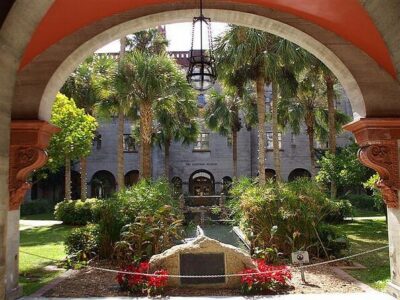
Private Guided Historic Electric Cart Tour of St. Augustine
Read our review →
Guided Historical Tour of St. Augustine Per Person
Read our review →Browse the lists this tour appears in