
Review · ATHENS
Acropolis of Athens, Ancient Agora and the Agora Museum Tour
The best thing about this Athens tour is the pairing of two ancient centers: the hilltop Acropolis, with its Parthenon and theaters, followed by the Agora, where daily civic life took place. I like that a licensed guide such as Pam, Tina, Helen, Hermes, or Eli can turn scattered stones into a clear story. I also like the useful pace, with time for photographs and shady stops when the heat rises.
The main catch is ticket confusion. The guide fee and archaeological-site admission are separate, and you must have the right tickets before joining. The tour also involves steep climbs, slippery stone, strong sun, and strict entry times, so late arrivals can be left behind without a refund.
Key points to know before booking
- Two major Athens sites in four hours: Start at the Acropolis, then continue to the Ancient Agora and its museum.
- The guide adds real value: Guides explain why the buildings mattered, not just what each ruin is called.
- Site tickets are separate: Check your voucher and secure the Acropolis and Agora admissions before the tour.
- The schedule is fixed: Meet at 10:30 am, enter the Acropolis first, and reach the Agora at about 1 pm.
- Prepare for a physical walk: Wear sturdy shoes, carry plenty of water, and expect steps, ramps, uneven ground, and heat.
- Small enough for conversation: The group can have up to 24 people, with a licensed local guide.
Starting beneath the Acropolis at 10:30 am
The tour begins at Dionysiou Areopagitou 3, near the pedestrian route below the Acropolis. The meeting area is close to public transportation and has also been described as being by the Fresko Yogurt Bar, but use the exact address and instructions on your confirmation.
I would arrive early. The Acropolis uses timed admission, and the group cannot wait for latecomers. That rule matters here because the tour is built around a reserved schedule, not a casual stroll where you can catch up at the next corner.
Before setting out, make sure your admission arrangements are complete. The price of $67.58 covers the guided experience, but entrance fees are not automatically included. If you choose an option without tickets, you must follow the voucher instructions and buy the required admissions before the tour. You may not be allowed to join if you arrive without a valid ticket, and the tour fee is not refunded in that case.
Bring your passport or another valid ID if required to show age or nationality at the archaeological sites. The sites also use airport-style security, and waits can reach 30 minutes or more during the busiest periods.
More Ancient History Tours in Athens
- Athens: Acropolis & up to 5 Archaeological Sites Combo Pass
★ 4.2 · 13,904 reviews - Athens: Ancient Greek Theater Performance
★ 4.7 · 2,481 reviews - Historical Delphi One Day Tour with Arachova Stop & Expert Guide
★ 4.5 · 1,247 reviews
Climbing to the Acropolis and Parthenon
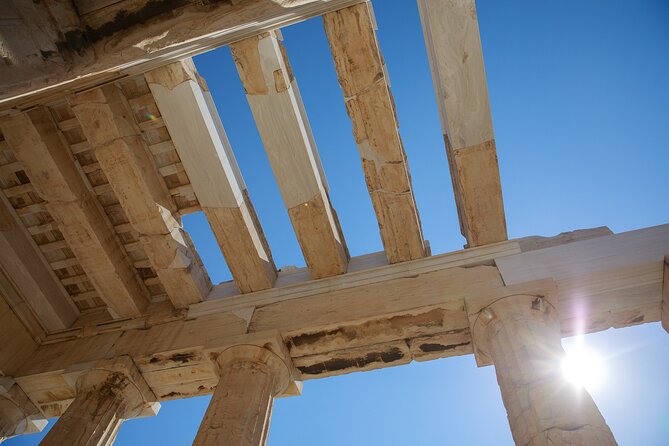
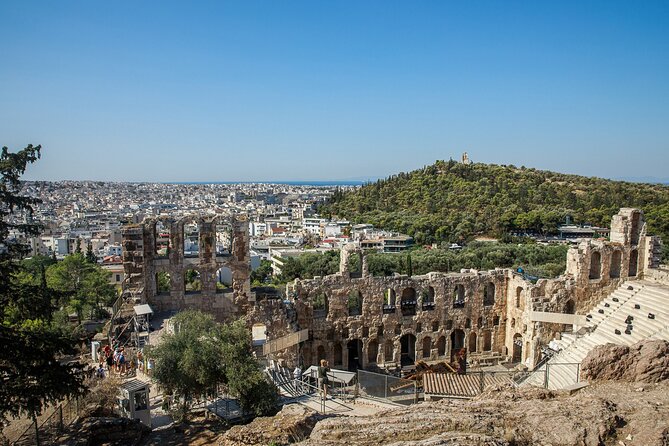
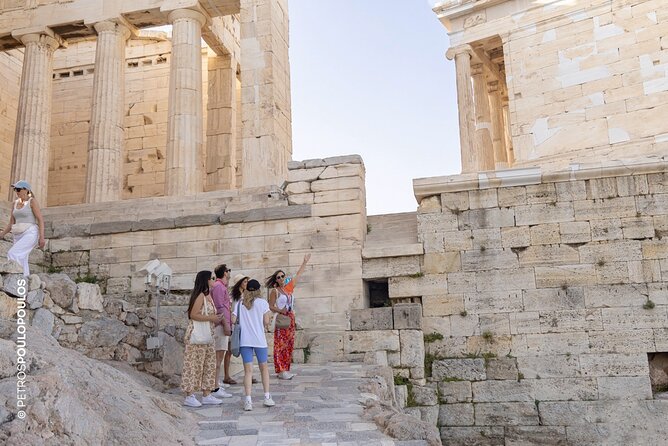
The Acropolis is the main event, and the tour gives it roughly an hour, with another half hour focused on the Parthenon and the hilltop area. You will see the Parthenon, the Temple of Athena Nike, the Theater of Dionysus, and the Odeon of Herodes Atticus, along with other monuments on the rocky plateau.
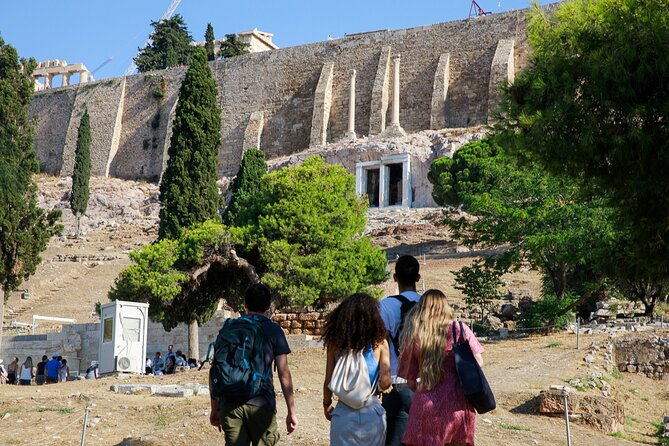
The climb is not extreme for a fit adult, but it is a real climb. Expect steep ramps, steps, uneven ancient surfaces, and polished stone that can become slippery. Comfortable sneakers are the minimum. Hiking shoes are a sensible choice if you want extra grip.
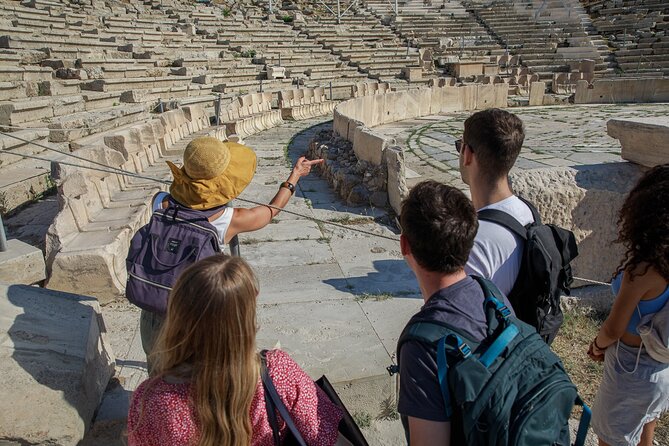
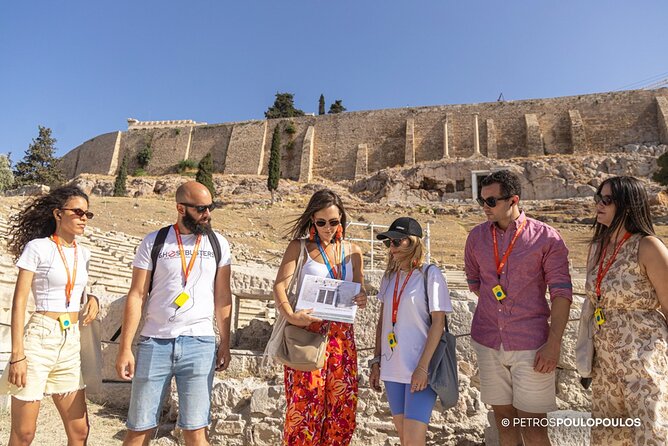
The guide’s role is especially useful on the Acropolis because the surviving columns and foundations do not explain themselves. A good guide can help you picture how the monuments related to one another, how the hill was used, and why the site mattered to ancient Athens. Guides praised for this kind of storytelling include Tina, who connected the ruins to wider ideas about Western civilization, and Eli, who explained how ancient civic life still affects modern society.
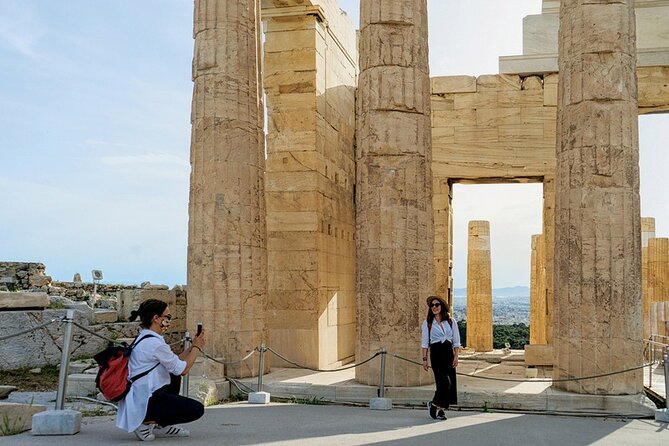
You will have time to take photographs. The views from the top are a major part of the reward, but do not spend the entire visit looking through your phone. The guide will usually stop at key points to explain the site, and the best information may come while you are facing a pile of foundations that would otherwise be easy to pass by.
The Theater of Dionysus gives the Acropolis visit a useful change of subject. It helps show that this hill was not only a religious center. Drama, public ritual, and civic identity were closely tied to the life of the city.
The Odeon of Herodes Atticus, with its dramatic setting below the Acropolis, is another memorable stop. You may not enter every monument, but seeing these spaces in relation to the hill gives the tour more depth than a quick photo stop.
Understanding the Parthenon beyond the famous columns
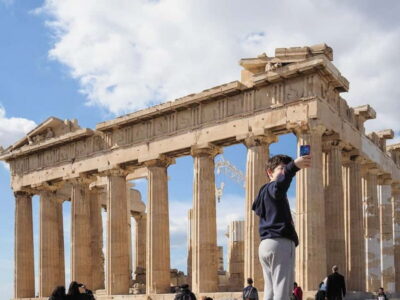
The Parthenon is the visual center of the visit, but it is also the place where a guide earns the fee. Without context, you see scaffolding, columns, missing sculptures, and a powerful outline against the sky. With a good explanation, the building becomes part of a larger story about religion, politics, art, and civic pride.
Guides on this tour have been praised for explaining significance rather than simply naming structures. That distinction matters. You are not just collecting photographs of the most famous temple in Greece. You are learning how the Acropolis functioned as a carefully planned sacred and political center.
The top can be hot and exposed. Guides have tried to use patches of shade when possible, but shade is limited on the hill. Carry cold water, wear a hat, and use sunscreen. A practical target is at least two liters per person on a hot day, especially if you are not used to Athens in summer.
Baby strollers are not permitted on the Acropolis archaeological site, and there is no cloakroom at the side entrance used by the tour. A baby carrier or pouch is the better choice. The route is also less comfortable for anyone who has trouble with uneven ground or steep inclines.
Walking down to the Ancient Agora
After the Acropolis, the tour continues to the Ancient Agora on Adrianou Street. The Agora portion takes about an hour, followed by roughly 30 minutes in the museum. The full route ends at the Agora, rather than returning you to the starting point.
This change of setting is one of the tour’s strongest features. The Acropolis shows Athens at its grandest and most symbolic. The Agora brings you down to the level of ordinary civic life, where people met, traded, argued, worshipped, judged disputes, and took part in public affairs.
I particularly like this sequence because it gives you two views of the same city. First you look down from the sacred hill. Then you walk through the place where the city actually worked.
The ruins can be difficult to read without help. Foundations, broken walls, and partial columns do not always reveal their original purpose. Guides such as Helen and Angeliki have been praised for explaining the role of each area and for connecting the remains to the way the city operated.
The walk through the Agora is less about one instantly recognizable monument and more about assembling a picture of ancient life. That makes the guide important. You will get more from the stop if you listen for how spaces fit together instead of waiting for one perfect photo opportunity.
The Temple of Hephaestus is one of the most rewarding parts of the area. It offers a more complete example of a classical temple than the Parthenon, and the setting gives you a chance to slow down after the busy Acropolis. The exact amount of time at each point depends on the guide and the group, but the tour allows time for photographs.
More Ancient History Tours in Greece
- From Athens: Ancient Corinth Day Trip with Canal & VR Guide
★ 4.6 · 1,073 reviews - Acropolis, Parthenon & Athens Old City Heritage Walking Tour
★ 4.5 · 876 reviews - Private Biblical Tour Ancient Corinth & Isthmus Canal from Athens
★ 5.0 · 762 reviews - Athens: Ancient Corinth & Nafplio Full Day Trip with Swim
★ 4.8 · 531 reviews
Finishing at the Museum of the Ancient Agora
The Agora Museum takes about 30 minutes. It is compact compared with Athens’ major museums, but that is useful at the end of a physically demanding morning. You can see objects connected to the site and use them to make sense of the open-air ruins you have just walked through.
Some people find the museum less exciting than the Acropolis itself. I understand that reaction, especially if the heat, climbing, and information have already worn you down. Still, the museum helps bridge the gap between bare foundations and real ancient life.
The tour ends at the Ancient Agora, around 1 pm. From there, you are free to continue exploring or rest nearby. The timing makes this a useful morning plan, though it is not a short or effortless one. You will have spent several hours walking, standing, climbing, and concentrating.
One past visit found the Agora Museum closed for renovation, so it is wise to confirm current operating conditions before you go. The supplied tour details include the museum as a stop, but site conditions can change.
How much value does $67.58 provide?
At $67.58 per person, the tour is not the cheapest way to enter the Acropolis and Agora. The key point is that this price is primarily for the guide service, while admission fees may be extra. You need to compare the total cost, not just the advertised figure.
I think the price makes sense if you want historical context and a fixed plan. The Acropolis and Agora are easy to visit independently, but it is also easy to move through them without understanding what you are seeing. A strong guide can save you from that problem and help you connect the sites.
The value is highest for a first visit to Athens, especially if you have limited time. Guides such as Stavros and Amaryllis have been praised for explaining the impact of ancient Greek ideas on modern life, while others have brought an archaeological or social perspective. That kind of interpretation is hard to reproduce with a quick sign or a guidebook paragraph.
The value is lower if you prefer to move slowly, stop whenever you like, or study every object at your own pace. The schedule is fixed, the group may include up to 24 people, and the museum comes after the most demanding part of the walk. If you already know classical Greek history well, you may prefer an independent visit with more freedom.
Heat, shoes, water, and security

Plan this as a sporty walking tour, not a gentle city stroll. The route includes climbing to the Acropolis, walking over rough surfaces, and standing outdoors while the guide speaks.
Wear sturdy shoes with good grip. The ancient stones can be smooth and slippery, especially where thousands of feet have worn them down. Bring more water than you think you need, along with a hat, sunscreen, and light clothing suitable for the weather.
The tour operates in rain or shine. Dress for the forecast, but do not assume bad weather will cancel the experience. Security screening can add a long wait, particularly in peak season, so build patience into the morning.
Pickpocket awareness is also sensible around crowded Athens sights and transport connections. Keep your phone and wallet secure, especially when the group gathers near entrances.
The guide may look for shady places to explain the monuments, and several guides have been praised for doing so. Still, shade is not guaranteed. If you are visiting during a heat wave, consider the physical demands carefully.
Who will get the most from this tour?
I would recommend it to a first-time Athens visitor who wants the major ancient sites explained in one morning. It also suits couples, families with older children, and anyone who likes a clear route with a local guide.
It is a good fit if you enjoy history but do not want to spend hours reading before your trip. The strongest guides use stories, questions, and modern connections to make the ruins easier to understand.
You may want another plan if you have limited mobility, need a stroller, dislike fixed schedules, or are uncomfortable walking in heat. The Acropolis entrance is not forgiving, and the ticket rules leave little room for mistakes.
For families with babies, use a pouch or carrier rather than a stroller. For anyone prone to fatigue, carry water and consider the fact that the Agora comes after the Acropolis, not before it.
Booking details that matter
The tour is offered in English and lasts about four hours. It starts at 10:30 am and ends at the Ancient Agora. Hotel pickup and drop-off are not included, and food and drinks are your responsibility.
Confirmation is provided at booking, and the experience runs with a maximum of 24 people. It is offered in all weather, with free cancellation available up to 24 hours before the start time. Changes or cancellations inside that window are not refundable.
The most important booking step is checking the ticket option. If you buy the tour without site admission, purchase the necessary tickets before the tour and ensure the entry times match the schedule: Acropolis first, Agora at about 1 pm.
Should you book it?
Book this tour if you want the Acropolis and Ancient Agora explained by a licensed guide, and if you are willing to prepare carefully for the tickets, heat, and walking. The combination is excellent: the Acropolis gives you the grand monuments, while the Agora shows how the city functioned day to day.
Skip it if you want complete independence or a relaxed pace. For most first visits, though, the guidance is worth paying for. Just arrive early, wear shoes with grip, carry plenty of water, and treat the ticket instructions as essential rather than optional.
FAQ
How long does the tour last?
The tour lasts approximately four hours. It begins at the Acropolis and continues to the Ancient Agora and the Museum of the Ancient Agora.
What time does the tour start?
The scheduled start time is 10:30 am.
Where does the tour begin?
The meeting point is Dionysiou Areopagitou 3, Athens 117 42, Greece.
Where does the tour end?
The tour ends at the Ancient Agora of Athens, Athens 105 55, Greece.
Are entrance fees included?
Entrance fees are not automatically included. If you select an option without tickets, you must follow the voucher instructions and purchase the required admissions before the tour.
What happens if I arrive late?
The Acropolis has strict entry times, so the group cannot wait for late arrivals. No refund is provided if you miss the tour because you are late.
Are baby strollers allowed at the Acropolis?
No. Baby strollers are not allowed on the Acropolis archaeological site, and there is no cloakroom at the side entrance used by the tour. A baby pouch is recommended instead.
What should I bring?
Bring a valid ID or passport if needed to confirm age or nationality, sturdy walking shoes, plenty of water, sun protection, and clothing suitable for the weather. The tour operates in rain or shine.
Just added around Athens
- Small-Group Women History in Ancient Greece Walking Tour★ 5.0 · 38 reviews
- Ancient Athens tour: Acropolis, Parthenon and Acropolis Museum★ 5.0 · 256 reviews
- The original Christian tour on Paul’s footsteps in Athens and ancient Corinth★ 4.5 · 25 reviews
- Ancient Athens Segway Tour with Agora and Kerameikos★ 5.0 · 94 reviews
- Ancient Sparta & Mystras Private Day Tour from Athens★ 5.0 · 52 reviews
- Athens National Archaeological Museum E-Ticket with Audio Guide★ 3.0 · 57 reviews
- Biblical Corinth Taste Faith & History with wine & Oil Tasting★ 5.0 · 28 reviews
- Ancient Corinth, Sanctuary of Hera, Blue Lake & Canal from Athens★ 5.0 · 26 reviews
Athens History Tours, compared.
Athens: Acropolis & up to 5 Archaeological Sites Combo Pass
Read our review →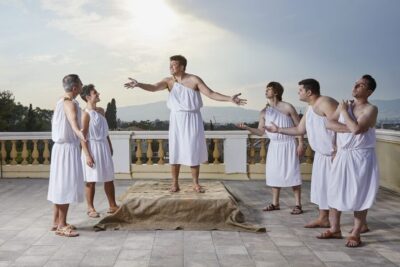

Historical Delphi One Day Tour with Arachova Stop & Expert Guide
Read our review →
From Athens: Ancient Corinth Day Trip with Canal & VR Guide
Read our review →
Historic Athens: Small Group Electric Bike Tour
Read our review →
Acropolis, Parthenon & Athens Old City Heritage Walking Tour
Read our review →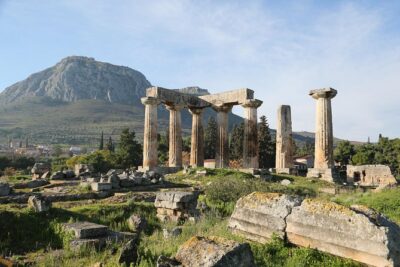
Private Biblical Tour Ancient Corinth & Isthmus Canal from Athens
Read our review →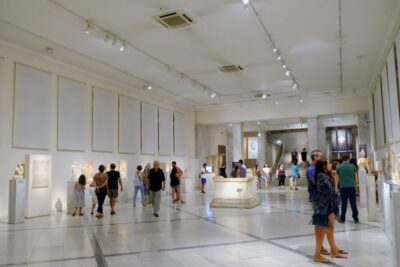
Athens: National Archaeological Museum Ticket w/ Opt. Audio
Read our review →Browse the lists this tour appears in