Review · USA
Aspen’s Past to Present Historic Tour
Aspen’s story changes quickly as you walk. One minute you are outside the grand Wheeler Opera House; soon you are looking toward Aspen Mountain and Smuggler Mountain, hearing how mining, colorful local characters, and modern resort life shaped this famous Colorado town. Guide Dean leads the 90-minute route and adds anecdotes, historic props, and useful restaurant tips.
I like the small maximum group of 20, which makes it easier to hear and ask questions. I also like the way the route connects old photographs and architecture with places you can see right now, especially the modern library, Mill Street Fountain, and the surrounding peaks.
The main consideration is simple: this is a walking tour in all weather, so your enjoyment depends on proper clothing and comfortable shoes. It is also an overview rather than a full-day history program, though Dean has sometimes run beyond the scheduled 90 minutes when questions keep coming.
Key points at a glance
- Meet at the Wheeler Opera House: The tour begins at 320 E Hyman Avenue, right in downtown Aspen.
- Dean leads the walk: He is praised for clear storytelling, local insight, props, and thoughtful answers.
- Silver mining is central: Smuggler Mountain gives the town’s early story a physical backdrop.
- Old and new Aspen meet: Historic images at the library help connect the past with the town you see today.
- Views are built into the route: Aspen Mountain and Smuggler Mountain provide strong photo stops.
- A practical 90-minute introduction: The walk suits first-time visitors and anyone wanting more context before exploring alone.
Starting beside the Wheeler Opera House
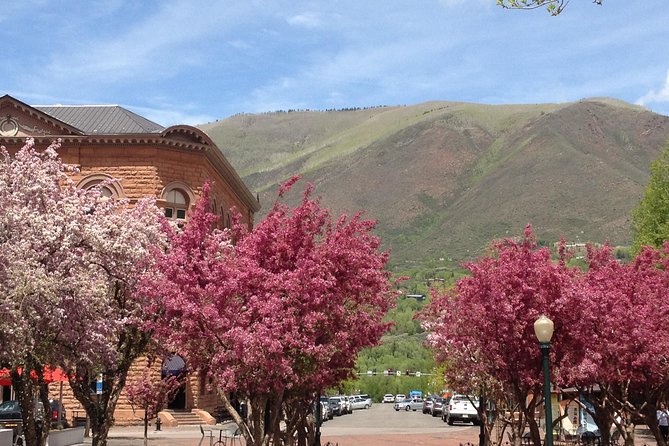
The tour begins in front of the Wheeler Opera House at 320 E Hyman Avenue. This is a useful meeting point because you start in the heart of Aspen, not at a distant visitor center or on the edge of town. You can arrive, find the group, and begin learning about the place without spending time on transportation.
The Wheeler Opera House also sets the tone. Aspen is not only a ski destination with expensive shops and polished streets. Its downtown includes older buildings, civic spaces, and reminders of earlier eras. Starting here puts the town’s public life and architecture into the picture from the first few minutes.
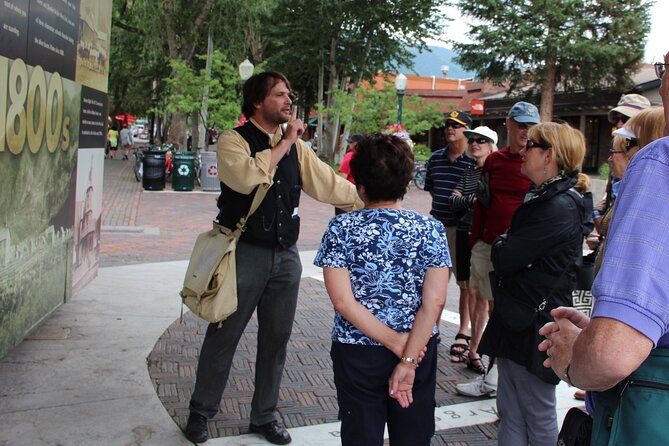
Guide Dean is a major part of the experience. His style is conversational and animated, with stories about the people who helped shape Aspen. He also uses historic items and props at times, giving you something more concrete than a string of dates.
That matters on a short tour. Facts about mining and town development can blur together when you hear them indoors from a display panel. A guide who points to a building, a mountain, or an old image helps you connect the information to the place beneath your feet.
More History Tours in the USA:
- History and Hauntings of Salem Guided Walking Tour
★ 5.0 · 14,564 reviews - Charleston’s Old South Carriage Historic Horse & Carriage Tour
★ 5.0 · 10,023 reviews - Beneath The Streets Underground History Tour
★ 4.5 · 8,006 reviews
Aspen’s silver-mining beginning
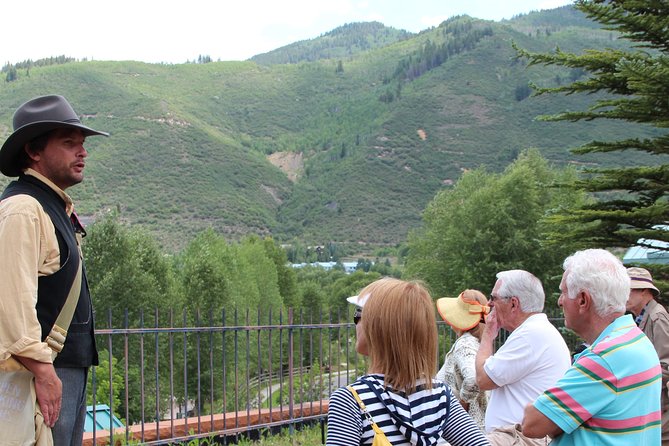
The central theme is Aspen’s transformation from a mining town into one of America’s best-known mountain resorts. Smuggler Mountain is especially important here. From the route, you get a scenic view of the mountain while learning about its mining past and the ways people use the area today for recreation.
The view gives the story some scale. You are not only hearing that silver once mattered to Aspen. You are looking toward the ground where that work happened, then considering how the same mountain setting now supports outdoor activities and tourism. That shift from industry to recreation is one of the clearest ways to understand Aspen’s past and present.
I appreciate this kind of stop because it keeps the history from becoming a list of names. You can ask questions, look at the mountain, and place the town’s early economy in its setting. Dean’s local experience also helps him explain the area in a direct, personal way.
The mining story is not the entire tour, though. The route also covers the people and characters who made Aspen what it is. That broader focus gives the walk more personality than a narrow discussion of mines, dates, and old buildings.
Historic images at the modern library
One of the more useful stops is a modern library that showcases historic images. This is where Aspen’s earlier appearance can come into sharper focus. You get a chance to compare the town as it was with the streets and buildings around you now.
A library is also a good setting for this part of the tour because it shows how a modern community preserves its past. Aspen’s history is not locked away in one old structure. It is kept alive through images, stories, public places, and the people who continue to explain them.
The stop should appeal to you if old photographs help you make sense of a destination. A building can look attractive without telling you much. An image of the same area in an earlier period adds context and gives you a better sense of change.
Do not expect a long museum visit. This remains a walking tour, and the library stop serves the larger route. Its value comes from the connection between visual evidence and Dean’s narration, not from spending hours indoors.
Aspen Mountain as a history lesson
The route includes a scenic view of Aspen Mountain while Dean unravels more of the town’s history and lore. This is one of the tour’s strongest combinations: a big mountain view paired with stories about the place below it.
Aspen Mountain is part of the town’s modern identity, but the tour places it in a longer story. You are encouraged to think about the mountain not only as a recreation setting, but also as part of the area’s changing fortunes and public image.
This stop is a good reminder to keep your camera ready, but do not let the photo become the whole point. The useful part is the explanation that comes with the view. Without that context, you might simply see a beautiful peak. With it, the mountain becomes part of Aspen’s social and economic story.
The route is likely most enjoyable when you listen actively. Dean encourages questions, and the supplied details about his tours point to a guide who is comfortable adjusting the pace when people want more explanation. If your group is curious, the 90-minute estimate may stretch a little.
Same city, a different century:
- Big Island in a Day: Volcanoes Waterfalls Sightseeing and History
★ 5.0 · 6,569 reviews - Boston: Freedom Trail History Small Group Walking Tour
★ 5.0 · 6,450 reviews - Historic Charleston Guided Sightseeing Walking Tour
★ 5.0 · 6,216 reviews - Charleston Horse-Drawn Carriage Tour: Explore Historic Charleston
★ 5.0 · 3,561 reviews
Mill Street Fountain and everyday Aspen
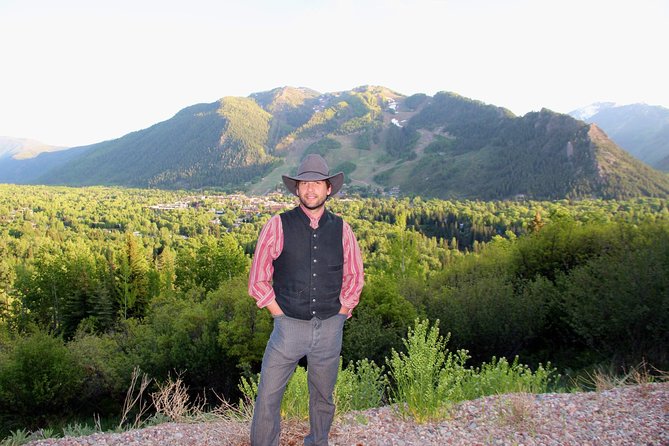
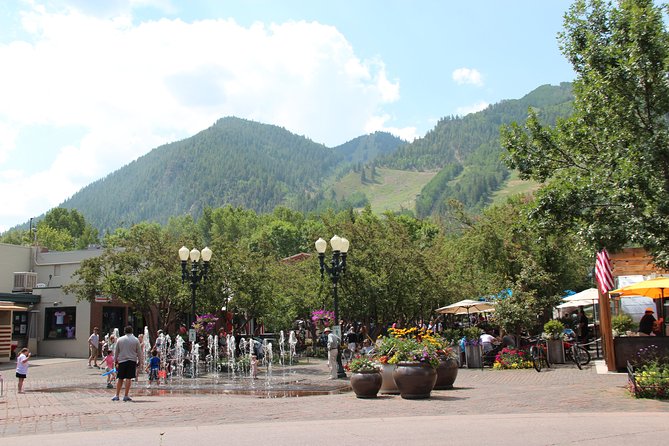
The Mill Street Fountain gives the walk a more ordinary, local feel. When operating in summer, it becomes a gathering spot for local children and dogs. It also offers a good view toward Aspen’s pedestrian mall and an easy place for photos.
This is a welcome change from focusing only on grand buildings or famous mountain names. A fountain used by families and dogs shows how public space works in the town today. It helps you see Aspen as a lived-in community, not only as a resort backdrop.
The fountain is seasonal, so you should not count on active water features at every time of year. The stop still has value when the fountain is not operating because of its position near the pedestrian mall and the surrounding views. The important point is the contrast between Aspen’s public life now and the town’s earlier mining era.
I also like the way this stop gives the tour a natural photo break. You can take pictures without needing a special viewpoint or extra excursion. Just remember that the tour continues on foot, so comfortable footwear is more useful than dress shoes.
What Dean adds to the walk
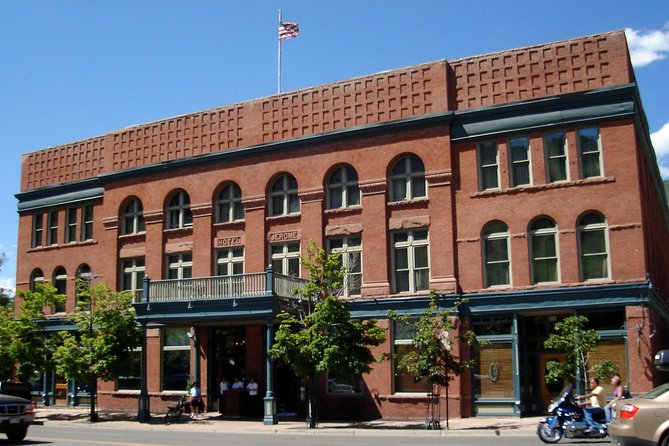
The guide is the part of this experience that cannot be reduced to a route map. Dean has lived in the area for more than 20 years and brings local familiarity to the walk. He is described as personable, animated, and good at answering questions.
Several details make his approach appealing. He has used props to support the stories, brings historical evidence for a hands-on element, and adds restaurant suggestions when appropriate. That mix gives you both background and practical help for the rest of your time in Aspen.
You should also feel free to ask questions. The tour is designed as a guided conversation rather than a silent march between landmarks. A first-time visitor can ask for basic context, while someone who has been to Aspen before can use the walk to fill in missing pieces.
The tone appears relaxed rather than formal. That can be a strength if you want history explained in plain language. If you prefer an academic lecture with a long timeline and extensive archival detail, this short downtown walk may feel lighter than you expect.
Why 90 minutes is a useful length
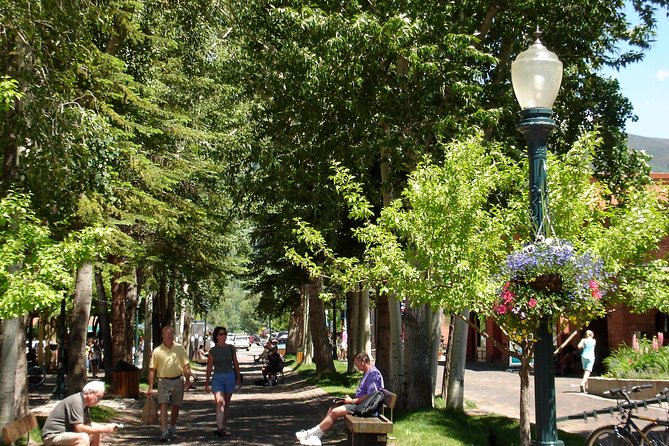
An hour and a half is long enough to give Aspen a real story, but short enough to fit into a busy day. You can take the tour early in your visit, then use what you learn to choose shops, restaurants, museums, or mountain activities with better context.
The timing also suits a town where many sights are close together. You are not spending much of the experience traveling between stops. The walking itself is part of the lesson, and the downtown setting keeps the route focused.
The group size can reach 20 people. That is not a private walk, but it is still small enough for a guide to manage questions and keep the group together. In the off-season, the group may be much smaller, and one booking has resulted in a private experience during a quieter period.
Plan on walking outdoors for the full tour, with stops along the way. Aspen weather can change, and the activity operates in all weather. Wear layers and shoes you can comfortably use on city streets. The tour is near public transportation, and service animals are allowed.
Is $45 a fair price?
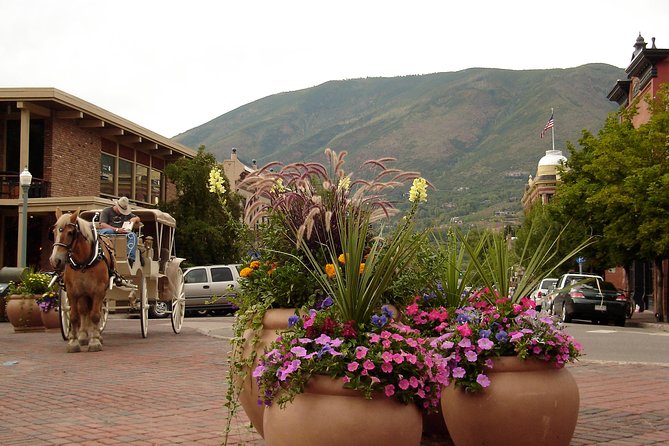
At $45 per person, this is not the cheapest way to spend 90 minutes in Aspen, but the price is reasonable if you want a focused introduction led by a local guide. You are paying for interpretation, not just movement through downtown.
The value is strongest for a first visit. A guide can point out connections you might miss on your own, explain why the mountains matter, and turn ordinary streets into part of a larger story. Restaurant recommendations and answers to your questions add a practical benefit beyond the formal route.
The price also includes taxes, fees, handling charges, and the professional guide, so the advertised amount is not presented as a starting figure with surprise add-ons. That makes it easier to compare with other paid activities.
For a repeat visitor, the decision is more personal. If you already know Aspen’s mining story and downtown layout, the walk may offer fewer new facts. But Dean’s local anecdotes, props, and attention to architecture could still make it worthwhile, especially if you have only seen Aspen through its ski or shopping scene.
Who should book this Aspen walk?
I would point first-time visitors toward this tour, especially couples, families, and friends who want a gentle introduction before making their own plans. It gives you history, views, architecture, and local context without taking up a full morning or afternoon.
It also works for repeat visitors who want to understand the town better. The focus on past, present, and future helps explain why Aspen feels different from a simple mountain resort.
Families can take part because most people can participate, and the route includes public spaces that may hold a child’s attention better than a long indoor lecture. The 90-minute length is also manageable for many groups, though weather and walking comfort still matter.
This is less suitable if you want a strenuous hike, a private vehicle tour, or a detailed tour of the ski mountain itself. Aspen Mountain and Smuggler Mountain appear as views and subjects of discussion, not as hiking destinations on this activity.
Booking, weather, and cancellation details
You receive confirmation at booking, and the activity is offered in English with a mobile ticket. It ends back at the meeting point, so you do not need to arrange a return transfer.
The tour runs in all weather. Bring clothing suited to the forecast, and remember that mountain weather can make a pleasant day feel cool during an outdoor walk. The maximum group size is 20, and most people can participate.
Free cancellation is available if you cancel at least 24 hours before the start time. Changes or cancellations inside that window are not accepted for a refund. If the minimum number of participants is not reached and the activity is canceled, you are offered another date or experience, or a full refund.
Should you book it?
Book it if you want Aspen explained by a local guide rather than simply photographed. Dean’s storytelling, historic props, mountain views, and stops at the library and Mill Street Fountain give the town more depth than a self-guided stroll.
I would especially choose it near the start of an Aspen visit. You will leave with a better sense of the silver-mining era, the people behind the town’s growth, and the way modern Aspen uses its public spaces. Just dress for the weather, wear comfortable shoes, and allow a little flexibility if questions keep the walk going past the 90-minute estimate.
FAQ
Where does the Aspen’s Past to Present Historic Tour begin?
The tour begins in front of the Wheeler Opera House at 320 E Hyman Avenue, Aspen, Colorado.
Where does the tour end?
The activity ends back at the meeting point in front of the Wheeler Opera House.
How long does the tour last?
The tour lasts approximately 1 hour and 30 minutes.
What language is the tour offered in?
The tour is offered in English.
Who guides the tour?
The tour is operated by Dean’s Aspen Tours, and Dean is identified as the guide associated with the experience.
What does the tour cover?
The walk explores historic downtown Aspen, local characters and legends, silver-mining history, Aspen Mountain, Smuggler Mountain, the modern library’s historic images, and the Mill Street Fountain.
Does the tour operate in bad weather?
Yes. The tour operates in all weather conditions, so you should dress appropriately.
What is the cancellation policy?
You can cancel at least 24 hours before the start time for a full refund. Cancellations or changes made less than 24 hours before the start time are not accepted for a refund.
Just added around the USA
- Red Rocks Amphitheatre Historical Walking Tour★ 5.0 · 74 reviews
- 1-Hour Segway Tour of Cheyenne Cañon Art, History and Nature★ 5.0 · 36 reviews
- Colorado Springs – Guided Walking Ghost / History Tour★ 5.0 · 168 reviews
- Ancient Landscapes Private Geology Hike at Garden of the Gods★ 5.0 · 31 reviews
- Village Food Tours Lunch & History Tour★ 5.0 · 80 reviews
- 2.5 Hour Kayaking with Manatee and History Tour in Tarpon Springs★ 5.0 · 24 reviews
- Safety Harbor Ghost Tour★ 5.0 · 60 reviews
- Historical Bicycle Tour of Dunedin★ 5.0 · 44 reviews
USA History Tours, compared.

History and Hauntings of Salem Guided Walking Tour
Read our review →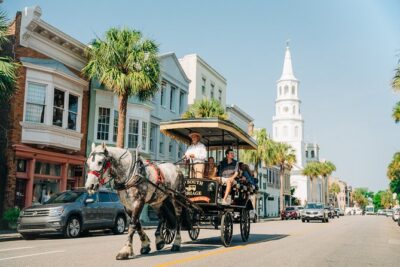
Charleston’s Old South Carriage Historic Horse & Carriage Tour
Read our review →
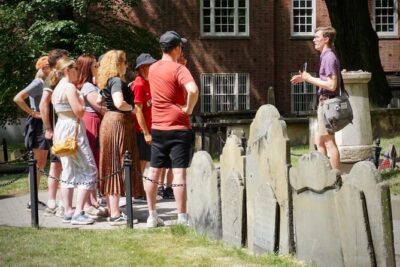
Boston: Freedom Trail History Small Group Walking Tour
Read our review →
Historic Charleston Guided Sightseeing Walking Tour
Read our review →
Savannah History and Haunts Candlelit Ghost Walking Tour
Read our review →
Tour of Historic Fenway Park, America’s Most Beloved Ballpark
Read our review →