
Review · ATLANTA
Atlanta’s Black History and Civil Rights Tour
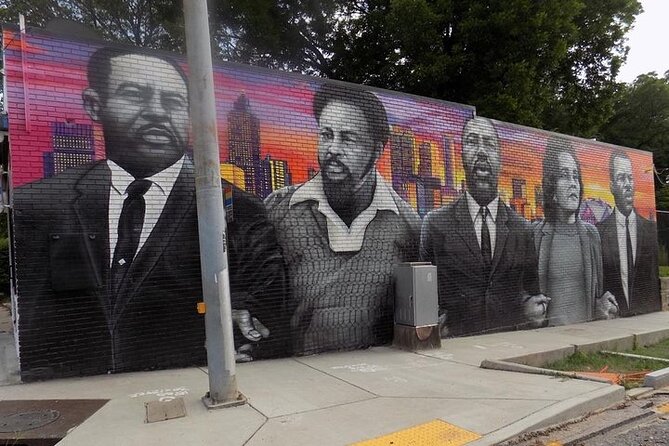
Atlanta’s Black history is not confined to one museum or memorial. It runs through Sweet Auburn, West End, the Atlanta University Center, old business districts, churches, restaurants, murals, and the homes of people who shaped the Civil Rights era. This four-hour tour gives you a fast, moving introduction to that living story.
I like the way the tour combines major landmarks with local neighborhoods, rather than keeping you only downtown. I also like the chance to hear personal Atlanta stories from guides such as Jeff, Ibrahim, Dave, Ebby, or Omar, then stop at Black-owned businesses and the Municipal Market. The main consideration is pace: you cover a lot of ground, and some places are viewed from the vehicle or visited briefly.
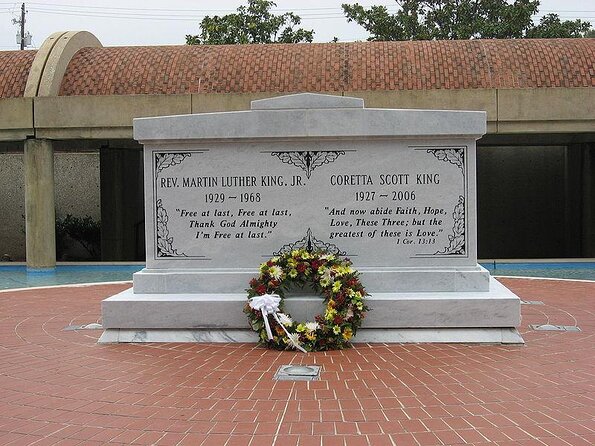
- Sweet Auburn and the King Center: See Ebenezer Baptist Church, Martin Luther King Jr.’s birth home, and other Civil Rights landmarks.
- Atlanta University Center: Drive through the country’s largest consortium of historically Black colleges and universities.
- West End and Castleberry Hill: Find Victorian homes, murals, Black-owned businesses, restaurants, and film locations.
- A local guide makes the difference: Guides such as Jeff and Ibrahim add humor, personal stories, and help with photos.
- Municipal Market food stop: Allow time for soul food, barbecue, seafood, West African dishes, Asian food, snacks, herbs, and spices.
- Useful first-day orientation: The air-conditioned vehicle helps you connect far-flung parts of Atlanta before exploring on your own.
Why This Tour Matters in Atlanta
Atlanta is often called the Black Mecca because Black culture has shaped its politics, business, education, food, music, churches, and arts for generations. You can visit a major memorial here, then turn a corner and see the neighborhood, storefront, church, or school where the story continued.
That connection is the real value of this tour. Instead of treating Civil Rights history as a finished chapter, your guide links it to present-day Atlanta. You pass Black-owned restaurants, cultural centers, murals, HBCU campuses, and businesses that help explain why Atlanta remains such an important center of Black life.
The tour costs $74 per person and lasts about four hours. I consider that a fair price if you want a broad orientation without arranging several taxis, rideshares, or separate museum visits. The cost includes transportation, a local guide, bottled water, and several stops for photos and short walks. Food, tips, and parking cost extra.
You will not receive a long visit inside every attraction. This is a city tour, not a series of full museum admissions. Its value comes from the route, the guide’s narration, and the connections between places.
Starting at the Atlanta Marriott Marquis
The meeting point is the Atlanta Marriott Marquis at 265 Peachtree Center Avenue NE. It is a practical downtown location, especially if you arrive by MARTA or use a rideshare.
You should arrive 25 to 30 minutes early. The hotel lobby has seating, bathrooms, and a Starbucks that opens early but closes at 1 p.m. Parking is not free, and nearby garages and lots generally cost between $10 and $30. If you are driving, build that cost into your budget and allow time to park.
The morning departure runs from 10 a.m. to 2 p.m. The afternoon option runs from 1:30 p.m. to 5:30 p.m. The afternoon schedule can work well if you arrive in Atlanta that morning, but the morning departure gives you more time afterward to return to a site that catches your interest.
The group can reach 27 people. That is not an intimate private tour, but it is still small enough for a guide to speak directly to the group and help with photos. Transportation is by air-conditioned vehicle, though one past experience reported weak air conditioning and limited space. That appears to be an occasional problem rather than the usual pattern, but it is worth keeping in mind during Atlanta’s hottest months.
More History Tours in the USA:
- History and Hauntings of Salem Guided Walking Tour
★ 5.0 · 14,564 reviews - Charleston’s Old South Carriage Historic Horse & Carriage Tour
★ 5.0 · 10,023 reviews - Beneath The Streets Underground History Tour
★ 4.5 · 8,006 reviews
Downtown Atlanta, Five Points, and the Olympic Legacy
The route begins with Atlanta’s downtown core, including Five Points, the city’s historic center, and the birthplace of Coca-Cola. You also pass Atlanta City Hall, the Fulton County Courthouse, the old Georgia Depot, and the area around Centennial Olympic Park.
This opening section helps you understand how Atlanta grew. The city’s business center, government buildings, transportation routes, sports venues, and tourist attractions sit close together, yet each area has a different role in the city’s story.
The Olympic Cauldron Tower provides a short photo stop. You see the Olympic Stadium and torch and hear about the 1996 Games, Fulton County Stadium, baseball star Hank Aaron, and the Summerhill neighborhood. The stop is listed at about five minutes, so think of it as a quick orientation and photo opportunity rather than a full Olympic history lesson.
The route also passes the World of Coca-Cola, the Georgia Aquarium, CNN, State Farm Arena, Mercedes-Benz Stadium, and the downtown skyline. These are generally part of the drive-through portion, not separate admissions. That makes the tour useful for getting your bearings, but you should not expect time to enter these attractions.
Tyler Perry Studios and Atlanta’s Film Connections
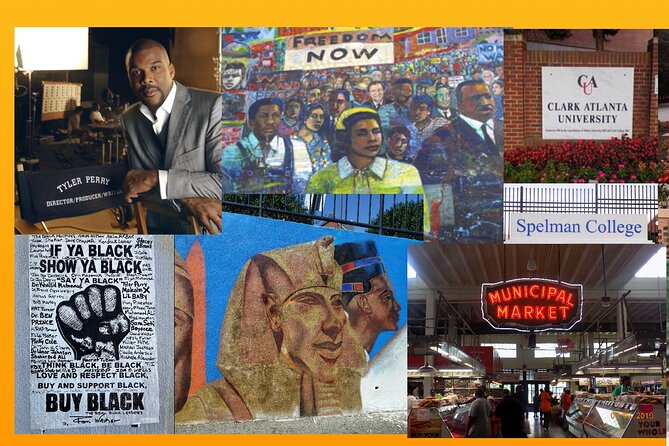
The tour includes photo stops connected with Tyler Perry Studios and the original Madea house used in films such as Diary of a Mad Black Woman and Family Reunion. The studio stop is designed for selfies and group photos, and the Madea house stop is brief.
There is an important access limitation. Visitors can enter the studio welcome entrance area after 5 p.m. on Fridays, all day Saturday and Sunday, and on holidays, subject to Tyler Perry management. Since the regular tour times end at 5:30 p.m., daytime visitors should expect to see the exterior or permitted welcome area rather than tour the studio.
This is a good example of why you should read the itinerary as a sightseeing route, not a series of inside visits. The film stops add a fun modern layer to the history, especially if you know the movies, but they are short and may not be the main reason to book.
West End: Homes, Murals, and Black-Owned Businesses
West End is one of the strongest neighborhood sections of the experience. You see Victorian homes, street art, murals, and Black-owned businesses in an area with a long connection to Atlanta’s Black community.
The stop lasts about 20 minutes. That is enough for a short walk, photos, and a closer look at the streetscape. I like this part because it gives you more than a list of famous names. You see how history appears in homes, storefronts, public art, and everyday businesses.
The route also includes Atlanta’s oldest Black-owned bookstore and a cultural center, along with additional murals and businesses. One specific stop mentioned in the tour experience is Afrocentric Network, which can be a useful place to return to if you want books, art, or cultural items after the tour.
You should not expect a long shopping session. The schedule covers several neighborhoods, so time at each business is limited. Still, this section can point you toward places worth visiting later.
Same city, a different century:
- Big Island in a Day: Volcanoes Waterfalls Sightseeing and History
★ 5.0 · 6,569 reviews - Boston: Freedom Trail History Small Group Walking Tour
★ 5.0 · 6,450 reviews - Historic Charleston Guided Sightseeing Walking Tour
★ 5.0 · 6,216 reviews - Charleston Horse-Drawn Carriage Tour: Explore Historic Charleston
★ 5.0 · 3,561 reviews
The Atlanta University Center and HBCU History
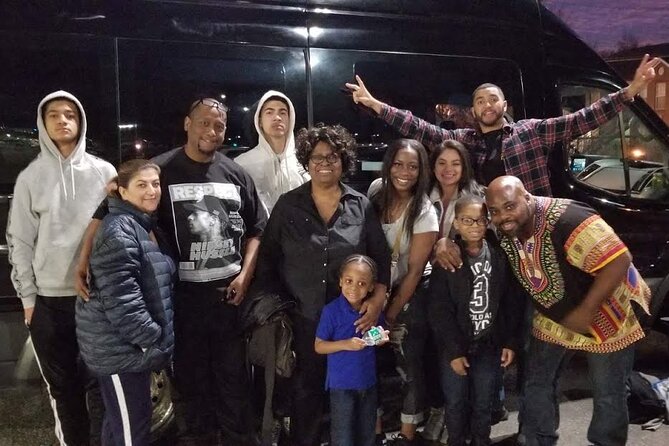
The Atlanta University Center is one of the most important parts of the route. It includes Morehouse College, Spelman College, Clark Atlanta University, Morris Brown College, the Interdenominational Theological Center, and Morehouse School of Medicine.
Your guide explains how these schools shaped Atlanta’s civic, religious, medical, educational, and Civil Rights leadership. The route also includes famous film locations connected with the area.
This section is especially useful if you are unfamiliar with the role of HBCUs in American history. You are not simply looking at campuses. You are seeing a network of institutions that trained leaders, created professional opportunities, and helped build Atlanta’s Black middle class and political influence.
Most of this is a drive-through experience, so you should not expect a campus tour or entry into the colleges. If HBCU history is your main interest, ask your guide which places you can visit independently after the tour.
Castleberry Hill and Atlanta’s Food and Art Scene
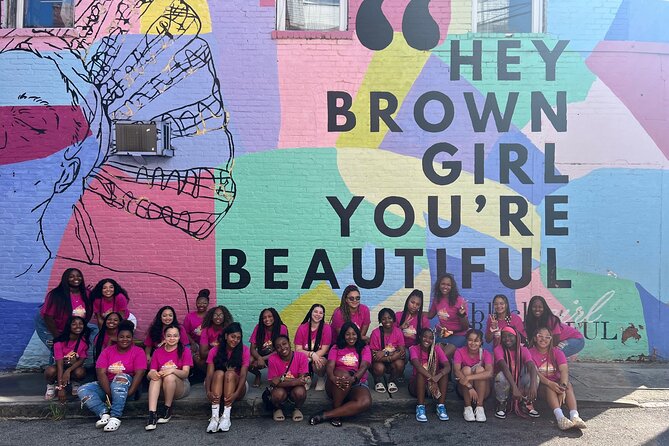
The route continues through Castleberry Hill, an arts and restaurant district with a strong connection to film and television production. You may pass or see places such as Paschal’s Restaurant, Old Lady Gang Restaurant, The Glam Shop, Frost Bistro & Bar, and Escobar Restaurant & Tapas.
This area shows another side of Black Atlanta. Food, entertainment, design, photography, and film production all meet here. The Castleberry filming back lot is part of the route, giving you another glimpse of how Atlanta has become a major production center.
Paschal’s is particularly important in the city’s Civil Rights story, while the other businesses represent more recent food and entertainment culture. The stop works best as a preview. You may want to return later for a meal, but the tour itself does not include restaurant food.
The guide’s local recommendations can be valuable here. Several guides, including Jeff, have been praised for pairing historical facts with restaurant suggestions and practical advice about where to eat after the tour.
The Municipal Market and a Flexible Lunch Stop
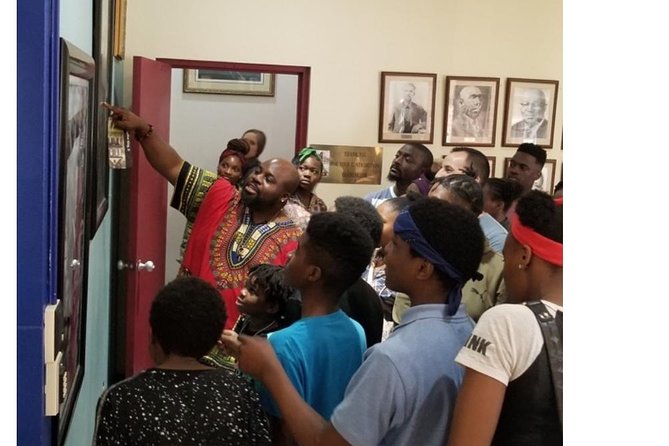
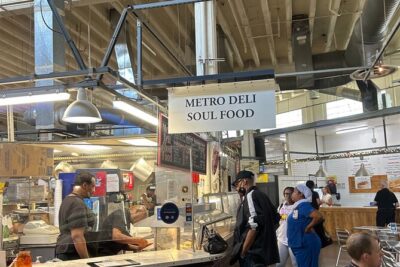
The Municipal Market, often called the Sweet Auburn Curb Market, is the main food stop. You have about 30 minutes to look around and buy food if you choose.
The choices include soul food, barbecue, New Orleans-style dishes, seafood, West African food, Asian cuisine, snacks, herbs, spices, and other offerings from independent and family-run businesses. Food is not included in the $74 price, so bring a card or cash according to your preference.
This stop can be one of the most useful parts of the outing because it gives you a chance to eat local food rather than relying on a standard tourist restaurant. It is also a practical break during a long morning or afternoon.
The lunch stop may be optional or shortened if the tour is running late. One past experience reported missing much of the market time after a late start. I suggest eating a light breakfast or snack before departure, especially if you prefer a full meal rather than a quick bite. Bottled water and some snacks may be available, but do not rely on them as lunch.
The market is also near several important places, including Grady Hospital and the Butler Street YMCA. Your guide explains how these institutions served Atlanta’s Black community and fit into the city’s social and medical history.
Sweet Auburn, Atlanta Life, and Civil Rights Landmarks
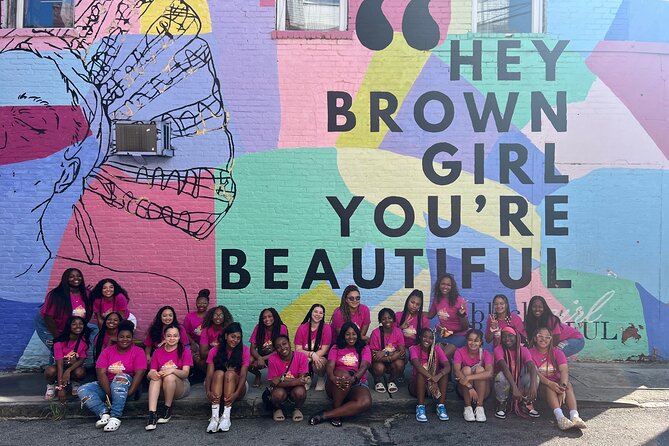
Sweet Auburn is the emotional center of the tour. The area was once known as the richest Negro street in the world, and its businesses, churches, newspapers, insurance companies, and clubs helped make it a powerful Black commercial district.
The route includes Woodruff Park, the Atlanta Daily World, Atlanta Life, the Apex Museum, the Royal Peacock, the SCLC headquarters, historic Black churches, and Civil Rights murals. You also see locations connected with films and television.
The Atlanta Daily World is especially notable as the first Black daily newspaper. Atlanta Life reflects the importance of Black-owned insurance and business institutions. The Southern Christian Leadership Conference headquarters connects the neighborhood to the organized Civil Rights campaign.
This section rewards careful listening. Your guide may explain not just what happened at a site, but who lived, worked, worshiped, organized, or built businesses there. Guides such as Ibrahim and Jeff have been singled out for adding local stories and personal context to the better-known facts.
Some landmarks are seen from the vehicle or from outside. If you want time inside museums or churches, plan separate visits. The tour gives you the map and the background, then you decide where to spend more time.
Martin Luther King Jr. National Historic Site
The final major stop is the Martin Luther King Jr. National Historic Site. You see Ebenezer Baptist Church, Dr. King’s birth home, The King Center, the visitor center, and related landmarks.
The stop lasts about 30 minutes. That is enough for an introduction and photos, but it is not enough to fully explore every building. Depending on timing and operating conditions, some locations may be viewed from outside or as part of the drive.
I recommend returning on your own if you want a slower visit. The tour’s strength here is context. After seeing Sweet Auburn, the churches, the SCLC headquarters, and the surrounding businesses, Dr. King’s home and Ebenezer Baptist Church fit into a larger neighborhood story.
This is also where the guide’s delivery matters most. The strongest guides bring care and respect to the subject without turning the stop into a dry list of dates. The team has included Jeff, Ibrahim, Dave, Ebby, and Omar, though the assigned guide can vary.
What the Guides Add
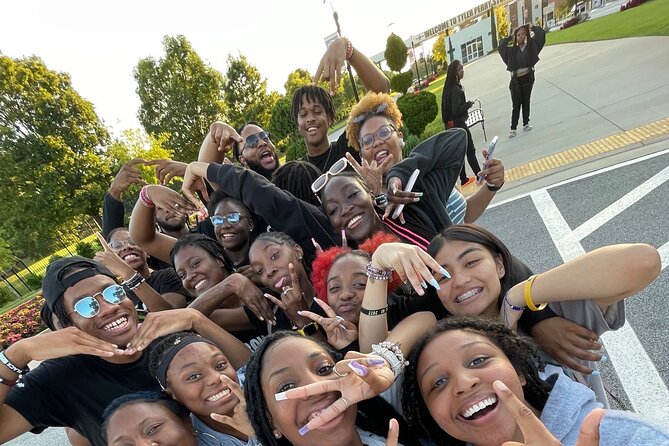
The guide is the biggest variable in any city tour, and the strongest experiences here depend on the person leading the group. Jeff is known for humor, patience, help with photos, and practical restaurant advice. Ibrahim has been praised for combining formal history with local stories and personal experience. Dave, Ebby, and Omar have also led engaging versions of the route.
The best guides do more than name landmarks. They explain why an old business mattered, how HBCUs shaped the city, and where present-day Black culture fits into Atlanta’s past.
A few practical points matter. Arrive early, keep your questions ready, and tell the guide if you need help with photos or want a little more time at a particular stop. The tour is social and fairly quick, so it works better for someone who enjoys moving from place to place than for someone who wants long, quiet museum visits.
Who Should Book It
I would choose this tour if you are visiting Atlanta for the first time, want a strong introduction to Black history, or have limited time in the city. It suits couples, families, solo visitors, and groups who want transportation between neighborhoods rather than piecing the route together themselves.
It is also a good choice for anyone interested in HBCUs, Civil Rights landmarks, Black-owned businesses, Atlanta food, murals, and film locations. The mix is broad, so you get a useful overview.
I would hesitate if you want a slow, detailed visit inside every historic building. The tour covers a lot in four hours, and several stops are brief. It is best understood as a moving orientation with selected stops, not a full museum day.
Free cancellation is available until 24 hours before departure. Cancellations or changes inside that window are not refunded, and poor weather or an insufficient group size can lead to a rescheduled tour or full refund. The tour operates in all weather, so bring an umbrella or rain poncho for light rain and call the number on your voucher if severe weather is expected.
Should You Book This Atlanta Tour?
Book it if you want to understand how Atlanta’s Black history connects neighborhoods, schools, churches, businesses, food, film, and Civil Rights landmarks. At $74, the combination of transportation and local interpretation is good value, especially if this is your first visit.
Go in with the right expectations. You will see many places, but only a few receive 20 or 30 minutes. Eat before departure, arrive early, budget for parking and food, and treat the route as a starting point for later exploring.
If you want a focused, personal introduction led by a local guide, this is a strong pick. If you want extensive time inside the King Center, museums, or HBCU campuses, use this tour as an orientation and plan separate visits afterward.
FAQ
How long is the Atlanta Black History and Civil Rights Tour?
The tour lasts approximately four hours. The morning option runs from 10 a.m. to 2 p.m., and the afternoon option runs from 1:30 p.m. to 5:30 p.m.
Where does the tour begin and end?
The tour begins at the Atlanta Marriott Marquis at 265 Peachtree Center Avenue NE in downtown Atlanta and ends back at the same meeting point.
How much does the tour cost?
The listed price is $74 per person. Food, gratuities, child car seats, and parking are not included.
Is transportation included?
Yes. Transportation is provided in an air-conditioned vehicle, along with a local driver-guide and bottled water.
Does the tour include food?
No. Food is not included, but the route includes an optional stop at the Municipal Market, where you can buy soul food, barbecue, seafood, West African food, Asian dishes, snacks, herbs, and spices.
Can I visit Tyler Perry Studios during the tour?
Access to the studio welcome entrance area is permitted after 5 p.m. on Fridays, all day Saturday and Sunday, and on holidays, subject to Tyler Perry management. The regular tour includes a photo stop, but it is not described as a full studio tour.
Is the tour suitable for most people?
Most people can participate, and service animals are allowed. The experience is near public transportation, uses a vehicle, and includes short stops for walking and photos.
What happens if I need to cancel?
You can cancel for a full refund up to 24 hours before the start time. Cancellations or changes made less than 24 hours before departure are not refunded. If poor weather or an insufficient number of bookings cancels the tour, you will be offered another date or experience, or a full refund.
Just added around the USA
- Red Rocks Amphitheatre Historical Walking Tour★ 5.0 · 74 reviews
- 1-Hour Segway Tour of Cheyenne Cañon Art, History and Nature★ 5.0 · 36 reviews
- Colorado Springs – Guided Walking Ghost / History Tour★ 5.0 · 168 reviews
- Ancient Landscapes Private Geology Hike at Garden of the Gods★ 5.0 · 31 reviews
- Village Food Tours Lunch & History Tour★ 5.0 · 80 reviews
- 2.5 Hour Kayaking with Manatee and History Tour in Tarpon Springs★ 5.0 · 24 reviews
- Safety Harbor Ghost Tour★ 5.0 · 60 reviews
- Historical Bicycle Tour of Dunedin★ 5.0 · 44 reviews
Atlanta History Tours, compared.
3-Hour Atlanta Beltline Food, Street Art and History Tour
Read our review →
2 Hour Historic Market Food Tour and Hands-On Biscuit Class
Read our review →
2-Hour Food, History and Street Art Tour of Ponce City Market
Read our review →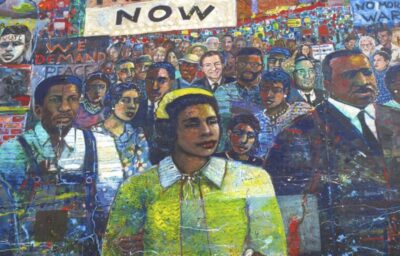
Atlanta: Black History & Civil Rights City Bus Tour
Read our review →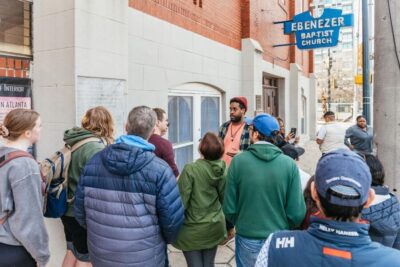
Atlanta: Martin Luther King Historical Park Walking Tour
Read our review →
Atlanta: Beltline Food, Street Art, and History Walking Tour
Read our review →Browse the lists this tour appears in