
Review · CHINA
Beijing Culture: Tea Ceremony, Heritage Instrument & Calligraphy
The most unusual part of this Beijing experience is that you do not simply watch Chinese culture from a safe distance. You brew tea, hold the brush, and place your fingers on the strings of the Guqin, an ancient Chinese instrument. The setting is a quiet private venue, not a crowded stage show.
I like the small group limit of eight, which gives the teachers room to help each person. I also like the mix of activities: tea slows the pace, calligraphy gives you something to take home, and the Guqin offers a rare chance to make music on a heritage instrument.
The main drawback is the price, $78.60 per person, for only two and a half hours. You also need to reach the 813 Creative Park in Chaoyang on your own, and this is not a full meal or a broad sightseeing tour. It is best for travelers who want focused cultural contact rather than a long list of city sights.
Key points to know before booking
- Play a full Guqin melody: A heritage artist guides your hands so you can produce a simple piece on China’s most classical instrument.
- Brew and taste Chinese tea: A certified tea master explains the ceremony and lets you take part instead of only watching.
- Write your Chinese name: The calligraphy session helps you form real Chinese characters and understand their older roots.
- Private venue in 813 Creative Park: The air-conditioned cultural space is closed to the public and designed for this small workshop.
- Traditional clothing is available: Rental attire adds a ritual touch and gives you a useful photo opportunity.
- English guidance with historical context: Your bilingual guide holds an M.A. in History and Sociology and explains the ideas behind each practice.
Three traditions in one quiet Beijing workshop
This is a compact cultural session built around three activities that work well together. Tea teaches patience and attention. Calligraphy connects movement, language, and meaning. The Guqin adds sound, silence, and touch.
I like that the schedule does not treat these traditions as museum objects. You are expected to take part. That difference matters. Watching a tea ceremony can be pleasant, but brewing the tea yourself makes you notice water, timing, pouring, and the calm rhythm of the process.
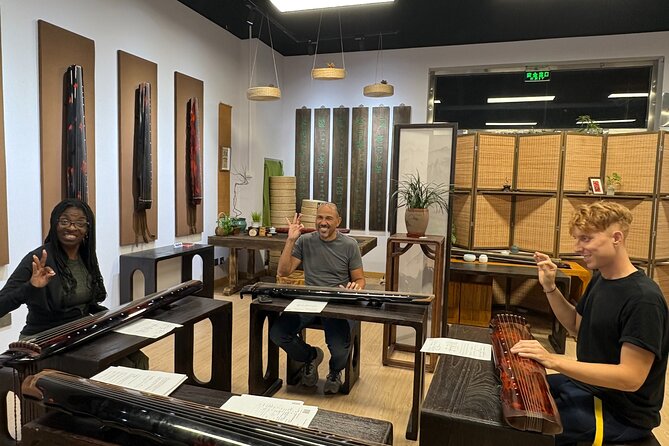
The experience takes place inside an air-conditioned private venue at 813 Creative Park in Chaoyang. It is described as a heritage space rather than a public attraction, so you should expect an intimate room with a strong focus on the instructors and the activities. The exact room layout is not specified, but the setting is meant to be peaceful and carefully arranged.
The group can include no more than eight people. That is a useful limit for hands-on teaching, especially when everyone needs a brush, tea equipment, or time with the Guqin. It also means this is not the right pick if you prefer to slip into a large performance unnoticed.
More Local Culture and Traditions Tours in China:
- Shenzhen History , Culture & Scenic + (Drone Delivery) tour
★ 5.0 · 26 reviews - Amsterdam Food and Cultural Tour with Tastings
★ 5.0 · 4,315 reviews - Sevilla Food Tour: Tapas, Wine, History & Traditions
★ 5.0 · 3,468 reviews
The tea ceremony begins with attention and restraint
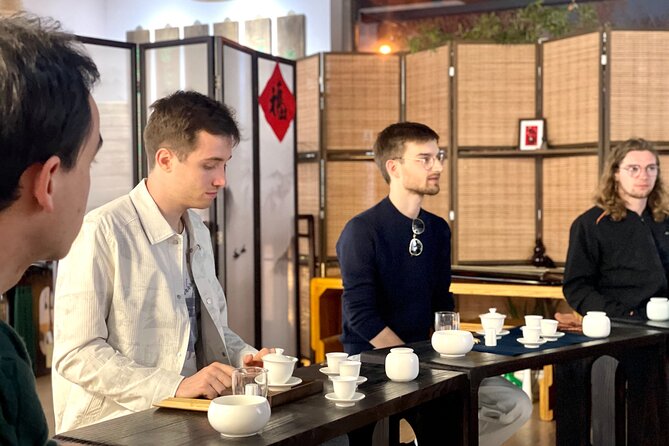
The tea portion is led by a certified tea master. You will brew and taste Chinese tea while learning about the ritual behind it. Tea snacks are included, but there is no meal, so plan to eat separately if you need lunch or dinner.
This part should appeal to you if you enjoy learning through small physical actions. You are not only told that tea has an important place in Chinese life. You handle the equipment, taste the result, and follow the measured pace of the ceremony.
The value here is the explanation. Without context, a tea ceremony can look like a series of graceful movements with no clear reason. The guide and tea master help connect those movements to ideas of care, respect, and quiet attention. The information supplied does not name the tea varieties, so do not book this expecting a specialist tasting with a published menu of teas.
I would place the tea session early in your Beijing schedule, perhaps on a day when you have been among crowds or moving between major sights. The calm format offers a useful change of pace. It is also one of the easier activities for complete beginners because you do not need prior knowledge.
The Guqin lesson gives the experience its rarest moment
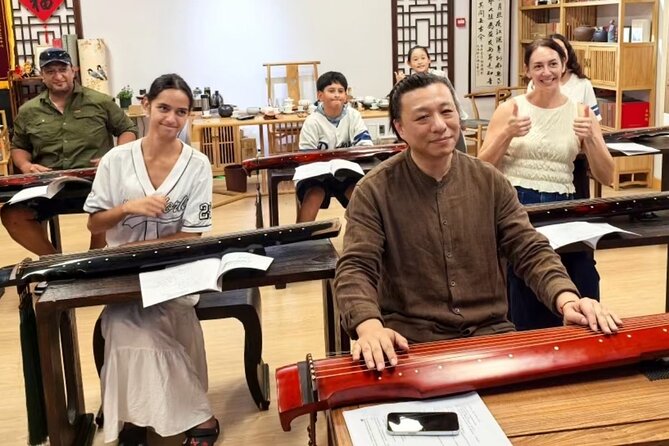
The Guqin is a classical Chinese instrument with a long cultural life. Here, a national-level heritage artist first performs for you, then guides you through a hands-on lesson.
The important point is that you are not promised a full concert. You get a live performance, then a chance to play a full melody yourself with instruction. That makes this the most distinctive part of the session. Few ordinary Beijing sightseeing stops let you touch an instrument of this type, much less receive direct help from a specialist.
You should keep your expectations sensible. The lesson is part of a two-and-a-half-hour program shared with tea and calligraphy. You are learning a simple melody, not training as a musician. Still, the experience can be surprisingly powerful because the sound is tied to your own movement. Even a basic phrase can feel meaningful when a teacher guides your fingers.
The atmosphere matters here. A noisy stage or crowded demonstration would work against the Guqin’s quiet character. The private venue and small group are useful because they allow you to listen closely and ask for help without competing with a large audience.
If you have limited hand mobility, the supplied information does not describe specific adaptations. Most people can participate, and service animals are allowed, but you may want to confirm any individual needs before booking.
Calligraphy turns a souvenir into a personal keepsake
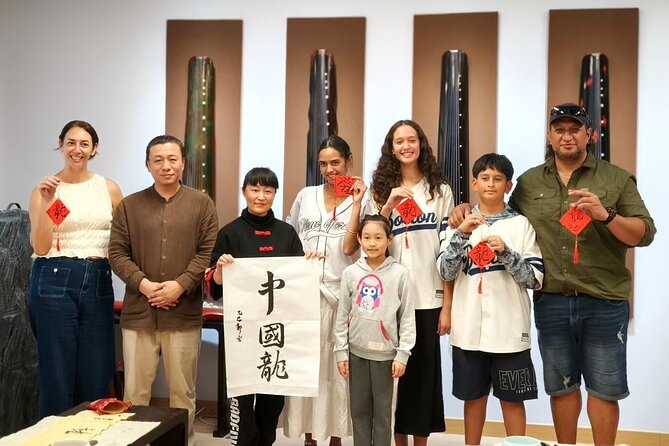
The calligraphy workshop is led with expert guidance and focuses on writing real Chinese characters. You learn about their older roots and practice with a brush rather than simply receiving a prewritten souvenir.
One especially useful detail is the chance to write your Chinese name. The paper can be taken home, and it is the sort of keepsake that carries more meaning than a generic shop purchase. You will also have a story to tell about how the characters were formed and what the writing process felt like.
Calligraphy is harder than it looks. The brush responds to pressure, speed, and angle, and a simple character can require more control than you expect. That is part of the appeal. You do not need artistic skill to enjoy the session, but you should be ready for a little concentration and a few imperfect strokes.
I like this activity for families, couples, and solo visitors because it gives everyone a clear task. You are not competing with the teacher’s skill. You are making a personal attempt, with help available when the brush does not behave.
The calligraphy paper is also practical for the rest of your trip. It is light, flat, and easy to pack. If you enjoy taking home objects with a direct connection to a place, this is one of the stronger parts of the experience.
More History Tours in China:
- Between Capitalism & Communism: Hong Kong History Tip Based Tour
★ 5.0 · 234 reviews - Beijing: Badaling Ancient Great Wall of China Day Trips
★ 4.8 · 208 reviews - Beijing Historical Tour II including Summer Palace, Lama Temple & Panda Garden
★ 4.0 · 187 reviews - Beijing Historical Tour I – Forbidden City, Tiananmen Square & Temple of Heaven
★ 4.0 · 120 reviews
Traditional clothing adds ceremony, but it is optional in spirit
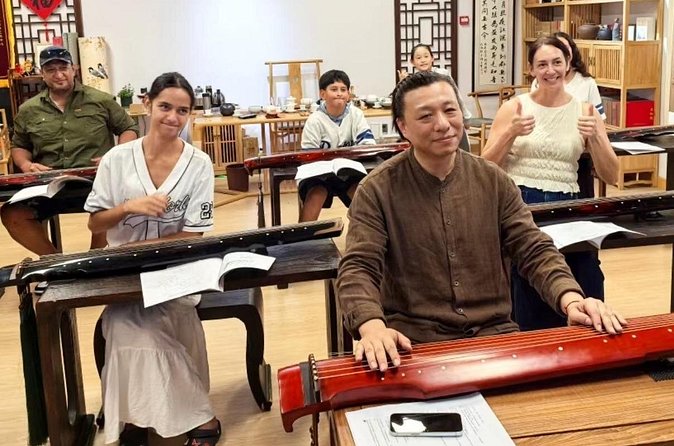
Traditional outfit rental is included. The clothing is intended for ritual and photos, adding a visual element to the tea and calligraphy sessions.
This feature will matter more to some people than others. If you enjoy photographs and want a clear record of the occasion, the attire can make the visit feel more special. It may also help you shift out of ordinary sightseeing mode and pay closer attention to the formal gestures.
If you dislike dressing up or prefer to keep the visit focused on instruction, the rental should not be the reason you book. The core value is the tea, Guqin, and calligraphy work. The supplied details do not specify the style, sizes, changing arrangements, or how much time is set aside for photos, so you should not assume a full costume photography session.
The final group photo is mentioned as part of the experience. That can be a pleasant closing touch, but it is best viewed as a small extra rather than the main product.
What the guide adds beyond the three activities
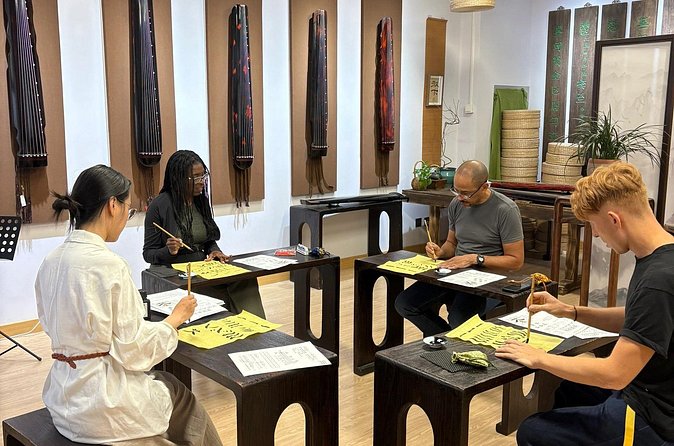
Your bilingual guide speaks English and holds an M.A. in History and Sociology. That background matters because the workshop is not only about copying movements. You are given explanations of the ideas behind the traditions.
The strongest version of this experience will connect the three parts rather than treat them as unrelated demonstrations. Tea asks you to slow down. Calligraphy asks you to control the hand. The Guqin asks you to listen as carefully as you play. Together, they present a view of Chinese culture built around discipline, balance, and attention.
The supplied information does not provide the guide’s name, so I cannot tell you to request a particular instructor. It does make clear that the session is guided in English, which is important if you want historical and philosophical context rather than visual instruction alone.
I would ask questions as you go. Why is a particular character written in that order? What makes the Guqin different from other stringed instruments? Why are certain tea movements repeated? A small group gives you a better chance to get useful answers.
Is $78.60 good value for two and a half hours?
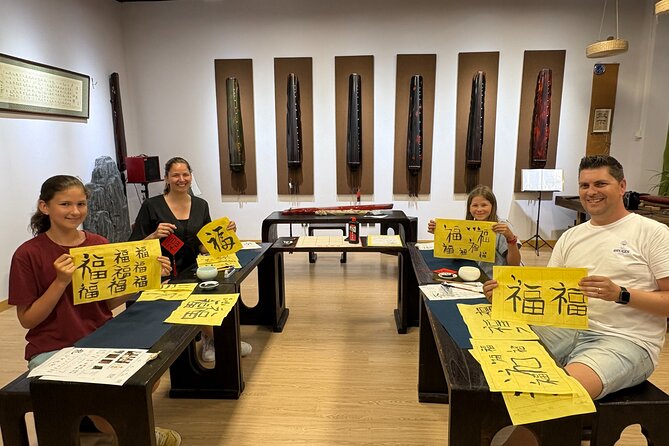
At $78.60 per person, this is not a budget activity. Beijing has free parks, low-cost historic neighborhoods, and inexpensive tea shops. You should book this for the teaching and access, not because it is a cheap way to fill an afternoon.
The price includes a certified tea master, a national-level Guqin performance and lesson, calligraphy instruction, traditional clothing rental, tea snacks, and an English-speaking bilingual guide. Reaching several specialists in one short session would be difficult to arrange independently, especially if you do not speak Chinese.
The small group improves the value. With a maximum of eight people, you should have more direct contact than you would at a large cultural show. The price makes less sense if you mainly want photographs, a stage performance, or a quick introduction with no hands-on practice.
The strongest value comes from the combination. A private lesson with a Guqin artist alone might be hard to arrange. A formal tea ceremony alone might feel too brief. Calligraphy alone might not justify the cost. Together, the three activities create a focused half-day experience with several take-home memories.
Book it if you prefer depth over quantity. Skip it if you would rather spend the same money on food, transport, or a longer city tour.
Practical details at 813 Creative Park
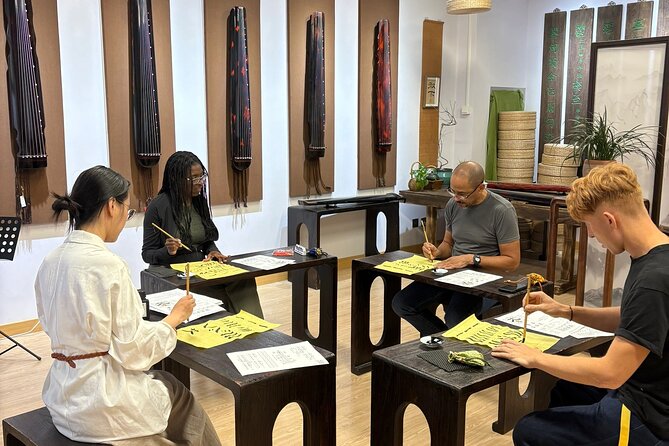
The meeting point is 813 Creative Park, listed at VGP3+CCX, Chaoyang, Beijing, China 100124. The activity begins and ends at that meeting point. Transportation is not included, so you need to plan your route there and back.
The venue is near public transportation, which helps, but no specific subway station, walking time, or pickup service is provided. I would allow extra time for finding the exact entrance, particularly if you are unfamiliar with the creative park. Keep the mobile ticket available on your phone.
The session lasts about two hours and 30 minutes. That is long enough for three activities but short enough to fit into a larger Beijing itinerary. Because tea, Guqin, calligraphy, and clothing are all included, the pace may feel full. Do not expect long free periods between sections.
Confirmation arrives within 48 hours of booking, subject to availability. This experience is often booked 51 days ahead, so popular dates may require planning. Free cancellation is available up to 24 hours before the start time. Changes or cancellations inside that window are not refunded.
The activity requires good weather and may be canceled if conditions are poor or if the minimum number of participants is not met. In either case, you are offered another date or experience, or a full refund.
Who will enjoy this most?
I would recommend this to you if you want a thoughtful cultural activity that gives you something to do with your hands. It suits first-time visitors who want an introduction, as well as people who have lived in China and want a quieter look at living traditions.
It is also a good fit for:
- Couples looking for a calm shared activity
- Families with participants interested in writing or music
- Solo visitors who value small groups
- Students and teachers of East Asian culture
- Anyone tired of staged performances and crowded sightseeing
- People who want a personal paper keepsake rather than another purchased souvenir
The experience may not suit you if you need a packed sightseeing schedule, dislike formal rituals, or expect a full meal. It is not a substitute for visiting Beijing’s major historic sites. It is a concentrated workshop that asks you to slow down.
The experience has also been described as unexpectedly emotional, especially during the Guqin lesson. That makes sense. Touching an old musical tradition and producing even a short melody can create a stronger connection than simply taking a photograph of an instrument.
Should you book this Beijing cultural experience?
Book it if you want to participate instead of watch. The tea ceremony, Guqin lesson, and calligraphy workshop give you three different ways to connect with Chinese traditions, and the eight-person limit should keep the instruction personal.
I would be more cautious if your budget is tight or your Beijing schedule is already crowded. At $78.60, the session needs to matter to you. For the right person, the value is not the number of attractions checked off. It is the chance to leave with a Chinese name written in your own hand, a simple Guqin melody in your memory, and a better sense of why these practices still carry meaning.
FAQ
Where does the experience begin and end?
It begins and ends at 813 Creative Park, VGP3+CCX, Chaoyang, Beijing, China 100124.
How long does the activity last?
The experience lasts approximately two hours and 30 minutes.
How much does it cost?
The listed price is $78.60 per person.
How many people can join the experience?
The group has a maximum of eight participants.
Is transportation included?
No. Transportation to and from the venue is not included.
Is the experience guided in English?
Yes. A bilingual guide leads the session in English and holds an M.A. in History and Sociology.
What activities are included?
The experience includes a traditional tea ceremony and tasting, a live Guqin performance, a hands-on Guqin lesson, a Chinese calligraphy workshop, traditional outfit rental, and tea snacks.
Are meals included?
Tea snacks are included, but meals outside of those snacks are not included.
Can I cancel for a refund?
Yes. You can cancel at least 24 hours before the local start time for a full refund. Cancellations or changes made less than 24 hours before the start time are not refunded.
Just added around China
- Dazu Ancient Rock Carvings Private Tour Extension★ 5.0 · 24 reviews
- Leshan Giant Buddha and Huanglongxi Ancient Town Day Trip★ 4.5 · 45 reviews
- BusDa-Ancient Great Wall &Badaling Great Wall Full-day Bus Tour★ 5.0 · 56 reviews
- 2-Hour Beijing Private Forbidden City Tour: History & Highlights★ 5.0 · 28 reviews
- 3-Day All-Inclusive Beijing Private Tour: Top Sights+Peking Duck★ 5.0 · 28 reviews
- 2-Hour “Ancient & Modern” Beijing Sidecar Tour (Day /Night)★ 5.0 · 36 reviews
- Shenzhen History , Culture & Scenic + (Drone Delivery) tour★ 5.0 · 26 reviews
- Beijing: All-Inclusive 3-Day Private Tour of Must-See Sights★ 5.0 · 35 reviews
China History Tours, compared.
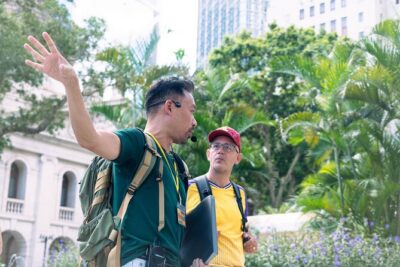
Between Capitalism & Communism: Hong Kong History Tip Based Tour
Read our review →
Beijing: Badaling Ancient Great Wall of China Day Trips
Read our review →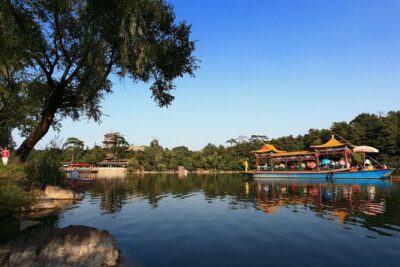
Beijing Historical Tour II including Summer Palace, Lama Temple & Panda Garden
Read our review →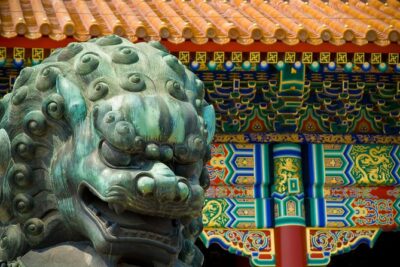
Beijing Historical Tour I – Forbidden City, Tiananmen Square & Temple of Heaven
Read our review →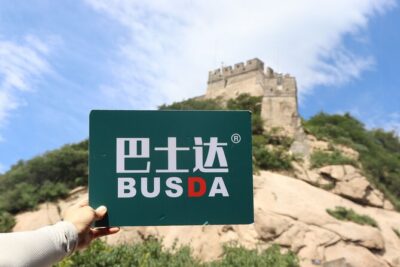
BusDa-Ancient Great Wall &Badaling Great Wall Full-day Bus Tour
Read our review →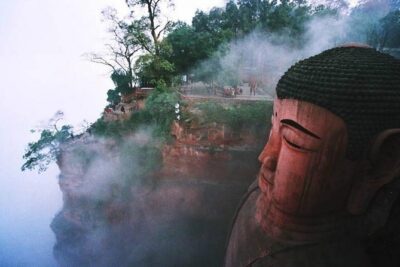
Leshan Giant Buddha and Huanglongxi Ancient Town Day Trip
Read our review →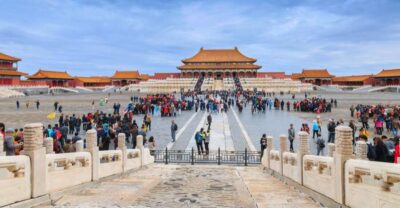
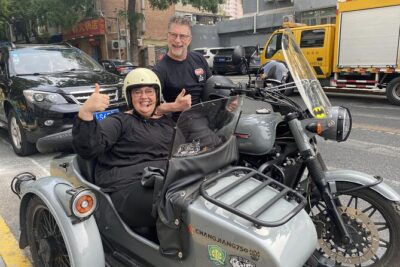
2-Hour “Ancient & Modern” Beijing Sidecar Tour (Day /Night)
Read our review →Browse the lists this tour appears in