

Review · CHARLESTON
Charleston: Boone Hall & Historic City Tour Combo
Boone Hall gives this outing its strongest sense of place. You see the main house, gardens, and brick quarters where enslaved people lived, then return to Charleston for a broad survey of churches, old markets, Rainbow Row, the Battery sea wall, and the Four Corners of Law. I especially like the Gullah culture presentation and the chance to hear about slavery at the site itself, rather than getting only a polished house tour. I also like the air-conditioned coach, a welcome break in Charleston’s heat.
The catch is time. Boone Hall offers more than you can comfortably fit into a short visit, and the city portion is mainly a narrated ride. You may need to choose carefully between the house, gardens, trolley, and history presentations. Traffic can also delay the bus, so keep your schedule loose.
Key points to know before booking
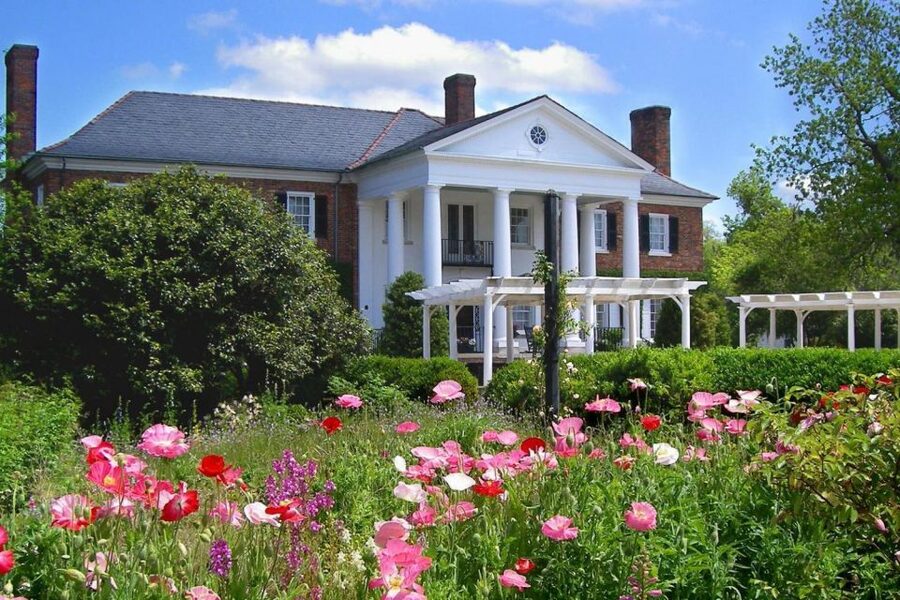
- Boone Hall is more than a main-house visit: You can choose among the house, gardens, Slave Street and History, Gullah culture, and other site activities.
- The Gullah presentation is a major draw: It explores a culture shaped by African people brought to the Lowcountry through a live presentation.
- The city tour covers more than 100 sights: Expect a broad narrated circuit, including Rainbow Row, the Battery, churches, markets, and historic homes.
- The city portion may not include much walking: One part of the outing is a bus tour, so do not expect a long series of stops where you get off.
- The plantation visit can feel rushed: Plan your choices before arriving, especially if the house and Gullah presentations matter most.
- Guides add real value: Alan, Vicki, and Scott are noted for useful local background, practical advice, and an entertaining ride.
Two Charleston stories in one half-day

This combo joins two very different experiences. Boone Hall takes you outside the city to a former plantation site with buildings, gardens, presentations, and a direct look at the lives of enslaved people. The Charleston segment then works as a moving introduction to the city, covering a large number of landmarks in about 90 minutes.
That pairing makes sense if you have limited time. You get a taste of the Lowcountry beyond downtown, then learn how Charleston’s streets and buildings fit together. It is not a slow, in-depth study of either place, though. Think of it as a strong orientation with selected stops and plenty of commentary.
The tour costs $87 per person. I consider that reasonable if you want organized transportation, admission to Boone Hall, and a guide for both parts. It is less compelling if you already have a car, plan to spend most of a day at Boone Hall, or prefer to explore Charleston on foot at your own pace.
More History Tours in Charleston:
- Charleston’s Old South Carriage Historic Horse & Carriage Tour
★ 5.0 · 10,023 reviews - Historic Charleston Guided Sightseeing Walking Tour
★ 5.0 · 6,216 reviews - Charleston Horse-Drawn Carriage Tour: Explore Historic Charleston
★ 5.0 · 3,561 reviews
Riding out to Boone Hall
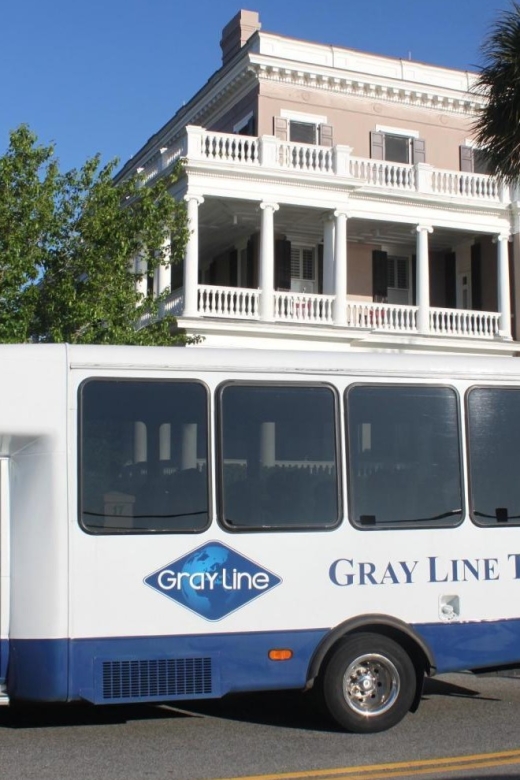
You meet the bus directly behind the Charleston Visitors Center and Charleston Museum. Hotel pickup and drop-off are not included, so leave enough time to reach that meeting point before departure.
The ride takes place in a climate-controlled coach. That matters in South Carolina, where a sunny day can make an open-air outing tiring. The drive is also part of the introduction. Vicki, one of the guides associated with the Boone Hall portion, used the trip to explain the area and offer practical advice about making the most of the plantation.
The quality of this ride depends partly on the guide. Alan is praised for combining safe driving with a detailed account of Charleston, while Vicki and Scott are noted for keeping the transportation interesting. Scott also helped with restaurant suggestions in the city, which is the kind of small local help that can make a guided outing more useful.
Traffic is the main nuisance. A late departure caused frustration on one outing, though the delay was attributed to road conditions rather than the driver. If you have dinner reservations, a train, or another fixed appointment afterward, leave a cushion.
Boone Hall’s main house and gardens
The visit begins with a 30-minute guided tour of the main house. A guide in historical dress meets you on the front porch and explains the plantation’s development through several owners since 1681.
That presentation gives you a framework for the property, but the house is only one part of Boone Hall. You can also spend time in the gardens, where antique roses more than 100 years old are highlighted. If you enjoy formal plantings and older garden varieties, this may be one of the most pleasant portions of the visit.
The grounds are attractive, but the schedule forces choices. The house, garden tour, trolley, cultural presentation, and slavery-focused history program can add up to more time than the stop allows. One visitor managed only the Gullah presentation, the house, and the slave cabins, with no time left to explore the rest of the grounds.
My advice is simple: decide what matters most before you arrive. If the house is your priority, go there first. If you care more about African American history and culture, protect time for the Slave Street and History presentation and the Gullah program. Garden lovers should resist trying to do everything.
Seeing the quarters and hearing about enslavement
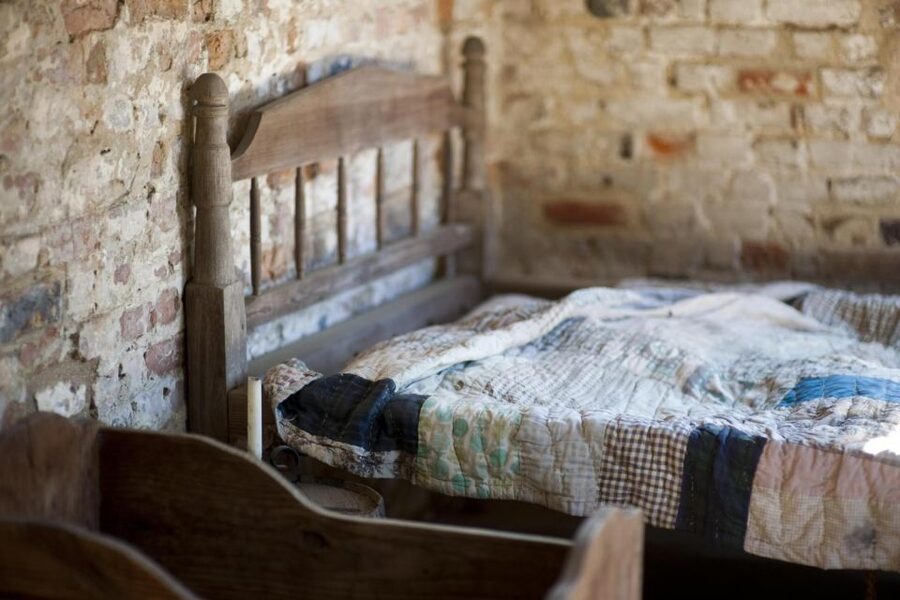
The Slave Street and History presentation is the part of the visit that gives the property its moral and historical weight. You see the living quarters, examine historic objects, and hear about the conditions faced by enslaved people who lived and worked at Boone Hall.
The brick structures are especially significant because they are described as the only original slave houses still standing in South Carolina’s Lowcountry. That physical evidence changes the tone of the visit. You are not simply looking at a grand house and pretty grounds. You are also confronting the labor and suffering that made plantation life possible.
I would make this presentation a priority, even if you have little interest in plantation architecture. It gives needed balance to the main-house tour. The time is limited, so do not expect every question about slavery in the Lowcountry to be answered. Still, seeing the quarters in person and hearing the history on site can be more direct than reading a short label in a museum.
The presentation also requires a thoughtful attitude. This is difficult history, and the value lies in facing it plainly rather than treating the plantation as only a backdrop for gardens and old buildings.
Same city, a different century:
- Charleston Harbor History Day-Time or Sunset Boat Cruise
★ 4.5 · 2,788 reviews - Hidden Alleyways and Historic Sites Small-Group Walking Tour
★ 5.0 · 2,335 reviews - Charleston: Daytime or Sunset Historic Harbor Cruise
★ 4.5 · 1,352 reviews - Charleston historical walking tour with a Professor of History at The Citadel
★ 5.0 · 1,284 reviews
The live Gullah culture presentation
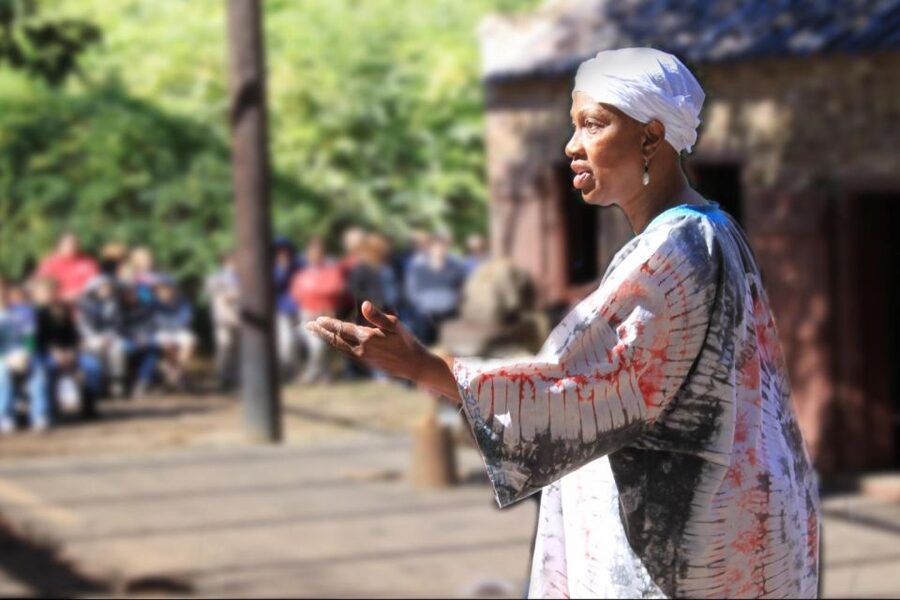
The Gullah program is one of Boone Hall’s most distinctive features. It explains a culture developed by African people brought to the Lowcountry, focusing on traditions that survived and changed under slavery and afterward.
The live presentation was a highlight for many people who enjoyed the grounds and wanted more than a standard house tour. It gives the Boone Hall visit a connection to living culture, not just preserved buildings. That makes it especially worthwhile if you want to understand the region beyond its architecture.
You will need to check the timing when you arrive. The program is one choice among several site activities, and a short stop may not allow you to attend everything. Ask the plantation staff or your guide which presentation fits the schedule, then avoid spending too long wandering before it begins.
Returning to Charleston’s historic streets
After Boone Hall, the coach returns to Charleston for a 90-minute guided city tour. The route covers more than 100 notable sights, so expect a wide sweep rather than a detailed visit to each one.
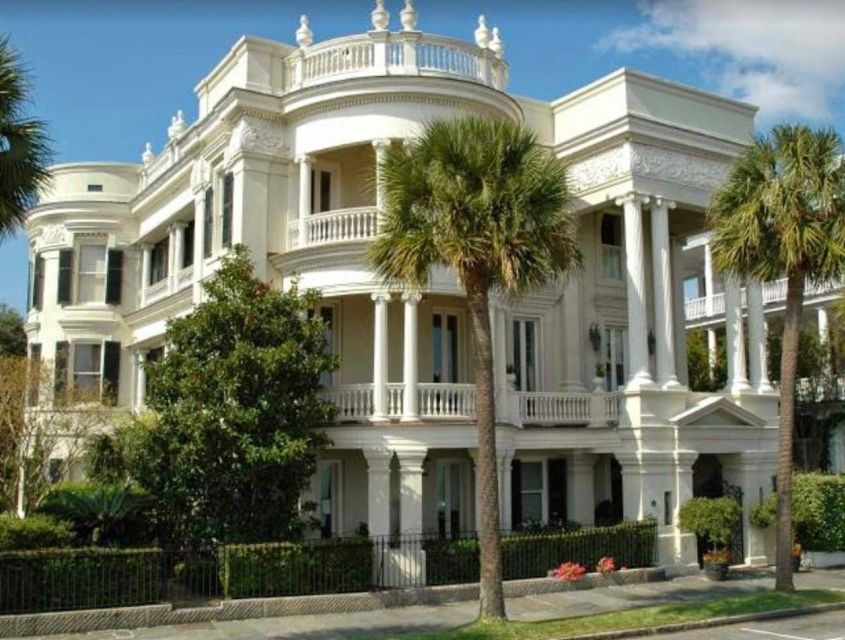
The city portion can include historic homes, churches, old markets, picturesque neighborhoods, the Battery sea wall, Rainbow Row, and the Four Corners of Law. Your guide supplies the stories and connections as the bus moves through the city, making this a useful first look if you have not yet learned how Charleston is laid out.
Rainbow Row gives you one of Charleston’s most recognizable views, with a row of colorful historic houses. The Battery offers a different feel, with the waterfront wall and broad views. The Four Corners of Law brings together four buildings associated with different kinds of authority, a compact symbol of the city’s civic past.
The city tour is strongest as an introduction. You see places you can return to later for a closer look. It is not the same as walking through the historic district, where you can stop for photographs, read plaques, enter buildings, and set your own pace.
One important limitation: the city section may keep you on the bus. A guide can point out an impressive church or house, but you may not get off to explore it. If you want a walking-heavy Charleston experience, book a separate walking tour or plan extra time downtown.
How the 270-minute schedule feels

The advertised duration is 270 minutes, or four and a half hours. That makes this a substantial half-day outing, not a quick add-on.
The schedule is divided between Boone Hall and the city tour, with transportation in between. The plantation portion can feel particularly compressed because Boone Hall has several activities competing for your attention. Some outings provide enough time for a satisfying visit, while others leave you wishing you had another hour.
A good strategy is to treat the plantation as your main stop and the city tour as your overview. Choose one or two Boone Hall activities rather than attempting every option. The house plus the Gullah presentation is a sensible combination. The house plus the Slave Street and History program is another. Add the gardens if your timing allows.
The city ride then fills in the larger picture. You will not see every landmark in detail, but you will learn which areas deserve a return visit.
Guides, comfort, and practical details
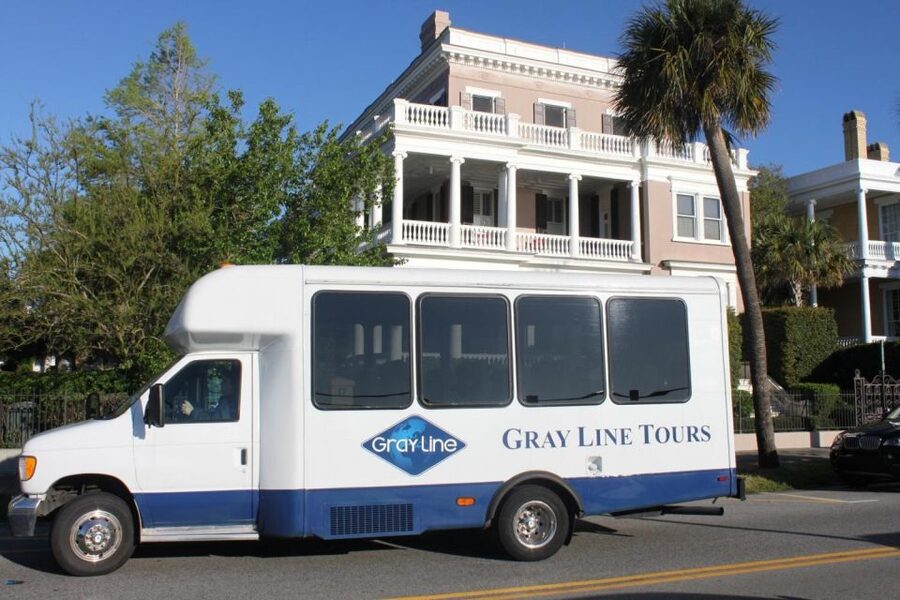
The guide can make a major difference on a tour that includes so much ground. Alan is praised for detailed Charleston commentary and courteous driving. Vicki is credited with explaining the area on the way to Boone Hall and offering tips for using your time well. Scott is noted for useful restaurant advice.
The feedback is not uniformly warm about guide style. One city guide came across as gruff at first and was sometimes hard to understand, though the information was still useful. That is worth keeping in mind if you prefer a quiet, polished presentation. The tour can also include some corny humor.
Wear comfortable shoes and clothing. Even with coach transportation, you will spend time walking around Boone Hall’s buildings and grounds. Bring a camera, but remember that food and drinks are not allowed in the vehicle. Weapons and sharp objects are also prohibited.
Tours operate rain or shine. The air-conditioned coach helps with heat, but weather can still affect how pleasant the gardens and outdoor sections feel. A light rain does not cancel the outing, so dress for the forecast rather than assuming the bus makes the whole experience indoors.
The tour is conducted in English. Cancellation is flexible, with a full refund available if you cancel at least two hours in advance.
Who will get the most from this combo?

I would recommend it to a first-time Charleston visitor who wants context before exploring alone. It works well for anyone interested in architecture, local history, plantation life, African American history, gardens, and the Gullah culture.
It is also a practical choice if you do not want to arrange separate transportation to Boone Hall. The coach removes the need to navigate there yourself, and the ride gives you background along the way.
Families and mixed-interest groups may appreciate the range of choices. One person can focus on gardens, another on the house, and another on the cultural or slavery presentations. The challenge is coordinating those choices within the available time.
I would hesitate if your priority is a slow, reflective visit. You may find the Boone Hall schedule too tight, especially if you want the house, gardens, trolley, Gullah presentation, and slavery history program. I would also hesitate if you want a walking tour of Charleston, since the city section is largely a narrated bus circuit.
Should you book the Boone Hall and Charleston combo?
Book it if you want a well-organized half-day introduction to both the plantation area and central Charleston. The $87 price is fair when you value admission, transportation, a city guide, and the chance to visit Boone Hall without arranging a car.
To get the best value, choose your Boone Hall priorities before departure. I would put the Slave Street and History presentation or Gullah culture presentation near the top, then add the house or gardens according to your interests. Keep the rest of the day open in case traffic or a longer plantation visit shifts the schedule.
Skip it if you want a leisurely plantation day or a city tour built around getting off and walking. For most first visits, though, this combo offers a useful foundation, thoughtful historical content, and a practical look at Charleston’s major sights.
FAQ
How long does the Boone Hall and Charleston tour last?
The tour lasts 270 minutes, or about four and a half hours.
What is included in the price?
The price includes admission to Boone Hall Plantation and a 90-minute guided tour of historic Charleston.
How much does the tour cost?
The listed price is $87 per person.
Where do I meet the tour?
Check in at the buses directly behind the Visitors Center and Charleston Museum in Charleston.
Is hotel pickup included?
No. Hotel pickup and drop-off are not included.
What language is the tour conducted in?
The live tour guide and presentations are in English.
What can I do at Boone Hall?
Depending on timing and availability, you can take the main-house tour, visit the gardens, attend the Slave Street and History presentation, attend the Gullah culture presentation, and take part in other plantation activities.
Can I get off the bus during the Charleston city tour?
The city portion is a guided 90-minute bus tour. The provided information highlights sightseeing from the coach and does not guarantee that you can get off at each landmark.
Does the tour run in bad weather?
Yes. Tours operate rain or shine. You should bring comfortable clothing and shoes and dress for the forecast.
Just added around Charleston
- Charleston’s Historic Pubs, Taverns, and Taprooms Tour★ 4.5 · 33 reviews
- Small-Group Tour: Charleston Old Walled City Historical Walking Tour★ 4.5 · 283 reviews
- Charleston’s Strong Women of the South History Tour★ 4.5 · 27 reviews
- Private Sunset Sail BYOB Dolphin/History Tours on 43ft Mystique★ 5.0 · 42 reviews
- Sip History In a Secret Speakeasy Cocktail Class★ 5.0 · 40 reviews
- Sip History in The Sun Cabana Covered Cocktail Class★ 5.0 · 332 reviews
- Private Walking Tour of Historic Charleston★ 5.0 · 38 reviews
- Charleston History and Hops Tour: Bar and History Walk★ 5.0 · 316 reviews
Charleston History Tours, compared.

Charleston’s Old South Carriage Historic Horse & Carriage Tour
Read our review →
Historic Charleston Guided Sightseeing Walking Tour
Read our review →
Charleston Harbor History Day-Time or Sunset Boat Cruise
Read our review →
Hidden Alleyways and Historic Sites Small-Group Walking Tour
Read our review →
Charleston: Daytime or Sunset Historic Harbor Cruise
Read our review →
Charleston historical walking tour with a Professor of History at The Citadel
Read our review →
Charleston: Historical Downtown Tour by Horse-drawn Carriage
Read our review →
Undiscovered Charleston: Half Day Food, Wine & History Tour with Cooking Class
Read our review →Browse the lists this tour appears in