
Review · CHARLESTON
Charleston History Tour /
Charleston’s story comes alive along its streets, where an ornate theater, old churches, pastel houses, and harbor defenses sit within an easy walking route. This two-hour tour gives you a useful first look at the city’s historic center, with added attention to the Gullah people and the events surrounding the founding of the United States.
I like the small group limit of 10, which should make it easier to ask questions and hear the guide. I also like the range of subjects: architecture, religion, military history, the Constitution, and local culture all appear in a short outing.
The main concern is reliability. One customer arrived to find the guide absent and could not reach the company, though the guide later explained that a hospital emergency caused the cancellation. That appears to be an unusual but serious interruption, so keep your booking details handy and leave room in your schedule for surprises.
Key points at a glance
- Two hours on foot: A compact introduction to Charleston’s old center, ending where you begin.
- Six notable stops: See Dock Street Theater, St. Michael’s Church, Rainbow Row, the Battery, French Huguenot Church, and an additional Constitution-related site.
- Gullah culture included: The tour gives this important Charleston story a place alongside architecture and politics.
- Small groups: The maximum is 10 people, with more room for questions than on a large coach tour.
- No extra admission charges: The listed sights are included, while food and drinks are not.
- Very strong overall response: The experience is rated 4.9 out of 5, with 98 percent recommending it.
Why this two-hour walk works well in Charleston
Charleston can feel confusing at first. Its old streets are close together, but each block carries a different story. A church may mark colonial power, a seawall may point to military defense, and a row of colorful houses may reveal how commerce shaped the waterfront.
This tour is useful because it links those pieces instead of treating them as isolated photo stops. You begin at 80 Broad Street and walk through the historic core, returning to the same meeting point at the end. That makes it simple to fit into a first morning in town or use as a way to get oriented before exploring on your own.
The schedule allows about five minutes at each named stop. That is enough to see the exterior, hear the key story, and note what deserves a longer visit later. It is not enough for a slow museum visit or a detailed interior tour, so you should view the experience as a guided introduction rather than a full examination of every building.
A maximum of 10 people is one of the best practical features. In a group this size, I would expect the guide to be easier to hear on city streets, and you should have a better chance to ask about a building or subject that catches your attention. The small format also suits people who dislike the shuffle of a large walking group.
More History Tours in Charleston:
- Charleston’s Old South Carriage Historic Horse & Carriage Tour
★ 5.0 · 10,023 reviews - Historic Charleston Guided Sightseeing Walking Tour
★ 5.0 · 6,216 reviews - Charleston Horse-Drawn Carriage Tour: Explore Historic Charleston
★ 5.0 · 3,561 reviews
A Constitution-era beginning
One early stop is described as a building constructed in 1771 and connected with the ratification of the United States Constitution. The building’s exact name is not provided in the tour details, but its role gives the walk a strong political starting point.
This is the kind of stop that helps you see Charleston as more than a collection of pretty facades. The city was involved in major debates about the new American government, and a building connected to ratification puts national politics into a local setting.
You should listen for the guide’s explanation of what happened at the site and how Charleston fit into the new republic. Since the stop is part of a walking route rather than a separate long visit, expect an overview rather than a full constitutional history lesson.
Gullah culture and Charleston’s living story
The tour also introduces the Gullahs of Charleston. This is an important inclusion because many quick city walks focus heavily on architecture, wealthy families, and military events while giving less space to the people and traditions that shaped Lowcountry life.
The Gullah story adds a cultural layer to the buildings around you. It reminds you that Charleston’s past includes African American communities, language, customs, and resilience, not only grand churches and colonial politics.
The supplied details do not specify exactly where this discussion takes place or how long it lasts. You should treat it as a guided topic woven into the walk, and ask questions if you want more detail. The presence of this subject makes the tour more useful for anyone looking for a broader view of Charleston’s past.
Dock Street Theater and the city’s stage
Dock Street Theater is the first named stop. The ornate playhouse is noted for elegant woodwork and a courtyard, and the building dates to around 1810. You get about five minutes here, with admission included.
A theater offers a different way to understand old Charleston. It points to public entertainment, social life, craftsmanship, and the city’s taste for display. The courtyard and woodwork are the visual details to watch for, since they help explain why this building earns a place on a short architectural walk.
Five minutes will pass quickly. I would use this stop to take in the facade and courtyard, then listen for the guide’s main historical point instead of trying to inspect every decorative feature. If you want a longer look, note the location so you can return later.
Same city, a different century:
- Charleston Harbor History Day-Time or Sunset Boat Cruise
★ 4.5 · 2,788 reviews - Hidden Alleyways and Historic Sites Small-Group Walking Tour
★ 5.0 · 2,335 reviews - Charleston: Daytime or Sunset Historic Harbor Cruise
★ 4.5 · 1,352 reviews - Charleston historical walking tour with a Professor of History at The Citadel
★ 5.0 · 1,284 reviews
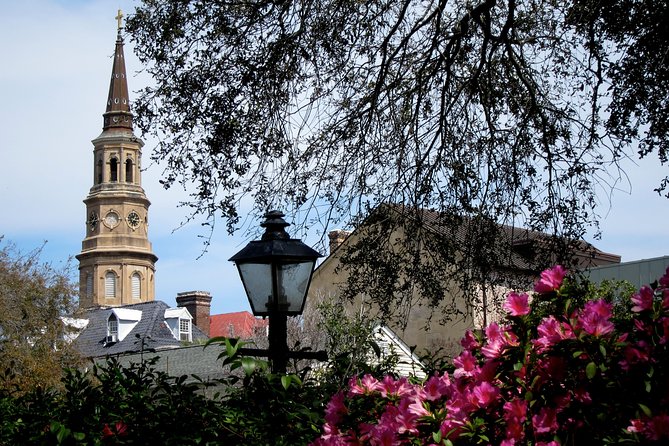
St. Michael’s Church, a colonial landmark
St. Michael’s Church is described as the oldest religious building in Charleston, dating to about 1764. The stop lasts roughly five minutes, and admission is included.
That age gives the church special weight in the route. It connects the modern city to Charleston’s colonial period and gives you a chance to compare religious architecture with the theater and homes seen elsewhere on the walk.
The details do not promise a full interior visit, organ demonstration, or service access. Plan on a short guided stop, and remember that churches may have operating schedules or other limits beyond the information supplied here. The value lies in the setting, the age of the building, and the guide’s explanation.
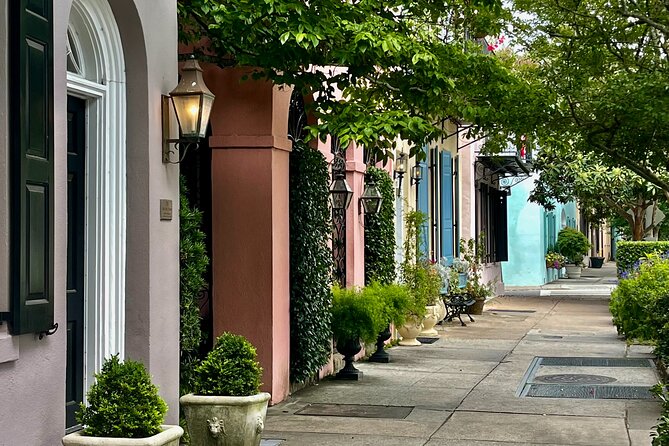
Rainbow Row, nine connected buildings

Rainbow Row is one of Charleston’s most recognizable streetscapes. It consists of nine attached buildings, and all but one predates the American Revolution.
The row is an efficient lesson in urban history. Instead of seeing one grand building in isolation, you see a group of structures shaped by a shared street frontage. Their attached form also gives you a sense of how property and commerce worked in an older city.
This is likely to be one of the tour’s most photographed stops, but the guide can give it more meaning than a quick snapshot. Look closely at the relationship between the buildings, their colors, and their narrow urban setting. Again, the scheduled five minutes means the stop is brief, so you may want to return later if you hope to study the details at leisure.
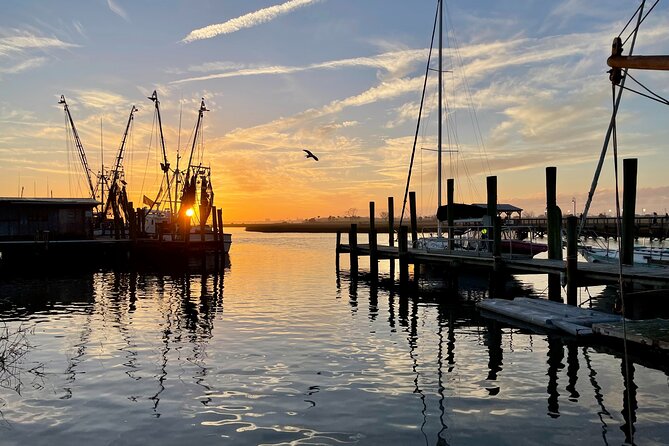
The Battery and White Point Gardens
The Battery is Charleston’s defensive seawall and harbor promenade. White Point Gardens adds a public park setting to the waterfront stop, giving you a change of pace after the tighter streets of the historic center.
This is where the city’s military past and coastal position become easiest to picture. The wall was built for defense, but the promenade also gives you open harbor views and a sense of Charleston’s relationship with the water.
The tour allows about five minutes here. That is enough to pause, look across the harbor, and hear the main defensive story, but not enough for a relaxed walk along the full promenade. If the weather is clear, this may be the place where you most notice the value of the outdoor setting.
Because the experience requires good weather, this stop also explains the weather policy. Poor conditions can lead to a different date or a full refund. Bring sensible shoes and be prepared for a walk outdoors, since the tour asks for a moderate level of physical fitness.
French Huguenot Church and religious variety
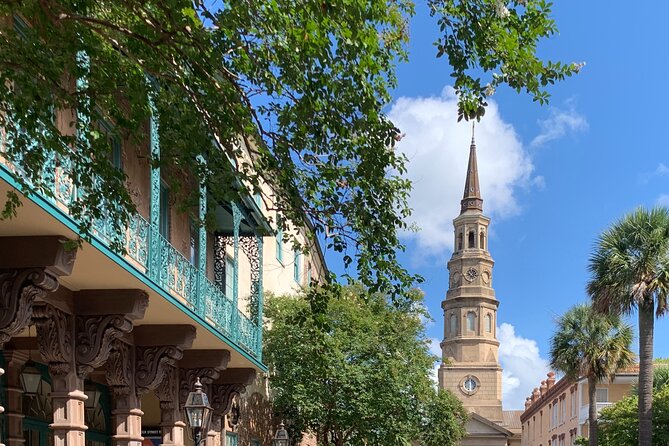
French Huguenot Church was built in 1844 and is described as the oldest Gothic Revival church in South Carolina. It is also the only independent Huguenot church in the country.
That makes it a strong final named stop. St. Michael’s introduces an older colonial religious building, while the Huguenot church shows a later Gothic Revival style and a distinct religious tradition. The contrast gives the walk a broader architectural and social range.
You get about five minutes here, with admission included. I would pay attention to the church’s Gothic Revival character and the Huguenot connection, then ask the guide how this building fits into Charleston’s wider religious history. The tour does not promise a long interior visit, so keep your expectations focused on a short introduction.
What the guide adds to the experience
A walking tour is only as good as the person connecting the stops. One particularly strong account names Joyce as the guide. She is described as covering the city’s development, military facts, architecture, and cultural highlights with an enthusiastic and pleasant manner.
The most useful detail is the personal feel. One booking ended up with only two people, turning the outing into something close to a private walk. That is not guaranteed, but the 10-person maximum gives you a better chance of a relaxed exchange than a large group would.
The tour may suit you if you prefer explanation over a scripted procession. You can look at buildings on your own, but a guide can point out why a site matters and connect it to the next stop. That connection is especially valuable here because the route shifts between politics, religion, architecture, military history, and Gullah culture.
There is also a practical caution. One booking failed when the guide had a medical emergency and could not make contact. The guide later apologized and explained the hospital visit. The company offers no special backup plan in the supplied details, so I would avoid scheduling this as your only activity before a train, flight, or timed reservation.
Timing, walking, and what to bring
The experience lasts about two hours and runs Monday through Saturday from 9:00 a.m. to 5:00 p.m. during the stated operating periods, from March 15 through December 31 in 2025 and again from March 15 through December 31 in 2026.
The tour starts and ends at 80 Broad Street. Since no transportation is included or described, you should plan to reach the meeting point on your own. The route is on foot, and the moderate fitness requirement is worth taking seriously even though the tour is not a full-day outing.
Wear comfortable shoes and dress for outdoor conditions. The tour requires good weather, and several stops are public streets, gardens, or waterfront spaces. Food and drinks are not included, so plan a snack or meal before or after the walk rather than expecting refreshments along the route.
A mobile ticket keeps the booking simple. Confirmation is sent within 48 hours, subject to availability. You can cancel for a full refund up to 24 hours before the start time, but cancellations and changes made inside that window are not accepted for a refund.
Value, group size, and who should book
No tour price is supplied here, so I cannot judge the exact dollar value. The practical value comes from the included admissions, the compact route, the small-group limit, and the range of subjects covered in two hours.
You are not paying only to see Rainbow Row or the Battery. You are paying for a guide to place those stops in a larger Charleston story. That is worthwhile if you are new to the city and want a clear framework before exploring independently.
The tour is a good match for:
- First-time visitors who want a quick orientation
- People who prefer walking to riding in a vehicle
- Anyone interested in architecture and religious history
- Readers looking for Gullah culture alongside the better-known landmarks
- Small groups who value questions and conversation
- People with only two hours to spare
It may be less suitable if you want lengthy interior visits, a museum-style presentation, or a route with no outdoor exposure. The five-minute stop pattern keeps things moving, but it also limits the time available at each site.
The 4.9 rating from 388 submitted ratings and the 98 percent recommendation figure point to consistently strong satisfaction, especially with the guide’s personal approach. I would still keep the medical-emergency cancellation in mind. It was explained and apologized for, but the experience does not appear to offer a backup arrangement if a last-minute problem occurs.
Should you book the Charleston History Tour?
Book it if you want a short, human-scale introduction to Charleston that mixes famous sights with subjects often left out of a quick city overview. The Gullah discussion, Constitution connection, small group, and coverage by Joyce make this more than a simple photo walk.
I would choose it early in a Charleston visit, then return on your own to the places that deserve more time. Skip it if your priority is an extended church interior tour, a formal museum visit, or a guaranteed schedule with no chance of disruption. For most people seeking a friendly two-hour orientation, it offers a well-balanced first look at the city.
FAQ
How long does the Charleston History Tour last?
The tour lasts approximately two hours.
Where does the tour begin?
It begins at 80 Broad Street, Charleston, South Carolina 29401.
Where does the tour end?
The activity ends back at the meeting point at 80 Broad Street.
What landmarks are included?
The named stops are Dock Street Theater, St. Michael’s Church, Rainbow Row, the Battery and White Point Gardens, and French Huguenot Church. The route also includes a site built in 1771 that is connected with the ratification of the United States Constitution.
Is Gullah culture discussed?
Yes. The tour includes information about the Gullahs of Charleston.
How large can the group be?
The maximum group size is 10 people.
Are admission fees included?
Yes. The information provided says all sites seen on the tour require no additional payment.
Are food and drinks included?
No. Food and drinks are not included.
Can I cancel for a refund?
Yes. You can cancel at least 24 hours before the start time for a full refund. Cancellations or changes made less than 24 hours before the experience are not accepted for a refund.
Does the tour operate in bad weather?
The experience requires good weather. If it is canceled because of poor weather, you will be offered another date or a full refund.
Just added around Charleston
- Charleston’s Historic Pubs, Taverns, and Taprooms Tour★ 4.5 · 33 reviews
- Small-Group Tour: Charleston Old Walled City Historical Walking Tour★ 4.5 · 283 reviews
- Charleston’s Strong Women of the South History Tour★ 4.5 · 27 reviews
- Private Sunset Sail BYOB Dolphin/History Tours on 43ft Mystique★ 5.0 · 42 reviews
- Sip History In a Secret Speakeasy Cocktail Class★ 5.0 · 40 reviews
- Sip History in The Sun Cabana Covered Cocktail Class★ 5.0 · 332 reviews
- Charleston History and Hops Tour: Bar and History Walk★ 5.0 · 316 reviews
- Private Walking Tour of Historic Charleston★ 5.0 · 38 reviews
Charleston History Tours, compared.
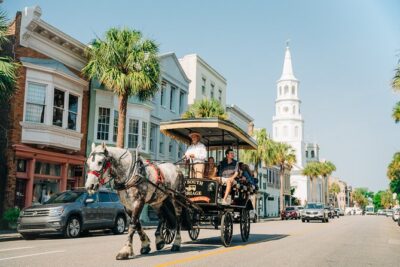
Charleston’s Old South Carriage Historic Horse & Carriage Tour
Read our review →
Historic Charleston Guided Sightseeing Walking Tour
Read our review →
Charleston Harbor History Day-Time or Sunset Boat Cruise
Read our review →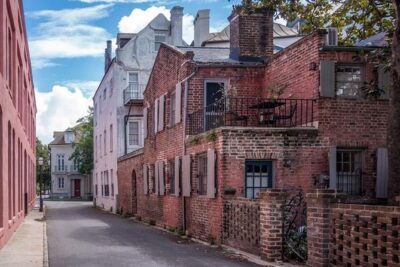
Hidden Alleyways and Historic Sites Small-Group Walking Tour
Read our review →
Charleston: Daytime or Sunset Historic Harbor Cruise
Read our review →
Charleston historical walking tour with a Professor of History at The Citadel
Read our review →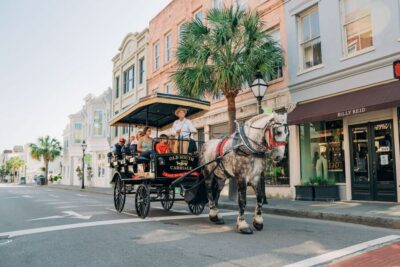
Charleston: Historical Downtown Tour by Horse-drawn Carriage
Read our review →
Undiscovered Charleston: Half Day Food, Wine & History Tour with Cooking Class
Read our review →Browse the lists this tour appears in