
Review · CHARLESTON
Charleston: Old Walled City Historical Walking Tour
Charleston’s past is written right onto its streets, churchyards, houses, and old waterfront. This two-hour walk brings those details together, from the French Quarter and Dock Street Theatre to Rainbow Row and St. Michael’s Episcopal Church. The best guides, including Al, Bruce, and Eric, add family memories and local stories to the dates.
I like the way the tour covers both pretty Charleston and its harder chapters, including slavery, war, epidemics, fires, hurricanes, and the earthquake. I also like the chance to see the city with a seventh-generation Charlestonian guide, when available. The main drawback is simple: you cover a fair amount of ground, and a fast-speaking guide may be hard to follow if you have hearing difficulties.
Key points to know before you book

- A local view of the old city: Guides may include long-time Charlestonians such as Al, Bruce, or Alfie, as well as experienced guides such as Eric.
- History beyond grand houses: The stories include piracy, rice planters, sieges, bombardments, epidemics, natural disasters, and seven major fires.
- A useful first-day tour: The route links many central sights and helps you understand Charleston’s layout before exploring on your own.
- Two hours on foot: Expect steady walking over old streets, including cobblestones, with limited time to linger inside buildings.
- Strong storytelling: The best part is not simply seeing churches and houses, but learning what happened there and why it mattered.
- Good value for history fans: At $30 per person, the tour gives you a focused introduction without committing half a day or more.
Why this Charleston walk works so well
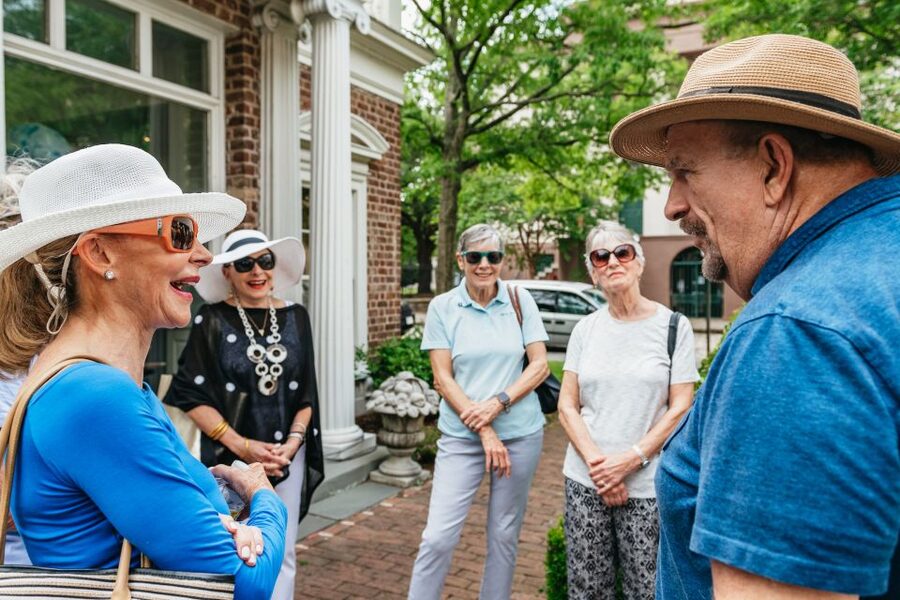
I like walking Charleston because the city’s history is close to the surface. You do not need a museum label to notice its age. A narrow lane, an iron gate, a worn tombstone, or a house facing the wrong way can lead to a story.
This tour focuses on the old walled city, described as the only English walled city in North America. The route moves through the historic center rather than relying on transport, so you get a better feel for distances, street patterns, churches, and the relationship between homes and the waterfront.
The guide is the heart of the experience. The company may assign Al, Bruce, Eric, or another professional guide, so the personality and rhythm can vary. The strongest guides bring humor, answer questions, and connect the city’s distant past with more recent local life. Al has been praised for his enthusiasm and long connection to Charleston, while Bruce is a seventh-generation Charlestonian. Alfie has guided since 1982. Eric is known for combining history, architecture, and a conversational style.
That local voice matters. Charleston can look polished and gracious at first glance, but its story includes wealth built through rice cultivation, conflict, disease, forced labor, war, and repeated destruction. A good guide does not turn the city into a postcard. The most successful tours give you the beautiful buildings and the difficult facts together.
More History Walking Tours in Charleston
- Historic Charleston Guided Sightseeing Walking Tour
★ 5.0 · 6,216 reviews - Hidden Alleyways and Historic Sites Small-Group Walking Tour
★ 5.0 · 2,335 reviews - Charleston historical walking tour with a Professor of History at The Citadel
★ 5.0 · 1,284 reviews
Starting on Meeting Street and Chalmers Street
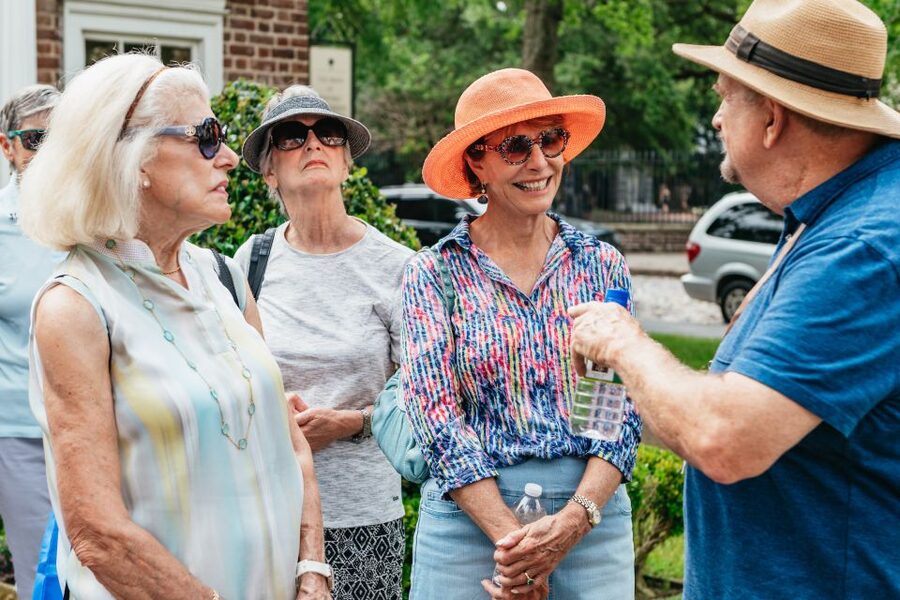
The meeting point is on the sidewalk at the corner of Meeting Street and Chalmers Street, beside the cobblestones. Arrive ready to walk rather than expecting a bus or carriage. The exact starting time depends on the booking slot you choose, so check availability when reserving.
This is a useful part of town for a first orientation. From here, you are close to the French Quarter and many of the central sights on the route. Wear comfortable shoes, bring water and sunscreen, and dress for the weather. Charleston can be hot, and shade is not guaranteed at every stop, though a good guide may adjust the route to keep the group more comfortable.
The walk is described as substantial, but it is not presented as strenuous. Still, two hours can feel long on uneven cobblestones, especially in summer. One guide adjusted the route for a participant using a wheelchair, but you should discuss your needs in advance rather than assume every part of the historic route is equally easy to navigate.
Fifty minutes through the French Quarter
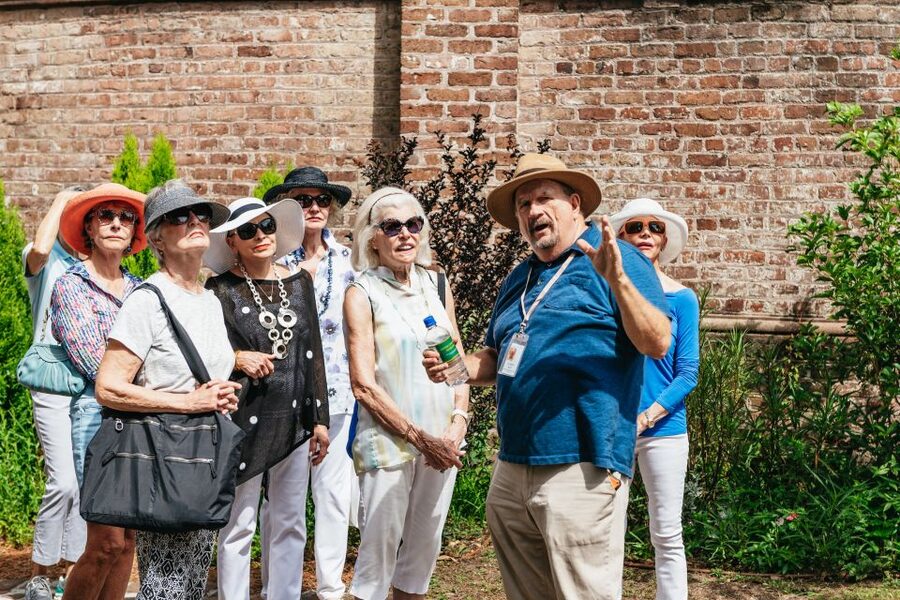
The French Quarter receives the longest stretch of the tour, about 50 minutes. That tells you where much of the sightseeing and storytelling happens. Expect a mix of photo stops, walking, churches, colonial and later homes, storefronts, and public buildings.
The appeal here is variety. Instead of viewing one landmark in isolation, you see how Charleston’s streets fit together. The homes have different dates and styles, and the guide explains what those changes reveal about the city’s growth. You may hear about the early colonial period, the rise of wealthy rice planters, the age of piracy, and the people who shaped the city’s fortunes.
This is also where the guide’s storytelling makes the biggest difference. A list of dates can blur together. A skilled guide gives each phase a human scale, linking a building or street to a person, a disaster, or a turning point. Several guides have been praised for using humor and personal connections without losing sight of the history.
The pace may feel quick if you want to photograph every doorway. You can take pictures, but this is primarily a narrated walk. If you prefer long interior visits, this is not the right format. If you want a broad understanding of the center, the pace works well.
Dock Street Theatre and Charleston’s public life
The stop at Dock Street Theatre lasts about 15 minutes. You will have time for a photo stop, a visit from the outside or nearby, and more walking with the guide.
The theatre helps broaden the tour beyond houses and churches. Charleston’s history is also a story about public life, entertainment, status, and changing ideas about who belonged in civic spaces. Your guide supplies the context, so pay attention to the connections rather than treating the theatre as a quick photo backdrop.
This stop is short enough to keep the route moving. It also means you should not expect a full performance or an extended interior tour. The value lies in placing the building within Charleston’s wider story.
More History Walking Tours in the USA
- Historic Charleston Walking Tour: Rainbow Row, Churches, and More
★ 5.0 · 691 reviews - Charleston: History and Architecture Guided Walking Tour
★ 4.8 · 349 reviews - Charleston History and Hops Tour: Bar and History Walk
★ 5.0 · 316 reviews - Small-Group Tour: Charleston Old Walled City Historical Walking Tour
★ 4.5 · 283 reviews
The Old Exchange and Provost Dungeon
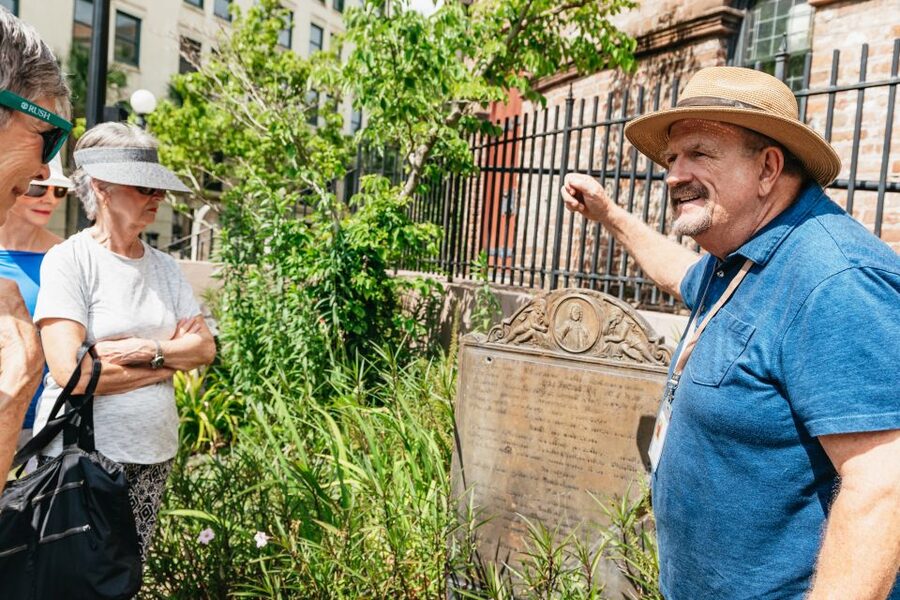
The Old Exchange and Provost Dungeon receives roughly 12 minutes. This is one of the route’s most useful stops for understanding Charleston’s colonial and wartime chapters.
The name points to two sides of the building’s past. The exchange reflects commerce and civic business, while the dungeon evokes imprisonment and military control. The guide uses the site to bring in subjects such as conflict, sieges, piracy, and bombardments.
This is a good example of why a walking tour can add more than a photograph. You might pass the building on your own and admire its facade. With a guide, the stop becomes a place where commerce, law, war, and punishment meet. The time is brief, so expect a focused explanation rather than a complete visit to every room.
Waterfront Park and Charleston’s edge
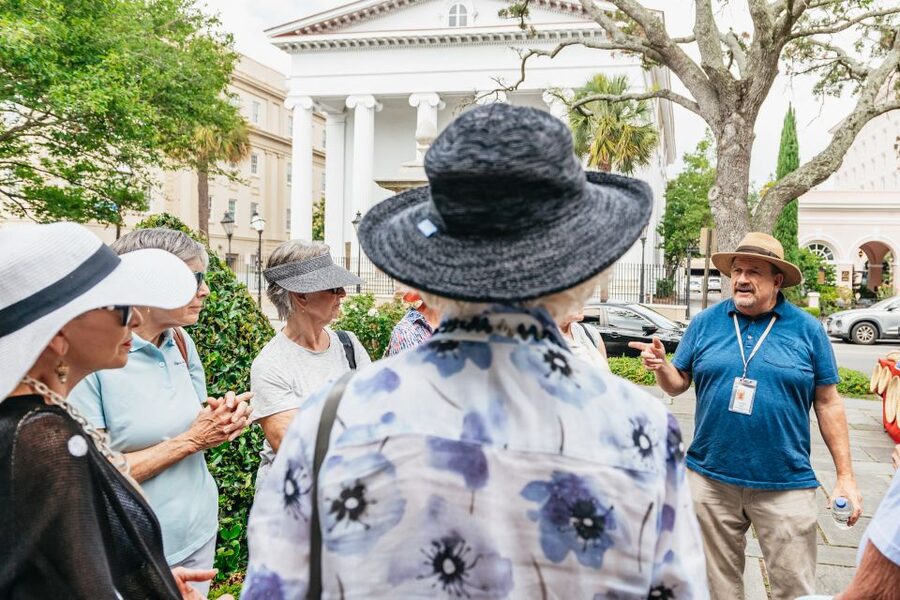
The walk continues toward Waterfront Park for about 15 minutes, with scenic views along the way. The waterfront gives you a change of scale after the tight streets of the French Quarter. It also helps explain Charleston’s importance as a port and the pressures that came with its position on the coast.
This is one of the more relaxed portions of the route. You can look outward while the guide connects the city to trade, storms, hurricanes, and bombardments. Charleston’s location brought wealth and danger in equal measure. Water shaped the city’s economy, but it also left the city exposed to natural disasters.
The park is a good place for photos, though sunlight and heat can be strong. Bring water and sunscreen, especially if you book during warmer months. The guide may keep the group moving rather than offering a long rest break.
Rainbow Row in seven minutes
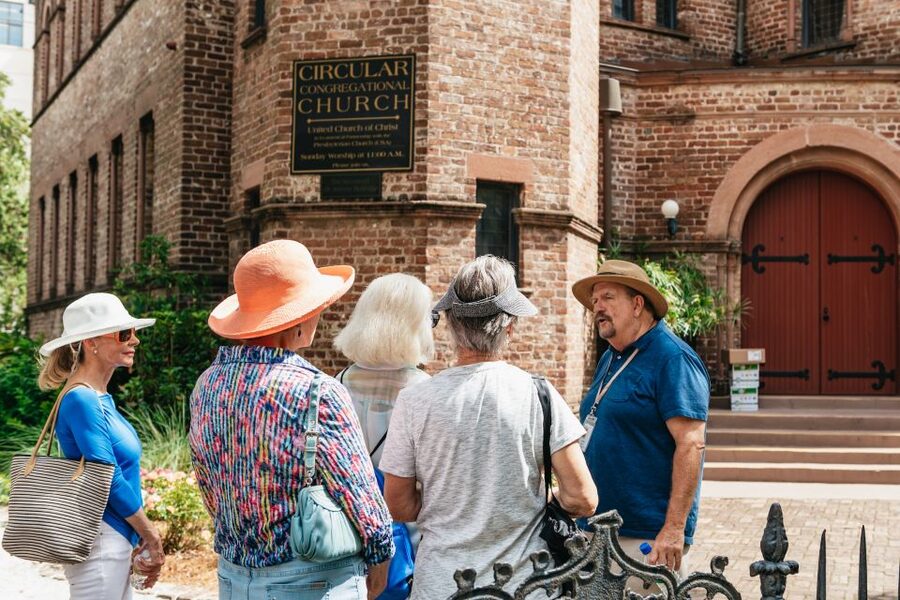
Rainbow Row is a quick stop, listed at about seven minutes. The colorful row of historic buildings is one of Charleston’s most recognizable views, and it gives the tour a lighter visual pause.
Use the time for photos, but listen for the story behind the facades. A row of attractive houses can easily become a backdrop without context. The guide explains how the buildings fit into the old city and its changing neighborhoods.
The short timing is useful to know. If Rainbow Row is high on your personal list, return later for your own photographs. During the tour, it is one stop in a larger historical route, not the main event.
Heyward-Washington House and the city’s famous residents
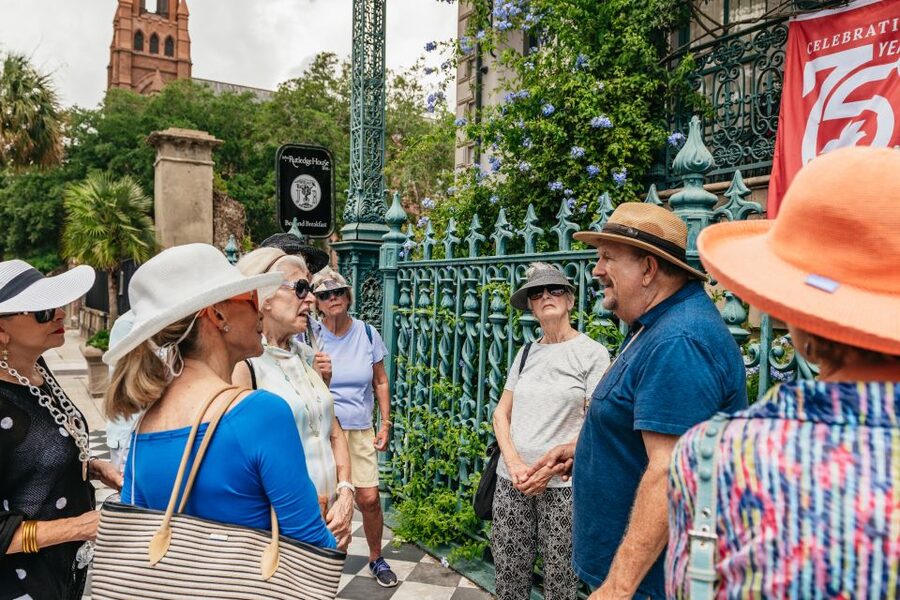
The Heyward-Washington House receives about five minutes. This is a short stop, but it adds an important domestic scale to the tour. Colonial and early American history is easier to understand when you connect it to actual homes, households, and people rather than only public monuments.
The guide may also discuss famous residents and local figures. One guide was especially praised for stories about the people who lived in Charleston and for taking the group to places many first-time visitors might otherwise miss.
Do not expect a full house tour in five minutes. Think of this as a street-level introduction that helps you notice Charleston’s homes more carefully as the walk continues.
St. Michael’s Episcopal Church and the final stretch
St. Michael’s Episcopal Church receives about 12 minutes of sightseeing. Its presence adds another layer to the city’s religious and civic history, and the church is one of the route’s strongest architectural landmarks.
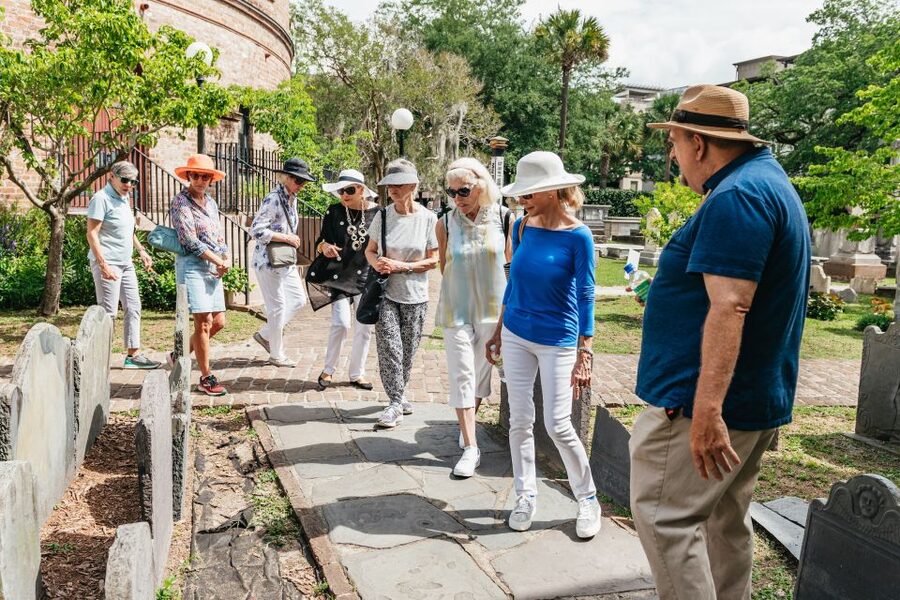
Churches are especially valuable on this tour because they preserve more than style. Their graveyards and symbols can point to social rank, family connections, mortality, and changing beliefs. The guide may help you read old tombstones and explain symbols that would otherwise be easy to miss.
The route then returns toward the starting point at Shop Historic Charleston. By the end, you have seen a compact group of major sights and heard a story that runs from colonial beginnings through piracy, planters, war, disease, fires, hurricanes, sieges, bombardments, and the devastating earthquake.
The history is broad, and sometimes difficult
This is not a tour that limits itself to architecture. You will hear about seven major fires, epidemics, hurricanes, sieges, bombardments, and the earthquake that badly damaged Charleston. Those events explain why the city contains layers of old and rebuilt structures rather than one perfectly preserved period.
The discussion of rice planters and Charleston’s wealth also matters. The city’s elegant homes and public buildings did not appear by accident. They reflect commerce, agriculture, political power, and systems of forced labor. The tour is strongest when it treats those subjects plainly and does not soften the difficult parts.
You should expect a large amount of information. One guide was so enthusiastic that the pace of delivery felt fast for a participant who wanted more time to absorb each point. If you prefer a slow, quiet walk with long pauses, this may feel packed. If you like history and want a strong overview in two hours, the density is a benefit.
Guide style and group experience
The guide can shape the tour more than the route does. Al is often described as warm, humorous, and full of Charleston stories. Bruce brings the perspective of a seventh-generation local. Eric combines a background in history with strong knowledge of architecture and the city, and he has been praised for tailoring the conversation to the group.
Other guides may lead the walk, including Kent, Bob, Judi, and Alfie. The experience can be very small. One group had only two people, making the walk feel almost private, while another group of eight found the size comfortable.
The guides tend to welcome questions. One guide adjusted the route for shade, another tailored the discussion to the group’s interests, and another made the walk accessible for a wheelchair user. These details suggest a personal style, but you should still speak clearly about mobility, hearing, or pace needs at the start.
If you are hard of hearing, stand near the guide and ask for a louder, slower delivery. A guide may lower their voice at the end of a sentence, and street noise can make that hard to catch.
Is $30 a fair price?
At $30 per person, this is good value if you want an introduction to Charleston’s historic center. You get two hours with a professional guide and a route that links major streets, churches, homes, public buildings, the waterfront, and Rainbow Row.
The value comes from interpretation. You can walk past many of these places for free, but you will not automatically understand the symbols on the tombstones, the effect of repeated disasters, or the link between colonial wealth and the city’s architecture.
The price is less attractive if you want extended interior access or a slow photography tour. Several stops last only five to 15 minutes, and most of the experience takes place outdoors. Still, for a first morning in Charleston, $30 buys a useful framework for the rest of your visit.
The tour also offers free cancellation up to 24 hours before departure and a reserve-now, pay-later option. Those terms help if your Charleston plans may shift, but the main reason to book is the focused local perspective.
Who should book this walk?
I would choose this tour for a first visit, especially if you want history before exploring restaurants, museums, or house museums on your own. It suits couples, families with older children, and anyone who prefers stories to silent sightseeing.
It is also a good choice for repeat visitors. One Charleston resident took the walk and still found new places and anecdotes. That is a useful sign that the route is not limited to the most obvious postcard views.
You should think twice if you dislike walking, hot weather, cobblestones, or a steady stream of facts. The tour is in English, lasts two hours, and covers substantial ground. It is not an easy hop-on, hop-off overview.
Should you book the Old Walled City Historical Walking Tour?
Book it if you want Charleston to make sense quickly. The route covers the visual highlights, but the real payoff is the link between those buildings and the forces that shaped the city: trade, piracy, rice wealth, war, disease, fire, storms, and earthquakes.
I especially recommend it for your first morning. You will leave with a better map in your head and a sharper eye for architecture, churchyards, and old homes. Bring water, wear comfortable shoes, and ask the guide to slow down if the stories come too fast.
Skip it only if you want long visits inside individual buildings or a very leisurely stroll. For most history-minded visitors, $30 and two hours is a sensible way to meet Charleston properly.
FAQ
How long does the Charleston Old Walled City Historical Walking Tour last?
The tour lasts two hours.
How much does the walking tour cost?
The price is $30 per person.
Where does the tour meet?
Meet on the sidewalk at the corner of Meeting Street and Chalmers Street, beside the cobblestones.
What language is the tour offered in?
The tour is conducted in English with a live guide.
Which sights are included on the route?
The route includes the French Quarter, Dock Street Theatre, the Old Exchange and Provost Dungeon, Waterfront Park, Rainbow Row, Heyward-Washington House, and St. Michael’s Episcopal Church before returning to the starting point.
What should I bring?
Bring comfortable shoes, sunscreen, water, and clothing suited to the weather.
Can I cancel the booking?
You can cancel up to 24 hours in advance for a full refund. A reserve-now, pay-later option is also available.
Just added around Charleston
- Charleston’s Historic Pubs, Taverns, and Taprooms Tour★ 4.5 · 33 reviews
- Small-Group Tour: Charleston Old Walled City Historical Walking Tour★ 4.5 · 283 reviews
- Charleston’s Strong Women of the South History Tour★ 4.5 · 27 reviews
- Private Sunset Sail BYOB Dolphin/History Tours on 43ft Mystique★ 5.0 · 42 reviews
- Sip History In a Secret Speakeasy Cocktail Class★ 5.0 · 40 reviews
- Sip History in The Sun Cabana Covered Cocktail Class★ 5.0 · 332 reviews
- Charleston History and Hops Tour: Bar and History Walk★ 5.0 · 316 reviews
- Private Walking Tour of Historic Charleston★ 5.0 · 38 reviews
Charleston History Tours, compared.
Charleston’s Old South Carriage Historic Horse & Carriage Tour
Read our review →
Historic Charleston Guided Sightseeing Walking Tour
Read our review →
Charleston Harbor History Day-Time or Sunset Boat Cruise
Read our review →
Hidden Alleyways and Historic Sites Small-Group Walking Tour
Read our review →
Charleston: Daytime or Sunset Historic Harbor Cruise
Read our review →
Charleston historical walking tour with a Professor of History at The Citadel
Read our review →
Charleston: Historical Downtown Tour by Horse-drawn Carriage
Read our review →
Undiscovered Charleston: Half Day Food, Wine & History Tour with Cooking Class
Read our review →Browse the lists this tour appears in