
Review · ATHENS
From Athens: Explore Ancient Greece 4-Day Tour
The big draw here is the sheer range: in four days, you move from the perfect acoustics of Epidaurus to the tomb of Agamemnon, the birthplace of the Olympic Games, the oracle at Delphi, and the cliff-top monasteries of Meteora. It is a fast, rewarding sweep through mainland Greece rather than a slow visit to one region.
I like the way the price bundles hotels, breakfasts, dinners, transport, guiding, and entrance fees. I also like the variety of the route, with ancient ruins, mountain scenery, coastal roads, and Orthodox monasteries all in one trip. The tradeoff is time: long road journeys leave less time at some sites, and the four-day schedule can feel busy.
Key points at a glance
- Six major stops in four days: Visit Epidaurus, Mycenae, Nafplio, Olympia, Delphi, and Meteora.
- A guide makes the ruins readable: Guides such as Dozia, Christina Stamou, Panaiota, Sofia, and Angela have been praised for clear explanations, mythology, and archaeology, though the assigned guide varies.
- The bus covers serious ground: Expect comfortable air-conditioned transport, chargers on some coaches, and several long travel stretches.
- Meals reduce the daily hassle: Breakfast and dinner are included, but lunch, drinks, personal expenses, and hotel tax are extra.
- Meteora requires suitable clothing: Shorts are not allowed, short skirts are unsuitable, and long-sleeved tops are requested for women entering the monasteries.
- This suits history lovers more than slow sightseers: You see a lot, but the schedule is active and not suitable for wheelchair users.
Why this route works for ancient Greece
This tour links sites that are spread across the Peloponnese and central Greece. Doing it independently would mean arranging several hotels, finding transport between inland ruins, and managing entrance tickets. Here, you ride in a luxury air-conditioned bus while a guide supplies the context that turns broken columns and stone walls into places with a story.
The route also gives you more than the usual Athens highlights. You see the early Greek world at Mycenae, the athletic and religious centre at Olympia, the sacred centre of Delphi, and the later Christian world of Meteora. That mix matters. Ancient Greece was not one single period, and this journey shows how religion, sport, politics, and geography shaped the country over many centuries.
The tour uses a zero-carbon travel approach, which is a useful feature for anyone trying to reduce the impact of a busy sightseeing trip. The bus is not merely a way to move between attractions. It is what makes this wide-ranging route possible in four days.
More Ancient History Tours in Athens
- Athens: Acropolis & up to 5 Archaeological Sites Combo Pass
★ 4.2 · 13,904 reviews - Athens: Ancient Greek Theater Performance
★ 4.7 · 2,481 reviews - Historical Delphi One Day Tour with Arachova Stop & Expert Guide
★ 4.5 · 1,247 reviews
Day 1: Epidaurus, Nafplio, and Mycenae
Your first morning heads along the Corinth Canal toward Epidaurus. The canal stop is brief, but it helps mark the change from modern Athens to the Peloponnese.
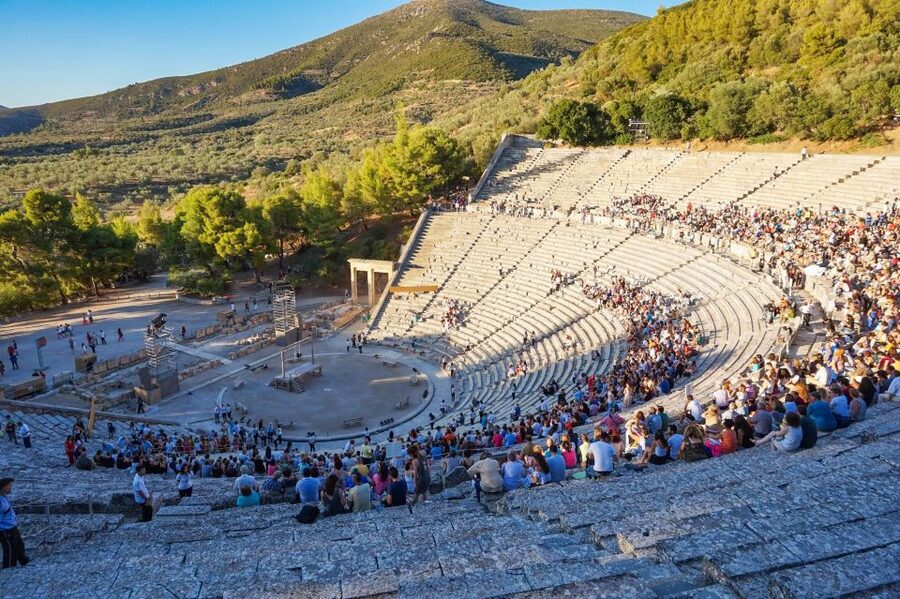
At Epidaurus, the ancient theatre is the star. Its clean semicircle and careful design make it one of the most memorable places on the route. Test the famous acoustics by speaking or singing from the stage area, but keep it brief and considerate when the site is busy. The theatre was linked to the sanctuary of Asclepius, the healing figure associated with Apollo, so this was more than a performance venue.
The stop gives you a good early lesson in how Greek sites work. The theatre is visually striking, but the surrounding sanctuary explains why people came here in the first place. Listen closely to the guide, since the stones alone cannot tell you how the site functioned.
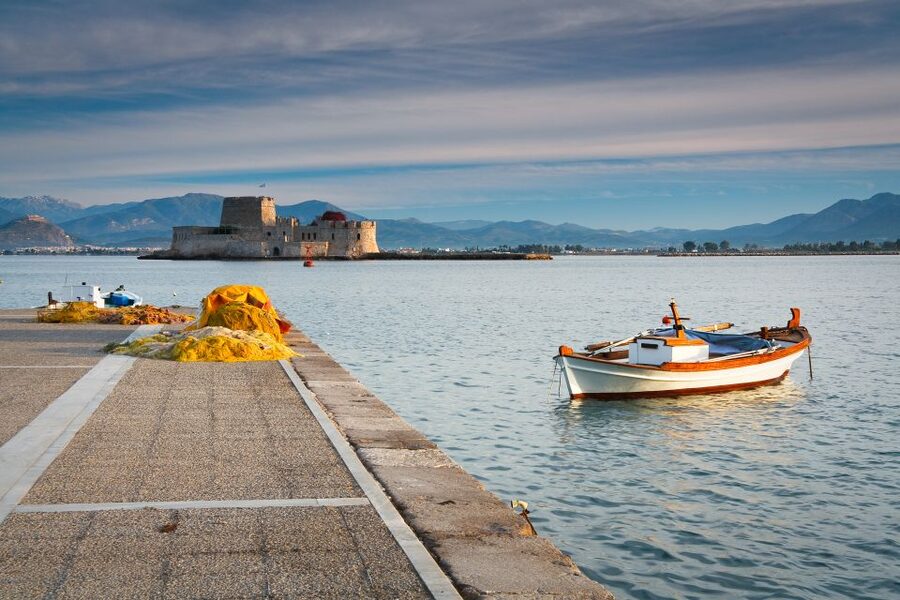
You then continue to Nafplio for a short stop. This seaport town is a pleasant break between archaeological visits, but do not expect a full town tour or a long free period. Use the time to stretch your legs, take in the setting, and have a quick look around before the bus continues through the Argos plain.
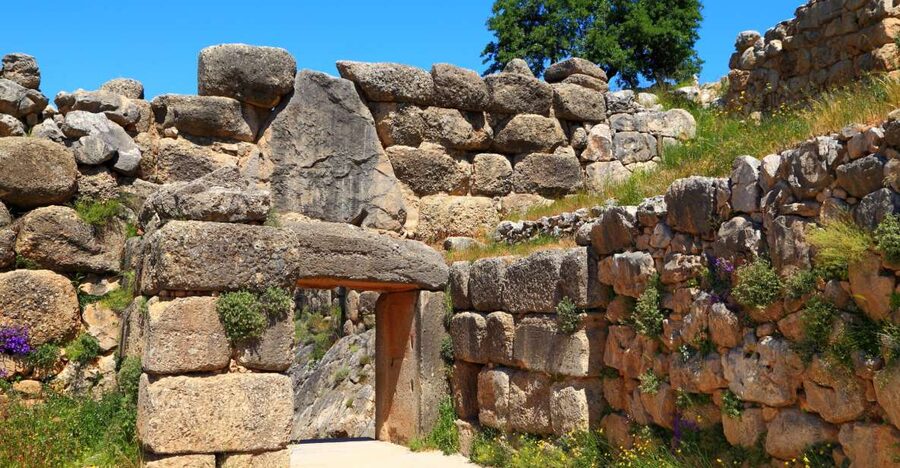
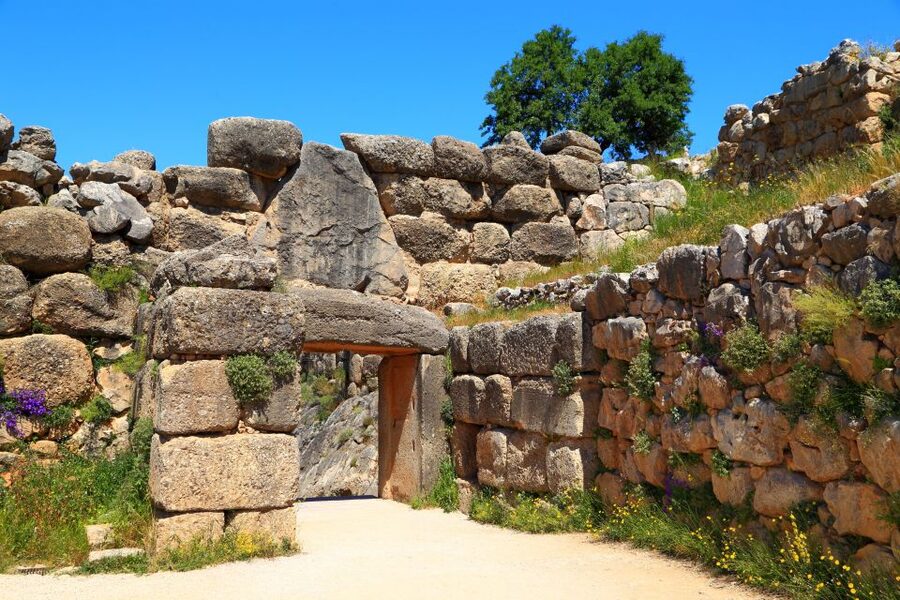
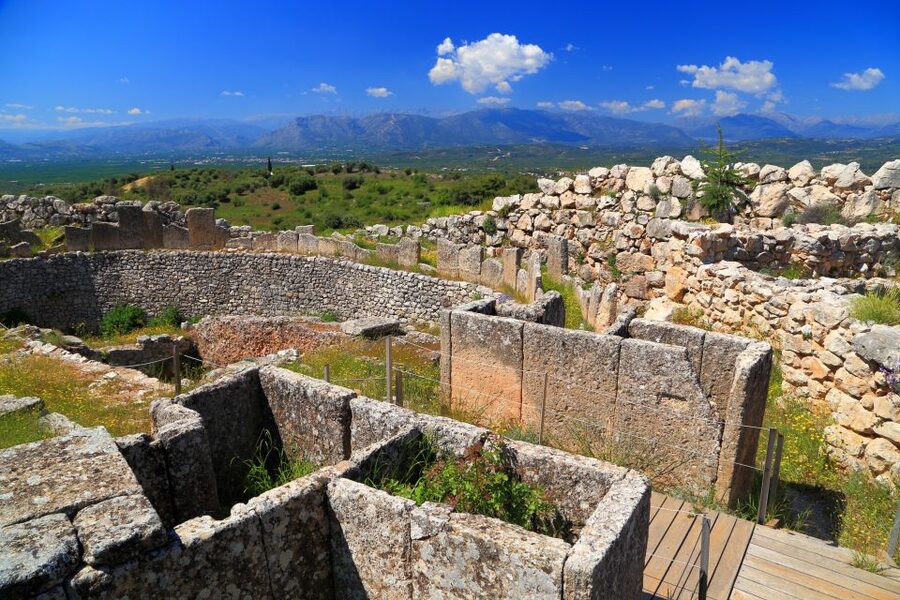
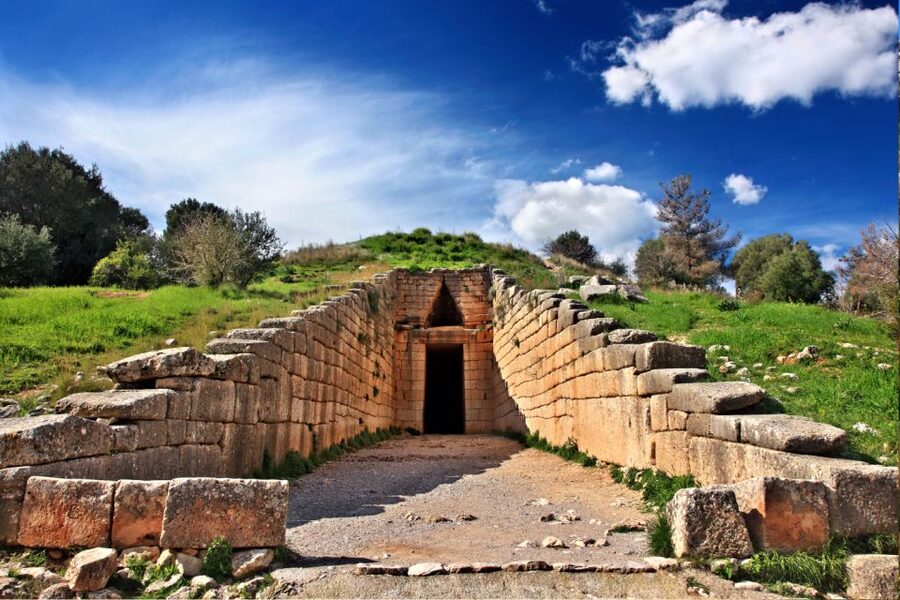
Mycenae brings a darker, older mood. This was a major centre of Greek civilisation during the Bronze Age, and its fortified ruins feel very different from the open theatre at Epidaurus. The Tomb of Agamemnon is a major highlight. Its great stone entrance gives you a sense of the engineering and power behind the Mycenaean world.
The site involves uneven ground and walking outdoors. Comfortable shoes will help, especially if the weather is hot. This is also the point where a strong guide matters most. Names and legends can blur together quickly, but guides such as Christina Stamou, Angela, Sofia, and Dozia have been praised for connecting mythology with the visible remains.
After Mycenae, you continue to Olympia for the night. The first day covers a lot, so dinner and a quiet evening are welcome. Hotel quality can vary by departure, but the supplied choices include three-star and four-star options.
Day 2: Olympia and the road to Delphi
Olympia deserves your attention. This was the home of the ancient Olympic Games, but it was also a major religious sanctuary dedicated to Zeus. You walk among the remains of the temples of Zeus and Hera, see the area associated with the Olympic flame, and visit the archaeological museum.
The museum is important because many original pieces are no longer in place among the ruins. A guide can point you toward the objects that best explain the site, rather than leaving you to wander past displays without a clear thread. The ancient athletic setting also gives the day a human scale. You can picture competitors arriving, training, and taking part in contests that carried religious and political meaning.
Do not expect a modern sports venue. Olympia is an open archaeological site, and its impact comes from the size of the sanctuary, the temple remains, and the setting. Bring water and sun protection, since lunch is not included and there is no promise of a long meal stop at the site.
From Olympia, the route crosses the Rio Antirrio Bridge after passing through Patras. The bridge is a striking piece of modern engineering and a useful contrast to the ruins you have just seen. The road then continues past Nafpaktos and along the coast toward Delphi.
This is one of the tour’s longer travel sections. The views help, but you should know what you are buying: a lot of ground covered in a short time. The coach has air conditioning, and some vehicles include chargers. Still, eating and drinking are not permitted on the bus, so plan your water and meal breaks carefully.
You reach Delphi later in the day, with an overnight stay there. Depending on the pace of the group and the schedule, the evening may be more about dinner and rest than independent sightseeing. Breakfast and dinner are included, which keeps the basic cost under control, though drinks remain extra.
Day 3: Delphi and Kalambaka

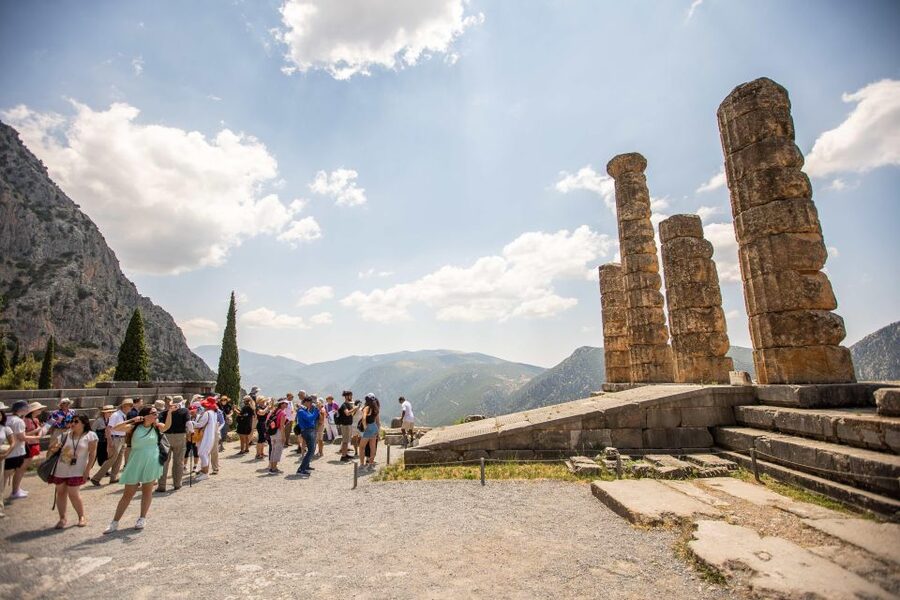
Delphi was considered the centre, or navel, of the ancient Greek world. The sanctuary sits against the mountains, and its setting is a large part of its power. This was a place where visitors came to consult Apollo’s oracle, seek guidance, and display offerings.
Give yourself time to notice the relationship between the ruins and the surrounding scenery. The Temple of Apollo, the ancient roadway, and the remains of treasuries make more sense when your guide explains how pilgrims moved through the sanctuary. Guides vary, but the strongest ones on this route have been praised for combining mythology, archaeology, and modern Greek culture.
I would pay particular attention to the guide’s explanations here. Delphi has many names, gods, and legends, and a poor explanation can turn it into a collection of stones. A good one helps you understand why the site mattered across the Greek world.
The afternoon includes Arachova, a mountain village known for its setting. This is a welcome change after the formal archaeological sites. The stop is short, so treat it as a glimpse rather than a full village visit. You then continue to Kalambaka, the base town below Meteora.
Day three is gentler in terms of sightseeing, but the transfer to Kalambaka is still substantial. The overnight location is practical: it puts you close to the monasteries for the final morning and gives you a chance to see the enormous sandstone formations from below.
More Ancient History Tours in Greece
- From Athens: Ancient Corinth Day Trip with Canal & VR Guide
★ 4.6 · 1,073 reviews - Acropolis, Parthenon & Athens Old City Heritage Walking Tour
★ 4.5 · 876 reviews - Private Biblical Tour Ancient Corinth & Isthmus Canal from Athens
★ 5.0 · 762 reviews - Athens: Ancient Corinth & Nafplio Full Day Trip with Swim
★ 4.8 · 531 reviews
Day 4: Meteora and the return to Athens
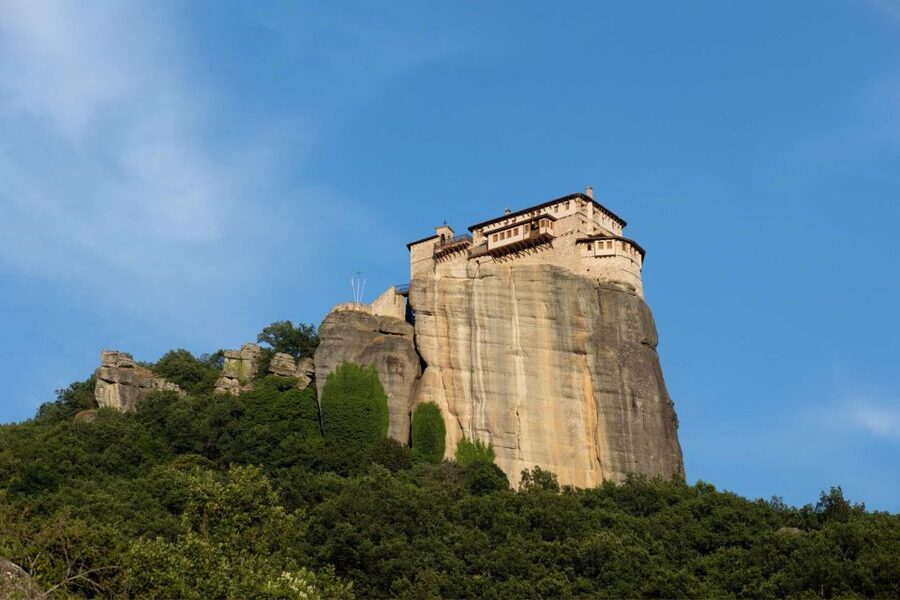
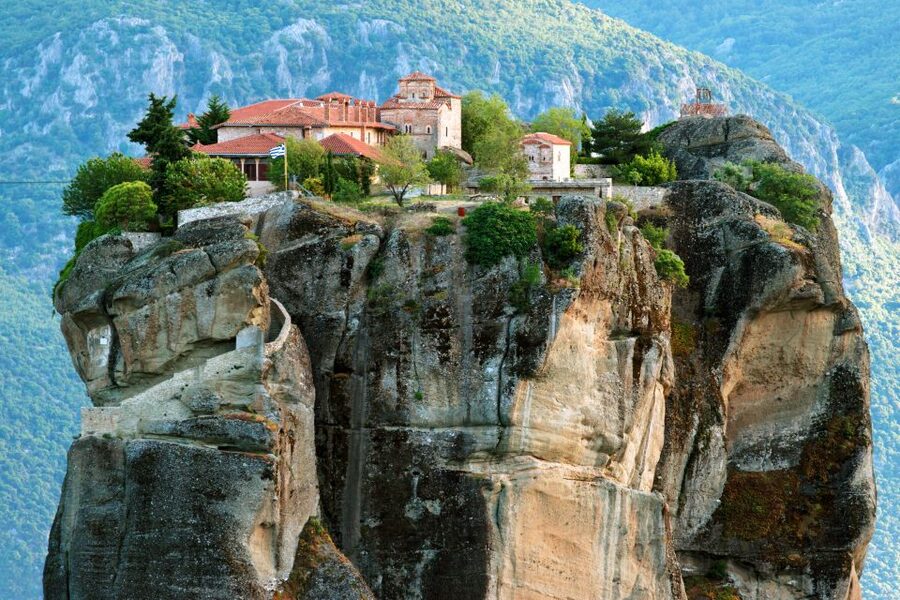
Meteora changes the tone of the trip. Instead of temples and athletic grounds, you see Eastern Orthodox monasteries built high on sandstone pillars above Kalambaka. The cliffs were shaped by natural forces, but the monasteries show what people were willing to build in difficult places for spiritual retreat and protection.
The views are the main reward, but the buildings are not simply scenic ornaments. They are active religious sites, and you should enter with respect. Shorts are not allowed, short skirts are unsuitable, and long-sleeved tops are requested for women. Dress conservatively before you leave the hotel so you do not have to solve the problem at the entrance.
The monastery visit involves steps and uneven access. The tour is not suitable for wheelchair users, and anyone with mobility limits should ask the operator for current access details before booking. The exact monasteries visited can depend on opening schedules and operating conditions, so do not assume every stop will be identical.
An optional visit to a Byzantine-style icon factory may be offered on the return journey. It is not part of the core archaeological route, so consider it an add-on rather than a reason to book. The bus then passes the monument to Leonidas, the Spartan king, before returning to Athens in the late afternoon.
That final stretch is long. You will have seen a great deal by then, but you may also be tired from four days of early starts, ruins, stairs, and coach travel. The advantage is that you finish with a broad sense of mainland Greece rather than returning to Athens after seeing only one corner of the country.
Hotels, meals, and the real value of $742
At $742 per person, the tour is not a budget day trip, but the price covers more than simple transportation. You receive three nights in three-star or four-star hotels, breakfast, dinner, entrance fees, a live English or Spanish guide, and transfers in a luxury air-conditioned coach.
That bundle has real value. Independent transport across this route would be awkward, especially between Olympia, Delphi, and Kalambaka. You would also need to coordinate hotels in several towns and pay separate entrance fees. The included dinners are particularly useful after long sightseeing days.
Hotel quality is not perfectly uniform. Some three-star properties have been described as pleasant, with good views and even a pool, while other hotels are simply fine rather than special. One Olympia hotel has received especially strong praise, while the other stops may feel more ordinary. Choose the four-star option if room comfort matters more to you than keeping the cost down.
The hotel tax is not included. It is paid directly to the hotel at €5 per room per night for three-star accommodation or €10 per room per night for four-star accommodation. Lunch, drinks, and personal spending are also outside the price.
Rooms are booked as double or triple rooms. If you want a single room, a separate booking for one person is required. Check this carefully before paying, especially if you are travelling alone.
Guides, group size, and the pace
The guide can shape this experience more than the hotel category. Guides named in the feedback include Panaiota, Dozia, Ivan, Christina Stamou, Stavros, Sofia, and Angela. Their strengths have included Greek mythology, archaeology, history, and practical help. The guide assigned to your departure will vary, so treat these names as examples rather than a guarantee.
The strongest descriptions focus on clear commentary between sites, calm handling of questions, and the ability to point out key museum objects. Drivers have also been praised for careful, smooth driving. That matters on a route with mountain roads and many hours on the bus.
Group size may change during the trip. One part can feel like a smaller group, while the Meteora section may join a larger party. A larger group can make it harder to hear the guide or move easily around a site. If you value quiet, flexible sightseeing, this is worth considering.
You should also be comfortable with a full schedule. The route is designed to show you the major places, not to give you long unplanned afternoons. If your ideal trip means lingering over lunch, browsing every museum room, or spending two nights in each town, this tour will feel rushed.
Who should book this four-day tour?
I would choose it for a first visit to mainland Greece if ancient sites are your main priority and you want the logistics handled. It works especially well for people who want history, mythology, religious architecture, and varied scenery in one compact trip.
It is also a good match if you prefer guided context to reading every site sign yourself. The stories of Agamemnon, Apollo, Asclepius, Zeus, the Olympic Games, Leonidas, and the Orthodox monasteries can become confusing without a clear thread.
I would hesitate if you dislike long coach journeys, need a slow pace, or want complete control over meals and hotels. Lunch is not included, bus eating and drinking are restricted, and the route leaves little room for spontaneous detours.
Book at least one day before departure if you want the free cancellation option, since cancellations made up to 24 hours in advance qualify for a full refund. You can also reserve now and pay later, which helps if your Athens plans are not fixed.
FAQ
How long is the tour?
The experience lasts four days and includes three overnight stays in hotels.
Which places are visited?
The route includes Epidaurus, Nafplio, Mycenae, Olympia, Delphi, Arachova, Kalambaka, and the Meteora Monasteries. The return to Athens also passes the monument to Leonidas.
Are hotels included?
Yes. Accommodation in three-star or four-star hotels is included, depending on the option selected.
Are meals included?
Breakfast and dinner are included. Lunch, drinks, and personal expenses are not included.
What languages are available?
Live guiding is available in English and Spanish.
Is hotel pickup available in Athens?
Yes. Complimentary pickup and drop-off are available from most centrally located Athens hotels. Pickup usually takes place about one hour before departure, or you can meet at the supplier’s office 15 minutes before departure.
What should I wear at Meteora?
Shorts are not allowed in the monasteries. Short skirts should not be worn, and long-sleeved tops are requested for women. Conservative clothing is the safest choice.
Should you book it?
Book this tour if you want maximum historical coverage with minimum transport planning. You will see a remarkable spread of Greek sites, sleep in several mainland towns, and have meals and entrance fees largely handled.
Skip it if your priority is leisurely travel. Four days is enough to introduce you to Epidaurus, Mycenae, Olympia, Delphi, and Meteora, but not enough to linger everywhere. For the right person, that trade is fair: this is a well-organised first sweep of ancient Greece, with impressive ruins, strong scenery, and a practical route that would be difficult to arrange alone.
Just added around Athens
- Small-Group Women History in Ancient Greece Walking Tour★ 5.0 · 38 reviews
- The original Christian tour on Paul’s footsteps in Athens and ancient Corinth★ 4.5 · 25 reviews
- Ancient Athens tour: Acropolis, Parthenon and Acropolis Museum★ 5.0 · 256 reviews
- Ancient Athens Segway Tour with Agora and Kerameikos★ 5.0 · 94 reviews
- Ancient Sparta & Mystras Private Day Tour from Athens★ 5.0 · 52 reviews
- Athens National Archaeological Museum E-Ticket with Audio Guide★ 3.0 · 57 reviews
- Biblical Corinth Taste Faith & History with wine & Oil Tasting★ 5.0 · 28 reviews
- Ancient Corinth, Sanctuary of Hera, Blue Lake & Canal from Athens★ 5.0 · 26 reviews
Athens History Tours, compared.
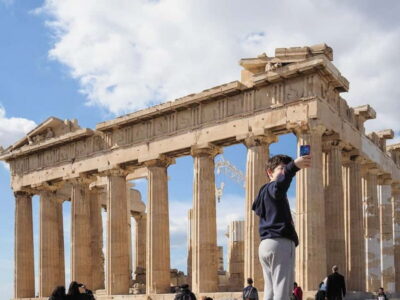
Athens: Acropolis & up to 5 Archaeological Sites Combo Pass
Read our review →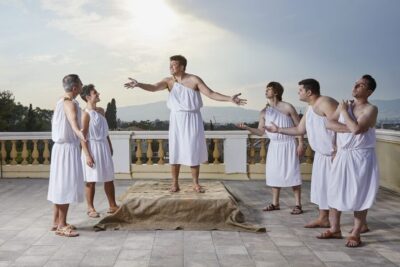
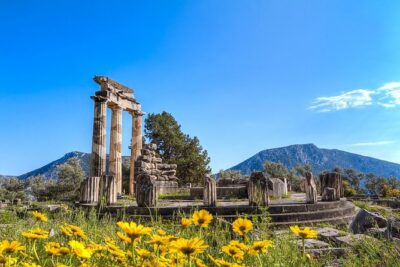
Historical Delphi One Day Tour with Arachova Stop & Expert Guide
Read our review →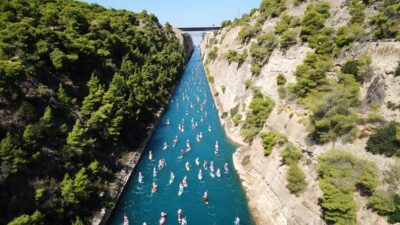
From Athens: Ancient Corinth Day Trip with Canal & VR Guide
Read our review →
Historic Athens: Small Group Electric Bike Tour
Read our review →
Acropolis, Parthenon & Athens Old City Heritage Walking Tour
Read our review →
Private Biblical Tour Ancient Corinth & Isthmus Canal from Athens
Read our review →
Athens: National Archaeological Museum Ticket w/ Opt. Audio
Read our review →Browse the lists this tour appears in