
Review · NETHERLANDS
Leiden: Historical and Fun City Tour in German, English, or Dutch
Leiden’s story comes together surprisingly well on this two-hour walking tour. You follow the Old Rhine, the Rapenburg canal, Pieterskerk, the university quarter, the town hall, and the Burcht, while one guide ties painters, refugees, scientists, royals, and tulips into the same compact city walk.
I like the personal tone and the unusual details, such as why one old house is painted pink and how Albert Einstein fit into Leiden’s academic life. I also like the strong historical range, from Rembrandt’s childhood and the Eighty Years’ War to the Pilgrim Fathers and seven American presidents.
The main drawback is simple: two hours cannot cover every museum or give long interior visits. The route is on foot and is not suitable for people with mobility impairments, so you should expect streets, canals, and historic surfaces rather than an easy-access sightseeing loop.
Key points to know before you book
- Rembrandt’s Leiden begins near the Old Rhine: You see the city connected to the painter’s early life, his Latin school, and the studio where he learned to paint.
- The Rapenburg carries several stories at once: Learn about Philip Franz von Siebold, Japan, garden plants, Dutch royalty, and the university.
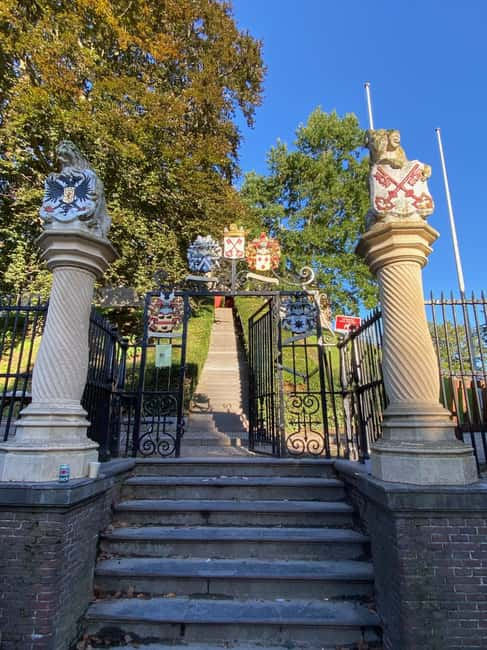
- American history is a major theme: Pieterskerk and Leiden’s refugee past explain links to the Pilgrim Fathers and seven American presidents.
- Science receives real attention: The university quarter includes stories about major discoveries and Albert Einstein’s visits as a guest professor.
- The tour ends at the Burcht: You finish with a city view and easy access to shops, cafés, restaurants, and terraces.
- Jan Gerd leads in three languages: The tour is offered in Dutch, English, or German, with humor and a personal presentation.
Starting beside the Morspoort
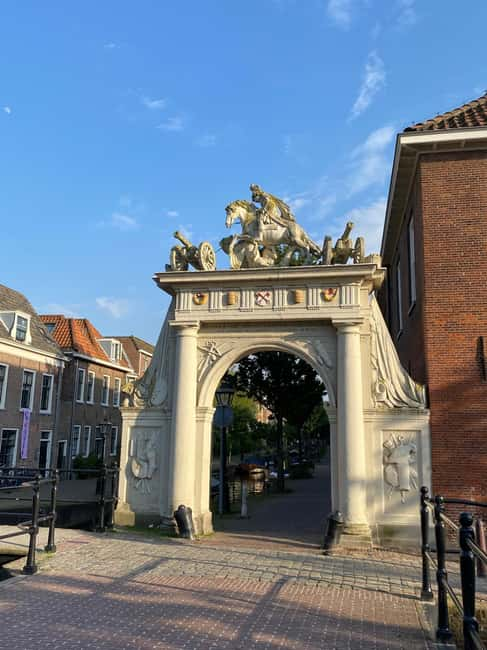
The tour begins at the edge of Leiden’s old town near the Morspoortgarage parking lot and the Morspoort city gate. That is a practical starting point if you arrive by car, since the parking garage gives you a clear place to begin before walking into the historic center.
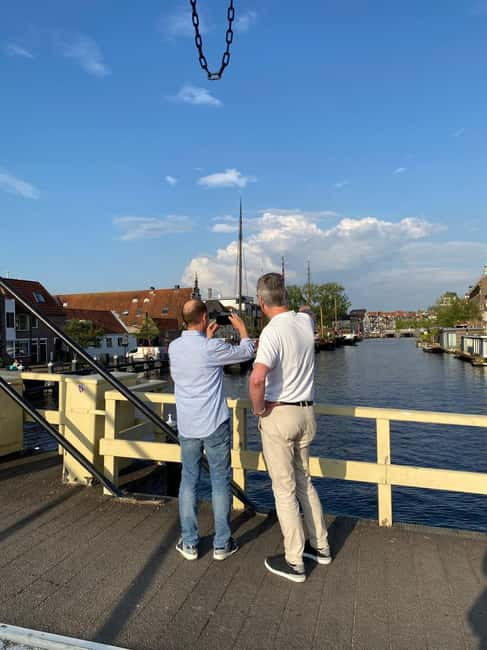
You do not start with a long lecture. The route moves toward the old harbor and the Oude Rijn, giving you an early look at Leiden’s waterways and older streets. This is useful because Leiden makes more sense once you understand how much of the city is organized around canals and water.
The Morspoort itself also gives the walk a proper historical opening. You are entering an old walled city, not simply joining a general stroll through attractive streets. From the first minutes, the guide places Leiden inside its military, commercial, and civic past.
The exact meeting point can vary with the option you book, so check your reservation details before setting out. Since the experience is outdoors and takes place on foot, comfortable shoes are sensible.
More History Tours in the Netherlands:
- Amsterdam: Life of Anne Frank and World War II Walking Tour
★ 4.8 · 10,467 reviews - Amsterdam Food and Cultural Tour with Tastings
★ 5.0 · 4,315 reviews - Rotterdam: Kinderdijk UNESCO World Heritage Entry Ticket
★ 4.6 · 1,477 reviews
Rembrandt, the Old Rhine, and a pink house
Near the historic harbor on the Oude Rijn, the focus shifts to Rembrandt van Rijn. Leiden was his birthplace, and the route uses that fact to show you the painter as a local young man rather than only as a famous name from art history.
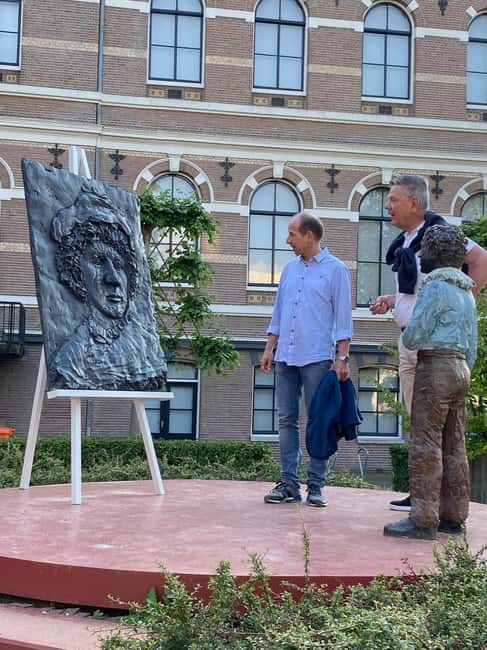
You hear about his youth, his education, and the place where he learned to paint. The tour also includes the Latin school from the 1600s, where you can have your picture painted for free. That small interactive touch gives this part of the walk a lighter feel and helps break up the historical explanation.
The studio where Rembrandt learned to paint adds another useful layer. You are not being taken into a full museum visit, and no museum admission is included, but the location connects the streets of Leiden to his early training. I find that more helpful than simply pointing toward a statue and saying the artist was born here.
The guide also explains why a charming old Dutch house is painted pink. This is exactly the kind of small local detail that makes a walking tour worthwhile. You may forget a date or two, but an odd-colored house with a reason behind it gives you something concrete to notice as you continue.
Rapenburg, Siebold, and the garden connection
The walk then reaches the Rapenburg, presented as Leiden’s most beautiful canal. It is one of the key stretches of the route, not only for its buildings and water views but also for the number of stories gathered along its banks.
One important figure here is Philip Franz von Siebold, a German doctor and collector. His connection to the Leiden Japan Museum leads into a broader story about Japan and the influence he had on European gardens. If you enjoy plants, collecting, or the movement of ideas between countries, this part should be especially rewarding.
The tulip also receives attention. The tour explains the history of the flower in Leiden and the Netherlands, giving you something beyond the usual postcard image of Dutch spring gardens. The point is not simply that tulips are popular, but that plants, collectors, science, and international exchange are part of the city’s story.
The Rapenburg is also where Dutch royal history enters the picture. You hear where members of the royal family lived, where one met a partner, and which old pub helped give one royal the reputation of Prince Pils. These details add a touch of gossip without turning the walk into a royal family lecture.
I like this section because it shows Leiden as more than a museum of old buildings. The canal carries stories about medicine, Japan, gardening, royalty, and academic life. You keep changing subjects, but the setting holds them together.
Pieterskerk and Leiden’s American story
In the Academie Quarter, the route reaches Pieterskerk, the city’s former main church. This is one of the most historically important stops because the building connects Leiden to two groups of refugees: the French Huguenots and the English Pilgrim Fathers.
You learn where these groups lived and worshipped. That matters because it gives the church and surrounding streets a human story. The word refugee can feel abstract in a textbook, but here it is tied to people who arrived, settled, worshipped, and shaped the city.
Leiden’s connection with America follows naturally. The tour explains the link between the city and seven American presidents. It also places the Pilgrim Fathers in the setting where they lived before their later journey across the Atlantic.
This is a strong feature for visitors interested in American history, genealogy, religious history, or the early links between Europe and the United States. It is also useful if you are visiting Leiden after time in Amsterdam or Delft and want a historical angle that feels distinct from the standard Dutch art and canal stories.
The church itself is part of the experience, but you should not expect a long interior visit or a separate museum program. Admission to museums and the botanical garden is not included. The value here comes from the guide’s explanation and the surrounding walk.
Same city, a different century:
- The Hague: Hop-on Hop-off Heritage Tram Tour
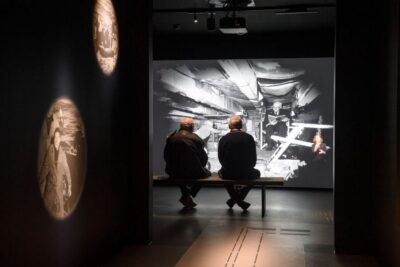
★ 4.5 · 1,311 reviews - Amsterdam: Dutch WWII Resistance Museum Entry Ticket
★ 4.7 · 951 reviews - Rotterdam: Harbor Cruise on a Historic Ship
★ 4.2 · 812 reviews - Oranjehotel World War II Prison Entrance Ticket
★ 4.6 · 708 reviews
The university quarter and Albert Einstein
Leiden is home to the oldest university in the Netherlands, and the tour spends time in its academic center. You visit the university building where famous professors made important discoveries, and the guide explains Albert Einstein’s connection to Leiden as a frequent guest professor.
This section helps explain why Leiden still feels like a working university city rather than only a preserved old town. The focus is not just on impressive names. You hear about scientific discoveries and inventions, which gives the university buildings a purpose beyond their architecture.
For me, this is one of the tour’s best balances. Rembrandt offers art, Pieterskerk offers religion and migration, the Rapenburg offers society and international exchange, and the university brings science into the picture. In a short walk, you get several ways to understand Leiden.
The guide’s style matters here. Jan Gerd, also referred to as Gerd in guest feedback, presents the material with humor and a personal manner. The German-language comments describe the tour as entertaining, informative, and easy to follow, with the time passing quickly. That is useful to know because a history walk can become heavy if every stop turns into a formal lecture.
War, disaster, and Leiden’s civic center
The tour also covers the Eighty Years’ War and major catastrophes in Leiden. These subjects give you the harder side of the city’s story. They explain that the attractive canals and old façades were shaped by conflict and disaster as much as by trade, education, and art.
The information is presented along the route rather than in a single war memorial stop. That approach keeps the history connected to the streets you are seeing. You begin to read the old center as a place where political events affected ordinary city life.
At the historic town hall, you see the longest Renaissance façade in the Netherlands. This is a good architectural pause after the heavier stories of war and disaster. The building also helps mark the shift from Leiden’s academic quarter toward the final viewpoint.
You should keep your expectations realistic. The tour covers a lot, so the treatment of each topic is an introduction rather than a specialist course. If you already know Leiden well, you may want a focused museum visit afterward. For a first look, the broad sweep is a strength.
Finishing at the Burcht
The final stop is the Burcht van Leiden, an old castle tower in the center. From here, you get a view over the city and a chance to place the route in your mind. After walking through canals, university streets, churches, and civic buildings, the elevated view gives the tour a satisfying finish.
The location is also practical. You end in the middle of Leiden, close to shops, cafés, restaurants, and terraces. You can continue exploring without making a long journey back to the start.
This is one reason the route works well for a first afternoon in town. You get a basic map of the old center, then receive suggestions for further sightseeing. I would use those final tips to decide which museum, canal stretch, or café deserves your remaining time.
The Burcht is not simply a final photo stop. It gives you a quick visual summary of Leiden’s compact center. Afterward, you can walk out with a better sense of direction and a short list of places to revisit.
What the two-hour format is really worth
The price is $24 per person. For two hours with a live guide in Dutch, English, or German, that is a reasonable fee if you want context rather than a self-guided walk past façades.
The value comes from the connections. You are not paying only to see the Morspoort, Rapenburg, Pieterskerk, town hall, and Burcht. You are paying to understand why Rembrandt began here, how Leiden links to Japan and garden plants, why the city matters to American history, and how its university connects to Einstein and scientific work.
The short duration also makes the tour easy to fit into a day. You can take it at the beginning of your visit and use it to choose later stops. It is less suitable if you want extended time inside buildings or a slow photography walk.
Admission to museums and the botanical garden is extra. That keeps the basic price clear, but you should budget separately if you want indoor visits after the walk.
Free cancellation is available up to 24 hours before the start, and you can reserve now and pay later. These options help if your schedule in South Holland is still changing.
Who will enjoy this Leiden walk
I would recommend this tour to you if you like city walks that mix art, science, architecture, religion, and local stories. It is particularly useful for first-time visitors who want a clear introduction before exploring independently.
It also suits German-speaking visitors, since the tour is available in German and the guide has received strong praise for his German-language presentation. English and Dutch are available as well.
Families may appreciate the changing subjects and the free painted portrait at the old Latin school, though the supplied information does not give a recommended minimum age or a special children’s format.
You should think twice if you need step-free access or have mobility limitations. The tour is specifically not suitable for people with mobility impairments, and the historic center includes outdoor walking through old streets and canals.
Should you book it?
Book this tour if you want Leiden explained by a personable guide rather than reduced to a list of monuments. The best reason to go is the range of connections: Rembrandt, tulips, Japan, Dutch royalty, Einstein, refugees, American presidents, war, and city disasters all appear within two hours.
Skip it if you prefer long museum visits, quiet independent wandering, or a narrowly focused art tour. For most first visits, though, $24 buys a useful orientation, a handful of memorable local details, and a strong starting point for the rest of your time in Leiden.
FAQ
How long does the Leiden city tour last?
The tour lasts about two hours.
How much does the tour cost?
The price is $24 per person.
Which languages are available?
The live tour guide offers Dutch, English, and German.
Where does the tour start?
The tour starts at the edge of Leiden’s old town, near the Morspoortgarage parking lot and the historic Morspoort city gate. The meeting point can vary depending on the option booked.
Where does the tour finish?
The walk ends at the Burcht van Leiden, in the center of the city.
Is the tour suitable for people with mobility impairments?
No. The activity is listed as not suitable for people with mobility impairments.
Are museum tickets included?
No. Admission to museums and the botanical garden is not included.
Does the tour include a visit connected to Rembrandt?
Yes. The walk covers Rembrandt van Rijn’s youth in Leiden, the Latin school, and the studio where he learned to paint.
Does the tour cover Leiden’s connection with the United States?
Yes. It explains the city’s links to the Pilgrim Fathers and seven American presidents.
Can I cancel the tour for a refund?
You can cancel up to 24 hours in advance for a full refund. You can also reserve now and pay later.
Just added around the Netherlands
- Amsterdam Walking Tour: Urban Legends & History with local guide★ 5.0 · 39 reviews
- Amsterdam: Luxury Canal Cruise with Historic VR Experience★ 5.0 · 305 reviews
- Amsterdam: Anne Frank and World War II Walking Tour (TOP RATED)★ 4.5 · 72 reviews
- Small Group Tour to Nazi WWII concentration camp from Amsterdam★ 5.0 · 112 reviews
- Amsterdam 3 hrs Bike Tour – live guide En/Fr/De/Nl/Sp★ 4.5 · 138 reviews
- Guided Walking Tour Amsterdam – Legends, History & Ghost Stories★ 5.0 · 28 reviews
- LGBTQI+ History Tour of Amsterdam★ 5.0 · 123 reviews
- Amsterdam Haunted History and Ghost Walking Tour★ 5.0 · 47 reviews
Netherlands History Tours, compared.

Amsterdam: Life of Anne Frank and World War II Walking Tour
Read our review →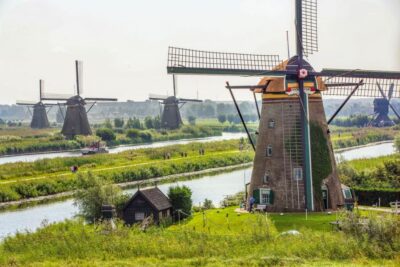
Rotterdam: Kinderdijk UNESCO World Heritage Entry Ticket
Read our review →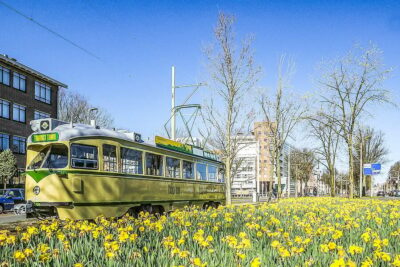
Amsterdam: Dutch WWII Resistance Museum Entry Ticket
Read our review →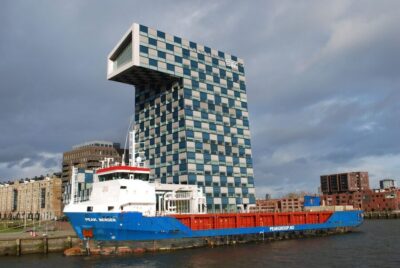

Oranjehotel World War II Prison Entrance Ticket
Read our review →
Amsterdam: Haunted History and Ghost Walking Tour
Read our review →Browse the lists this tour appears in