
Review · LONDON
London: Brutalist Architecture & History Walking Tour
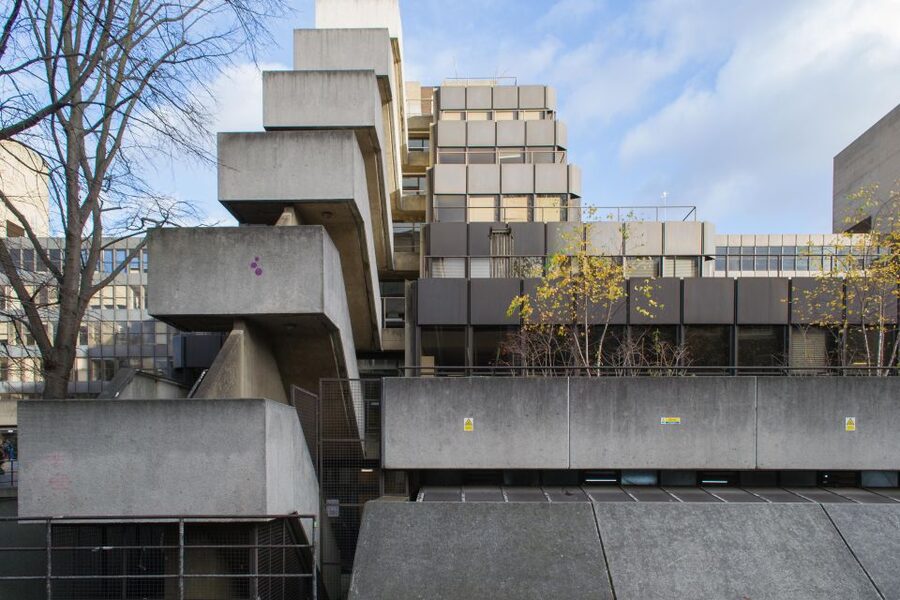
London’s Brutalist buildings are easy to miss if you spend your London visit chasing palaces, churches, and pretty Georgian streets. This 2.5-hour walk introduces you to the city’s concrete fortresses, including the National Theatre and Institute of Education, while explaining why post-war Britain built in such a bold style.
I like the small groups, limited to six people, and I like Evan’s ability to connect architecture with politics, economics, social change, and engineering. The tour also gives you a fresh way to read familiar central London. The main drawback is that you stay outside, and the route includes one tube ride, so it is not ideal for anyone with mobility limits or a strong dislike of modern architecture.
Key points to know before booking
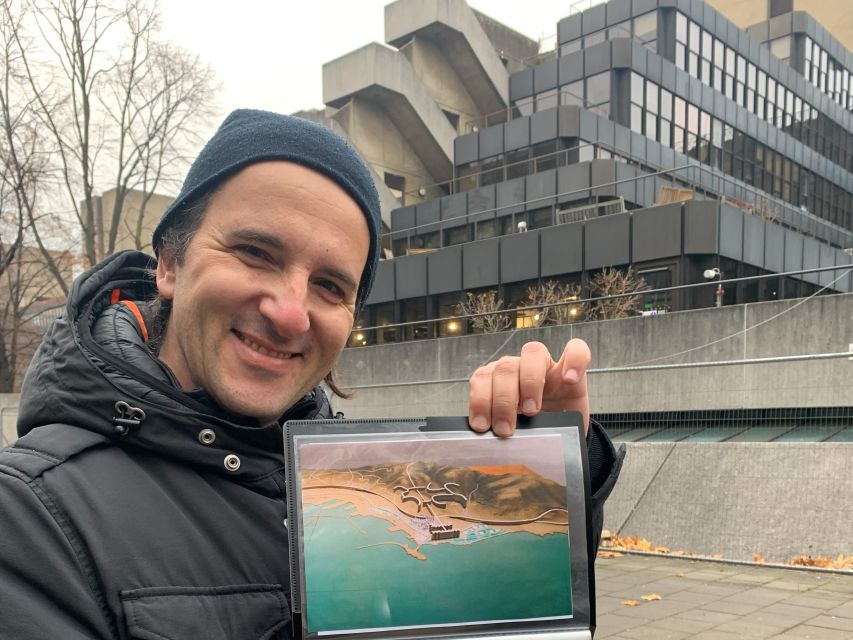
- Evan is the guide to look for: He brings a clear enthusiasm for Brutalism and adjusts the discussion to the group’s level of experience.
- The National Theatre is a major photo stop: You can examine one of London’s most debated modern buildings from the outside.
- The tour explains the forces behind the concrete: Expect discussion of post-war rebuilding, modern engineering, political choices, and social needs.
- The group is very small: With a maximum of six participants, you can ask questions without trying to speak over a crowd.
- You need Zone 1 transport credit: The route uses the tube once for a short journey, and public transport is not included.
- This is an outdoor architecture walk: Interiors are not visited, and poor weather can cause a postponement or cancellation.
Why London’s concrete buildings deserve a closer look
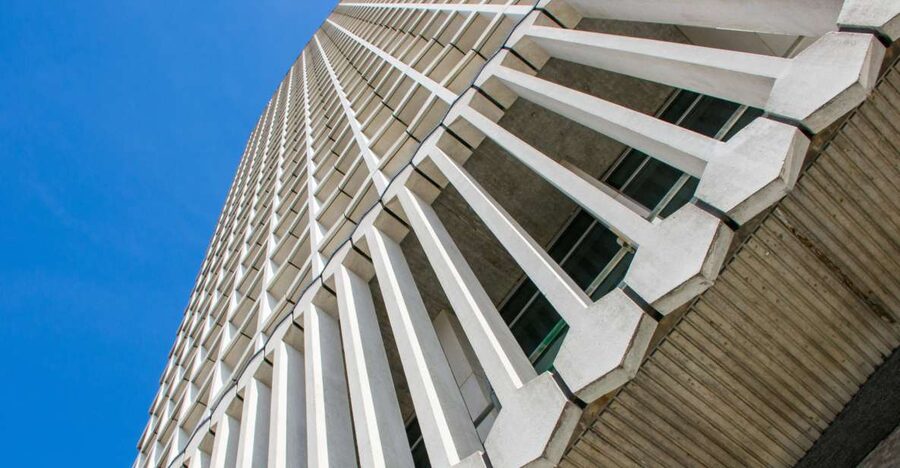
Brutalism is often reduced to a matter of taste. Some people see heavy concrete, narrow windows, and fortress-like forms as harsh. Others see honest materials, daring engineering, and buildings designed for public life rather than decoration.
This tour gives you the tools to look beyond the first reaction. You learn why concrete became so important after the Second World War, how modern construction changed what architects could attempt, and why the style became tied to public institutions, housing, education, culture, and government.
That context matters. A Brutalist building is not just a shape. It can reflect the political hopes of the post-war period, the need to rebuild quickly, changing ideas about public space, and faith in large-scale planning. The walk also addresses the environmental and social questions that now surround these buildings.
I especially like that the discussion does not treat Brutalism as either a failed experiment or a perfect architectural movement. You hear about the arguments over demolition, protection, reuse, and maintenance. That makes the tour useful even if you are undecided about the style.
More History Walking Tours in London
- London: Historic Pubs of Central London Walking Tour
★ 4.9 · 1,065 reviews - WW2 London Walking Tour & Churchill War Rooms Entrance Ticket
★ 4.5 · 933 reviews - London: Soho Music and Historic Pubs Walking Tour
★ 4.9 · 836 reviews
Starting at Russell Square Underground Station
The meeting point is outside Russell Square Underground Station on the Piccadilly Line. This is a practical starting place in central London, but give yourself enough time to find the correct exit and meet the group before the walk begins.
The tour uses the tube once during the route. You need enough credit for one Zone 1 journey, and that fare is not included in the $47 price. An Oyster card, contactless payment method, or another valid public transport ticket should cover the requirement, but the essential point is simple: do not arrive with no transport credit.
Starting at a major station also helps keep the route focused. You are not spending the first part of the morning on a long transfer from the edge of London. Instead, the walk moves through central neighborhoods where several important examples of modern architecture can be discussed in relation to older parts of the city.
Reading the Institute of Education
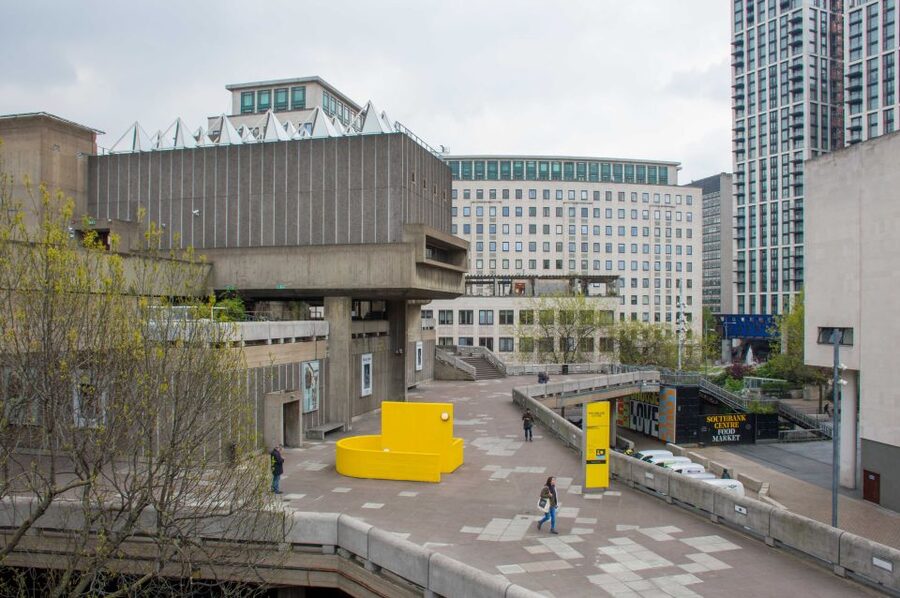
The Institute of Education is one of the notable buildings included on the route. From the outside, you can look at its massing, materials, and relationship to the surrounding streets.
This is where a guide’s eye makes a real difference. You may notice the broad concrete surfaces first, but the useful questions are more specific. How does the building meet the pavement? Where are the windows placed? Does the structure invite people in, or does it appear guarded? What does its scale say about the institution inside?
The tour uses buildings as live examples rather than treating them as isolated museum objects. You hear about modernist monumental architecture and the way architects used concrete to express structure, seriousness, and public purpose.
The outdoor format has limits. You do not enter the Institute of Education, so you will not see its interior spaces or learn how the building works from inside. If you want a tour focused on interior design, this is not the right choice. If you want to understand how a building presents itself to the city, the exterior discussion is still valuable.
Seeing the National Theatre from a new angle
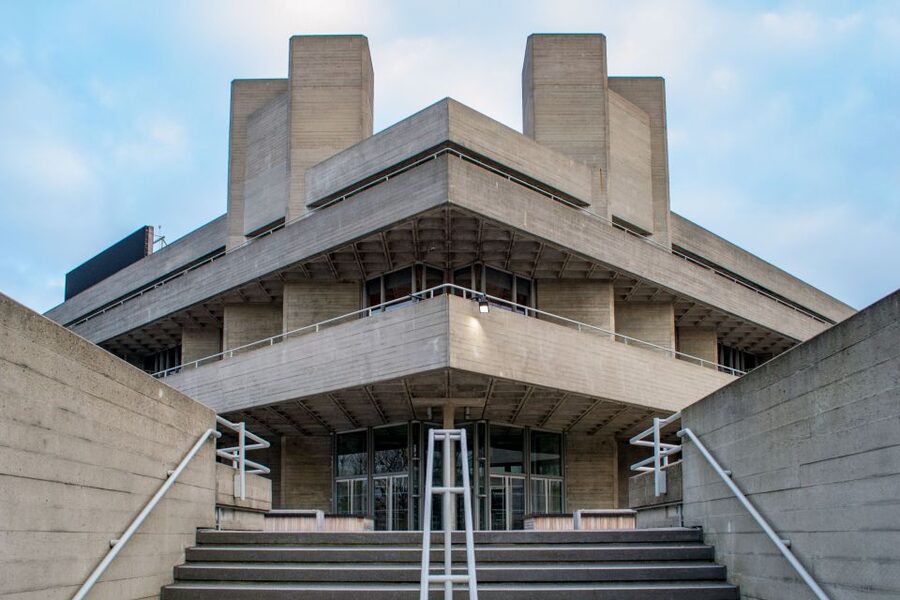
The National Theatre is likely to be the best-known building on the walk. It is also one of the most useful examples for explaining why Brutalism can produce such strong reactions.
You get time to photograph its stepped concrete forms and examine the way the building projects into the public realm. The National Theatre is not delicate or discreet. Its terraces, platforms, and layered shapes make it feel more like a constructed city than a simple box.
That makes it a good place to discuss the difference between a building that photographs well and one that works well for people. The tour considers the social and cultural role of major public architecture, not just its appearance. You can think about how a theatre announces itself, how people approach it, and how its large forms affect the riverfront setting.
This is also one of the places where you can make up your own mind. You may admire the craftsmanship and ambition, or you may find the concrete overwhelming. The guide does not require you to like every building. The point is to understand the choices behind it.
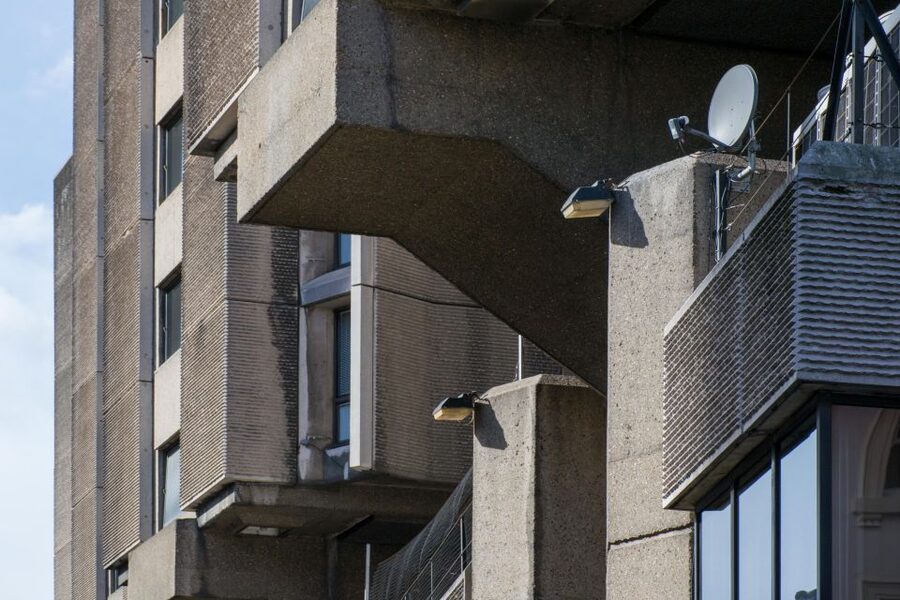
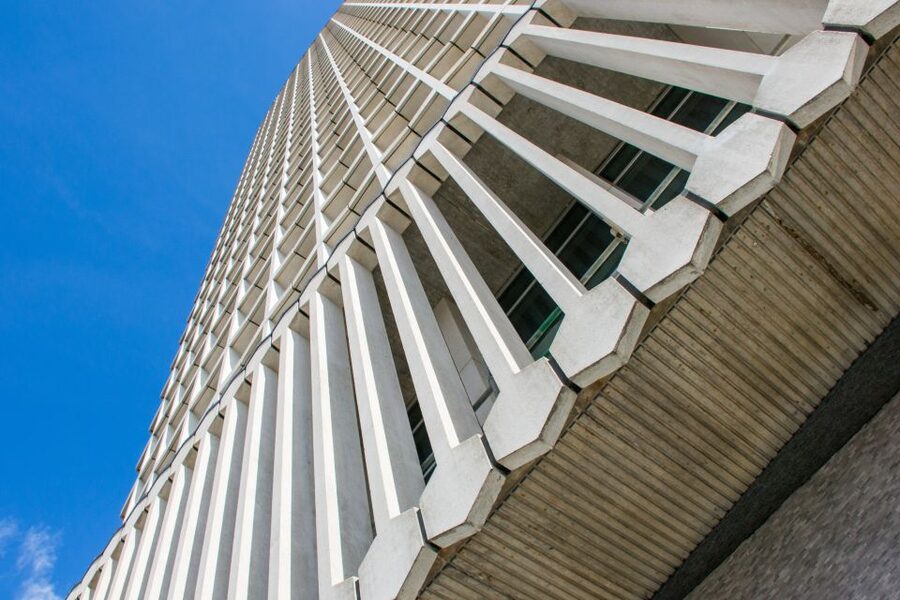
Bring a camera or phone if you enjoy architectural photography. Brutalist buildings often reward close attention to shadow, repetition, angles, and texture, especially when you stop looking at the whole structure and focus on one detail.
More History Walking Tours in the UK
- Royal Historic Pubs Walking Guided Tour in London
★ 5.0 · 803 reviews - London in WW2 Walking Tour with Churchill War Rooms Visit
★ 5.0 · 721 reviews - Private Group: Historical Pub Walking Tour of London
★ 5.0 · 660 reviews - London: Royal Historic Pubs Walking Tour
★ 5.0 · 536 reviews
Concrete, engineering, and the post-war city
The tour’s strongest feature is its wider explanation of concrete. You learn about its use in modern engineering and architecture, including why it became so central to the visual language of the 1960s and 1970s.
Concrete offered architects a material that could be formed into large, unusual shapes. It could suggest strength and permanence, support monumental public buildings, and help create structures that differed sharply from older brick and stone traditions.
But the material also brought practical and political questions. Concrete buildings need care. Their surfaces weather. Their scale can be difficult to adapt. A structure designed for one public purpose may not easily become something else.
The walk places these choices within the global events that influenced post-war London. You hear about European Modernism, important figures in the movement, and the conditions that encouraged cities to build in new ways. The discussion also considers the social, political, economic, and environmental effects of modernist design.
This broader approach is why the tour suits people who want more than a list of architects and dates. You are not simply being shown buildings. You are being asked to consider why a city wanted these buildings in the first place, and why opinions about them changed over time.
The value of a six-person group
A group of six is a useful size for this subject. Brutalist buildings often raise questions, and a small group allows room for them. You can ask about a specific architectural detail, compare two buildings, or admit that you do not understand why a particular structure is considered important.
Evan is described as friendly, informal, and able to adjust the explanation to the group. That matters if you already know something about Modernism. You can ask for more detail rather than hearing only a standard beginner’s script.
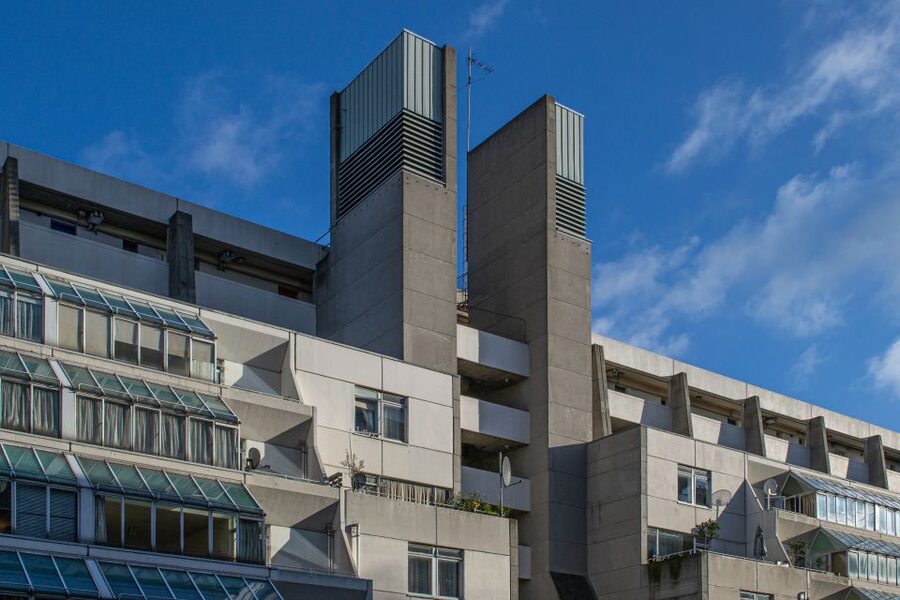
It also helps if you are new to the subject. The tour can provide a starting point without assuming that you know architectural terms. One past participant found Evan particularly good at noticing details at the Brunswick, while another felt the tour stayed too general in places. That is a fair warning: this is an accessible introduction, not an advanced construction seminar.
You should also keep normal guide limitations in mind. One point raised was that some historical claims needed more nuance, including explanations of window bricking and political labels. The tour is highly regarded overall, but you should treat it as an informed walking discussion rather than a final academic authority on every subject.
What the pace and route are like
The experience lasts 2.5 hours, which is long enough to cover several buildings without turning into an all-day commitment. The route includes walking through central London and one short tube journey.
You should wear comfortable shoes and prepare for changing weather. The walk may be postponed or canceled if conditions are poor, and there is no indoor backup built into the experience. Since the buildings are viewed from outside, rain can affect both comfort and your ability to study the details.
The route is not suitable for people with mobility impairments, according to the activity information. It is also restricted to people aged 16 and older. Children and younger teenagers cannot join.
The lack of interior access keeps the route focused, but it also means you should book with realistic expectations. You will see important buildings, hear their stories, and discuss their design. You will not tour inside them, inspect construction materials at close range, or enter private or restricted areas.
Is $47 a fair price?
At $47 per person, this is not the cheapest way to spend a morning in London. You also pay separately for the short tube journey. Still, the price is reasonable if you have a serious interest in architecture, urban planning, or post-war history.
The small group improves the value. A six-person maximum is very different from standing at the back of a large sightseeing group while a guide rushes through a script. The strongest part of the experience is the explanation, especially Evan’s ability to connect buildings with wider social and political forces.
I would not book this tour simply because you want to see famous London sights. Many first-time visitors will get more from a classic Westminster, Tower, or museum tour. I would book it because you want a fresh subject and enjoy asking why a city looks the way it does.
The tour has a 4.8 rating from 42 reviews, with especially strong praise for Evan’s enthusiasm, preparation, friendly manner, and ability to make a specialized subject understandable. One person even felt the experience compared well with much more expensive architecture tours. That is a useful sign of value, though the occasional concern about general coverage and minor factual simplifications should remain part of your decision.
Who will enjoy this walk most?
This tour is a strong fit for:
- Architecture students and enthusiasts
- People interested in Modernism, Brutalism, or urban planning
- Visitors who have already seen the classic London sights
- Photographers looking for bold concrete forms
- Anyone curious about how politics and public needs shape buildings
- Repeat visitors who want an alternate view of central London
You do not need a specialist background. Evan’s style is informal, and the tour can be adapted to the group’s existing knowledge.
I would be more cautious if you prefer royal history, art museums, or interiors. You should also think twice if you dislike outdoor walking in uncertain weather, cannot manage the route and tube transfer, or expect to go inside the buildings.
Should you book the London Brutalist Architecture and History Walking Tour?
Book it if you want to understand the thinking behind London’s most debated concrete buildings, not merely photograph them. The National Theatre and Institute of Education give the walk strong visual anchors, while the discussion of post-war rebuilding, Modernism, engineering, and preservation gives the subject real depth.
Evan is the main reason this experience works so well. His enthusiasm and ability to tailor the discussion make the small group feel personal. Just remember that this is an outdoor introduction, not a technical architecture course or an interior tour.
If you are open to seeing London from a less polished and more argumentative angle, $47 is a fair price for a focused morning. Bring transport credit, wear good shoes, and be ready to decide for yourself if concrete can be beautiful.
FAQ
Where does the tour meet?
The meeting point is outside Russell Square Underground Station on the Piccadilly Line.
How long does the tour last?
The walking tour lasts 2.5 hours.
Is public transportation included?
No. The tour uses the tube once for a short journey in Zone 1, so you need enough credit for one trip. Public transportation costs are not included.
Are the buildings visited inside?
No. The tour visits the buildings from the outside, and interiors are not included.
Who leads the tour?
The live tour guide is Evan, and the tour is conducted in English.
Can children or people with mobility impairments join?
The tour is not suitable for children under 16 or people with mobility impairments.
Just added around London
- London: Medieval History Walking Tour from The Tower★ 4.9 · 318 reviews
- London: Winston Churchill and London in WWII Walking Tour★ 4.8 · 143 reviews
- London: Witches and History Bankside Walking Tour★ 4.8 · 223 reviews
- London: Historic London Pub Walking Tour★ 4.8 · 94 reviews
- London: Hot Tub Boat Guided Historical Docklands Cruise★ 4.6 · 62 reviews
- London: Jack the Ripper Tour with Historic Pub Stops★ 4.8 · 360 reviews
- London: British Museum Tour with Archaeologist Guide★ 4.9 · 68 reviews
- London: Churchill War Rooms & WW2 Westminster Private Tour★ 5.0 · 34 reviews
London History Tours, compared.
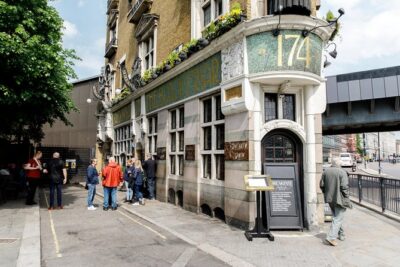
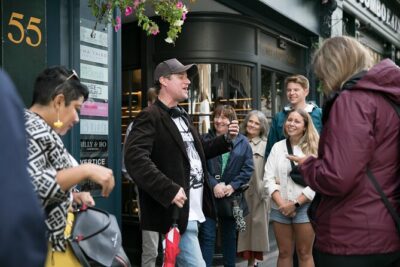

London: Historic Pubs of Central London Walking Tour
Read our review →
WW2 London Walking Tour & Churchill War Rooms Entrance Ticket
Read our review →
London: Westminster WW2 Tour & Churchill’s War Rooms Ticket
Read our review →
London: Soho Music and Historic Pubs Walking Tour
Read our review →
Royal Historic Pubs Walking Guided Tour in London
Read our review →
London in WW2 Walking Tour with Churchill War Rooms Visit
Read our review →Browse the lists this tour appears in