
Review · LONDON
London: Westminster WW2 Tour & Churchill’s War Rooms Ticket
London’s Churchill War Rooms are more than a museum about Winston Churchill. They are the preserved underground headquarters where Britain’s wartime government planned its response to Hitler’s bombing campaign. The rooms still feel purposeful and cramped, with maps, telephones, bunk beds, offices, and a kitchen left much as they were in 1945.
I like the way this tour gives you context before the museum, especially through Westminster’s government buildings, memorials, and stories of European leaders living in exile in London. I also like the freedom at the end: your guide gets you to the entrance, then you explore the War Rooms at your own speed. The main drawback is that you spend the first hour on your feet outdoors, and the underground museum can become crowded and tight.
Key points to know before booking
- You begin outside Westminster Station, not at the Churchill War Rooms or Westminster Millennium Pier.
- The one-hour walk links wartime sites with Big Ben, Parliament, Westminster Abbey, Downing Street, the Cenotaph, and Churchill memorials.
- The guide does not enter the War Rooms with you, but the museum provides an audio guide for the self-guided visit.
- The preserved bunker includes Churchill’s offices, the Cabinet War Room, map rooms, telephone facilities, and domestic spaces.
- English-speaking guides such as Paul, Maggie, Michael, Lee, and Andy have been especially praised for humor and clear storytelling, though you cannot count on a particular guide.
- Expect at least 2.5 hours and plenty of standing, with extra time available if you want to stay longer inside the museum.
Why the Westminster walk matters
The walking portion is not just a warm-up before the main attraction. It explains why this part of London became the nerve center of Britain’s war effort and why Westminster was packed with officials, diplomats, soldiers, spies, and refugees from occupied Europe.
You meet your guide outside Westminster Station, by the top of the stairs from Exit 2 toward Victoria Embankment, behind the statue of Boadicea on her chariot. This detail matters because the listed starting location can sound like Westminster Millennium Pier, but the practical meeting point is the station. Arrive with enough time to find the right exit.
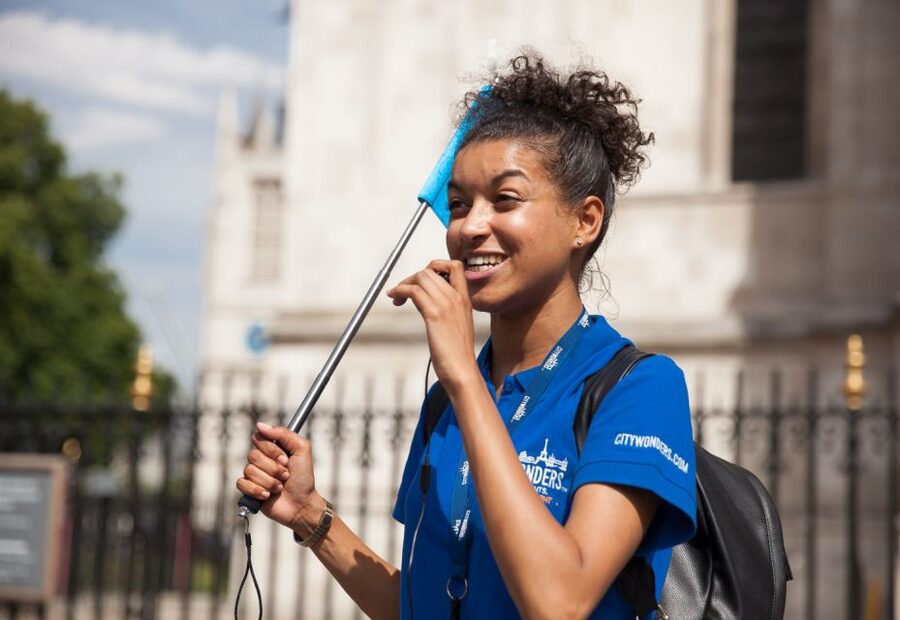
The walk lasts about an hour, although the timed stops add up to a little more. Your group moves through one of London’s most politically important districts, with the guide using headsets so you can hear over traffic and crowds. That is a real help around Parliament, where a guide can easily lose a group’s attention to buses, horns, and passing pedestrians.
The guides tend to shape the experience. Paul, Maggie, Michael, Lee, Andy, Dave, Flora, and Peter are among the names attached to particularly strong tours. The common thread is a mix of political detail, personal stories, and humor. That balance matters here. Churchill’s life and wartime decisions can become a dry list of dates, but a good guide gives those facts a human scale.
You will hear about the governments and monarchs who came to London after Germany took control of their countries. Westminster was not only the home of the British government. It also became a temporary headquarters for people who had lost their own capitals and were trying to keep their nations politically alive.
More WWII and D-Day Tours in London
- WW2 London Walking Tour & Churchill War Rooms Entrance Ticket
★ 4.5 · 933 reviews - London in WW2 Walking Tour with Churchill War Rooms Visit
★ 5.0 · 721 reviews - London: London in WW2 and Churchill War Rooms Entrance
★ 4.9 · 669 reviews
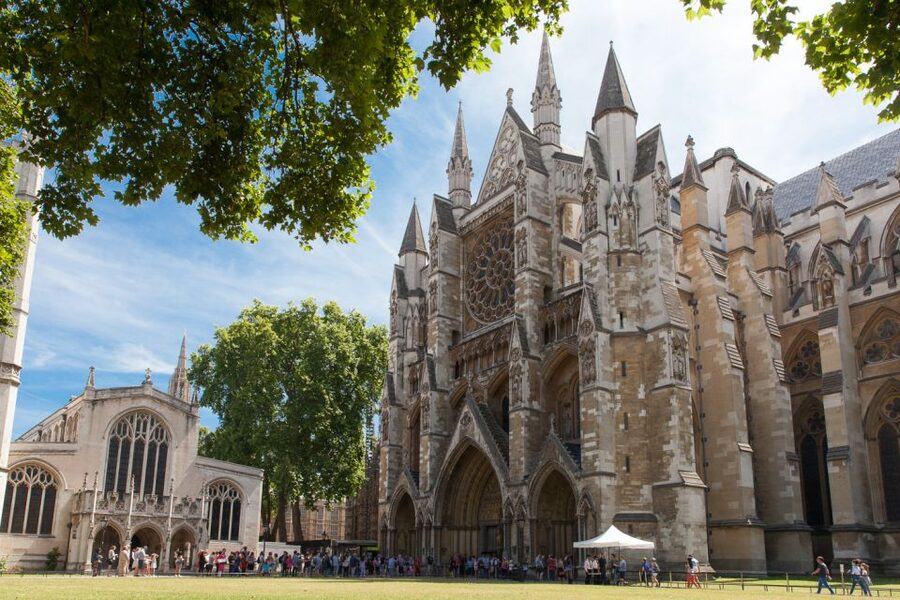
Big Ben, Parliament, and Westminster Abbey
The first stops provide familiar London views, but the guide’s wartime angle changes what you notice.
At Big Ben, you have about 15 minutes for photographs and commentary. The clock tower is one of the city’s standard photo stops, yet it also represents the government center that continued operating during the Blitz. You are looking at more than a postcard landmark. You are looking at the symbolic heart of a country directing a war from under the streets.
The next stop is the Houses of Parliament, with about 10 minutes for photographs. The guide explains the role of Parliament and the political setting in which Churchill worked. This part is especially useful if you know Churchill mainly as a wartime speaker. His authority came with political battles, shifting alliances, and difficult decisions, not only stirring speeches.
Westminster Abbey is another photo stop rather than an interior visit. You will not receive entry to the abbey with this experience, so do not book it expecting a church tour. Still, its presence helps place Churchill within Britain’s wider political and national story. If the abbey is a priority, plan a separate visit.
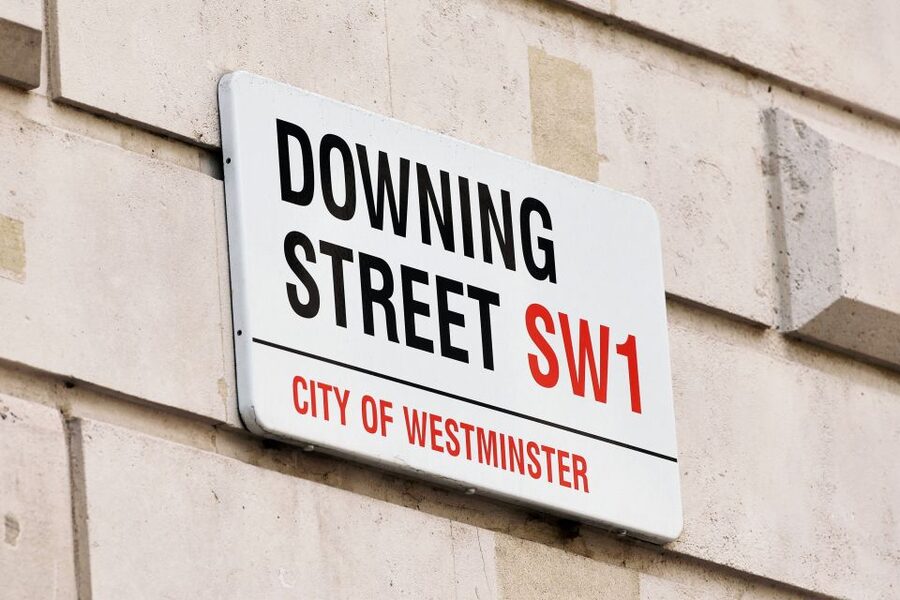
The route also includes 10 Downing Street. You view the famous entrance from outside and learn about the building’s role as the prime minister’s residence and office. One unusual detail connected with the War Rooms is the original Downing Street door that Churchill walked through after becoming prime minister. It gives the later museum visit a useful physical link to the street above.
Churchill, women at war, and the Cenotaph
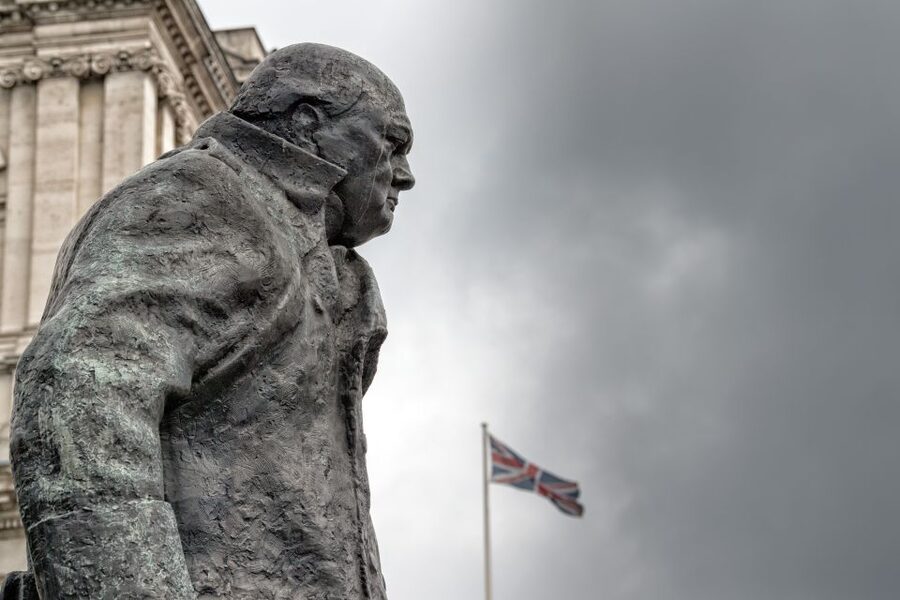
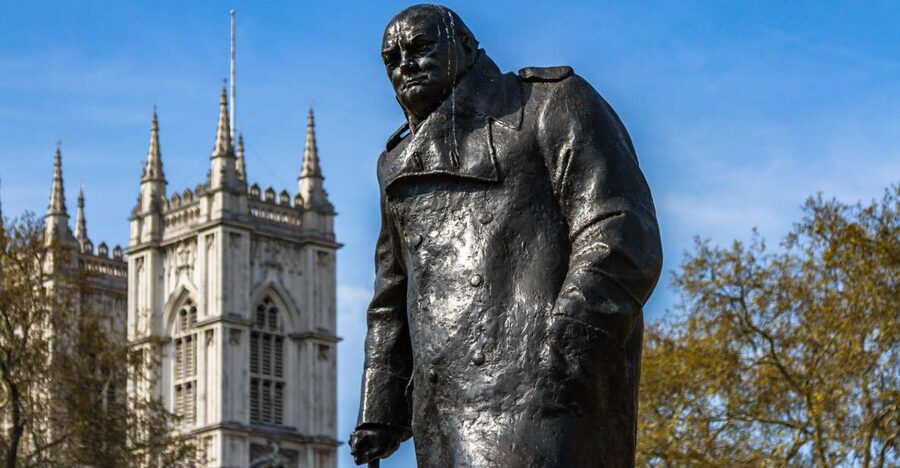
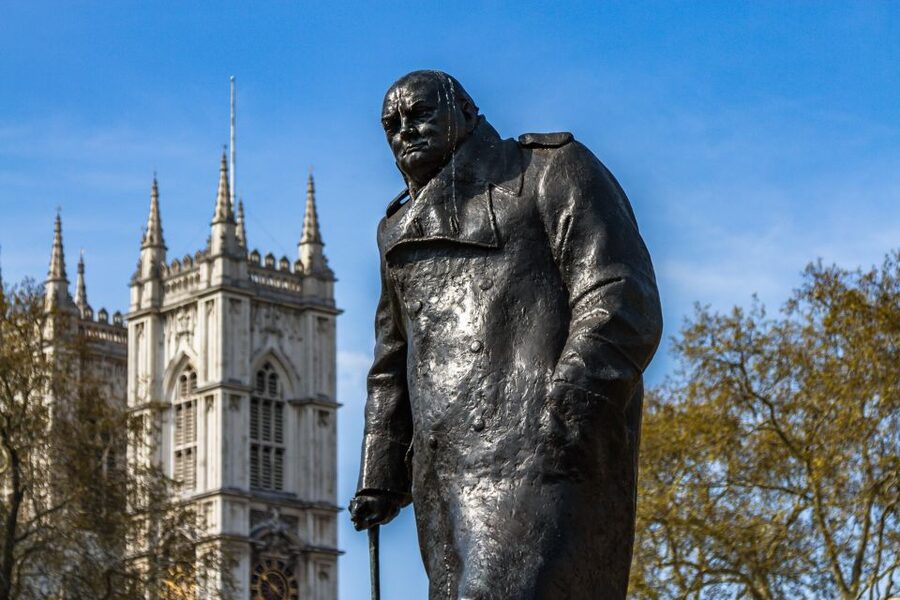
The walk includes a statue of Churchill and the Monument to the Women of World War II. These stops broaden the story beyond one famous man.
Churchill is the natural focus, but the war was carried by civil servants, mapmakers, typists, engineers, cooks, messengers, and many women whose work had little public recognition. The women’s monument helps correct the familiar habit of treating wartime leadership as a story of generals and politicians alone.
You also finish the outdoor section near the Cenotaph, the national war memorial on Whitehall. It was built after the First World War and later became the United Kingdom’s main memorial for the nation’s war dead. The location gives the tour a sober ending before you move underground.
Some guides add nearby details when timing allows. One guide pointed out preparations for the Changing of the Guard, while another adjusted the route to keep the group in the shade on a hot day. These extras are not guaranteed, but they show why an informed local guide can add value beyond a fixed audio track.
Entering Churchill’s War Rooms
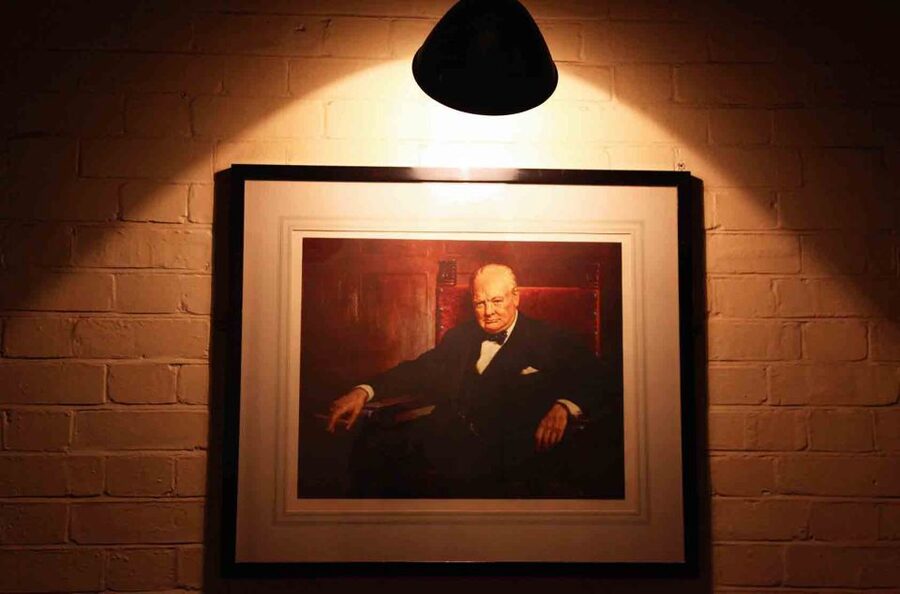
After the walk, the guide takes you to the Churchill War Rooms and helps the group reach the entrance. The guide then leaves you to explore independently.
This arrangement works well if you want flexibility. You can move quickly through familiar material or pause over maps, documents, and recordings that catch your attention. There is no stated time limit inside after the guided portion, so the advertised 1.5 hours is best treated as a planned minimum rather than a strict maximum.
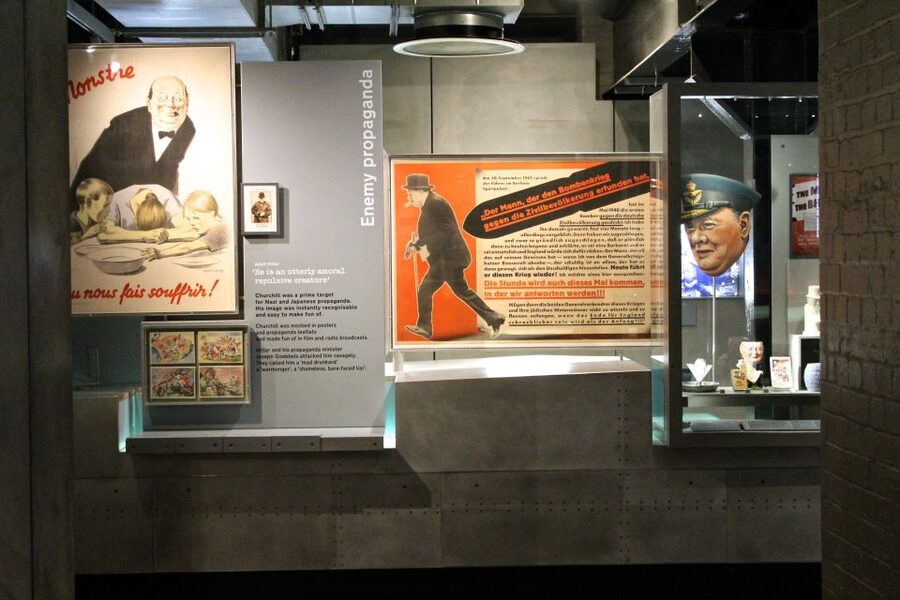
The War Rooms were built beneath Whitehall as a secure command center during the Second World War. The rooms were used to plan military operations, track enemy movements, hold private meetings, and keep the government functioning during air raids. The museum has preserved them in the condition they were left when the lights were switched off in 1945.
You see rooms that served very different purposes. The Cabinet War Room handled major decisions. The map rooms tracked the movement of armies and ships. Offices supported the flow of information. Other spaces dealt with ordinary needs such as food, rest, and communication.
That mixture is one of the museum’s strengths. It shows war as both a series of huge strategic choices and a long work shift for people sitting in dark rooms trying to keep up with events.
More WWII and D-Day Tours in the UK
- London: Winston Churchill and London in WWII Walking Tour
★ 4.8 · 143 reviews - London: Churchill’s Life & WW2 with Tour of War Rooms
★ 4.2 · 52 reviews - London: Churchill War Rooms & WW2 Westminster Private Tour
★ 5.0 · 34 reviews - Portsmouth: The D-Day Story Entry Ticket
★ 4.8 · 201 reviews
What life was like below Whitehall
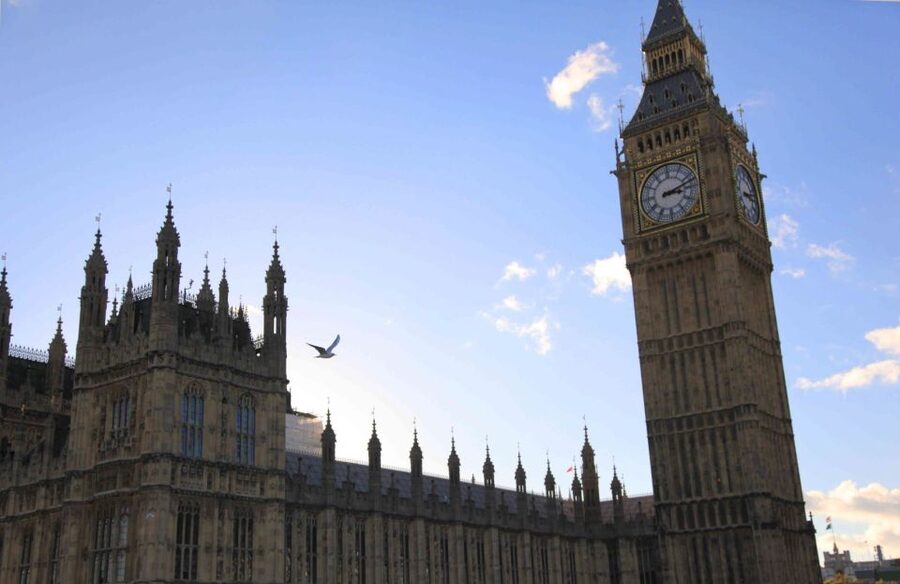
The underground setting is part of the point. You walk through a maze of corridors and small rooms rather than a grand museum hall. The cramped design helps you imagine the staff who worked there, often for long hours, under strict secrecy.
Families of the people employed in the bunker could not know what their relatives actually did. Staff members had to protect the location and purpose of their work, even at home. That detail gives the museum a human edge that military maps alone cannot provide.
You can see how workers managed ordinary health concerns underground, including the primitive sun lamps used to provide vitamin D. There is also a kitchen, reminding you that thousands of decisions and messages depended on people being fed, rested, and kept at their desks.
The Transatlantic Telephone Room is another memorable stop. It was used for top-secret conversations between Churchill and President Franklin Roosevelt. The room links the physical bunker to the wider Allied partnership and to the special political relationship between the two leaders.
The audio guide helps explain these spaces and provides authentic recordings of Churchill’s wartime speeches. Hearing his voice in the rooms where those decisions were made adds force to material that can seem distant in a textbook.
The Churchill Museum adds the personal story
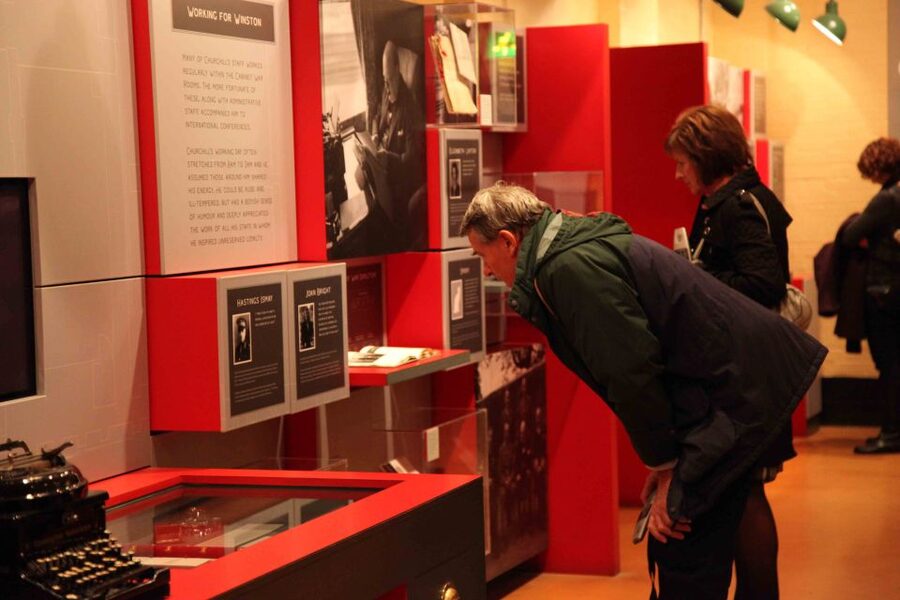
The Churchill Museum covers Churchill’s life beyond the wartime premiership. You learn about his private and public life, his relationship with his wife, his political career, and his ties with Roosevelt.
This section is valuable because it avoids reducing him to a single role. Churchill was a soldier, politician, writer, family man, and controversial public figure. The museum does not ask you to treat him as a simple hero. Instead, it gives you material to understand the man who occupied the rooms you have just seen.
Plan your energy carefully. The museum is underground, and its narrow passages can feel crowded when many people arrive at once. One practical benefit of the audio guide is that you can keep moving while listening instead of waiting for a group to gather around every display.
The audio system is not flawless. Some people have found it difficult to match the narration with the room they are standing in, and occasional device troubleshooting may be needed. If the sound seems wrong, check the channel early rather than carrying on in silence. The headset used during the outdoor walk and the museum’s audio guide are separate parts of the experience.
How much time should you allow?
The advertised duration is 2.5 hours: about one hour outdoors and about 1.5 hours inside. That schedule is realistic for a brisk visit, but it does not reflect how long you may want to remain in the War Rooms.
If you are interested in Churchill, military history, or wartime London, allow several extra hours. One person began the tour in the morning and did not leave the War Rooms until mid-afternoon, including lunch in the museum cafe. You are not required to stay that long, but the freedom to continue after the guide leaves is a major part of the value.
The tour is conducted on foot from Westminster to Whitehall. Wear comfortable shoes, and expect to stand for most of the experience. There is no hotel pickup or drop-off.
Is the $59 price good value?
At $59 per person, the tour costs more than simply arranging a museum visit on your own. The question is what you want the extra money to buy.
You are paying for a live, English-speaking guide, a Westminster walking route, headsets, the War Rooms admission and reservation fee, and the museum audio guide. If you already know Westminster well and prefer to read at your own pace, the guided walk may not be worth the added cost.
For most first-time visitors, I think the price is fair. The walk connects the museum to the actual government district, and the guide explains why the War Rooms were placed where they were and how Churchill’s work fit into the buildings above. A self-guided museum ticket gives you the rooms, but not that outdoor framework.
The value improves if you stay beyond the planned 1.5 hours. You can treat the walk as a focused introduction and then use the rest of your day to explore the bunker and Churchill Museum without being rushed.
Who should book this experience?
I would recommend it to you if you:
- Want a focused introduction to Churchill and wartime London
- Enjoy political and military history
- Prefer a guide who can answer questions and add local details
- Are visiting Westminster for the first time
- Like combining outdoor landmarks with an indoor museum
- Can manage a substantial amount of walking and standing
It is less suitable if you want to tour Westminster Abbey inside, avoid crowds, or use a wheelchair. The experience is not suitable for wheelchair users or people with mobility impairments, and baby strollers are not allowed.
Families should also think about the subject matter. The museum is serious and politically focused, and one account specifically found it less suited to children. Older children with an interest in history may appreciate it, but it is not a light sightseeing activity.
Practical tips for a smoother visit
Meet at Westminster Station, following signs for Exit 2, Victoria Embankment. Look for the statue of Boadicea on a chariot and meet at the top of the stairs. Do not go directly to the Churchill War Rooms expecting to find the group there.
Wear shoes suited to a full walking tour. London weather can change quickly, and the outdoor hour continues in rain or heat. Guides have adapted routes and pauses in the past, but you should still dress for the conditions.
Keep your audio equipment easy to adjust. On the walking section, the headset makes it much easier to hear near traffic. Inside, take a moment to match the museum audio guide with the correct room and channel.
If you want a longer museum visit, choose an early start and keep your schedule open afterward. The formal tour ends at the War Rooms, so you can remain inside and continue at your own pace.
Cancellation is free up to 24 hours before the start time, and you can reserve now and pay later. Those terms help if your London plans are still shifting.
Should you book the Westminster Churchill War Rooms tour?
Book it if you want the story around the museum, not only the museum itself. The strongest part is the combination of Westminster’s government landmarks, the wartime stories of exiled European leaders, and the preserved underground rooms where Churchill and his staff worked.
The tour is particularly good value for first-time visitors who want a clear route and a guide with personality. Paul, Maggie, Michael, Lee, Andy, and others have brought humor and strong subject knowledge to the walk, though guide assignments are not guaranteed.
Skip it if you only want the War Rooms and would rather explore alone, or if extended walking and narrow underground spaces will be uncomfortable. For everyone else, the $59 price buys a useful historical frame before you enter one of London’s most absorbing museums.
FAQ
Where does the tour meet?
Meet outside Westminster Station. Follow the signs for Exit 2, Victoria Embankment, then take the stairs to street level. The group meets at the top of the stairs behind the statue of Boadicea on a chariot.
Does the tour start at the Churchill War Rooms?
No. The meeting point is outside Westminster Station, not at the Churchill War Rooms. The walking tour comes first, and the experience finishes at the War Rooms.
Is entry to Westminster Abbey included?
No. Westminster Abbey is a photo stop only. Entry to the abbey is not included.
Does the guide accompany the group inside the War Rooms?
No. The guide leads the Westminster walking tour and takes you to the War Rooms entrance. You then explore the museum independently with its audio guide.
How long does the activity last?
The scheduled duration is 2.5 hours, including about one hour of guided walking and about 1.5 hours for the self-guided War Rooms visit. You may stay longer inside the War Rooms.
Is the tour suitable for wheelchair users or people with mobility impairments?
No. The experience is not suitable for wheelchair users or people with mobility impairments. Baby strollers are also not allowed.
Just added around London
- London: Medieval History Walking Tour from The Tower★ 4.9 · 318 reviews
- London: Winston Churchill and London in WWII Walking Tour★ 4.8 · 143 reviews
- London: Witches and History Bankside Walking Tour★ 4.8 · 223 reviews
- London: Historic London Pub Walking Tour★ 4.8 · 94 reviews
- London: Jack the Ripper Tour with Historic Pub Stops★ 4.8 · 360 reviews
- London: Hot Tub Boat Guided Historical Docklands Cruise★ 4.6 · 62 reviews
- London: British Museum Tour with Archaeologist Guide★ 4.9 · 68 reviews
- London: Churchill War Rooms & WW2 Westminster Private Tour★ 5.0 · 34 reviews
London History Tours, compared.
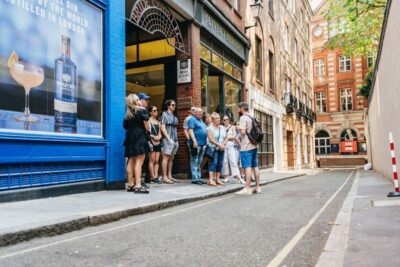
London: Historic Pubs of Central London Walking Tour
Read our review →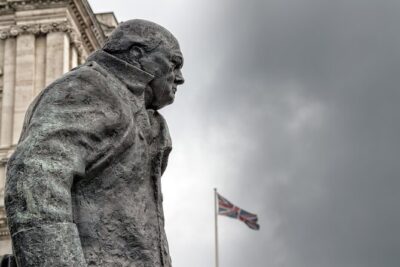
WW2 London Walking Tour & Churchill War Rooms Entrance Ticket
Read our review →
London: Soho Music and Historic Pubs Walking Tour
Read our review →
Royal Historic Pubs Walking Guided Tour in London
Read our review →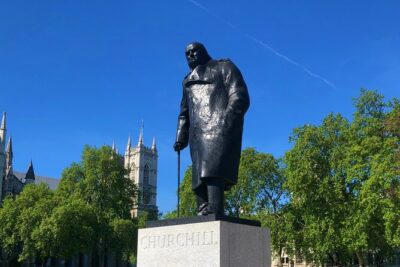
London in WW2 Walking Tour with Churchill War Rooms Visit
Read our review →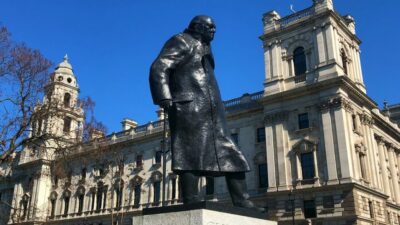
London: London in WW2 and Churchill War Rooms Entrance
Read our review →Browse the lists this tour appears in