
Review · USA
Nashville: Music History Guided Walking Tour
Nashville’s music story makes the most sense on foot, where recording studios, theaters, stadiums, old streets, and famous honky-tonks sit close together. This $10 walking tour gives you a broad introduction, with guides such as Sherri Lee and Duncan connecting Music City’s landmarks to its past.
I like the large number of sights packed into two hours, and I like the personal listening device, which adds music, interviews, photos, and sound effects to the live guide’s talk. The tour also gives you useful discounts for later activities.
The main consideration is weather. The tour runs rain or shine, and heavy rain has sometimes led to a car-based alternative instead of the normal walk. That can save the day, but you will not get the same close look at downtown streets.
Key points to know before you book
- More than 100 points of interest: The route covers over 200 sights, including the Ryman Auditorium, Country Music Hall of Fame, Nissan Stadium, and Tennessee State Capitol.
- Only about 35 minutes of walking: The two-hour schedule includes frequent stops, stories, and audio material, with an easy gradual incline.
- Live guide plus personal audio device: You hear the guide in English while using a listening device for music, interviews, videos, photos, and sound effects.
- A useful first-day orientation: Stops include Lower Broadway, Printers’ Alley, 2nd Avenue, Capitol Hill, and Walk of Fame Park.
- Rain-or-shine operation: Bring sunscreen and comfortable shoes, but also prepare for wet weather.
- Good value at $10: The tour costs little, then may help you save on other attractions, shows, and tours.
Why this $10 tour works as a Nashville introduction
I see this experience as a city orientation with a music focus, not as a full visit to Nashville’s major museums or performance halls. You pass important places, hear their stories, and learn where to return later with a ticket.
That distinction matters. The walking tour does not replace the Country Music Hall of Fame and Museum, a Grand Ole Opry show, or a visit inside the Ryman Auditorium. Instead, it gives those places context before you spend more time and money on them.
At $10, the value is unusually strong. Even if you already know you want to visit the Ryman or the Country Music Hall of Fame, the tour can help you decide how to arrange your day. The offer of discounted attraction, show, and tour tickets adds another possible saving, although you should compare those prices with your own plans before buying anything.
The tour usually runs in the morning, which makes it a practical first activity in Nashville. You can get your bearings, note places that deserve a longer visit, and still have much of the day left for music, museums, food, or shopping.
More History Walking Tours in the USA
- History and Hauntings of Salem Guided Walking Tour
★ 5.0 · 14,564 reviews - Boston: Freedom Trail History Small Group Walking Tour
★ 5.0 · 6,450 reviews - Historic Charleston Guided Sightseeing Walking Tour
★ 5.0 · 6,216 reviews
Starting at Butler’s Run
Your guide meets you in Butler’s Run. Wait by the brick wall or on the benches, and avoid gathering in front of stores unless you are buying something. That small meeting-point detail is worth taking seriously in a busy downtown area.
The activity is led in English by a live guide, and an English audio guide is included. Guides Sherri Lee and Duncan, also referred to as Dunkin in one account, have been singled out for clear storytelling and helpful local direction.
The format combines direct narration with a personal, high-quality listening device. You are not left to stare at a screen while walking. Instead, the live guide handles the group while the device adds selected music, interviews, photographs, videos, and sound effects.
That blend can be useful in a city where street noise is part of the experience. It also means you get more than a list of dates and building names. The audio pieces help connect the places you see with performers, songs, and events tied to Nashville.
Lower Broadway and the heart of Music City

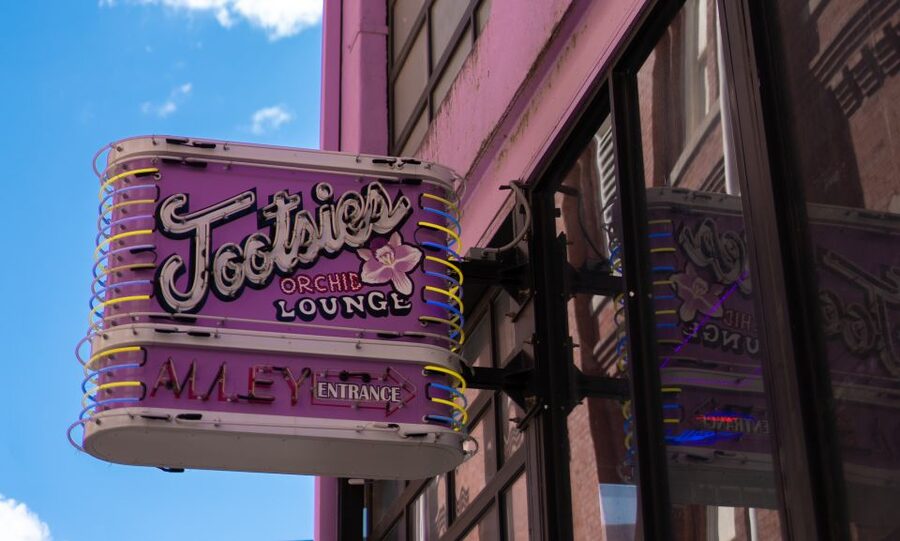
Lower Broadway is one of the tour’s central areas. This is the place to begin understanding Nashville’s public image: neon signs, music venues, honky-tonks, souvenir shops, and a steady stream of people moving between them.
The value here is not simply seeing a famous street. Your guide helps explain how the area became linked with Nashville’s music identity, then places today’s entertainment district within the city’s wider story.
The route is designed to cover many sights rather than spend a long time inside one building. You will therefore get a quick look at important landmarks and likely hear reasons to return later.
I would pay close attention to practical orientation here. Note where the Ryman Auditorium is, how the downtown streets connect, and which areas you want to revisit after dark. The tour’s short walking sections make this easier than a nonstop march through the city.
The Ryman Auditorium and Nashville’s performance story

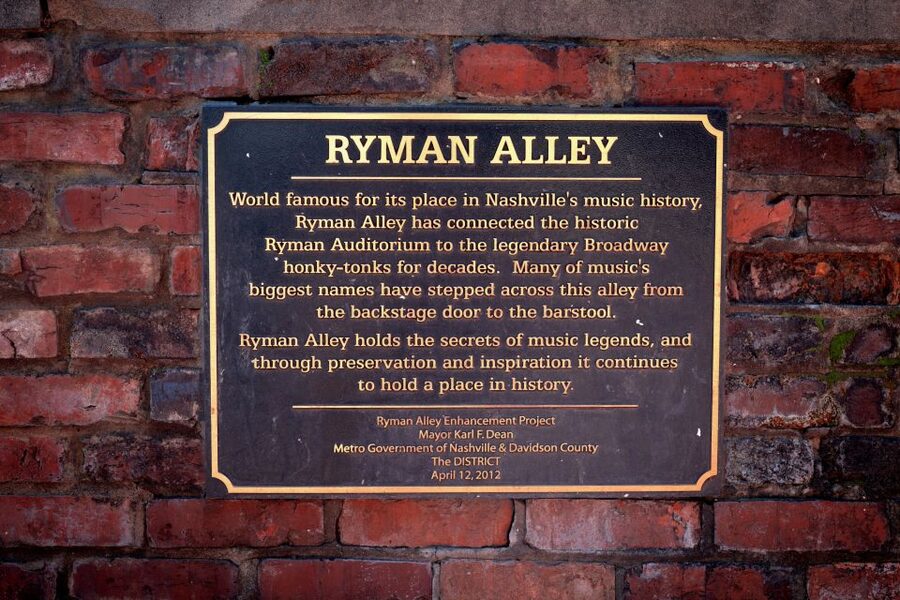
The Legendary Ryman Auditorium is one of the most important landmarks discussed along the way. Even without treating the walking tour as a theater visit, seeing the building helps explain why Nashville’s music story reaches beyond modern honky-tonks.
The Ryman carries a strong link to the city’s performance traditions, and the guide uses it as a point for behind-the-scenes information. You get the setting and the story first, then can choose to return for a separate tour or event.
The same approach applies to the Grand Ole Opry. The Opry is not presented as something you experience fully during this two-hour walk. Instead, it is part of the larger set of famous Nashville institutions explained through the tour.
That is useful for first-time visitors who are trying to sort out the difference between downtown Nashville, the Ryman, and the Grand Ole Opry. If your main goal is a backstage visit or a live Opry performance, book one of the separate activities rather than expecting this walk to provide entry.
Same city, a different century:
- Charleston’s Old South Carriage Historic Horse & Carriage Tour
★ 5.0 · 10,023 reviews - Beneath The Streets Underground History Tour
★ 4.5 · 8,006 reviews - Big Island in a Day: Volcanoes Waterfalls Sightseeing and History
★ 5.0 · 6,569 reviews - Charleston Horse-Drawn Carriage Tour: Explore Historic Charleston
★ 5.0 · 3,561 reviews
Printers’ Alley, 2nd Avenue, and Nashville after dark

Printers’ Alley brings a different side of downtown into the route. The area is included among Nashville’s famous and infamous neighborhoods, giving the guide room to discuss how the city changed over time and how entertainment shaped different streets.
Second Avenue adds another important downtown setting. Along with Lower Broadway, it helps you see how Nashville’s music district is spread across several connected areas instead of existing on one single street.
The walking tour is especially useful here because a map does not tell you much about how these areas feel in relation to one another. You can see the distances, street patterns, and nearby landmarks while the guide fills in the background.
I would not expect a quiet stroll. Downtown areas can be noisy and busy, and the tour’s sound device becomes more useful in places with traffic and crowds. Keep your attention on your footing and the group while listening.
Alcohol is not allowed on the tour. Smoking, drugs, and alcohol are also listed as prohibited, so this is a sightseeing walk rather than a moving pub crawl.
Capitol Hill and the Tennessee State Capitol
The route also reaches Capitol Hill and the Tennessee State Capitol. This broadens the tour beyond country music and nightlife, placing Nashville within the political and civic story of Tennessee.
That balance is one of the stronger parts of the experience. A city tour focused only on music can make Nashville seem like one long stage. Discussion of the State Capitol and the area around it gives you a better sense of the city as a working capital.
One guide, Duncan, has been praised for linking Nashville’s past with American history, including the War of Independence and the Civil War. That approach should suit you if you want more than music trivia and appreciate a wider explanation of how the city developed.
The route includes an easy, gradual incline rather than a demanding climb. You spend about 35 minutes actually walking during the two-hour activity, with stops and narration filling the rest of the time.
Walk of Fame Park, the Country Music Hall of Fame, and Nissan Stadium
Walk of Fame Park gives the music theme another public setting. It is a useful stop for connecting Nashville’s performers with the city’s downtown spaces, and it helps explain why music is displayed so openly throughout the area.
The Country Music Hall of Fame and Museum is another major point of interest. The tour can show you where it is and explain its place in Nashville, but admission to the museum is not included.
I would treat this as a preview. If you like the music stories and audio material on the walk, the museum is a logical next stop for a more detailed look at recordings, performers, costumes, and artifacts. If you have limited time, the tour helps you decide if the museum deserves several hours of your schedule.
Nissan Stadium gives the route a different scale. It is a reminder that Nashville’s identity includes major sporting and event spaces as well as small music rooms and historic theaters. Seeing it among the other points of interest makes the city feel broader than the downtown entertainment strip.
Because the tour covers over 100 points of interest and more than 200 individual sights, some stops will be quick. That is a benefit if you want a wide survey, but a drawback if you prefer long visits at fewer places.
What the audio device adds
The personal listening device is more than a basic volume aid. It carries photos, videos, interviews, music, and sound effects selected to match the places on the route.
I like this feature because it gives the guide more tools. A spoken explanation can tell you why a building matters, while a music clip or interview can give you a direct feel for the people and performances connected with it.
The device also helps when you are standing near traffic or in a crowded street. Still, you should not expect it to replace the guide. The strongest part of the tour is the combination of live narration and recorded material.
An on-demand mobile guide and texting service is also included. This can help you get additional information during your Nashville visit, though the exact response time and depth of help are not specified.
You also receive a free guide to local free, secret, and discounted attractions and shows. Think of this as a planning aid, not a guarantee that every suggested activity will fit your schedule or budget.
Weather, walking, and accessibility
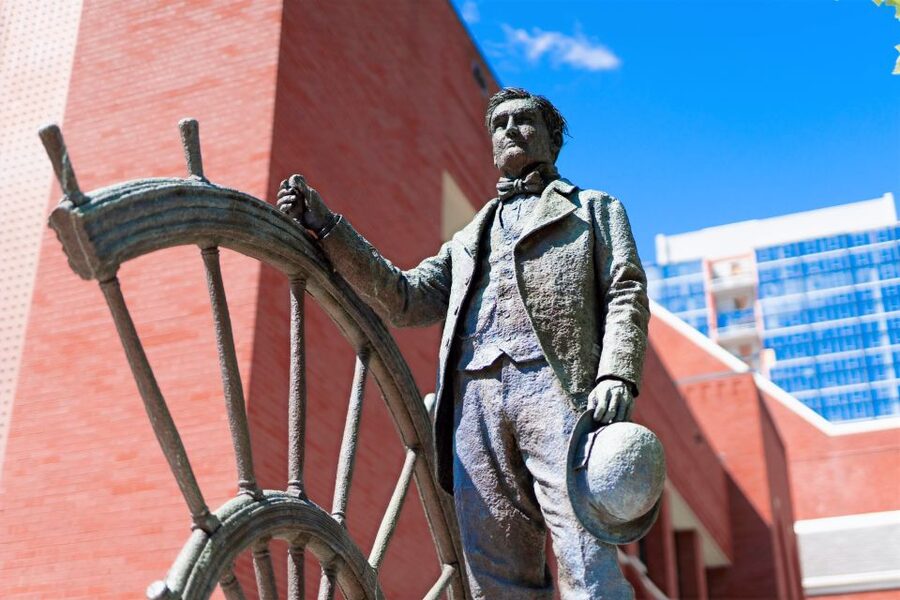
The tour departs in all weather. Wear comfortable shoes and clothes, and bring sunscreen. Since the walk includes outdoor stops, a rain jacket or umbrella is a sensible addition even when the forecast looks uncertain.
The walking itself is moderate. About 35 minutes of the two-hour experience involves walking, and the incline is easy and gradual. The rest of the time is spent stopping, listening, and hearing the guide explain the sights.
Bad weather can change the format. In heavy rain, the company has provided a car tour so the guide could still point out Nashville landmarks. That is a considerate backup, but it is not the same experience as walking through Lower Broadway, Printers’ Alley, or Capitol Hill.
The tour is wheelchair accessible, and alternative routes are available when needed. Small children can use wagons. If you need an accessible route or a wagon, mention that when arranging your booking so the staff can prepare.
The tour does not list a required fitness level. I would call it an easy city outing, with the usual need to manage sidewalks, weather, and downtown foot traffic.
Who will get the most from this tour
This is a good match for a first visit, especially if you want a quick city overview before choosing paid attractions. It also works for adults and families who want music stories without committing to a full museum visit or a long walking route.
The tour suits you if you like history presented through places. The guide may move from music to the War of Independence, the Civil War, civic buildings, stadiums, and famous streets, giving you a broader picture of Nashville.
It is less suitable if you want a deep visit inside one landmark. You will not spend two hours inside the Ryman, the Country Music Hall of Fame, or the Grand Ole Opry. For that, choose a dedicated admission ticket, backstage tour, or performance.
It may also frustrate you if you expect a quiet, slow walk. The route covers a lot, and the emphasis is on seeing many locations and hearing many stories.
Cancellation, payment, and simple planning advice
You can cancel up to 24 hours before departure for a full refund. The reserve-now, pay-later option lets you hold a place without paying immediately, which is useful when your Nashville schedule is still changing.
Arrive at Butler’s Run with enough time to find the brick wall or benches. Do not wait inside nearby stores unless you are making a purchase.
For the best use of the two hours, bring water, wear shoes suited to pavement, and keep your phone available for the on-demand guide service. If the forecast shows rain, decide in advance whether a car-based alternative would still suit your plans.
I would schedule this near the beginning of your Nashville stay. Write down the places that interest you, then return to the Ryman, museum, Opry, or another attraction with more time.
Should you book the Nashville Music History Guided Walking Tour?
Book it if you want a low-cost introduction to Nashville that covers far more than one street. The $10 price, live guides, music clips, wide range of sights, and possible ticket discounts make it a strong first-day choice.
Sherri Lee and Duncan have received special praise for clear stories and helpful guidance, and the tour’s format gives you both personal narration and audio material. The 4.8 rating from 25 reviews also fits the experience described here: high value, strong guide-led storytelling, and a practical overview.
Skip it if you want admission to Nashville’s major music landmarks, a dedicated backstage visit, or an evening performance. For those goals, choose a separate ticket or specialty tour. If you can accept a broad outdoor introduction, with some stops brief and the weather unpredictable, this is one of the easiest ways to begin finding your way around Music City.
FAQ
How long does the Nashville Music History Guided Walking Tour last?
The tour lasts two hours and is usually offered in the morning.
How much walking is involved?
About 35 minutes of the two-hour experience involves walking. The route includes an easy, gradual incline.
What sights are included?
The tour covers over 100 points of interest and more than 200 sights, including the Ryman Auditorium, Grand Ole Opry, Nissan Stadium, Country Music Hall of Fame and Museum, Tennessee State Capitol, Lower Broadway, Printers’ Alley, 2nd Avenue, Capitol Hill, and Walk of Fame Park.
Is admission to the Ryman Auditorium or Country Music Hall of Fame included?
The tour provides information and an up-close look at the landmarks, but admission tickets to those attractions are not listed as included.
Is the tour available in languages other than English?
No. The live guide and included audio guide are offered in English.
What happens if it rains?
Tours depart rain or shine. In heavy rain, a car-based tour may be provided so the guide can still point out Nashville sights.
Is the tour wheelchair accessible?
Yes. The tour is wheelchair accessible, and alternative routes are available if needed.
Can children join the tour?
Yes. Wagons can be provided for small children.
Where do I meet the guide?
Meet the guide in Butler’s Run. Wait along the brick wall or on the benches, and do not gather in front of or inside stores unless you are actively making a purchase.
Just added around the USA
- Red Rocks Amphitheatre Historical Walking Tour★ 5.0 · 74 reviews
- 1-Hour Segway Tour of Cheyenne Cañon Art, History and Nature★ 5.0 · 36 reviews
- Colorado Springs – Guided Walking Ghost / History Tour★ 5.0 · 168 reviews
- Ancient Landscapes Private Geology Hike at Garden of the Gods★ 5.0 · 31 reviews
- Village Food Tours Lunch & History Tour★ 5.0 · 80 reviews
- 2.5 Hour Kayaking with Manatee and History Tour in Tarpon Springs★ 5.0 · 24 reviews
- Safety Harbor Ghost Tour★ 5.0 · 60 reviews
- Historical Bicycle Tour of Dunedin★ 5.0 · 44 reviews
USA History Tours, compared.

History and Hauntings of Salem Guided Walking Tour
Read our review →
Charleston’s Old South Carriage Historic Horse & Carriage Tour
Read our review →
Boston: Freedom Trail History Small Group Walking Tour
Read our review →
Historic Charleston Guided Sightseeing Walking Tour
Read our review →
Savannah History and Haunts Candlelit Ghost Walking Tour
Read our review →
Tour of Historic Fenway Park, America’s Most Beloved Ballpark
Read our review →
Oahu: Mauka Warriors Luau Honoring Polynesia’s Forgotten History
Read our review →Browse the lists this tour appears in