
Review · USA
Old Louisville: History and Architecture Walking Tour
Old Louisville is where Louisville’s Gilded Age ambitions turned into stone, brick, turrets, porches, and fanciful rooflines. On this 90-minute walk, you’ll see the grand neighborhood built for bourbon barons, tobacco leaders, racetrack royalty, and other wealthy residents of the 1800s. I like the mix of architecture and personal stories, and I like that the route includes quiet walking courts and Floral Terrace, not just the best-known streets.
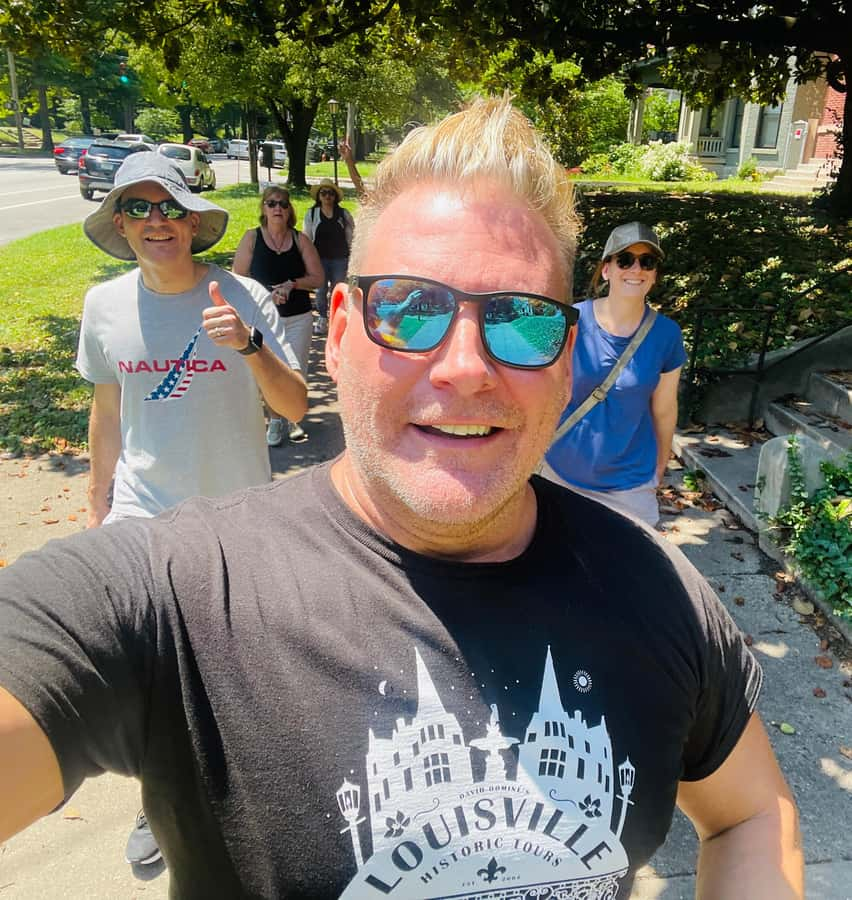
I also like the small-group feel when numbers are modest, since guides such as David, Valerie, Gabe, and Angelique can answer questions and point out details you might miss alone. The main consideration is simple: you must walk for 90 minutes without a bathroom break, and the tour runs outdoors in changing weather.
Key points at a glance
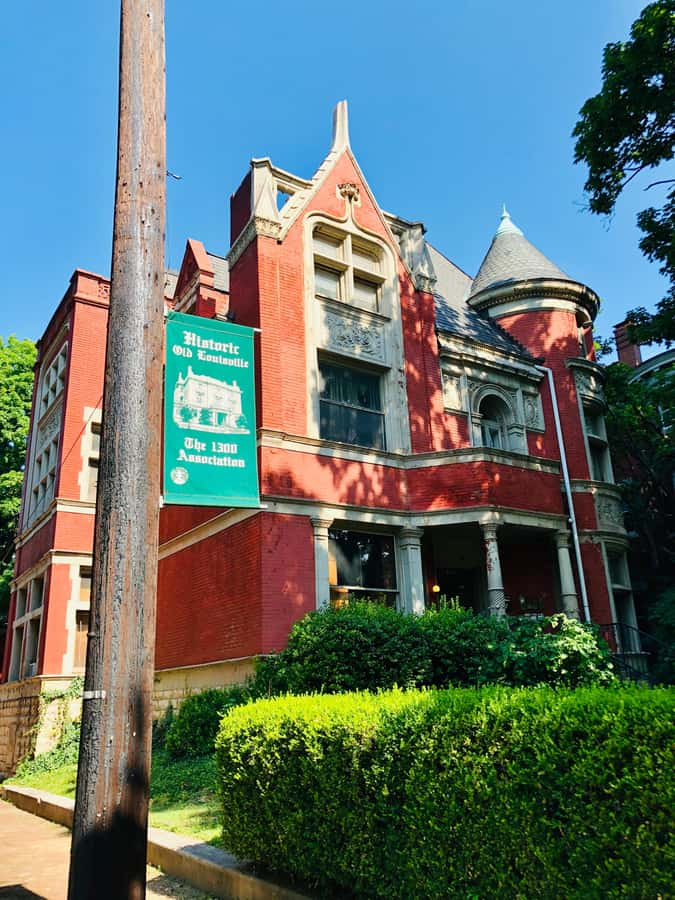
- Victorian variety: See Italianate, Queen Anne, Richardsonian Romanesque, Châteauesque, Renaissance Revival, and Georgian design in one neighborhood.
- A real residential district: Walk among mansions, cottages, churches, gas-lit courts, and alleyways rather than viewing architecture from a bus.
- Stories behind the façades: Guides connect buildings with families, local legends, social customs, and the neighborhood’s changing fortunes.
- A gentle, flat route: The pace is designed for regular stops and questions, though the full walk still requires 90 minutes on your feet.
- Floral Terrace and Central Park: The route adds quieter corners, including secluded Floral Terrace and leafy Central Park.
- Easy planning: Meet at the brown Welcome to Old Louisville sign at South Fourth Street and West Ormsby Avenue, then finish at the same spot.
Why Old Louisville rewards a walking tour
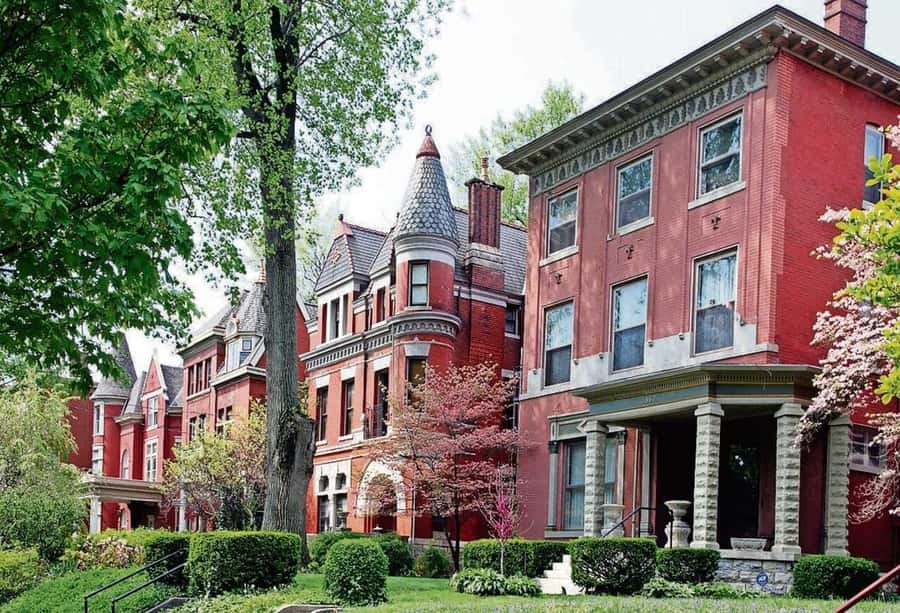
Old Louisville covers 45 square blocks just south of downtown. It is often called America’s Grandest Victorian Neighborhood, and that nickname makes more sense once you see how many architectural styles share the same streets.
The area grew quickly in the late 19th century. The Southern Exposition brought large crowds to Louisville in the 1880s, and wealthy families wanted homes that announced success. The result was a new suburb filled with elaborate residences, formal façades, narrow lanes, and small houses built with equal care.
You can walk through Old Louisville on your own, but the details are easy to flatten into a parade of pretty buildings. A guide gives the houses names, owners, dates, styles, and stories. That turns a pleasant stroll into a readable chapter of Louisville’s past.
I especially like this kind of tour for a first visit because it gives you a visual vocabulary. After your guide explains the difference between an Italianate home and a Queen Anne house, you begin spotting the clues yourself: towers, brackets, asymmetrical façades, heavy stonework, elaborate windows, and competing decorative ideas.
More History Walking Tours in the USA
- History and Hauntings of Salem Guided Walking Tour
★ 5.0 · 14,564 reviews - Boston: Freedom Trail History Small Group Walking Tour
★ 5.0 · 6,450 reviews - Historic Charleston Guided Sightseeing Walking Tour
★ 5.0 · 6,216 reviews
Meeting at South Fourth Street
The tour begins at 1300 South Fourth Street, but that address is mainly for GPS use. You do not check in at an office or enter a building. Instead, meet your guide in front of the brown Welcome to Old Louisville sign at the corner of South Fourth Street and West Ormsby Avenue, one block north of Central Park.
This detail matters. Give yourself enough time to find the sign, especially if you are unfamiliar with the neighborhood. The tour ends at the same corner, so you can leave your larger sightseeing plans flexible.
The location is near public transportation, and the activity is listed as wheelchair accessible. Still, accessibility does not remove the basic physical demand: you need to manage a 90-minute outdoor walk. If you have a low level of fitness, back problems, heart problems, or are pregnant, the tour may not be a good match.
Mansions built for Louisville’s elite
The first major pleasure is the scale and variety of the homes. These were not built as a single planned row of identical houses. Different owners chose different styles, materials, and decorative flourishes, creating a district where no two façades need look alike.
Your guide explains how the neighborhood drew Louisville’s most successful residents during the late 1800s. Bourbon money, tobacco fortunes, racetrack wealth, and business success all found expression in residential architecture. A house was not simply a place to sleep. It announced status, taste, ambition, and social position.
Expect to see large mansions alongside quaint cottages and shotgun-style homes. That range is important. Old Louisville is not only a collection of oversized residences. Its streets also reveal the different ways people lived and how the neighborhood changed over time.
The guides make this section work through stories rather than a string of dates. David is praised for combining architectural detail with local trivia and strong storytelling. Valerie is described as especially good at explaining both the buildings and the families who lived in them. Gabe’s tours are noted for clear facts, humor, and comparisons between the past and present.
You will spend much of the walk outside private homes. The tour does not include entry into houses or churches, so the experience is about façades, streetscapes, and interpretation. That can feel limiting if you want to see lavish interiors, but it also keeps the tour focused and lets you cover a good part of the neighborhood in a short time.
Reading the architecture block by block
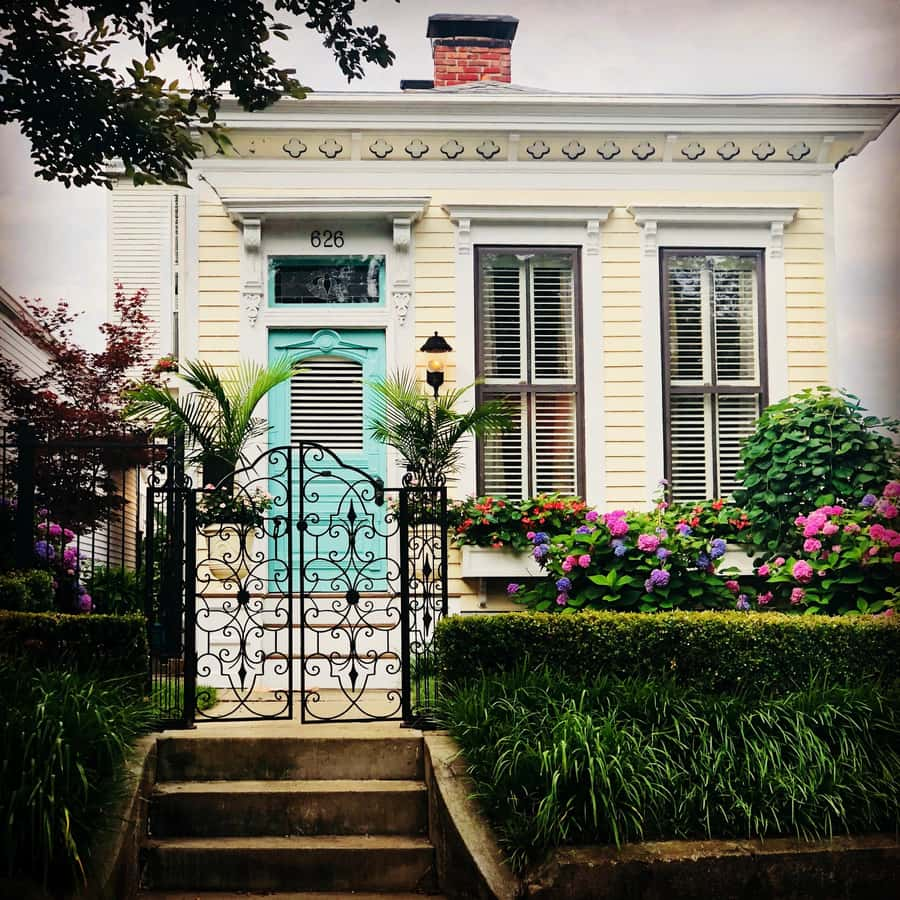
Old Louisville offers an unusual concentration of 19th-century styles. Your guide may point out:
- Italianate homes, often marked by strong vertical lines, decorative brackets, and tall windows.
- Queen Anne houses, known for varied shapes, busy ornament, towers, and mixed materials.
- Richardsonian Romanesque designs, with heavy stonework and a sturdy, dramatic appearance.
- Châteauesque residences, which borrow from French castle forms and can look especially theatrical.
- Renaissance Revival buildings, with classical balance and carefully ordered details.
- Georgian designs, which bring a more restrained sense of symmetry and proportion.
The value is not just learning labels. Architectural terms give you a way to understand what you are seeing. Instead of saying that one house looks old and another looks fancy, you can see how their owners made different choices.
The route also shows how Victorian taste often favored abundance. Towers, gables, porches, carved details, stained glass, and layered rooflines could all appear on one building. Your guide helps separate the visual noise into recognizable parts.
This is where the personal style of the guide matters most. Angelique is praised for her speaking ability, architectural explanations, and memorable anecdotes. Liam is noted for adding wit and quick stories. A strong guide keeps the technical material from turning into a vocabulary lesson.
Same city, a different century:
- Charleston’s Old South Carriage Historic Horse & Carriage Tour
★ 5.0 · 10,023 reviews - Beneath The Streets Underground History Tour
★ 4.5 · 8,006 reviews - Big Island in a Day: Volcanoes Waterfalls Sightseeing and History
★ 5.0 · 6,569 reviews - Charleston Horse-Drawn Carriage Tour: Explore Historic Charleston
★ 5.0 · 3,561 reviews
Floral Terrace and the quieter corners
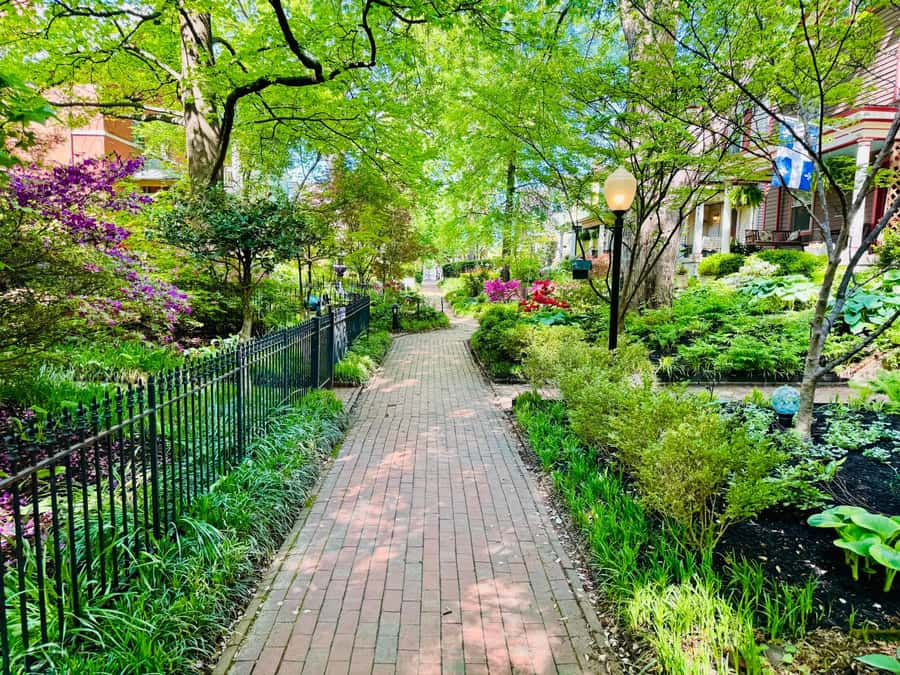
One of the best reasons to book a guided walk is the chance to see corners you might pass by without realizing their importance. The route includes secluded Floral Terrace, along with charming alleyways and gas-lit walking courts.
These smaller spaces give the tour a different rhythm. Grand avenues show off the neighborhood, while the tucked-away lanes suggest how residents moved through daily life and how the district was designed beyond its most imposing fronts.
Floral Terrace is also a useful reminder that Old Louisville is not only about monumental architecture. The district’s character comes from the relationship between homes, paths, greenery, and small public spaces. You get a better sense of the neighborhood as a place where people lived, not just a museum of façades.
Bring a camera, but leave room for listening. The most interesting details may be small: a decorative feature, a strange angle in a house, a hidden walking lane, or a story tied to a particular family. Several guides are praised for pointing out these easily missed elements.
Central Park gives the walk a natural finish
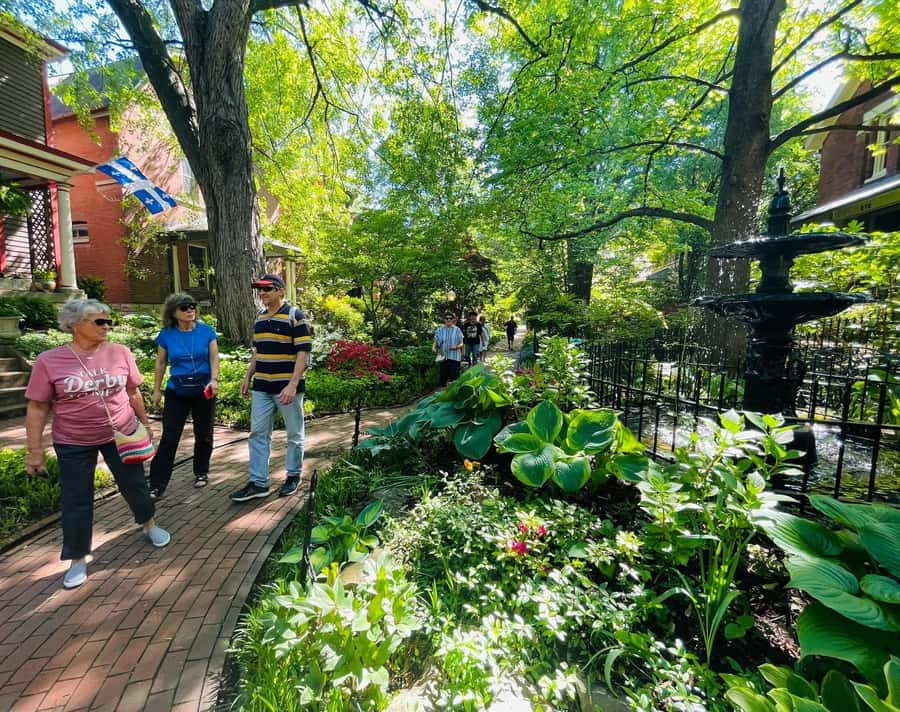
The tour includes a stroll through leafy Central Park after Floral Terrace. This helps break up the architecture and gives you a little open space during the walk.
The park also adds context. Old Louisville was built as a residential suburb, and parks were part of the neighborhood’s appeal. Moving from enclosed streets and close-set homes into a greener setting lets you see how the district balanced private display with public space.
The tour returns to the original meeting point at South Fourth Street and West Ormsby Avenue. That makes the experience easy to pair with other plans in Louisville. You can schedule it as a morning introduction to the city, then use what you learned to revisit a street or building at your own pace.
What the guide adds to the experience
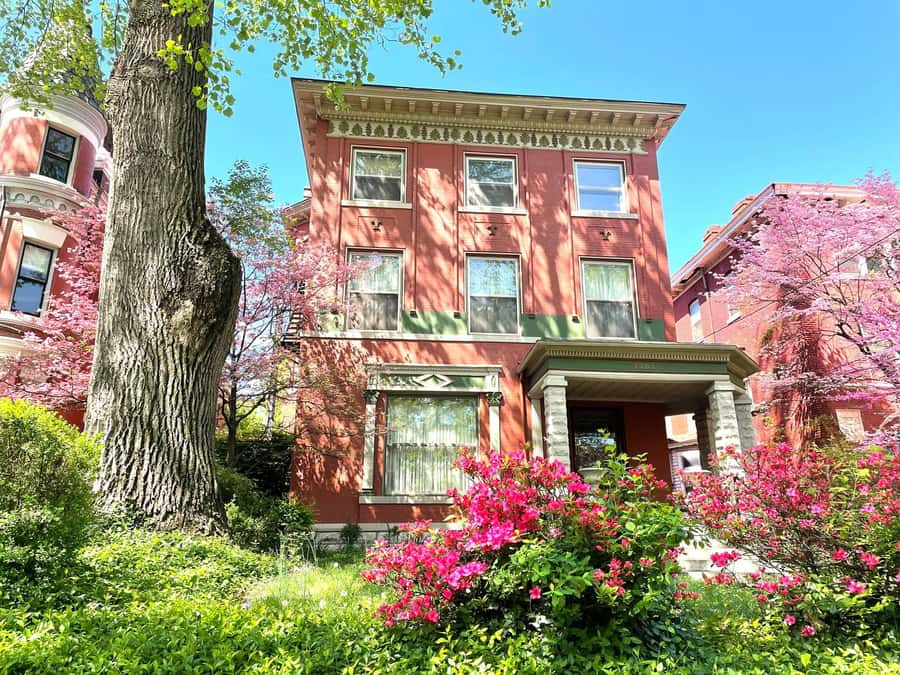
The strongest pattern across the guide feedback is not simply factual skill. It is the ability to make architecture feel human.
David is repeatedly described as a strong storyteller who can answer questions and explain local history clearly. Valerie is praised for her warmth, historical detail, and steady pace. Gabe is noted for arriving early, welcoming questions, and keeping the walk upbeat. Angelique combines architectural knowledge with anecdotes that help individual houses stick in your memory.
Those names do not guarantee which guide you will receive, but they show the sort of approach to expect: history mixed with humor, facts tied to particular buildings, and room for questions.
A smaller group makes a difference here. You are not looking at a distant monument from behind a crowd. You are stopping near a house, listening to an explanation, and asking why a feature was built that way. If you enjoy conversation, the format should suit you well.
The guide also helps with the neighborhood’s legends and changing identity. Old Louisville is not frozen in the 1880s. The tour addresses its past and present, giving you a sense of how the district developed over the decades.
Timing, pace, and weather
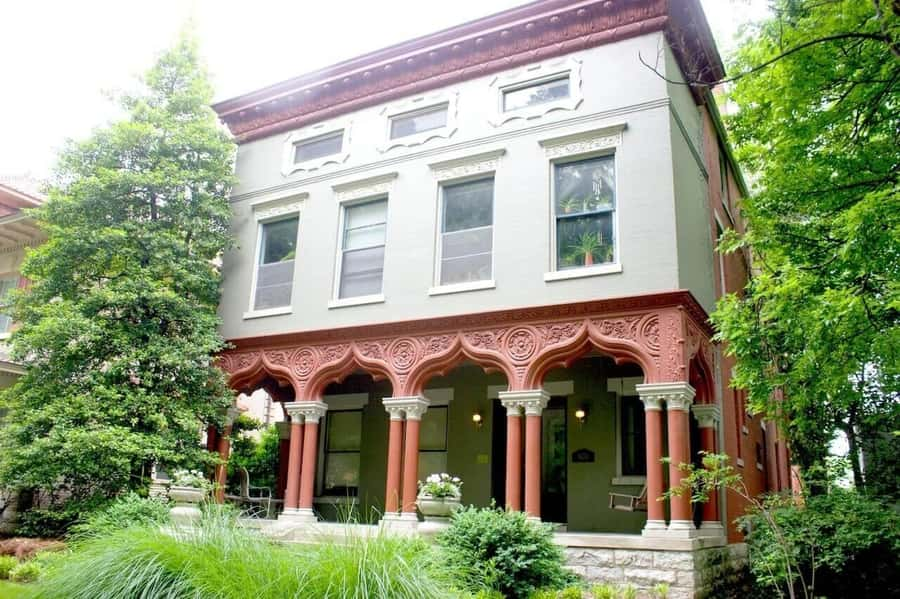
The advertised duration is 1.5 hours. The walk is described as flat and easy-paced, with frequent stops to view buildings and hear stories. That is a comfortable length for most sightseeing days, but it is still long enough to require proper shoes.
There are no scheduled bathroom stops, and participants must be able to walk for the full 90 minutes without one. Plan accordingly before meeting your guide.
Weather is a real factor. The experience runs outdoors, and guides have continued in rain and wind, but you should not count on perfect conditions. Wear weather-appropriate clothing, bring water, and consider a hat or rain layer depending on the forecast.
The tour is wheelchair accessible, but the practical details of your own mobility still matter. A continuous walking route, outdoor surfaces, and stops at different points can feel different from visiting a single accessible attraction. If you need specific assistance, confirm the details before booking.
Is $27 a fair price?
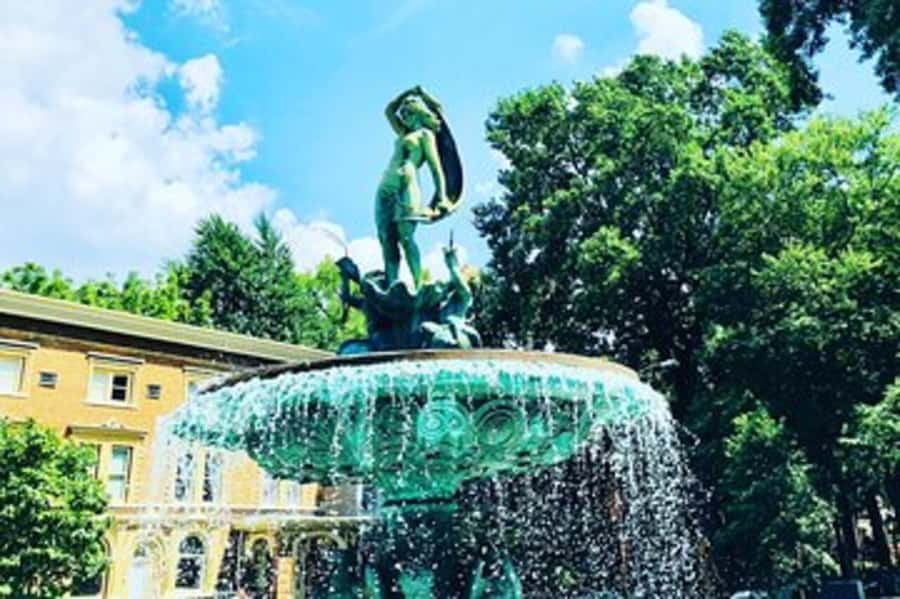
At $27 per person, this is reasonably priced for a guided 90-minute city walk. You are paying for a professional guide, not admission to a house or church, so the value depends on how much you want interpretation.
If you simply want to photograph Victorian homes, you can walk through the neighborhood without paying. But you will not automatically know which styles you are seeing, who built the houses, or why the area developed as it did. The guide supplies that missing layer.
The price is especially fair if this is your first time in Louisville or if architectural history is new to you. The tour gives you a compact introduction without taking half a day. It also helps you decide which streets or buildings deserve a second look later.
The limitation is that there are no interior visits. If your priority is ornate rooms, historic furnishings, or access inside a mansion, this is not the right format. Think of it as an outdoor architecture and history tour, not a house museum visit.
Free cancellation up to 24 hours before the start and a reserve-now, pay-later option make the booking less rigid. Starting times vary, so check availability when planning your day.
Who should book this Old Louisville walk?
I would recommend it to you if you enjoy:
- Historic neighborhoods and residential architecture
- Local stories tied to specific buildings
- Flat, moderate-paced walking
- Small-group discussion and questions
- Seeing both grand homes and ordinary neighborhood details
- A short activity that fits easily into a Louisville itinerary
It is a good choice for first-time visitors, architecture fans, history-minded families, and anyone attending a convention who wants a worthwhile break from downtown venues.
I would think twice if you need frequent bathroom access, dislike outdoor activities in uncertain weather, or have difficulty walking for 90 minutes. I would also choose another activity if you mainly want to enter historic interiors.
Should you book it?
Book this tour if you want Old Louisville to become more than a pretty street full of old houses. The combination of mansions, cottages, churches, alleyways, Floral Terrace, and Central Park gives you a broad look at the district, while the guides add the family stories and architectural clues that make the walk memorable.
The best reason to go is the human scale. You are close enough to study a porch or roofline, yet guided enough to understand why it matters. At $27, that is a solid introduction to one of Louisville’s most distinctive neighborhoods.
FAQ
Where does the Old Louisville walking tour begin?
Meet your guide in front of the brown Welcome to Old Louisville sign at the corner of South Fourth Street and West Ormsby Avenue, one block north of Central Park. The listed address, 1300 South Fourth Street, is for GPS purposes.
Where does the tour end?
The tour ends back at the same meeting point at 1300 South Fourth Street.
How long does the tour last?
The walking tour lasts 1.5 hours, or 90 minutes.
What is included in the price?
The $27 price includes a guide and the walking tour.
Does the tour enter homes or churches?
No. Entrance into homes and churches is not included.
Is the tour wheelchair accessible?
Yes, the tour is listed as wheelchair accessible. You must still be able to complete the 90-minute walk without a bathroom break.
Is there a bathroom stop?
No bathroom stops are included. Participants must be able to walk for 90 minutes without one.
What should I bring?
Bring comfortable shoes, water, and clothing suited to the weather.
Can I cancel the booking?
Yes. You can cancel up to 24 hours in advance for a full refund. A reserve-now, pay-later option is also available.
Just added around the USA
- Red Rocks Amphitheatre Historical Walking Tour★ 5.0 · 74 reviews
- 1-Hour Segway Tour of Cheyenne Cañon Art, History and Nature★ 5.0 · 36 reviews
- Colorado Springs – Guided Walking Ghost / History Tour★ 5.0 · 168 reviews
- Ancient Landscapes Private Geology Hike at Garden of the Gods★ 5.0 · 31 reviews
- Village Food Tours Lunch & History Tour★ 5.0 · 80 reviews
- 2.5 Hour Kayaking with Manatee and History Tour in Tarpon Springs★ 5.0 · 24 reviews
- Safety Harbor Ghost Tour★ 5.0 · 60 reviews
- Historical Bicycle Tour of Dunedin★ 5.0 · 44 reviews
USA History Tours, compared.
History and Hauntings of Salem Guided Walking Tour
Read our review →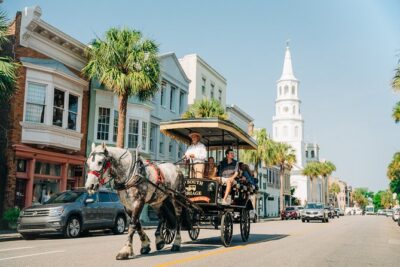
Charleston’s Old South Carriage Historic Horse & Carriage Tour
Read our review →
Boston: Freedom Trail History Small Group Walking Tour
Read our review →
Historic Charleston Guided Sightseeing Walking Tour
Read our review →
Savannah History and Haunts Candlelit Ghost Walking Tour
Read our review →
Tour of Historic Fenway Park, America’s Most Beloved Ballpark
Read our review →
Oahu: Mauka Warriors Luau Honoring Polynesia’s Forgotten History
Read our review →Browse the lists this tour appears in