Review · USA
Pittsburgh: Best of the Burgh History and Architecture Tour
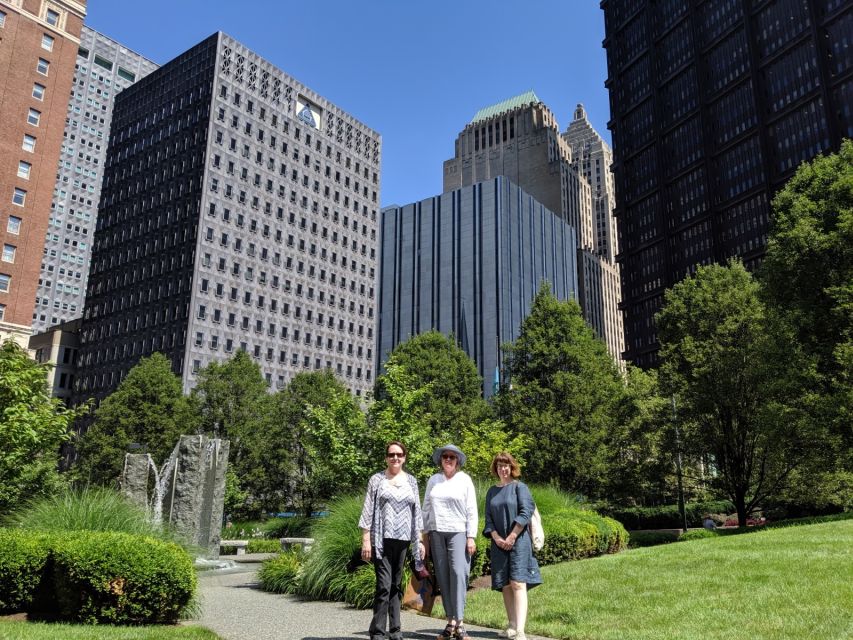
Pittsburgh’s best story is written in its downtown buildings. This two-hour walk shows you how industrial fortunes shaped opulent towers, public spaces, and working buildings that still serve the city today. Ken, Dave, Marisa, Alan, and other local guides bring different voices and plenty of useful detail.
I like the route’s mix of grand avenues, small alleyways, public art, and building interiors. I also like the steady pace, question time, and practical food tips. The main drawback is simple: you walk about 2 miles, and rain can slow the route or limit which areas you reach.
Key points to know
- Downtown from street level: See Pittsburgh’s central district on foot instead of passing it from a car or bus.
- Architecture with a backstory: Learn how industrial wealth shaped the city’s towers and civic buildings.
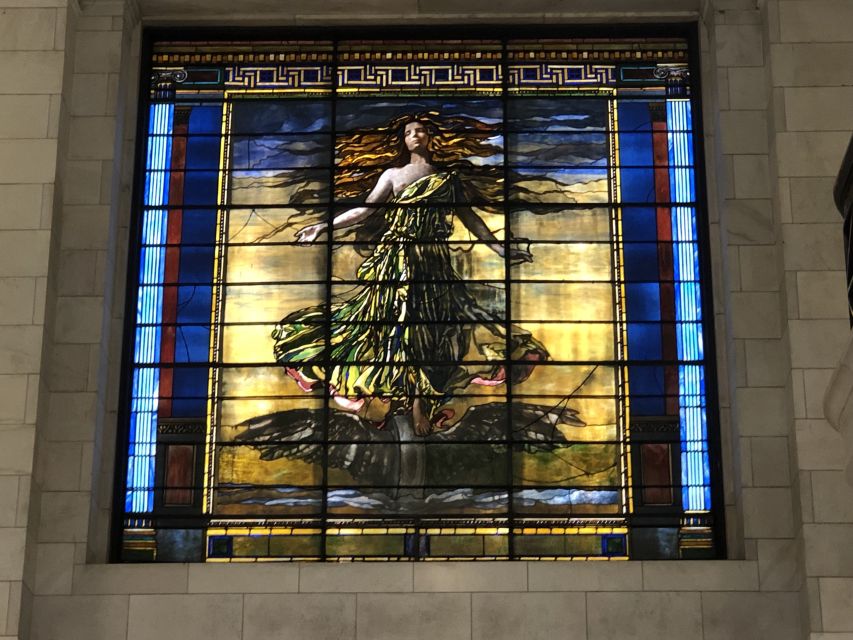
- Interior visits: The route can take you inside some important buildings, adding detail that an outside-only walk misses.
- Guides with strong local knowledge: Ken, Dave, Doug, Marisa, Alan, Kane, and others have led this route with humor and plenty of stories.
- A useful first-day tour: The 2-mile route helps you get your bearings and collect ideas for later exploring.
- Good practical value: The tour costs $32, includes local restaurant coupons, and allows cancellation up to 24 hours before departure.
Why downtown Pittsburgh is best seen on foot
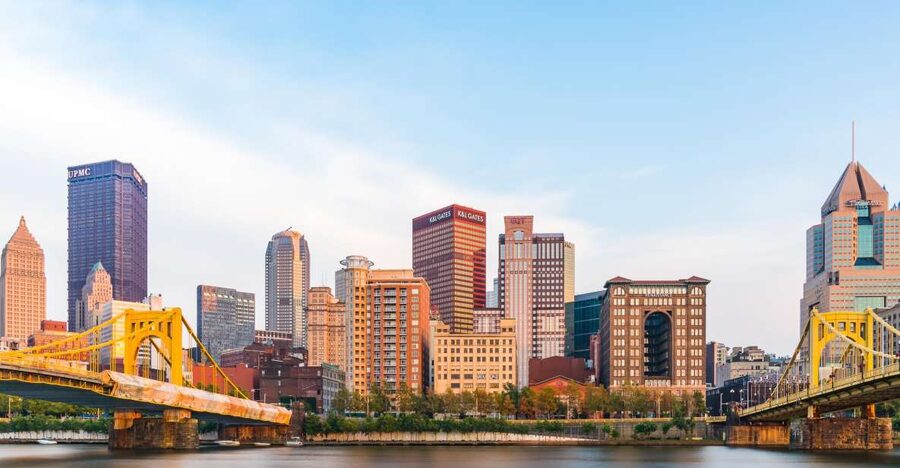
Pittsburgh can be hard to read at first. Its rivers, hills, bridges, and compact downtown streets give the city a shape that is easy to admire but not always easy to understand. A walking tour fixes that. You move at street level, stop often, and have time to look up.
The route focuses on the heart of downtown. You walk along major avenues, then turn into smaller lanes and alleys where the city feels less formal. That change matters. Grand facades show you Pittsburgh’s ambition, while the side streets reveal how closely its commercial, civic, and cultural spaces sit together.
I especially like this format for a first visit. You get a basic map of the city without spending half a day on a long bus ride. Afterward, you can return to the buildings, squares, restaurants, or public art that caught your eye.
The tour covers about 2 miles in two hours. That is a reasonable distance, but it is still a proper city walk. Wear comfortable shoes, and bring a working mobile number so the operator can send weather updates if needed.
More History Tours in the USA:
- History and Hauntings of Salem Guided Walking Tour
★ 5.0 · 14,564 reviews - Charleston’s Old South Carriage Historic Horse & Carriage Tour
★ 5.0 · 10,023 reviews - Beneath The Streets Underground History Tour
★ 4.5 · 8,006 reviews
The opening walk from Penn Avenue
Meet at Walk the Burgh Tours, 1049 Penn Avenue, downtown, on the side of the David Lawrence Convention Center. Look for the white bike in the window, and arrive 15 minutes early.
The starting point places you near a busy part of downtown, so your guide can quickly set the scene. Pittsburgh is not presented as a collection of isolated buildings. You begin to see how streets, offices, cultural sites, and public spaces fit together.
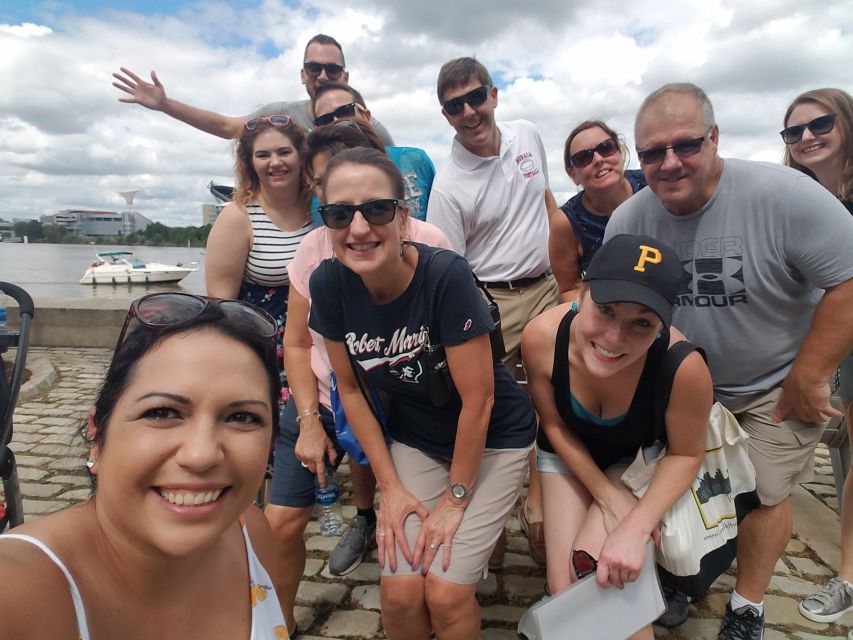
Your guide provides live commentary in English. The group is kept small, which makes it easier to hear, ask questions, and stay close to the guide. The exact personality will vary. Ken has been especially strong at combining facts with anecdotes, while Dave is known for a clear voice that carries over city noise. Marisa, Alan, Doug, and Kane have also led the walk.
The guide’s style matters here. You are often looking above street level, so a good explanation helps you know what to notice. You may hear about the people who financed Pittsburgh’s growth, how major buildings were used, and how the downtown area changed over time.
Opulent towers and the people behind them
One of the tour’s main themes is the link between industry and architecture. Pittsburgh’s industrial success created fortunes large enough to reshape downtown. Those fortunes appeared in towers, offices, cultural buildings, and public places built to signal confidence and permanence.
The tour does not only ask you to admire stonework or elaborate entrances. It connects the buildings to the people and businesses behind them. That makes the architecture easier to understand. A grand lobby is not just decoration when you know why it was built, who paid for it, and what role the building played in the city.
I find this approach more useful than a list of construction dates. You learn to look for clues: scale, ornament, entrances, public spaces, and the relationship between a building and the street. The guide can also answer questions as you go, so the walk is not locked into a speech that ignores the group.
The information covers more than architecture. The route also touches on Pittsburgh’s past and present, along with culture, food, and sports. That wider view keeps the tour from becoming too technical, especially if you are interested in the city but do not normally seek out architectural tours.
Going inside the buildings
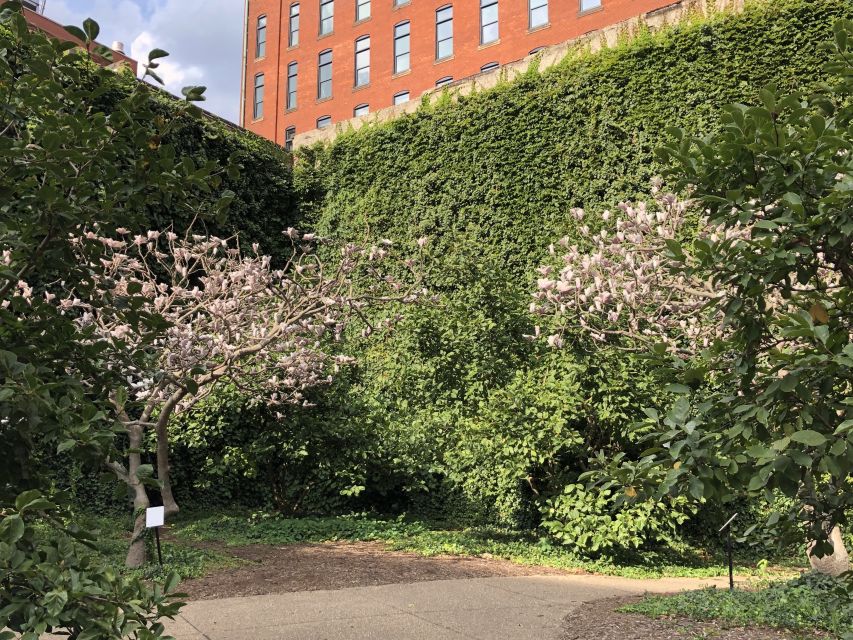
The chance to enter some buildings is one of the strongest features of this experience. From the sidewalk, you can see a facade. Inside, you may notice a lobby, a doorway, a ceiling, or a public interior that changes your sense of the whole structure.
Interior access can never be guaranteed in the same way as a museum admission, since working buildings have their own schedules and rules. Still, the route is designed to include indoor visits when possible. That makes the experience more useful than an outside-only circuit.
You should pay attention to transitions. The guide may point out a detail outside, then explain its purpose once you are inside. This gives you a better sense of how the building was meant to be experienced, not just photographed.
It also helps in poor weather. Rain affected one recent tour by slowing the pace and limiting some areas, but guides have made an effort to move people under cover when possible. Indoor stops can give you a short break, though you should still dress for the forecast.
Same city, a different century:
- Big Island in a Day: Volcanoes Waterfalls Sightseeing and History
★ 5.0 · 6,569 reviews - Boston: Freedom Trail History Small Group Walking Tour
★ 5.0 · 6,450 reviews - Historic Charleston Guided Sightseeing Walking Tour
★ 5.0 · 6,216 reviews - Charleston Horse-Drawn Carriage Tour: Explore Historic Charleston
★ 5.0 · 3,561 reviews
Squares, public art, and smaller streets
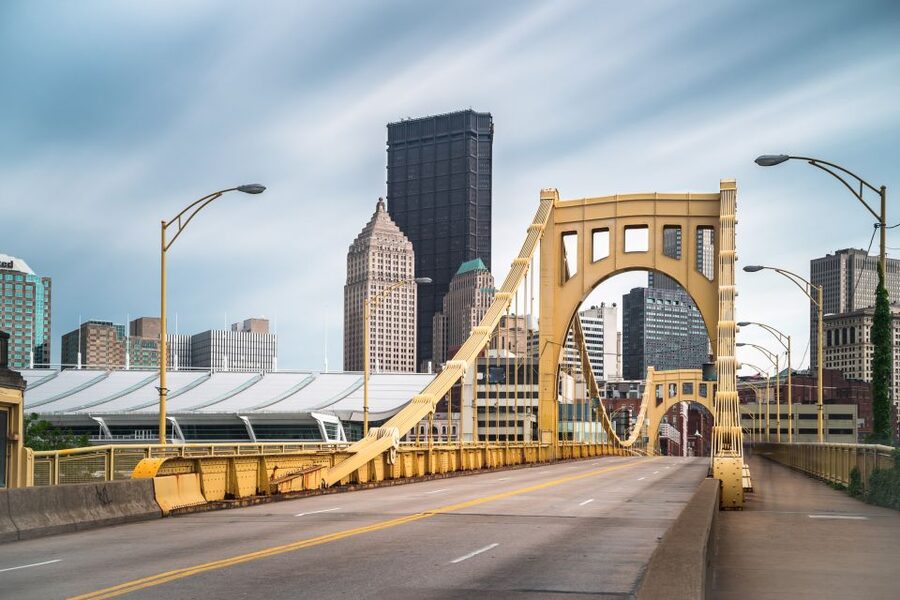
The tour includes beautiful squares and pieces of public art, along with the major avenues. These stops add breathing room to the architecture. You are not staring upward for two hours. You get places to pause, take in the surroundings, and hear how public space is used.
The smaller lanes and alleyways are particularly worthwhile. Main streets show the formal face of downtown, while side routes can reveal details you would likely pass without noticing. Your guide points out these less obvious features and explains why they matter.
I would not expect a carefully staged secret route. Downtown is an active city, and conditions can affect where the group goes. The value is having someone trained to notice what is already there. A doorway, detail of a facade, or narrow passage can become meaningful once the guide supplies the context.
Public art also gives the walk a change of pace. Rather than treating it as decoration, the guide can connect it to the city’s identity and public life. You will see how Pittsburgh’s built environment includes both old commercial power and newer cultural expression.
The guide makes or breaks the experience
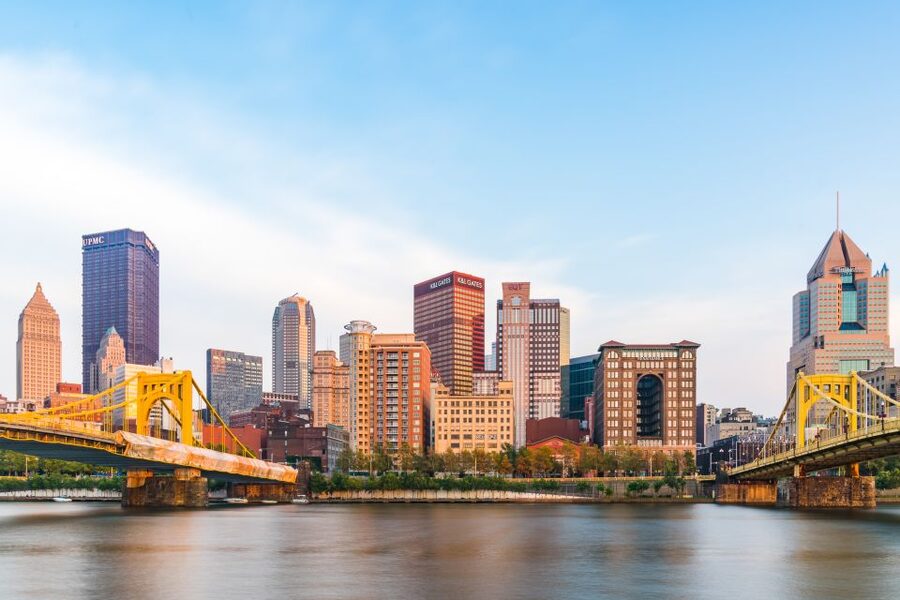
This tour depends heavily on the person leading it. The strongest guides combine a clear route with room for questions. That balance came through repeatedly in the feedback, especially for Ken, Dave, Doug, Marisa, Alan, and Kane.
Ken is frequently praised for his command of local stories, humor, and architectural detail. He has also stayed longer than the scheduled two hours on some occasions. Dave is described as engaging and easy to hear, an important point when traffic and city noise compete with the commentary.
Doug has been noted for a good walking pace and an entertaining style. Alan has focused closely on downtown buildings and city details. Kane has been appreciated for his historical knowledge, warmth, and ability to handle questions.
That does not mean every tour will feel identical. A small group may have time for more questions, while a larger one may require you to stay near the guide. One person noted that the microphone and small speaker worked best when the group stayed close. Keep your ears open and avoid drifting behind.
The guides also offer practical suggestions for what to eat and see next. You receive coupons from local restaurant partners, though food and drinks are not included. I see that as a useful extra rather than a reason to book the tour on its own.
Pace, weather, and accessibility
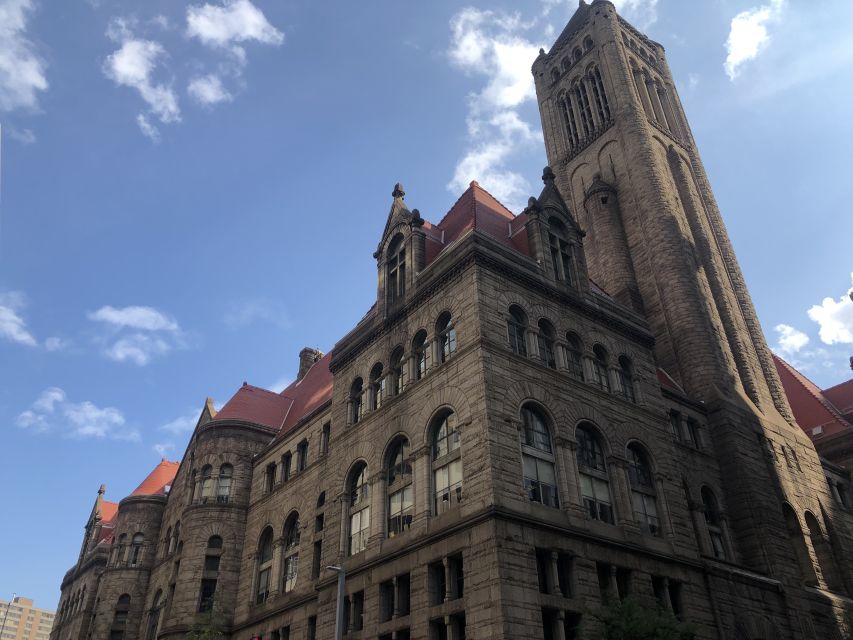
Two hours is a good length for this route. It is long enough to cover a range of buildings and public spaces, but short enough to fit around a museum visit, meal, or evening plan.
The pace has generally been described as comfortable, with chances to pause or sit briefly. Even so, the distance is about 2 miles, and the walk takes place in a city environment. You should be ready for ordinary sidewalks, street crossings, and time spent standing.
Weather can shape the experience. Sunny weather makes the architecture easier to see and the walk more pleasant. Rain may slow the group and limit outdoor areas, though guides can seek covered spots. Check your phone for weather-related updates and leave a working mobile number when booking.
The route is wheelchair accessible in general. If you have additional mobility needs, contact the operator before the tour. The company says it is happy to discuss ways to accommodate you, which is better than leaving the question until the meeting time.
Is $32 a fair price?
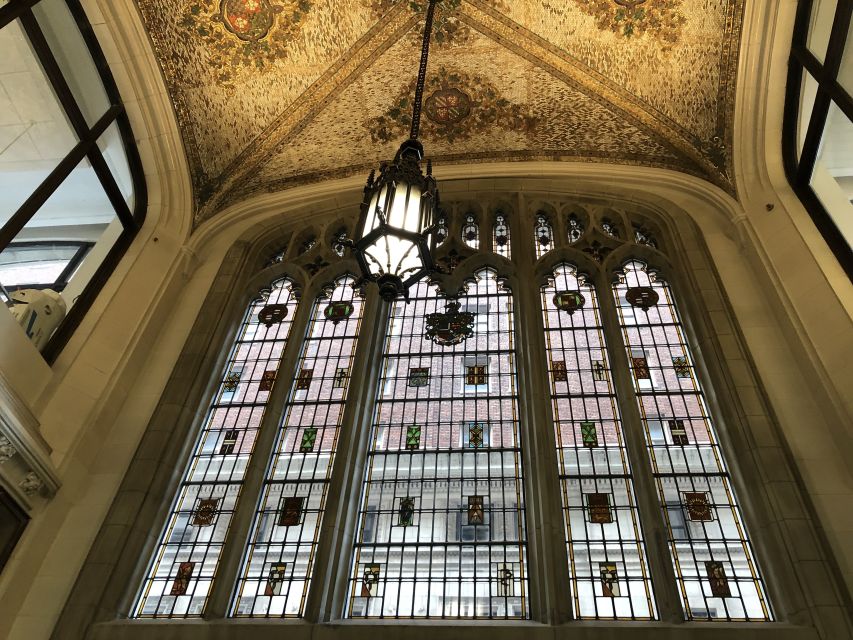
At $32 per person, this is good value if you want context rather than a simple stroll. You are paying for two hours with a local guide, a planned route, live commentary, and access to details that are easy to miss alone.
The price is especially fair for first-time visitors who want to understand downtown before exploring on their own. The tour can also work for Pittsburgh residents who know the streets but have never looked closely at the buildings. One local couple found that the guide helped them see their own city differently.
You should remember that food, drinks, and paid entry to separate attractions are not included. The restaurant coupons may help with your next meal, but they do not turn the tour into a food tour.
Free cancellation up to 24 hours before departure and the reserve-now, pay-later option add flexibility. That is helpful if your Pittsburgh plans depend on weather or a changing schedule.
Who should book this walk?
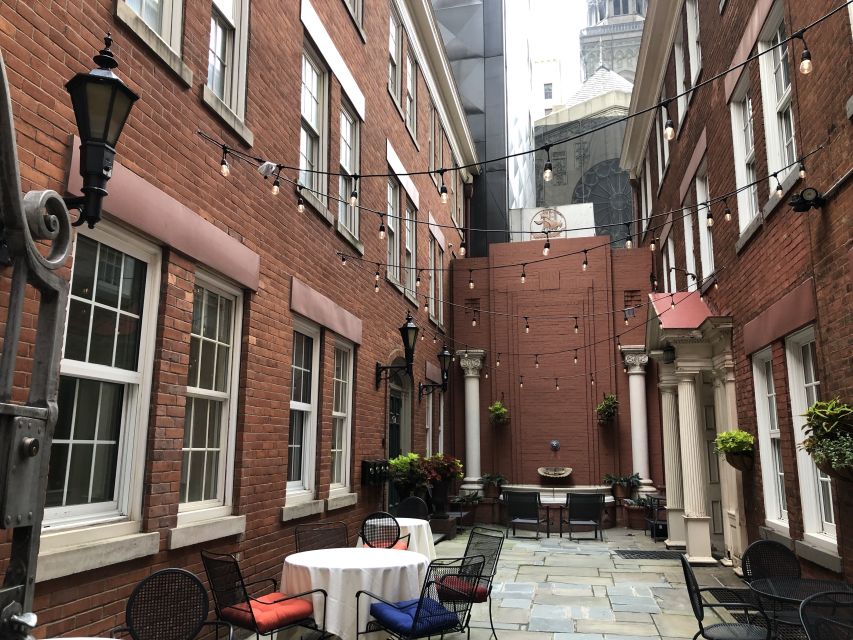
I would choose this tour if you like city history, architecture, public spaces, and local stories. It suits first-time visitors, couples, families with older children, and anyone who prefers learning by walking instead of sitting in a vehicle.
It is also a good choice if you want to ask questions. The small-group format gives you a better chance to speak with the guide, and the route has enough variety to keep the conversation moving.
You may want a different activity if you dislike walking, need a fully sheltered plan, or want a focused tour of one museum or a single building. This is a broad introduction to downtown, not an exhaustive study of every architectural style.
Book it early in your stay if possible. You will get more from the route when you can use the guide’s restaurant and sightseeing suggestions afterward. If you already know downtown well, book it for the stories and interior details rather than basic orientation.
Should you book the Best of the Burgh tour?
Yes, if you want a friendly, detailed introduction to central Pittsburgh for $32. The best parts are the local storytelling, the mix of grand buildings and small streets, and the chance to step inside some structures rather than viewing everything from the sidewalk.
Go with comfortable shoes, stay close enough to hear the guide, and keep your schedule flexible in case rain changes the route. If architecture and city stories appeal to you, this is a practical way to understand Pittsburgh before exploring farther on your own.
FAQ
Where does the tour meet?
Meet at Walk the Burgh Tours, 1049 Penn Avenue, Downtown Pittsburgh, Pennsylvania 15222, on the side of the David Lawrence Convention Center. Look for the white bike in the window.
How early should I arrive?
Arrive 15 minutes before the tour begins.
How long is the tour?
The walking tour lasts two hours.
How far do you walk?
The route covers about 2 miles, or 3.5 kilometers.
What language is the tour offered in?
The live tour is offered in English.
Is the tour wheelchair accessible?
The route is generally wheelchair accessible. Contact the operator before the tour if you have additional mobility needs.
What should I bring?
Bring comfortable shoes. You should also provide a working mobile number for weather-related updates.
Are food and drinks included?
No. Food and drinks are not included, but you receive coupons from local restaurant partners.
Can I cancel or pay later?
You can cancel up to 24 hours in advance for a full refund. You can also reserve your place and pay later.
Just added around the USA
- Red Rocks Amphitheatre Historical Walking Tour★ 5.0 · 74 reviews
- 1-Hour Segway Tour of Cheyenne Cañon Art, History and Nature★ 5.0 · 36 reviews
- Colorado Springs – Guided Walking Ghost / History Tour★ 5.0 · 168 reviews
- Ancient Landscapes Private Geology Hike at Garden of the Gods★ 5.0 · 31 reviews
- Village Food Tours Lunch & History Tour★ 5.0 · 80 reviews
- 2.5 Hour Kayaking with Manatee and History Tour in Tarpon Springs★ 5.0 · 24 reviews
- Safety Harbor Ghost Tour★ 5.0 · 60 reviews
- Historical Bicycle Tour of Dunedin★ 5.0 · 44 reviews
USA History Tours, compared.
History and Hauntings of Salem Guided Walking Tour
Read our review →
Charleston’s Old South Carriage Historic Horse & Carriage Tour
Read our review →
Boston: Freedom Trail History Small Group Walking Tour
Read our review →
Historic Charleston Guided Sightseeing Walking Tour
Read our review →
Savannah History and Haunts Candlelit Ghost Walking Tour
Read our review →
Tour of Historic Fenway Park, America’s Most Beloved Ballpark
Read our review →