Review · ATHENS
Private Biblical Ancient Corinth Tour from Athens
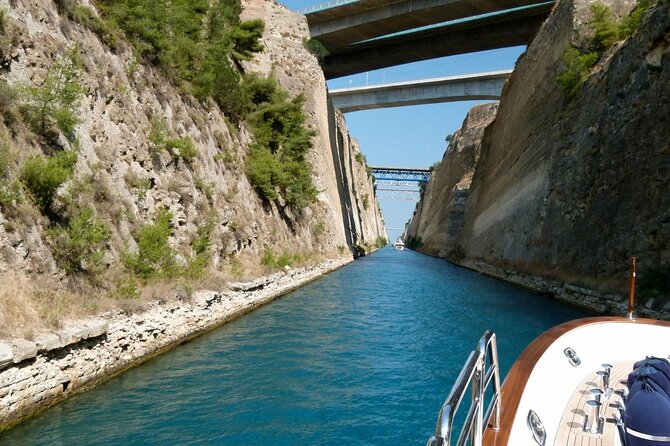
The Corinth Canal is the quick visual payoff: a narrow cut through limestone cliffs where boats pass far below. From Athens, this private day trip adds the old ports of Corinth, the hilltop fortress of Acrocorinth, Saint Paul connections, and the Roman ruins of Ancient Corinth.
I like the way the private format lets you linger at the places that matter most to you, and I like the useful mix of major sights and quieter stops such as Diolkos and Kechries. The main caution is that your driver is not a licensed guide and will not enter the archaeological sites with you, so you need to explore the ruins and museum on your own.
- The Corinth Canal gives you a striking view of the Isthmus, with ships threading between steep walls.
- Kechries and Diolkos connect the ancient trade routes and Saint Paul’s travels to the wider story of Corinth.
- Acrocorinth offers a high fortress setting, but the rocky climb can be hard and may not suit every visitor.
- Ancient Corinth brings together the Temple of Apollo, Roman marketplace, Bema, and Saint Paul connections.
- Private transport means hotel, apartment, or Piraeus pickup and a schedule shaped around your group.
- Lunch near Corinth can be a pleasant local break, though the timing may run late on a full day.
Why Corinth Makes a Strong Day Trip from Athens
Corinth sits on the narrow Isthmus linking mainland Greece with the Peloponnese. That position made it a commercial crossroads, a military gateway, and an important stop on routes between east and west.
You begin with pickup in Athens, followed by roughly an hour on the road. An air-conditioned vehicle, bottled water, WiFi, and private transportation are included. The group is yours alone, which matters here because the day includes several short stops, a museum visit, a meal, and a possible climb.
At about $204.81 per person, the price is easier to justify for a small group than for one or two people. A family or group of friends can share the private vehicle and gain control over the pace. You also avoid the fixed rhythm of a large coach tour.
This is not a bargain sightseeing bus. You are paying for door-to-door transport, a full day out of Athens, and the ability to ask your driver for practical help. The value drops if you expect a formal lecture inside every site, since the driver does not serve as an official guide.
The Canal and the Narrow Isthmus
The first major stop is the Corinth Canal, a six-kilometer cut through the Isthmus. At its base, the canal is only about 21.4 meters wide, too narrow for many modern ships, but still an impressive piece of engineering.
From above, you can look down at the water and the steep limestone walls. If a vessel is passing, the scale becomes much easier to understand. Allow about 30 minutes here. That is enough for photographs and a first look at the geography that shaped Corinth’s power.
The canal did not create Corinth’s importance. It made an ancient strategic position easier to understand. The Peloponnese is nearly separated from mainland Greece at this point, and control of the isthmus meant control of movement by land and sea.
More Ancient History Tours in Athens
- Athens: Acropolis & up to 5 Archaeological Sites Combo Pass
★ 4.2 · 13,904 reviews - Athens: Ancient Greek Theater Performance
★ 4.7 · 2,481 reviews - Historical Delphi One Day Tour with Arachova Stop & Expert Guide
★ 4.5 · 1,247 reviews
Diolkos, the Ancient Shipway
The Diolkos is a quieter stop, but it gives the canal a useful historical backdrop. In ancient times, boats and cargo could be moved overland across the isthmus rather than sent around the long and hazardous southern coast of the Peloponnese.
The paved trackway combined land transport with the movement of ships, an unusual feat for the ancient world. The system helped goods move between the Corinthian Gulf and the Saronic Gulf. During wartime, it also offered a faster route for naval campaigns.
You will spend about 30 minutes here. Do not expect a large museum or a long visit. The value is in seeing the physical route and hearing how geography pushed ancient engineers toward practical solutions.
Kechries and the Saint Paul Connection
Kechries, or ancient Kenchreai, was Corinth’s eastern port. Ships arriving through the Saronic Gulf could unload here, while overland traffic continued north toward central Greece or south into the Peloponnese.
The western port, Lechaion, handled routes toward Italy and the rest of Europe. Together, the two ports explain why Corinth became such a powerful trading city.
Kechries also matters to visitors following the journeys of Saint Paul. Acts 18:18 places Paul here during his second missionary journey, and Romans 16:1 refers to Phoebe of the local Christian assembly. The stop can feel especially meaningful if you are interested in early Christian history.
You have about 30 minutes. That is enough for a look at the coastal setting and a short explanation from your driver. The exact level of biblical commentary depends on the person driving you. Alex has been especially praised for explaining Paul’s time in Corinth, while George has been singled out for connecting the sites with the New Testament story.
Acrocorinth: A Great View with a Real Climb
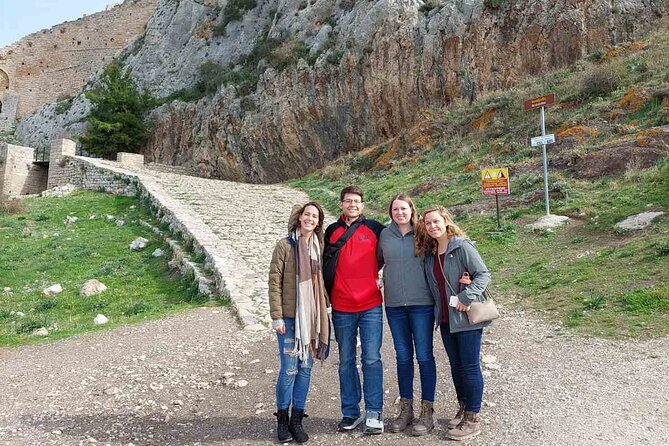
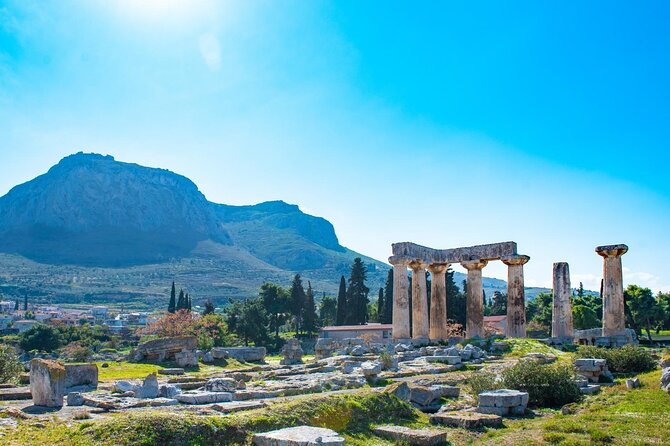
Acrocorinth is the old upper citadel, built on a large rock above Ancient Corinth. Its position is the reason it mattered: anyone controlling this height could watch and defend the route across the isthmus.
The fortress was used repeatedly as a last line of defense in southern Greece. It also had a dependable water supply, a vital advantage during a siege. Even before you reach the highest point, the setting helps you understand why this was such a strong defensive site.
The planned stop is about an hour, but the climb deserves careful thought. The route is steep, rocky, and slippery in places. One group found the ascent too demanding, and the site was closing before anyone reached the top. If you have limited mobility, poor balance, or a strong dislike of uneven paths, ask your driver to adjust the plan.
For people who can manage the climb, the views across Corinth and the isthmus are the payoff. Wear firm shoes, take your time, and do not treat this as a casual stroll from the car park. The private format helps because your group can decide how much effort to give this stop.
More Ancient History Tours in Greece
- From Athens: Ancient Corinth Day Trip with Canal & VR Guide
★ 4.6 · 1,073 reviews - Acropolis, Parthenon & Athens Old City Heritage Walking Tour
★ 4.5 · 876 reviews - Private Biblical Tour Ancient Corinth & Isthmus Canal from Athens
★ 5.0 · 762 reviews - Athens: Ancient Corinth & Nafplio Full Day Trip with Swim
★ 4.8 · 531 reviews
The Museum of Ancient Corinth
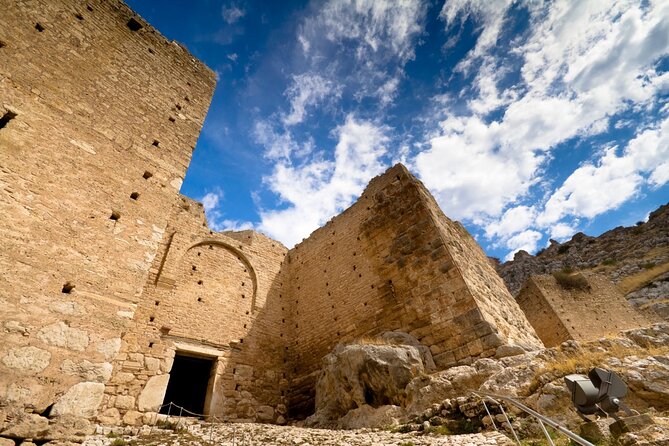
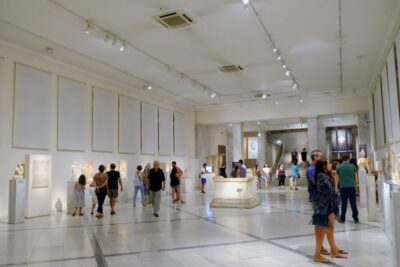
The Archaeological Museum of Corinth was built in 1932 to house finds from the excavations. Its design centers on two atriums, with a later west wing added in 1951. The building was created by the American School of Classical Studies and follows the architectural style associated with the Chicago school.
You have about an hour inside. This is useful preparation for the ruins because objects in the galleries give scale and context to the buildings outside. The museum helps you read Corinth as a lived-in city, not only as scattered columns and foundations.
Admission is not included. The stated cost for the archaeological site and museum is €15 per person. Confirm the current price when booking or before arrival, since site fees can change.
Because your driver does not enter as an official guide, you will need to make your own way through the displays. Some drivers provide an introduction outside and answer questions before you go in. That arrangement works well for independent visitors, but you should not expect a guided museum lecture.
Ancient Corinth and the New Testament Story
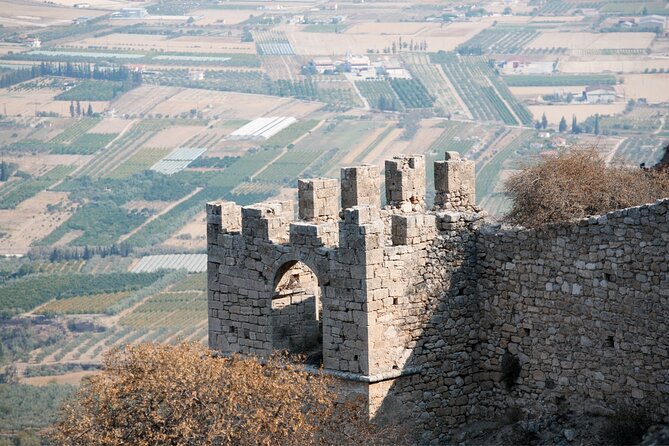
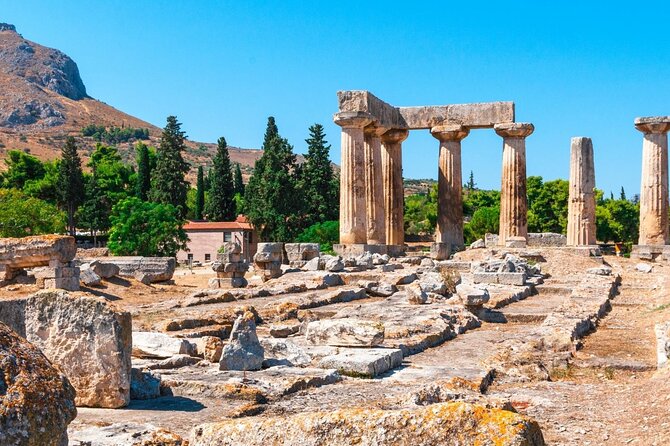
Ancient Corinth is the heart of the day. The city was one of the largest and most important Greek cities, with a population estimated at about 90,000 in 400 BC. Its position between two seas helped create both its wealth and its political importance.
The archaeological area includes the Temple of Apollo, the Roman marketplace, and the Bema, a raised platform associated with public speaking and civic judgment. For Christian visitors, the Bema is closely tied to the account of Paul’s time in Corinth. The site also helps explain why Paul’s letters to the Corinthians became such an important part of the New Testament.
You should allow roughly an hour for the archaeological area, though the private schedule can give you more time if another stop is shortened. The ground is open and exposed, so the day can feel tiring in warm weather. Bottled water is included, but bring sun protection and sensible shoes.
The nearby modern settlement of Archaia Korinthos gives the ancient site a lived-in setting rather than leaving it isolated from daily life. This is also where your lunch break may take place, depending on the restaurant chosen and the timing of the day.
A Greek Lunch and Time to Wander
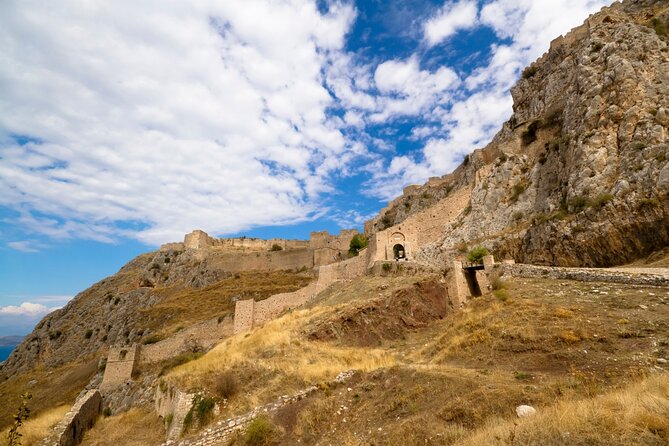
The itinerary allows about two hours for a break, local shops, souvenirs, and lunch at a taverna. This is welcome after the museum and ruins, especially if you have attempted Acrocorinth.
Several drivers have been praised for choosing family-run restaurants with local food and views near the sea. One especially well-liked stop was a beachside restaurant, while another group enjoyed lunch near the ancient site. You should treat the restaurant as a recommendation rather than a fixed included feature, since the driver may choose according to timing and availability.
The timing can be late. One group did not eat until about 4 p.m., so do not arrive without breakfast or a small snack. The lunch is not included in the tour price, and personal taste varies. If you have dietary needs or a preferred mealtime, raise the issue early with your driver.
This break is also where the private format feels most useful. You can spend more time over a meal, browse the shops, or return to a nearby sight instead of being rushed back to a coach.
What the Private Driver Adds
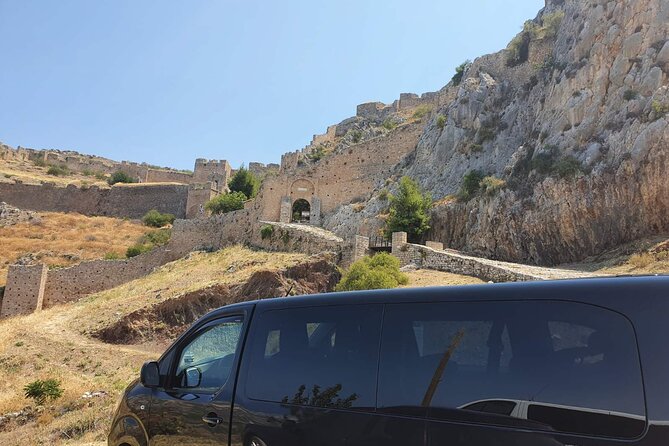
The company assigns an English-speaking personal driver, but not a licensed guide. That distinction is important. The driver can offer commentary, explain the route, answer questions, and help with practical decisions, but does not accompany you inside the archaeological sites.
Past drivers have included Alex, George, Bill, Chris, Petros Nikitas, Dimitirous, and Nico. Their strengths vary, but the most praised qualities are patience, friendly conversation, clear communication, and flexibility. Alex has been credited with arranging the day carefully and even fitting in the changing of the guard in Athens on one occasion. Chris received praise for advance communication and a strong lunch recommendation.
Do not book this expecting the same named driver every time unless the company confirms that directly. The experience depends partly on who is assigned and how well you communicate your interests. Tell the driver if Paul’s journeys matter most, if you want more time at the ruins, or if you would rather skip the steepest part of Acrocorinth.
Comfort, Timing, and Group Size
The total outing lasts about eight hours, including roughly an hour each way between Athens and Corinth. That makes this a full day, not a quick side trip.
Pickup is offered from an Athens hotel, apartment entrance, or Piraeus Port. At a hotel, the driver waits in the lobby. At an apartment, the meeting point is the building entrance. At the port, the driver waits in the disembarkation area and returns you to the same place.
The vehicle is advertised as air-conditioned and equipped with WiFi and bottled water. One larger group had trouble with an older replacement vehicle, including weak air-conditioning in the back and no WiFi. The company later reduced its maximum group size from 15 to 10 to provide newer vehicles, but you should still confirm the vehicle details if comfort is a major concern.
The tour suits most people physically, except for those who may struggle with the Acrocorinth climb. Since you can choose how far to walk, the site does not have to ruin the day, but the uneven ground remains a real consideration.
Is This Biblical Corinth Tour Worth Booking?
Book it if you want a private day from Athens with a strong mix of engineering, archaeology, early Christian history, and local food. It is especially well suited to families, couples, church groups, and friends who value flexible timing over a formal guided tour.
Think twice if you need a licensed guide inside every site, if you dislike long road days, or if a steep rocky climb is not realistic for your group. The €15 site and museum admission, lunch, and possible extra costs are separate from the advertised tour price.
I would book this for the private transport, the chance to connect Kechries and Corinth with Paul’s journeys, and the freedom to shape the day. Before paying, confirm the vehicle, ask about the planned lunch timing, and agree on how much effort your group wants to spend at Acrocorinth. Free cancellation is available up to 24 hours before the start time, while poor weather may lead to a new date or a full refund.
FAQ
How long is the private Corinth tour from Athens?
The experience lasts approximately eight hours, including the drive between Athens and Corinth.
Is pickup available from my Athens hotel?
Yes. The driver can pick you up from an Athens hotel and will wait in the hotel lobby. Pickup is also offered from an apartment entrance or Piraeus Port.
Is the Corinth Canal included in the tour?
Yes. The itinerary includes about 30 minutes at the Corinth Canal, with time to view the waterway and its steep limestone walls.
Are entrance fees included?
No. Admission to the archaeological site and museum is listed at €15 per person and is not included in the tour price.
Is this led by a licensed tour guide?
No. The driver is not an official licensed guide. Drivers provide English commentary and can answer questions, but they do not enter the archaeological sites with you.
Does the tour include lunch?
No. You have free time for lunch at a local taverna, but the meal is not included in the price.
Can I cancel for a full refund?
Yes, if you cancel at least 24 hours before the experience begins. Cancellations or changes made less than 24 hours before the start time are not refunded.
More Private History Tours in Greece
- Ancient Corinth and Canal half day private tour from Athens
★ 5.0 · 96 reviews - Ancient Olympia full day private tour from Athens
★ 5.0 · 83 reviews - Half Day Historical Athens City Private Taxi Service Tour
★ 5.0 · 79 reviews - Ancient Athens for Kids 4-Hour Private Walking Tour
★ 5.0 · 66 reviews
More Private History Tours in Athens
- Private Tour of Apostle Paul’s Footsteps in Ancient Corinth
★ 5.0 · 275 reviews - Ancient Corinth, Epidaurus, Nafplio full day private tour from Athens
★ 5.0 · 206 reviews - The History of Athens: Greek Mythology Private Tour
★ 5.0 · 138 reviews - Ancient Corinth, Mycenae, Epidaurus, Nafplio full day private tour from Athens
★ 5.0 · 130 reviews
Just added around Athens
- Small-Group Women History in Ancient Greece Walking Tour★ 5.0 · 38 reviews
- The original Christian tour on Paul’s footsteps in Athens and ancient Corinth★ 4.5 · 25 reviews
- Ancient Athens tour: Acropolis, Parthenon and Acropolis Museum★ 5.0 · 256 reviews
- Ancient Athens Segway Tour with Agora and Kerameikos★ 5.0 · 94 reviews
- Ancient Sparta & Mystras Private Day Tour from Athens★ 5.0 · 52 reviews
- Athens National Archaeological Museum E-Ticket with Audio Guide★ 3.0 · 57 reviews
- Biblical Corinth Taste Faith & History with wine & Oil Tasting★ 5.0 · 28 reviews
- Ancient Corinth, Sanctuary of Hera, Blue Lake & Canal from Athens★ 5.0 · 26 reviews
Athens History Tours, compared.
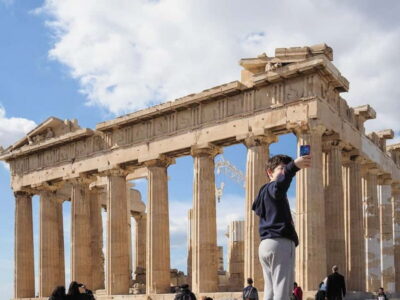
Athens: Acropolis & up to 5 Archaeological Sites Combo Pass
Read our review →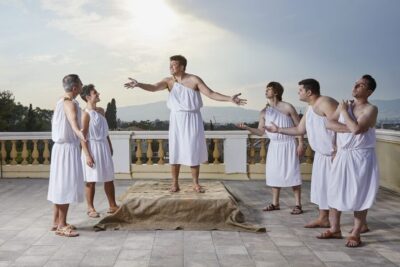
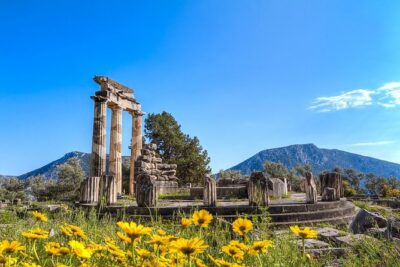
Historical Delphi One Day Tour with Arachova Stop & Expert Guide
Read our review →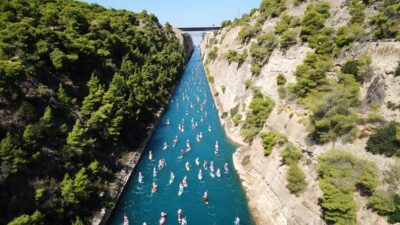
From Athens: Ancient Corinth Day Trip with Canal & VR Guide
Read our review →
Historic Athens: Small Group Electric Bike Tour
Read our review →
Acropolis, Parthenon & Athens Old City Heritage Walking Tour
Read our review →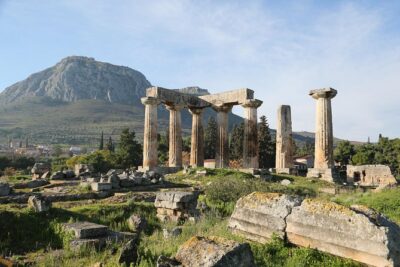
Private Biblical Tour Ancient Corinth & Isthmus Canal from Athens
Read our review →