
Review · COLOMBIA
Shared Tour Cali’s Historical Downtown
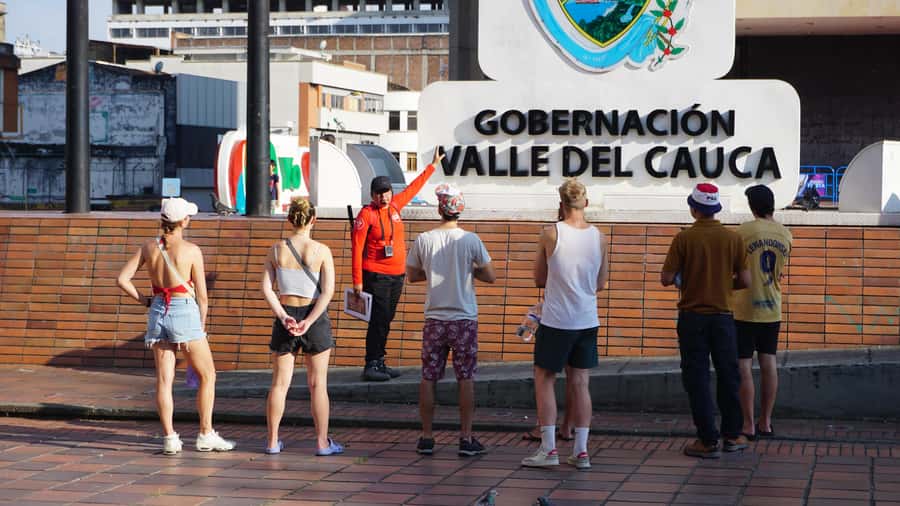
Cali’s story makes the most sense when you connect its salsa culture with its African heritage, political struggles, and everyday food. This walking tour does that well, moving from La Merced Church through the old center and its major plazas while explaining how the Valle del Cauca became one of Colombia’s most distinctive regions.
I like two things right away: the route gives you a useful first look at central Cali, and the guide does not treat salsa as a party trick. You also get a small chontaduro tasting when available, plus practical tips on where to eat, buy coffee, and shop for souvenirs. The main drawback is the distance. You may walk about 7 kilometers, and the outing can feel long if you want a light introduction rather than a serious history lesson.
Key points at a glance
- A 7-kilometer route through central Cali: See La Merced, the River Boulevard, Cayzedo Square, Jairo Varela, La Ermita, theaters, churches, and Puente Ortiz.
- Salsa with context: Learn how music, soccer, La Feria de Cali, and the era of drug trafficking affected daily life.
- Afro-Colombian culture at the center: Hear how African heritage shaped food, dance, music, language, and Pacific traditions.
- An English-speaking local guide: Guides such as Cristian, Fernando, Juliana, Christian, Lem, and Adriana have led recent outings.
- Good value at $13: You get a guided orientation, local recommendations, and a chontaduro taste when available, without extra entrance charges.
- Best for active, curious visitors: Comfortable shoes, water, rain protection, and an open mind matter more than dressing up.
Starting at La Merced and the roots of Cali
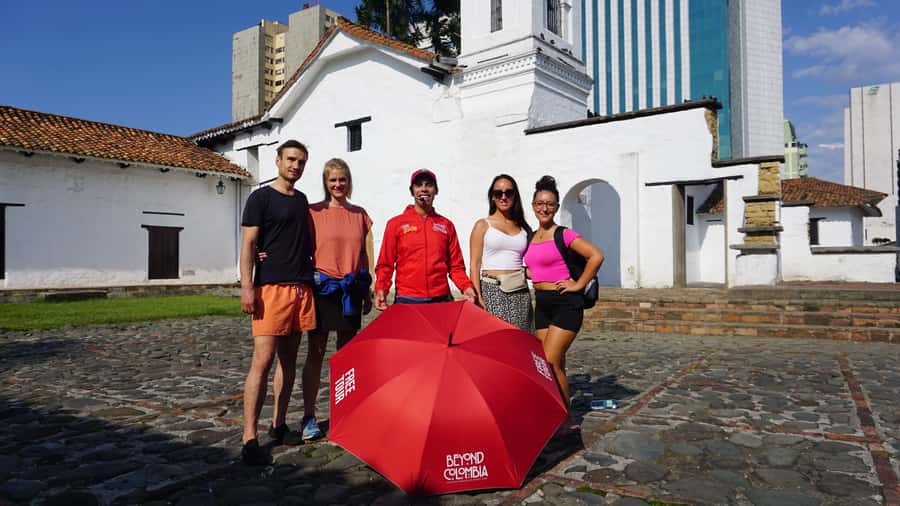
Meet the group in front of the Museo Arqueológico La Merced, marked by Beyond Colombia’s red umbrellas. This is a practical meeting point in the old center, and the setting gets you into the subject quickly. La Merced Church is tied to the founding story of Santiago de Cali, so the tour begins with origins rather than jumping straight to the city’s modern party image.
The early part of the walk introduces El Valle, the broad and productive region around Cali. That setting helps explain why the city grew into an important center of commerce, agriculture, migration, and cultural exchange. You will hear how the area’s economic development from the 17th century onward shaped the city you see today.
The tour also places Cali’s three major ethnic influences into the same story. African, Indigenous, and European traditions are presented as living forces, not as museum labels. Pay attention to the discussion of food, local slang, music from the Pacific, and dance. These details help you understand why Cali’s identity cannot be reduced to colonial buildings or salsa clubs.
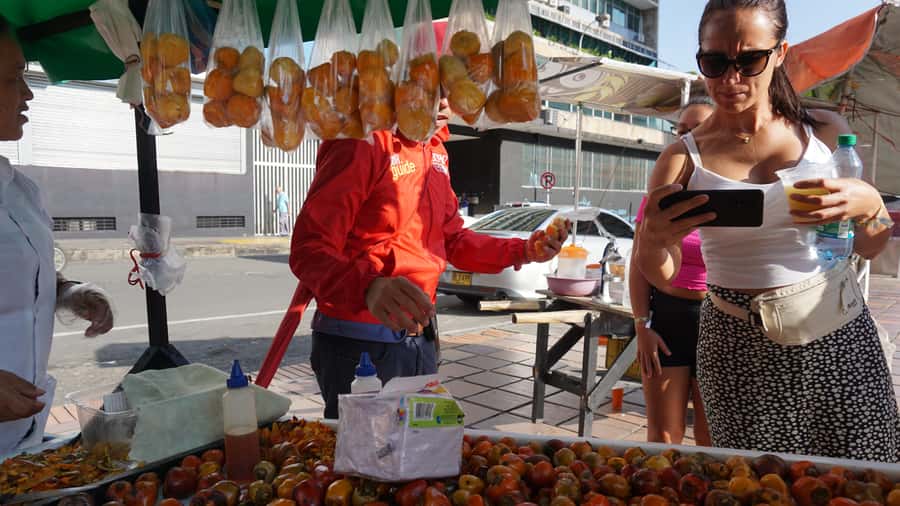
A chontaduro tasting may be included when supplies allow. This local fruit is a small but useful introduction to the food culture of the region. It is not a full meal, so eat beforehand if you need substantial food, but it gives the tour a welcome sensory touch.
More History Tours in Colombia:
- Cartagena: Historic Center and Getsemaní Shared Walking Tour
★ 4.9 · 2,716 reviews - Historical Shared Tour Salsa, Graffiti & Resistance in Cali
★ 5.0 · 107 reviews - Shared Tour of Bogota’s Historic Downtown (La Candelaria)
★ 4.7 · 100 reviews
From the River Boulevard to San Francisco Square
The route continues toward the River Boulevard, one of the city’s best-known public spaces. The walk lets you see how Cali has reshaped parts of its central core while retaining older landmarks nearby. You are not simply checking off buildings. The guide links public space to social change, movement through the city, and the way residents use the center.
San Francisco Square adds another layer of architectural and civic history. Here, the pace usually includes a pause for explanation, which matters because a walking tour covering several kilometers can otherwise become a blur of names and dates. The guides aim to keep the material conversational and interactive.
This is where the tour’s balance becomes useful. You learn about celebrations and popular culture, but also about discrimination, civil conflict, inequality, and protest. The goal is not to present Cali as either a carefree salsa capital or a troubled city. You get both sides, and that makes the city easier to understand.
Bring water. The tour includes walking and listening stops rather than transport between sights. Comfortable shoes are essential, especially if you are not used to covering several kilometers while standing for explanations.
Cayzedo Square and Cali’s civic heart
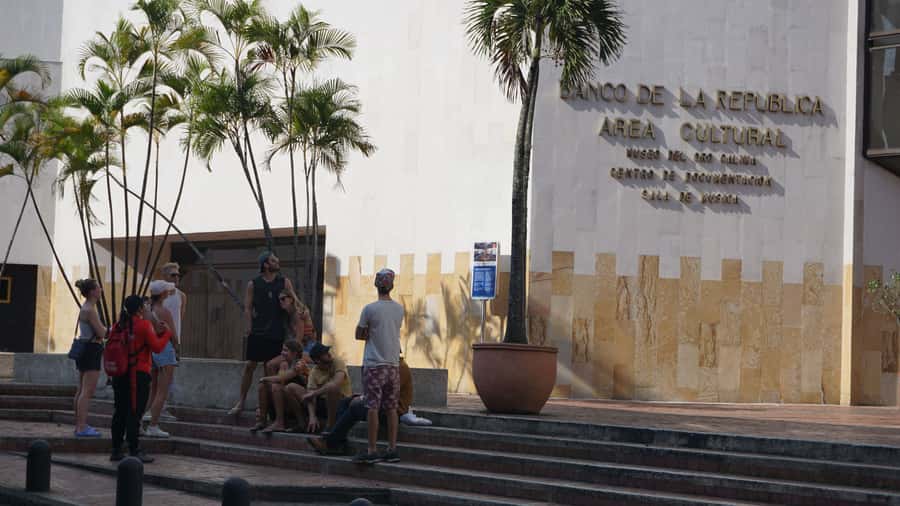
Cayzedo Square is one of the key stops in the historic center. It offers a strong sense of Cali’s civic and architectural character, with major buildings and busy streets gathered around an important public space. Your guide uses the square to explain how the city developed and how public life has changed over time.
The tour also addresses the social revolts that took place during and after the pandemic. This is an important feature for anyone who wants to connect older history with Cali’s present-day tensions. The subject is likely to be serious, but it gives needed context to the city’s protest culture and its tradition of resistance.
You should arrive with an open mind. The tour promises an objective approach and avoids taking sides, but no honest account of Cali can avoid difficult topics. Drug trafficking, discrimination, conflict, and social unrest are part of the discussion. If you want only architecture and cheerful anecdotes, this may feel heavier than expected.
If, like me, you prefer a city tour that explains why a place feels the way it does, this section earns its time. It turns streets and plazas into evidence of changing political and social life.
La Ermita, the Cathedral, and Cali’s visual identity
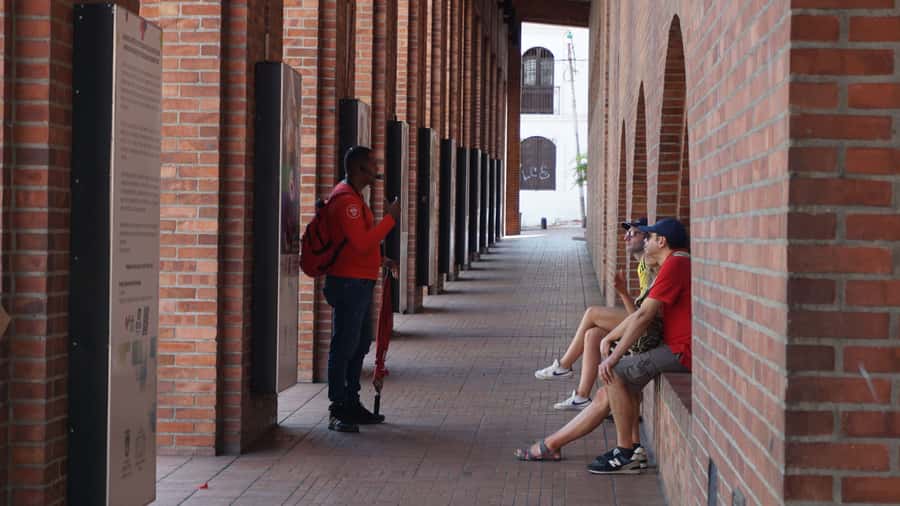
The walk includes La Ermita, one of Cali’s best-known architectural icons. You will also see St. Peter’s Cathedral and other central landmarks. These stops provide the visual rhythm of the tour: a church here, a square there, then a street or riverfront space that connects the pieces.
The itinerary does not promise entrance visits inside every landmark. The emphasis is on exterior sightseeing and the guide’s explanation, so do not book this expecting a series of formal museum entries. That keeps the price low and the route moving, but visitors who want detailed interior access will need to explore independently afterward.
The buildings also support the tour’s larger theme: Cali’s culture has changed through several forms of expression. Literature, cinema, theater, music, and dance all appear in the story. The city’s identity is shown as something shaped by artists and residents, not just by official monuments.
Guides who know Cali personally can make a difference here. Juliana is a native of the city, and recent outings with Cristian, Christian, Fernando, Lem, and Adriana have been praised for clear explanations, warmth, energy, and strong local perspective. Assignments can change, so you should not book solely for one named guide, but the operator has a deep bench of English-speaking leaders.
Same city, a different century:
- Shared Medellín Downtown Tour with Wireless Audio
★ 4.8 · 315 reviews - Medellin Historic Walking Tour
★ 4.9 · 86 reviews - From Medellín: Private Pablo Escobar History Tour
★ 4.9 · 84 reviews - Historical tour Bogota
★ 5.0 · 72 reviews
The Municipal Theater and Jorge Isaacs Theater
Cali’s theaters give the tour a welcome change of pace. The Municipal Theater and Jorge Isaacs Theater connect the city to literature, performance, and the arts. This part explains how local culture evolved beyond traditional celebrations and why writers, actors, musicians, and filmmakers matter to the city’s public identity.
For me, this is one of the more useful parts of the route because it broadens the usual Cali conversation. Many visitors arrive expecting salsa and perhaps football. Those subjects are included, but the theaters show that the city’s creative life has several channels.
The guide may also connect these spaces to poems and songs about Cali, its mountains, its women, and its neighborhoods. That literary and musical angle gives the city an emotional dimension without requiring you to know local artists in advance.
The practical limit is time. With so many stops, explanations may be compact rather than specialist lectures. If you want an in-depth study of one theater, this is not the right format. If you want a well-shaped introduction before choosing where to return, it works well.
Puente Ortiz and the salsa story
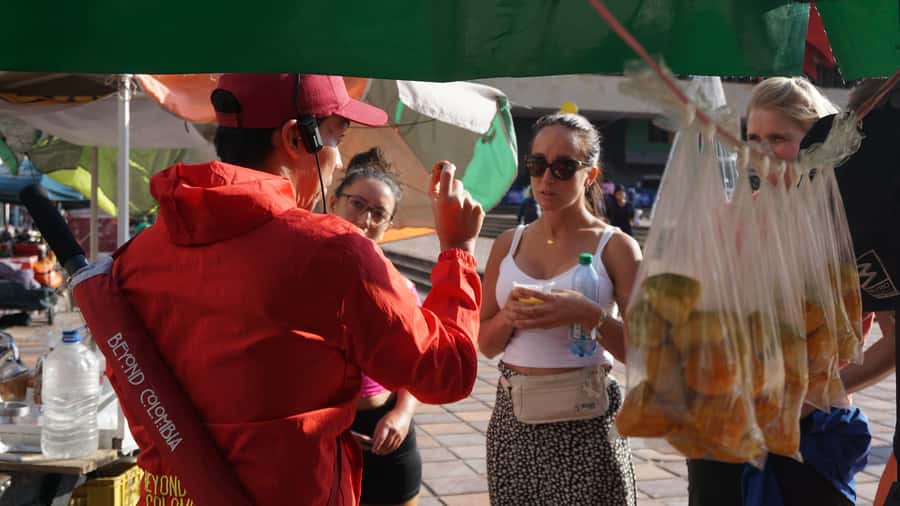
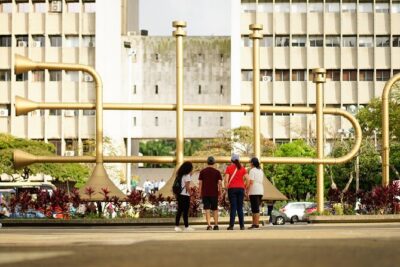
Puente Ortiz is another important stop on the route. Along with the River Boulevard and Jairo Varela, it helps connect the old city to Cali’s modern public identity. The guide uses these places to discuss salsa’s growth and the role of La Feria de Cali.
The tour treats salsa as a social movement, not just a soundtrack. You learn how music and dance became tied to neighborhood life, celebration, pride, and the city’s public image. The discussion also includes acrobatic performance and the energy associated with Cali’s dance culture.
At the same time, the story does not ignore the darker period shaped by drug trafficking. The tour explains the impact, influence, and consequences of that era on daily life. This is a key reason to choose this experience over a simple sightseeing walk. You get the pleasure of learning about salsa alongside the realities that shaped its growth.
Do not expect a dance class. The description promises an invitation to learn and dance in spirit, but the main activity is walking and listening. If you want to dance afterward, ask your guide for current suggestions. The included recommendations may help you find a suitable local venue, though no dance admission is included.
Jairo Varela and the sound of the city
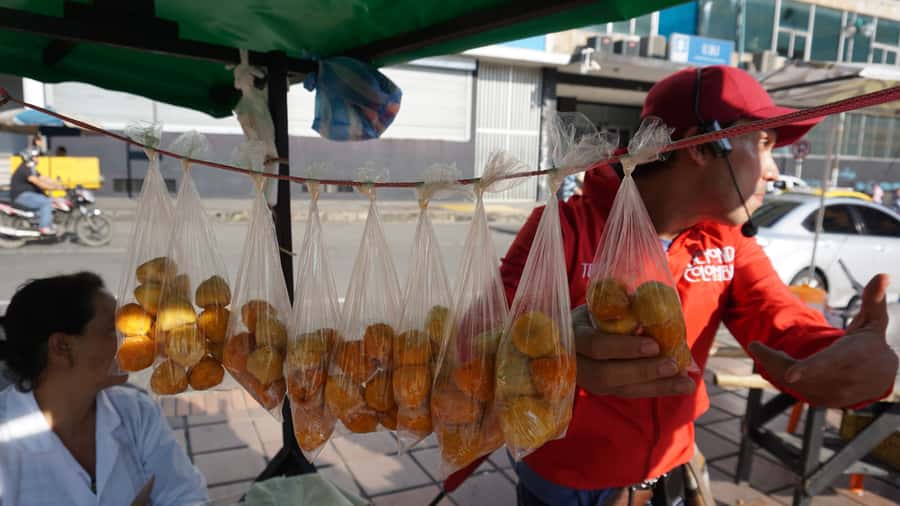
Jairo Varela is one of the tour’s named landmarks and a natural place to discuss salsa’s place in Cali. The stop helps explain why the city is widely called the world capital of salsa and flavor. You will hear about the music’s local meaning, its role in celebrations, and the way it became part of Cali’s public character.
This is also where the food theme returns. Valle del Cauca’s gastronomy is part of the city’s cultural inheritance, and the tour connects it to migration and African influence. The focus is not on a full food crawl. Instead, you get a few tastes, references, and recommendations that can guide your own meals later.
The practical value is strong. A first-day walking tour can save you from spending your entire visit in the most obvious tourist spots. Your guide can point you toward places for lunch, coffee, souvenirs, and more. Those recommendations are not part of the $13 fee as meals or purchases, but they can make the rest of your stay easier.
What the 150 minutes feel like on foot
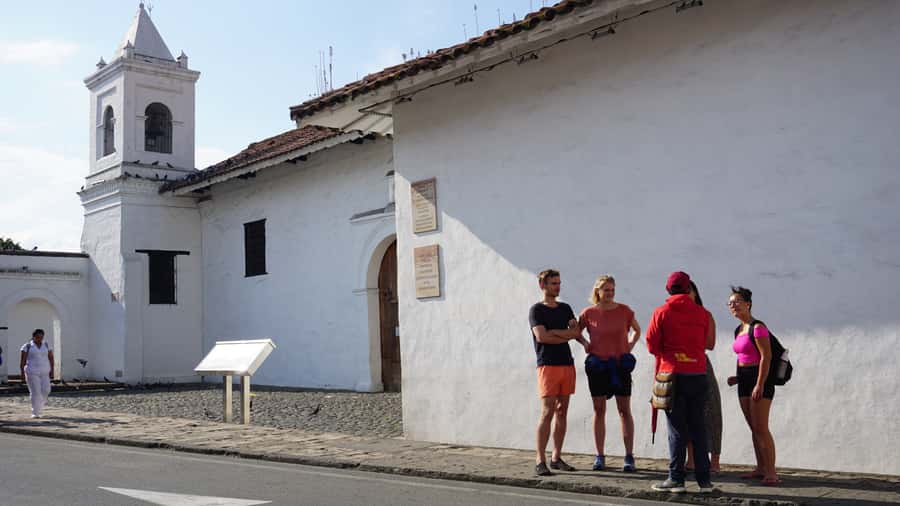
The listed duration is 150 minutes, while the tour description also says to expect approximately three hours. Plan for 2.5 to 3 hours rather than trying to fit another fixed appointment immediately afterward. The route includes about 7 kilometers of walking, with stops to listen and rest.
There is no transport during the tour. You make the route on foot, which gives you a better sense of the center but demands more energy than a bus or short vehicle tour. Wear comfortable shoes and clothes. Cali’s weather can change, so bring an umbrella or rainproof coat, along with water or another drink.
The experience is shared, not private. That keeps the cost at $13 per person and gives you a chance to meet other people, but it also means the pace and questions are shaped by the whole group. There is no exclusive guide assigned to you.
The activity is offered in English. Recent guides have been praised for speaking clearly, keeping the group engaged, and bringing personal energy to the subject. Christian and Cristian have received especially strong comments for their enthusiasm and explanations, while Fernando has been noted for making the walk interactive and offering local tips. Still, guide assignment can vary by date.
People over 70 are listed as unsuitable for the tour. That may reflect the walking distance and length rather than the historical content. If you have mobility concerns, note that no transport is provided and the route is not presented as a low-effort stroll.
Is $13 good value in Cali?
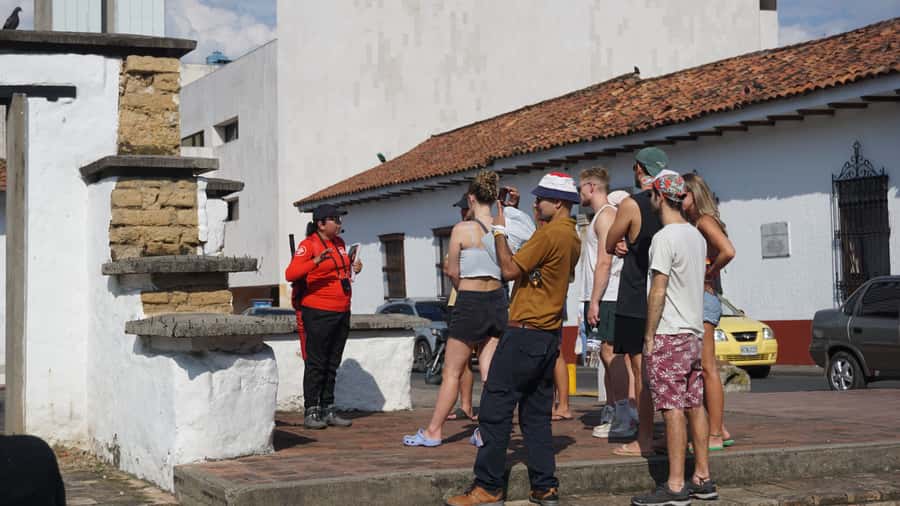
Yes, if you want orientation and context rather than entrance tickets. For $13, you receive a professional English-speaking guide, a long walk through essential central sights, historical explanation, local recommendations, and a chontaduro taste when available.
The low price comes with clear limits. Food, drinks, souvenirs, transport to the meeting point, and entrance tickets are extra. The tour also does not provide a private guide or a full meal. You are paying for access to a local story and a structured route, not an all-inclusive day out.
The value improves if you take it early in your stay. You can use the guide’s advice to choose later meals, coffee stops, cultural visits, and salsa plans. It also helps you see Cali as more than a place for nightlife.
Free cancellation up to 24 hours before the start and the option to reserve now and pay later make the booking flexible. If an outing cannot run, a replacement market food tour may be offered, as happened to one participant. That possibility is not a guarantee, but it shows the operator may try to provide an alternative.
Who should book this walking tour?
Book it if you want a serious introduction to Cali in English and enjoy learning while walking. It suits first-time visitors, culture-focused couples, solo visitors who like shared groups, and anyone curious about the links between African heritage, salsa, food, protest, and the arts.
It is also a good fit if you want practical local advice. The route passes enough central landmarks to help you get your bearings, and the food and shopping suggestions can shape the rest of your visit.
Think twice if you dislike long walks, hot or rainy weather, crowded areas, or difficult political subjects. Keep your belongings close in busy places, and do not expect a private pace or a leisurely restaurant stop.
Final call
I would choose this tour for a first full day in Cali, especially at $13. Its best feature is the way it links the city’s pleasures, salsa, food, music, and theaters, to its harder subjects, discrimination, trafficking, conflict, and protest. Bring water, rain protection, sturdy shoes, and curiosity. If you want a short photo walk, skip it. If you want to understand why Cali sounds, tastes, and moves as it does, book it.
FAQ
Where does the Cali historical downtown tour meet?
Meet in front of the Museo Arqueológico La Merced. Look for the Beyond Colombia guides holding red umbrellas.
How long does the tour last?
The stated duration is 150 minutes, though the tour description says to allow approximately three hours. Plan for 2.5 to 3 hours.
What language is the tour offered in?
The tour is offered in English with a live guide.
How much walking is involved?
You may walk about 7 kilometers, with stops to rest and listen to the guide.
Is transportation included during the tour?
No. The tour is completed on foot, and transportation to and from your hotel is also not included.
What landmarks will I see?
The route includes La Merced Church, the Calima Gold Museum area, the River Boulevard, San Francisco Square, Cayzedo Square, Jairo Varela, La Ermita, the Municipal Theater, St. Peter’s Cathedral, Jorge Isaacs Theater, and Puente Ortiz.
Is food included?
A chontaduro tasting is included when available. Other food, drinks, and souvenirs are not included.
Is this a private tour?
No. It is a shared tour, so you will join other participants rather than have an exclusive guide.
Can I cancel the booking?
You can cancel up to 24 hours in advance for a full refund. You can also reserve now and pay later.
Just added around Colombia
- Cartagena Instagrammable History★ 4.5 · 29 reviews
- Premium Pirate Beach Adventure, Open sea Rope Swing, Drinks+Lunch★ 5.0 · 64 reviews
- Chiva Private Cultural Tour with Audio Guide in Buga★ 5.0 · 49 reviews
- Cali: Walking tour of the historic center★ 5.0 · 69 reviews
- Historical tour Bogota★ 5.0 · 72 reviews
- Bogota scooter tour★ 5.0 · 46 reviews
- Shared Tour of Bogota’s Historic Downtown (La Candelaria)★ 4.7 · 100 reviews
- Santa Marta A Historical & Street food Experience★ 4.7 · 41 reviews
Colombia History Tours, compared.
Cartagena: Historic Center and Getsemaní Shared Walking Tour
Read our review →
Shared Medellín Downtown Tour with Wireless Audio
Read our review →
Historical Shared Tour Salsa, Graffiti & Resistance in Cali
Read our review →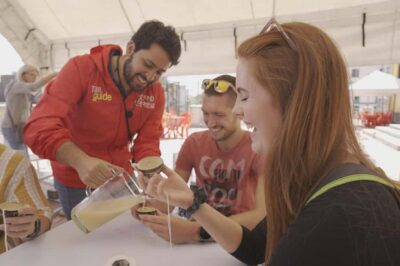
Shared Tour of Bogota’s Historic Downtown (La Candelaria)
Read our review →
From Medellín: Private Pablo Escobar History Tour
Read our review →
Browse the lists this tour appears in