
Review · USA
St. Augustine: Guided History Walking Tour
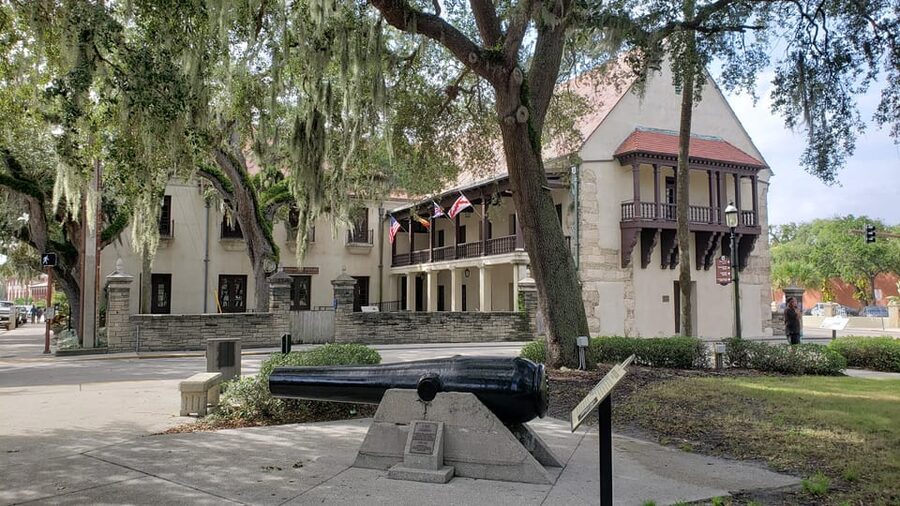
St. Augustine’s story is best read on foot, where old streets, coquina buildings, and the harbor sit close enough to connect in one walk. This 90-minute tour takes you through the Historic District, past the Castillo de San Marcos, and along the country’s oldest grid street system while explaining how three nations shaped the city over 460 years.
I like the small group of no more than 10 people, which gives you room to ask questions and hear the guide clearly. I also like the useful local advice: guides such as Alex, Amy, Russ, and Steven have pointed people toward restaurants, bars, breweries, museums, music, and later sightseeing.
The main consideration is pace. You cover a lot of history in 90 minutes, but you do not enter the fort or spend long inside each sight. Treat this as your orientation walk, not a substitute for visiting St. Augustine’s museums and major attractions.
Key points at a glance
- Five flags at the Castillo: Learn how the powers that controlled the fort helped shape St. Augustine’s story.
- A walk through the oldest grid streets: See the Historic District in a way that helps you understand its layout.
- Harbor and fort views: Enjoy the coastal setting while hearing why this location mattered.
- Guides with different strengths: Alex, Amy, Russ, and Steven have been praised for clear storytelling, humor, and local recommendations.
- Useful first-day planning: Finish with ideas for restaurants, museums, music, breweries, nightlife, and additional sights.
- Wheelchair accessible and small group: The tour is limited to 10 participants and is conducted in English.
Why this is a smart first walk in St. Augustine

St. Augustine can feel compact on a map, but its story is anything but simple. The city carries four and a half centuries of European settlement, military conflict, changing governments, architectural layers, and civil rights history. A casual stroll may show you pretty streets, yet leave you unsure how the pieces fit together.
This tour gives you that framework early in your visit. You walk through the Historic District with a guide who explains how the city developed from a strategic coastal outpost into the place you see today. That context changes the way you look at the fort, waterfront, old houses, and street plan later.
I especially like the focus on people. The walk brings in early figures such as Juan Ponce de León and Pedro Menéndez de Avilés, then moves across time to Henry Flagler and Dr. Martin Luther King Jr. Those names represent very different chapters, and that range keeps the tour from becoming a narrow military story.
The guides also connect the past to your practical plans. Russ has been especially useful with restaurant advice, while Alex has shared suggestions for activities, bars, and places to eat. Amy has offered tips on restaurants, museums, and things to do, sometimes following up with an email or text containing those recommendations. Steven has a particular interest in local breweries and the night scene.
That is a real advantage of taking this walk at the start of your stay. You are not only learning what happened here. You are building a short list for the rest of your visit.
More History Walking Tours in the USA
- History and Hauntings of Salem Guided Walking Tour
★ 5.0 · 14,564 reviews - Boston: Freedom Trail History Small Group Walking Tour
★ 5.0 · 6,450 reviews - Historic Charleston Guided Sightseeing Walking Tour
★ 5.0 · 6,216 reviews
Meeting on Aviles Street
The meeting point is outside BART Art Gallery & Wine Bar at 11D Aviles Street, across from the Ximenez-Fatio House Museum. Aviles Street is a useful starting location because you are already inside the Historic District, rather than waiting at a distant transport stop or hotel.
Arrive ready to walk. Comfortable shoes matter more here than dressy clothes, and weather-appropriate clothing is important in Florida. The tour runs outdoors, so sun, heat, wind, or rain can affect how comfortable the 90 minutes feel.
The group is limited to 10 participants. That size should make it easier to hear the guide and ask a question without interrupting the whole experience. It also gives the walk a more personal feel than a large group trailing behind a flag or microphone.
The tour is wheelchair accessible. Still, the experience remains a walking tour through historic streets, so anyone with mobility concerns should consider the distance and outdoor conditions when deciding if it fits their day.
Walking the Historic District and old grid streets
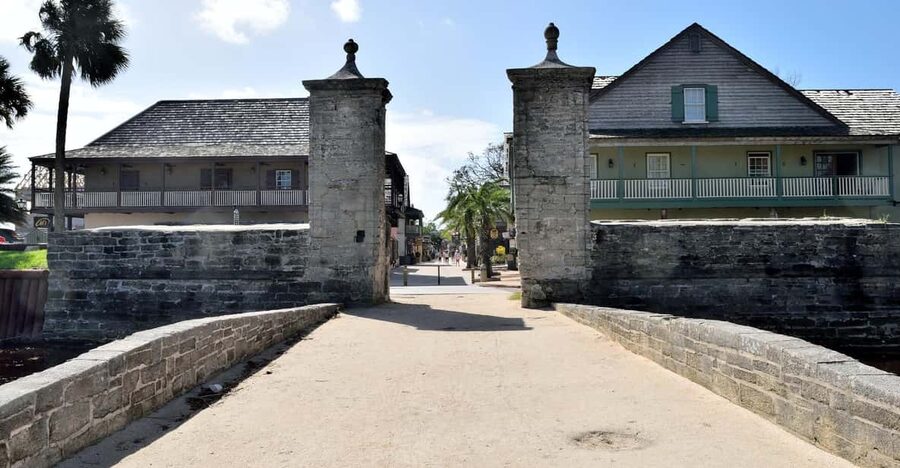
The first major benefit is orientation. St. Augustine’s Historic District has layers that can look confusing when you first arrive. The guide helps you read the city as a plan, not just as a collection of attractive buildings.
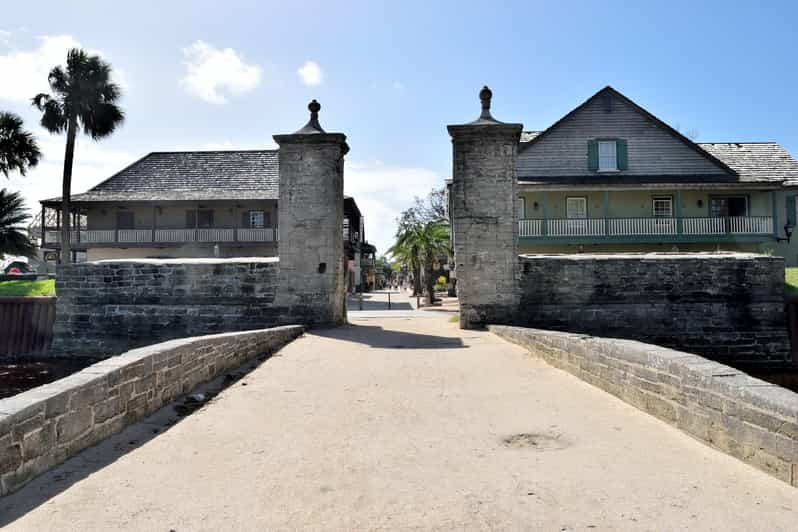
You walk through the oldest grid street system in the country. That detail matters because the streets are part of the story. Their arrangement reflects how the settlement was organized and defended, and it gives you a better sense of why certain buildings and public spaces sit where they do.
The guide also calls attention to architecture and individual buildings. You should not expect a long interior visit at every stop. Instead, the value comes from seeing the streets while someone explains what you are looking at and why it matters.
Amy has been praised for explaining both the people and the architecture in an easy-to-follow way. Alex has taken groups to places a casual visitor might pass without noticing, adding stories about early inhabitants and the materials used in the city. One particularly memorable detail from his storytelling is the role of coquina, the local shellstone used in St. Augustine’s construction.
That kind of detail helps the setting make sense. You stop seeing old walls as decoration and begin to understand how local materials shaped the town.
The walk also serves as a practical map. Several people have used it to plan the following day, returning later to museums, the fort, restaurants, and other sights that the guide pointed out. If you prefer to get your bearings before spending money on separate attractions, this is a sensible way to begin.
Harbor views and Castillo de San Marcos
The route includes the historic harbor, where the coastal setting becomes part of the story. St. Augustine was not placed here by accident. Its waterfront position mattered for arrival, trade, defense, and control, and the guide explains that strategic role while you look out across the harbor.
The Castillo de San Marcos is another major focus. You see the oldest masonry fort in the United States and learn why it became such an important symbol of the city. The walk includes views of the fort, but the fort itself is not listed as an included interior visit.
That distinction is important. If you want to explore the fort’s rooms, walls, exhibits, and grounds at length, you will need to plan a separate visit. The walking tour gives you the background first, which can make that later visit much easier to follow.
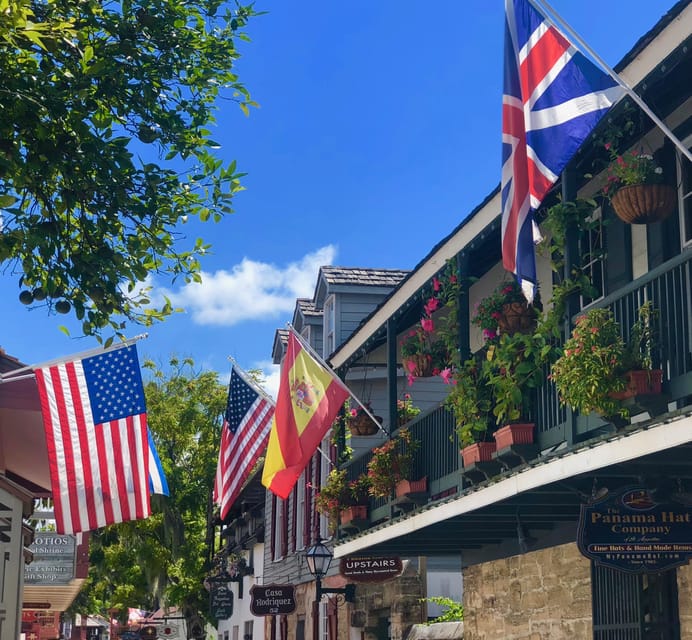
The discussion of the five flags that flew over the Castillo offers a useful way to organize the city’s changing rule. Rather than hearing a string of disconnected dates, you get a broad explanation of how different powers influenced St. Augustine over time.
The tour covers hundreds of years, so the guide cannot stop for every detail. That is the tradeoff. You get a clear, lively introduction instead of a slow specialist lecture. Steven, Alex, Amy, and Russ have each been praised for making the material understandable and entertaining, with a mix of facts, humor, and personal local knowledge.
Same city, a different century:
- Charleston’s Old South Carriage Historic Horse & Carriage Tour
★ 5.0 · 10,023 reviews - Beneath The Streets Underground History Tour
★ 4.5 · 8,006 reviews - Big Island in a Day: Volcanoes Waterfalls Sightseeing and History
★ 5.0 · 6,569 reviews - Charleston Horse-Drawn Carriage Tour: Explore Historic Charleston
★ 5.0 · 3,561 reviews
From founders to Flagler and Dr. King
A strong feature of this tour is its wide time span. The story begins with early explorers and founders, including Juan Ponce de León and Pedro Menéndez de Avilés, but it does not stop with the colonial period.
Henry Flagler represents another important turn in St. Augustine’s development. His influence helped shape the city’s later identity, and the guide places that period alongside earlier military and colonial chapters.
The tour also includes Dr. Martin Luther King Jr. and the civil rights history connected to St. Augustine. That is valuable because it prevents the city from being presented as an old postcard town with no modern struggles. The walk recognizes that the city’s past includes conflict, change, and the people who pushed it in new directions.
You should expect interpretation rather than a detailed academic seminar. The guide’s job is to connect the main chapters clearly enough that you can remember them. The strongest guides appear to do that through stories and place-based details rather than a dry list of dates.
Amy has been praised for an energetic delivery and for making difficult periods easy to understand. Alex has been described as passionate about St. Augustine’s past and good at making a turbulent story feel approachable. Russ has received praise for clear explanations and a comfortable pace.
Guide assignments can vary, so you cannot book this walk expecting one particular person unless the provider confirms it. The names most often associated with the experience are Alex, Amy, Russ, and Steven.
The local advice after the history
Many walking tours end when the guide says goodbye. This one aims to remain useful for the rest of your stay through food and activity suggestions.
You can ask about restaurants and drinks during the walk, then use those ideas when planning the evening. Alex has recommended restaurants, bars, and later activities. Russ has shared dining tips in person and sent follow-up information. Amy has provided suggestions for restaurants, museums, and other things to do, sometimes in a post-tour message.
Steven’s familiarity with local breweries and nightlife may be particularly useful if you want something beyond the daytime Historic District. The activity information also highlights music, food, museums, and other local options as subjects you can ask about.
Do not treat every suggestion as a guaranteed perfect match. Taste and budget vary, and the tour price does not include food or drinks. The value is in getting a local starting point instead of choosing at random after a long day of sightseeing.
This is also a good moment to ask specific questions. If you already know you want a quiet dinner, a museum, live music, or a brewery, tell the guide. A small group gives you a better chance of having a real conversation.
Is $33 a good value?
At $33 per person, the tour is priced above a casual self-guided stroll but below the cost of many longer sightseeing experiences. The question is what you want from the money.
You are paying for 90 minutes with a live English-speaking guide, a small group, a structured route, and an introduction to the city’s major historical themes. You also receive practical suggestions that can help you use the rest of your visit better.
I consider it good value if you are new to St. Augustine, enjoy history, or want help deciding which sights deserve more of your time. The value is lower if you already know the Historic District well or plan to spend the day with a detailed guidebook and self-guided route.
It is also worth comparing this walk with a tram tour. A tram may cover more ground with less walking, but this experience keeps you at street level and avoids sitting in traffic. One guest specifically preferred the walk after seeing trams stuck in traffic, and that is a fair practical point for a busy city center.
The tour does not include admission to attractions, meals, or drinks. Budget separately for the Castillo de San Marcos and any museums you decide to visit.
Who should book this walk?
I would choose this tour for a first visit, especially if you want history presented in a conversational way. It suits couples, families, solo visitors, and small groups who like to ask questions and gather ideas for the rest of the trip.
It is also a good fit for people who enjoy walking tours in other cities. The experience is compact enough to fit into a morning or afternoon, but broad enough to give you a working understanding of St. Augustine.
History fans should appreciate the range from early explorers to civil rights leaders. Food and nightlife seekers may get extra value from the guide’s local suggestions. Visitors with limited time can use the route as a quick introduction before choosing which buildings and attractions to revisit.
You may want something else if you dislike outdoor walking, want a highly detailed fort tour, or prefer to move around town without stopping for explanations. The tour is accessible, but it is still a 90-minute walk in the Florida weather.
Cancellation is free up to 24 hours before the start time, and you can reserve now and pay later. Those options help if your schedule is still changing.
Final call: book it early in your stay
Book this tour if you want St. Augustine to make sense before you explore it on your own. The strongest reasons are the small group, the range of history, the harbor and Castillo views, and the practical advice about food, museums, music, breweries, and nightlife.
I would schedule it near the beginning of your visit. That way, the old streets, fort, and buildings have context, and you can use the guide’s suggestions for the days that follow.
Skip it only if you already know the Historic District well or want a tour focused almost entirely inside the Castillo de San Marcos. For most first-time visitors, $33 buys a useful orientation, a lot of history in a manageable 90 minutes, and a better plan for the rest of St. Augustine.
FAQ
How long is the St. Augustine history walking tour?
The tour lasts 90 minutes.
How much does the tour cost?
The listed price is $33 per person.
Where does the tour meet?
Meet outside BART Art Gallery & Wine Bar at 11D Aviles Street, across from the Ximenez-Fatio House Museum.
What language is the tour conducted in?
The live tour guide speaks English.
How large is the tour group?
The tour is limited to 10 participants.
Is the walking tour wheelchair accessible?
Yes, the activity is listed as wheelchair accessible.
Does the tour include food or drinks?
No. Food and drinks are not included.
Does the tour include entry to Castillo de San Marcos?
The tour provides views of the Castillo de San Marcos and discusses its history, but admission to the fort is not listed as included.
Can I cancel the tour for a refund?
Yes. You can cancel up to 24 hours in advance for a full refund. You can also reserve now and pay later.
Just added around the USA
- Red Rocks Amphitheatre Historical Walking Tour★ 5.0 · 74 reviews
- 1-Hour Segway Tour of Cheyenne Cañon Art, History and Nature★ 5.0 · 36 reviews
- Colorado Springs – Guided Walking Ghost / History Tour★ 5.0 · 168 reviews
- Ancient Landscapes Private Geology Hike at Garden of the Gods★ 5.0 · 31 reviews
- Village Food Tours Lunch & History Tour★ 5.0 · 80 reviews
- 2.5 Hour Kayaking with Manatee and History Tour in Tarpon Springs★ 5.0 · 24 reviews
- Safety Harbor Ghost Tour★ 5.0 · 60 reviews
- Historical Bicycle Tour of Dunedin★ 5.0 · 44 reviews
USA History Tours, compared.

History and Hauntings of Salem Guided Walking Tour
Read our review →
Charleston’s Old South Carriage Historic Horse & Carriage Tour
Read our review →
Boston: Freedom Trail History Small Group Walking Tour
Read our review →
Historic Charleston Guided Sightseeing Walking Tour
Read our review →
Savannah History and Haunts Candlelit Ghost Walking Tour
Read our review →
Tour of Historic Fenway Park, America’s Most Beloved Ballpark
Read our review →
Oahu: Mauka Warriors Luau Honoring Polynesia’s Forgotten History
Read our review →Browse the lists this tour appears in