
Review · BARCELONA
Tarragona and Sitges Small Group Tour – Roman History & Culture
Tarragona gives this day trip its real punch. You can walk across the top of a nearly 2,000-year-old Roman aqueduct, then follow ancient walls, a circus, a forum, and an amphitheater tucked into a living Catalan city. I like that the tour connects Roman Spain with the coast instead of keeping you among ruins all day.
I also like the small-group minivan and the mix of guided visits with free time. Guides such as Sergio, Xavier, Rod, Stephen, and Enrique are repeatedly praised for clear explanations, good humor, and useful local suggestions. The main drawback is time: if Roman sites matter most to you, three hours in Sitges may feel like too much, while Tarragona can feel too brief.
Key points to know before booking
- Walk across the Pont del Diable: You get to cross the Roman aqueduct itself, not just photograph it from below.
- See Tarragona as a real city: Roman ruins appear beside medieval streets, a cathedral, restaurants, and modern urban life.
- Expect a full 10.5-hour day: Departure is at 8:30 a.m., with a return around 7:00 to 7:15 p.m.
- Save room for a swim: Sitges offers beaches and free time, so bring a swimsuit and towel in warm weather.
- Pay attention to group-size details: The tour is advertised as a maximum of 15 people in one section and up to 8 in another.
- Bring walking shoes and sun protection: The day includes exposed ruins, uneven historic streets, and time outdoors.
Why this Barcelona day trip works
Barcelona has more than enough to keep you occupied, but Tarragona offers a useful change of scale. You leave the grand architecture and crowded streets of the capital behind and reach an older Mediterranean city where Roman remains are part of the daily scene.
The tour is priced at $119.48 per person. That includes an English-speaking guide and transport by air-conditioned minivan, but not lunch, drinks, or entry fees for museums and monuments in Tarragona. For a full day with several stops, the price is reasonable if you value context and easy transport. It is less attractive if you plan to skip paid monuments and prefer exploring independently by train.
I like the structure. The day begins with serious Roman archaeology, pauses at a small seaside settlement, and ends with beaches, cafes, and shops. You get variety without having to plan several separate connections.
The tradeoff is the long schedule. You will spend roughly three hours on the road in total, and Tarragona involves plenty of walking. This is not a slow beach day, nor is it a museum-focused archaeology tour. It is a broad introduction to the coast south of Barcelona.
More Local Culture and Traditions Tours in Spain
- Barcelona & Chocolate Amatller History and Culture + Activity and Tasting
★ 4.9 · 173 reviews - Savor Spain: Food, Wine, History & Culture Small Group Tour in Old Barcelona
★ 5.0 · 140 reviews - Barcelona Tapas Food Tour, Taverns, History & Local Culture
★ 5.0 · 42 reviews
Meeting near Palau de la Música at 8:15 a.m.
The practical start is near Palau de la Música at C/ Palau de la Música, 1, in central Barcelona. The stated departure time is 8:30 a.m., with arrival at the office from about 8:15 for a restroom break, a quick coffee, and a briefing from your guide.
That early meeting point is useful if you are staying in central Barcelona and can reach Ciutat Vella or the nearby metro stops easily. Hotel pickup is not included, so leave enough time to walk or use public transport. The return is planned for Plaça de Catalunya, though the exact drop-off can be the tour office or Arc de Triomf depending on group size and traffic.
The minivan is air-conditioned and designed for a small group. The published details are inconsistent about capacity: one section says a maximum of 15 people, while another says a maximum of 8. If the difference matters to you, confirm the expected group size when booking.
The tour operates in English only. It is not recommended for children aged four and under. Most older participants can take part, but you should be comfortable with walking, steps, sun, and a fairly full day.
The drive from Barcelona to Tarragona
The first drive takes about 90 minutes. As you leave through Barcelona’s Eixample district, your guide gives an introduction to the city and the route before you settle in for the journey.
This part of the day matters because it provides basic context before the ruins appear. Guides including Sergio, Rod, Xavier, and Enrique receive especially strong praise for making history understandable and keeping the commentary lively rather than dry. Their personal styles will vary, but the experience depends heavily on who leads your group.
The minivan offers a more direct ride than public transport, with no need to organize separate buses to the aqueduct, Tarragona, Roc de Sant Gaieta, and Sitges. The cost of that convenience is less personal control. You cannot simply decide to spend another hour in Tarragona or leave Sitges early.
Pont del Diable and the Roman aqueduct
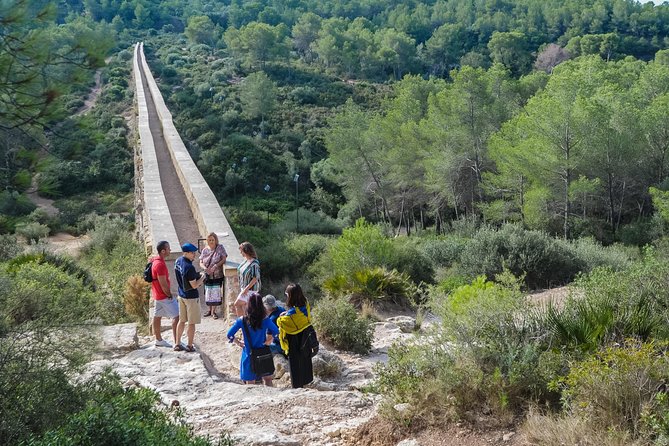
The first proper stop is the Les Ferreres Aqueduct, usually called Pont del Diable, or Devil’s Bridge. Built in the first century BC, it once formed part of Tarragona’s water supply system. Much of the structure remains in remarkably complete condition.
The special part is the chance to walk across the top. That changes the visit from a photo stop into a physical encounter with Roman engineering. You look along the stone channel, cross from one side to the other, and get a clear sense of the scale and care involved in moving water across the land.
The stop lasts about 40 minutes, and admission is listed as free. That is enough time to cross the aqueduct and take photographs, but not enough for an extended walk through the surrounding area. One person specifically wished for more time here, and I understand why. The aqueduct is one of the day’s most memorable places, especially for anyone interested in Roman construction.
Wear shoes with a firm sole. You will be outdoors, and the tour asks you to walk on the aqueduct rather than view it only from ground level. Sun protection is also important, since the stop is exposed.
More Local Culture and Traditions Tours in Barcelona:
- Bike Tour in Barcelona: History, Architecture and Culture
★ 3.5 · 29 reviews - Barcelona Tapas Tour, Taverns, History & Local Culture
★ 5.0 · 25 reviews - Amsterdam Food and Cultural Tour with Tastings
★ 5.0 · 4,315 reviews - Sevilla Food Tour: Tapas, Wine, History & Traditions
★ 5.0 · 3,468 reviews
Tarragona’s walls, cathedral, circus, and amphitheater
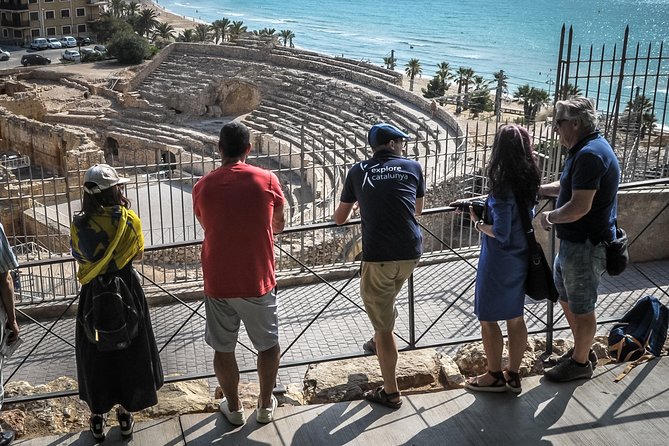
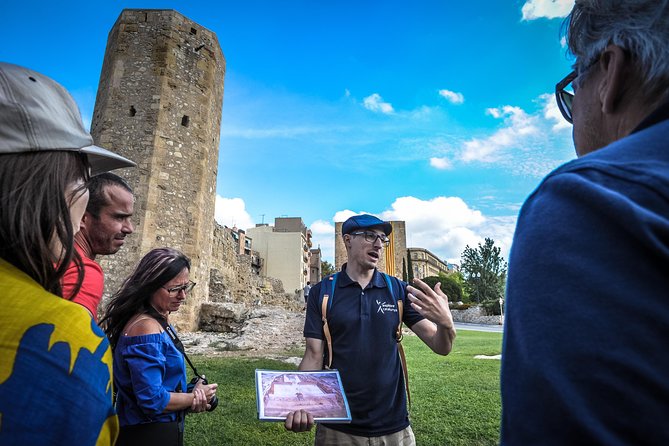
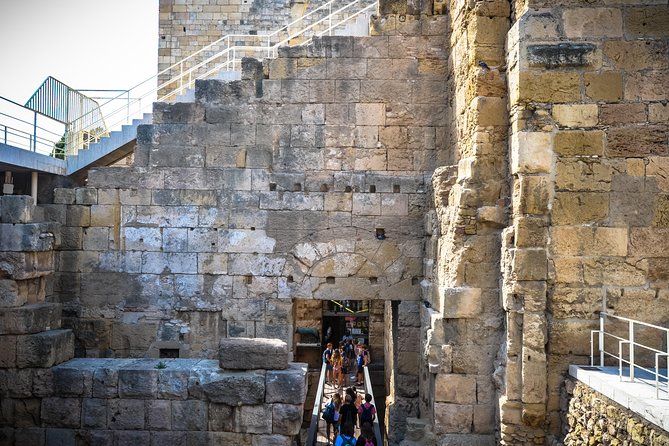
After the aqueduct, the minivan returns to Tarragona. The group enters the old part of the city through a narrow gateway in the ancient walls, then follows an archaeological route through the historic center.
Tarragona was the Roman city of Tarraco, and the remains are not gathered in one isolated park. They appear among later streets and buildings. You may pass stone walls, a medieval hospital, the cathedral, and modern squares before reaching the Roman forum and circus. That overlap is what makes Tarragona so interesting: you are not looking at a frozen ruin, but at a city built over and around its earlier layers.
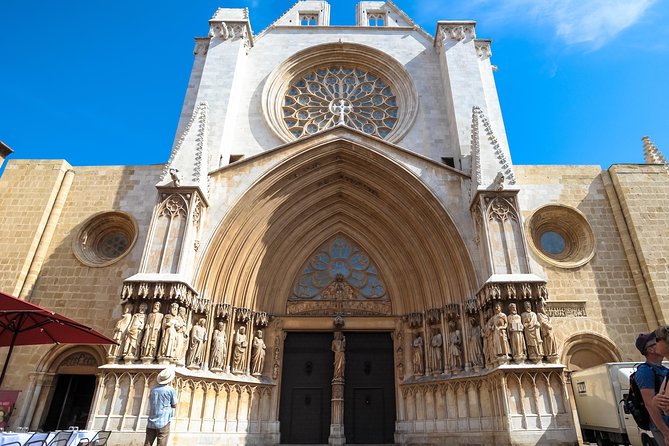
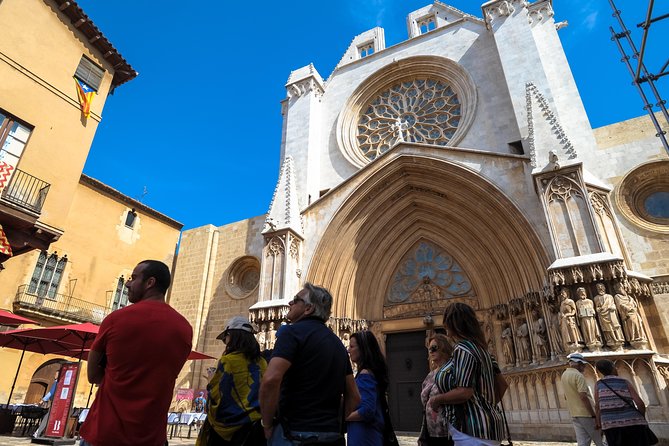
The cathedral visit is paired with the old quarter. On Sunday mornings, the route may include the antique market near the cathedral, adding a little everyday local life to the historical walk. The guide’s explanations help connect the surviving stones to the city plan, rather than leaving you to guess what each fragment once did.
The Roman Circus is especially rewarding. Its underground passageways once supported the seating areas, and part of the structure now lies beneath the urban fabric. Plaça de la Font occupies a space connected with the ancient circus, so you can stand in a normal city square while imagining chariots racing nearby.
The tour then reaches the amphitheater, set near the sea. From the viewpoint, you see the arena and the Mediterranean together. A later Christian church was built in the middle of the arena using blocks from the earlier structure, a striking example of how one place can change purpose over many centuries.
The Tarragona portion lasts about two hours. That gives you a useful guided introduction, but it may not satisfy a serious archaeology enthusiast who wants to enter every monument. Entrance fees to museums and monuments are not included, and the schedule may not leave enough free time for several paid interiors.
This is the main choice you need to make before booking. The tour covers the city’s key Roman sights from outside and explains how they fit together. It does not promise a slow, detailed museum day. One strong opinion from the supplied feedback was that Tarragona deserved more time than Sitges, especially because the Roman circus and amphitheater were not fully entered.
A short pause at Roc de Sant Gaieta
Around 1:30 p.m., the group stops at Roc de Sant Gaieta on the way to Sitges. This is a small coastal settlement built along a rocky shoreline, with tiny white houses and a decorative style inspired by Mediterranean and Roman-Greek forms.
The stop lasts only about 20 minutes. Think of it as a scenic stretch of the legs, not a full village visit. You can walk among the compact houses, take photographs, and enjoy a quick look at a quieter side of the coast.
I like this pause because it breaks up the drive and gives you something different from Tarragona’s ruins. Still, the short timing means you should not expect a long cafe stop, a museum visit, or a proper swim here. The value is visual and atmospheric.
Three hours in Sitges
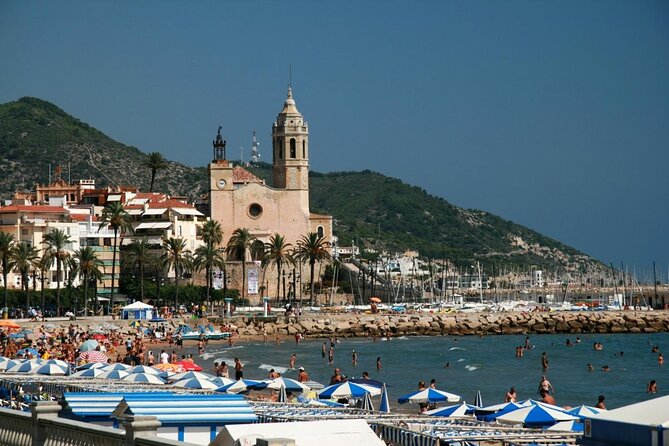
The final major stop is Sitges, reached at about 2:30 p.m. You have until roughly 5:30 p.m. to explore on your own, eat lunch, visit the beach, or browse the streets.
Sitges began as a fishing village and later became a fashionable seaside town. Its old whitewashed houses, narrow lanes, beaches, boutiques, cafes, and bars make it a pleasant contrast to Tarragona. You can wander through the older streets, then reach the seafront for a meal or a drink.
The tour gives you enough time for a proper lunch and some independent exploring. Dining options cover different budgets, though the details do not include a provided meal, so plan to pay separately. If you want to swim, bring a swimsuit and beach towel. The coast is an important part of the day, and several people especially enjoyed fitting in a quick swim after the walking in Tarragona.
Sitges can also be crowded, particularly on a Sunday. One piece of practical feedback described a two-hour restaurant stay and a very busy town, so keep an eye on the clock and do not let lunch consume your entire visit. If you want beach time, choose your restaurant promptly or grab something simple.
The three hours here are either a strength or a weakness, depending on your priorities. You will appreciate them if you want a relaxed lunch, shopping, and a little sea air after the ruins. You may wish they had been reassigned to Tarragona if Roman sites are the reason you booked.
How the guides shape the day
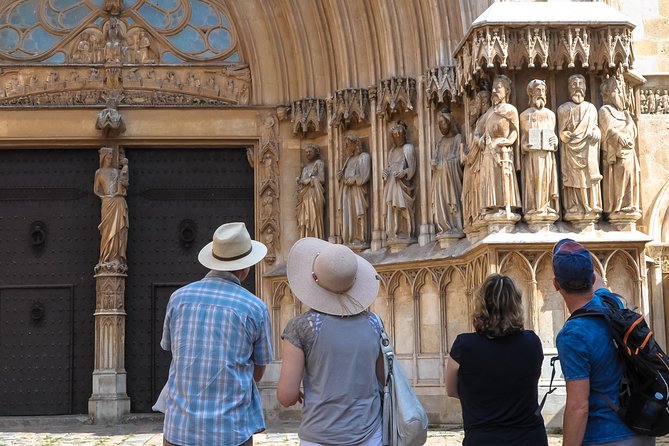
A good guide matters on this tour because Tarragona’s ruins are spread through the city. Without explanation, the circus, forum, walls, and amphitheater can feel like disconnected stone remains.
Sergio is praised for being both informed and genial, with clear presentations that keep the group involved. Rod is described as especially strong on Spanish history and good at keeping the day interesting. Xavier is noted for patience, cheerful service, and useful explanations. Enrique receives praise for historical detail, driving, and practical recommendations. Stephen is described as friendly and helpful, with an expat’s perspective on Catalonia.
These details do not guarantee a particular guide on your departure, but they show what the operator aims to provide: history with personality, room for questions, and help during free time. The small group also makes it easier to ask about lunch, beaches, or the best use of a short stop.
What the $119.48 price really covers
The fee covers the guide, the air-conditioned minivan, and the small-group format. It does not cover food, drinks, hotel pickup, or entrance fees for museums and monuments in Tarragona.
I consider the value strongest for visitors who want to see several places without renting a car or working out regional bus connections. The aqueduct and Tarragona are outside central Barcelona, and Sitges adds another direction and another kind of experience. Having one vehicle link them all is convenient.
The value is weaker if you want maximum time at one site. Independent visitors can spend a full day in Tarragona, take their time at the amphitheater and circus, and return by train. This tour charges for interpretation and convenience, not simply admission.
The price also makes more sense if you use the free time well. Bring swimwear for Sitges, plan a quick lunch rather than a long restaurant meal, and arrive ready to walk. You can turn the day into history, coast, and swimming instead of treating it as a series of rushed photo stops.
Who should book this Tarragona and Sitges tour?
I would choose this tour if you have several days in Barcelona and want one organized day outside the city. It suits couples, families with older children, and first-time visitors who want a guide to explain the Roman remains rather than simply point them out.
It is also a good fit if you like variety. You get an aqueduct, old streets, a cathedral, Roman public buildings, sea views, a coastal village, beaches, cafes, and shops in one day.
I would think twice if you have a single-minded interest in archaeology. Tarragona is the star, but the itinerary gives equal weight to Sitges. You may prefer a Tarragona-focused excursion with more time inside the monuments.
Plan for comfortable shoes, sun protection, water, and a swimsuit if the season suits you. The tour is offered in English, starts early, and returns around dinner time, so it works best when you are ready for a long day rather than a loose afternoon outing.
Should you book it?
Book it if you want an easy, well-explained introduction to Tarragona and prefer to finish beside the water. The Pont del Diable, Tarragona’s Roman remains, and the chance to swim in Sitges give the day a memorable shape.
Skip it if you want a slow archaeological study or dislike fixed schedules. The biggest compromise is simple: three hours in Sitges means less time in Tarragona. For most visitors, the mix is the appeal. For Roman history specialists, that same mix may be the reason to choose another tour.
Free cancellation is available up to 24 hours before the start time. If the minimum number of participants is not reached, the operator offers another date or experience, or a full refund.
FAQ
Where does the tour begin?
It begins at C/ Palau de la Música, 1, near Palau de la Música in central Barcelona. You should arrive around 8:15 a.m. for an 8:30 a.m. departure.
Where does the tour end?
The planned end point is Plaça de Catalunya around 7:00 to 7:15 p.m. Depending on traffic and group size, the minivan may instead return to the tour office or Arc de Triomf.
Is hotel pickup included?
No. Hotel pickup and drop-off are not included. You make your own way to the meeting point and leave from the central Barcelona return point.
Are meals and monument entry fees included?
No. Food and drinks are not included. Entrance fees for museums and monuments in Tarragona are also separate.
Can I swim in Sitges?
Yes. The itinerary provides free time at Sitges, including the option to swim. Bring a swimsuit and beach towel if you plan to use the beach.
How far in advance can I cancel?
You can cancel at least 24 hours before the experience begins for a full refund. Changes or cancellations made less than 24 hours before the start time are not accepted for a refund.
More Small-Group History Tours in Barcelona
- Pyrenees & Medieval Towns Small Group Tour from Barcelona
★ 4.5 · 669 reviews - Besalu & 3 Medieval Towns Small Group Tour with Hotel Pick-Up
★ 5.0 · 562 reviews - Pompeii: Small Group Tour with an Archaeologist
★ 4.8 · 12,264 reviews - London Small Group Tour of Historical Pubs
★ 5.0 · 10,422 reviews
Just added around Barcelona
- Girona, Costa Brava and Medieval Village from Barcelona★ 5.0 · 149 reviews
- Barcelona Tapas Food Tour, Taverns, History & Local Culture★ 5.0 · 42 reviews
- Savor Spain: Food, Wine, History & Culture Small Group Tour in Old Barcelona★ 5.0 · 140 reviews
- Private Pre-Pyrenees Medieval Village Hike from Barcelona★ 5.0 · 39 reviews
- Sip, Sites & Bites Barcelona Food, Drinks & History Tour★ 4.5 · 95 reviews
- History Museum of Catalonia & Rooftop Access Ticket★ 4.5 · 43 reviews
- Private Besalú & 3 Medieval Towns Tour with Hotel PickUp from Barcelona★ 5.0 · 37 reviews
- Barcelona: La Boqueria Food, Wine & History Walking Tour★ 5.0 · 126 reviews
Barcelona History Tours, compared.

Montserrat with Black Madonna & Medieval Winery with Tapas/Lunch
Read our review →
Barcelona Tapas Walking Tour: Food, Wine & History
Read our review →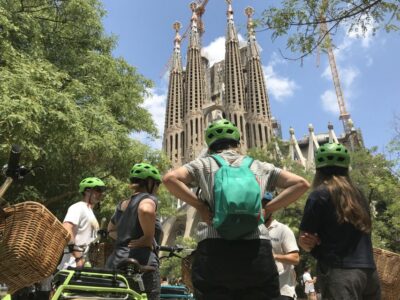
Barcelona: 2.5-Hour Bike or E-Bike Historical Tour
Read our review →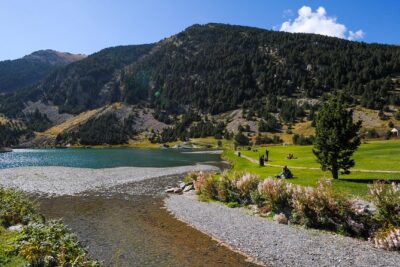
Pyrenees & Medieval Towns Small Group Tour from Barcelona
Read our review →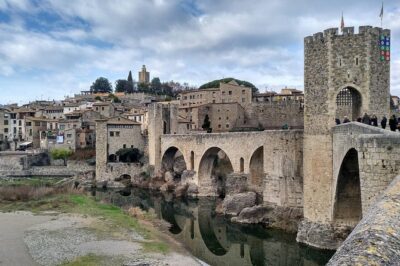
Besalu & 3 Medieval Towns Small Group Tour with Hotel Pick-Up
Read our review →
Costa Brava & Medieval Village Tour with Lunch
Read our review →

Barcelona Erotic Museum – Explore Art, History & Fun
Read our review →Browse the lists this tour appears in