Review · POMPEII
Pompeii: Small Group Tour with an Archaeologist
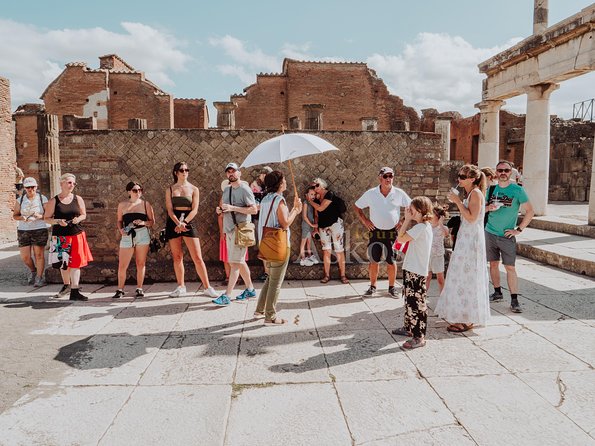
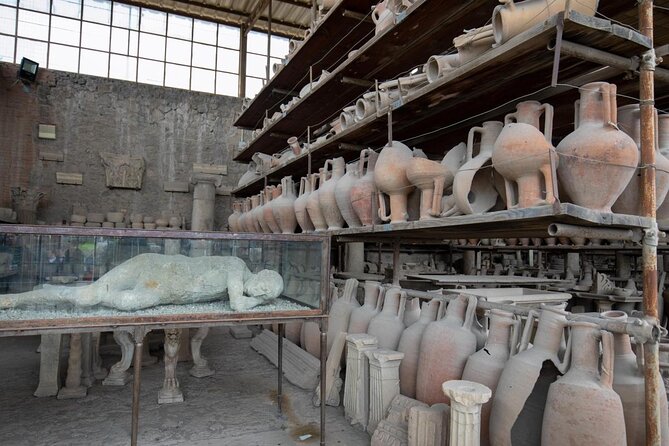
The most useful way to see Pompeii is to begin with someone who can explain what you are looking at. This tour leads you through the ancient streets with an archaeologist guide, connecting faded frescoes, wheel ruts, bakeries, temples, and plaster casts to the people who once lived here.
I like the choice between a small-group tour and a private visit, and I like that your ticket lets you remain in the archaeological park after the guided walk. The two-hour tour gives you a clear introduction, while the three-hour option adds the remarkable Villa of the Mysteries.
The main drawback is Pompeii itself: it is enormous, uneven, and tiring. A late tour can leave little time for further exploring before closing, and the site is not suitable for wheelchair users or people who have trouble with steps, slopes, or long walks.
Key points to know before booking
- Choose your depth: The two-hour visit covers the main sights, while the three-hour version adds the Villa of the Mysteries and its famous frescoes.
- Expect a real archaeologist: Guides such as Roxanne, Paolo, Nicoletta, Teresa, Mario, and Anna have been praised for clear storytelling, humor, and strong knowledge of the site.
- See Pompeii as a city: The route includes the Forum, temples, basilica, baths, homes, bakery areas, theater, brothel, and major streets.
- Save time afterward: You can remain inside Pompeii once the guided portion ends, and guides offer suggestions for what to see next.
- Wear practical shoes: Uneven paving, ramps, steps, and slight climbs are part of the experience.
- Plan your timing carefully: A two-hour afternoon tour may leave only a short period for independent exploring, especially when parts of the park close earlier.
Why an archaeologist makes Pompeii easier to understand
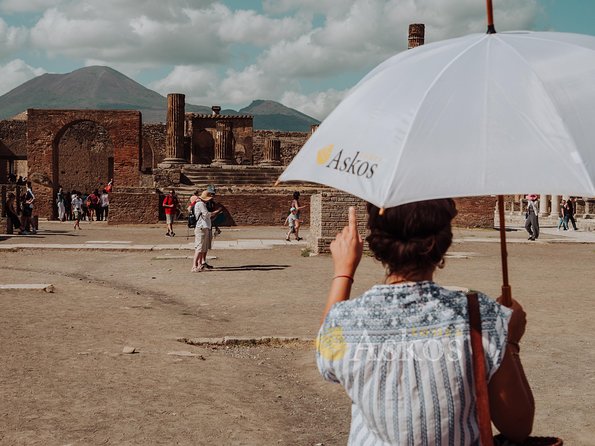
Pompeii can feel confusing at first. You enter a huge field of streets and stone walls, then realize that the remains cover an entire Roman town. Without context, it is easy to walk past a shop, fountain, temple, or private house without understanding its purpose.
A trained guide gives you a framework. You learn how to tell a home from a commercial space, notice details such as handprints on fountains and cart tracks in the roads, and picture how public and private life worked together. The best guides do not simply recite dates. They explain what people did in these rooms and why the surviving details matter.
That human focus is a major strength of this experience. Guides have brought up ordinary life, business, bathing, religion, entertainment, food production, graffiti, and the final hours of the city. Some also have direct archaeological experience. Teresa, for example, has worked on excavations, while guide Alexandra has studied burial objects.
The result is a better sense of Pompeii as a lived-in place, not just a collection of ruins.
More Ancient History Tours in Italy
- Pompeii: Entry Ticket and Guided Tour with an Archaeologist
★ 4.8 · 19,459 reviews - Pompeii Small Group Tour with an Archaeologist
★ 5.0 · 6,593 reviews - Discover the Ancient Ruins of Pompeii: Day Trip from Rome
★ 3.5 · 2,247 reviews
Entering through Porta Marina Superiore
The visit begins at Porta Marina Superiore, one of Pompeii’s ancient gates. The exact meeting point depends on the option you book, with listed locations around Via Villa dei Misteri, Via Roma, and the Hortus Pompei restaurant and garden bar.
Check your meeting instructions closely. There have been occasional mix-ups at the start, so I would arrive early, find the tour staff, and make sure your name has been checked off. If you arrive late, contact the staff as soon as possible. In one case, a delayed train passenger was moved to a later departure, but you should not count on that.
The included Pompei Express ticket lets you skip the ticket line. Transportation is not included, so you must make your own way to Pompeii. A cloakroom near Porta Marina Superiore may be available for bags, but large luggage is not allowed inside. Bring a passport or identity card, or a copy.
Once inside, the gate gives you a useful starting point. You are not simply entering a museum. You are walking into the edge of an ancient town, with streets leading toward its public center.
The Forum, temples, and public life
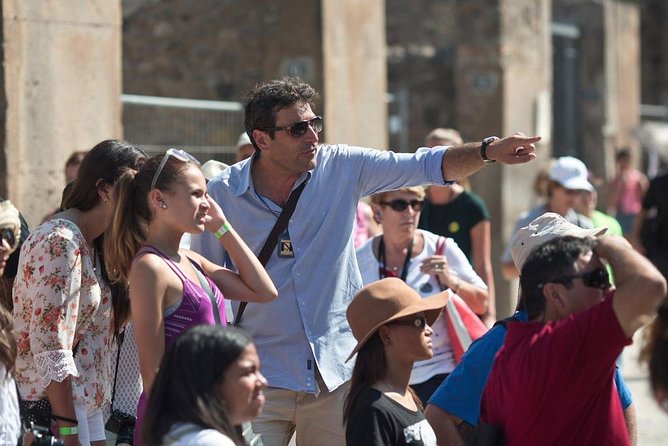
The Forum was the heart of civic Pompeii. From here, the guide can show you the main public buildings and point out the way Mount Vesuvius overlooks the site. That view adds an uneasy layer to the visit. The volcano is not an abstract part of the story. It is right there above the ruins.
The Temple of Apollo is among the early stops. Its columns and open setting help explain the religious side of the city, while the nearby Temple of Jupiter shows the scale and importance of the Forum area.
The Basilica served as Pompeii’s business and legal center. Your guide can help you read the surviving layout and understand that this was not only a religious or ceremonial zone. Arguments, contracts, trade, and public decisions took place here.
This section of the walk can be busy, especially at popular times. One advantage of having a good guide is the ability to adjust the order of the route. Guides such as Nicoletta and other members of the team have been praised for moving groups away from crowded areas and, when possible, choosing quieter points for explanations.
Homes that reveal Roman taste and status

Pompeii’s private houses are some of its most rewarding stops. The House of Menander, House of the Faun, and House of the Vettii show different sides of domestic life, wealth, decoration, and social rank.
At the House of Menander, you can see how a large residence was arranged around its rooms and courtyards. The House of the Faun is especially notable for its size and decoration. Even when a room is missing much of its original structure, the surviving floor plans and artistic details help you understand how much work went into a Roman home.
The House of the Vettii is a highlight for many visitors. Its frescoes and preserved interiors show how decoration could signal wealth and taste. A guide can also explain what you are seeing instead of leaving you to guess at the meaning of each painted panel.
I appreciate the small observations here. The entrance to a building may reveal whether it was a shop or a residence. A worn threshold, water feature, painted wall, or arrangement of rooms can say more than a grand monument if someone points it out.
The site contains plenty of artwork, mosaics, and frescoes. Their condition varies, and temporary closures can change the route, but the chance to see original Roman decoration in place is one of Pompeii’s strongest attractions.
More Ancient History Tours in Pompeii
- Pompeii and Herculaneum Small Group Tour with an Archaeologist
★ 5.0 · 1,350 reviews - Skip the Line Guided Tour of Pompeii led by an Archaeologist
★ 5.0 · 703 reviews - Pompeii: Tour with Archaeologist Guide & Skip-the-Line Entry
★ 4.5 · 623 reviews - Pompeii Private Tour with an Archaeologist and Skip The Line – 3 hours
★ 5.0 · 564 reviews
Baths, bakery, and the practical city
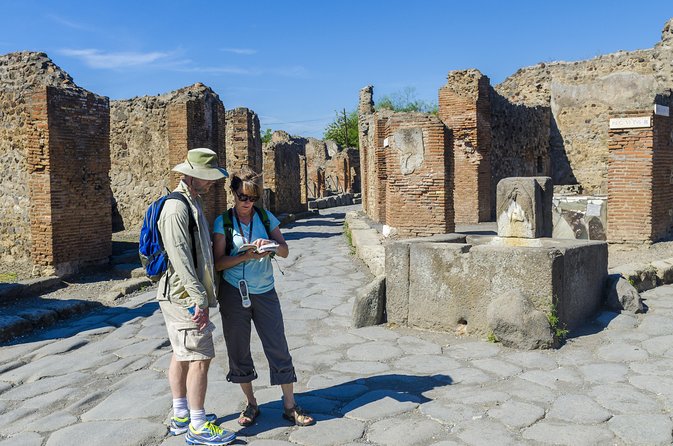
The Forum Baths offer a look at everyday routines rather than grand public ceremonies. Roman bathing was social as well as practical, and the surviving rooms show the careful planning needed to heat and manage these facilities.
The route also includes a bakery area. This is where Pompeii begins to feel particularly ordinary. The city was not built only from temples and wealthy villas. It had food production, shops, services, and work spaces that kept daily life moving.
Your guide may also use the streets themselves as evidence. Raised paving, worn stones, wheel tracks, fountains, and drainage features help show how residents, carts, and pedestrians moved through the town. These details are easy to miss when you walk alone.
The walking distance is manageable for many people during the guided portion, but the ground is uneven. You will encounter steps, ramps, inclines, and declines, with limited places to sit. Bring water and protect yourself from the sun. One guide, Nicoletta, has been praised for making an effort to keep the group out of direct sun when possible, but conditions still depend on the day and route.
The Lupanar and Pompeii’s adult side
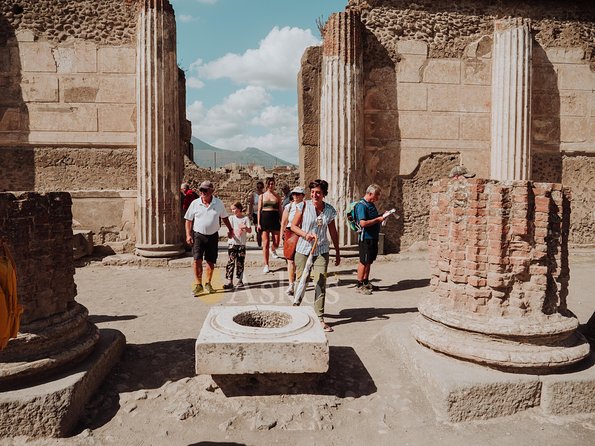
The Lupanar, Pompeii’s famous brothel, is included among the principal stops. Its name, small stone beds, and preserved erotic frescoes make it one of the site’s most talked-about buildings.
This is an adult subject, and the guide’s handling matters. Children can join the tour when accompanied by an adult, but parents should know that sexual imagery and adult themes appear here and elsewhere in Pompeii’s graffiti and artwork. Guides generally place the material in its historical setting rather than treating it as a joke.
The Lupanar is a short but memorable stop because it shows that Pompeii’s public image was not limited to temples, villas, and formal politics. The city had a working population, private desires, businesses, and blunt public writing, all of which survived in fragments.
The theaters and a change of pace
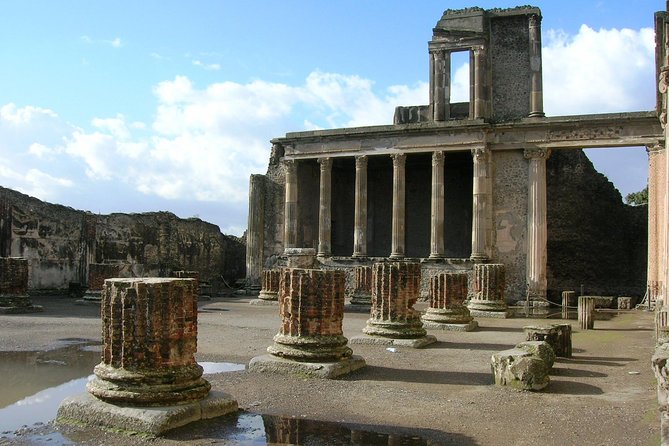
The Large Theater provides one of the tour’s most dramatic moments. Walking into the seating area gives you a strong sense of how entertainment worked in Roman Pompeii. The scale is easier to understand when you are standing inside it rather than viewing it in a photograph.
The theater also helps break up the route. After the Forum, houses, baths, and narrow streets, the open space and curved seating create a clear change of pace. Guides often use the theater to discuss performances and public gatherings, while giving you a chance to look around and take in the structure.
You will not see every part of Pompeii in two or three hours. The park is so large that crossing from one side to the other can take roughly half an hour. That is why a guided introduction is useful: it helps you spend your limited energy on places that explain the city well.
The three-hour option and Villa of the Mysteries
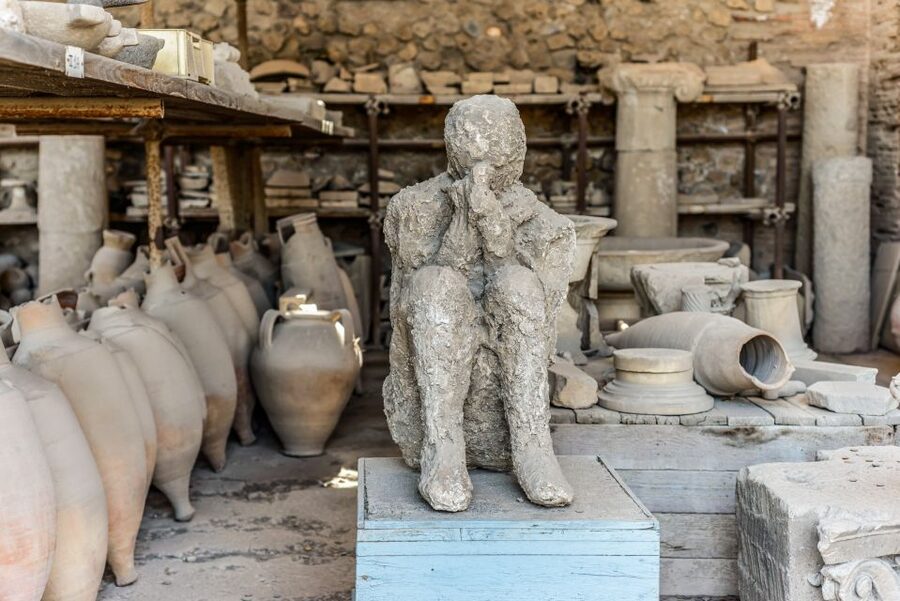
The three-hour tour adds the Villa of the Mysteries, located away from the central cluster of highlights. This is the right choice if you care about ancient painting and want more time with one of Pompeii’s most impressive interiors.
The villa is known for its large fresco cycle. The images are striking, but their meaning has long been debated. A good archaeologist can explain the main interpretations without pretending that every question has a simple answer.
The extra hour also makes the route feel less rushed. Several people who chose the longer tour wished they had even more time, which says something about Pompeii’s scale rather than a flaw in the schedule. You still cover a lot of ground, but the Villa of the Mysteries gives the visit a strong final chapter.
If you mainly want the Forum, theater, houses, baths, and Lupanar, the two-hour option is a sensible introduction. If you are unlikely to return to Pompeii, or if frescoes are a major reason for your visit, pay more for the three-hour version.
Guide quality and group atmosphere
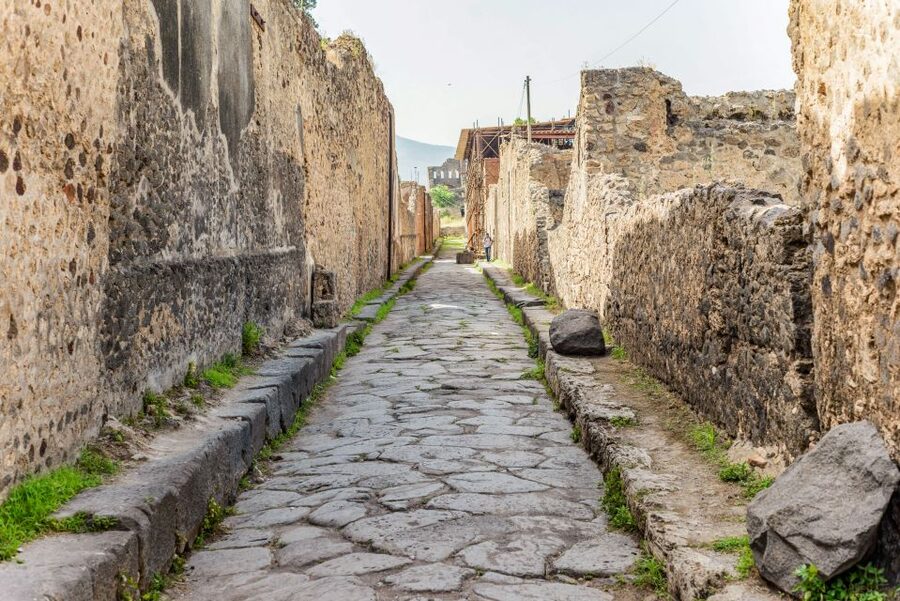
The guide is the key variable in this experience. The tour has been led by different archaeologists, including Roxanne, Paolo, Alexandra, Alfredo, Anna, Nicoletta, Teresa, Mario, Juliana, Rosanna, Raffaella, and others.
The strongest guides combine facts with stories and keep the group involved. Paolo has been praised for his passion and humor. Roxanne is known for an easy manner and lively delivery. Nicoletta has been singled out for her command of the site and ability to avoid crowds. Mario has led engaging three-hour visits, including the Villa of the Mysteries.
English, Italian, French, Spanish, German, and Portuguese options are available, but the language choices can differ between shared and private departures. Check the language for the exact option you want before paying.
Headsets are available for groups of 16 or more. They help when the group is large, though one person found the earpieces harder to use than expected. In smaller groups, you may hear the guide directly, but conditions can change around busy streets and crowded monuments.
Is $40 a fair price?
At about $40 per person, the tour offers solid value if you want structure and context. Your entry ticket is included, along with two or three hours of archaeological guiding. You are also free to continue exploring after the official walk, which turns the tour into a useful orientation rather than a complete limit on your visit.
A private option costs more than a shared group, though the listed price is for the standard experience. Private touring is worth considering if your party wants its own pace, has specific interests, or would benefit from more direct questions.
The best value comes from booking an earlier start. You then have more of the day left for independent exploration. An afternoon tour can still work well, but if Pompeii closes soon after you finish, you may miss areas that are not part of the guided route.
Who should book this Pompeii tour?
I would choose this tour for a first visit, especially if you want to understand the site rather than simply photograph it. Families can benefit from the stories and clear route, and teenagers often respond well to the theaters, graffiti, daily-life details, and adult sections.
It also suits history fans who want an archaeologist’s view. The guide’s comments about excavation, burial objects, building use, and small physical clues can add depth that a basic audio guide may not provide.
I would hesitate if you have serious mobility limits. The uneven surface, ramps, steps, and slight steep sections make the site difficult, and the experience is not suitable for wheelchair users or mobility scooters. Dogs over 10 kilograms are not allowed, and smoking and large bags are prohibited.
Final verdict: book it if you want context
Book this tour if you want a well-planned introduction to Pompeii, an archaeologist to explain the details, and the freedom to keep exploring afterward. The two-hour version is enough for the main story, while the three-hour option is better for the Villa of the Mysteries and a slower pace.
I would choose a morning departure, wear firm walking shoes, bring water, and allow several extra hours after the tour if possible. At $40, it is a sensible way to get your bearings in a huge archaeological park without giving up the chance to wander on your own.
FAQ
What does the Pompeii tour include?
The experience includes a Pompei Express entry ticket and a two-hour or three-hour guided visit led by an archaeologist. You can also remain inside the archaeological site and explore independently after the guided portion.
How long does the tour last?
You can choose a two-hour tour or a three-hour tour. The longer option includes a visit to the Villa of the Mysteries.
Is the Villa of the Mysteries included in every option?
No. The Villa of the Mysteries is included in the three-hour option. The two-hour tour focuses on the main Pompeii highlights.
Which Pompeii sights are visited?
The route can include Porta Marina, the Temple of Apollo, the Forum, the Temple of Jupiter, the Basilica, the House of Menander, the Forum Baths, the Lupanar, the House of the Faun, the Large Theater, and the House of the Vettii.
Is transportation included?
No. You must arrange your own transportation to the meeting point. The meeting location can vary depending on the option booked.
Which languages are available?
Guided tours are available in English, Italian, French, Spanish, German, and Portuguese. Language choices can differ between shared and private options, so check the exact departure before booking.
Can I explore Pompeii after the guided tour?
Yes. You are free to stay inside the archaeological site and continue exploring after the tour. Your guide can suggest additional areas to visit.
Is the tour suitable for wheelchair users?
No. The tour is not suitable for wheelchair users or people with mobility impairments because of uneven ground, steps, ramps, and slight steep climbs. Mobility scooters are also not allowed.
What should I bring to the tour?
Bring a passport or identity card, or a copy. Wear suitable walking shoes and avoid bringing large luggage. Food and drinks are not included, and a cloakroom near Porta Marina Superiore may be available subject to space.
More Small-Group History Tours in Pompeii
- PompeiI Exclusive Tour with your Archaeologist in a Small Group
★ 4.5 · 363 reviews - Pompeii Small Group Tour – Tickets Included
★ 4.7 · 72 reviews - London Small Group Tour of Historical Pubs
★ 5.0 · 10,422 reviews - Boston: Freedom Trail History Small Group Walking Tour
★ 5.0 · 6,450 reviews
More Archaeological Site Tours in Pompeii
- Pompeii Skip-the-line Tour with Archaeologist Guide
★ 5.0 · 559 reviews - Explore Pompeii with an Archaeologist
★ 5.0 · 511 reviews - Pompeii 3hours Villa of Mysteries tour with an Archaeologist
★ 4.8 · 486 reviews - Pompeii Private Tour with an Archaeologist and Skip The Line
★ 5.0 · 391 reviews
Just added around Pompeii
- Pompeii and Herculaneum: Guided Tour with an Archaeologist★ 5.0 · 164 reviews
- Pompeii Guided Tour with Archaeologist★ 4.6 · 27 reviews
- Pompeii: Guided Tour with Archaeologist with max. 12 People★ 5.0 · 155 reviews
- Pompeii Small Group Tour – Tickets Included★ 4.7 · 72 reviews
- Pompeii: 2-Hour Guided Tour with an Archaeologist★ 4.9 · 151 reviews
- PompeiI Exclusive Tour with your Archaeologist in a Small Group★ 4.5 · 363 reviews
- Pompeii Private Tour with an Archaeologist Guide★ 5.0 · 184 reviews
- Pompeii Private Tour with an Archaeologist and Skip The Line★ 5.0 · 391 reviews
Pompeii History Tours, compared.
Pompeii: Entry Ticket and Guided Tour with an Archaeologist
Read our review →
Pompeii Small Group Tour with an Archaeologist
Read our review →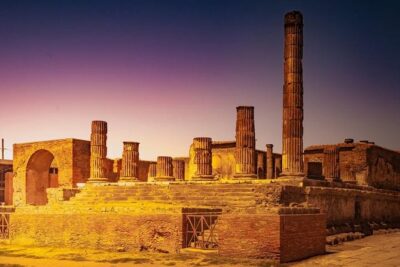
Discover the Ancient Ruins of Pompeii: Day Trip from Rome
Read our review →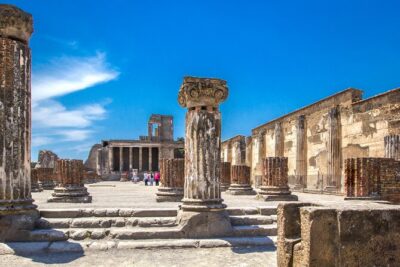
Pompeii and Herculaneum Small Group Tour with an Archaeologist
Read our review →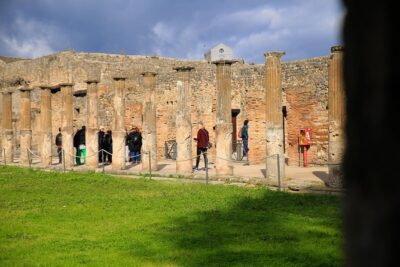
Skip the Line Guided Tour of Pompeii led by an Archaeologist
Read our review →
Pompeii: Tour with Archaeologist Guide & Skip-the-Line Entry
Read our review →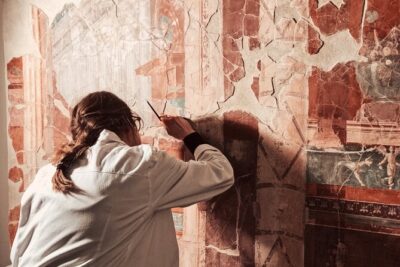
Pompeii Private Tour with an Archaeologist and Skip The Line – 3 hours
Read our review →